Product Description
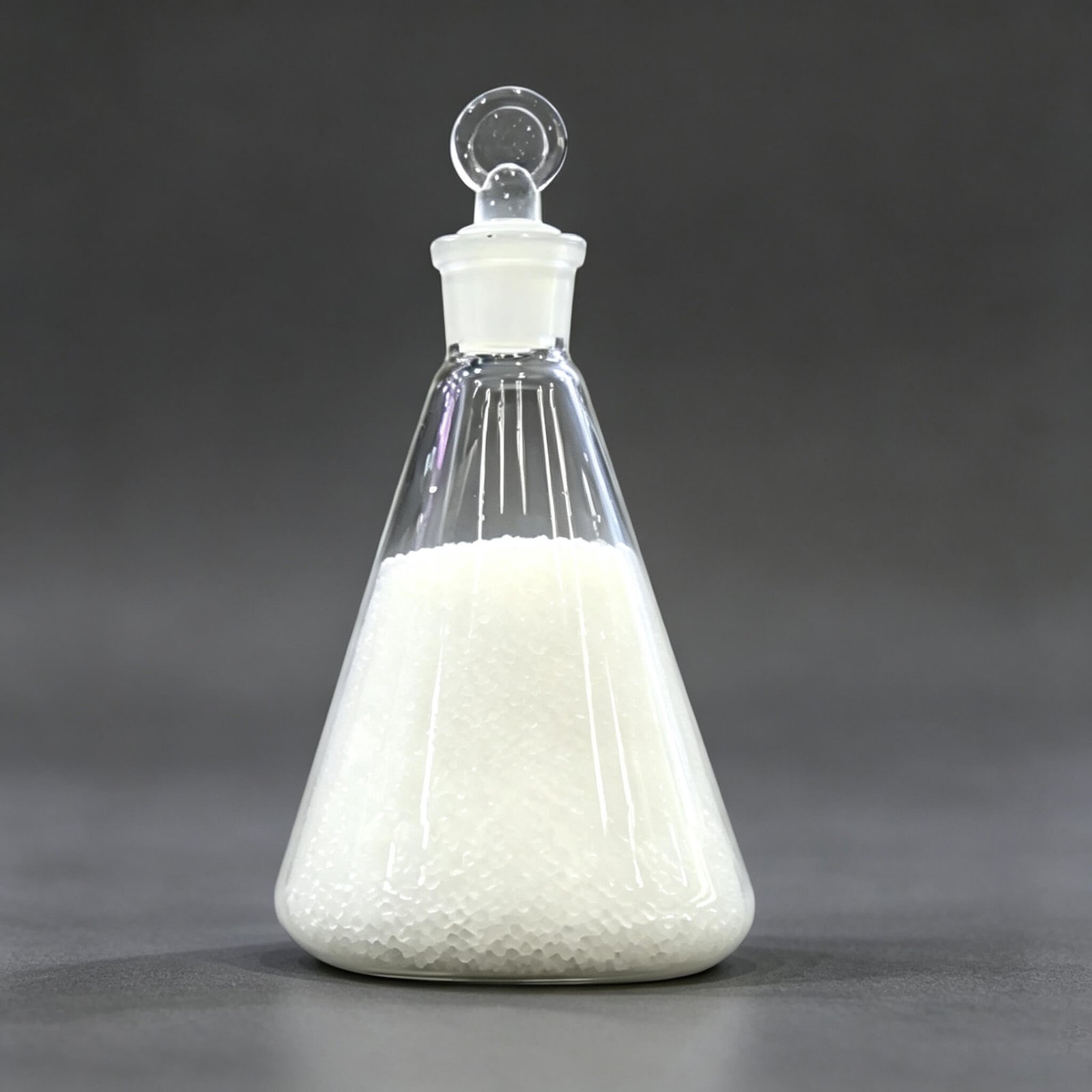
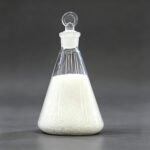
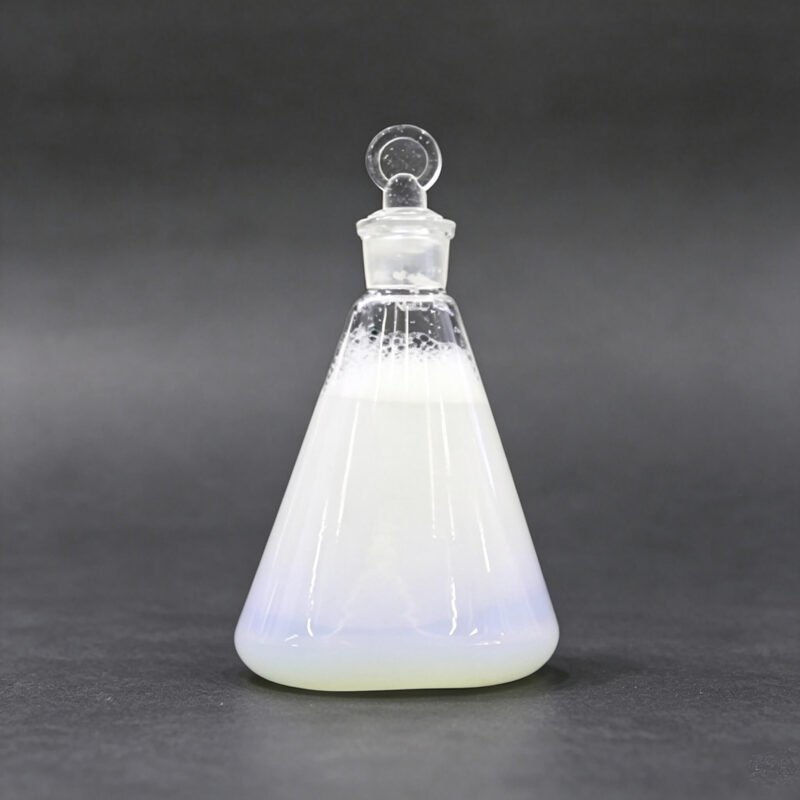
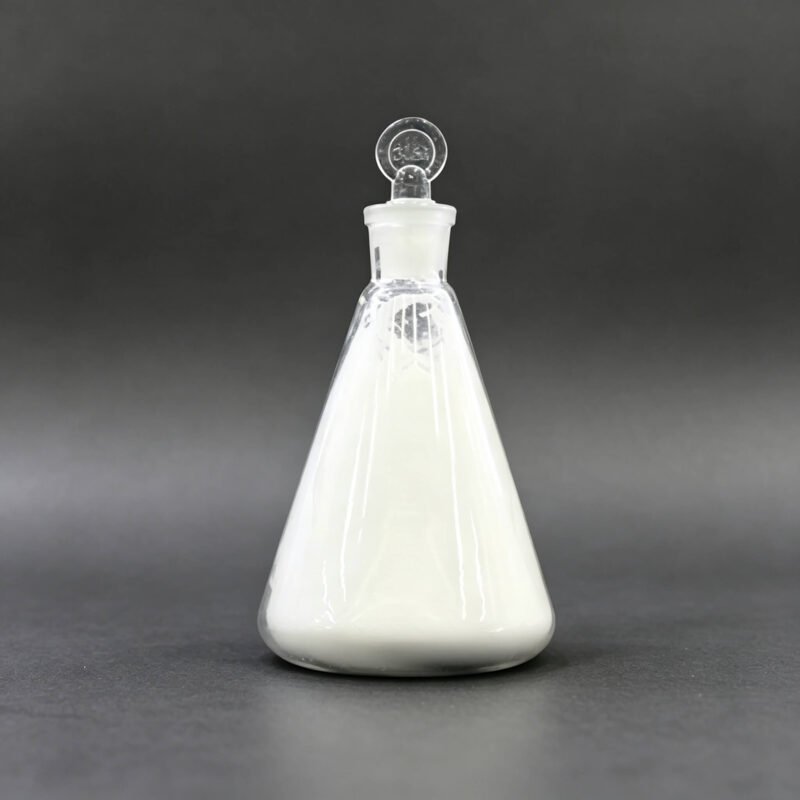
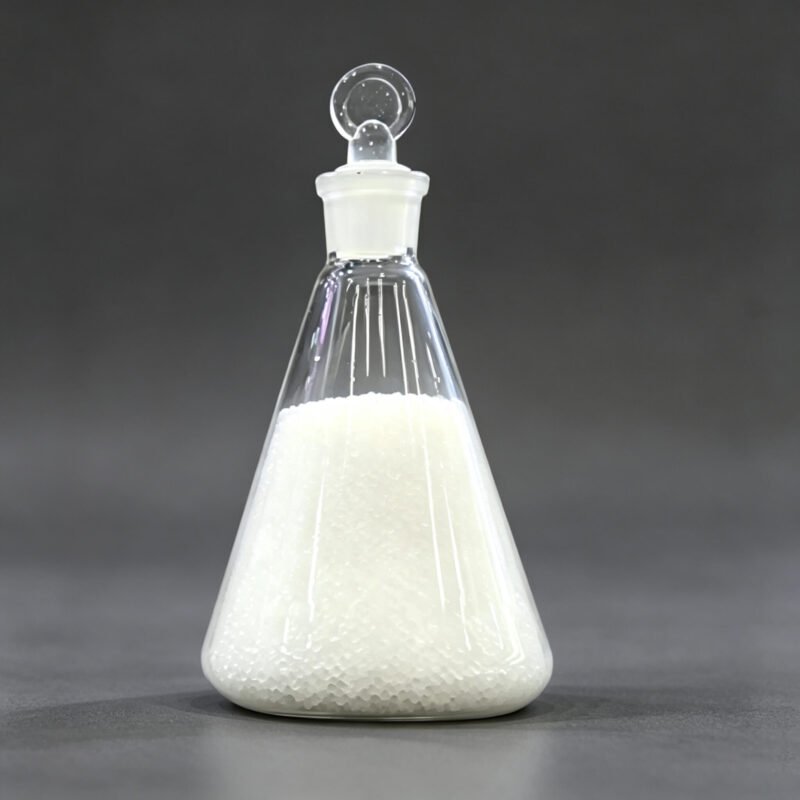
Polyperfluoroethylene-propylene resin (FEP) is a copolymer of tetrafluoroethylene and hexafluoropropylene. It has good thermal stability, outstanding chemical inertness, excellent electrical insulation and low friction coefficient, and can be processed by thermoplastic processing methods.
Implementation standard: Q/0321DYS 003
Application
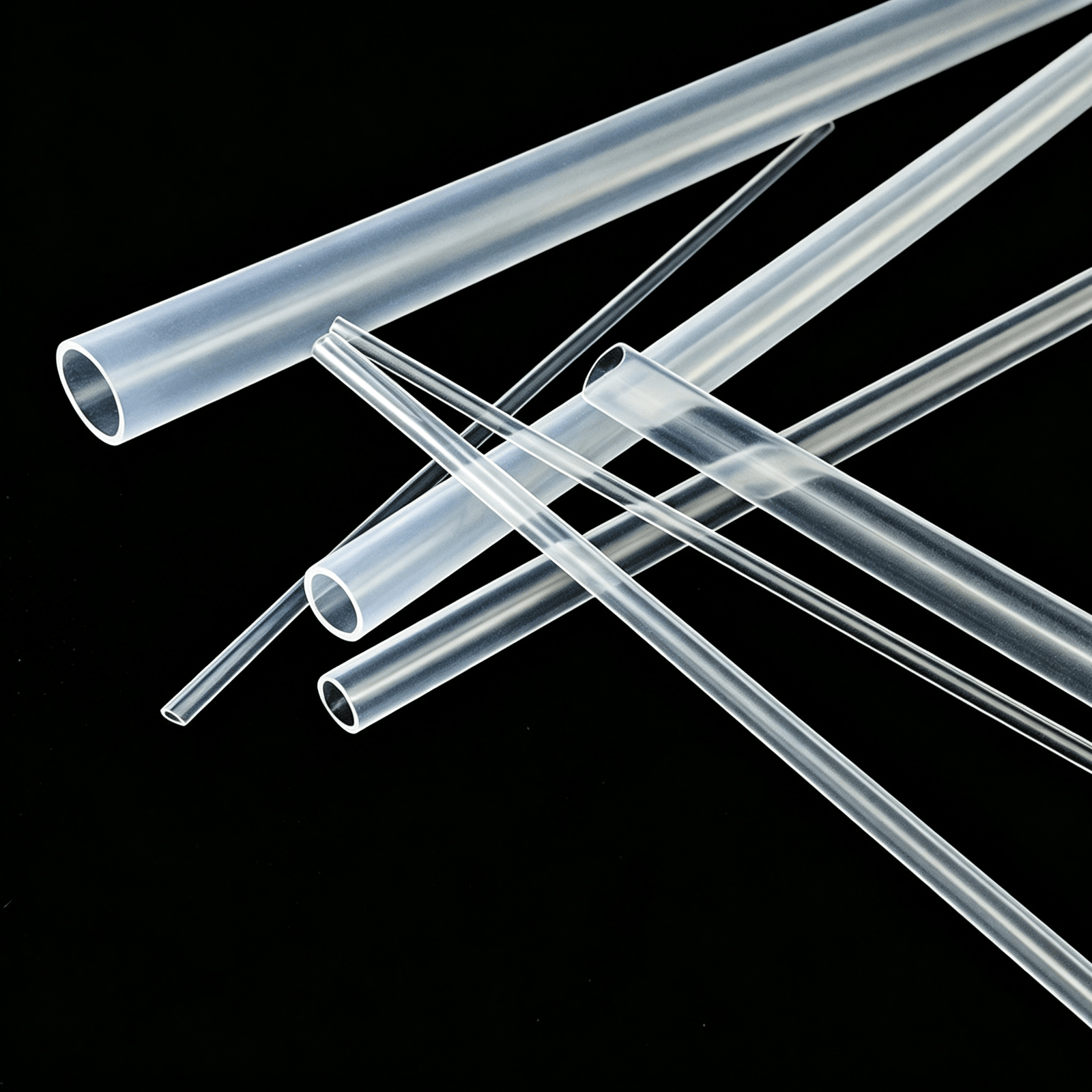
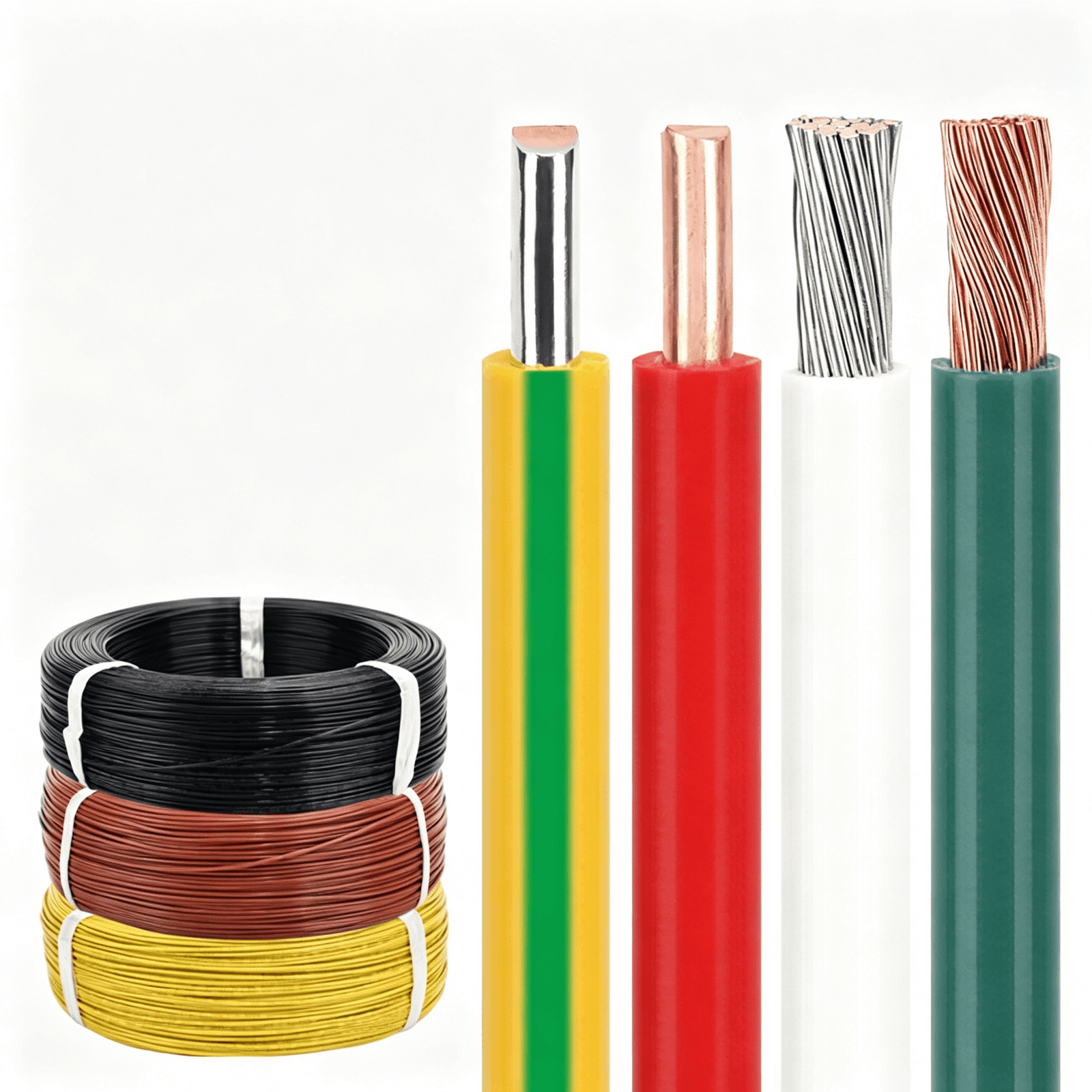
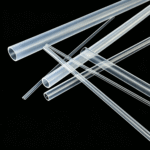
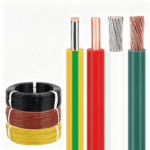
MK-11: A high-molecular-weight, low-melt-index resin and molding material resistant to thermal stress cracking. It is used in applications requiring stress-cracking resistance where processing speeds are low to moderate. Key applications include heat-shrinkable tubing; linings for pumps, valves, and piping; and wire insulation.
MK-12: An extrusion-grade plastic resistant to environmental stress cracking, primarily used for wire insulation and thin-walled tubing.
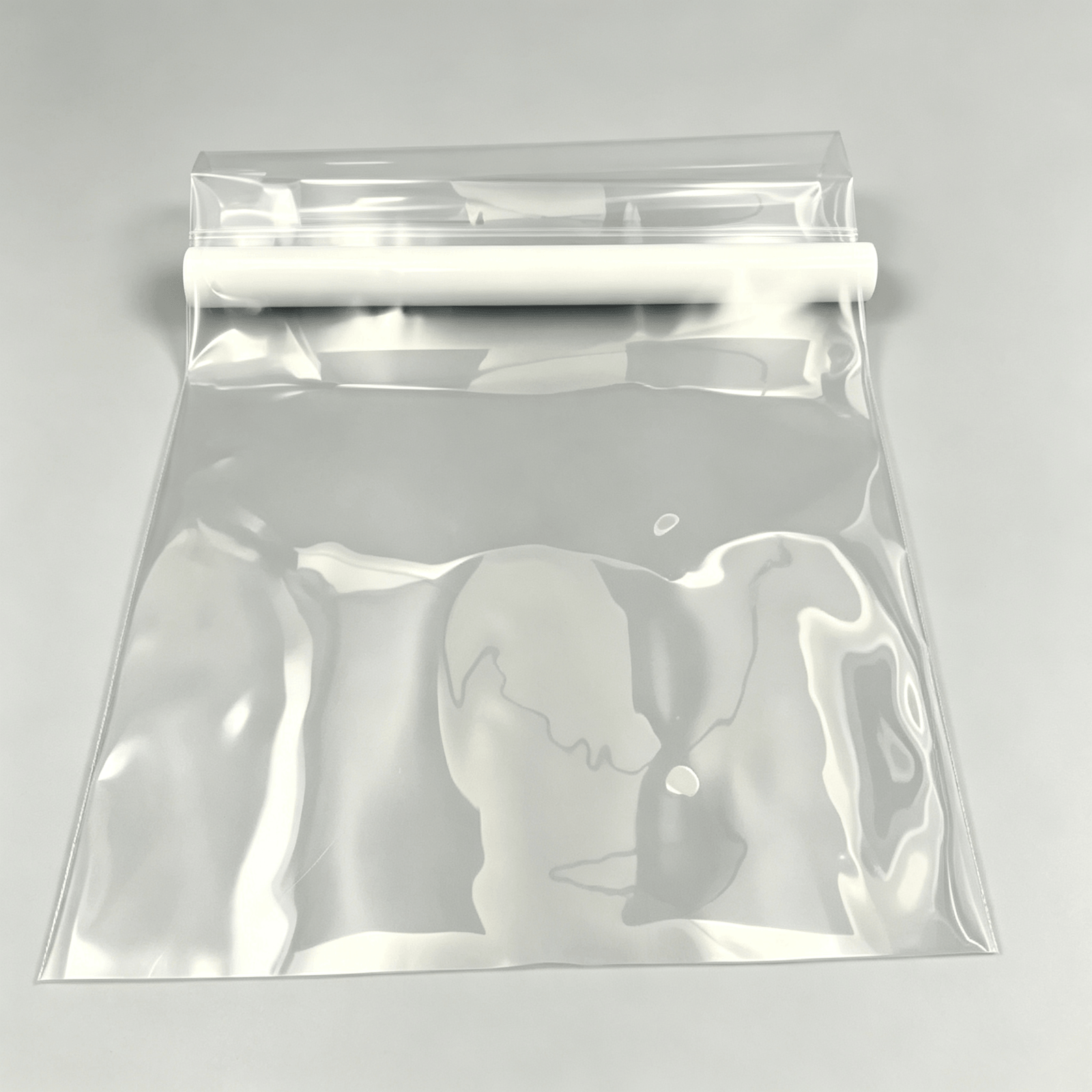
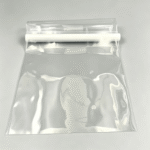
MK-13: A general-purpose resin for extrusion processing, primarily used for wire insulation, tubing, and films, as well as in applications requiring specific flexural properties, such as automotive cables.
Packaging
- Packed in polyethylene plastic bags, and then sealed in outer packaging bags, each bag contains a net weight of 25 kg.
Transportation & Storage
Transportation: Non-toxic, non-flammable, non-explosive, and non-corrosive; transported as non-hazardous goods.
Storage: Stored in a clean, dry, cool, and dark environment, preventing the introduction of impurities.
Attention
The processing temperature should not exceed 420 ℃ to avoid decomposition and the generation of toxic gases.