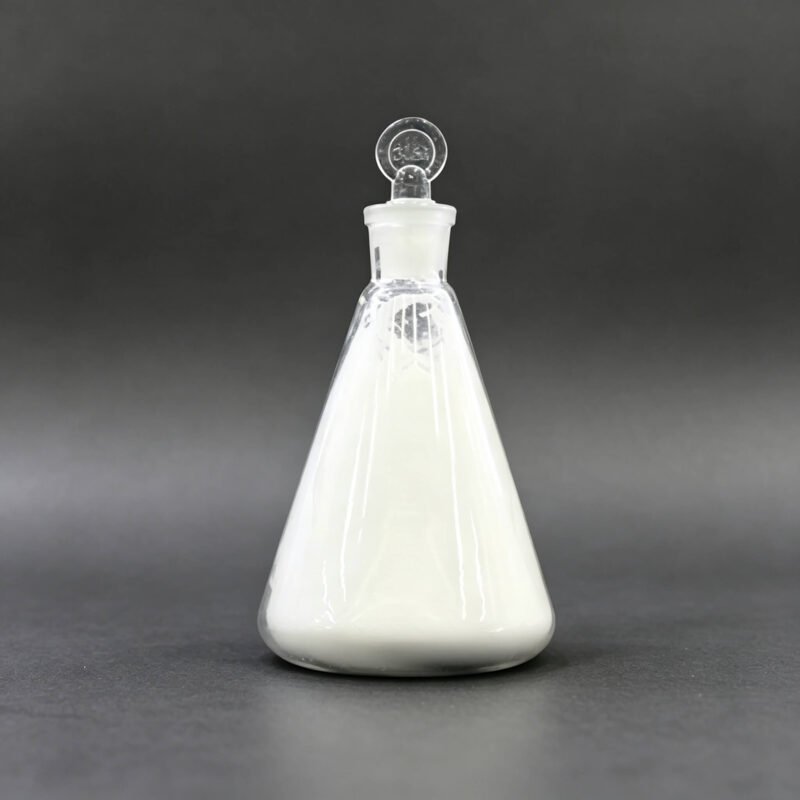
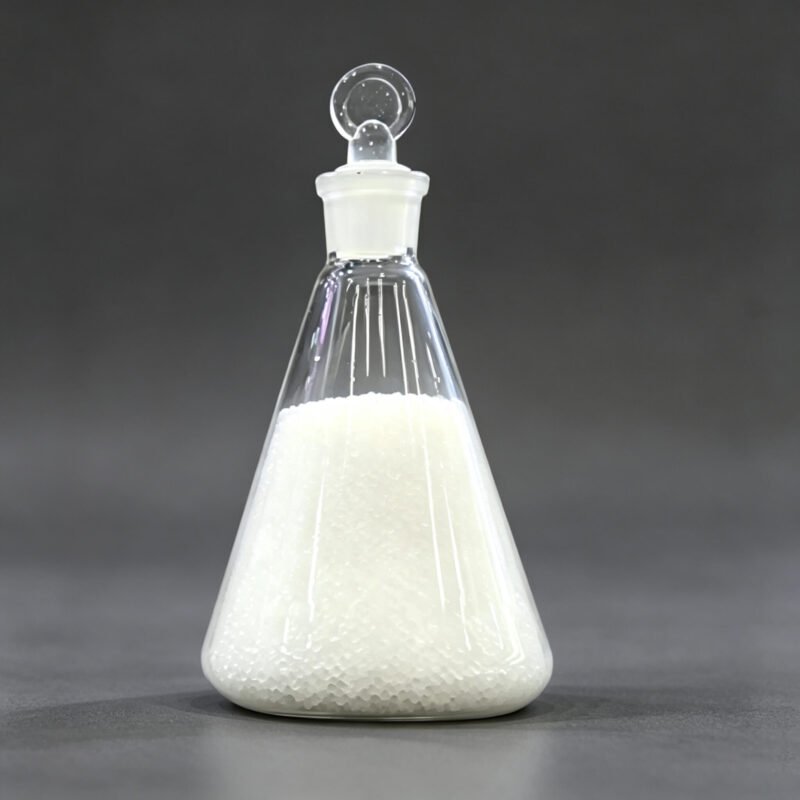
Product Description
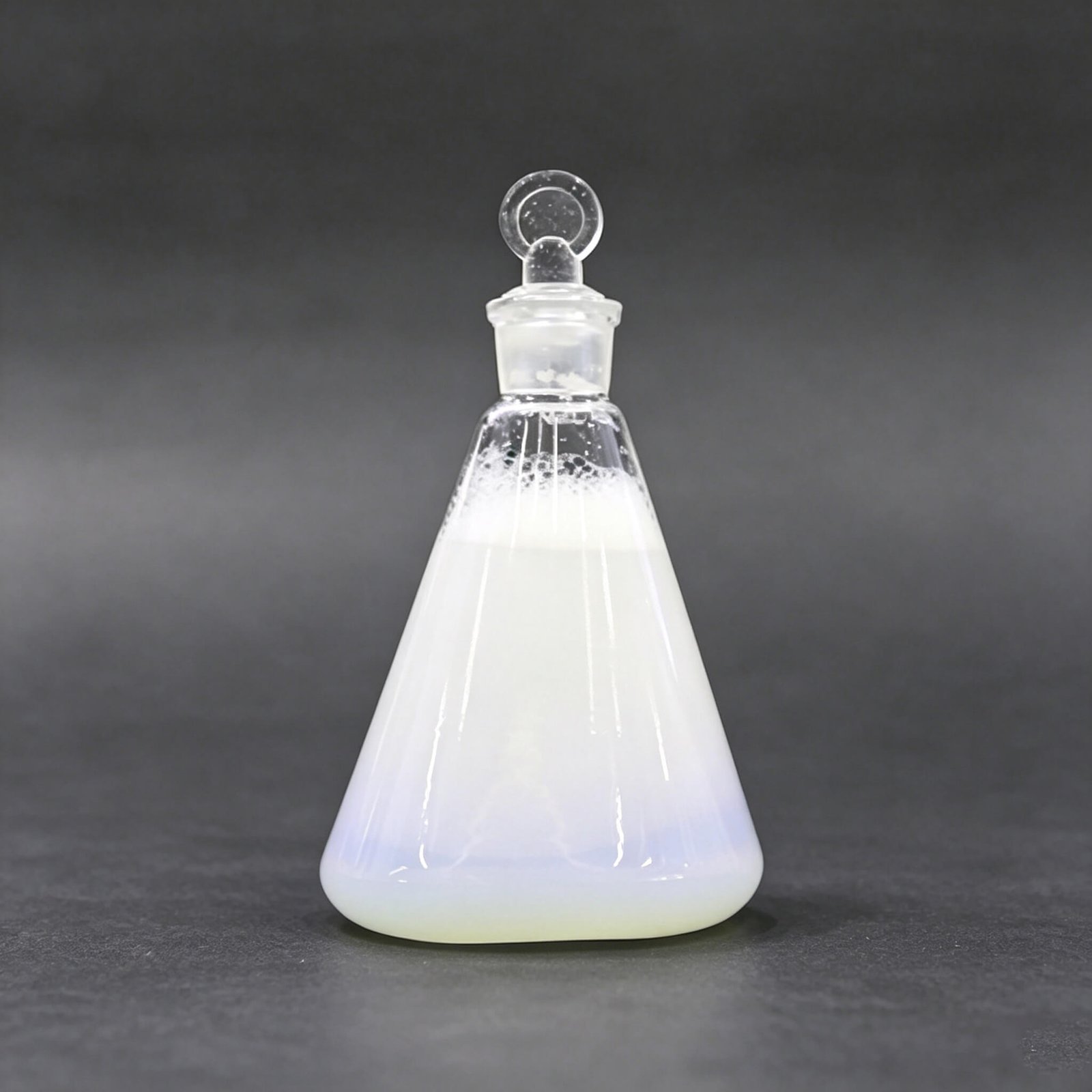
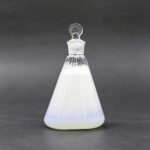
Fluorinated ethylene propylene (FEP) is a copolymer of tetrafluoroethylene (TFE) and hexafluoropropylene (HFP). The eco-friendly FEP concentrate is an aqueous dispersion stabilized by non-ionic, environmentally friendly surfactants; the surfactants used degrade during processing and do not cause environmental pollution. Products made from this material exhibit excellent temperature and corrosion resistance, outstanding chemical inertness, good electrical insulation properties, and a low coefficient of friction. They have a continuous service temperature of 200°C and are chemically inert to virtually all industrial chemicals and solvents.
Application
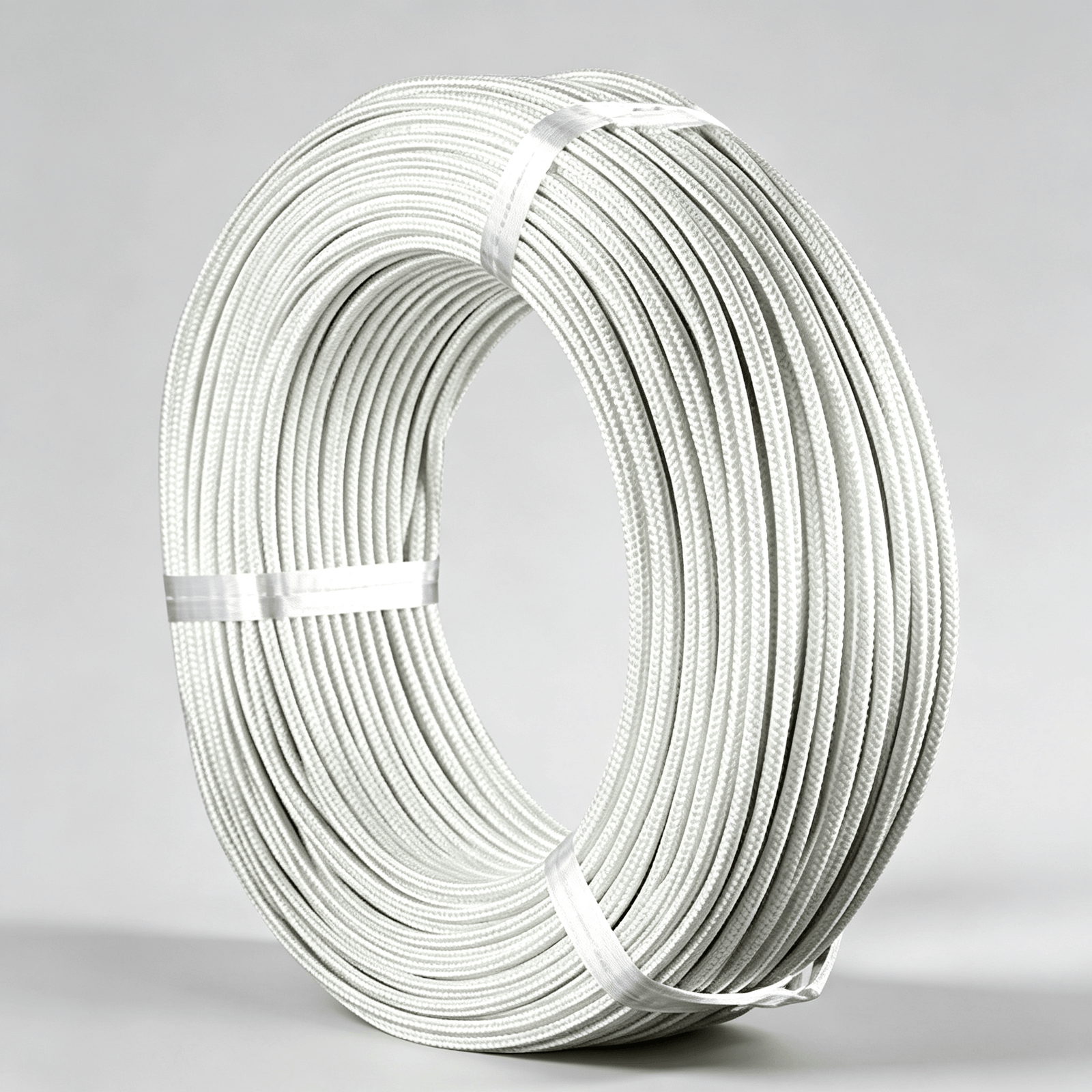
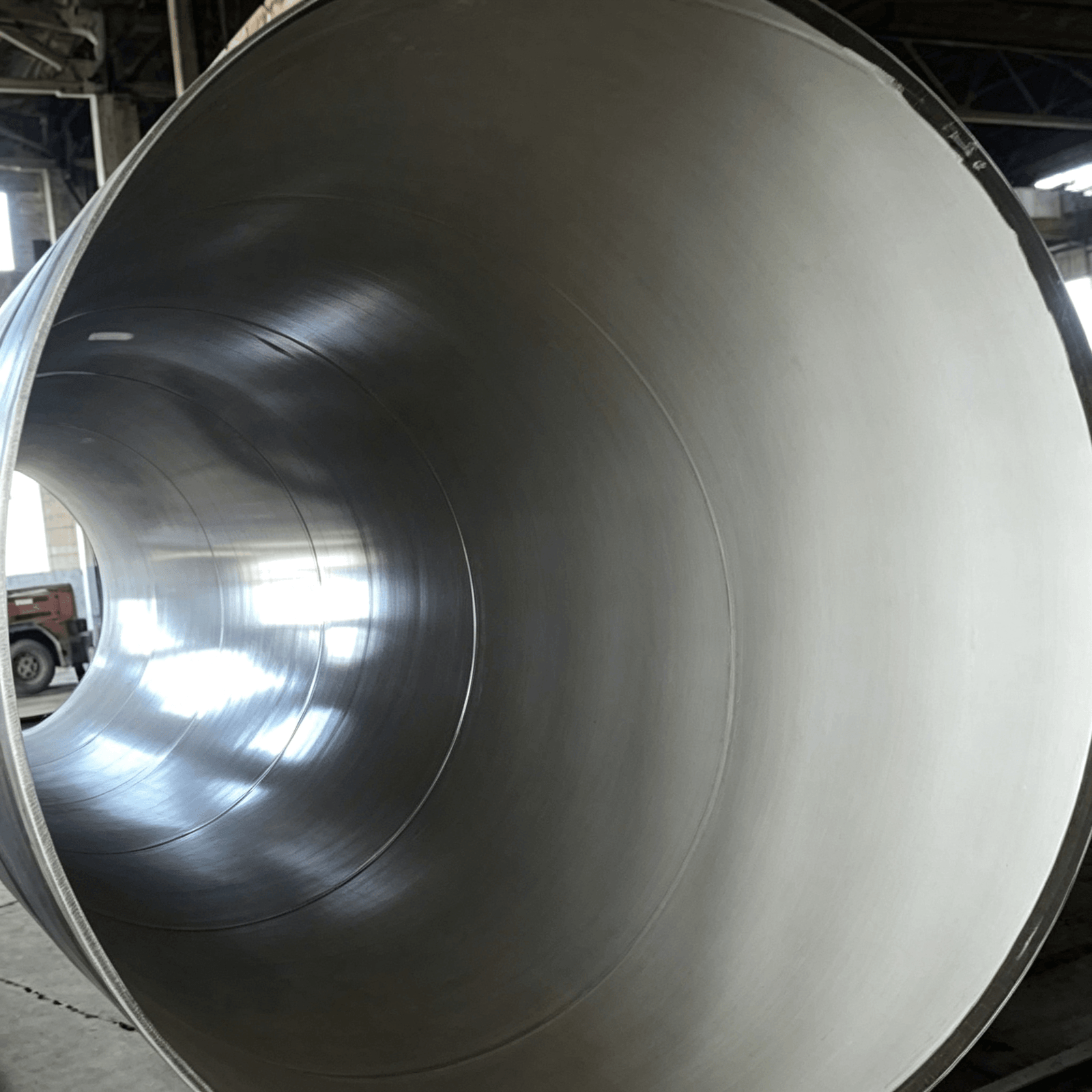
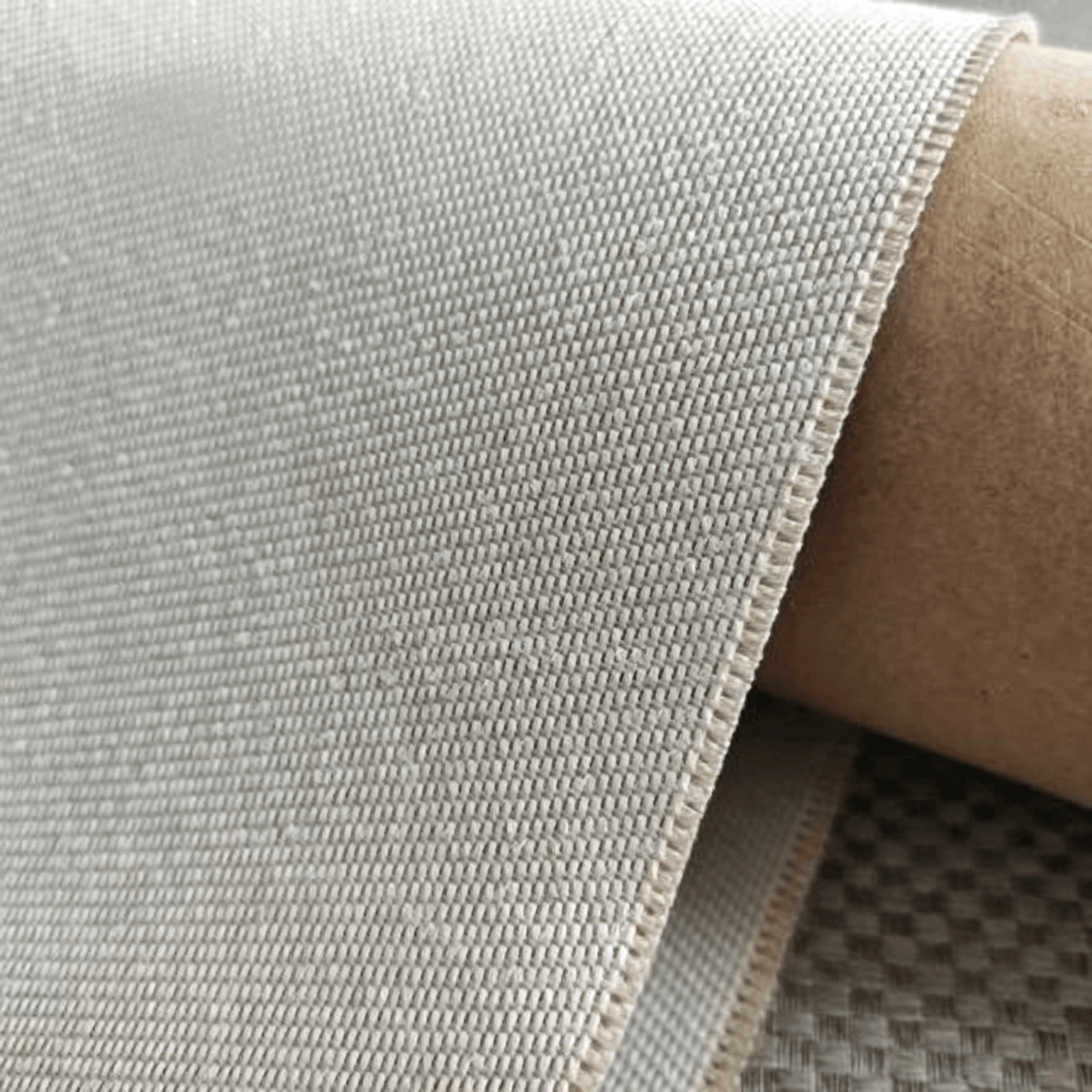
It is suitable for coating and impregnation applications and can be used to manufacture a wide range of products, such as surface coatings for heat-resistant PTFE-impregnated fibers, printed circuit boards, electrical insulation materials, injection-molded films, and chemical barrier materials. It also serves as a melt adhesive for bonding PTFE and FEP to themselves or each other, as a base coat for metal substrates, and can be combined with glass cloth to produce anti-stick coatings or with polyimide to create high-insulation films.
Packaging
- Packed in plastic drums, net weight 25kg per drum.
Transportation & Storage
Transportation: Transport as non-hazardous goods; avoid freezing, exposure to heat, moisture, or violent vibration during transit.
Storage: Store in a clean, dry environment at a temperature between 5°C and 30°C. During long-term storage, gently shake the container or slowly stir the emulsion two to three times per month to prevent the FEP concentrate from settling or separating, which could impair performance.
Attention
The processing temperature should not exceed 400 ℃ to avoid decomposition and the generation of toxic gases.