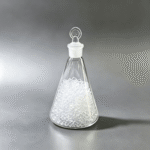
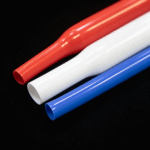
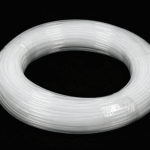
Product Description
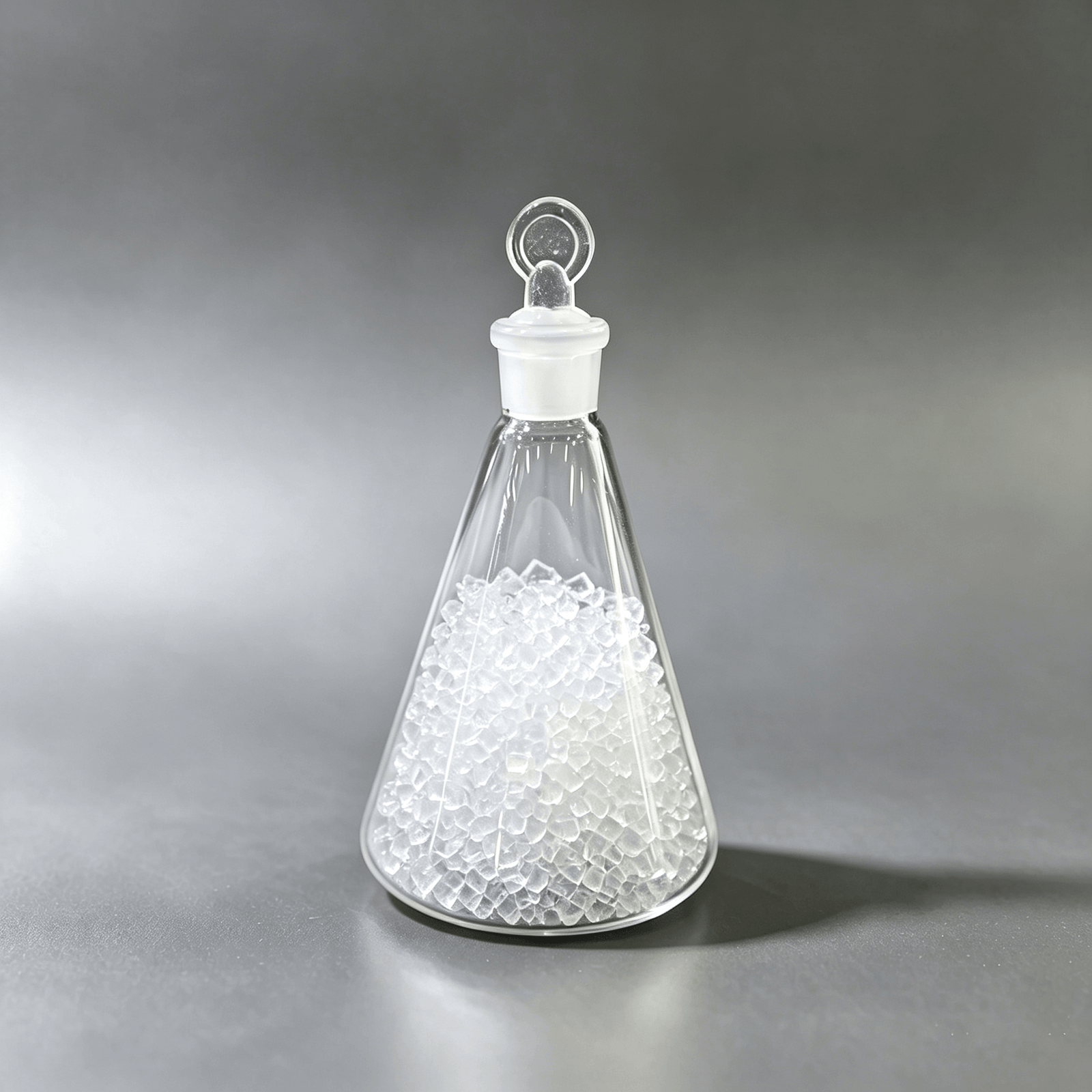
Perfluoro(n-propyl vinyl ether)-tetrafluoroethylene copolymer—abbreviated as PFA and commonly known as melt-processable PTFE—exhibits excellent chemical stability, physical and mechanical properties, electrical insulation and high-frequency characteristics, non-stick properties, resistance to aging and weathering, flame retardancy, and thermal stability. Thanks to its unique structure, PFA can be processed and molded using conventional injection molding and extrusion techniques.
Application
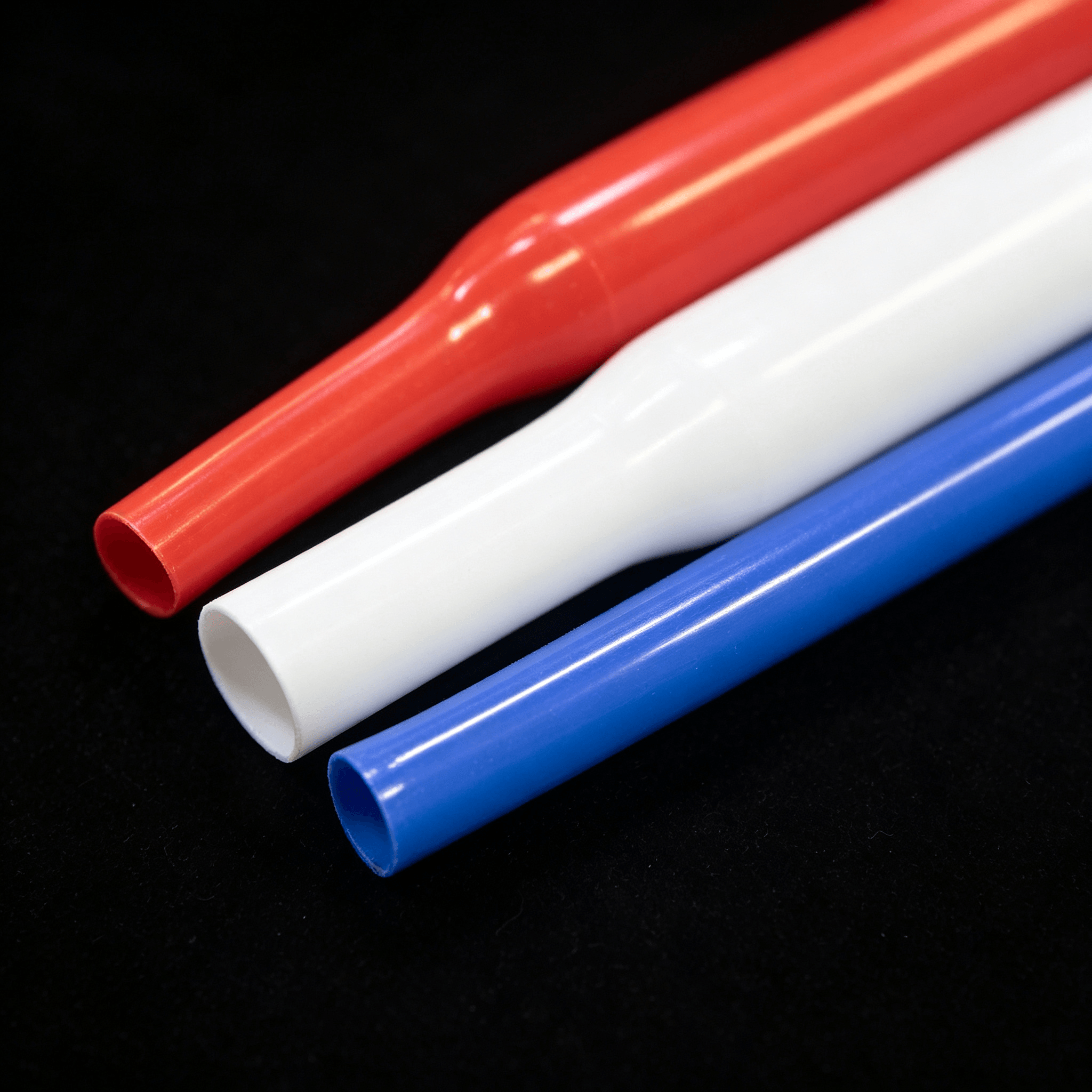
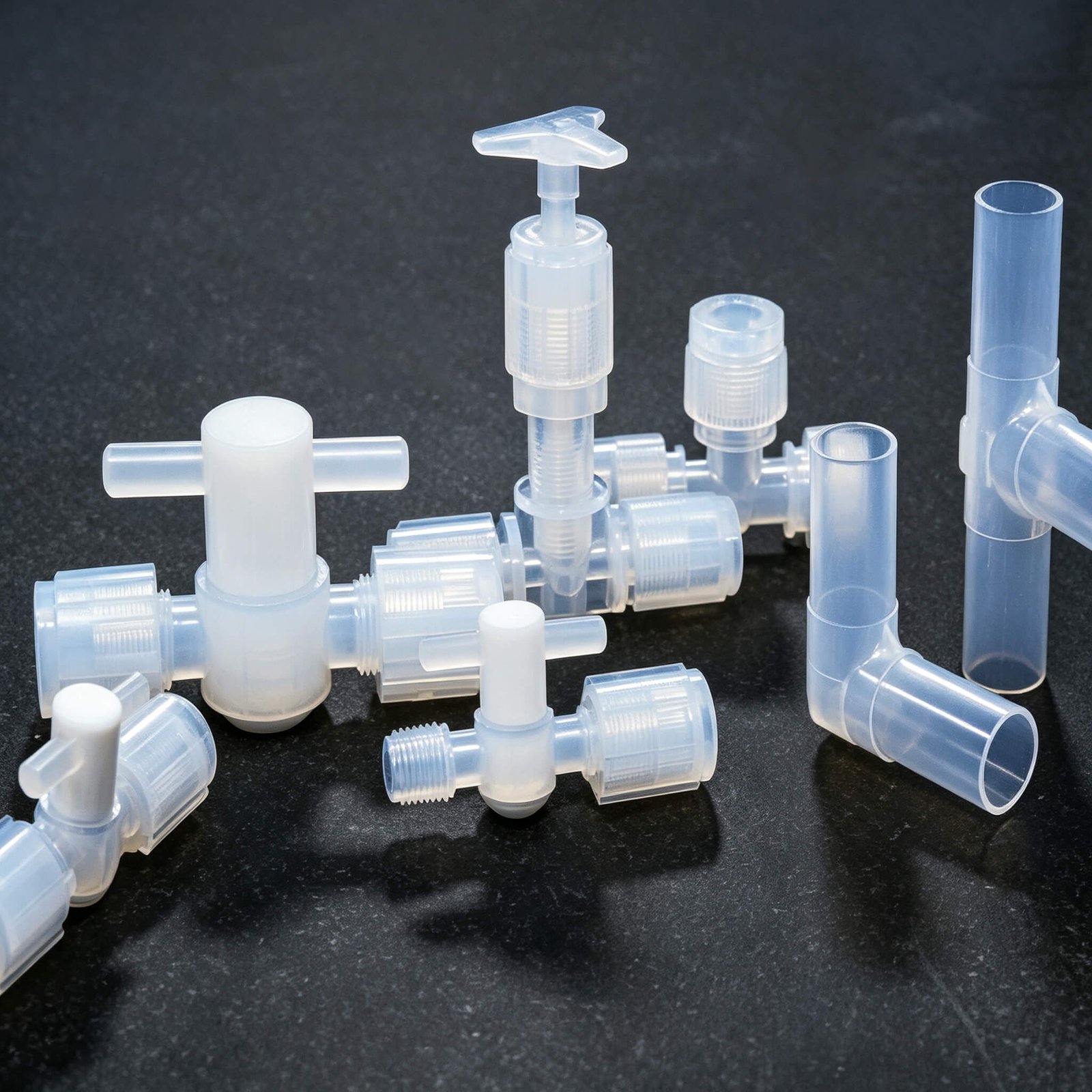
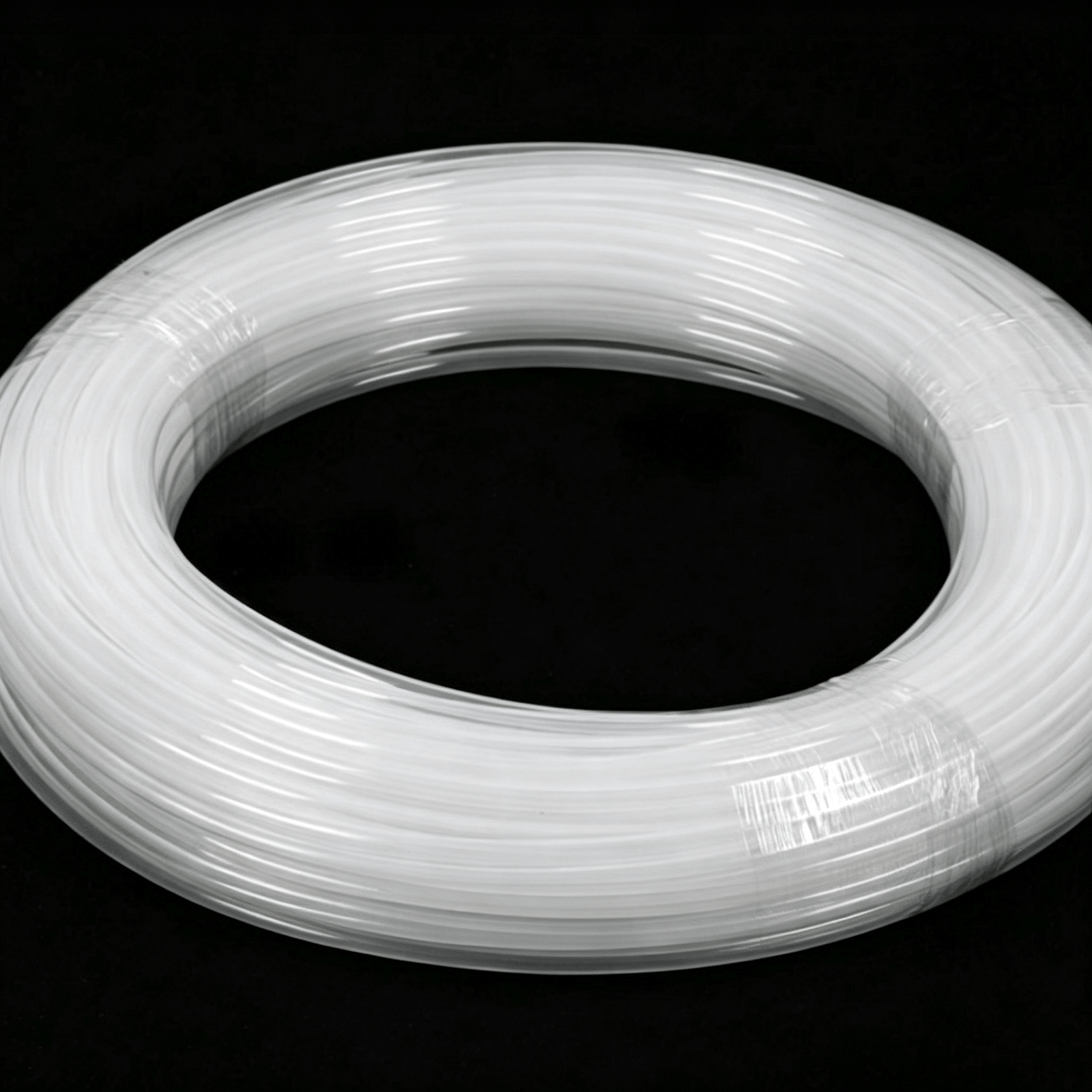
This product is suitable for pipes, wire insulation, films, and various manufactured parts.
Packaging
- Packed in polyethylene plastic bags, and then sealed in outer packaging bags, each bag contains a net weight of25 kg.
Transportation & Storage
Transportation: During transport, protect from sunlight and moisture; keep upright and handle with care.
Storage: Store the product in a cool, well-ventilated place, away from sources of ignition and heat.
Attention
- When processing the product, appropriate personal protective equipment must be worn to eliminate safety hazards such as the inhalation of toxic gases and burns from high temperatures; open flames and smoking are strictly prohibited in the work area, and suitable exhaust systems must be installed.
- Products that have been opened but not yet used must be tightly sealed to prevent the entry of foreign matter.
- Product waste must be disposed of in accordance with relevant laws and regulations.