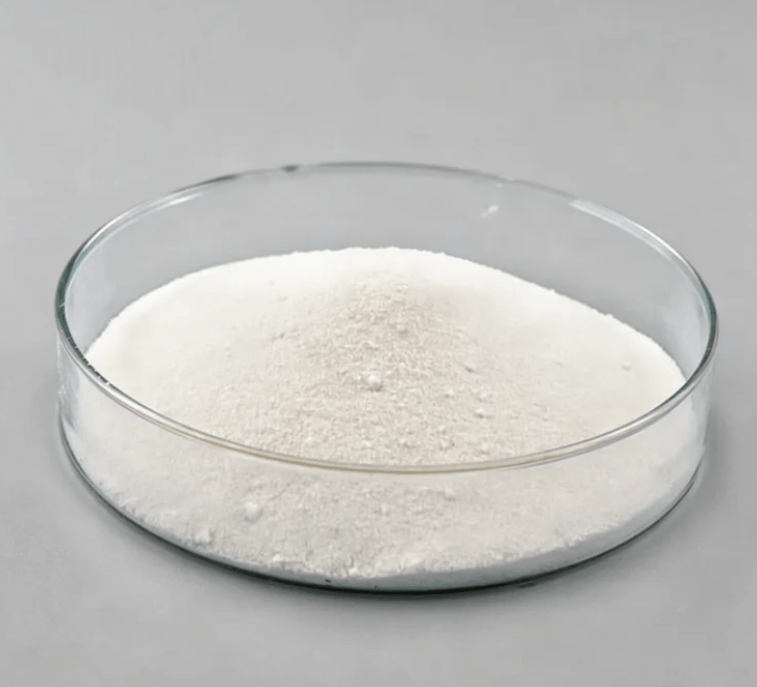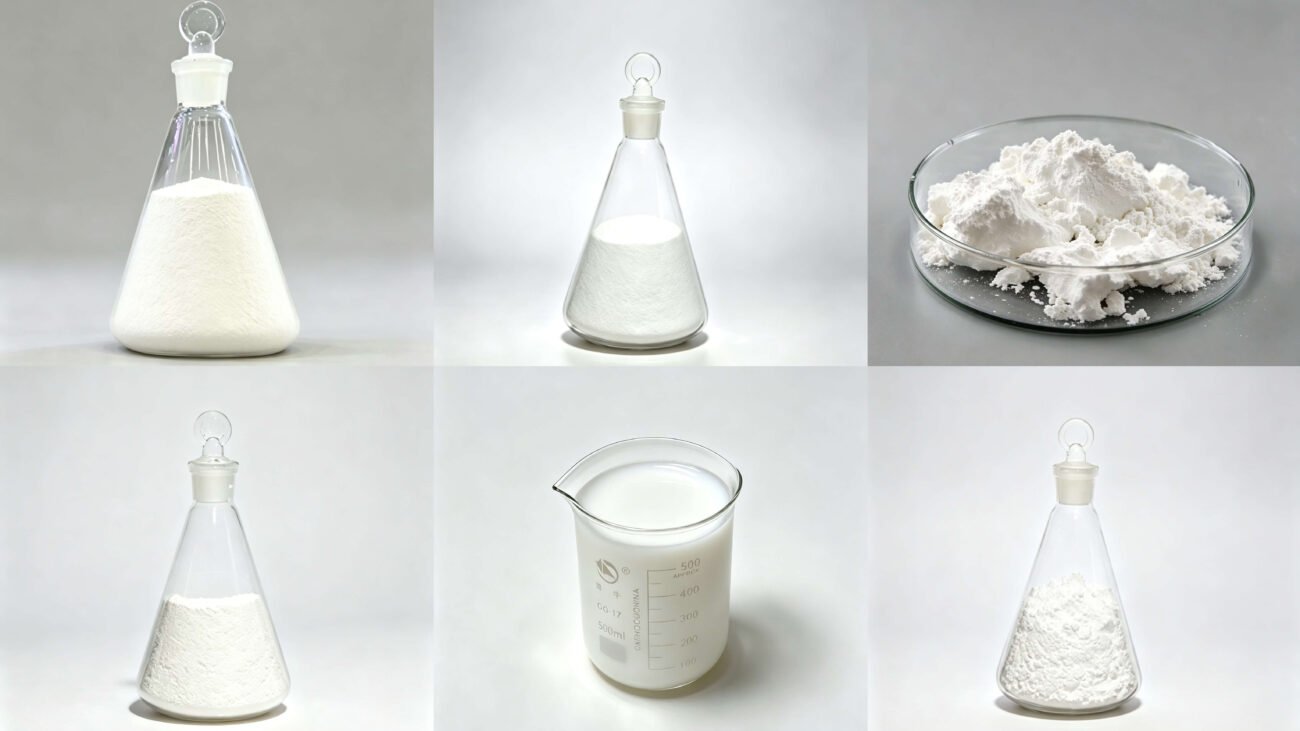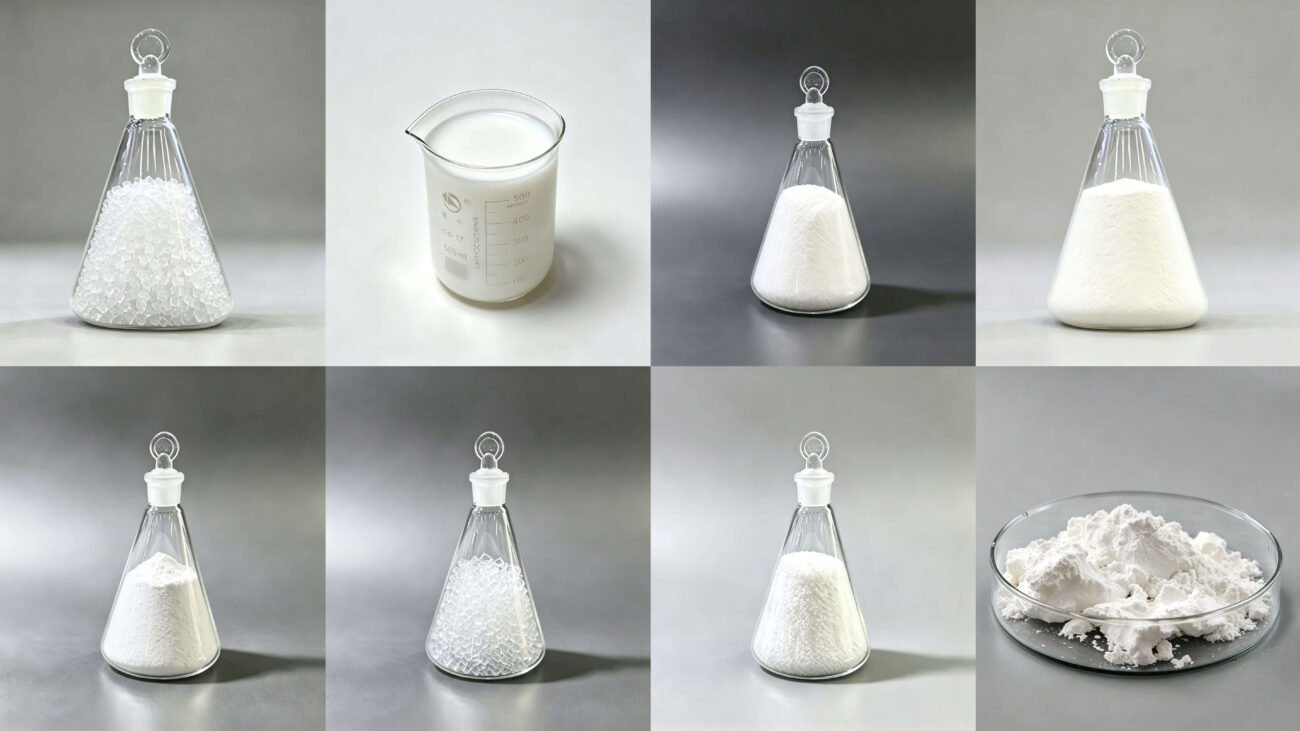

PVC must remain stable while it is compounded, fused and converted. Heat and shear can initiate dehydrochlorination, releasing hydrogen chloride (HCl) and promoting discoloration and further degradation. A heat-stabilizer package is therefore a formulation decision rather than a commodity substitution: it must fit the resin, plasticizer and fillers, the processing window, the appearance target, the end use and the applicable compliance route. Independent technical literature likewise describes stabilizers as essential for managing heat-driven PVC degradation and notes that selection depends on end use and processing conditions. [1] [2]
This guide explains the principal types of PVC stabilizers that a buyer is most likely to compare: calcium-zinc (Ca/Zn), lead-based and organotin (tin) systems. The goal is not to declare a universal winner. Each chemistry is supplied as a package with co-stabilizers, lubricants and processing aids, so a valid decision requires compound-level trials and document review.
Why PVC stabilizer selection begins with degradation control
When PVC is heated, loss of HCl can form conjugated polyene sequences that drive discoloration. The resulting HCl can further accelerate degradation. A peer-reviewed rigid-PVC comparison confirms that heat stabilizers interrupt this chain reaction, but its ranking and test values were formulation-specific and cannot be extrapolated to every commercial grade. [2] For procurement, this means that a stabilizer family name is not a complete process recipe. Static heat stability, dynamic processing behavior, color hold, fusion profile, surface quality, weathering requirements and compliance documents should all be compared under a defined trial plan.

Calcium-zinc stabilizers: lead-free metal-soap packages
Calcium-zinc systems are usually based on calcium and zinc carboxylates or soaps combined with organic co-stabilizers and lubricating components. In the technical literature, calcium carboxylates are associated with HCl scavenging, while zinc components can participate in replacing labile allylic chlorine sites; the overall result depends strongly on the full package and compound design. [2] These systems are commonly evaluated where a lead-free formulation route is required, but “lead-free” should not be treated as a blanket approval for a particular market or end use.
For example, the supplier’s MK-211 general-purpose calcium-zinc stabilizer page identifies calcium stearate, zinc stearate, lubricants and organic functional additives, and lists several rigid-PVC applications. It also states that the product is not intended for food contact. Those are supplier-published product statements only; a buyer should obtain the relevant documentation and validate the finished compound before relying on them.
Lead-based stabilizers: established processing packages with tighter end-use screening
Lead stabilizers are based on lead-containing salts and soaps rather than elemental lead. The British Plastics Federation lists lead, organotin, barium/zinc and calcium/zinc among metal-derived stabilizer families and explains that stabilizer choice is linked to technical requirements, regulatory approval requirements and cost. [1] In practical sourcing, a lead-based package can be part of a rigid-PVC process strategy, but the destination market, application category, customer specification and production controls must be reviewed before qualification.
MKQ Chem’s MK-201 lead-based composite stabilizer is an example of the supplier’s published lead-based portfolio. Its page describes a package of functional lead salts and additives for stated PVC applications, while expressly advising against long-term use in food-contact, drinking-water, toy and direct-human-contact products. The page’s recommended dosage and physical-property table are grade-specific, not design rules for other formulations. Compliance evidence, the precise use case and final performance all require RFQ and sample confirmation.
Tin stabilizers: organotin chemistries for dedicated processing evaluations
Tin stabilizers are commonly referred to as organotin stabilizers. They are organometallic systems, distinct from Ca/Zn metal-soap packages and from lead-based packages. In a study of one dioctyltin thioglycollate in plasticized PVC, the authors found that the tested organotin system retarded HCl evolution relative to an unstabilized control. They describe two relevant actions for tin thioglycollates: replacing labile chlorine sites and scavenging evolved HCl. [3]
That evidence explains why tin chemistry deserves its own evaluation path, but it does not establish suitability for every rigid or flexible PVC product. Verify the specific tin chemistry, additive-package interactions, handling controls, end-use restrictions, local regulations and documentation with the supplier. The MKQ Chem category page reviewed for this article lists lead-based and calcium-zinc products; it does not list an organotin product, so no tin offering is attributed to MKQ Chem here.
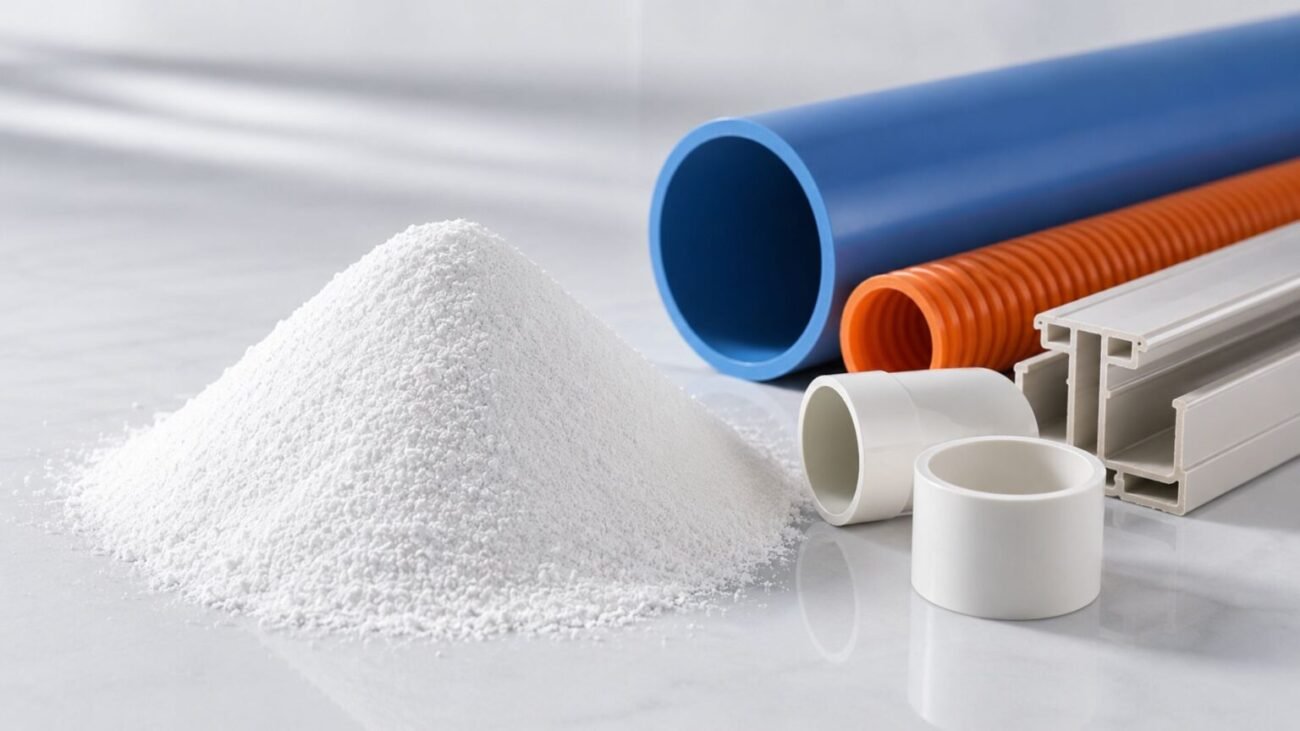
Comparison of calcium-zinc, lead and tin stabilizer families
| Family | General technical role | What to evaluate in the compound | Procurement caution |
|---|---|---|---|
| Calcium-zinc | Metal-soap/co-stabilizer package used to manage HCl-driven degradation; calcium and zinc functions are complementary in formulated systems. [2] | Initial color, long-term heat stability, fusion, lubrication balance, surface quality and weathering test plan. | Do not infer food-contact, regulatory or customer approval from “lead-free” language alone. |
| Lead-based | Lead-salt/soap-based package within an established PVC stabilizer family. [1] | Processing consistency, dust/handling controls, appearance, end-use requirements and customer specifications. | Screen destination-market and application requirements before technical trials or purchase. |
| Organotin | Organometallic tin system; a studied thioglycollate retarded HCl evolution in plasticized PVC. [3] | Specific tin chemistry, thermal window, color, compatibility, handling and conversion conditions. | Assess formulation-specific regulatory and end-use documentation rather than assuming interchangeability. |
How to select among types of PVC stabilizers
Start with the conversion process. Extrusion, injection molding, calendaring and foaming impose different residence time, shear and temperature histories. Then define the PVC construction, including resin grade, plasticizer level, filler loading, pigments, TiO2, impact modifiers, lubricants and other additives. A stabilizer cannot be evaluated in isolation from these inputs.
Next, establish the required proof. A technical buyer should compare the supplier’s TDS, SDS, relevant compliance declarations, lot-consistency information and the test methods behind any performance claim. Trial conditions should state equipment, processing temperatures, output, residence time, color measurement, static-heat test method, weathering exposure if relevant, and acceptance criteria. If an application involves food contact, potable water, toys, medical use or direct human contact, define the applicable jurisdiction and request application-specific documentation rather than relying on generic descriptions.
RFQ and sample-validation checklist
| RFQ item | Why it is needed |
|---|---|
| PVC formulation and target application | Allows the supplier to assess resin, filler, pigment, plasticizer and end-use interactions. |
| Process and operating window | Defines extrusion/injection/calendering conditions, melt temperature, shear, output and residence time for the trial. |
| Appearance and durability targets | Sets color, transparency, gloss, weathering and heat-ageing criteria where applicable. |
| Market and compliance requirements | Frames the exact destination-market, customer, contact-use and documentation requirements to be confirmed. |
| Validation protocol and commercial terms | Records trial method, sample quantity, acceptance criteria, package, MOQ, price, lead time and document needs for RFQ confirmation. |
For a starting discussion, review the supplier’s PVC stabilizer product portfolio alongside your formulation and test specification. Request a grade recommendation and a sample plan rather than selecting solely from a chemistry-family label.
Frequently asked questions
Is calcium-zinc always the best replacement for lead stabilizers?
No. Calcium-zinc is a distinct package family, not an automatic drop-in replacement. Processing behavior, color, lubrication balance, end-use requirements and the full compound must be validated through trials.
Are tin stabilizers the same as calcium-zinc stabilizers?
No. Tin stabilizers are organometallic systems, whereas calcium-zinc packages are generally metal-soap/co-stabilizer systems. They should be evaluated using their specific chemistry, documentation and processing response.
Can a supplier-recommended dosage be used without testing?
No. A published dosage is a supplier starting point for a named grade, not a guarantee for a different resin, filler level, pigment package or process. Confirm dosage during a controlled sample trial.
Does a supplier claim of compliance cover every regulated PVC application?
No. Confirm the exact regulation, product grade, revision, geography, finished-article use and supporting documentation. This is especially important for food contact, potable water, toys, medical use and direct-contact applications.
What should be sent with a first stabilizer RFQ?
Provide the formulation or key ingredients, process details, target performance, end-use market, required documents, test method and expected annual volume. Ask the supplier to identify assumptions and sample-validation conditions.
Conclusion: make the chemistry comparison, then validate the package
The practical comparison is not simply calcium-zinc versus lead versus tin. It is a controlled decision about a complete additive package in a specific PVC formulation and process. Use independent technical principles to frame the mechanism, treat supplier product pages as grade-specific information, and make final selection only after RFQ documentation and sample validation. For formulation-specific guidance, contact MKQ Chem through its PVC stabilizer portfolio with the application, process window and compliance requirements.
References
- British Plastics Federation. Overview Note 5: Metallic Stabilisers and PVC. Accessed 15 August 2026. https://www.bpf.co.uk/media/download.aspx?MediaId=22
- Jubsilp, C.; Asawakosinchai, A.; Mora, P.; Saramas, D.; Rimdusit, S. “Effects of Organic Based Heat Stabilizer on Properties of Polyvinyl Chloride for Pipe Applications: A Comparative Study with Pb and CaZn Systems.” Polymers 2022, 14(1), 133. https://doi.org/10.3390/polym14010133
- Arkış, E. et al. “Thermal stabilisation of poly(vinyl chloride) by organotin compounds.” Polymer Degradation and Stability 2005, 91(2), 318–323. https://www.sciencedirect.com/science/article/abs/pii/S0141391004003167
- MKQ Chem. PVC Stabilizer Category; and product pages for MK-201 and MK-211. Accessed 15 August 2026. https://mkqchem.com/product-category/pvc-stabilizer/
Scope note: Supplier-page statements in this article are grade-specific and supplier-attributed. Final grade, dosage, process behavior, test conditions, documentation, compliance status, MOQ, price and lead time require RFQ and sample confirmation.