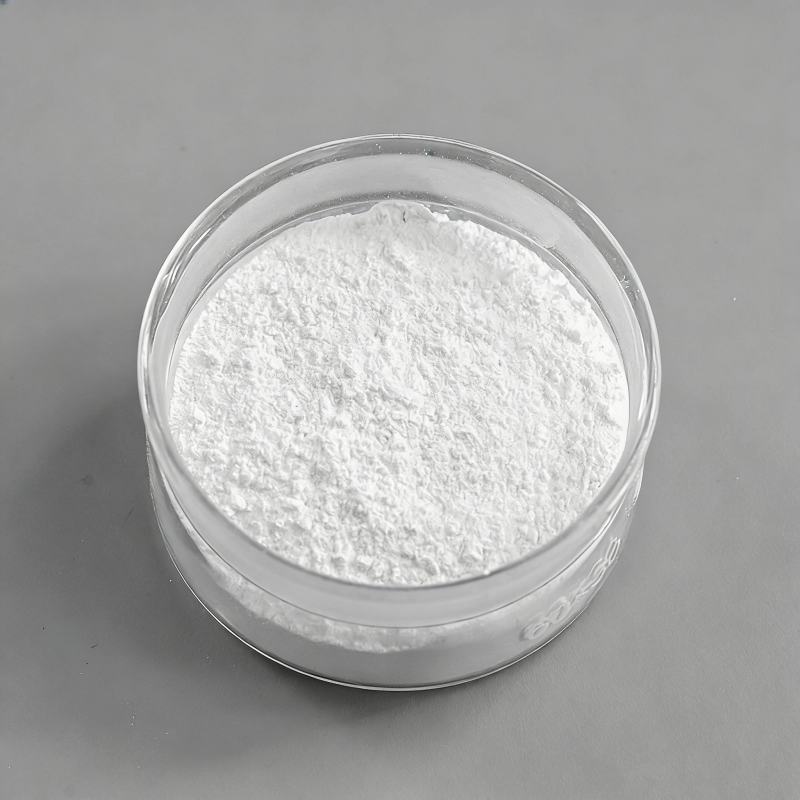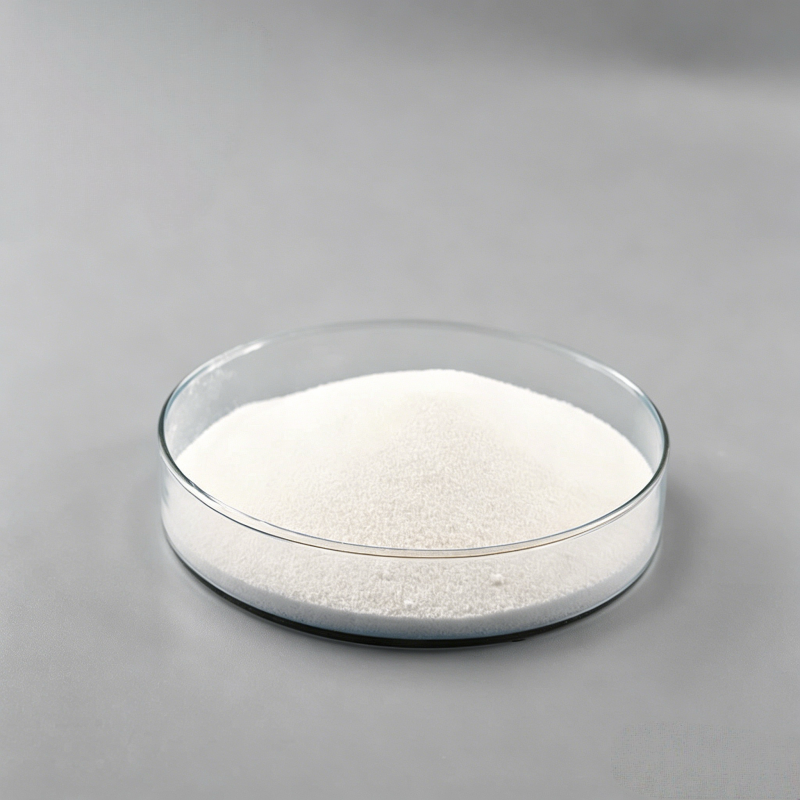

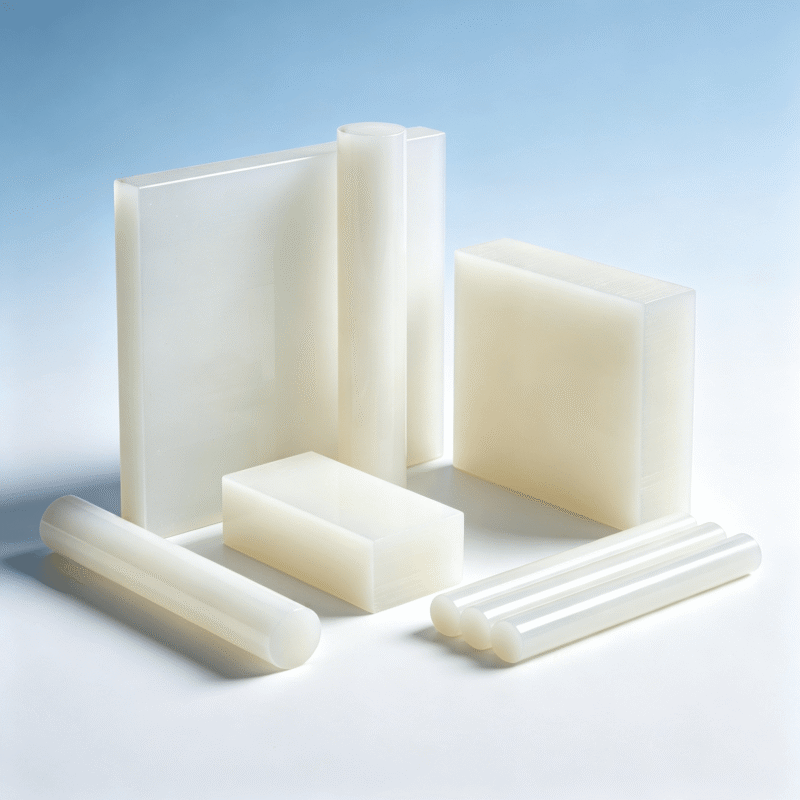
PVC stabilizer dosage plays an important role in determining the processing performance, appearance and long-term durability of PVC products. During PVC processing, heat and shear stress can cause degradation of the polymer chain, leading to discoloration, reduced mechanical performance and processing difficulties.
The correct amount of stabilizer helps protect PVC during extrusion, injection molding and other manufacturing processes. However, the required dosage is not fixed for every application. It depends on the PVC formulation, processing conditions, product requirements and stabilizer type.
This guide explains how to calculate PVC stabilizer dosage, common dosage ranges for different applications and the key factors manufacturers should consider when adjusting stabilizer levels.
What Is PVC Stabilizer Dosage?
PVC stabilizer dosage refers to the amount of stabilizer added to a PVC formulation to improve thermal stability and processing performance.
In PVC compounding, dosage is commonly expressed in phr (parts per hundred resin).
For example:
- 1 phr means 1 kg of stabilizer added to 100 kg of PVC resin.
- 3 phr means 3 kg of stabilizer added to 100 kg of PVC resin.
The required dosage depends on the stabilizer system being used. A calcium zinc stabilizer, organotin stabilizer or liquid mixed metal stabilizer may have different recommended dosage ranges because their compositions and stabilization mechanisms are different.
How to Calculate PVC Stabilizer Dosage (phr)?
The basic calculation formula is:
Stabilizer dosage (phr) = Weight of stabilizer ÷ Weight of PVC resin × 100
For example:
A PVC pipe manufacturer uses 1,000 kg of PVC resin and selects a stabilizer dosage of 3 phr.
Calculation:
1,000 kg × 3 ÷ 100 = 30 kg
The required stabilizer amount is 30 kg.
However, the calculated dosage is only a starting point. In actual production, manufacturers usually adjust the dosage according to:
- PVC resin grade and K-value
- Processing temperature
- Extrusion speed
- Residence time inside the equipment
- Required weather resistance
- Final product application
A formulation designed for outdoor PVC profiles may require different stabilization performance compared with an indoor PVC sheet or flexible cable compound.
Typical PVC Stabilizer Dosage Range for Different Applications
There is no universal dosage level for all PVC products. The following ranges are commonly used as a general reference, while the final formulation should be verified through processing tests.
| PVC Application | Typical Stabilizer Dosage Range |
|---|---|
| PVC pipes | Around 2–5 phr |
| PVC profiles and window frames | Around 3–5 phr |
| PVC cables | Around 2–4 phr |
| PVC sheets and panels | Around 2–5 phr |
| Flexible PVC products | Around 1–3 phr |
Rigid PVC products often require higher stabilization levels because they are processed at higher temperatures and need stronger resistance against thermal degradation.
For example, PVC pipe production usually requires stable performance during extrusion, while flexible PVC applications may focus more on flexibility, compatibility and processing balance.
PVC Stabilizer Dosage by Stabilizer Type
Different stabilizer systems may require different dosage levels depending on their formulation design.
Calcium Zinc Stabilizer Dosage
Calcium zinc stabilizers are widely used in applications where lead-free solutions are required. Typical dosage depends on the PVC product type, processing conditions and required performance.
Common influencing factors include:
- Processing temperature
- Product thickness
- Extrusion speed
- Outdoor exposure requirements
For rigid PVC profiles and pipes, calcium zinc stabilizer dosage is often adjusted according to the processing window and final product specifications.
Organotin Stabilizer Dosage
Organotin stabilizers are commonly used in applications requiring good transparency and strong heat stability.
They are often considered for:
- Transparent PVC products
- High-performance rigid PVC applications
- Products requiring good initial color retention
The required dosage depends on the stabilizer grade and PVC formulation.
Liquid Mixed Metal Stabilizer Dosage
Liquid stabilizers are frequently used in flexible PVC applications because of their compatibility and processing characteristics.
Applications may include:
- Flexible tubing
- Vinyl flooring
- Coated fabrics
- Soft PVC products
The dosage should be evaluated together with plasticizer content and other additives in the formulation.
Factors Affecting PVC Stabilizer Dosage
Choosing the correct PVC stabilizer dosage requires more than following a standard number. Several production factors can influence the required level.
1. PVC Processing Temperature
Higher processing temperatures usually increase the risk of PVC degradation.
Extrusion conditions such as barrel temperature, screw design and production speed can affect stabilization requirements.
2. Product Application Requirements
Different products have different durability expectations.
For example:
- Outdoor PVC profiles may require stronger weather resistance.
- PVC pipes need stable mechanical performance over long service periods.
- Transparent PVC products may require better color retention.
The stabilizer dosage should match the product’s expected service conditions.
3. Processing Equipment
Production equipment affects heat history and shear stress.
A high-speed extrusion line may require a different stabilizer level compared with slower processing equipment because PVC experiences different thermal conditions.
4. Other Additives in the Formula
PVC formulations often include other additives such as:
- Lubricants
- Impact modifiers
- Plasticizers
- Fillers
- Processing aids
The interaction between additives can influence the final stabilizer requirement.
How to Adjust PVC Stabilizer Dosage During Production
If PVC products show processing problems, manufacturers may need to review the stabilizer level together with other formulation factors.
Common signs that stabilization may need adjustment include:
Early discoloration
Possible causes:
- Insufficient stabilizer dosage
- Excessive processing temperature
- Long residence time
Poor processing performance
Possible causes:
- Incorrect additive balance
- Lubrication issues
- Unsuitable stabilizer selection
Product quality variation
Possible causes:
- Inconsistent raw materials
- Incorrect formulation ratio
- Unstable production conditions
Increasing stabilizer dosage is not always the best solution. Excessive stabilizer may increase formulation cost and can affect other processing characteristics. A balanced formulation is usually more important than simply adding more stabilizer.
How to Choose the Right PVC Stabilizer
When selecting a PVC stabilizer, manufacturers should evaluate:
- PVC product type
- Required thermal stability
- Processing method
- Regulatory requirements
- Cost considerations
- Compatibility with other additives
A reliable stabilizer supplier should be able to provide technical recommendations based on the customer’s formulation and production conditions rather than offering a single standard dosage.
MKQ Chemical provides PVC stabilizer solutions for different PVC processing applications, helping customers select suitable stabilization systems according to product requirements and manufacturing conditions.
FAQ About PVC Stabilizer Dosage
What is the normal dosage of PVC stabilizer?
The dosage depends on the PVC application and stabilizer type. Many rigid PVC applications use approximately 2–5 phr, while flexible PVC products may require different levels depending on formulation requirements.
How do I calculate PVC stabilizer dosage?
PVC stabilizer dosage is calculated using the formula:
Stabilizer dosage (phr) = Stabilizer weight ÷ PVC resin weight × 100
The result represents the amount of stabilizer added per 100 parts of PVC resin.
Can too much PVC stabilizer affect product quality?
Yes. Excessive stabilizer can increase formulation costs and may affect processing balance. The optimal dosage should be determined through formulation testing.
What factors determine PVC pipe stabilizer dosage?
PVC pipe stabilizer dosage depends on pipe specifications, extrusion temperature, production speed, resin characteristics and required long-term performance.
Is calcium zinc stabilizer dosage the same for all PVC products?
No. Calcium zinc stabilizer dosage varies depending on the application, formulation design and processing conditions. Pipe, profiles, cables and flexible PVC products may require different dosage levels.
References
- British Plastics Federation. Overview Note 5: Metallic Stabilisers and PVC. https://www.bpf.co.uk/media/download.aspx?MediaId=22
- Jubsilp, C. et al. “Effects of Organic Based Heat Stabilizer on Properties of Polyvinyl Chloride for Pipe Applications.” Polymers 2022. https://doi.org/10.3390/polym14010133
- Drobny, J. “Additives.” ScienceDirect Topics, 2014. https://www.sciencedirect.com/topics/engineering/processing-aid
- Wang, X. et al. “New ultra high molecular weight acrylic processing aids for rigid PVC foaming.” Journal of Vinyl and Additive Technology, 2022. https://doi.org/10.1002/vnl.21959
- Processing of PVC. ScienceDirect. https://www.sciencedirect.com/science/chapter/edited-volume/pii/B9780815514268500052