
what does pfa stand for?
In materials science, PFA stands for perfluoroalkoxy alkane—a high-performance fluoropolymer that can be considered a “melt-processable” version of PTFE (polytetrafluoroethylene).
What is pfa?
PFA(perfluoroalkoxy alkane)is a high-performance engineering thermoplastic belonging to the fluoropolymer family. It possesses nearly all the exceptional heat resistance, chemical resistance, and electrical properties of PTFE, while also offering the melt-processability characteristic of thermoplastics like FEP (fluorinated ethylene propylene). PFA is particularly valuable in environments where conventional plastics cannot withstand corrosive chemicals, high temperatures, or stringent contamination control requirements.
This guide covers the definition, chemical structure, key properties, and primary applications of PFA, as well as how to select the appropriate grade.
What is pfa composed of?
PFA is a partially modified fluoropolymer primarily composed of two fluorinated monomers:
- Tetrafluoroethylene (TFE): Provides a fluorinated backbone that imparts chemical resistance and thermal stability to the material.
- Perfluoroalkyl vinyl ether (PAVE): Introduces side groups that improve melt processability while retaining many of the characteristic properties of perfluoropolymers.
Unlike many conventional plastics, the primary polymer structure of PFA contains no carbon-hydrogen (C-H) bonds. This highly fluorinated structure accounts for its low surface energy, non-stick characteristics, and broad chemical compatibility.
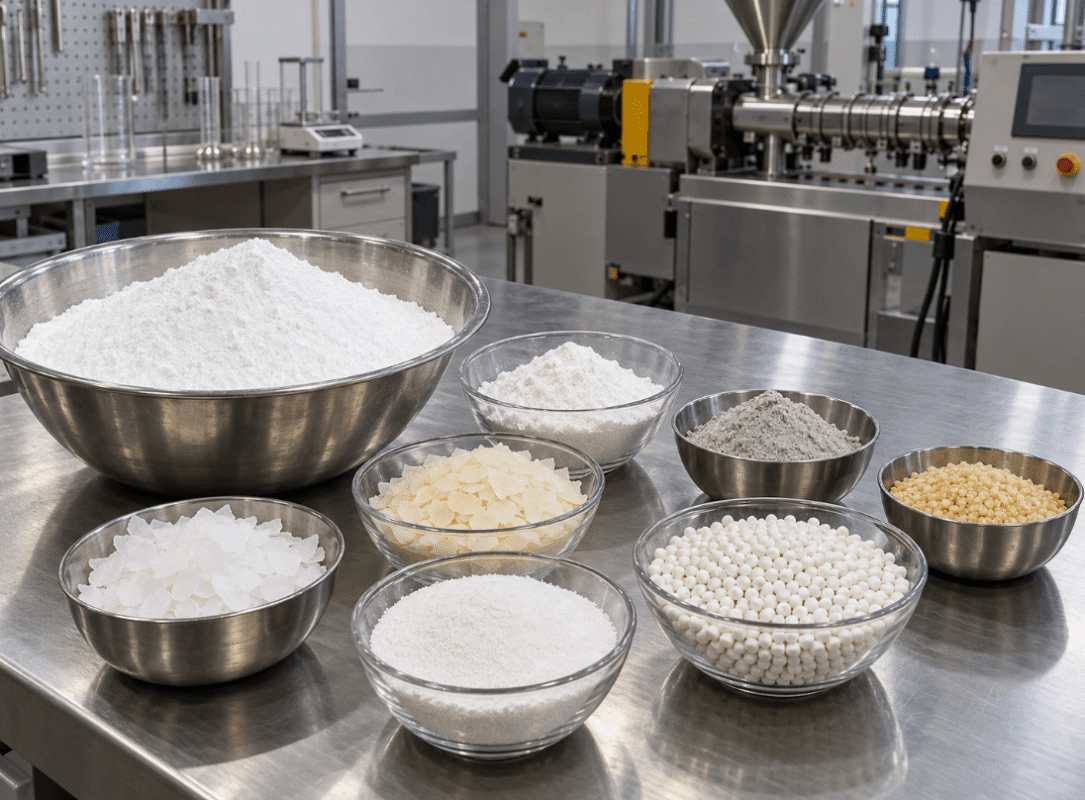
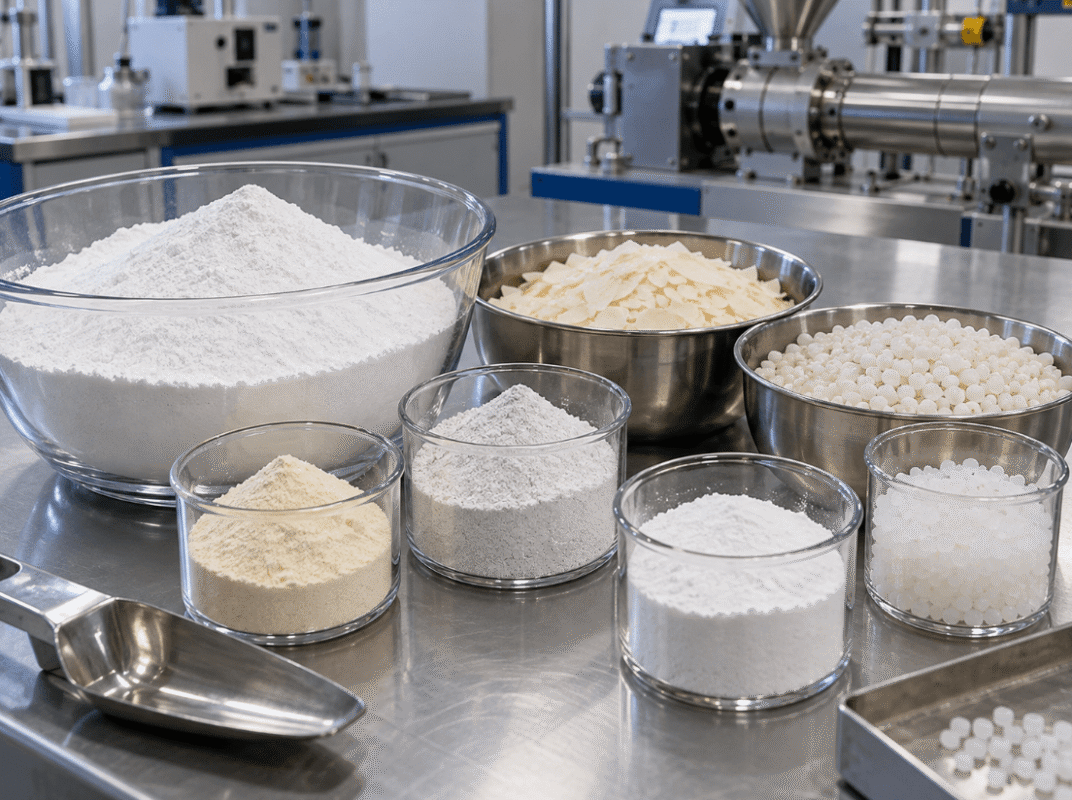
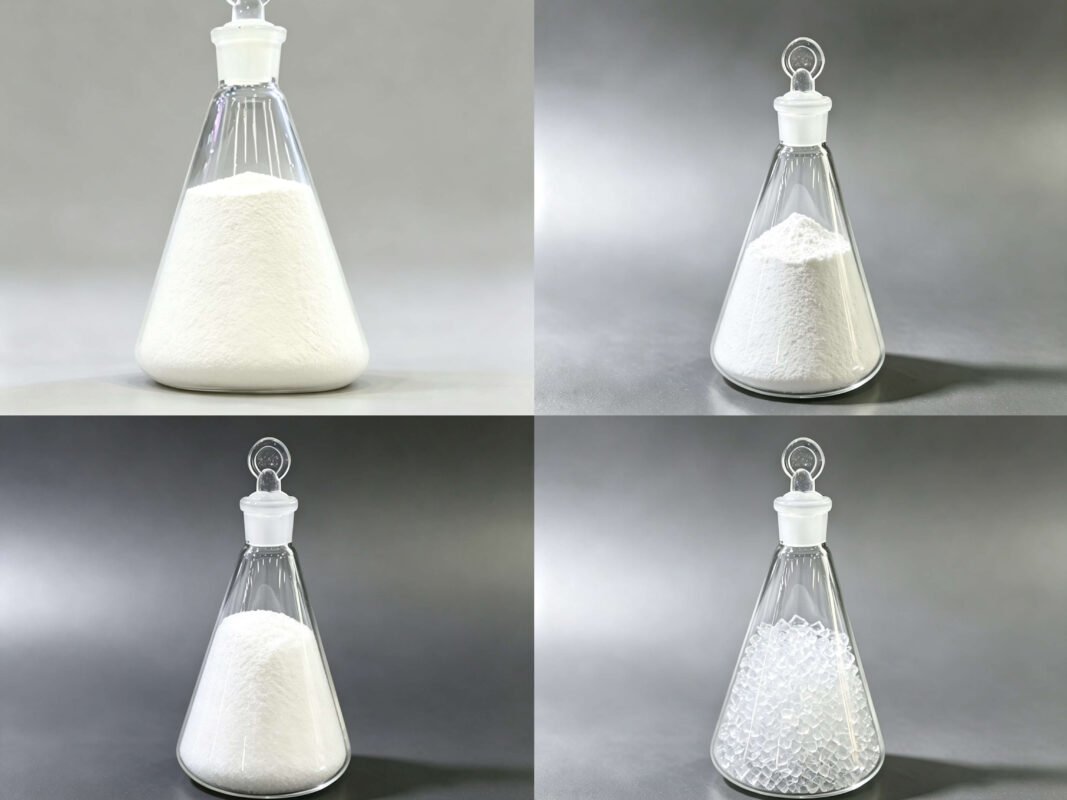
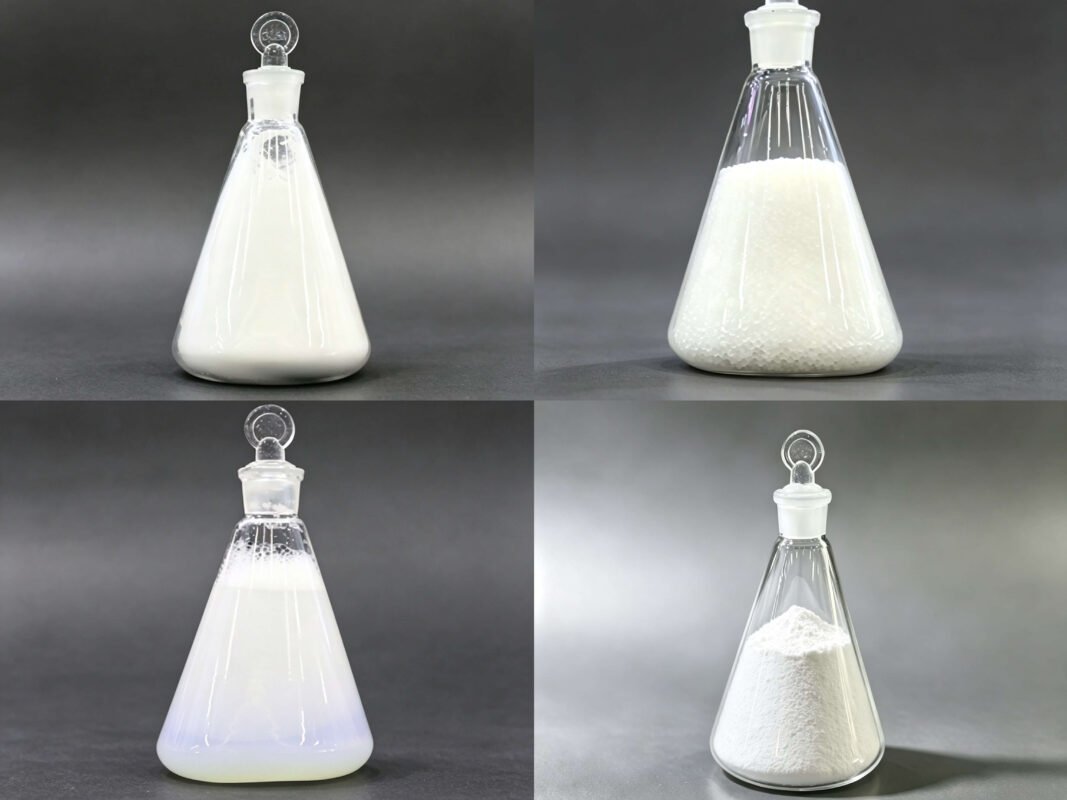
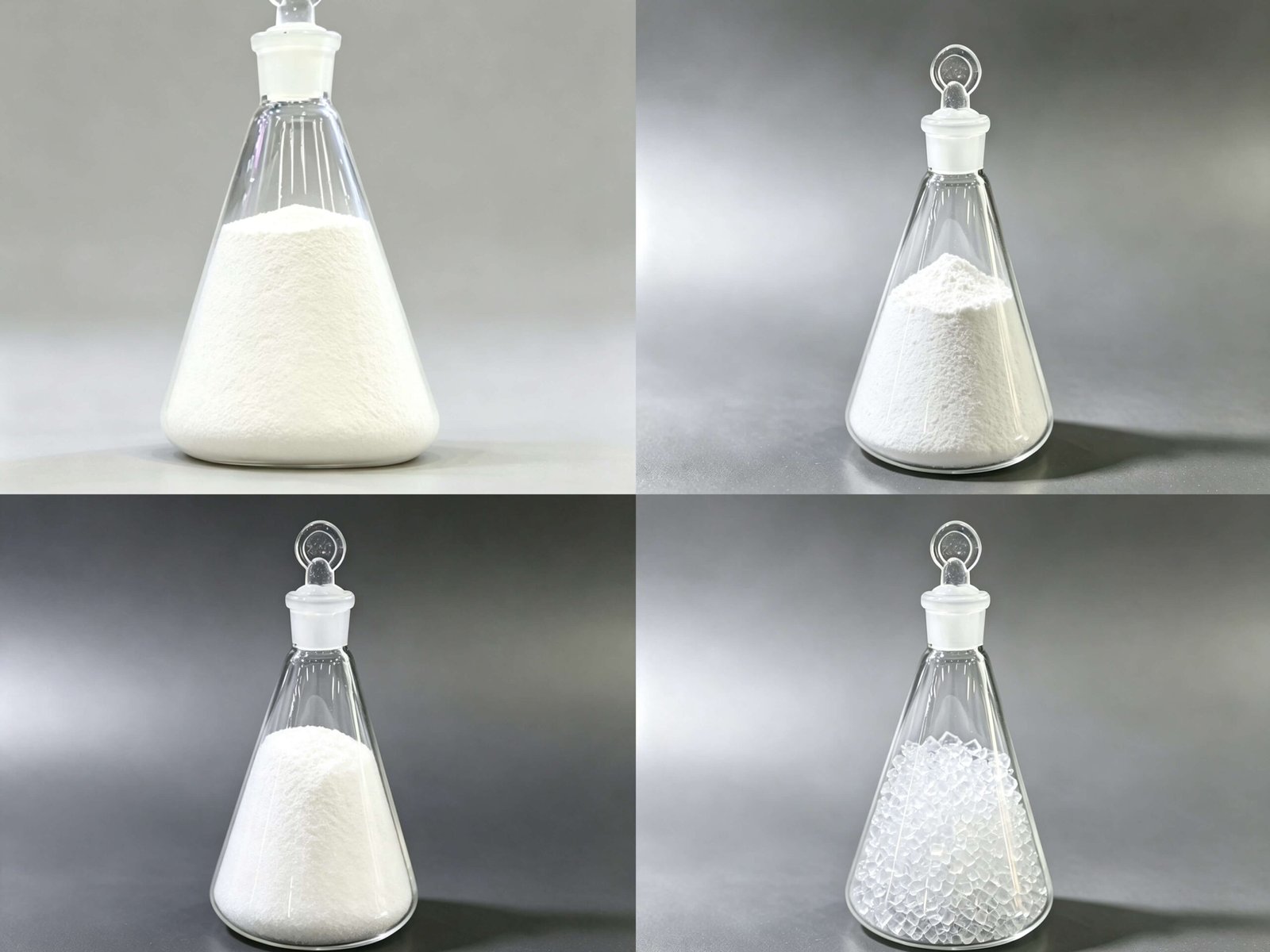
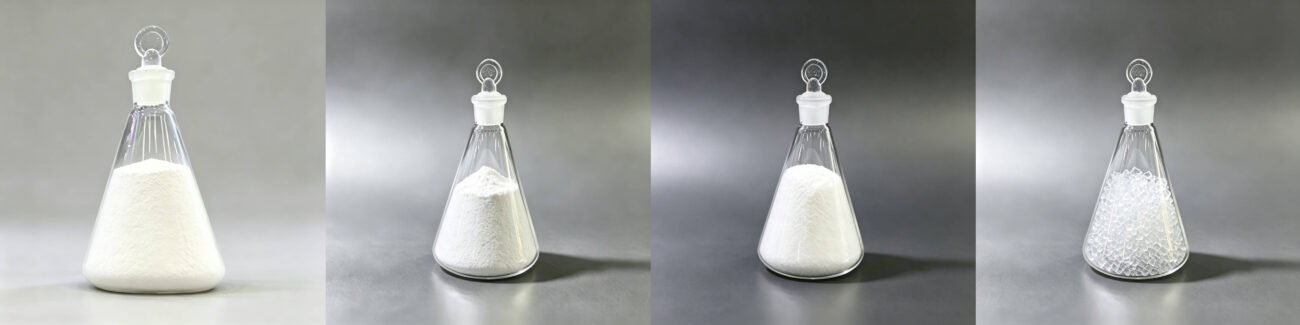
MKQ Chem → PFA Product Series
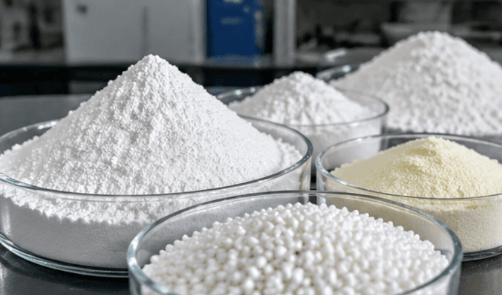
High-purity PFA
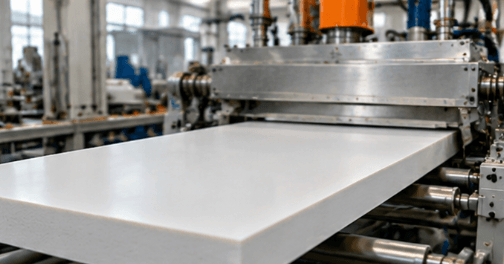
Extrusion / Injection-molding-grade PFA
Compression-molding-grade PFA
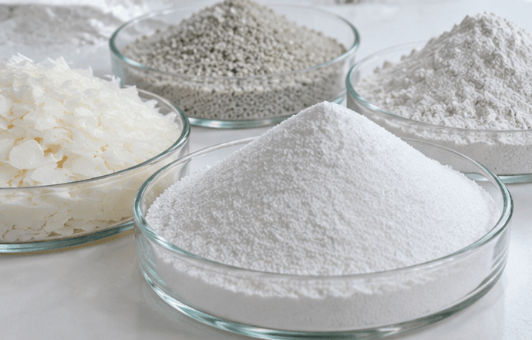
PFA Coating Powder
Key Characteristics of pfa
PFA is the preferred material for high-end applications due to its exceptional, well-rounded performance properties:
1. Melt-processing characteristics
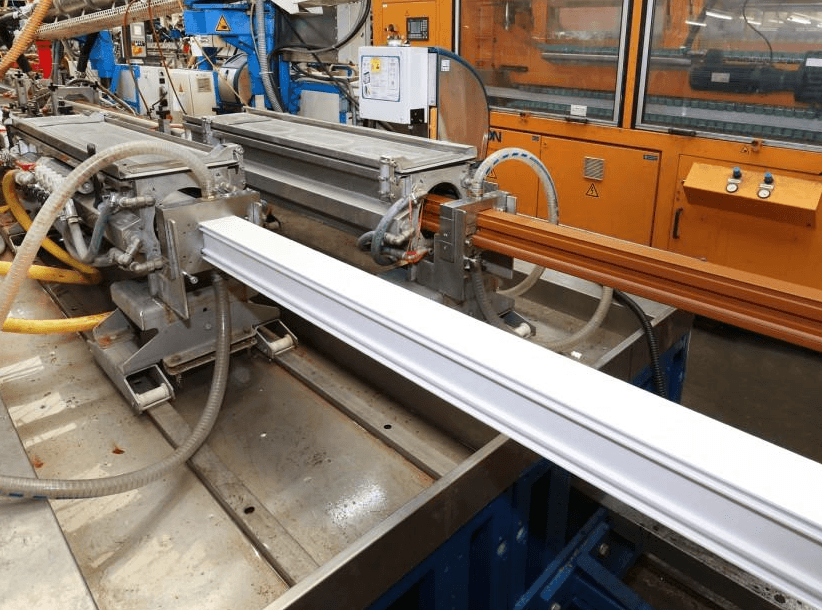
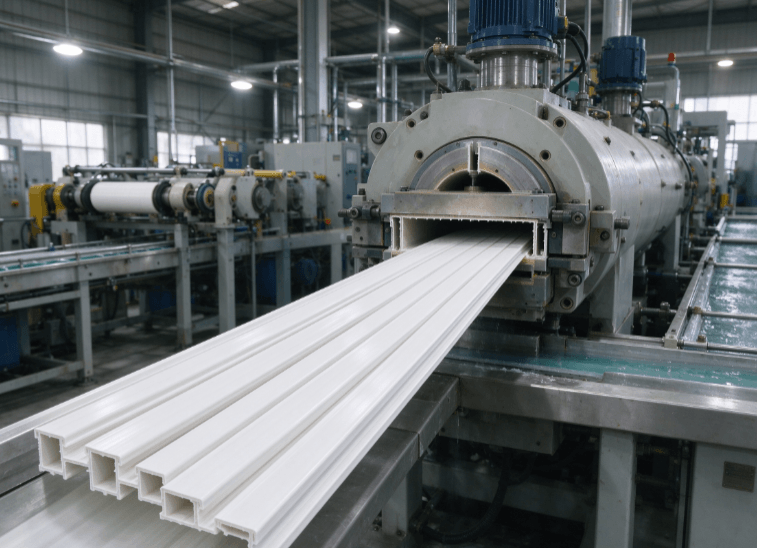
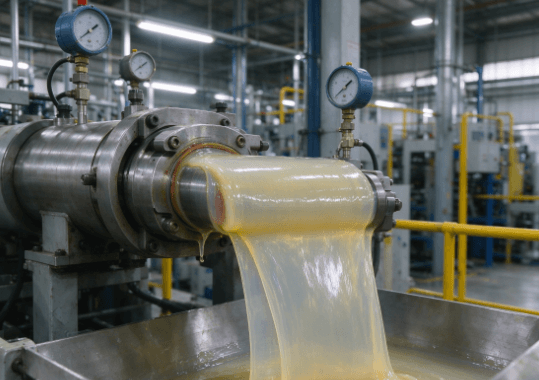
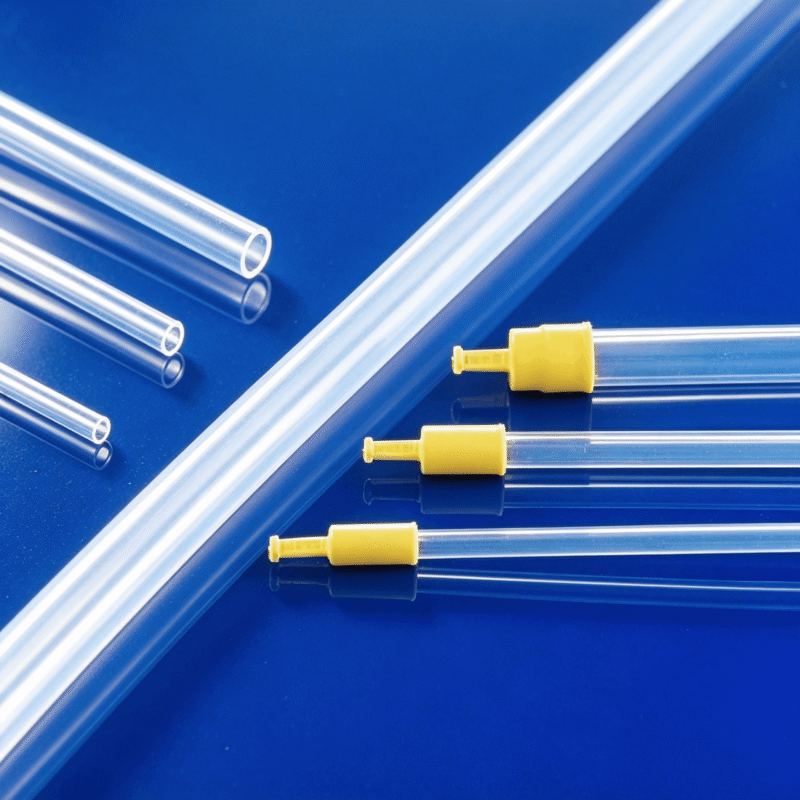
Unlike PTFE, PFA is capable of flowing when heated. This allows manufacturers to process the material using techniques such as melt extrusion, injection molding, and other thermoplastic processing methods, enabling the production of complex components, thin-walled tubing, and precision pipe fittings.
2. Excellent Chemical Resistance
It is virtually inert, exhibiting resistance to the vast majority of industrial chemicals, strong inorganic acids, inorganic bases, and organic solvents. It is susceptible to attack only under extreme conditions—specifically by molten alkali metals or elemental fluorine. Compatibility should always be verified with respect to the specific chemical, concentration, temperature, and duration of exposure.
3. High Purity and Low Leaching
High-purity grade PFA exhibits minimal leaching of trace ions or organic compounds. Through proper production and processing, these materials ensure exceptionally low levels of extractables and ionic contamination—a critical requirement for industries such as semiconductor manufacturing and pharmaceuticals, where stringent cleanliness standards are essential.
4. Excellent Thermal Stability
PFA maintains continuous operational performance across an extremely wide temperature range—from cryogenic temperatures of approximately -200°C up to high temperatures of 260°C.
5. Excellent electrical insulation properties
This material features an extremely low dielectric constant and dissipation factor, maintaining stable insulation performance across a wide range of frequencies and temperatures.
6. Other important characteristics include:
- Excellent mechanical properties: Compared to PTFE, PFA generally exhibits higher tensile strength and flexural modulus, as well as superior resistance to stress cracking and greater flexibility.
- Low-friction characteristics and non-stick properties
- Flame retardancy
- Good UV resistance and weatherability
- Low gas permeability and non-wetting properties
Key Applications of pfa
Thanks to the aforementioned properties, PFA is widely used in industrial sectors with demanding performance requirements:
1. Semiconductor Manufacturing
The semiconductor manufacturing process requires the reliable transport of high-purity chemicals without the introduction of any unwanted contaminants.
Applications include:
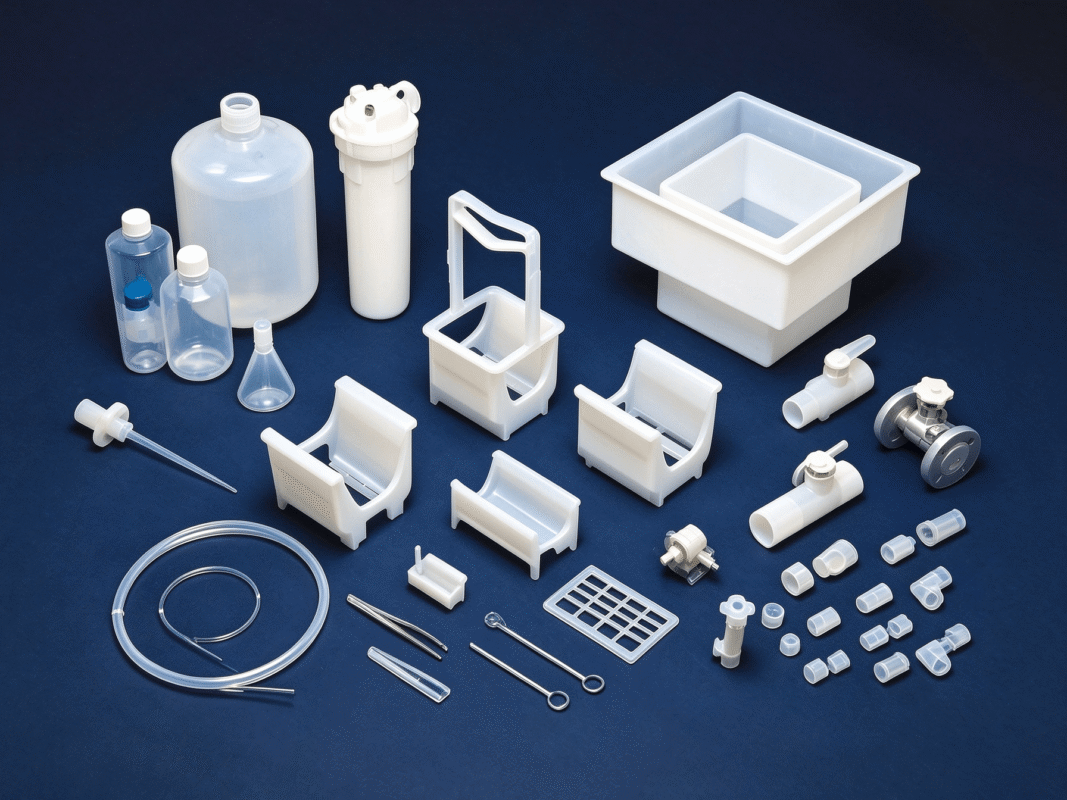
- Ultrapure fluid delivery systems
- High-purity chemical transport piping
- Valves, fittings, and connectors
- Chemical handling vessels and components
- Chemical distribution systems
- Wafer carriers
High-purity grade materials are particularly critical in scenarios where trace metal contamination could impact manufacturing yields.
2. Chemical Industry
PFA provides corrosion resistance for equipment that comes into contact with volatile compounds and corrosive process fluids.
Common applications include:
- Corrosion-resistant piping and storage tank linings
- Components for reaction vessels, pumps, and valves
- Hoses for chemical transport
- Laboratory and industrial fluid-handling equipment
The appropriate grade must be selected based on the specific chemical media and operating conditions.
3. Electrical and Electronics Sector
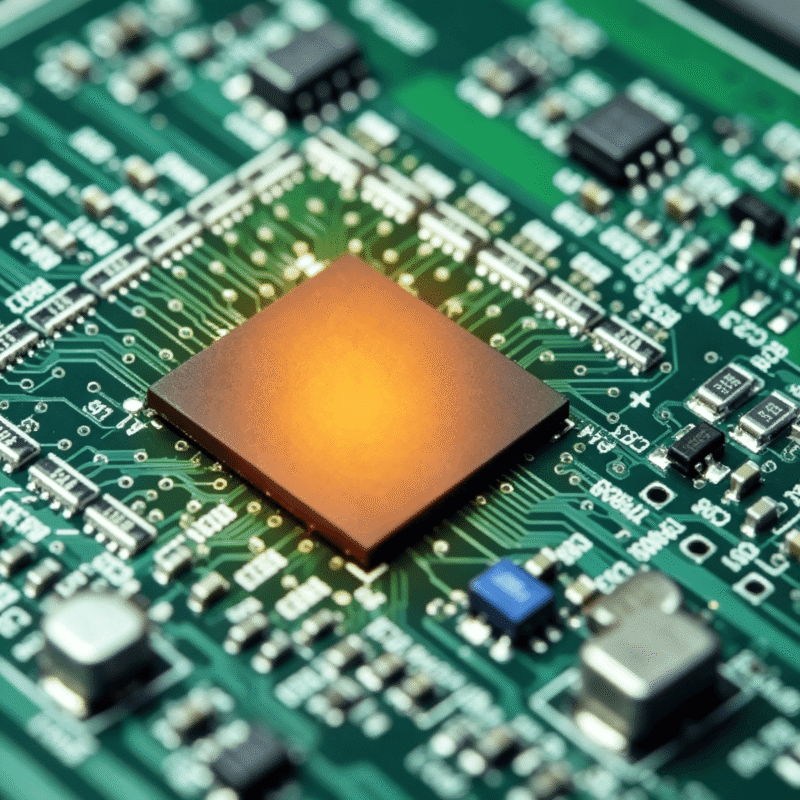
PFA combines thermal stability with electrical insulation properties, making it suitable for demanding wiring applications.
Typical uses include:
- Insulation for high-temperature electrical wires
- Cable sheathing
- Specialized electronic components
- Insulation for equipment exposed to chemical environments
4. Pharmaceutical and Biotechnology Manufacturing
Specific grades of PFA are used in fluid-handling equipment that requires excellent chemical compatibility, ease of cleaning, and low contamination levels.
Applications include:
- Aseptic fluid transfer lines
- Chromatographic components
- Bioprocessing bags and tubing
- Certain analytical systems
Suitability for pharmaceutical or medical contact must be verified based on relevant regulatory documentation and test results specific to the particular grade.
5. Aerospace and Automotive
High-performance insulating materials used for data transmission cables in environments characterized by extreme heat and radiation.
- Aircraft cable insulation
- Seals
- Fuel system hoses
6. Industrial Coatings and Specialized Equipment
In specific industrial applications, PFA coatings provide a non-stick surface, chemical corrosion resistance, and excellent thermal properties.
Potential uses include:
- Chemical processing equipment
- Mold-release surfaces
- Components requiring a durable fluoropolymer coating
How to Select the Appropriate pfa Grade
Different grades of PFA are specifically designed for various manufacturing processes and operating environments. When selecting a grade, consider the following factors:
1. Operating Temperature: Determine the continuous service temperature and any potential short-term temperature fluctuations.
2. Chemical Compatibility: Verify the material’s compatibility with the specific chemicals involved, taking into account their concentration, temperature, and duration of contact.
3. Processing Method: Choose a melt flow rate suitable for the intended processing technique, such as extrusion, injection molding, or other methods.
4. Purity Requirements: For applications in the semiconductor and pharmaceutical sectors, evaluate factors such as extractables, ionic contamination, and relevant compliance documentation.
5. Mechanical Property Requirements: Consider parameters including pressure, tensile load, creep, flexibility, and dimensional tolerances.
6. Cost and Availability: Compare resin pricing, processing efficiency, expected service life, and material supply.
In summary
Overall, the most notable characteristic of PFA is that it combines the chemical resistance of PTFE with the ability to be shaped using conventional melt-processing techniques. While its higher cost and specific processing requirements may be considered drawbacks, PFA remains a highly attractive choice when standard plastics fail to simultaneously meet stringent requirements for purity, temperature resistance, and chemical stability.
When making engineering design and procurement decisions, be sure to verifythe technical data sheets, chemical compatibility, processing conditions, and relevant regulatory compliance documentation for the manufacturer’s specific product grade.
Frequently Asked Questions About PFA
Q: Is PFA a thermoplastic or a thermoset plastic?
PFA is a semi-crystalline thermoplastic. It can be melted and reshaped using appropriate processing equipment.
Q: Is PFA better than PTFE?
Neither is universally better. PFA offers advantages when melt-processing or complex molded shapes are required. For applications that prioritize low friction, specialized sealing, or those that rely on established PTFE manufacturing methods, PTFE is generally the preferred choice.
Q: What is the difference between PFA and FEP?
Both are melt-processible fluoropolymers. PFA generally offers superior high-temperature resistance, whereas FEP is typically used in applications with less demanding heat-resistance requirements. The specific choice depends on the material grade and the actual operating conditions.
Q: Is PFA expensive?
Compared to common plastics such as PVC, PP, and PE, PFA is generally more expensive. However, in applications that demand high levels of chemical resistance, purity, and heat resistance, its higher cost is justified.
Reference Sources:
PFAS Central:
Performance Fluoropolymer Partnership (PFP):
https://fluoropolymerpartnership.com
United States Environmental Protection Agency(EPA):