
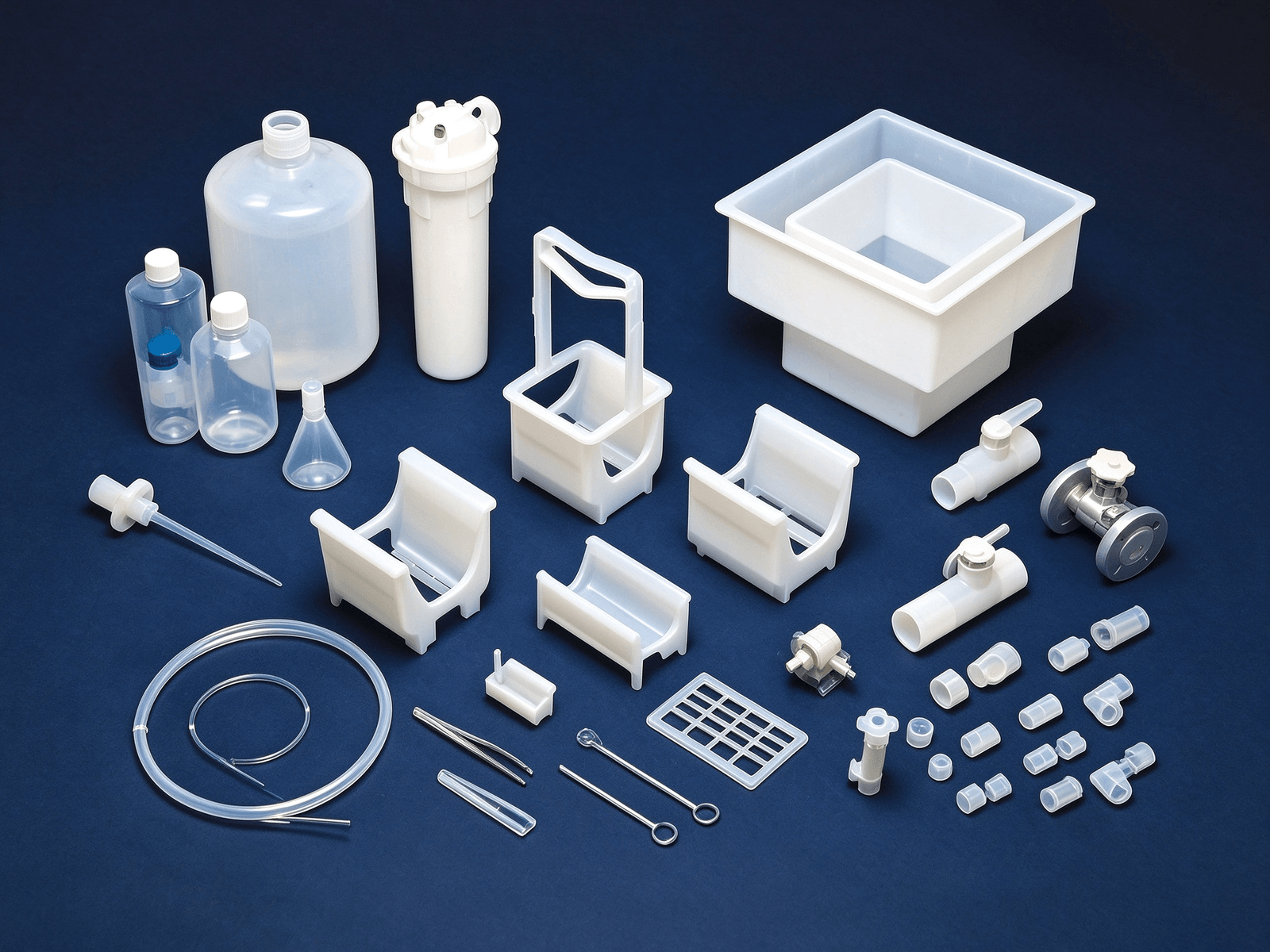
Overview of pvdf vs ptfe
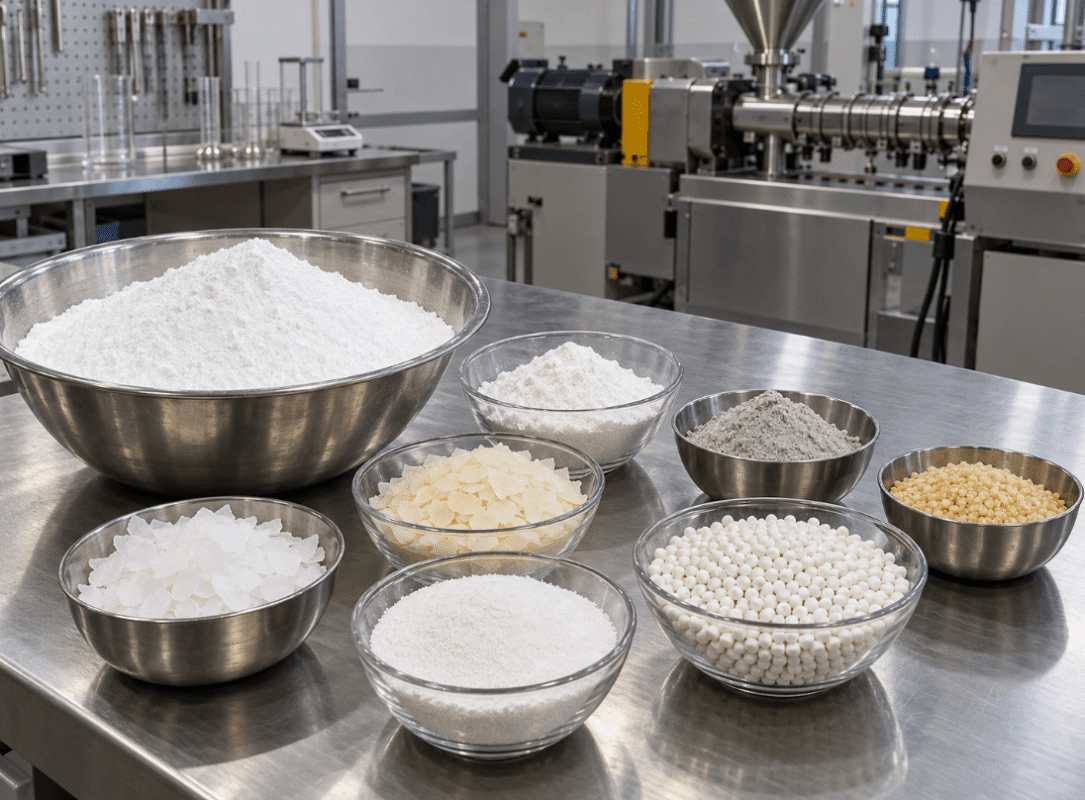
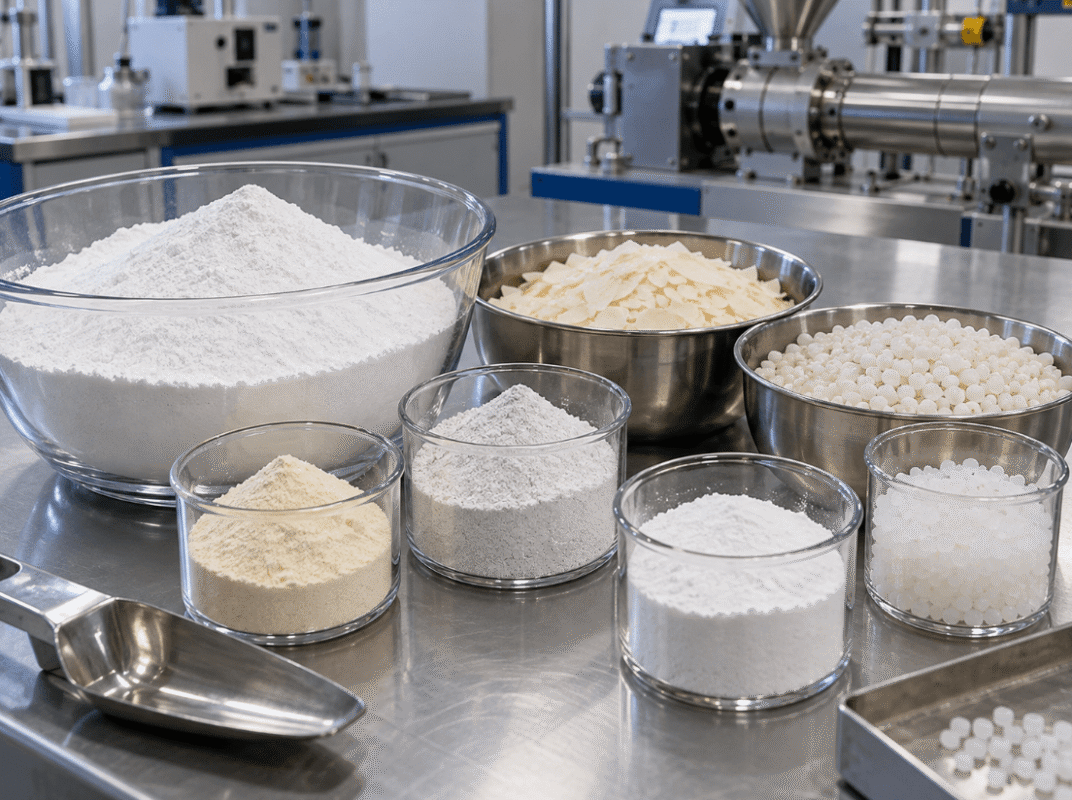
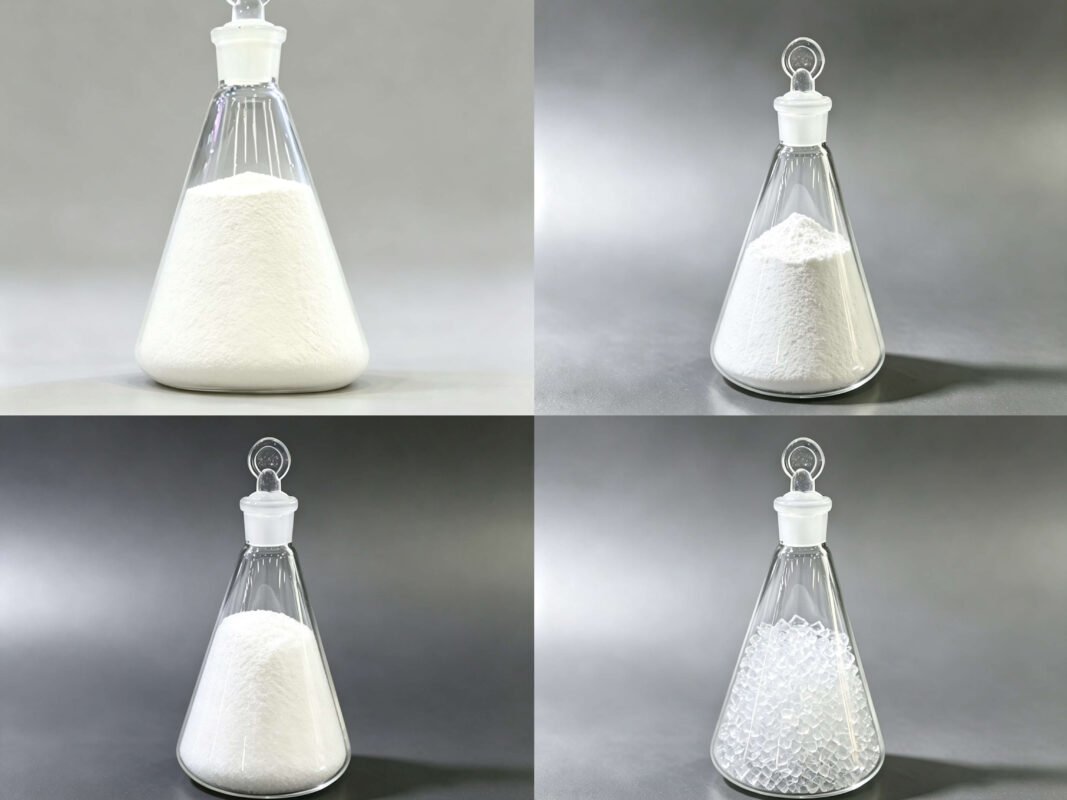
As both PVDF (polyvinylidene fluoride) and PTFE (polytetrafluoroethylene) are high-performance fluoropolymers, they are frequently compared with each other.
PVDF:It is a chemically highly stable thermoplastic fluoropolymer that is inherently pure and tough; distinguished by its structural strength and ease of processing, it is designed for demanding environments requiring exceptional chemical resistance, durability, and high purity.
PTFE:It is a synthetic fluoropolymer formed by the polymerization of tetrafluoroethylene (TFE) monomers, making it one of the engineering polymers with the best chemical and heat resistance.
The fundamental difference between the two lies in their molecular structures, which results in significant disparities regarding chemical resistance, temperature resistance, mechanical and electrical properties, weatherability, surface characteristics, processing and fabrication, and cost. This blog post provides a comprehensive comparison of pvdf vs ptfe across these aspects to help you make an informed choice.
Fundamental differences between PVDF and PTFE
| Property | PVDF (Polyvinylidene fluoride) | PTFE (Polytetrafluoroethylene) |
| Full Name | Polyvinylidene fluoride | Polytetrafluoroethylene |
| Chemical Structure | Partially fluorinated (CH2-CF2)n | Fully fluorinated (CF2-CF2)n |
| Fluorine Content | Lower, approx. 59 wt% | Very high, approx. 76 wt% |
| Chemical Resistance | Excellent | Outstanding |
| Melting Point | Approx. 170 – 178°C (338 – 352°F) | Approx. 327°C (620°F) |
| Tensile Strength | 45 – 55 MPa (7000 – 8500 psi) | 20 – 35 MPa (2000 – 3500 psi) |
| Flexural Modulus | 2.0 – 2.5 GPa (high hardness and rigidity) | 0.4 – 0.8 GPa (softer texture, good flexibility) |
| Coefficient of Friction | Moderate (0.30 – 0.40) | Very low (0.04 – 0.10) |
| Creep/Cold Flow | Low (excellent dimensional stability) | High (prone to “cold flow” or permanent deformation under sustained load) |
| Gamma Radiation Resistance | Excellent (withstands up to 1000 kGy) | Poor (degradation occurs above 5 kGy) |
| Light Transmission | Translucent to transparent | Opaque / Milky white |
Specific values vary depending on the grade, molecular weight, filler content, processing method, and testing standards.
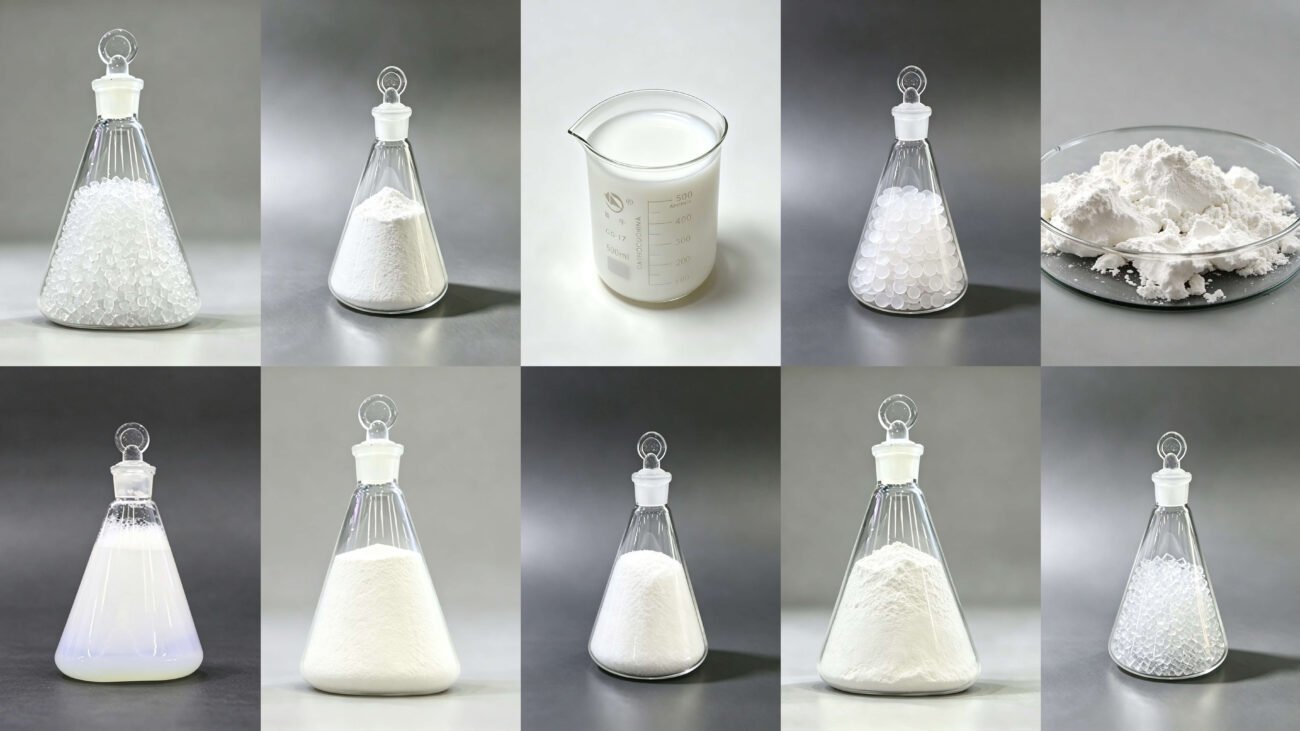
pvdf vs ptfe: A Comprehensive Comparison
1. Chemical resistance
- PVDF
PVDF exhibits excellent chemical resistance, particularly against a wide range of acids, alkalis, salts, halogens, hydrocarbons, and industrial chemicals; however, it is susceptible to certain strong alkalis, ketones, amines, and highly polar solvents.
- PTFE
PTFE is generally considered one of the most chemically resistant polymers. Its highly fluorinated carbon backbone imparts exceptional resistance, enabling it to withstand—without degradation—virtually all known chemicals and solvents, including strong acids, strong bases, organic solvents, oxidizing agents, and highly corrosive industrial chemicals.
2. Temperature resistance
This is one of the most important differences.
- PVDF
Although it possesses excellent thermal stability as a polymer, its upper continuous service temperature is relatively low—typically around 150°C (300°F), depending on the specific grade and operating conditions. Beyond this temperature, the mechanical properties of PVDF decline rapidly.
- PTFE
The material performs exceptionally well under extreme temperatures, capable of withstanding continuous use ranging from cryogenic temperatures (-200°C) up to 260°C (500°F). Consequently, PTFE is far better suited for high-temperature applications.
3. Mechanical Properties
- PVDF
PVDF typically exhibits higher tensile strength and rigidity, good wear and impact resistance, and superior structural properties; its strength and stiffness are far superior to those of PTFE. PVDF offers significant advantages in applications where mechanical strength and rigidity are critical.
- PTFE
In contrast, PTFE is relatively soft and prone to deformation under sustained loads, particularly at high temperatures. This is associated with the phenomena of creep and cold flow—factors that must be carefully considered when designing PTFE components.
4. Electrical Properties
Both materials exhibit excellent electrical insulation properties.
- PVDF
PVDF possesses excellent electrical insulation properties and an additional characteristic: PVDF with specific structures exhibits piezoelectric and ferroelectric properties. This makes PVDF suitable for applications in areas such as sensors, actuators, flexible electronics, energy harvesting, and acoustic devices.
- PTFE
PTFE is renowned for its extremely high electrical resistivity, low dielectric loss, excellent high-frequency performance, and outstanding temperature stability.
5. UV and Weather Resistance
Both PVDF and PTFE exhibit excellent resistance to sunlight, UV radiation, and outdoor environmental exposure. Both perform exceptionally well in outdoor environments, with PVDF standing out particularly in long-life coating applications.
- PVDF
PVDF is particularly important in the fields of architectural and industrial coatings due to its combination of properties, including UV resistance, weatherability, chemical resistance, color retention, and good mechanical performance.
- PTFE
PTFE also exhibits excellent weather resistance, though its application in architectural coatings differs from that of PVDF.
6. Friction and Wear
- PVDF
The properties of PVDF are closer to those of ordinary engineering plastics; while its coefficient of friction is relatively low and its tribological performance is generally inferior to that of PTFE, it surpasses PTFE in terms of wear and cut resistance.
- PTFE
PTFE is renowned for its extremely low coefficient of friction—ranking among the lowest of any solid material—and possesses exceptional anti-stick and dry-lubrication properties. This makes it particularly suitable for applications such as bearings, sliding components, seals, bushings, valve assemblies, and low-friction surfaces.
7. Surface properties
- PVDF
PVDF has relatively low surface energy, but is generally easier to bond, coat, or modify than PTFE.
- PTFE
PTFE has extremely low surface energy. Consequently, it offers excellent non-stick properties, low adhesion, easy release, and low friction.
8. Processing and Manufacturing Characteristics
This is a major practical difference between the two materials.
- PVDF
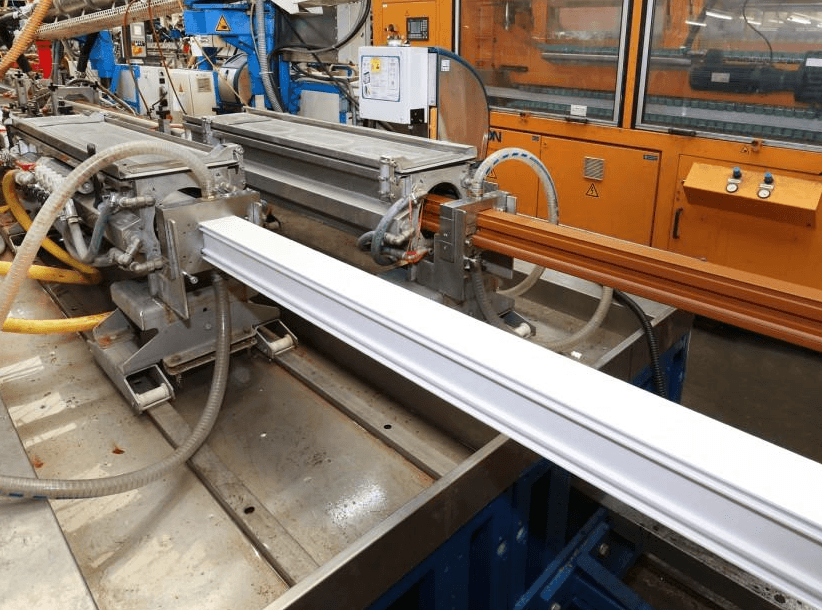
PVDF is a melt-processable thermoplastic suitable for standard processes such as injection molding, extrusion, compression molding, blow molding, and thermal welding (e.g., hot-air welding, butt fusion, and socket welding), making it relatively convenient to manufacture into pipes, sheets, films, hoses, valves, and other complex components.
- PTFE
In contrast, due to its extremely high melt viscosity, PTFE cannot be processed via melt-based methods like conventional thermoplastics, nor can it be thermally welded; instead, it requires specialized processing techniques—such as paste extrusion, compression molding and sintering (akin to powder metallurgy), or CNC machining—making the fabrication of complex components more difficult and costly.
9. Cost and Manufacturing Considerations
Material prices depend heavily on the grade, supplier, additives, fillers, and market conditions. However, the total manufacturing cost is not determined solely by the resin price.
- PVDF
The melt-processing characteristics of PVDF offer advantages in terms of production efficiency, extrusion, injection molding, the manufacture of complex components, and large-scale production.
- PTFE
In contrast, PTFE may require more specialized processing equipment and longer processing cycles.
10. Applications
- PVDF
1. Welded fluid transport: Chemical process piping, valves, and fittings joined via heat fusion;
2. Semiconductors and pharmaceuticals: Chemical distribution manifolds in ultrapure water systems and wet process equipment;
3. Structural components: Pump impellers, pump casings, and valve bodies subject to dynamic pressure or loads;
4. Sterilization environments: Components requiring exposure to high-intensity gamma-ray sterilization;
5. Other applications: Commonly used in chemical storage tanks, filtration membranes, wire and cable insulation, industrial coatings, lithium-ion battery binders, water treatment equipment, sensors, and actuators.
- PTFE
1. Chemical seals resistant to extreme temperatures: used for gaskets, O-rings, valve seats and packing rings with operating temperatures exceeding 150°C;
2. Low friction components: bushings, sliding bearings and non-stick wear pads;
3. Linings of highly corrosive chemicals: reactor and tower linings (materials are required to have near-universal chemical inertness);
4. Electrical insulation: high temperature resistance, low dielectric loss wire insulation layer;
5. Other applications: Widely used in chemical pipelines, laboratory equipment, non-stick coatings, membrane contactors, wastewater treatment and membrane distillation applications.

pvdf vs ptfe: How to Choose?
The answer depends on the specific application scenario rather than one material being absolutely superior to another in every respect; one must also consider the manufacturer’s product grade and specific specifications.
- Choose PVDF if the following apply:
1. You require a material that is tougher, stronger, and more wear-resistant.
2. Processing flexibility is important to you (e.g., the need for melt extrusion, solution casting, or use as a binder).
3. Cost is a key consideration, and you need to strike a good balance between chemical resistance and mechanical properties.
4. You require piezoelectric or pyroelectric functionality for sensing applications.
- Choose PTFE if the following conditions apply:
1. You require exceptional chemical inertness and broad resistance to various solvents and corrosive substances.
2. Your application requires high-temperature stability (up to 260°C).
3. Low friction and non-stick properties are critical (e.g., for seals, bearings, laboratory ware, etc.).
In summary, PVDF is typically selected when processing efficiency and structural performance are critical, and when a balance must be struck between chemical resistance, strength, processability, and cost. Conversely, PTFE is often chosen when its superior chemical resistance, temperature resistance, non-stick properties, and low-friction characteristics outweigh the need for specialized processing techniques.
Summary
Both are high-performance fluoropolymers, yet they offer different balances between cost and performance. PTFE excels in chemical inertness, thermal stability, and low-friction characteristics, whereas PVDF strikes a better balance among mechanical strength, processability, and cost. The choice of material generally depends on your specific requirements and application scenario.
For applications involving corrosive chemicals, high temperatures, low friction, demanding sealing conditions, or electrical insulation, PTFE remains one of the most important engineering polymers. Filled grades and other fluoropolymers—such as PVDF, FEP, PFA, and ETFE—offer various combinations of performance and processability.
FAQ
Q: Is PVDF safe?
Under normal conditions of use, PVDF is considered non-toxic and inert. It should be noted that specific grades must meet the following standards: FDA compliance for food contact; USP Class VI certification for medical/pharmaceutical applications; and NSF/ANSI 61 certification for drinking water contact applications.
Q: What precautions should be taken when processing PVDF?
Use local exhaust ventilation during melt processing; avoid temperatures exceeding 300°C; use a self-contained breathing apparatus in the event of a fire; and perform incineration only in facilities equipped with hydrogen fluoride (HF) scrubbers.
Q: Is PTFE safe?
Yes, it is safe, eco-friendly, and non-toxic. Pure PTFE is biologically inert, making it suitable for use in food-contact applications and specialized medical devices.
Reference Sources:
American Chemistry Council: https://www.americanchemistry.com
PlasticsEurope FPG (Fluoropolymers Product Group) : https://www.fluoropolymers.eu/
Green Science Policy Institute(GSPI): https://greensciencepolicy.org
Polyvinylidene fluoride overview: https://en.wikipedia.org/wiki/Polyvinylidene_fluoride
Plastics Engineering:https://www.plasticsengineering.org