
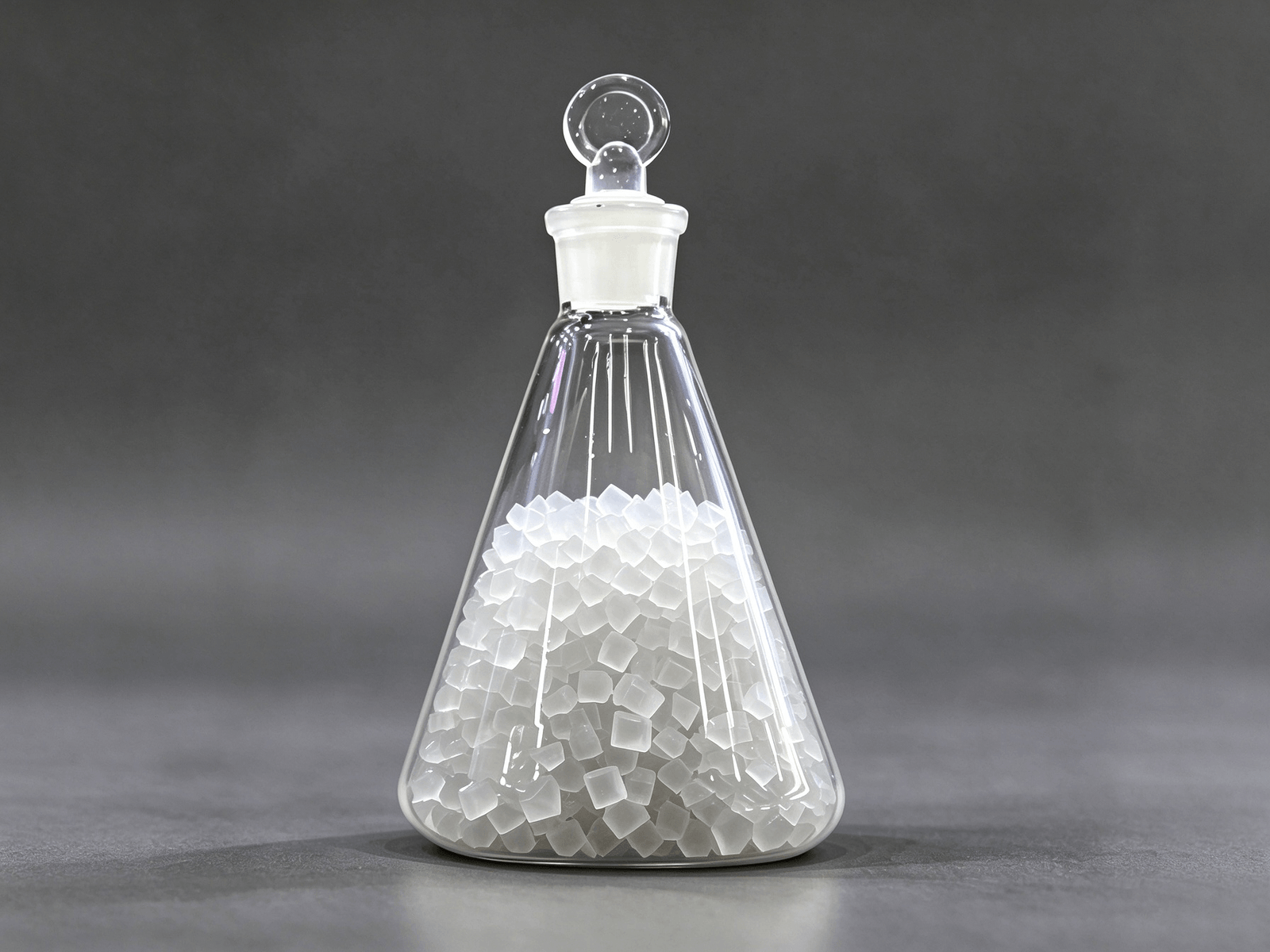
What is pctfe?
PCTFE (polychlorotrifluoroethylene) is a high-performance thermoplastic fluoropolymer. Formed by the polymerization of chlorotrifluoroethylene (CTFE) monomers, it is specifically engineered to withstand demanding industrial, aerospace, and chemical environments—performing effectively under operating conditions that would exceed the capabilities of standard engineering plastics.
This guide covers the definition of PCTFE, its key properties, primary application areas, and how to select the appropriate grade of PCTFE.
Chemical Structure and Composition of pctfe
Its molecular structure consists of a carbon backbone to which fluorine and chlorine atoms are attached.
This molecular structure determines several of its key properties:
- Fluorine atoms provide the material with strong carbon-fluorine bonds and broad resistance to chemical corrosion.
- Chlorine atoms increase molecular size and influence molecular chain packing, crystallinity, rigidity, and permeability.
- The polymer backbone provides chemical stability, enabling the material to withstand a wide range of corrosive environments.
By replacing fluorine atoms with chlorine atoms along the carbon-fluorine polymer backbone, PCTFE achieves a unique balance of rigidity, dimensional stability, and near-zero moisture permeability, distinguishing it from other fluoropolymers such as PTFE.
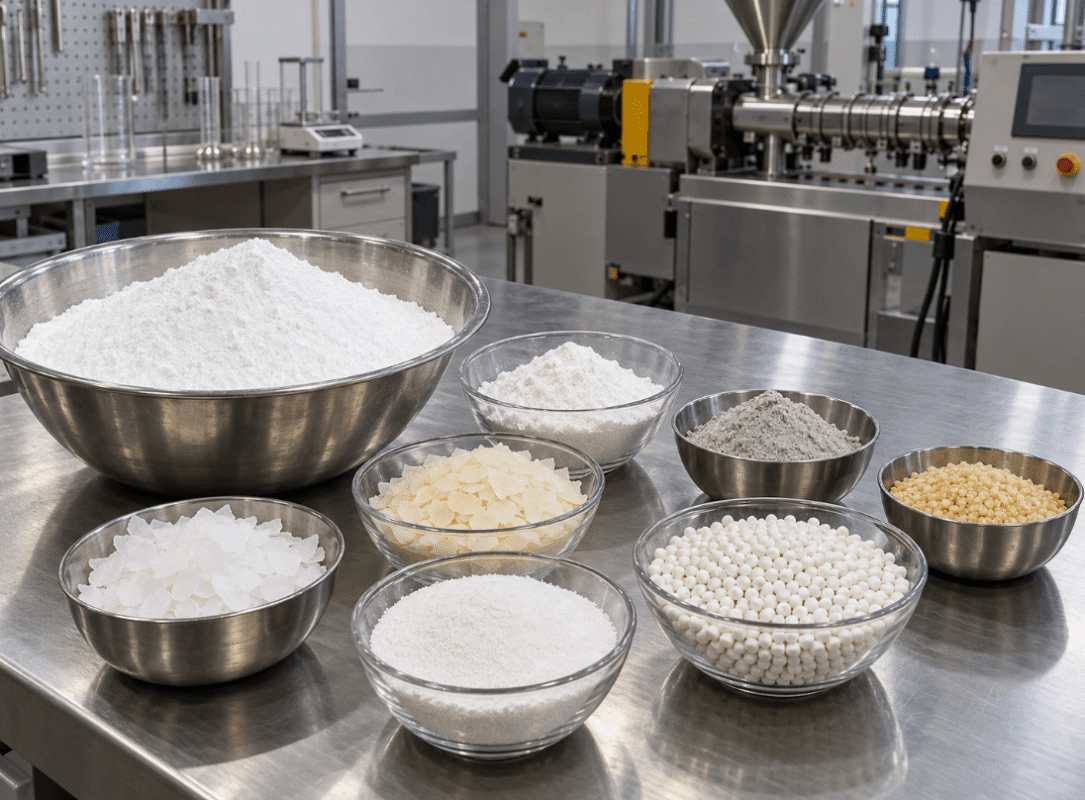
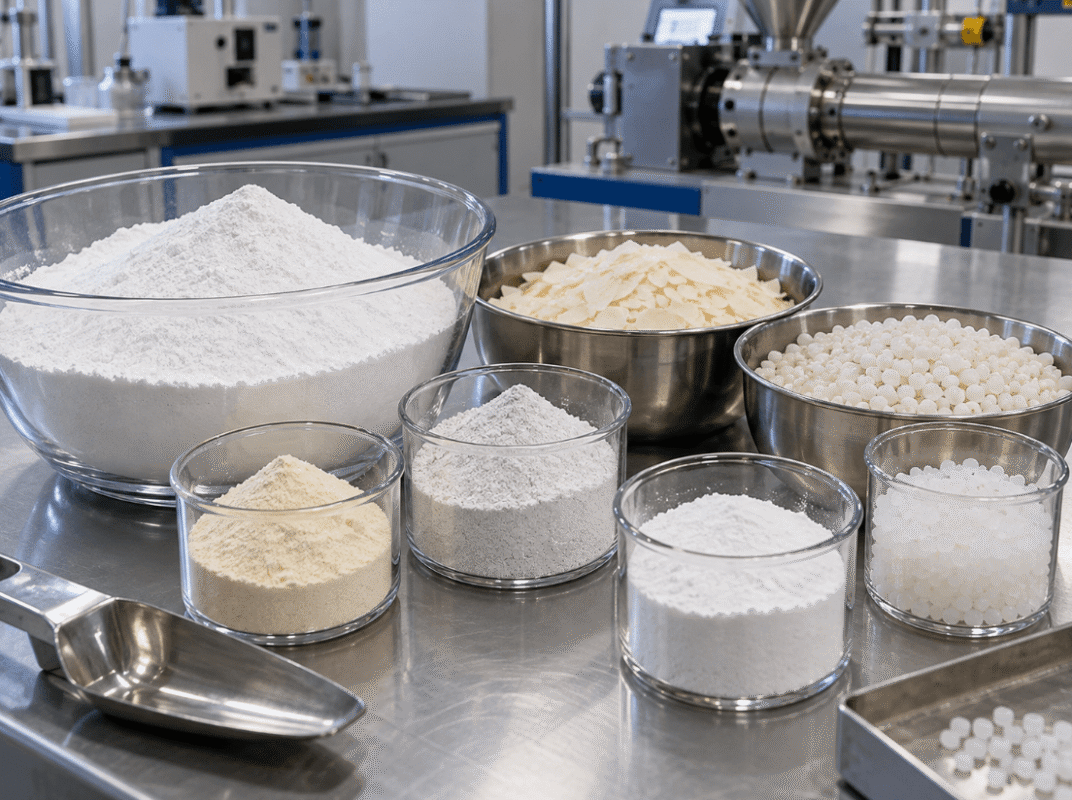
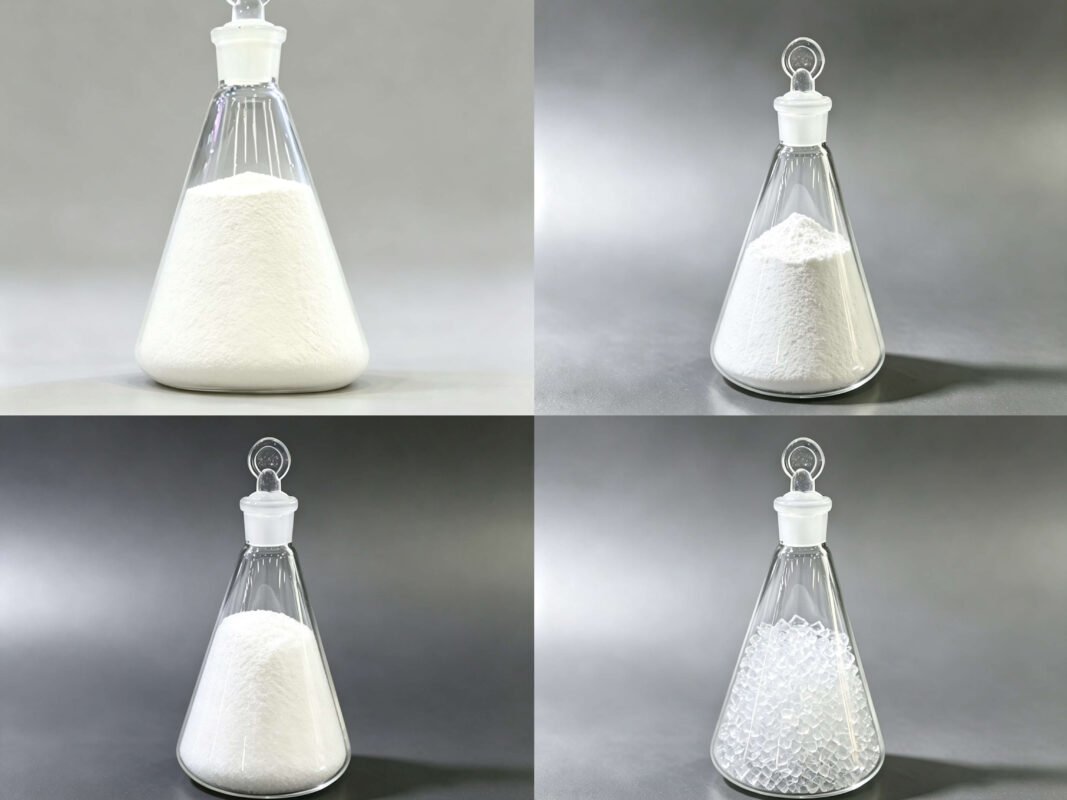
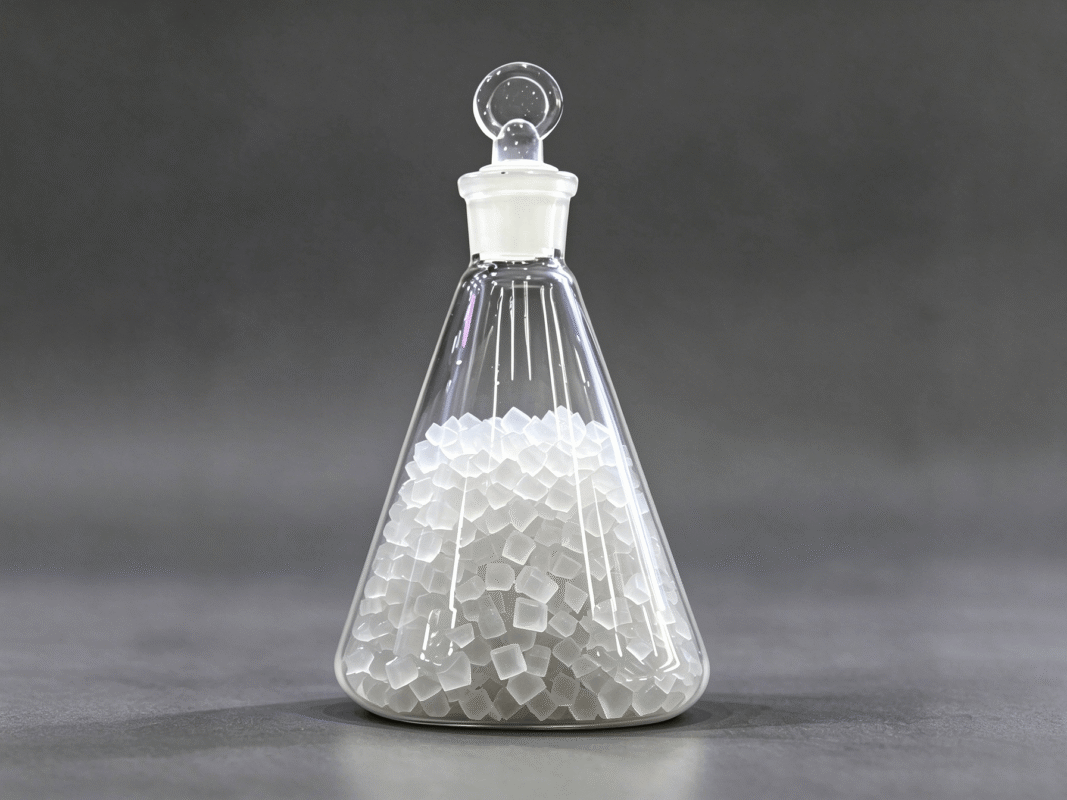
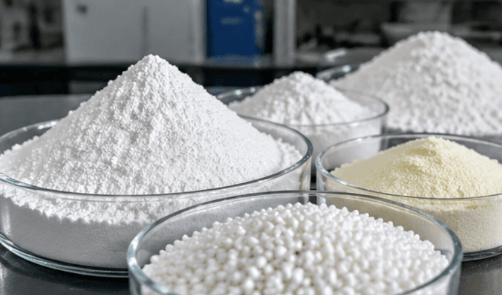
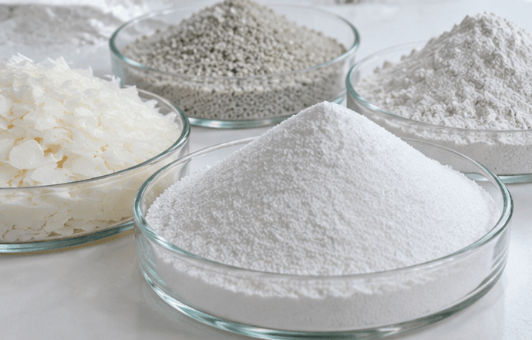
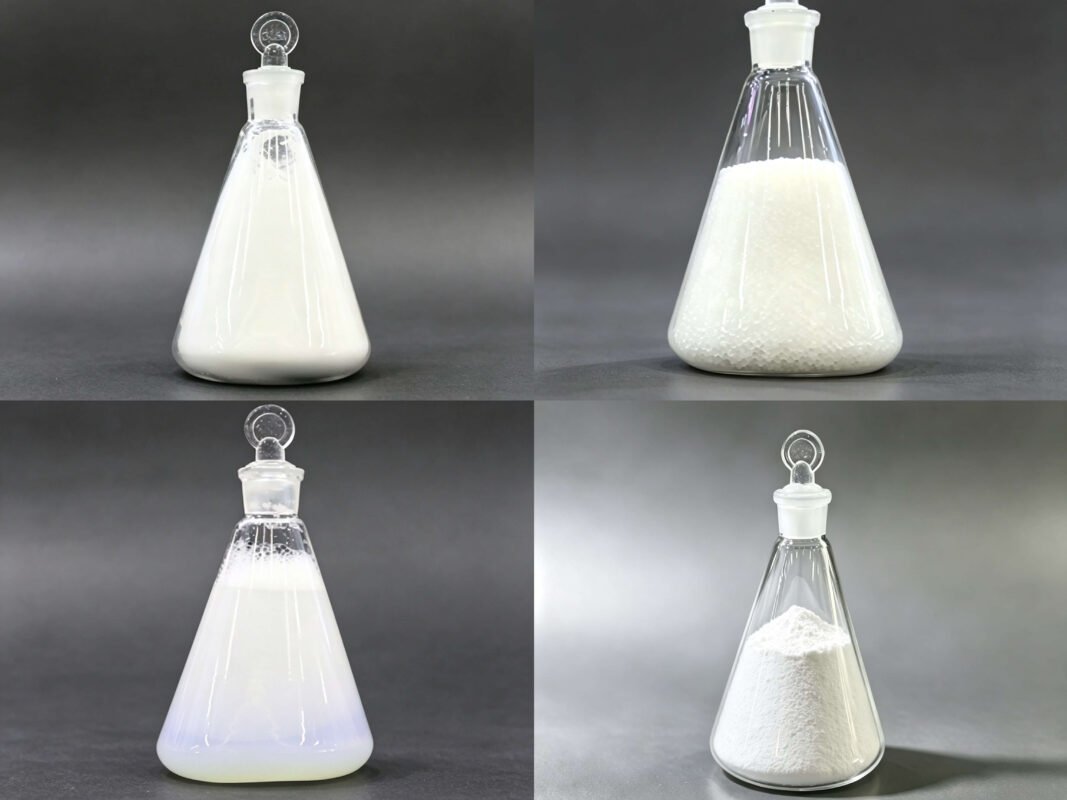
MKQ Chem → PCTFE (Polychlorotrifluoroethylene) Resin
Key Characteristics of pctfe
The molecular structure of PCTFE imparts several notable properties:
Extremely low water vapor permeability
PCTFE exhibits exceptionally low hygroscopicity and superior water vapor barrier properties, making it an ultimate shield against water vapor, steam, and gases. This renders it particularly well-suited for pharmaceutical packaging, protective films, and components that require dimensional stability in humid environments.
Excellent Chemical Resistance
This material is highly chemically inert, exhibiting resistance to most strong inorganic acids, strong bases, oxidizing agents, and organic solvents. Notably, it demonstrates excellent compatibility with highly aggressive chemicals, such as fuming nitric acid and liquid oxygen. Its specific performance depends on factors including the type of chemical, temperature, concentration, duration of exposure, and stress levels. Compatibility should be verified prior to use in corrosive chemical environments.
Excellent low-temperature performance
PCTFE retains good mechanical properties at cryogenic temperatures (down to -200°C or even lower) and in equipment used for handling liquefied gases. This is a key reason why it is widely used for valve seats, seals, and fluid-handling components.
Mechanical Stability
Compared to PTFE, PCTFE offers greater hardness and rigidity, along with higher compressive strength and exceptionally low creep (i.e., deformation under load). These characteristics help components maintain their shape and sealing dimensions.
Excellent electrical insulation properties
This material exhibits good dielectric properties and retains its electrical insulation performance even in humid environments; its dielectric constant and loss factor are slightly higher than those of perfluoropolymers.
High Transparency
PCTFE sheets and films possess excellent optical clarity and transparency, with a visible light transmission of up to 91%.
Flame Retardancy
This material possesses inherent flame-retardant properties, with a limiting oxygen index (LOI) significantly higher than the oxygen concentration found in the ambient atmosphere.
The main application areas of pctfe
With its unique combination of properties, PCTFE has irreplaceable value in high-end fields and harsh application scenarios:
Cryogenic and ultra-low temperature applications
This is one of the most classic applications for PCTFE. It is widely used for pump components, seals (such as O-rings and valve seats), gaskets, and fluid-handling parts in systems involving liquid nitrogen, liquid oxygen, and other cryogenic fluids. When purchasing, it is essential to verify the suitability of the material for the specific fluid and pressure conditions involved.
Medical and Pharmaceutical Packaging
It can be used as a moisture-proof film (typically processed via lamination or thermoforming). Due to its exceptionally low moisture permeability and chemical inertness, it serves as an ideal barrier material for applications such as pharmaceutical blister packaging, the containment of medical devices, and the protection of high-value electronic components. When incorporated into a well-designed packaging structure, it can also help extend the shelf life of products.
Aerospace and Aviation
Due to its low outgassing, low permeability, and dimensional stability, PCTFE is well-suited for specific sealing, instrumentation, and fluid control applications within the aerospace and aviation sectors.
Semiconductor Sector
PCTFE can be used in applications such as components for handling high-purity chemicals, parts for wafer processing equipment, and precision equipment—all of which require strict chemical resistance and dimensional stability.
Chemical Processing
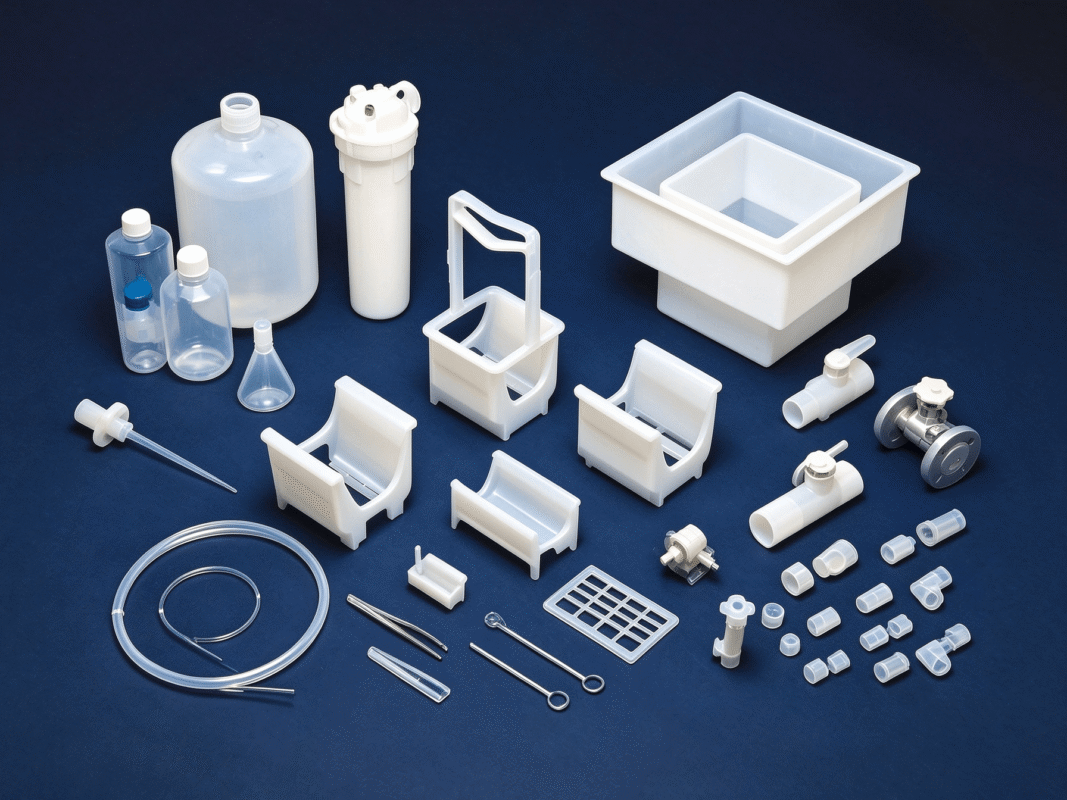
Used in applications involving exposure to highly corrosive chemicals and hazardous gases, including piping, sight glasses, O-rings, valve linings, gaskets, bearings, and fluid seals.
Electrical and Instrumentation Equipment
Benefiting from its low moisture absorption and stable electrical properties, PCTFE is used in applications such as specialized insulating components and precision assemblies.
How to Select the Right PCTFE Grade
When choosing PCTFE for industrial or commercial applications, please consider the following factors.
1. Define application requirements. Determine whether the primary needs involve moisture resistance, low-temperature sealing, chemical resistance, electrical insulation, or dimensional stability.
2. Assess operating temperatures. Evaluate both continuous service temperatures and potential short-term temperature fluctuations.
3. Verify chemical compatibility. Consider the specific chemical substances, their concentrations, temperatures, pressures, and the duration of exposure.
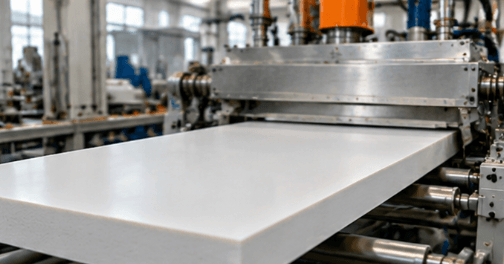
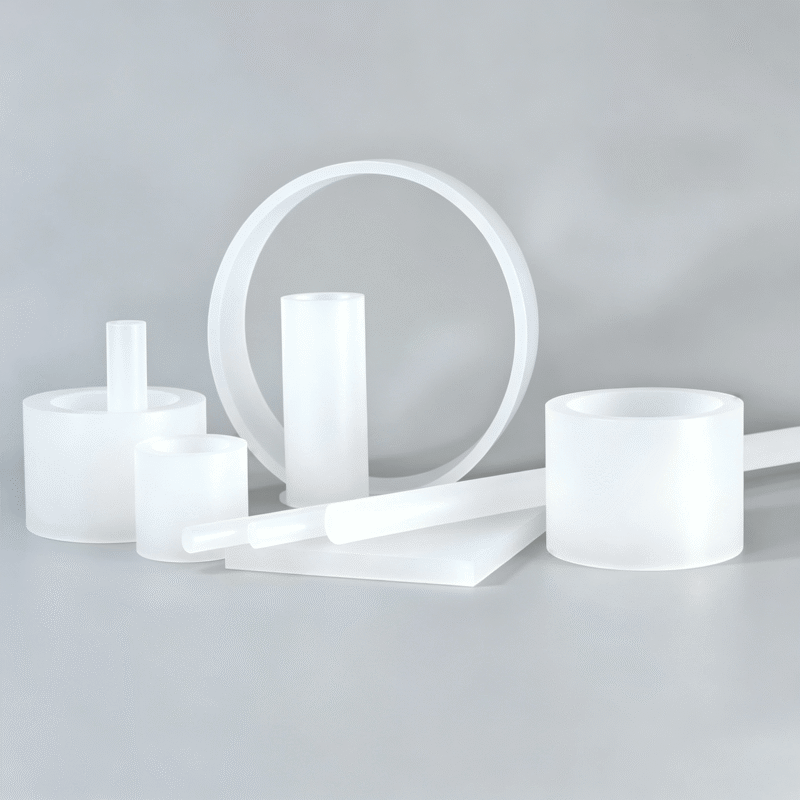
4. Select the appropriate product form. Options such as films, sheets, rods, tubes, or machined components each entail different manufacturing processes and performance characteristics.
5. Evaluate mechanical property requirements. Take into account compressive loads, creep characteristics, dimensional tolerances, sealing forces, and the expected service life.
6. Confirm regulatory requirements. For applications in areas such as pharmaceutical packaging, food contact, medical devices, aerospace, or oxygen-service environments, always verify the certifications and suitability of the specific material grade; do not assume that all PCTFE materials carry the necessary approvals.
Frequently Asked Questions About pctfe
Q: Can PCTFE be processed via injection molding?
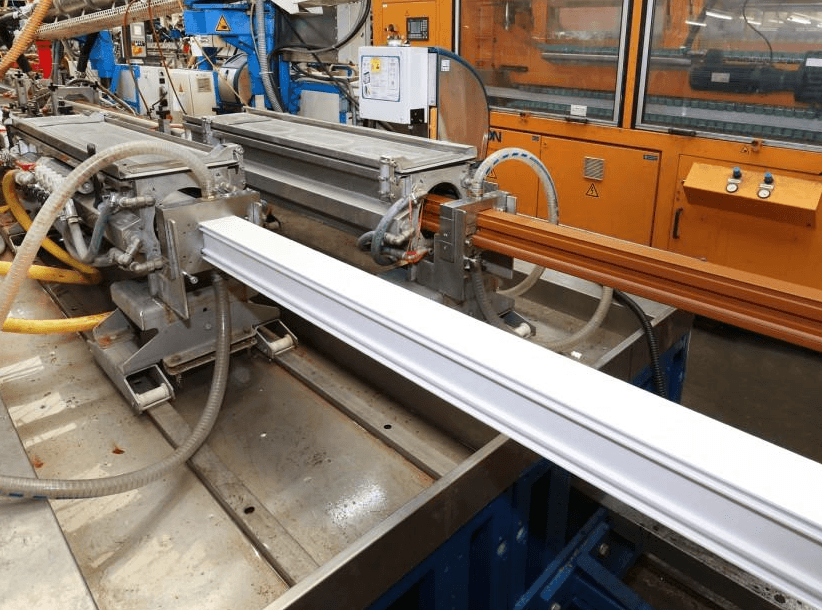
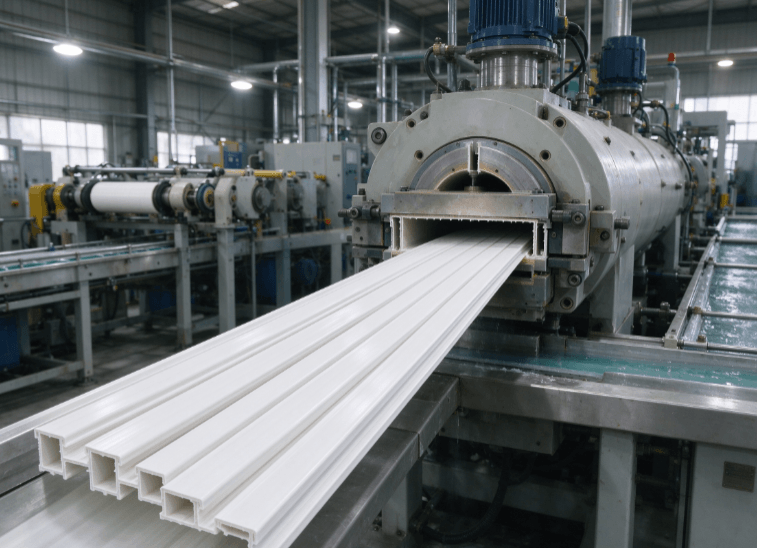
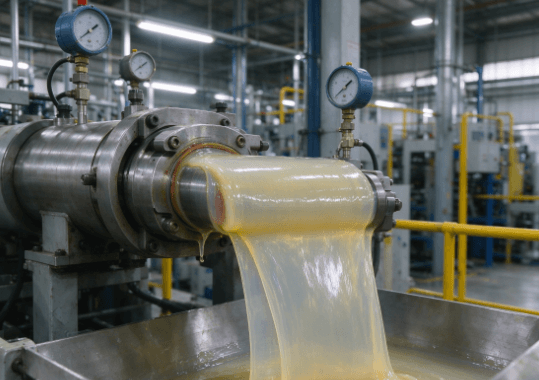
Yes. PCTFE is a melt-processible thermoplastic. It can be shaped using extrusion and injection molding, as well as compression molding or mechanical machining to produce finished components.
Q: Is PCTFE the same as PTFE?
No. While both are fluoropolymers, they have different chemical structures. The repeating unit of PCTFE contains chlorine, whereas PTFE consists solely of carbon and fluorine. PCTFE is generally more rigid and has lower gas permeability; in contrast, PTFE is known for its low coefficient of friction and broad chemical resistance.
Q: Is PCTFE expensive?
Its overall cost is relatively high. As a specialized fluoropolymer, PCTFE is generally more expensive than commodity plastics like PVC or polyethylene. Furthermore, because PCTFE has unique processing requirements—necessitating specific conditions and specialized equipment—its overall cost remains on the higher side.
Q: Is PCTFE better than PVDF?
Neither material is strictly “better” than the other; it depends on the application. PCTFE is typically the preferred choice when extremely low permeability, low moisture absorption, and excellent low-temperature performance are the primary requirements. Conversely, PVDF is often favored for applications such as chemical piping and storage tanks, where a balance of mechanical strength, chemical resistance, and processing flexibility is required.
Q: What is the difference between PCTFE and FEP?
Both materials offer excellent chemical resistance and are melt-processible. PCTFE is generally more rigid and provides superior moisture and gas barrier properties, whereas FEP is commonly used for applications such as transparent tubing, flexible films, and scenarios that take advantage of its greater ease of melt processing.
In summary
PCTFE is a specialized, high-performance fluoropolymer, primarily valued for applications where material failure, moisture ingress, leakage, or dimensional instability could lead to critical issues. Consequently, it is highly advantageous in sectors such as aerospace, chemical processing, semiconductor manufacturing, and specialized sealing systems.
When selecting PCTFE, engineers should conduct a comprehensive assessment of the operating environment and compare it against alternative materials like PTFE, FEP, and PVDF. The ideal material is one that meets the required performance specifications while ensuring that both processing costs and service life remain within acceptable limits.
Reference Sources:
PlasticsEurope: https://plasticseurope.org/
DBpedia: https://www.dbpedia.org/
Fluoropolymer information: https://www.plasticsengineering.org