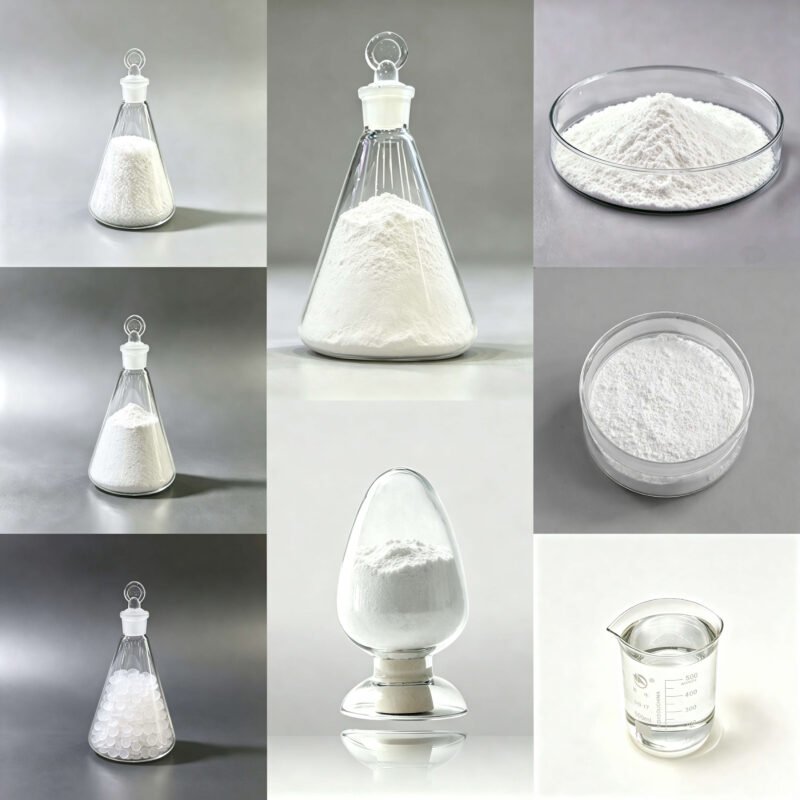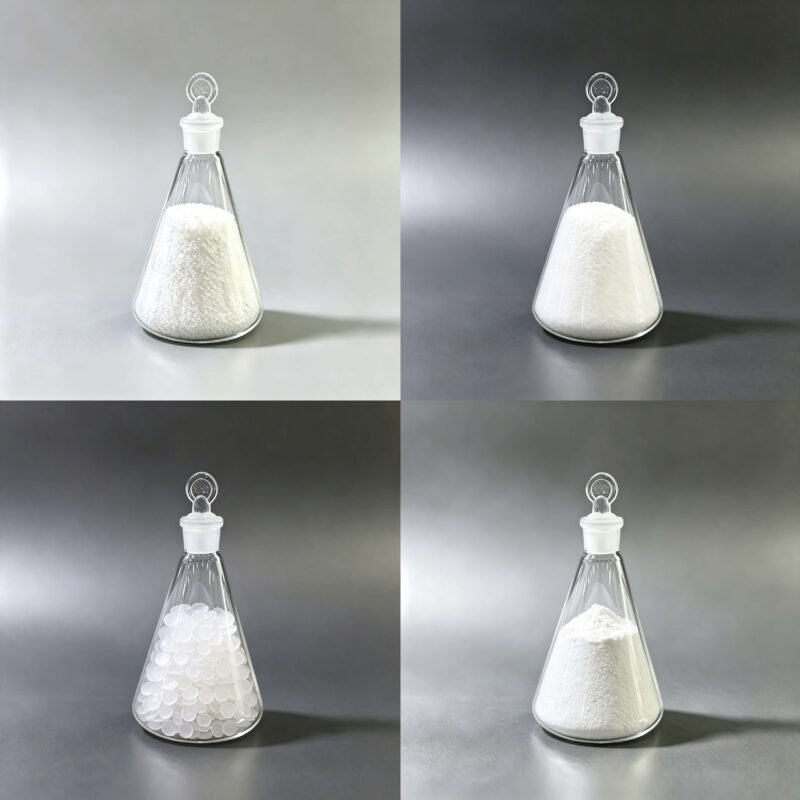

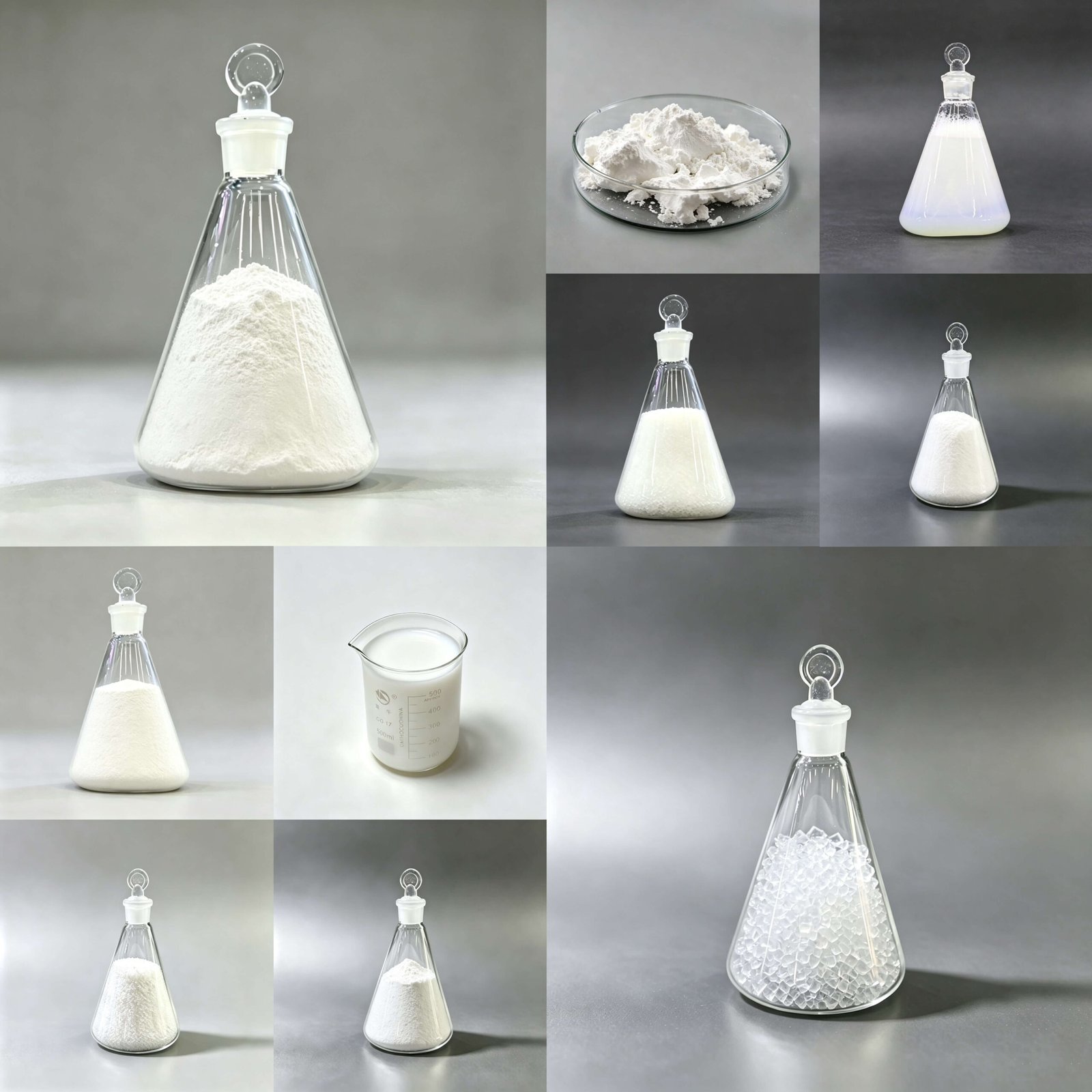
What is fluoropolymer?
Fluoropolymers are a class of high-performance polymers containing carbon-fluorine (C–F) bonds in their molecular structure. These strong C–F bonds impart exceptional chemical resistance, thermal stability, low surface energy, and excellent dielectric properties to the materials.
Thanks to these unique characteristics, fluoropolymers are widely used in demanding sectors such as chemical processing, aerospace, electronics, automotive, renewable energy, medical devices, and semiconductor manufacturing.
Why are fluoropolymers crucial?
Fluorine is one of the most unique elements in materials science, for the following reasons:
1. Exceptionally strong C–F bonds
The carbon-fluorine bond is one of the strongest chemical bonds in organic chemistry, imparting high thermal stability, excellent oxidation resistance, and a long service life to the material.
2. Low-Friction and Non-Stick Properties
Fluoropolymers possess extremely low surface energy, resulting in reduced friction, minimized material adhesion, and easy-release characteristics. They are suitable for applications such as bearings, sliding components, coatings, and food processing equipment.
3. Excellent chemical resistance
They withstand exposure to strong acids, strong alkalis, organic solvents, and corrosive gases, making them ideal materials for manufacturing chemical processing equipment.
4. Excellent electrical properties
Fluoropolymers feature high dielectric strength, low dielectric constant, low moisture absorption, and stable electrical performance, making them ideal insulating materials for high-frequency cables, semiconductor equipment, and precision electronic devices.
5. Weather and UV Resistance
Fluoropolymers exhibit excellent resistance to UV degradation, ozone erosion, photo-oxidation, and moisture absorption. They withstand sunlight exposure, outdoor environments, and fluctuations in humidity and temperature, making them suitable for long-term outdoor applications.
What are the main types of fluoropolymers?
Each material possesses distinct properties and processing characteristics, making them suitable for different industrial applications.
1 . PTFE
Polytetrafluoroethylene, or PTFE for short, is the most well-known fluoropolymer; it features excellent chemical and heat resistance, an extremely low coefficient of friction, superior electrical insulation properties, and a non-stick surface.
Applications:
- Seals and gaskets
- Chemical piping
- Wire insulation
- Non-stick coatings
- Bearings
- Laboratory equipment
2. PVDF
Polyvinylidene fluoride, or PVDF, is one of the fastest-growing fluoropolymers. It is a semi-crystalline fluoropolymer that strikes a favorable balance between performance and processability; it offers excellent chemical resistance, high mechanical and dielectric strength, and good UV resistance, while being easier to process than PTFE.
Applications:
- Semiconductor equipment
- Lithium-ion battery binders
- Chemical piping and storage tanks
- Membrane filtration
- Wire and cable coatings
- Piezoelectric materials
3. FEP
Fluorinated ethylene propylene resin—abbreviated as FEP—is a melt-processible fluoropolymer with properties similar to those of PTFE. It is characterized by excellent chemical resistance, high optical clarity, good electrical properties, and melt processability.
Applications:
- Piping and fluid transport
- Semiconductor components
- Wire insulation
- Chemically resistant coatings
4. PCTFE
That is, polychlorotrifluoroethylene, referred to as PCTFE, has excellent water vapor barrier properties, good low temperature resistance and high compressive strength, and can withstand various acids, alkalis, oils and most organic solvents.
Applications:
- Sheets/Plates
- Rods and tubes
- Gaskets
- Sealing rings
- Films/Membranes
- Injection-molded parts (e.g., pumps, valves)
5. PFA
Perfluoroalkoxy resin—abbreviated as PFA—combines heat resistance limits similar to those of PTFE with superior processing characteristics; it features excellent chemical resistance, high purity, melt-processability, and good mechanical properties.
Applications:
- Ultra-high purity semiconductor fittings
- Semiconductor manufacturing
- Chemical processing systems
- Pharmaceutical equipment
- High-purity fluid delivery
6. ETFE
Ethylene-tetrafluoroethylene copolymer—abbreviated as ETFE—is a tough, lightweight fluoropolymer. It features high impact resistance, high light transmission, excellent weatherability, and good radiation resistance, with a lower density than PTFE.
Applications:
- Films and protective films for solar panels
- Waterproofing membranes for building roofs
- Aerospace components
- Solar panel protection
- Wire coatings
Fluoropolymer Manufacturing Process
The production of fluoropolymers typically involves the following steps:
1. Production of fluorinated monomers
Common monomers include: tetrafluoroethylene (TFE), vinylidene fluoride (VDF), and chlorotrifluoroethylene (CTFE).
2. Polymerization
Employing different polymerization methods:
(1). Suspension polymerization method
Commonly used for: PTFE (polytetrafluoroethylene), high-molecular-weight fluoropolymers
(2). Emulsion polymerization method
Used for: FEP, PFA, and PVDF emulsion products
(3). Melt polymerization method
Used for certain melt-processable fluoropolymers.
3. Processing
Since many fluoropolymers are difficult to process, manufacturers may employ: compounding, fillers, reinforcing materials, surface treatments, and specialized molding techniques.
Fluoropolymer Processing Methods
Different fluoropolymers require different processing methods.
1. Processing of PTFE (Polytetrafluoroethylene)
Due to the poor flowability of PTFE in the molten state, the following processing methods are commonly employed: compression molding, sintering, paste extrusion, and ram extrusion.
2. Processing of melt-processable fluoropolymers
Fluoropolymers such as FEP, PFA, ETFE, and PVDF can be processed using the following methods: injection molding, extrusion, blow molding, and compression molding.
FAQ
Q: Can fluoropolymers be recycled?
Yes, but recycling them is difficult. The chemical stability of many fluoropolymers poses challenges for recycling and reuse.
Q: Are fluoropolymers environmentally friendly?
Most fluoropolymers are environmentally friendly; however, environmental concerns have arisen regarding certain fluorinated chemicals used in their production—specifically particular processing aids and fluorinated compounds. Consequently, certain fluorinated substances are subject to regulation due to considerations regarding persistence and environmental impact. Nevertheless, the industry is actively working to improve recycling technologies, adopt alternative fluorination processes, and utilize materials with a lower environmental footprint.
Q: How do the production costs of fluoropolymers compare to those of PVC?
The production costs of fluoropolymers are significantly higher for the following reasons: first, fluoropolymers themselves are more expensive than conventional plastics (such as PE, PP, and PVC); second, they are difficult to process, often requiring complex synthesis techniques and rigorous quality control, while some specific fluoropolymers also necessitate specialized equipment and expertise. Consequently, the overall production cost of fluoropolymers is higher than that of PVC.
Q: What precautions should be taken when processing fluoropolymers?
During high-temperature processing, perfluoropolymers (in which fluorine atoms completely replace hydrogen atoms, such as PTFE, FEP, and PFA) release highly corrosive gases; therefore, specialized molds and tooling made of corrosion-resistant nickel alloys are required.
In summary
In modern materials science, fluorine is often referred to as the “magic element.” Its unique combination of properties makes fluoropolymers indispensable in modern technology. These materials exhibit exceptional thermal and chemical stability, alongside low surface energy, hydrophobicity, lipophilicity, low polarizability, and resistance to metabolic degradation. These characteristics are driving rapid innovation in fluoropolymers across diverse fields, ranging from energy storage and electronics to medicine and environmental technology.
Reference Sources:
Performance Fluoropolymer Partnership (PFP): https://fluoropolymerpartnership.com
PlasticsEurope FPG(Fluoropolymers Product Group): https://www.fluoropolymers.eu/
PFAS Central: https://pfascentral.org
American Chemical Society(ACS): https://www.acs.org
Leibniz-Institut für Polymerforschung Dresden(IPF): http://www.ipfdd.de/