
What is etfe?
ETFE stands for ethylene-tetrafluoroethylene, a lightweight, durable, high-performance thermoplastic fluoropolymer. ETFE offers a unique balance of properties: it combines many of the advantages typical of fluorinated materials with high mechanical toughness, flexibility, and excellent processability.
This guide covers the definition, chemical structure, key characteristics, and primary applications of ETFE, as well as how to select the appropriate grade.
What is etfe made of?
ETFE is a semi-crystalline copolymer composed primarily of two monomers:
- Ethylene (C2H4): A hydrocarbon monomer that contributes to the polymer’s toughness, flexibility, and processability.
- Tetrafluoroethylene (C2F4): A fluorinated monomer that enhances chemical resistance, thermal stability, and resistance to environmental degradation.
The polymer chain contains both carbon-carbon and carbon-fluorine bonds. The robust carbon-fluorine bonds are a key reason why fluoropolymers typically exhibit excellent chemical and weather resistance.
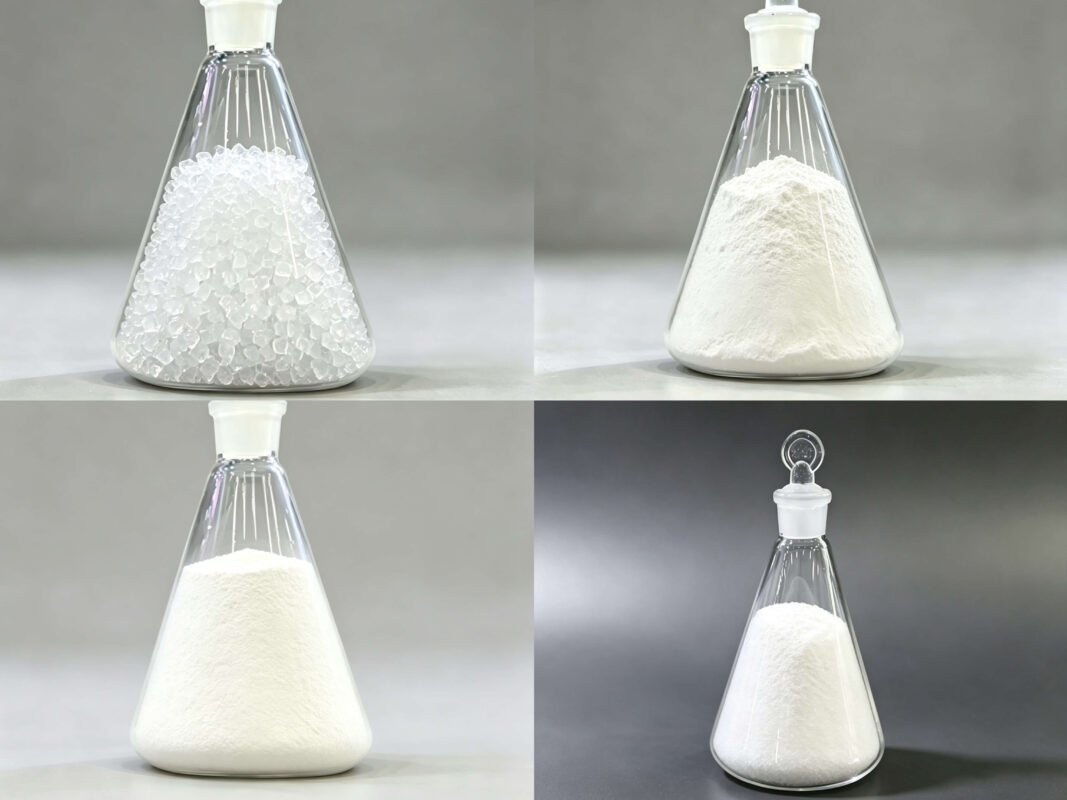
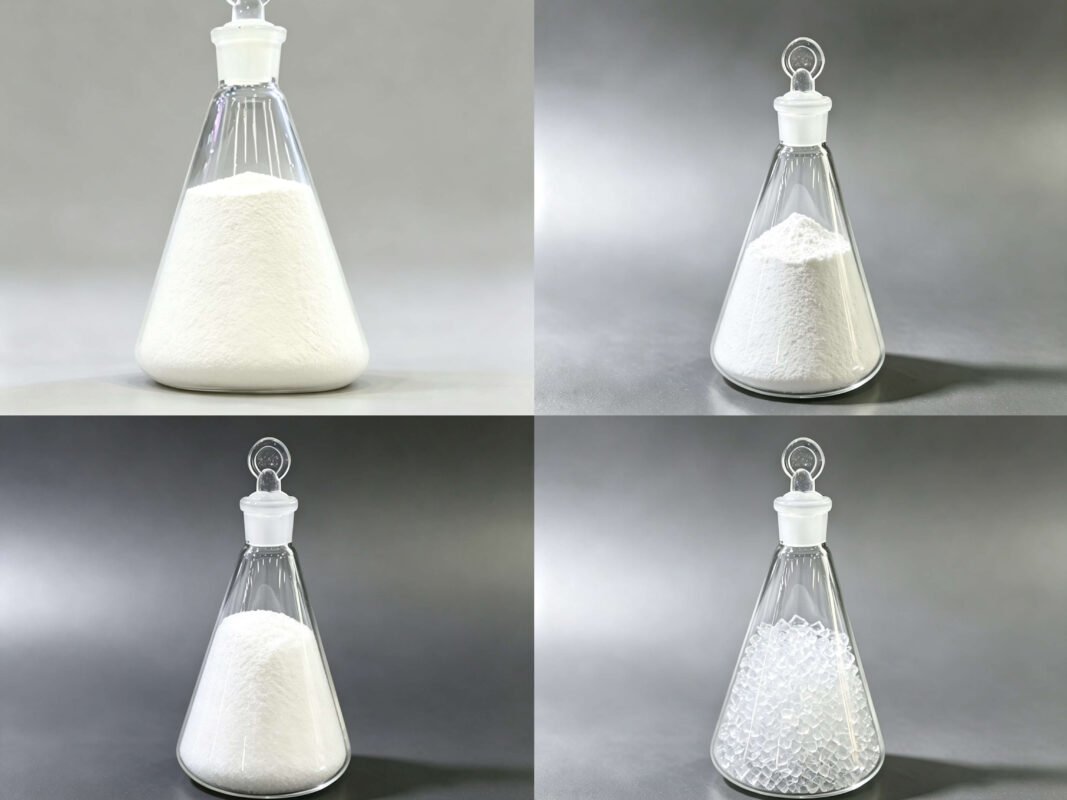
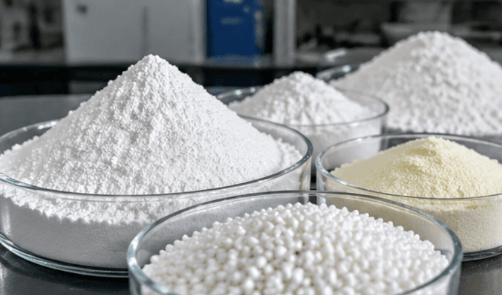
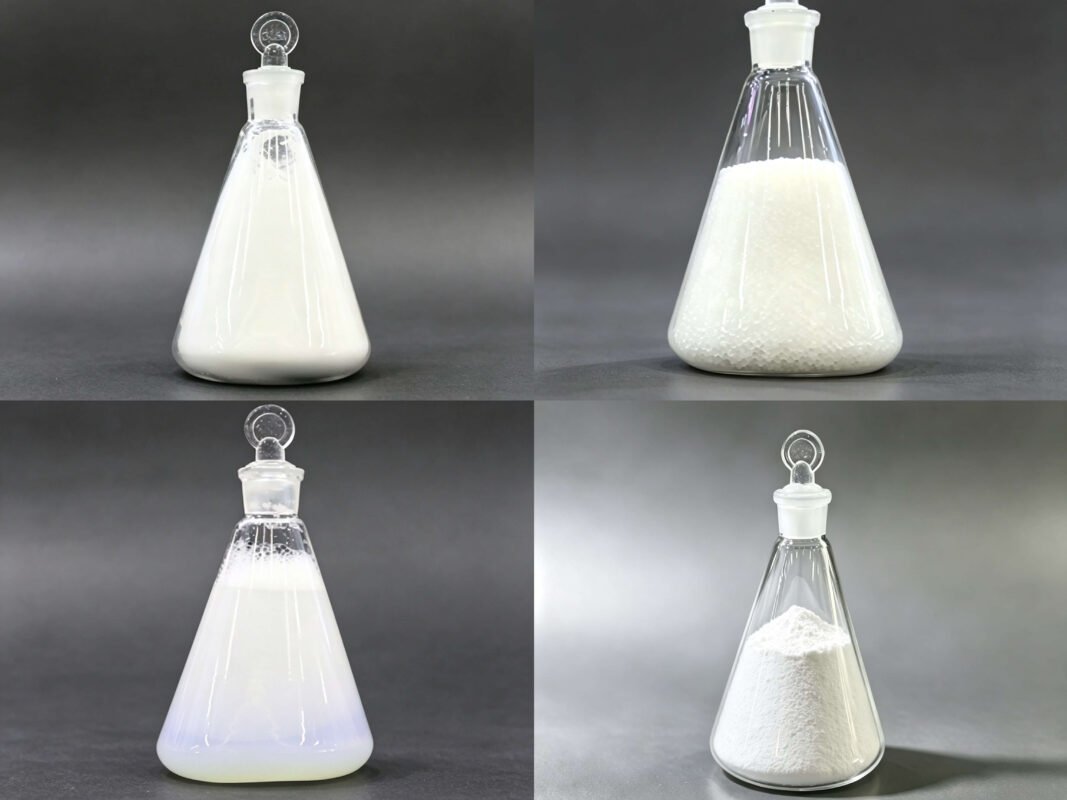
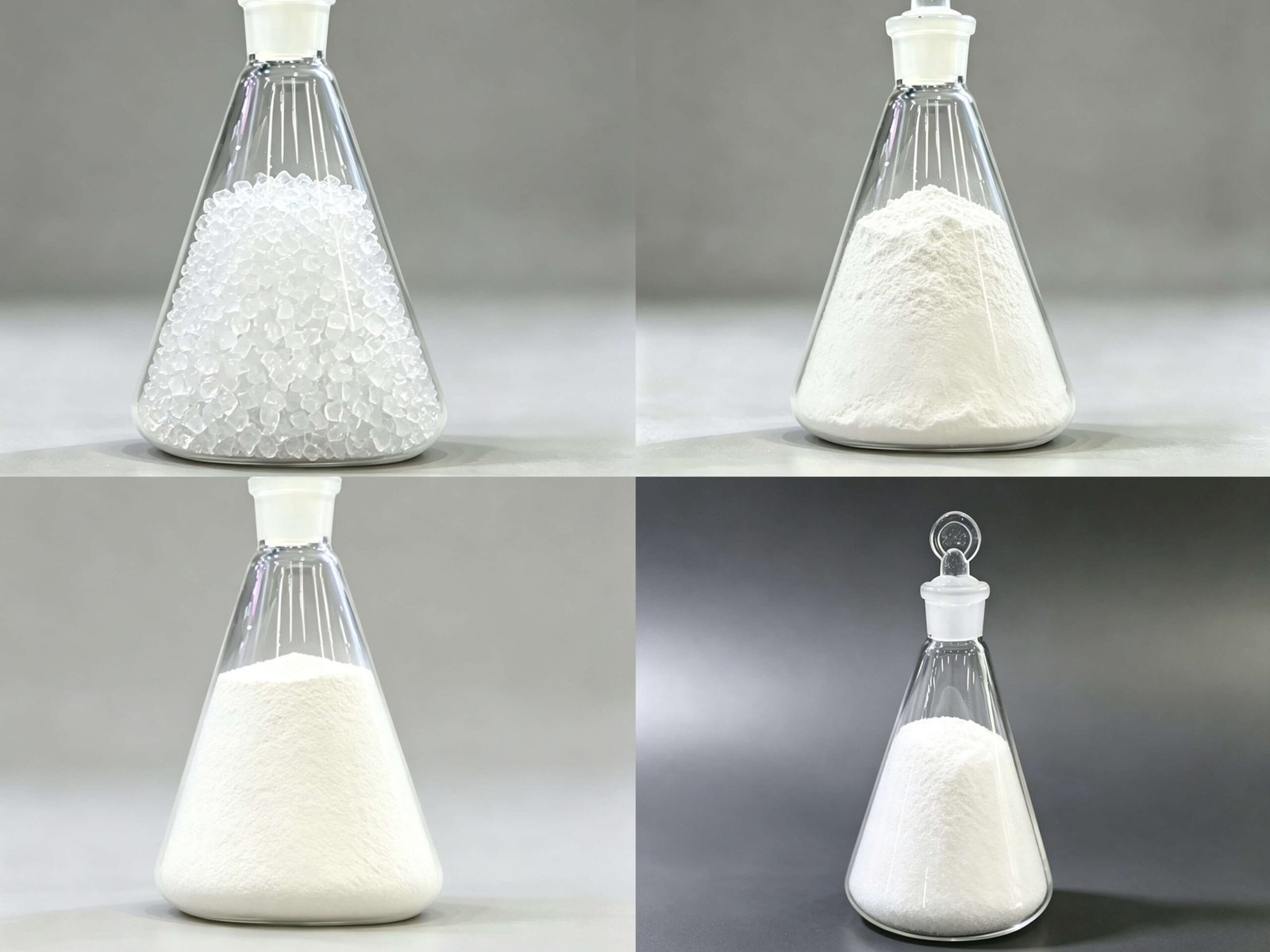
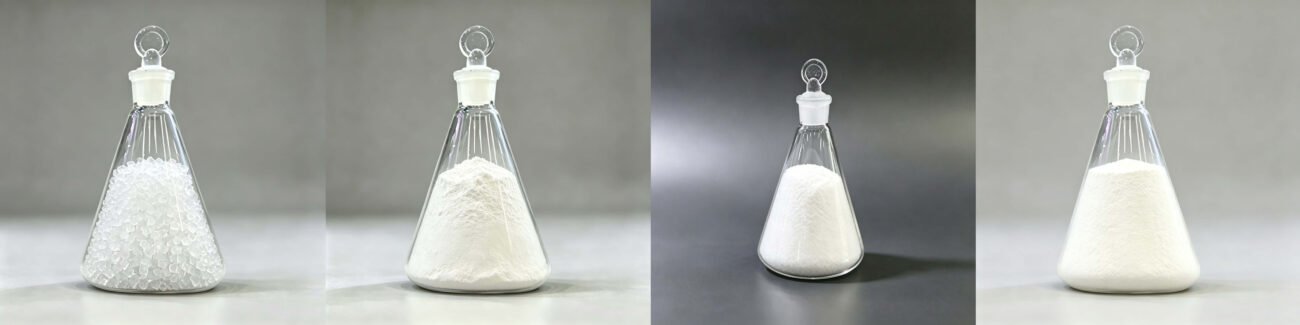
MKQ Chem → ETFE Product Series
Molding-grade ETFE
Extrusion / Injection-molding-grade ETFE
ETFE Coating Powder
Membrane-grade ETFE
Key Characteristics of etfe
The performance of ETFE sets it apart from many other materials; its core characteristics include the following:
1. High Transparency and Light Transmission
ETFE features high transparency and high light transmission, with adjustable properties; light and solar heat can be precisely controlled through printed patterns or coatings. This characteristic makes it widely applicable in areas such as stadium roofs, atriums, greenhouses, and as protective films for photovoltaic systems. Actual light transmission depends on factors including film thickness, surface treatment, printing techniques, and the wavelength of the light being measured.
2. Excellent Weather Resistance and UV Stability
ETFE retains its optical and mechanical properties even after long-term outdoor exposure. Its outstanding resistance to UV radiation, moisture, and weathering—combined with low maintenance requirements—makes it an ideal material for building roofs, facades, and greenhouse coverings.
3. Excellent Chemical Resistance
ETFE exhibits resistance to a wide range of acids, bases, solvents, and corrosive chemicals. Always verify compatibility with regard to the specific type of chemical, its concentration, and the duration of exposure.
4. Excellent Mechanical Strength and Toughness
Compared to several other fluoropolymers, ETFE achieves an optimal balance of tensile strength, elongation, impact resistance, and wear resistance, enabling it to withstand demanding mechanical operating conditions.
5. Wide Operating Temperature Range
This material features an exceptionally broad operating temperature range, capable of continuous use between -200°C and 150°C. Temperature limits may vary for specific grades; please refer to the data for the individual grade in question.
6. Good electrical insulation properties
ETFE possesses excellent dielectric properties and strong resistance to harsh environments, making it suitable for the insulation of wires and cables in industrial, automotive, and aerospace applications.
7. Other Characteristics
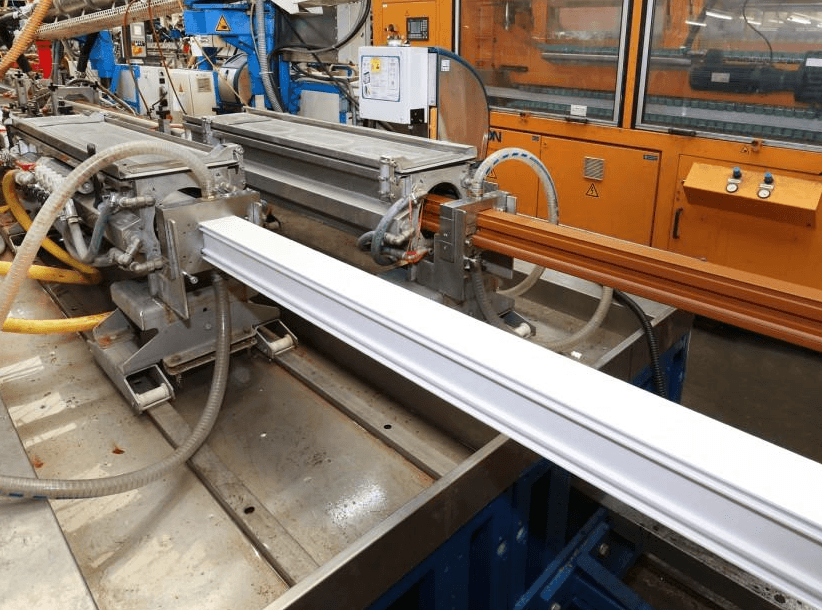
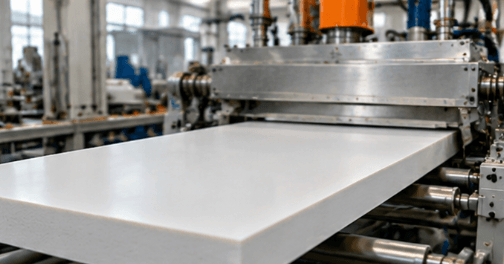
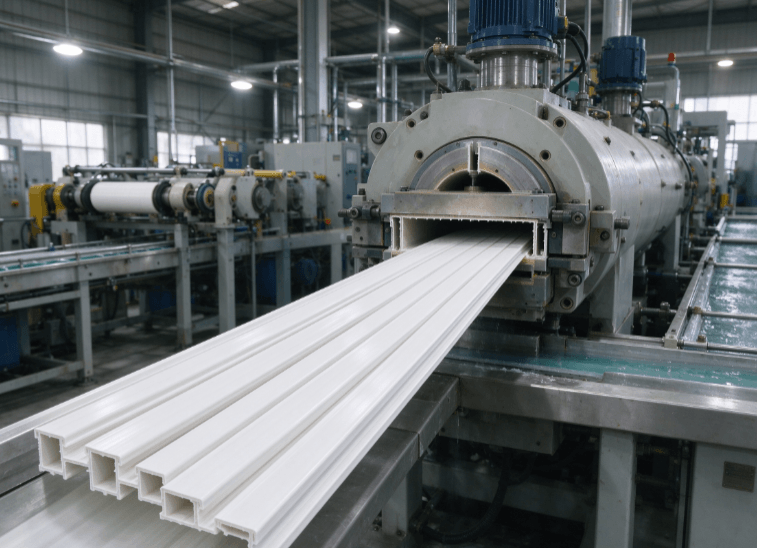
- Processing Flexibility: As a thermoplastic material, ETFE can be processed via melt extrusion and molding, making it suitable for the production of films, tubing, coatings, and molded components.
- Ultra-lightweight: ETFE is exceptionally lightweight—weighing only about 1% of an equivalent glass panel—which significantly reduces the cost of supporting structures and makes it ideal for long-span architecture.
- Self-cleaning: The surface consists of a non-stick fluoropolymer, which resists the accumulation of dirt; rainwater can naturally wash away debris.
- Fire Resistance and Flame Retardancy: The material is self-extinguishing and has a low toxicity rating. When exposed to fire, it does not burn; instead, it shrinks away from the heat source, which facilitates the venting of smoke.
- Design Flexibility: It can be shaped into complex, curved surfaces or pneumatic (inflatable) structures, offering architects extensive creative possibilities.

What are the primary applications of etfe?
The versatility of ETFE allows for a very wide range of applications, spanning everything from large-scale architectural structural components to precision industrial parts:
1. Architecture and Construction
This represents the most well-known application area for ETFE. Architects and builders widely use ETFE membranes in structures such as stadium roofs, airport terminals, atriums, skylights, canopies, and greenhouses. They can install these membranes as either single-layer membranes or multi-layer, air-inflated cushions.
2. Chemical Processing and Industrial Equipment
ETFE is used for specialized chemical-resistant linings, piping and fittings, valves, and various components exposed to corrosive environments; it is also processed into high-performance films, seals, and injection-molded parts.
3. Electrical and Electronics Industry
Used for the insulation of wires and cables, including applications that require resistance to heat, abrasion, and chemical corrosion, or the ability to withstand harsh environmental conditions; also used for wire insulation in sectors such as aerospace and motor racing, where there are stringent requirements for high reliability, low smoke, and zero-halogen properties.
4. Solar Energy
Manufacturers use specialized ETFE film as a protective layer for photovoltaic modules and solar-related equipment; it can also serve as a front-sheet material for lightweight photovoltaic modules, replacing traditional glass.
5. Advanced Manufacturing
ETFE film is used as a release film in composite material molding, thermoforming, and various high-performance manufacturing processes. Its non-stick properties facilitate clean separation from the processed materials.
How to Select the Appropriate ETFE Grade
Different grades of ETFE are specifically designed for various manufacturing processes and operating environments. When selecting a grade, please consider the following factors:
| Selection Factors | Aspects to Consider |
| Cost and Supply | Material cost, processing yield, quality consistency, and supplier reliability |
| Regulatory Requirements | Relevant industry standards, certifications, and compliance documentation |
| Thermal Performance | Long-term service temperature and processing temperature range |
| Chemical Exposure | Types of chemicals, temperature, concentration, and duration of contact |
| Melt Flow Rate | Suitability for the intended extrusion or molding process |
| Optical Properties | Transparency, UV transmittance, and haze |
| Mechanical Properties | Tensile strength, elongation, impact resistance, and creep resistance |
| Electrical Properties | Dielectric strength and insulation characteristics |
Before selecting a specific grade, be sure to request the latest technical data sheet and, if necessary, conduct a chemical compatibility assessment.
Summary
In general, ETFE is a tough, lightweight, and transparent fluoroplastic. Its unique advantages become particularly apparent in situations where conventional plastics struggle to simultaneously provide weather resistance, chemical resistance, and long-term stability.
As an engineering material that offers both high performance and great design flexibility, ETFE demonstrates transformative potential in the field of modern architecture. Compared to most traditional plastics, its advantages are especially pronounced in applications such as architectural membranes, industrial components, cables, solar energy systems, and specialized films.
FAQ
Q: Can ETFE be recycled?
Yes. As a thermoplastic material, ETFE can, in theory, be recycled through mechanical processes. Its practical recyclability depends on factors such as the level of material contamination, the ability to identify the material, the existence of a recycling infrastructure, and the availability of suitable processing facilities.
Q: Is ETFE a better choice than glass for roofing?
ETFE is significantly lighter and offers excellent light transmission, making it highly suitable for long-span roof structures. Glass, by contrast, generally provides greater surface hardness and superior sound insulation (mass-based sound insulation). The choice between the two materials depends on various factors, including structural loads, thermal performance, fire safety requirements, acoustic properties, maintenance needs, and project costs.
Q: What is the melting point of ETFE?
The melting point of ETFE grades typically falls within the range of 255–270°C. The exact value depends on the resin’s composition and specific grade. It is important not to confuse the melting point with the long-term service temperature.
Q: Is ETFE more expensive than PVDF?
ETFE is generally more expensive than many standard grades of PVDF; however, the actual price depends on the material grade, purchase volume, supplier, and processing requirements. When evaluating costs, one should consider the total cost for the final application rather than focusing solely on the price of the resin itself.
Reference Sources:
Performance Fluoropolymer Partnership (PFP): https://fluoropolymerpartnership.com
PlasticsEurope FPG(Fluoropolymers Product Group): https://www.fluoropolymers.eu/
Fluoropolymer information: https://www.plasticsengineering.org