
internal lubricant for pvc is a practical decision point for PVC compounders, processors and technical buyers. Internal Lubricant for PVC: Functions, Types and Applications should be approached as a formulation and process question rather than a single-additive purchase. Resin grade, fillers, pigments, plasticizer level, process temperature, shear, residence time, die geometry and final application all influence the result. This guide explains what to evaluate before an RFQ, what supplier information can and cannot prove, and how to build a controlled validation plan.
The search intent is informational, so the objective is to give a repeatable buyer framework. Final performance cannot be inferred from a generic additive label or a category-page listing. The relevant grade, dosage, processing window, test conditions and documentation must be verified for the actual compound and market.
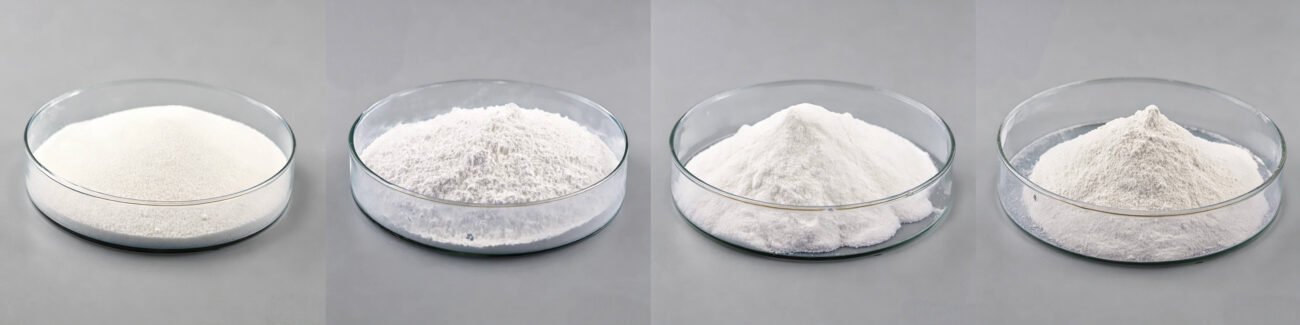
Why process conditions matter
Commercial PVC is not used without modification, and the final properties of a compounded material depend on both the resin and the compounding conditions. [5] That is why technical comparison should begin with the actual conversion route, including extrusion, injection molding, calendaring or foaming, rather than with a catalogue name alone. A useful trial record defines material inputs, set temperatures, melt history, output, appearance target and acceptance criteria.
How lubrication affects PVC processing
Processing aids are a broad melt-stage category. Independent technical guidance describes lubricants as materials used to lower melt viscosity or help prevent polymer sticking to metal surfaces, while internal lubricants assist polymer chains in slipping past one another. [3] In a PVC compound, the outcome depends on the full balance of resin, stabilizer, filler, processing aid and conversion conditions.
Internal and external lubrication are different questions
| Evaluation focus | Internal-lubrication question | External-lubrication question |
|---|---|---|
| Melt behavior | Does the compound flow and fuse within the required process window? | Does interaction at metal surfaces support stable passage through equipment? |
| Appearance | Does the formulation maintain the required balance for the chosen process? | Does the trial meet the defined surface and release criteria? |
| Validation | Confirm through compound-specific processing trials. | Confirm with actual tooling, temperatures and output conditions. |
Supplier portfolio context
The supplier category lists PETS, stearic acid, polyethylene wax, oxidized polyethylene wax and polymer-processing-aid options. Review the PVC lubricant product portfolio and request a recommendation based on your formulation, process and application. The portfolio does not establish a universal dosage, surface result or final-fit guarantee; those items require controlled trials and RFQ confirmation.
What Does an Internal Lubricant Do in PVC?
An internal lubricant helps control the flow and processing behavior of PVC compounds by reducing friction between polymer chains during processing. Unlike an external lubricant, which mainly reduces friction between the PVC melt and metal surfaces, an internal lubricant works primarily within the PVC compound.
Its effect can influence several aspects of PVC processing, including:
- Fusion behavior: It can affect how PVC particles fuse as temperature and shear increase.
- Melt flow: It helps control the movement of the PVC melt during extrusion, injection molding, and other processing operations.
- Processing stability: The right lubricant balance can help maintain more consistent processing conditions.
- Torque and energy demand: Lubrication can influence melt resistance and the torque required by processing equipment.
- Surface appearance: Lubricant selection and dosage can affect the appearance and finish of the processed PVC product.
The actual effect depends on the PVC resin, stabilizer system, filler loading, processing temperature, lubricant chemistry, dosage, and equipment. Therefore, an internal lubricant should not be selected based on its chemical name alone.
For example, a formulation designed for rigid PVC extrusion may require a different lubrication balance from a PVC compound used for injection molding or foaming. Excessive lubrication can also change fusion behavior or processing performance, so dosage should be established through formulation trials rather than assumed from a general industry range.
For buyers, the practical question is therefore not simply “Which internal lubricant is best for PVC?” but “Which lubricant grade provides the required processing behavior within this specific PVC formulation and production process?”
Internal Lubricant for PVC: Functions, Types and Applications: practical evaluation context
Start the evaluation with a written application brief. Define the resin and compound architecture, conversion method, operating window, final-product requirements, destination market and trial acceptance criteria. This provides a reliable basis for comparing proposed grades and prevents a broad label from being treated as a complete formulation recommendation.
Use the resulting brief to obtain a formulation-specific recommendation. It should identify what will be tested, under which conditions, what documentation will be reviewed, and which evidence is needed before progressing from a sample to a commercial order.
How to turn the topic into a controlled decision
A technically useful evaluation starts by turning the phrase internal lubricant for pvc into measurable questions. Specify the PVC resin grade, filler and pigment package, plasticizer level where applicable, other additives, intended application and conversion route. Then define what the process must achieve: stable output, acceptable fusion behavior, surface appearance, colour control, foam structure, dimensional response or another documented acceptance criterion. This avoids comparing supplier descriptions that were written for different formulations or equipment.
Next, separate screening evidence from qualification evidence. A category page can identify potential product families, while a technical data sheet, safety data sheet, compliance statement and application-specific recommendation can support a more focused trial. Qualification requires a controlled sample plan using the actual compound and process conditions. Record baseline conditions before changing one factor at a time, and agree how results will be measured. This approach is more defensible than treating a chemical family name or a historical dosage as a complete specification.
Finally, make commercial and regulatory confirmation part of the technical workflow. The RFQ should state the destination market, end use, documentation requirements, sample quantity, target timing and acceptance method. Confirm final grade, dosage, process behavior, test conditions, compliance scope, MOQ, price and lead time in writing. These details are neither established by a general technical article nor implied by the presence of a product in an online category.
RFQ and sample-validation checklist
| RFQ item | Why it is needed |
|---|---|
| PVC formulation and application | Resin, fillers, pigments, impact modifiers, plasticizer level and end use determine the technical context. |
| Process and operating window | State equipment, melt temperature, shear, output, residence time and conversion method. |
| Performance and appearance targets | Define colour, surface, dimensional, foam or durability acceptance criteria where applicable. |
| Market and documentation requirements | Specify destination, customer requirements and the documents that must be confirmed. |
| Sample and commercial conditions | Agree trial method, sample quantity, acceptance criteria, package, MOQ, price and lead time. |
For a focused starting discussion, use the PVC lubricant product portfolio with a formulation summary and a test plan. Request a grade recommendation and sample process rather than selecting solely from a broad additive label.
Frequently asked questions
Can internal lubricant for pvc be selected from a category page alone?
No. A category page is useful for identifying a supplier’s portfolio, but it does not establish finished-product performance, dosage, compliance scope or fit with a buyer’s formulation. Validate the proposed grade through an RFQ and controlled sample trial.
What process data should a technical buyer provide?
Provide the resin type, relevant additives and fillers, conversion method, equipment, temperature history, output, target application and defined acceptance criteria. This lets the supplier frame an application-specific recommendation.
Does a published technical statement guarantee the same result in every PVC compound?
No. Independent studies and supplier information must be read in their stated context. Resin, formulation, tooling and operating conditions can change the outcome, so a result must be confirmed under the intended process conditions.
How should compliance requirements be handled?
State the destination market, end use, customer specification and required documentation in the RFQ. Confirm the exact grade, revision, finished-article use and supporting documents before making a regulated-use claim.
What should be confirmed before ordering?
Confirm final grade, dosage, process behavior, test conditions, documentation, compliance scope, MOQ, price and lead time. These commercial and technical conditions require RFQ/sample confirmation.
Conclusion
internal lubricant for pvc should be evaluated through the complete PVC formulation and actual conversion route. Use technical sources to define the questions, treat supplier category pages as portfolio information, and confirm the final selection by documented RFQ and controlled sample validation. Start with the PVC lubricant product portfolio and provide the process, application and acceptance criteria needed for a useful recommendation.
References
- British Plastics Federation. Overview Note 5: Metallic Stabilisers and PVC. https://www.bpf.co.uk/media/download.aspx?MediaId=22
- Jubsilp, C. et al. “Effects of Organic Based Heat Stabilizer on Properties of Polyvinyl Chloride for Pipe Applications.” Polymers 2022. https://doi.org/10.3390/polym14010133
- Drobny, J. “Additives.” ScienceDirect Topics, 2014. https://www.sciencedirect.com/topics/engineering/processing-aid
- Wang, X. et al. “New ultra high molecular weight acrylic processing aids for rigid PVC foaming.” Journal of Vinyl and Additive Technology, 2022. https://doi.org/10.1002/vnl.21959
- Processing of PVC. ScienceDirect. https://www.sciencedirect.com/science/chapter/edited-volume/pii/B9780815514268500052
Scope note: Supplier-page statements are supplier-attributed and category-specific. Final grade, dosage, process behavior, test conditions, documentation, compliance scope, MOQ, price and lead time require RFQ and sample confirmation.