
What is a PVC impact modifier?
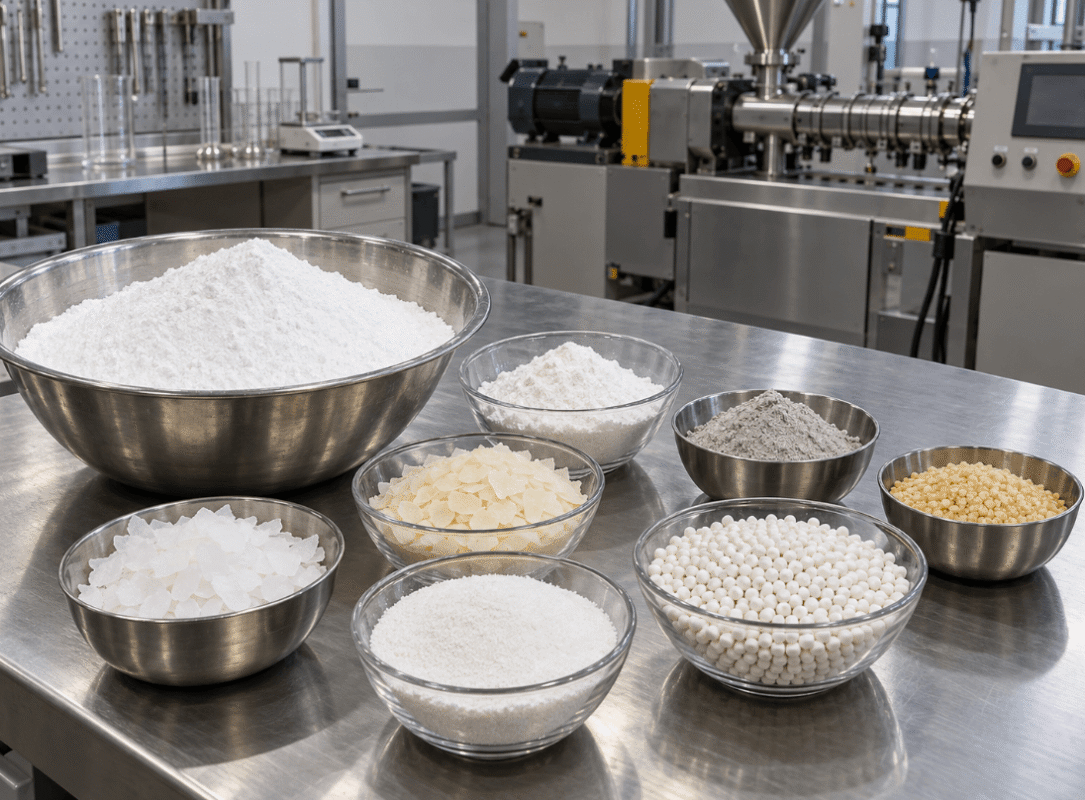
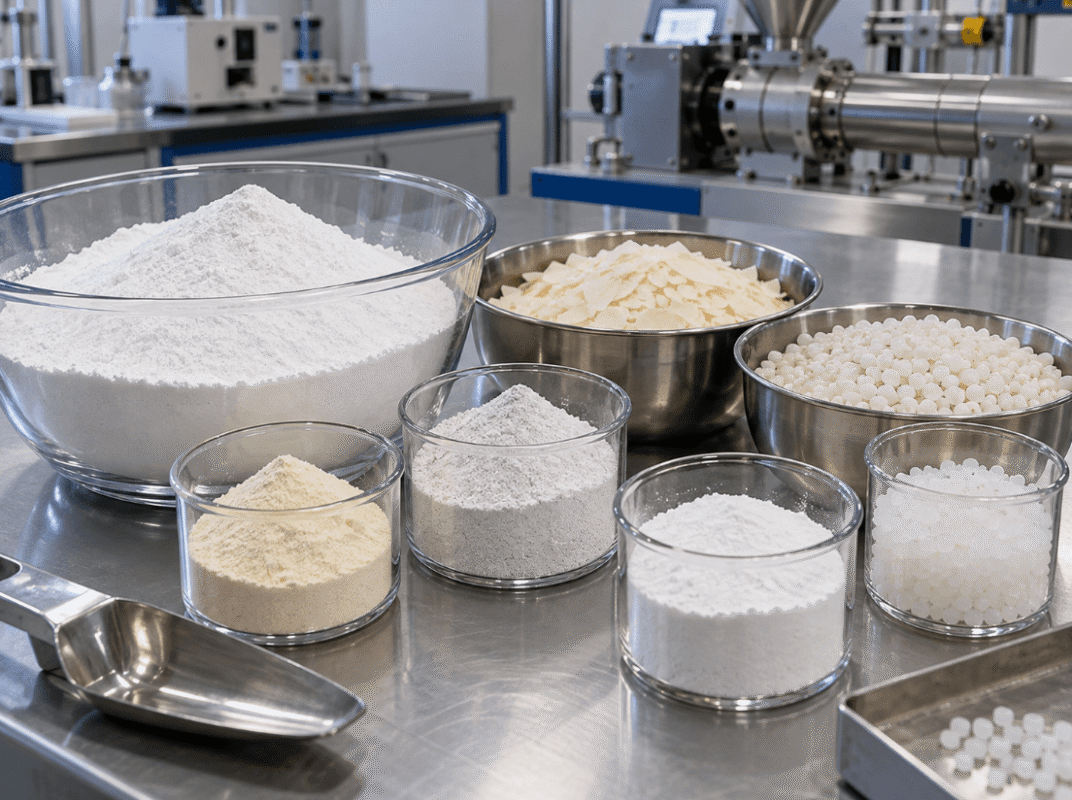
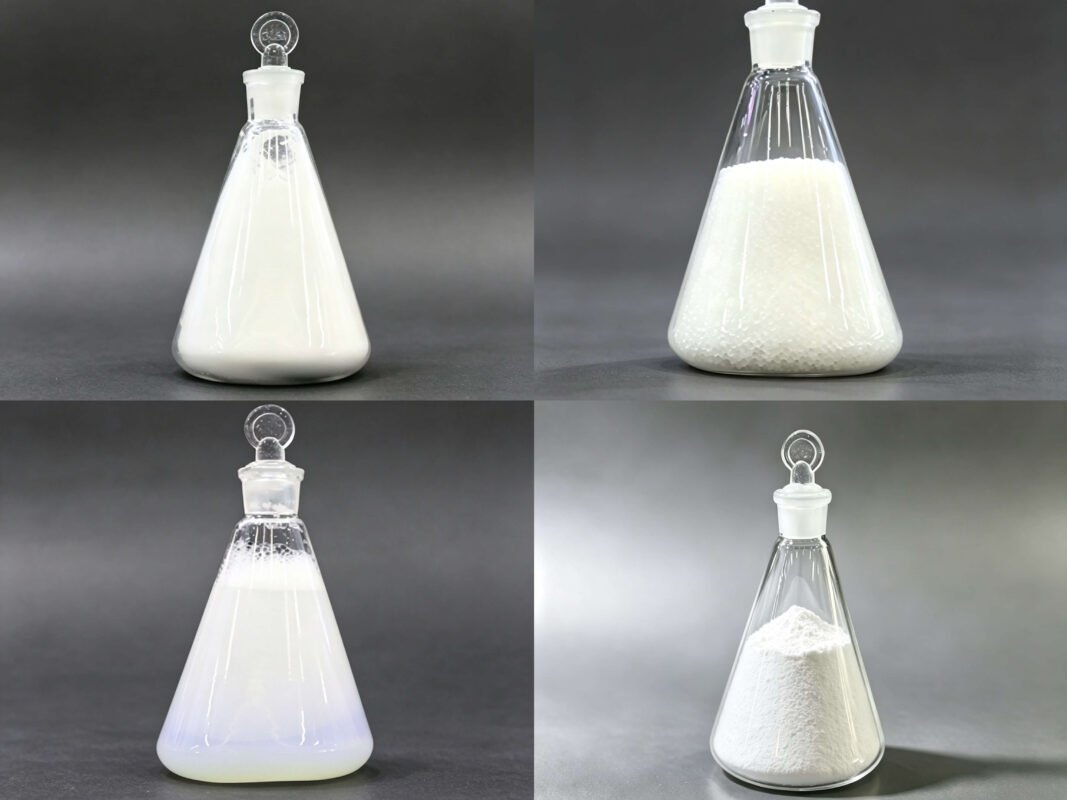
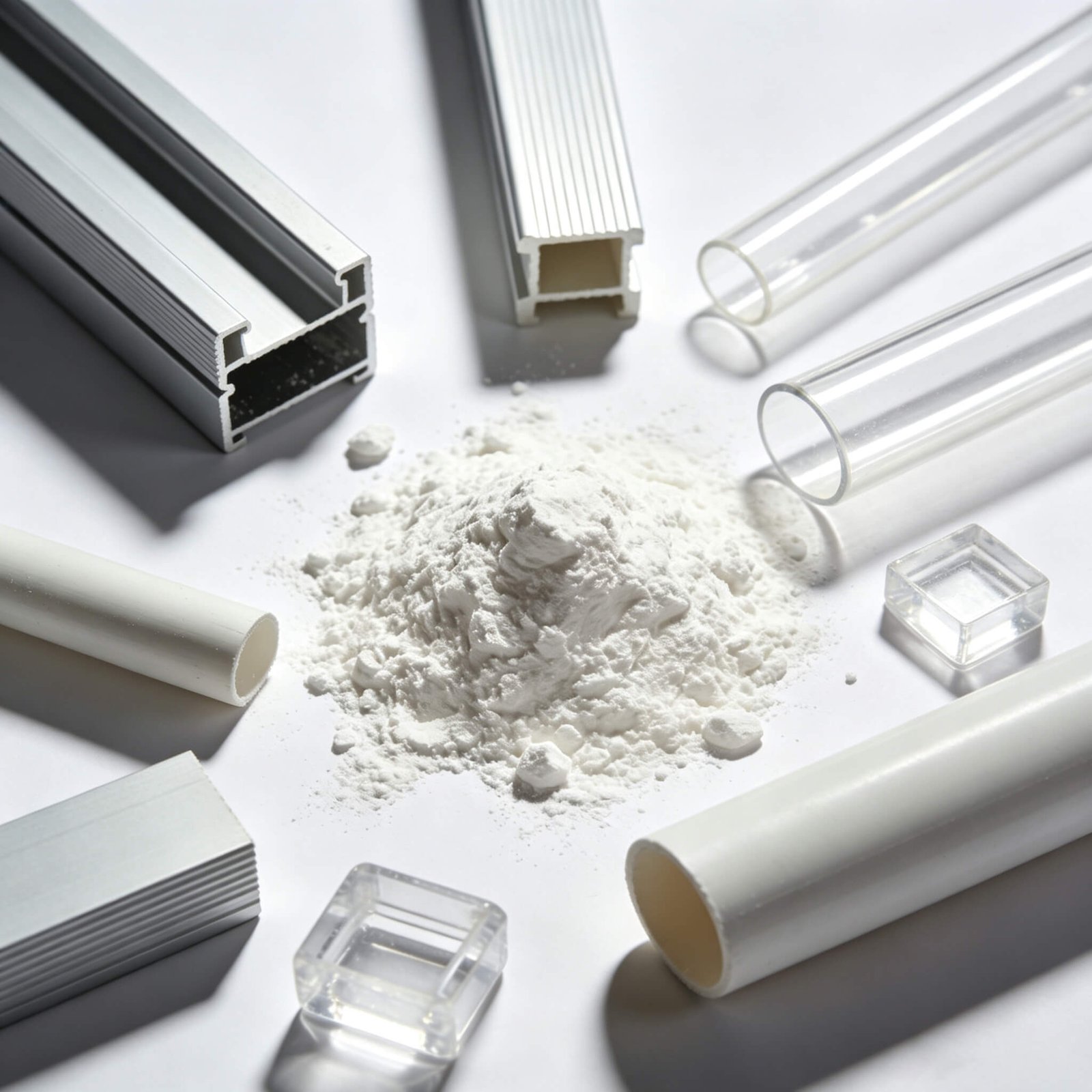
PVC impact modifiers are extra polymers—usually stretchy or rubber-like—that get melted and blended right into the main PVC material while it’s being processed. Once mixed in, they settle throughout the rigid PVC as a scattered network of tiny rubber particles, usually just 0.1 to 1 micron wide. These tiny particles take the brunt of stress and absorb impact energy, stopping crack lines from spreading and shattering the whole piece.
This guide provides a detailed overview of PVC impact modifiers—covering their definitions, mechanisms of action, various types, and applications—and offers guidance on selecting the most suitable modifier for specific use cases.
Why does rigid PVC require impact modification?
As pure PVC resin is an amorphous, polar polymer, it exhibits strong intermolecular forces. This characteristic gives the material high tensile strength and rigidity. However, rapid impact affects how the polymer chains behave. The chains cannot move or deform quickly enough to dissipate the impact energy. Consequently, micro-cracks propagate instantly. This rapid cracking leads directly to brittle fracture.
To overcome this weakness, manufacturers incorporate PVC impact modifiers. These are a class of specially designed additives. They enhance the toughness and impact resistance of PVC products. This enhancement occurs without significantly compromising other properties.These additives improve the material’s ability to absorb impact energy. They also help resist cracking or breakage. This protection applies during processing, transportation, installation, and long-term use.
Key factors contributing to the notch sensitivity and brittleness of unmodified PVC:
- Notch sensitivity: Minute surface scratches or sharp internal corners can cause stress concentration, thereby initiating cracks at very low impact energies.
- Temperature dependence: As the temperature drops, the mobility of polymer chains decreases. Rigid PVC becomes a glassy solid when temperatures drop below its glass transition point (around 80°C). Yet even at room temperature, high-speed impacts can happen faster than the material can relax stress. In practice, uPVC turns extremely brittle below 0–10°C. This increase in brittleness poses notable safety risks.
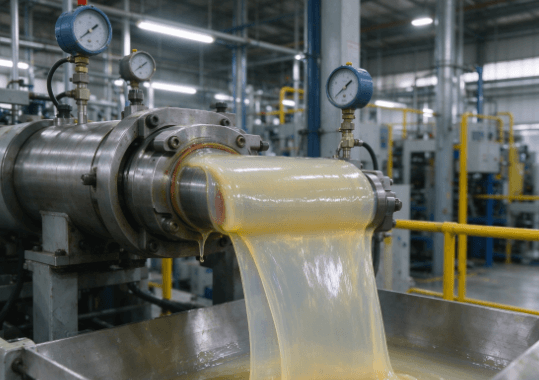
- Processing Effects: How thoroughly the PVC melts during processing and how much heat it experiences during extrusion or injection molding make a huge difference to its impact strength. If it doesn’t melt enough, or if it gets overheated and degraded, the material becomes much more brittle.
Working Principle of Impact Modifiers: Toughening Mechanism
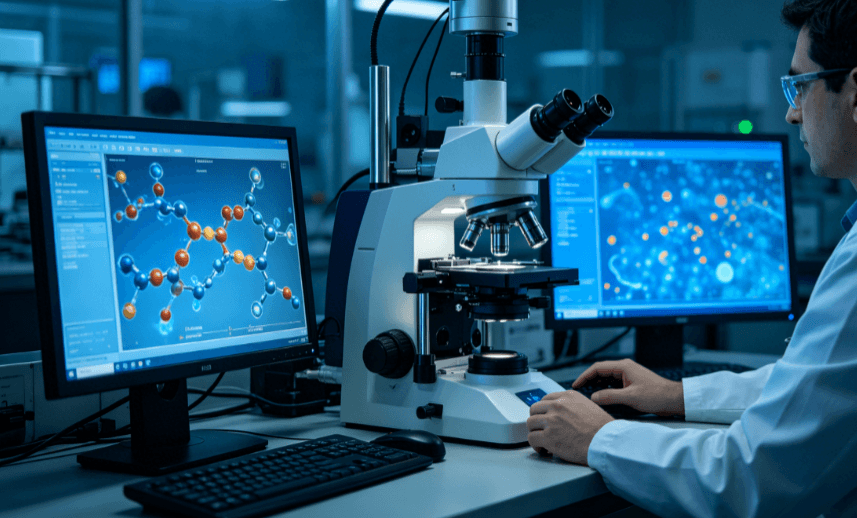
When rigid PVC takes a hard, sudden hit, tiny micro-cracks immediately start forming wherever stress builds up. Impact modifiers keep the material from completely shattering by working in five key ways:
- Dispersion (phase-separated domains): During processing, the modifier is uniformly dispersed within the rigid PVC matrix in the form of discrete elastomer particles.
- Stress concentration: When subjected to impact stress, these soft rubber particles deform, resulting in localized stress concentration. Due to their modulus being significantly lower than that of PVC, they undergo preferential deformation.
- Cavitation: Voids (i.e., cavities) form within rubber particles under the action of triaxial tensile stress. This process both absorbs energy and relieves the hydrostatic tensile stress that would otherwise trigger brittle fracture.
- Shear band formation and crazing: This subsequently induces crazing (formation of micro-voids) and shear yielding in the surrounding PVC matrix, thereby effectively dissipating kinetic energy.
- Energy dissipation: The combined effects of rubber cavitation, shear banding, and potential multiple crazing absorb significant energy prior to fracture, thereby shifting the failure mode from brittle crack propagation to ductile tearing.
Main Types of PVC Impact Modifiers
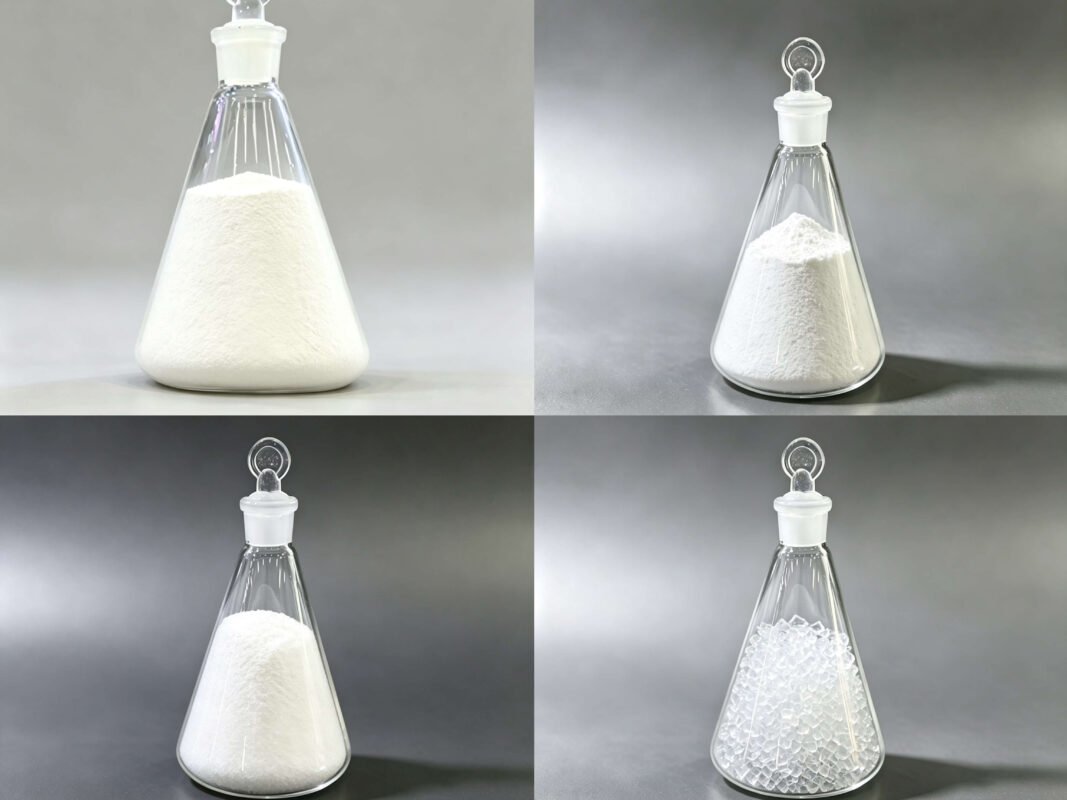
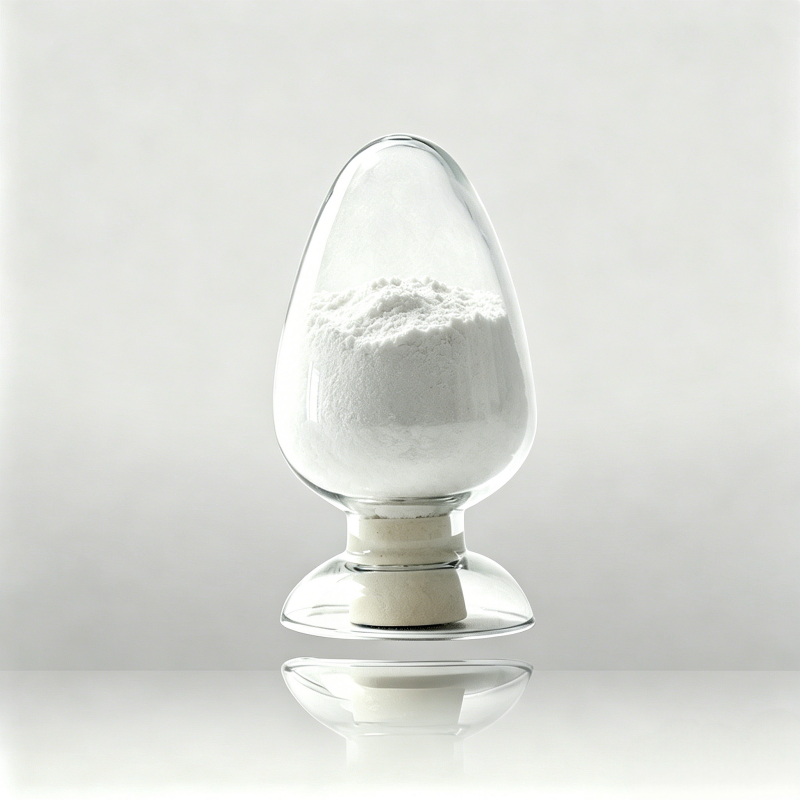
Impact modifiers are typically classified based on their chemical composition. The specific choice depends on the required weather resistance, optical clarity, impact modification efficiency, cost, and processing requirements.
1. Chlorinated Polyethylene (CPE) → MK-301 CPE Impact Modifier
- Mechanism of action: During the gelation process, it forms a network-like elastomeric region around the PVC primary particles.
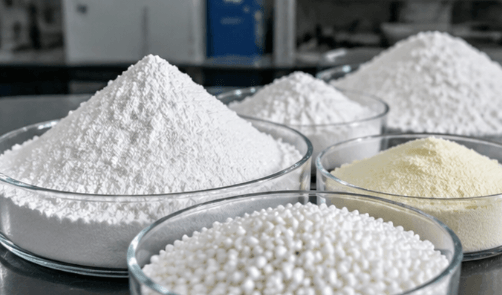
- Key properties: It provides effective impact modification over a wide temperature range and exhibits excellent weather and chemical resistance. It also functions, to some extent, as a processing aid. It usually comes as a powder that you mix straight into PVC dry blends.
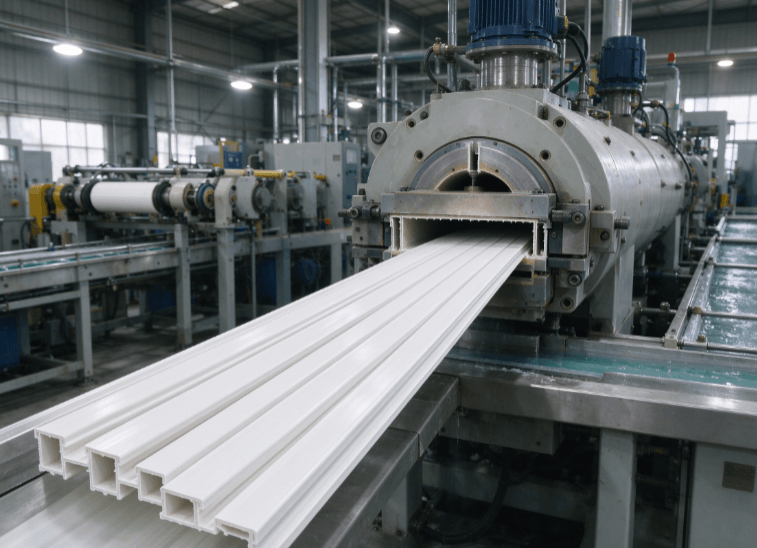
- Applications: Widely used in industrial PVC products such as rigid PVC pipes and fittings, door and window profiles, exterior wall siding, cable compounds, and foam boards; it is particularly suitable for applications requiring a balance of impact resistance, weatherability, and cost-effectiveness. It frequently serves as a primary modifier for PVC pipes (including both pressure and non-pressure pipes).
2. Acrylic impact modifiers→ MK-302 ACR Impact Modifier
- Key Properties: Offers exceptional weatherability and UV resistance; maintains excellent color, gloss, and impact resistance even during prolonged outdoor use.
- Applications: A preferred material for products intended for long-term outdoor use, such as outdoor construction materials like window profiles, exterior siding, PVC piping, outdoor decking, and fencing. It is frequently used in conjunction with acrylic processing aids in formulations for high-end window profiles.
3. MBS (Methyl Methacrylate-Butadiene-Styrene Copolymer)
- Key Properties: It gives you excellent clarity, easy processing, and super-low haze. By fine-tuning the formula, you can match its refractive index to the PVC itself, creating clear, impact-resistant PVC.
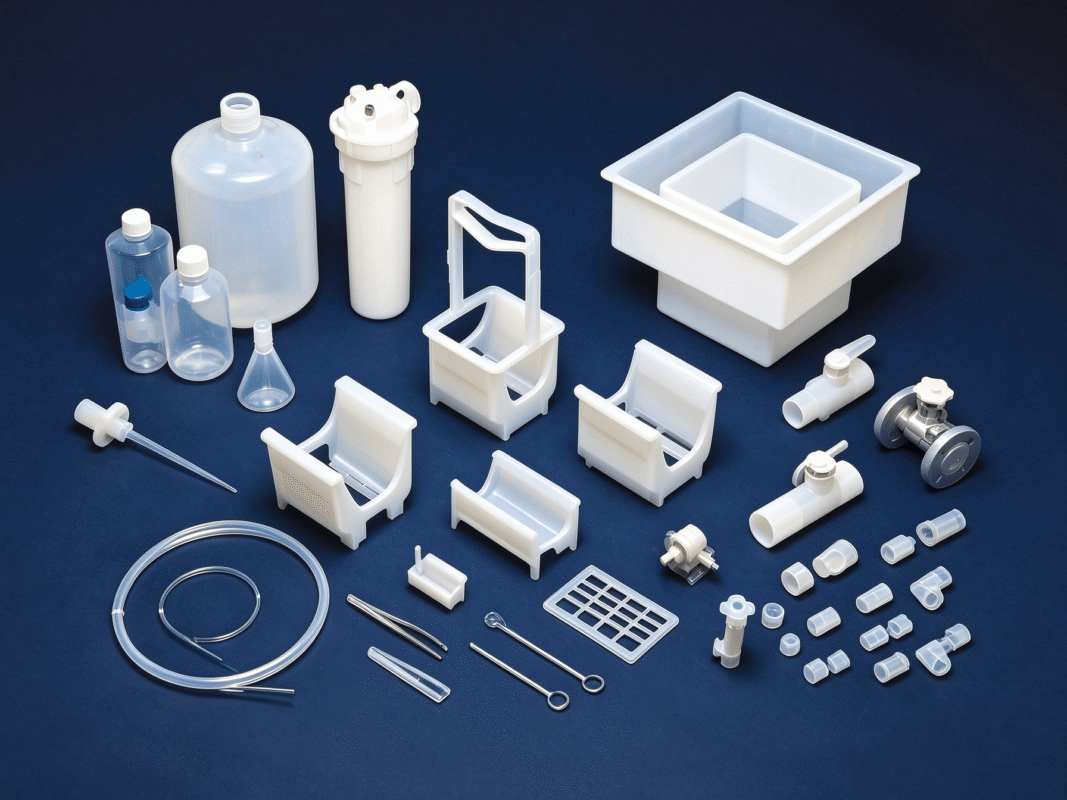
- Applications: Transparent sheets, pharmaceutical packaging, transparent bottles, transparent packaging materials, transparent films and sheets, molded products, transparent pipe fittings, etc. It’s also used in some PVC foam products.
4. ABS (Acrylonitrile-Butadiene-Styrene)
- Key Properties: Features excellent low-temperature impact strength, good dimensional stability, and ease of processing.
- Applications: Used in PVC/ABS blends for the manufacture of automotive interior parts, appliance housings, general-purpose sheets, and specialty engineering PVC.
5. EVA (Ethylene-Vinyl Acetate Copolymer)
- Key Properties: It offers excellent weather resistance, imparts flexibility to the material, and enhances toughness.
- Applications: Widely used in flexible PVC, cable insulation, and soft PVC compounds; particularly suitable for special formulations requiring flexibility at extremely low temperatures or for use in co-extruded cap layers
In summary
PVC impact modifiers are key additives for rigid PVC products. They enhance toughness, durability, and service life.By absorbing and dissipating energy, they help prevent cracking or brittle failure. This protection works during production, transportation, installation, and long-term use. Consequently, products maintain excellent performance for decades, even in harsh environments.
By gaining a deep understanding of the chemical properties, morphological structures, and mechanisms of action of modifiers such as acrylics, MBS, CPE, ABS, and EVA, formulators can precisely tune impact resistance while balancing weatherability, transparency, processability, and cost-effectiveness. By selecting the appropriate type and dosage, manufacturers can achieve an optimal balance among impact resistance, processing efficiency, appearance, and cost.
FAQ
Q: Can a single modifier perform two different functions simultaneously?
While there may be some functional overlap, it is generally difficult for a single additive to excel at two distinct functions.
Q: How does climate affect the dosage of impact modifiers?
In freezing weather, you need to add more impact modifier (like CPE) to keep the PVC from turning brittle below zero. In hot, sunny climates, your main focus shifts to adding UV and heat stabilizers instead.
Q: How does molecular weight affect the performance of processing aids?
Higher molecular weight enhances melt strength and elasticity, whereas lower molecular weight focuses more on improving compound flow and melting rates.
Q: Does the use of processing aids affect PVC transparency?
Some processing aids are made specifically for clear products. High-clarity versions let you process transparent PVC sheets without messing up their clarity or blocking light transmission.
Reference Sources:
British Plastics Federation – PVC Additives Guide:https://www.bpf.co.uk/
European Stabiliser Producers Association (ESPA) – Market Trends in PVC Additives:https://www.stabilisers.eu/
European Plastics Converters (EuPC) – Additives in PVC Processing :https://www.plasticsconverters.eu
Plastics Engineering Handbook: Evaluation of Processing Aids in Rigid PVC Formulations.