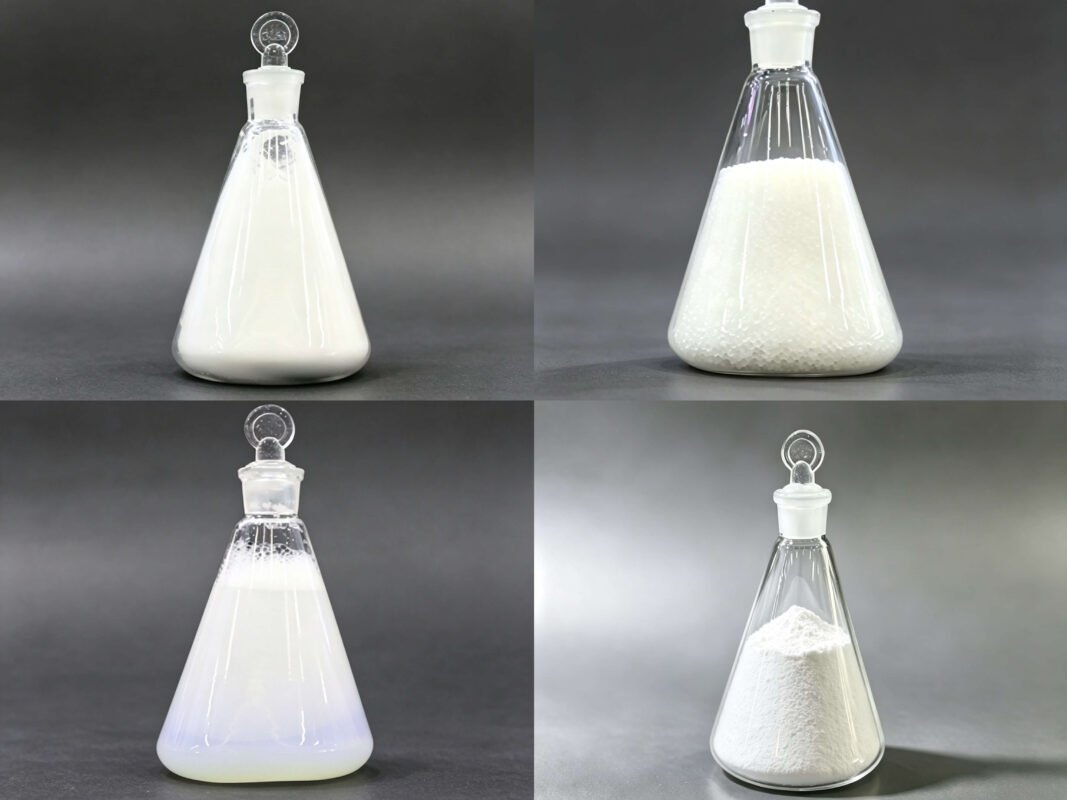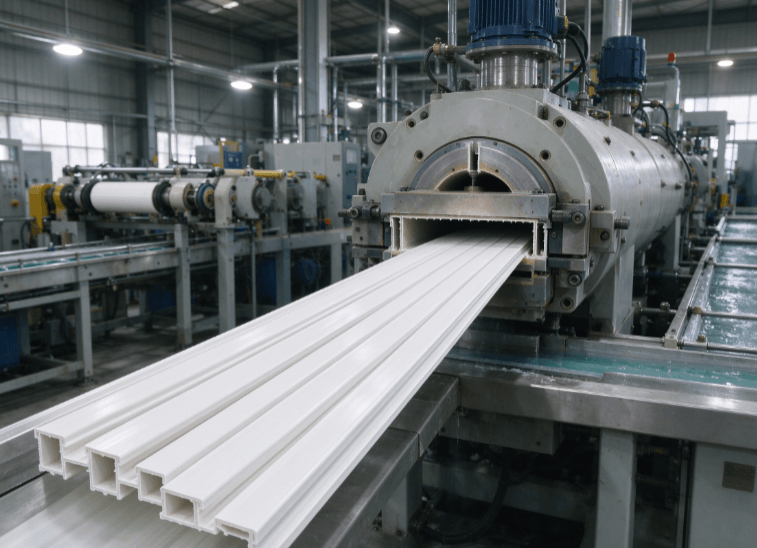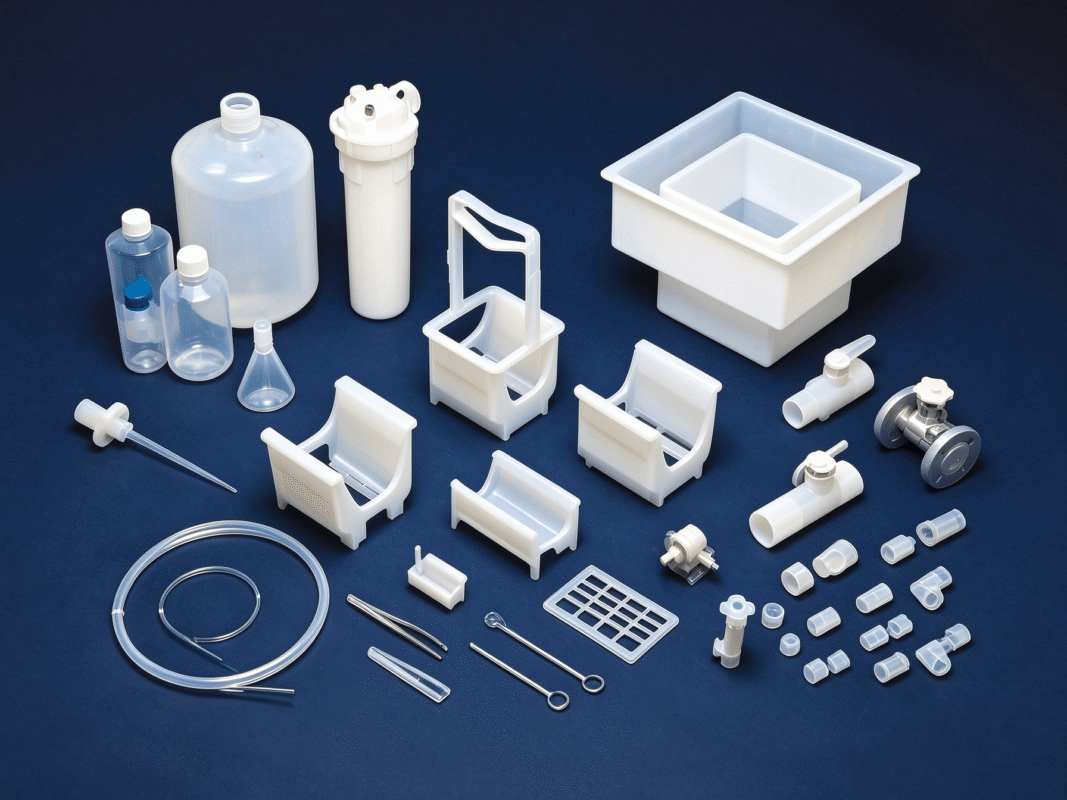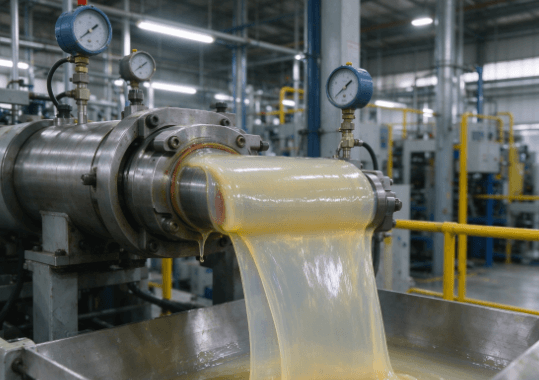

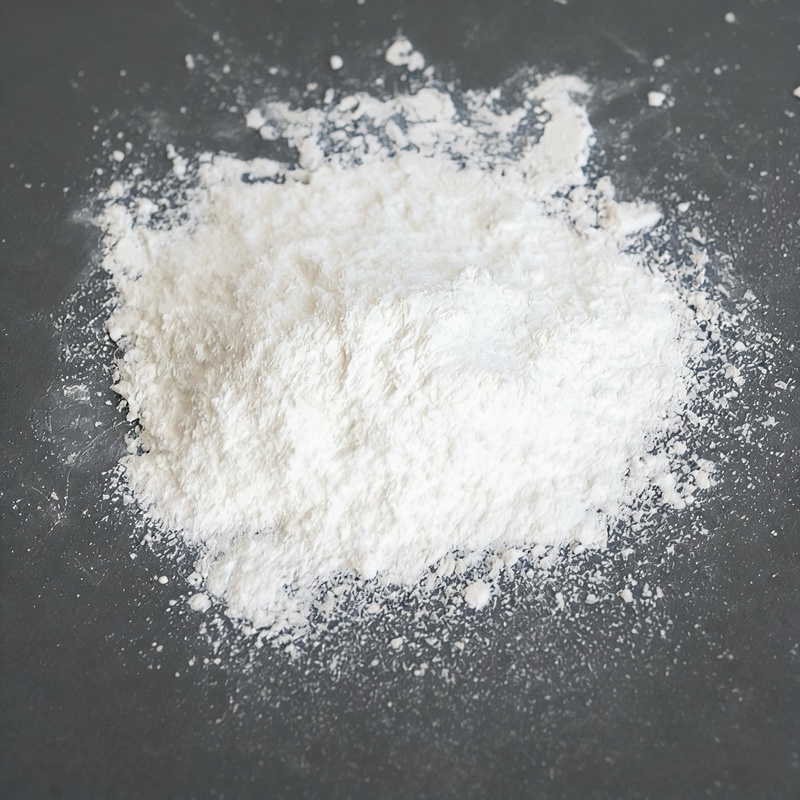
The global manufacturing industry relies heavily on PVC for construction and medical applications. However, raw PVC is thermally unstable and requires specific additives to prevent degradation. Determining the pvc stabilizer price involves analyzing complex chemical formulations and global supply chains. Buyers must understand these variables to manage production costs effectively.
Thermal stabilizers represent a significant portion of the total additive budget. These chemicals protect the polymer during high-temperature processing. Without them, PVC would lose its structural integrity and color. Consequently, the pvc stabilizer price fluctuates based on the cost of metallic soaps and organic compounds.
Market volatility often stems from shifts in international trade and environmental policies. Manufacturers must balance performance requirements with strict budget constraints. Identifying the right balance ensures both product quality and economic viability. This article examines the core factors that dictate the current pvc stabilizer price.
What Influences the Current PVC Stabilizer Price?
The primary driver of the pvc stabilizer price is the cost of raw metallic materials. Most stabilizers utilize lead, tin, calcium, or zinc as their active base. When global metal exchange prices rise, the cost of the finished chemical stabilizer follows immediately. For instance, lead prices often experience annual fluctuations of 5% to 15% due to mining output.
Energy costs also play a critical role in the manufacturing process. Producing high-purity chemical additives requires significant electricity and thermal energy. High global oil and gas prices increase the overhead for chemical plants. These expenses are typically passed down to the end consumer through the pvc stabilizer price.
Transportation and logistics represent the final layer of the pricing structure. Heavy chemical additives incur high freight costs, especially for transoceanic shipments. Port congestion or fuel surcharges can add an extra 3% to 8% to the landed cost. Monitoring these logistical trends is essential for accurate budget forecasting.
| Stabilizer Type | Relative Price Level | Main Application | Key Advantage |
| Lead-Based | Moderate | PVC Pipes & Cables | Excellent heat stability |
| Calcium-Zinc | Higher | Food Packaging & Medical | Non-toxic and eco-friendly |
| Liquid Ba-Zn | Moderate | Flexible PVC Sheets | Good clarity and color |
| Methyl Tin | High | Rigid Transparent Sheets | Superior heat resistance |
Understanding the Cost Difference Between Stabilizer Types
The chemical composition determines the specific pvc stabilizer price for different industrial grades. Lead-based stabilizers have traditionally been the most cost-effective option for rigid PVC. They offer reliable performance at a lower price point than modern alternatives. However, their use is declining due to environmental restrictions in many regions.
In contrast, calcium-zinc stabilizers typically command a higher price than traditional lead options. This premium reflects the complexity of their non-toxic formulations. Manufacturers must use expensive boosters and co-stabilizers to match the efficiency of lead. Despite the higher pvc stabilizer price, many firms switch to Ca-Zn to meet safety standards.
Methyl tin stabilizers represent the premium end of the market spectrum. They are essential for applications requiring high transparency, such as clear PVC films. The high pvc stabilizer price for tin-based products is tied to the volatile tin metal market. Industries prioritizing clarity often accept these higher costs as a necessary technical requirement.
How Regulatory Compliance Impacts Procurement Costs
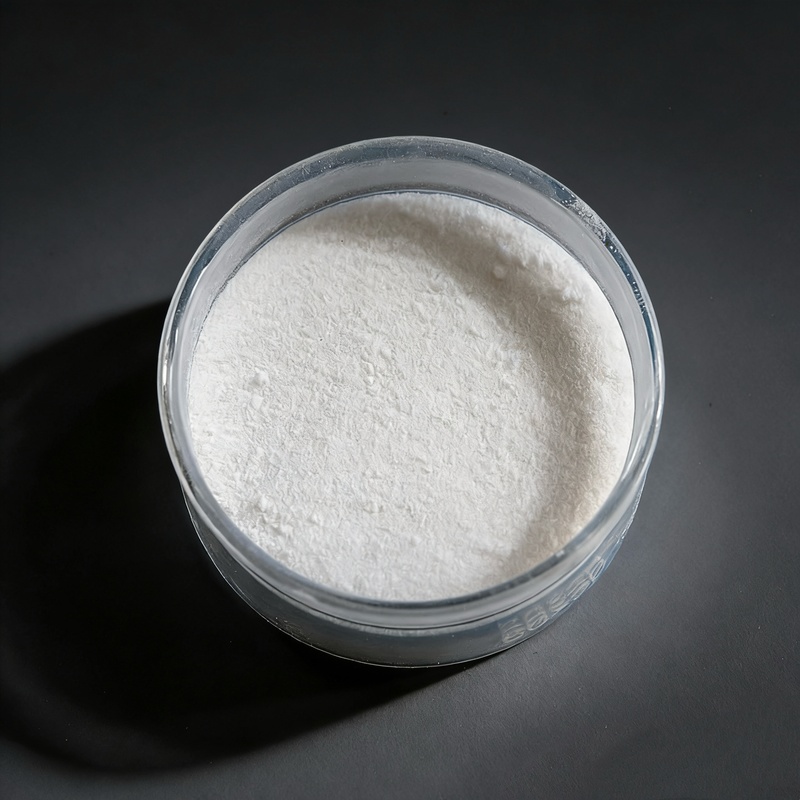
Environmental regulations are a major catalyst for changes in the pvc stabilizer price. International standards like REACH and RoHS limit the use of heavy metals in plastics. As countries ban lead stabilizers, the demand for compliant alternatives increases rapidly. This shift often creates temporary supply shortages and price spikes.
Research and development costs for “green” additives are also significant. Chemical companies invest millions of dollars into developing sustainable, high-performance stabilizers. These R&D expenses are amortized over the product’s lifecycle, affecting the initial pvc stabilizer price. Compliant products offer long-term legal safety for global exporters.
Compliance also requires rigorous testing and certification for every batch produced. Independent lab verifications ensure that the additives meet specific safety thresholds. These administrative and testing fees add a hidden layer to the pvc stabilizer price. Choosing certified products prevents costly product recalls and legal penalties.
Choosing the Right Stabilizer for Your Budget
Selecting a stabilizer requires a deep understanding of your specific production line needs. Higher-priced additives might offer better efficiency, allowing you to use a lower dosage. This “cost-in-use” calculation is more important than the nominal pvc stabilizer price. A more concentrated formula often reduces the total expense per ton of PVC.
Reliable suppliers provide detailed technical data sheets to help you compare performance metrics. You should evaluate the thermal stability time and the initial color retention of each grade. Balancing these technical factors with the pvc stabilizer price ensures long-term profitability. It is often beneficial to run pilot tests before committing to large volumes.
Consistency in supply is another vital factor when evaluating the pvc stabilizer price. Lower-priced vendors may lack the infrastructure to guarantee uniform quality across different batches. Inconsistent stabilizers can lead to high scrap rates and machine downtime. Investing in a stable, reputable supply chain protects your overall manufacturing efficiency.
Summary
The pvc stabilizer price is shaped by raw metal costs, chemical complexity, and global regulations. While lead-based options remain affordable, the industry is shifting toward safer Calcium-Zinc alternatives. By calculating the cost-in-use and prioritizing compliance, manufacturers can navigate market fluctuations effectively while ensuring high-quality PVC production.
FAQ
Q:Why is the Calcium-Zinc pvc stabilizer price higher than Lead-based options?
Calcium-Zinc formulations require complex organic co-stabilizers to achieve high thermal stability. These additional chemical components and the R&D required for non-toxic performance increase the total cost.
Q:How do global metal markets affect the pvc stabilizer price?
Most stabilizers use metals like zinc, lead, or tin as their primary active agents. When the price of these metals rises on the London Metal Exchange, manufacturers adjust their prices accordingly.
Q:Does buying in bulk significantly reduce the pvc stabilizer price?
Yes, bulk purchasing typically offers lower per-unit costs due to reduced packaging and logistics expenses. Many suppliers offer tiered pricing structures for container-load orders compared to smaller pallet shipments.
Q:What is the most cost-effective stabilizer for PVC pipes?
Lead-based stabilizers are traditionally the most cost-effective for pipes in regions where they are permitted. In regulated markets, high-efficiency Calcium-Zinc one-pack stabilizers provide the best value for pipe production.
Reference Sources
Journal of Vinyl and Additive Technology – Performance of Metal-Based Stabilizers https://www.spe.org/
European Stabiliser Producers Association (ESPA) – Market Trends in PVC Additives https://www.stabilisers.eu/
Vinyl Institute – PVC Additives and Environmental Impacts https://www.vinylinfo.org/