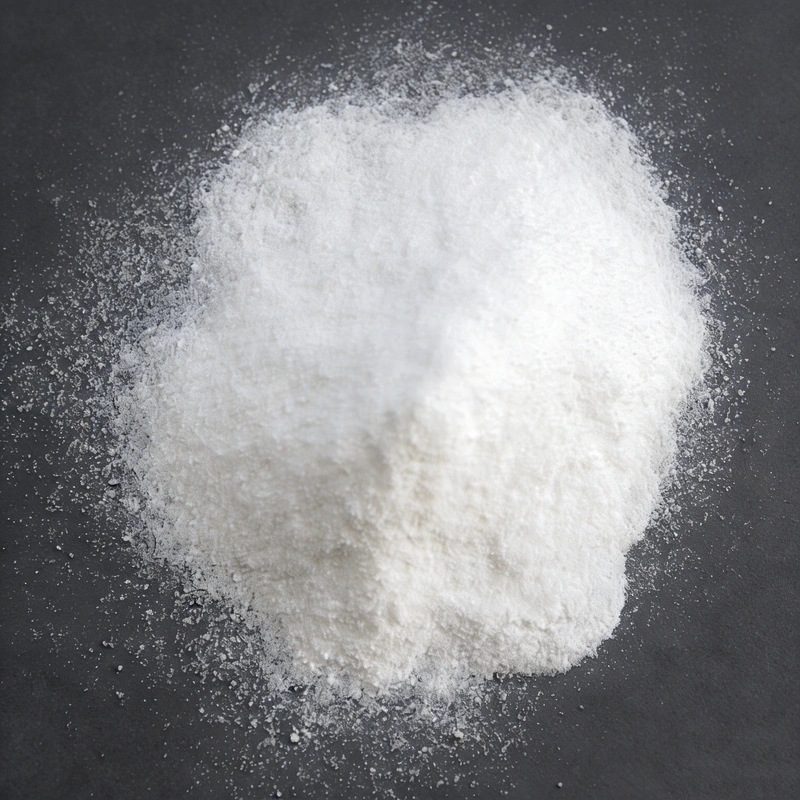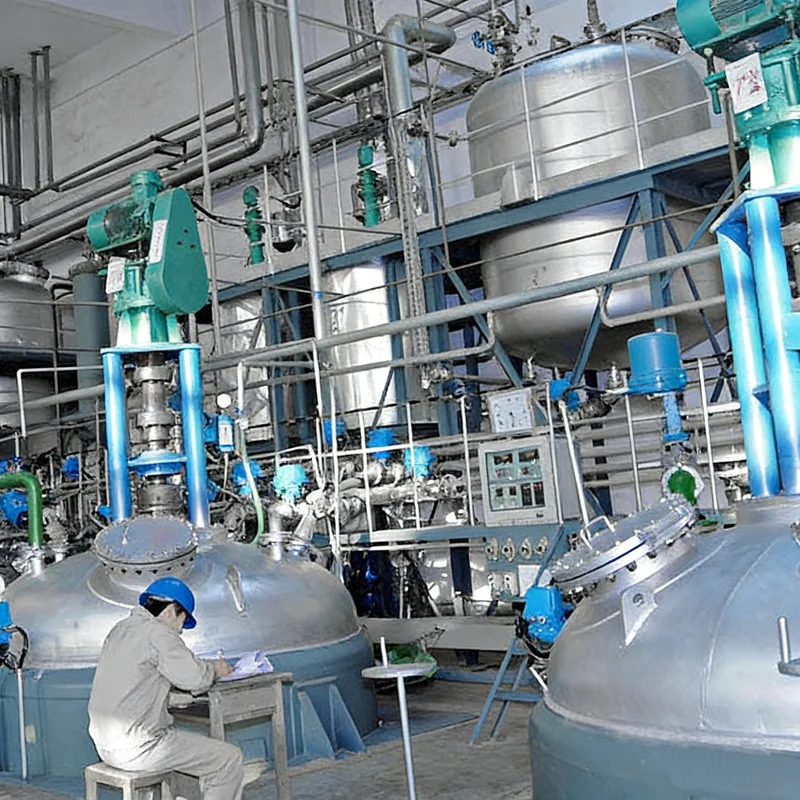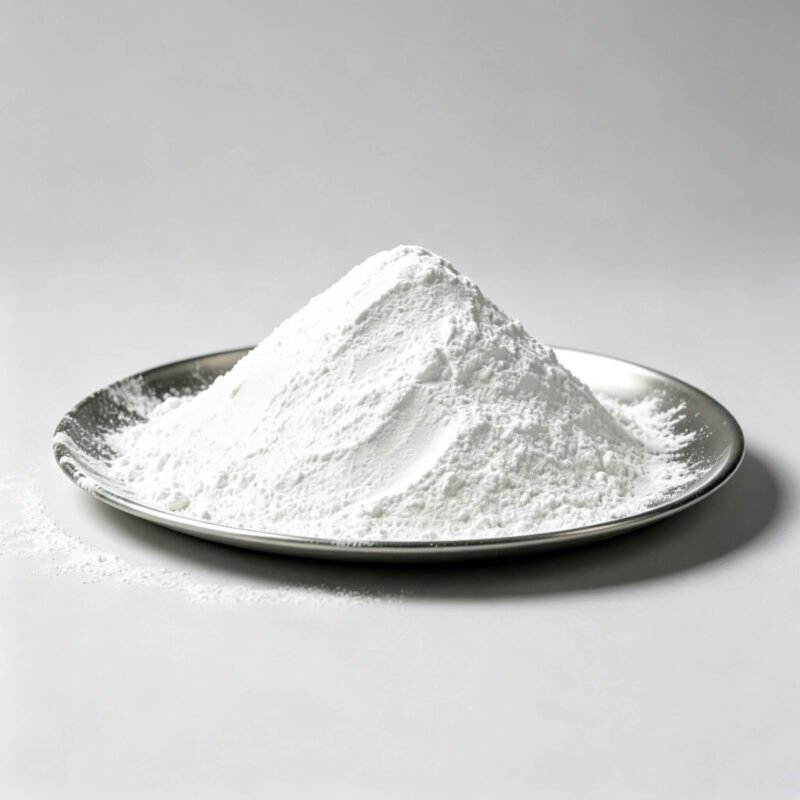

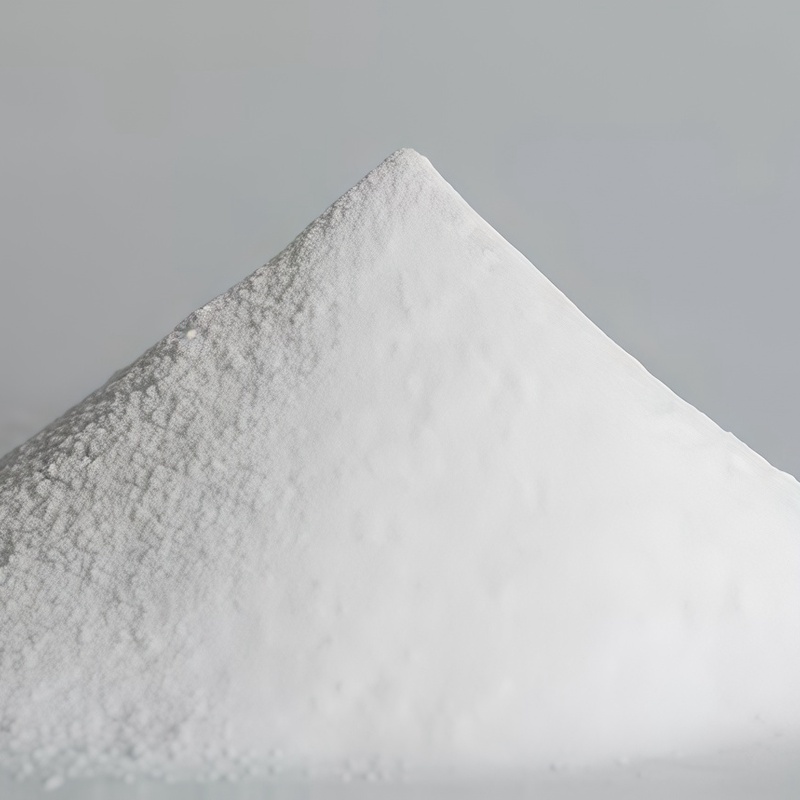
Polyvinyl Chloride (PVC) is one of the most versatile plastics in the world. It is used in everything from water pipes to medical tubing. However, PVC is naturally sensitive to heat and light. Without a specific chemical additive, the material would decompose during manufacturing. This critical additive is known as a pvc stabilizer.
A pvc stabilizer prevents the polymer from breaking down when exposed to high temperatures. During processing, heat causes the release of hydrogen chloride (HCl) from the molecular chain. This process leads to discoloration and loss of physical strength. Stabilizers neutralize these acids and maintain the material’s integrity. They ensure that the final product remains durable and functional for years.
Manufacturers must choose the right stabilizer based on the intended application. Different types offer varying levels of heat resistance, transparency, and environmental safety. Understanding these additives is essential for producing high-quality plastic goods. This article explores the science, types, and practical uses of these vital compounds.
Why Does PVC Require a Thermal Stabilizer?
PVC is chemically unstable when heated above 100°C. Standard manufacturing processes often require temperatures between 160°C and 210°C. Without a pvc stabilizer, the polymer undergoes a process called dehydrochlorination. This reaction creates “polyene” sequences that absorb light and turn the plastic yellow, brown, or black.
The degradation also makes the material brittle. Adding a pvc stabilizer blocks the chemical chain reaction that leads to failure. These additives work by replacing unstable chlorine atoms on the polymer backbone. They also act as scavengers to neutralize released HCl gas immediately. This intervention preserves the molecular structure during the extrusion or molding process.
Furthermore, stabilizers protect the finished product from environmental factors. UV radiation from sunlight can cause outdoor PVC products to degrade over time. High-quality stabilizers provide long-term weather resistance for window profiles and siding. Without them, the lifespan of PVC products would be reduced by over 80%.
Major Types of PVC Stabilizers in Modern Industry
The industry uses several chemical families to stabilize PVC resins. Each type has specific advantages depending on the cost and performance requirements. Common categories include lead-based, calcium-zinc, and organotin stabilizers. Choosing the correct type depends on the final product’s transparency and safety standards.
Lead-based stabilizers were the historical standard due to their low cost. However, they are being phased out in many regions because of toxicity concerns. Calcium-zinc (Ca-Zn) stabilizers have emerged as the primary eco-friendly alternative. They are non-toxic and suitable for toys and medical devices. Organotin stabilizers offer the highest efficiency and transparency for technical applications.
| Stabilizer Type | Key Advantages | Typical Applications |
| Organotin (Methyl Tin) | Exceptional transparency, high efficiency | Clear films, food packaging, high-end pipes |
| Calcium-Zinc (Ca-Zn) | Non-toxic, environmentally friendly | Medical tubing, children’s toys, cables |
| Lead-Based | High thermal stability, low cost | Construction pipes (limited use today), heavy cables |
| Liquid Mixed Metals | Good initial color, easy to blend | Flexible PVC, flooring, artificial leather |
Key Applications of Stabilizers in Plastic Manufacturing
The application of a pvc stabilizer varies significantly across different industrial sectors. In the production of rigid PVC pipes, the stabilizer must provide high mechanical strength. It must also ensure that the pipe can withstand decades of pressure and chemical exposure. Stable pipes prevent leaks and structural failures in municipal infrastructure.
For flexible PVC products like medical bags, the stabilizer must be non-migratory. This ensures that chemicals do not leach into sensitive fluids. In the automotive sector, pvc stabilizers help interior components resist fading under intense summer heat. They ensure that dashboards and door panels remain flexible and visually appealing.
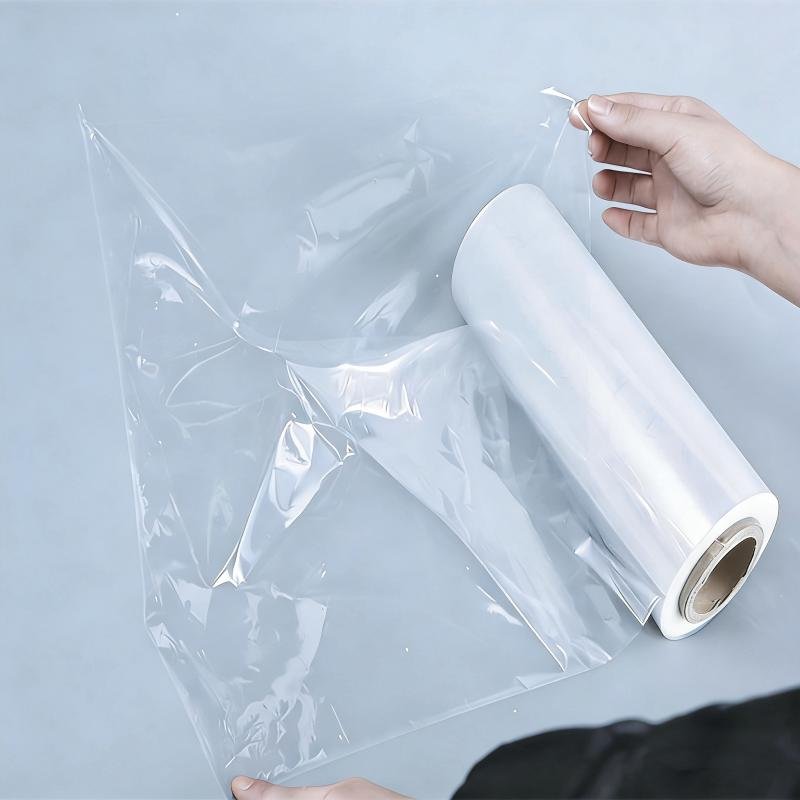
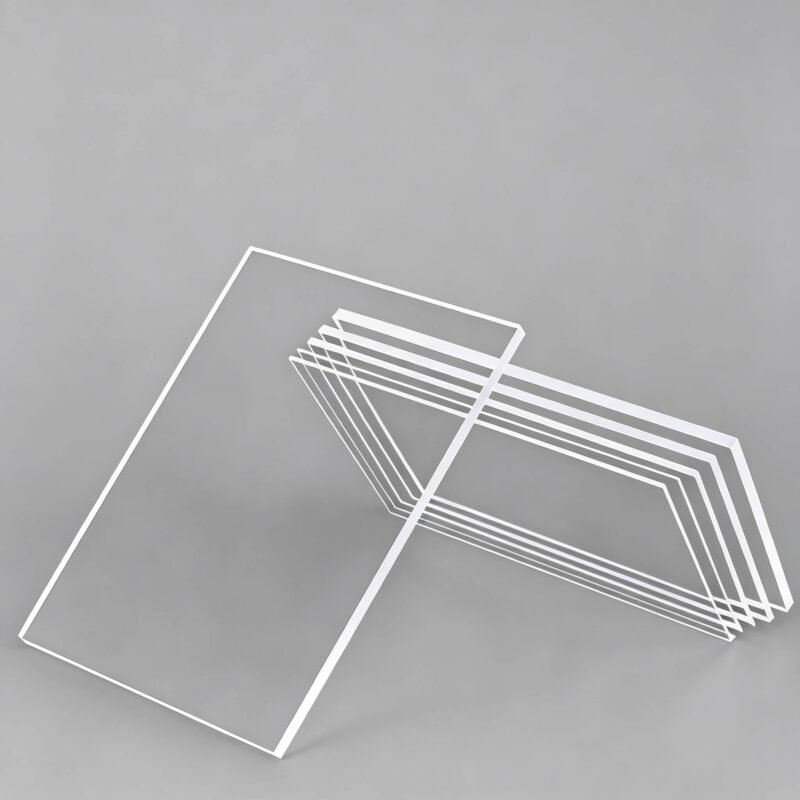
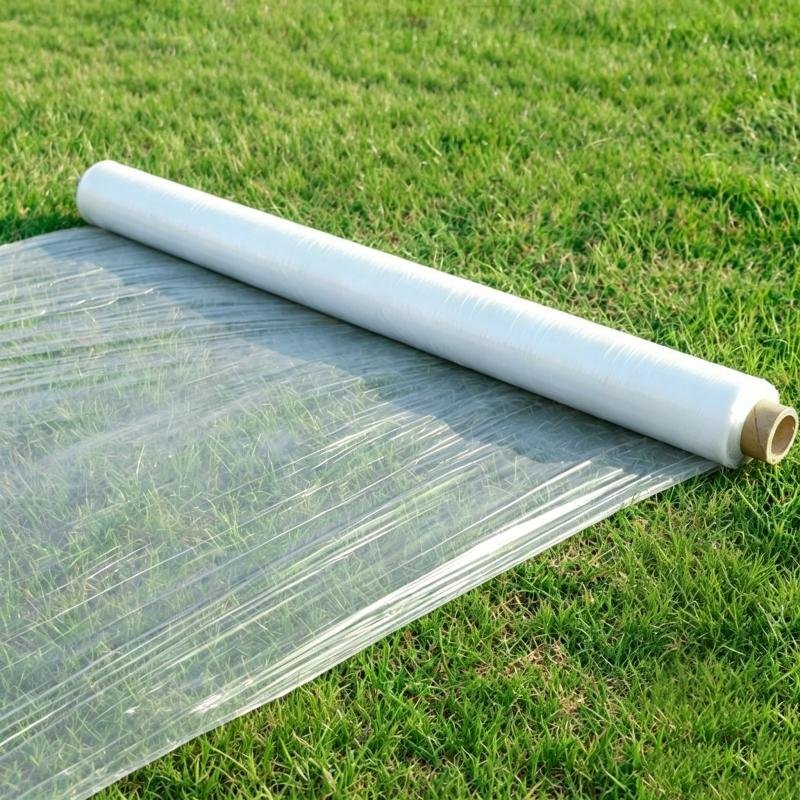
Transparency is a critical requirement for packaging materials and clear sheets. Methyl tin mercaptide is the preferred choice for applications requiring crystal-clear clarity. It prevents the slight yellowing that often occurs during the melting process. This allows manufacturers to produce high-clarity films used in pharmaceutical blister packs and protective covers.
In-Depth Analysis of Organotin Stabilizers
Organotin compounds represent the cutting edge of stabilization technology. Among these, Methyl Tin Mercaptide is widely considered the most effective thermal stabilizer. It offers superior initial coloring and excellent long-term stability. This type of pvc stabilizer is typically a clear or pale yellow liquid with a specific gravity of around 1.17 to 1.19.
Research shows that organotin stabilizers are highly efficient at low dosages. While other systems might require 3.0 to 5.0 parts per hundred resin (phr), methyl tin often works at dosages as low as 0.5 to 1.5 phr. This efficiency helps reduce the overall weight of additives in the plastic. It also minimizes the impact on the physical properties of the PVC resin.
These stabilizers are particularly effective for rigid PVC extrusion and injection molding. They provide a wide processing window, meaning the plastic can be heated longer without burning. Organotin is the industry standard for high-speed production lines. It ensures consistent quality even when machines operate at maximum thermal output.
Critical Factors for Selecting the Best PVC Stabilizer
Choosing the right additive involves evaluating the specific needs of your manufacturing line. You must first determine if the final product requires high transparency or if it will be opaque. High-transparency products almost always require a liquid organotin stabilizer for the best results. Opaque pipes or profiles may benefit from more cost-effective solid systems.
The processing temperature is another vital consideration. If your machinery runs at extreme temperatures, you need a stabilizer with high thermal efficiency. Evaluating the tin content and specific gravity helps determine the potency of the additive. For example, a product with high sulfur-to-tin bonding provides better protection against scorching during long production runs.
Compatibility with other additives is also essential. PVC formulations often include lubricants, fillers, and pigments. A high-quality pvc stabilizer must not react negatively with these components. It should assist in the fusion process to ensure a smooth surface finish. Testing small batches is the most reliable way to verify performance before full-scale production.
One excellent example of a high-performance solution is MK-102 Methyl Tin Mercaptide. This liquid stabilizer is designed specifically for rigid PVC applications. It provides the excellent transparency and heat stability required for modern high-speed extrusion. When performance and clarity are non-negotiable, selecting a specialized organotin like MK-102 ensures the highest production standards.
Summary
A pvc stabilizer is essential for preventing the thermal and chemical degradation of PVC during and after manufacturing. While lead and calcium-zinc options exist, organotin stabilizers offer the best performance for transparency and high-temperature processing. Selecting the right stabilizer ensures product durability, safety, and visual appeal across various industrial applications.
FAQ
Q:What is the primary function of a PVC stabilizer?
The primary function is to prevent thermal degradation during processing. It neutralizes hydrogen chloride and replaces unstable atoms to maintain the polymer’s structural integrity.
Q:Is PVC stabilizer toxic?
Toxicity depends on the chemical type. Lead-based stabilizers are toxic and restricted, while calcium-zinc and specific organotin stabilizers are considered safe for many regulated applications.
Q:How much stabilizer is typically added to PVC?
Dosage usually ranges from 0.5 to 5.0 parts per hundred resin (phr). Highly efficient types like methyl tin mercaptide require lower dosages compared to traditional lead systems.
Q:Can I use the same stabilizer for rigid and flexible PVC?
No, stabilizers are usually optimized for specific formulas. Rigid PVC requires high heat resistance for extrusion, while flexible PVC needs stabilizers that work well with plasticizers.
Q:How does UV light affect PVC stabilization?
UV light triggers photo-degradation, leading to surface cracking and fading. Outdoor-grade stabilizers include UV-resistant components to ensure the plastic survives long-term sun exposure.
Reference Sources
Plastic Pipes Institute (PPI): Introduction to PVC Pipe Materials and Additives. https://plasticpipe.org/
British Plastics Federation (BPF): PVC Additives and Stabilizers Overview. https://www.bpf.co.uk/
European Resilient Flooring Manufacturers’ Institute (ERFMI): Environmental Standards for PVC. https://www.erfmi.com/
American Chemistry Council (ACC): The Role of Vinyl in Modern Infrastructure. https://www.americanchemistry.com/