
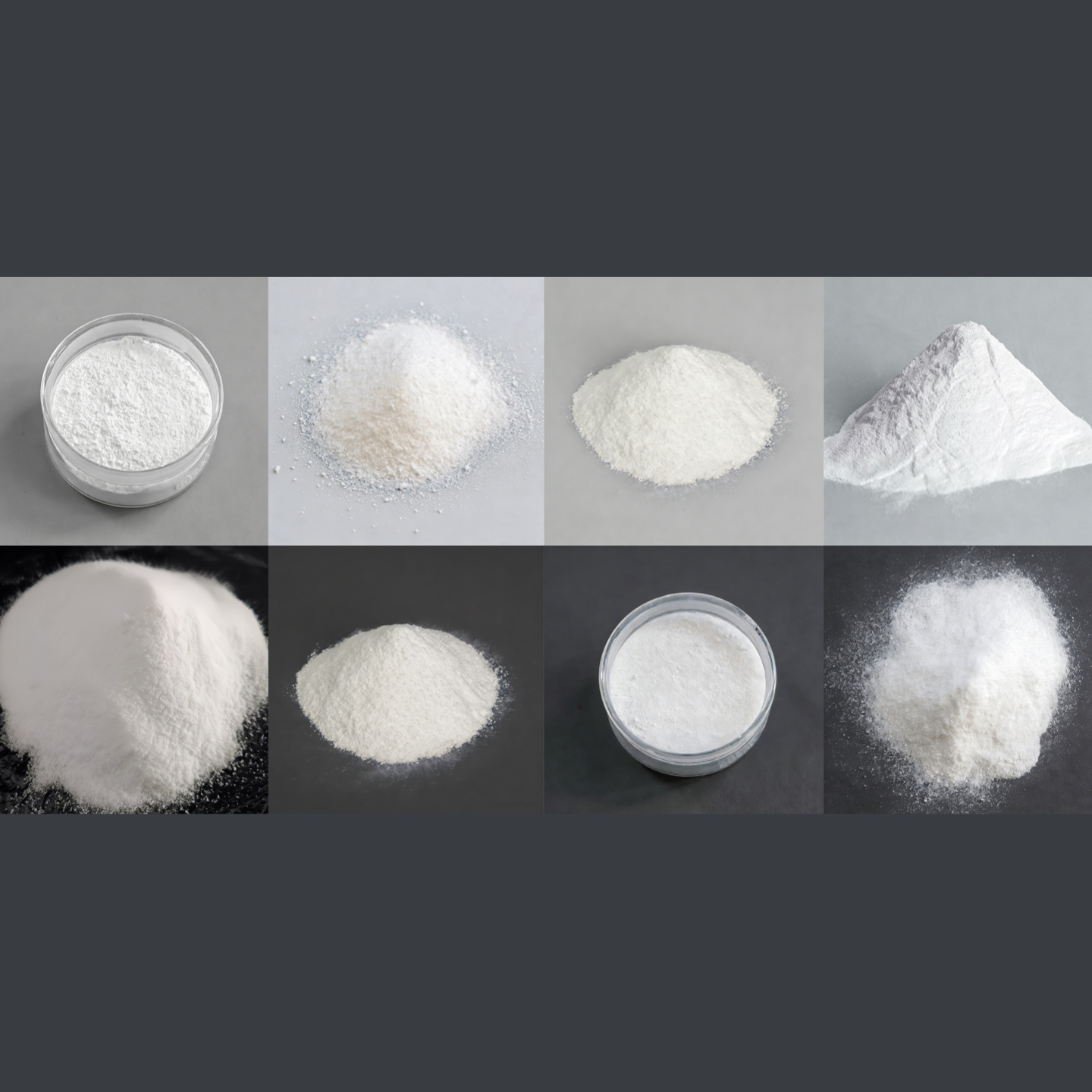
Due to its wide range of applications, durability, and affordability—coupled with the growing societal demand for sustainable materials—polyvinyl chloride (PVC) has become one of the most widely utilized thermoplastic materials; precisely for this reason, the PVC industry is continuously evolving.However, pure PVC presents limitations regarding stability, flexibility, and processability; therefore, PVC additives are crucial. PVC additives are used to enhance the properties of PVC and improve its performance across various applications. The following is a comprehensive guide to the types of PVC additives and their functions.
Types of PVC additives
Based on their function in PVC formulations, PVC additives can be categorized into several types. The main categories include: plasticizers. stabilizers Lubricant Impact modifiers and fillers Flame retardants Pigments and dyes Other functional PVC additives . Let’s delve into each type.
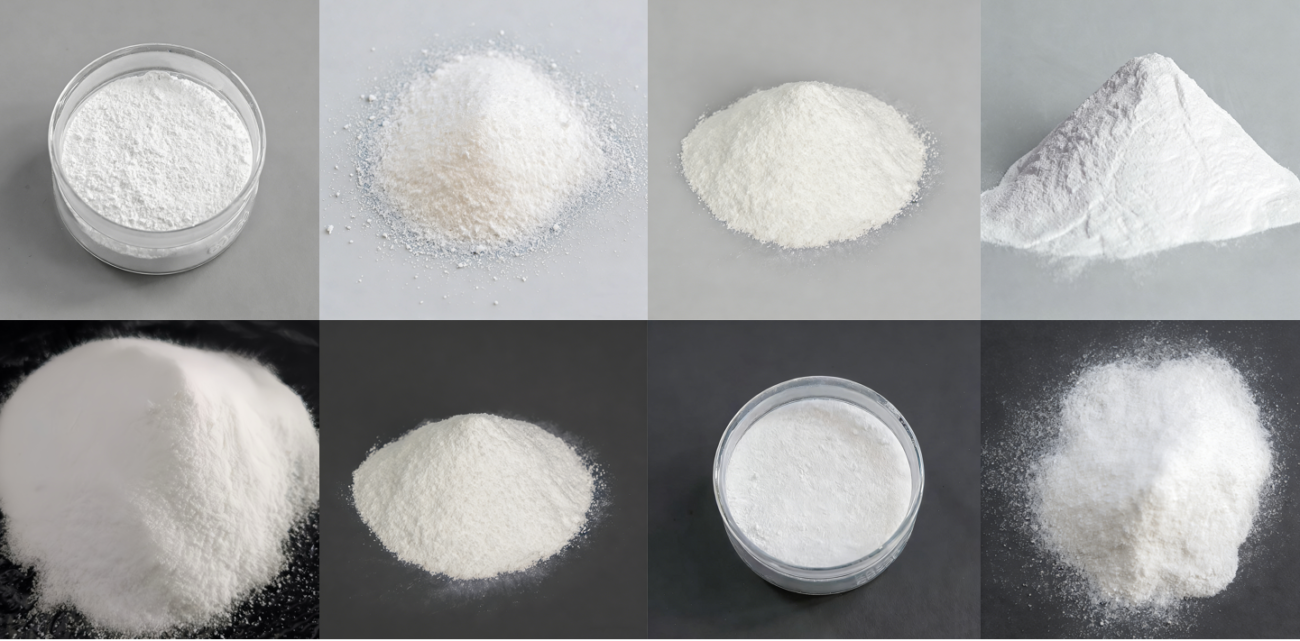
1. PVC Additives – Plasticizers
Function: Plasticizers are the most common PVC additives. They improve the flexibility, ductility, and processability of rigid PVC by lowering its glass transition temperature. Without plasticizers, PVC becomes hard and brittle.
Type:
- Phthalate esters (e.g., DOP, DINP , DBP ) : High plasticizing efficiency and low cost, commonly used in PVC applications such as flooring and cables.
- Non-phthalates: Biodegradable, migration-resistant, and safer alternatives, such as adipate, citrate, and trimellitate, are used in products such as medical devices, toys, and food packaging.
- Epoxy plasticizers: As PVC additives, they have higher thermal stability and are suitable for applications requiring higher heat resistance.
Application areas: flooring, medical catheters, wire insulation, automotive interiors.
2. PVC Additives – Stabilizers
Function: PVC is sensitive to heat and ultraviolet light, and long-term use can lead to its degradation . Stabilizers , as PVC additives, can prevent this degradation. They are also common PVC additives, especially during processing, protecting the material from the effects of heat, ultraviolet radiation, and oxidative degradation .
Type:
- Heat stabilizers: used to prevent thermal degradation during processing. Commonly used heat stabilizers include:
- Lead stabilizersCalcium/Zinc (Ca / Zn) stabilizer (environmentally friendly) , Barium/Zinc (Ba / Zn) stabilizer
- Tin-based stabilizers (for medical and food-grade PVC) .
- UV stabilizer: Protects PVC from UV radiation and improves its outdoor weather resistance .
- Ultraviolet absorbers, such as benzotriazole.
- Hindered amine light stabilizers (HALS) .
Application areas: outdoor furniture, roofing, door and window profiles , exterior wall panels , medical devices.
3. PVC Additives – Lubricants
Functions: Lubricants can reduce friction between raw materials and processing equipment during production , improve fluidity and prevent sticking , and also improve surface finish and molding performance.
Type:
- Internal lubricant: Reduces friction between molecular chains, improves melt flowability, and enhances processing performance.
- Fatty acid esters (e.g., stearic acid).
- Wax-based lubricants (e.g., paraffin wax).
- External lubricant: migrates to the surface of the PVC melt to reduce friction between the polymer and the metal surfaces of the processing equipment , and is typically used in extrusion processes.
- Polyethylene wax , calcium stearate, and magnesium stearate .
Application areas: pipes, profiles, films and wires.
4. PVC Additives – Modifiers
Function: As a PVC additive, the modifier changes the physical properties of the finished product. PVC itself is brittle, especially at low temperatures . Adding an impact modifier can improve the impact resistance of the material and improve the impact strength of PVC, without affecting other physical properties, such as tensile strength.
Type:
- Impact modifier : Added to rigid polyvinyl chloride (PVC) to prevent it from breaking under stress. It acts as a microscopic rubber-like shock absorber in the rigid plastic matrix.
- Chlorinated polyethylene ( CPE ): Toughens, improves weather resistance and aging resistance, and enhances processing performance.Acrylic modifiers ( such as ACR ): high impact resistance, promote plasticization and excellent weather resistance.MBS (methyl methacrylate-butadiene-styrene): can improve impact strength and weather resistance.
- EPDM rubber: used to enhance toughness and flexibility in automotive and construction applications.
- Processing aids: These are typically high molecular weight acrylic polymers that help PVC powder melt into a uniform melt more quickly and improve the overall surface finish of the final product .
Application areas: pipes , profiles , transparent sheets, automotive parts , foamed products .
5. PVC Additives – Fillers
Function: Fillers are PVC additive materials added to the final product to reduce product costs, enhance specific properties or improve processing characteristics , and can also help improve mechanical strength .
Type:
- Mineral fillers: These include calcium carbonate (CaCO₃), talc, clay, and silica. These are the most commonly used fillers in PVC additives.
- Glass fiber: Improves the tensile strength and rigidity of PVC products.
- Other fillers: wood fiber (used in the manufacture of wood-plastic composites) , rubber granules, etc.
Application areas: construction, automotive parts, flooring, and packaging.
6. PVC Additives – Flame Retardants
Function: Adding flame retardants to PVC reduces its flammability, making it safer in fire-sensitive environments.
Type:
- Chlorinated paraffin: Commonly used in polyvinyl chloride (PVC) products, especially in cable products.
- Organophosphates: They have excellent flame retardant properties and are used in cables, wires, and building materials.
- Aluminum hydroxide: has smoke-suppressing and flame-retardant properties.
Application areas: cables and wires , building materials, furniture, and automotive parts.
7. PVC Additives – Pigments and Dyes
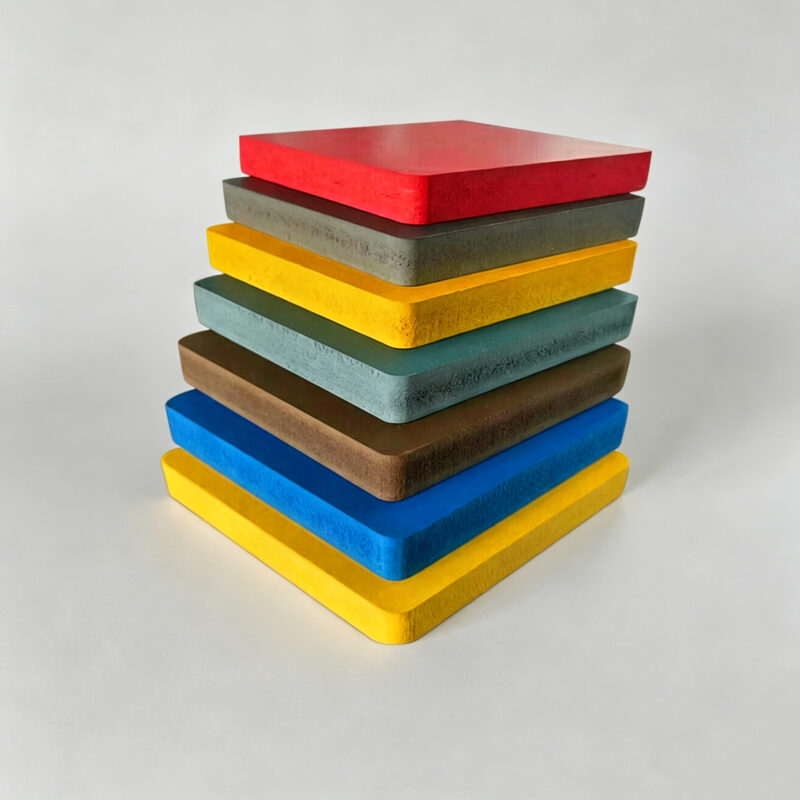
Function: This PVC additive is used to color PVC products. Pigments are solids and are generally more stable, while dyes are soluble in PVC and can provide brighter colors.
Type:
- Organic pigments: can provide a variety of vibrant colors, but may fade over time due to exposure to ultraviolet light.
- Inorganic pigments: generally more stable and durable, often used in white and black PVC.
- Dyes: Water-soluble, used in applications requiring high color saturation.
- Fluorescent whitening agent : resistant to high processing temperatures and HCl.
Application areas: packaging, clothing, auto parts, decorations .
8. PVC Additives – Other Functional PVC Additives
- Foaming agent: This PVC additive is a chemical reagent that releases gas when heated, forming a honeycomb structure inside the PVC. It is used in ADC foaming agents and azo compounds to produce PVC foam products, controlling the decomposition temperature (150-180℃) and foaming ratio.
- Antioxidants: Help prevent oxidation, the reaction between polymers and oxygen. Oxidation leads to decreased impact strength, elongation, surface cracking, and discoloration. Commonly used in door and window profiles and exterior wall panels.
- Antistatic agent: Prevents static charge from accumulating on the PVC surface, as static charge can attract dust or cause problems during processing.
- Bactericides: These bactericides prevent the growth of bacteria, fungi, or algae in PVC applications exposed to humid environments.
- Anti-blocking agent: Prevents PVC films or sheets from sticking together.
- Melt flow aids: help improve the processing performance of high-viscosity PVC resins.
In conclusion
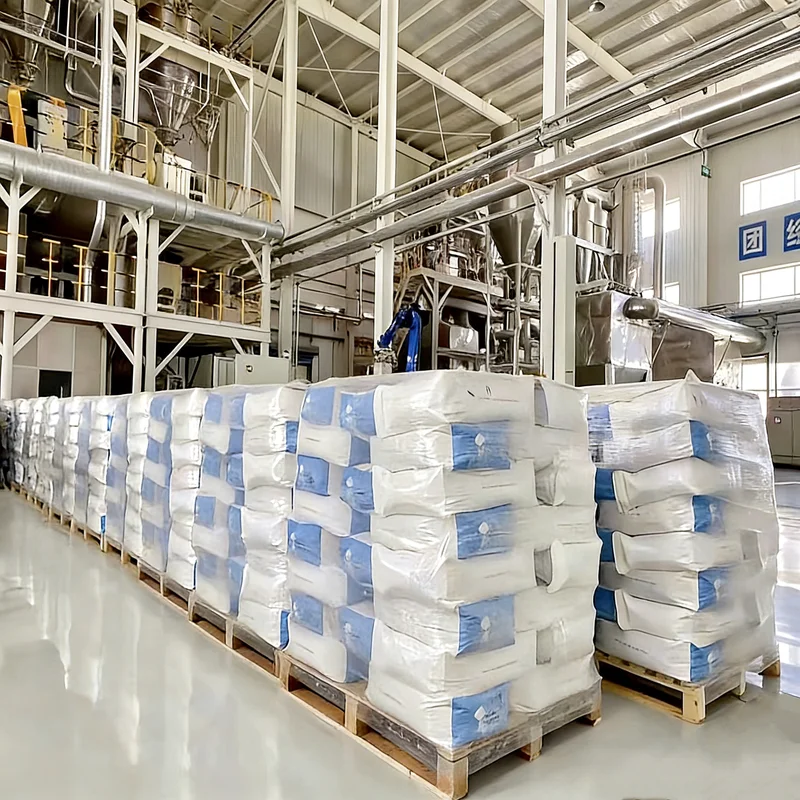
PVC additives are crucial for enhancing the performance and processing capabilities of PVC materials, enabling them to meet the specific needs of various industries. Matching product requirements, compliance demands, and processing techniques, performance and cost are balanced through compounding. Once processors have simply determined the required amount of additives and their properties (powder, granules), they can select appropriate automated equipment to precisely, repeatedly, and synchronously mix the materials together. From improving flexibility to enhancing flame retardancy, each PVC additive plays a unique role, ensuring the wide applicability of PVC across various fields.
Of course, additives incur additional costs , but by reducing production costs and extending product lifespan, they can help us save money and protect the world’s precious raw material reserves. When choosing PVC additives, manufacturers must consider factors such as regulatory standards, intended use of the product, and environmental impact. With technological advancements, more sustainable and non-toxic alternatives are constantly being developed to make PVC products safer for both users and the environment.
FAQ
Q: What are traditional additives? Do they affect recycling?
“Traditional additives” refers to additives that are no longer used in PVC currently produced within the EU, but can still be found in recycled old PVC products.
- An effective method to ensure that PVC containing legacy additives can be recycled—while simultaneously safeguarding human health and the environment—is to establish maximum concentration limits for these legacy additives within PVC products containing recycled PVC. Furthermore, the industry is currently undertaking significant research initiatives regarding recycling technologies capable of extracting these legacy additives.
Q: Why is PVC a sustainable option ?
Vinyl is a versatile and sustainable material that supports a wide range of applications. Industries that use vinyl include healthcare, construction, and automotive. Choosing PVC means choosing products with the following properties:
- Reduce carbon footprint: PVC production requires less energy compared to alternative materials.
- Versatile applications: PVC serves many industries, from medical tubing to flooring and window frames.
- Commitment to the circular economy: The vinyl industry invests in recycling programs to create a closed loop.
- Durability: Vinyl products offer a long-lasting solution. Their long service life minimizes the environmental impact of frequent replacements.
References
1.British Plastics Federation (BPF) : Introduction and Classification of Additives — https://www.bpf.co.uk/
2.Vinyl Institute : Sustainable Development — https://www.vinylinfo.org/
3.European Stabiliser Producers Association (ESPA) : Additives — https://www.stabilisers.eu/
4.Plastics Technology Online : Mixing and Batching — https://www.ptonline.com/