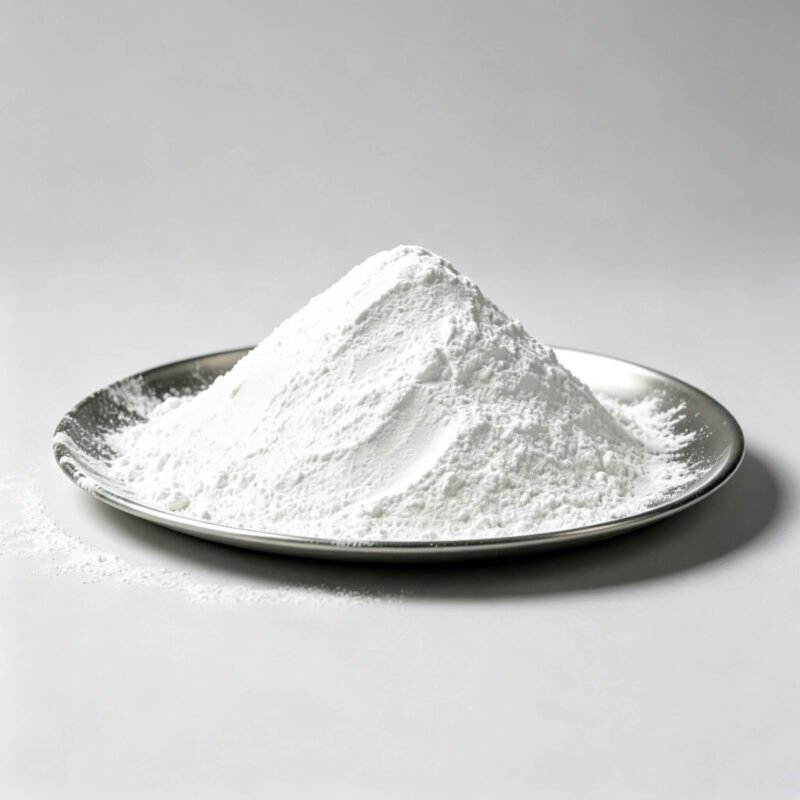

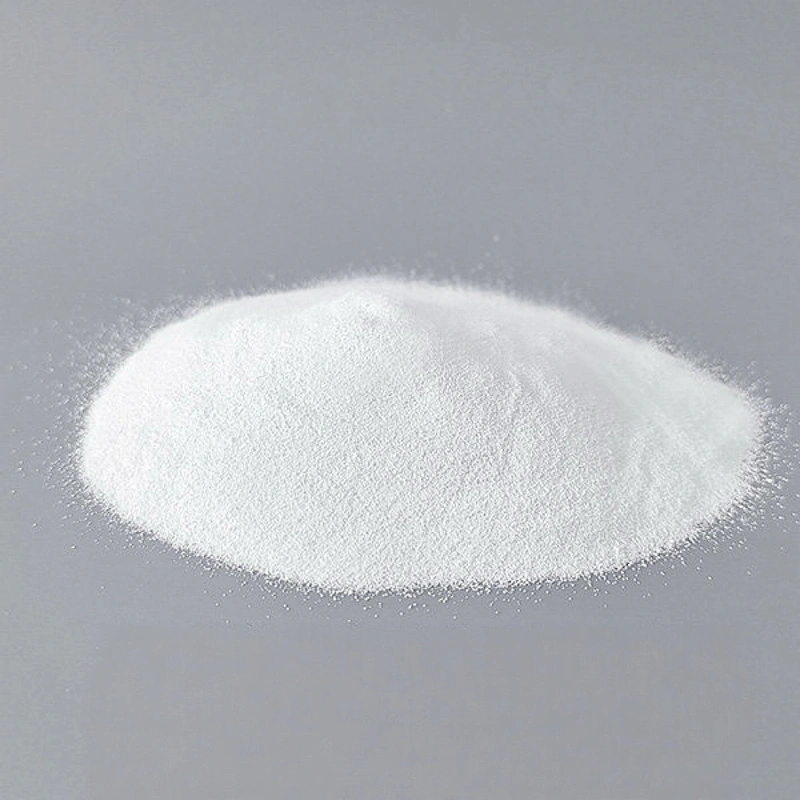
Polyvinyl Chloride (PVC) is a versatile plastic used in many industries. However, raw PVC resin is difficult to process on its own. It has poor thermal stability and high melt viscosity. To solve these issues, manufacturers use a pvc processing aid.
These additives are essential for creating high-quality plastic products. They ensure the material flows correctly during the extrusion or injection process. Without them, PVC products often suffer from surface defects or structural weaknesses.
Most modern processing aids are based on acrylic resins. These are often referred to as ACR processing aids. They help the PVC particles fuse together more effectively under heat and pressure.
What is PVC Processing Aid and How Does It Work?
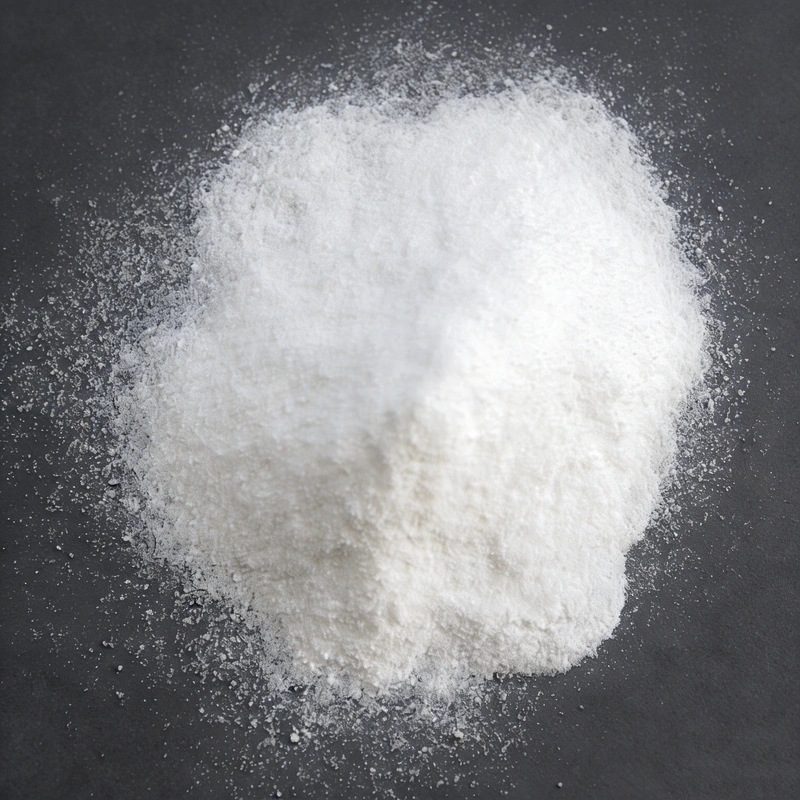
A pvc processing aid is a high molecular weight polymer additive. It is typically made from methyl methacrylate and other acrylic monomers. These additives have a high compatibility with the PVC resin matrix.
When heat is applied during manufacturing, the processing aid softens first. It forms a long-chain network that entangles with the PVC molecular chains. This creates more friction between the PVC particles. This friction accelerates the transition from a powder to a molten state.
This process is known as fusion promotion. Proper fusion is critical for the mechanical strength of the final product. A pvc processing aid also increases the melt strength of the polymer. This prevents the molten plastic from tearing or collapsing during high-speed production.
Technical Benefits and Data for PVC Processing Aid Usage
Using a pvc processing aid provides measurable improvements to production efficiency. It reduces the time required for the resin to reach a uniform molten state. This optimization leads to energy savings and faster cycle times.
In rigid PVC applications, these aids prevent melt fracture. This ensures the surface of the product remains smooth and glossy. For foam applications, the additive stabilizes the cell structure. This allows for lower density and better weight control.
The following table illustrates typical performance improvements when using an ACR-based pvc processing aid:
| Performance Metric | Without Processing Aid | With ACR Processing Aid (1-2 phr) | Improvement Type |
| Fusion Time (seconds) | 120 – 150 | 80 – 100 | 30% Faster Fusion |
| Melt Torque (Nm) | 35 | 42 | Higher Shear Efficiency |
| Surface Gloss (%) | 65 | 85 | Enhanced Aesthetics |
| Melt Strength (cN) | Low | High | Reduced Breakage |
Data shows that adding just 1 to 2 parts per hundred resin (phr) makes a significant difference. In high-speed extrusion, a pvc processing aid can increase output by 10% to 15%. It also reduces the accumulation of degraded material on the die surface.
Common Applications of Acrylic PVC Processing Aids
The type of pvc processing aid required depends on the final product. Different molecular weights offer different characteristics. High molecular weight versions are preferred for foaming processes. Low molecular weight versions are better for simple rigid profiles.
In the construction industry, these aids are vital for PVC pipes and fittings. They ensure the walls of the pipe are uniform and strong. This prevents cracking under pressure or during installation. The additive also improves the weatherability of outdoor PVC products.
Window profiles and door frames require high surface quality. A pvc processing aid eliminates “shark skin” effects on the surface. It also helps maintain dimensional stability during the cooling phase. This ensures that complex shapes remain within strict tolerances.
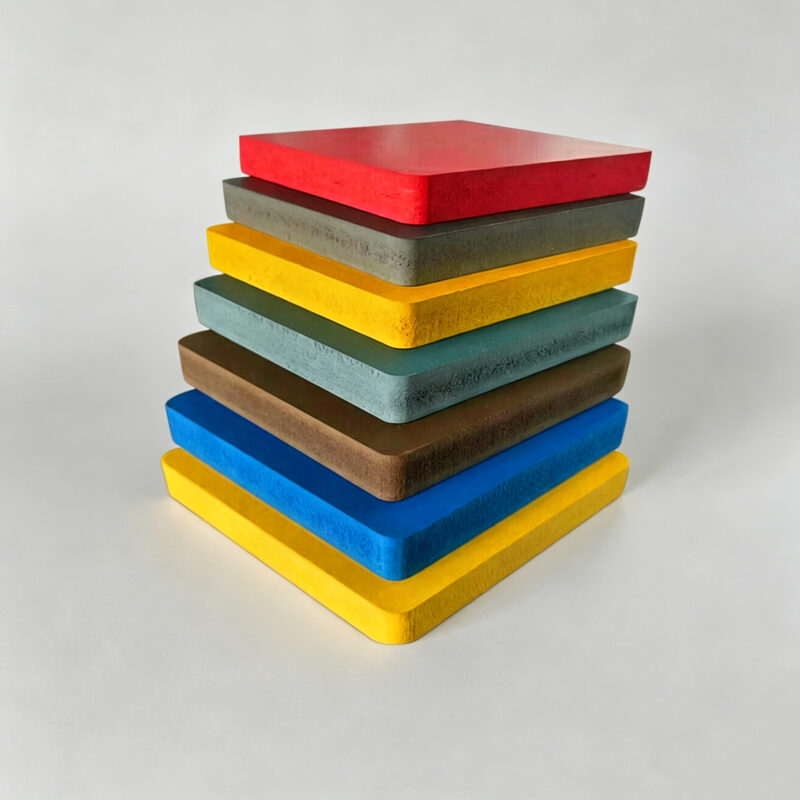
For PVC foam boards and sheets, the processing aid acts as a cell regulator. It increases the viscosity of the melt significantly. This prevents gas bubbles from merging or collapsing. The result is a fine, uniform cell structure throughout the board.
How to Evaluate the Best PVC Processing Aid for Your Needs
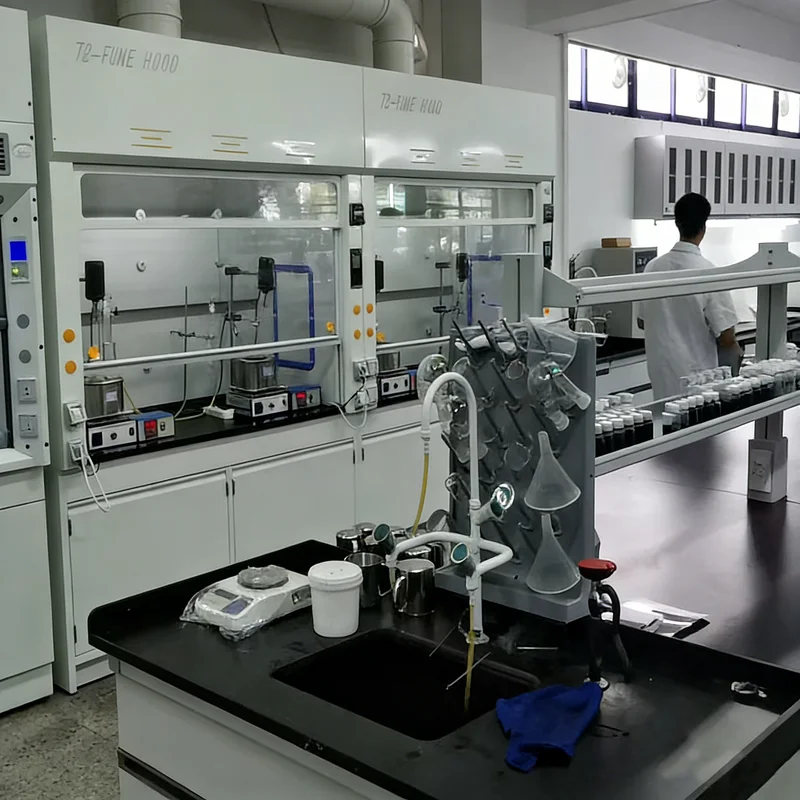
Choosing a pvc processing aid requires an understanding of your specific machinery and formula. You must consider the molecular weight and the viscosity of the additive. These factors determine how much “pull” the aid provides during fusion.
A high-quality aid should have a high purity level. Impurities can cause yellowing or reduce the transparency of the final plastic. You should also check the compatibility with other additives like stabilizers and lubricants. If the aid does not disperse well, it may cause localized defects.
Manufacturers often provide different grades, such as the MK-401 or MK-201 series. Some grades focus strictly on fusion speed. Others are designed to improve the elasticity of the melt. You should test samples to see which grade matches your extrusion speed.
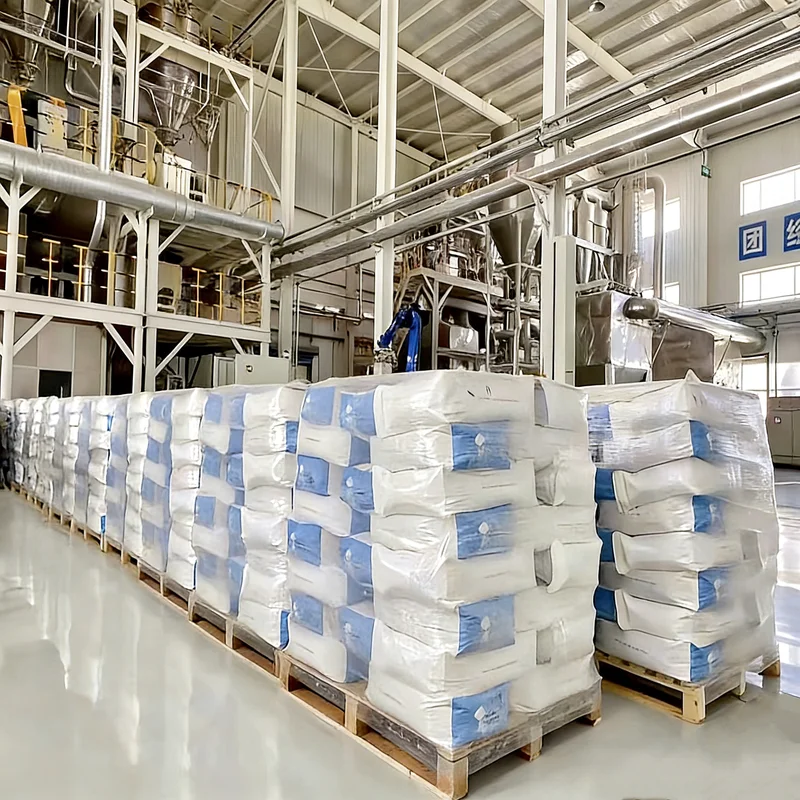
Reliable suppliers offer consistent particle size distributions in their powders. This ensures that the pvc processing aid mixes evenly with the PVC resin. Consistent mixing leads to a more stable production process. It also reduces the risk of sudden pressure spikes in the extruder.
For more technical specifications and grade comparisons, you can explore professional additive categories. Evaluating the technical data sheets of various ACR series will help you find the most cost-effective solution. This ensures your manufacturing process remains competitive and efficient.
Summary
A pvc processing aid is a vital additive for successful PVC manufacturing. It promotes faster fusion, increases melt strength, and improves surface quality. By selecting the correct grade and dosage, producers can achieve higher efficiency and better product durability. This additive remains the standard for high-performance PVC processing.
FAQ
Q:What is the main function of an ACR pvc processing aid?
The main function is to promote the fusion of PVC resin and improve melt elasticity. It helps the material transition from a dry powder to a uniform molten state more quickly.
Q:How much pvc processing aid should I use in my formula?
Most manufacturers use between 1.0 and 2.5 parts per hundred resin (phr). The exact amount depends on whether you are making rigid pipes, flexible sheets, or foam boards.
Q:Can a processing aid improve the surface of my PVC products?
Yes, it significantly improves surface gloss and reduces defects like melt fracture. It creates a smoother flow through the die, preventing rough textures or “shark skin” patterns.
Q:Is there a difference between a lubricant and a processing aid?
Yes, lubricants reduce friction between the polymer and the machine, while processing aids increase internal friction to help fusion. They are often used together to balance the production process.
Reference Sources
Plastics Industry Association
https://www.plasticsindustry.org/
Chemical Book (Chemical Database)
https://www.chemicalbook.com/
American Chemistry Council
https://www.americanchemistry.com/
SpecialChem (Polymer Additives)
https://polymer-additives.specialchem.com/