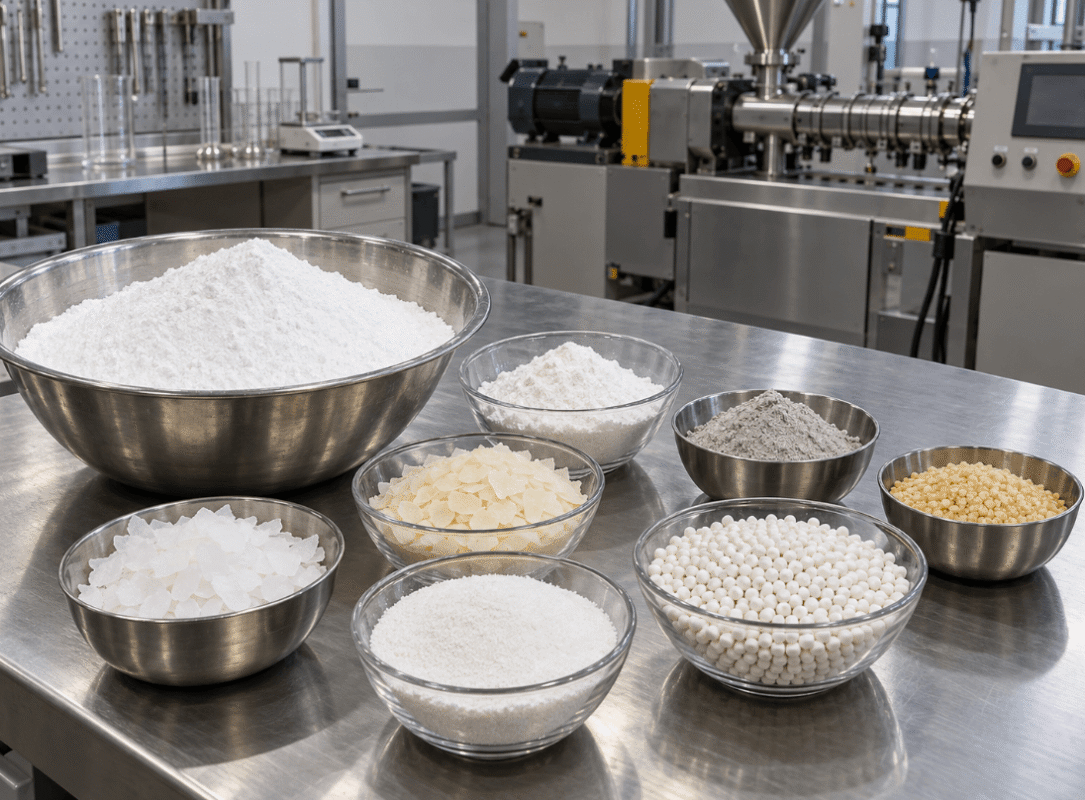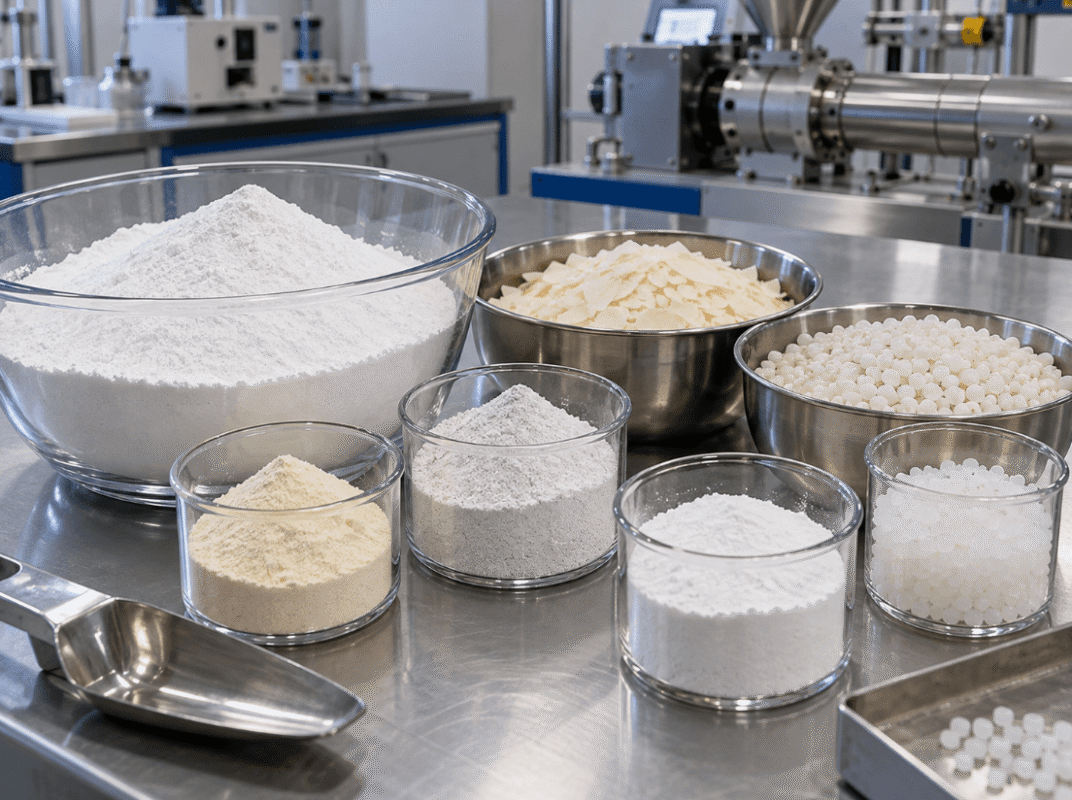

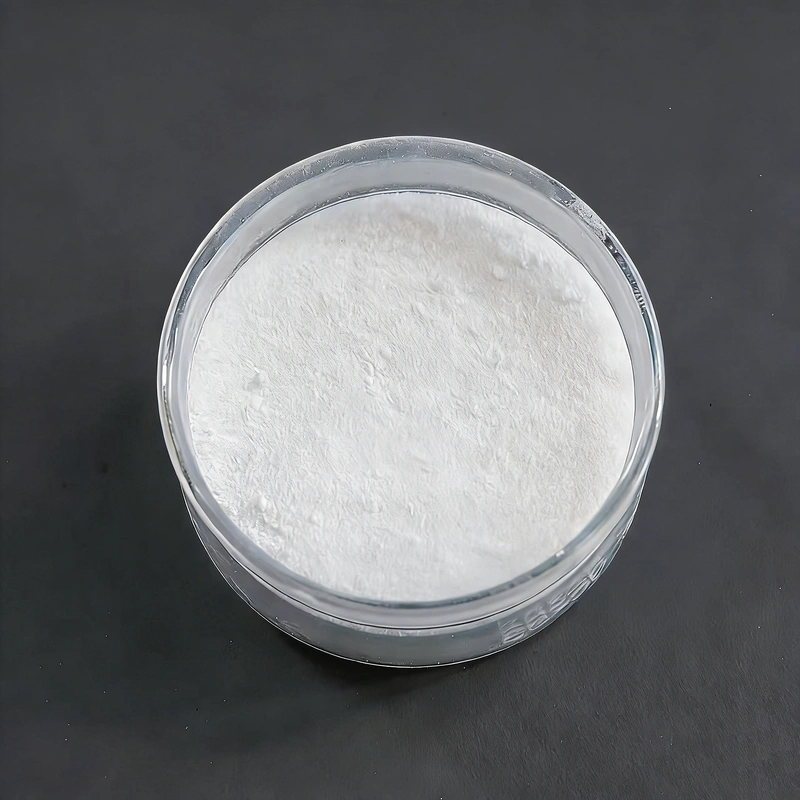
Polyvinyl Chloride (PVC) is a versatile polymer used in countless industrial applications. However, processing raw PVC resin is often challenging due to its high melt viscosity. Manufacturers rely on specific additives to improve flow and prevent degradation. Pe wax is one of the most effective external lubricants used in the plastic industry today.
This synthetic material helps regulate the fusion process of the PVC compound. It ensures that the plastic melt does not stick to the hot metal surfaces of the machinery. By reducing friction, pe wax allows for smoother extrusion and injection molding cycles.
In the following sections, we will explore why this additive is essential for high-quality production. We will also examine the technical data that supports its performance. Understanding these properties helps engineers optimize their formulations for better cost-efficiency.
What Is the Function of PE Wax in PVC?
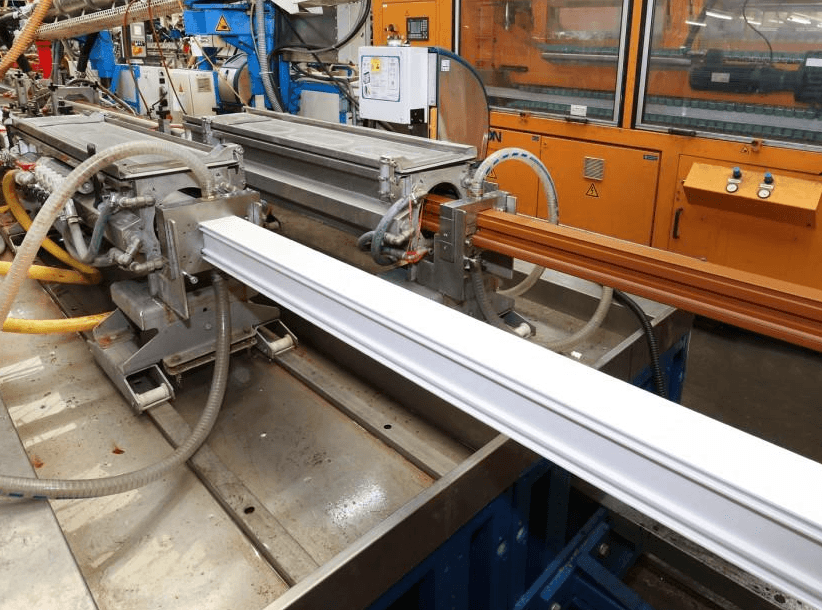
The primary role of pe wax in PVC processing is to act as an external lubricant. Unlike internal lubricants, it has limited compatibility with the PVC polymer matrix. This lack of compatibility causes the wax to migrate to the surface of the melt.
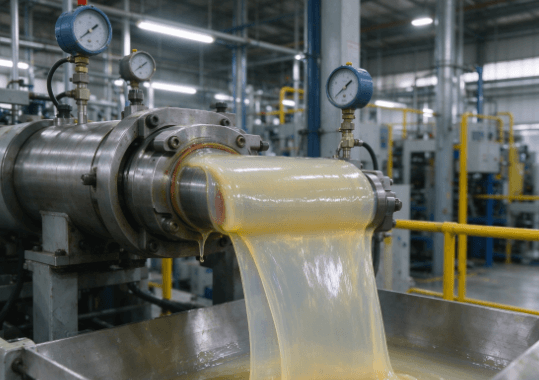
Once at the surface, it forms a thin, protective film between the PVC and the metal mold. This film significantly reduces the shear heat generated during the extrusion process. Without this lubrication, the PVC could overheat and undergo thermal decomposition.
Properly applied pe wax also controls the gelation time of the polymer. It delays the fusion of PVC particles until they reach the ideal temperature zone. This control ensures that the final product has a uniform internal structure and high mechanical strength.
Key Performance Benefits of PE Wax
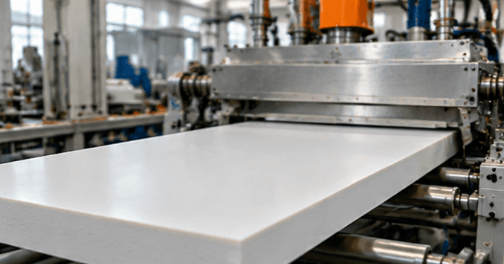
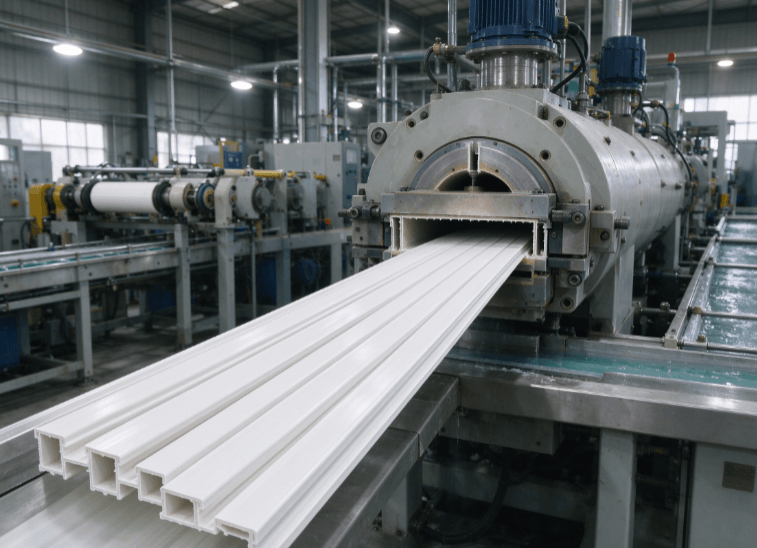
One of the most visible advantages of using pe wax is the improved surface finish. It provides a high-gloss appearance to finished goods like PVC pipes and profiles. This aesthetic quality is often a requirement for consumer-facing plastic products.
Beyond appearance, this additive increases the overall production output. By reducing the torque required by the extruder motor, it lowers energy consumption. Manufacturers often report an increase in line speed when using high-quality pe wax grades.
Furthermore, it enhances the thermal stability of the entire PVC compound. It works synergistically with heat stabilizers to prevent yellowing or spotting. This results in fewer rejected batches and lower material waste during long production runs.
| Property | Typical Value Range | Impact on PVC |
| Softening Point | 100°C – 110°C | Determines heat resistance |
| Viscosity | 10 – 20 cps | Affects flow and lubrication |
| Density | 0.91 – 0.95 g/cm³ | Influences dispersion quality |
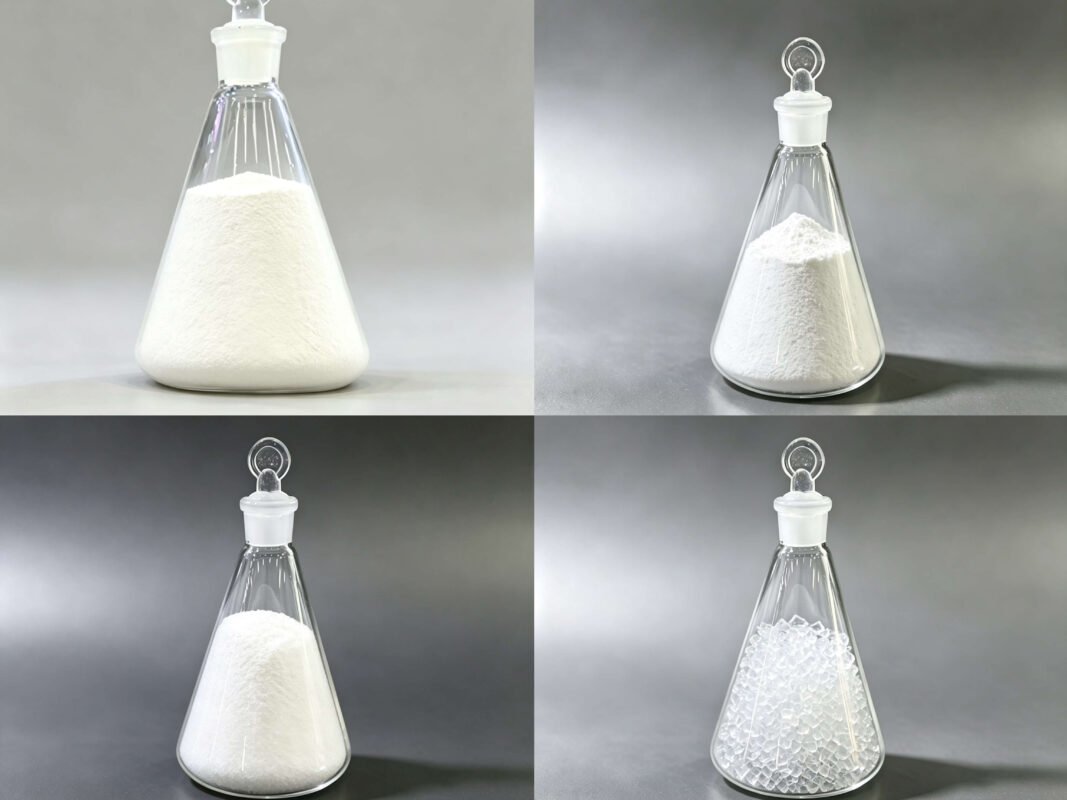
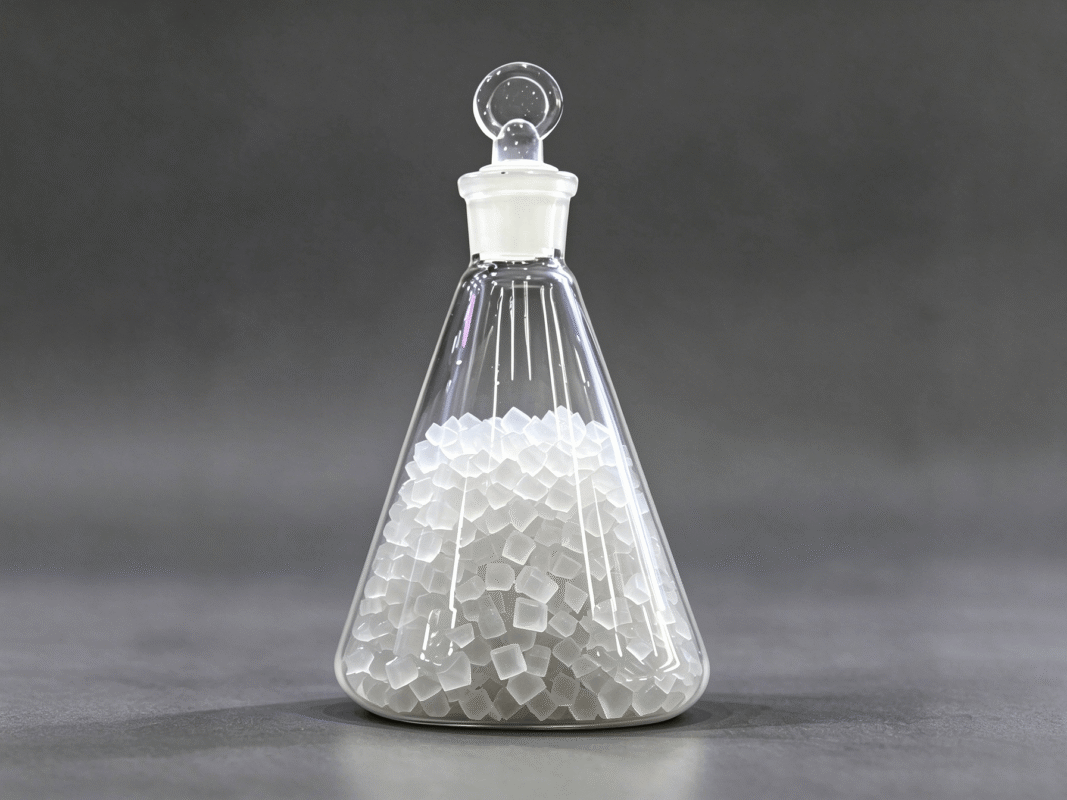
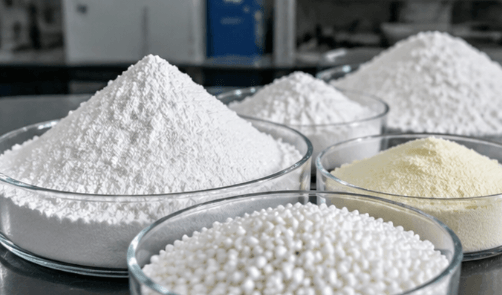
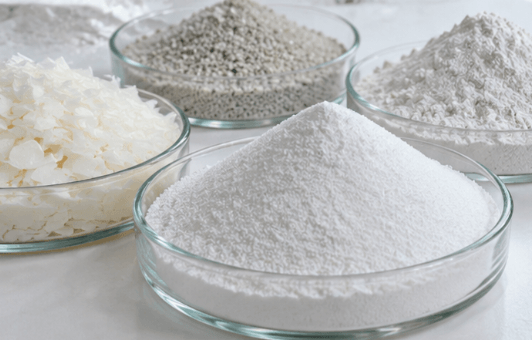
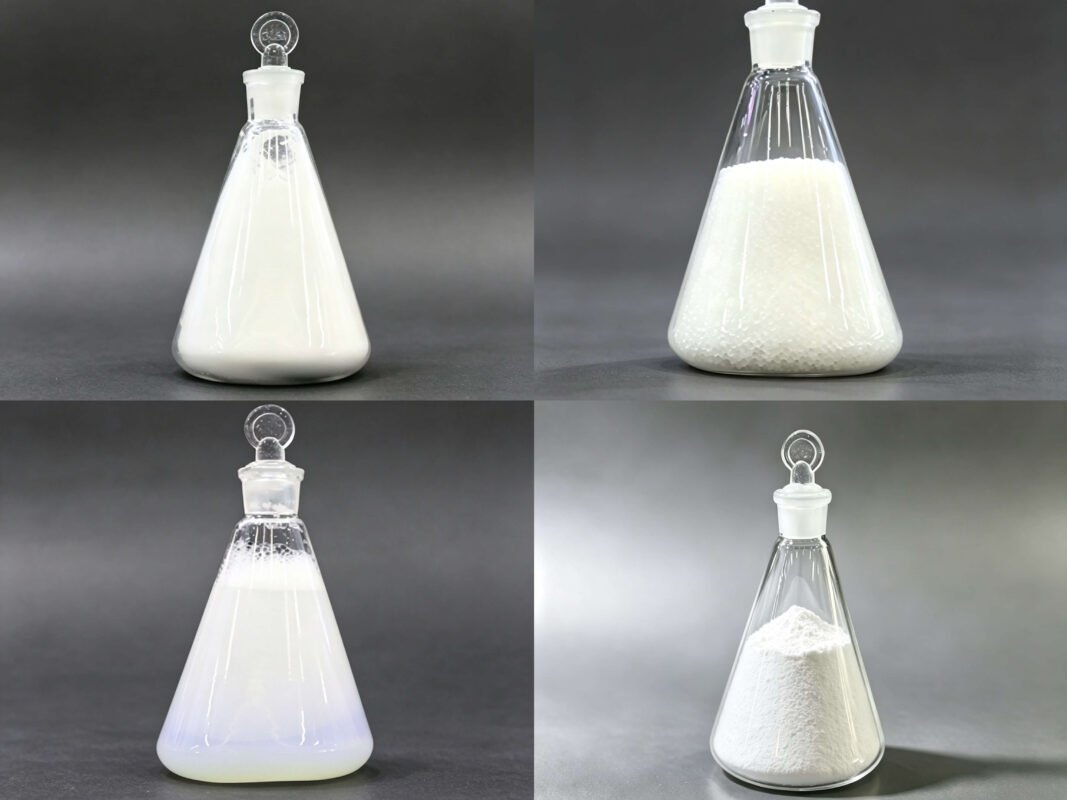
| Appearance | White Powder/Flake | Ensures color neutrality |
Technical Parameters for PVC Lubrication
The effectiveness of pe wax depends heavily on its molecular weight and melting point. A higher softening point generally provides better lubrication at high processing temperatures. Most industrial grades, such as MK-103, feature a softening point of 100-105°C.
Viscosity is another critical factor for determining lubricant performance. Low-viscosity waxes spread more quickly across the metal-polymer interface. For instance, a viscosity of 10-15 cps at 140°C is often ideal for PVC pipe extrusion.
Density also plays a role in how the wax interacts with other additives. Most PE waxes have a density ranging from 0.91 to 0.95 g/cm³. This allows the wax to blend easily with stabilizers and fillers without separating.
Selecting High-Quality PE Wax for Production
Choosing the right grade of pe wax requires a deep understanding of your machinery. Not all waxes perform the same way in every extrusion setup. You must match the wax properties to your specific temperature and pressure requirements.
The purity of the wax is a vital factor to consider during selection. Impurities can lead to “plate-out,” where residues build up on the extrusion die. This build-up causes surface defects and forces frequent cleaning shutdowns.
It is important to evaluate the viscosity and melting point relative to your PVC formulation. A wax that melts too early may cause slippage in the feeder. Conversely, a wax that melts too late will not provide enough lubrication.
When assessing a product like MK-103 Polyethylene Wax, look for consistent particle size. A fine powder form ensures that the lubricant is evenly distributed throughout the dry blend. This consistency leads to more predictable results during the final shaping process.
Summary
In conclusion, pe wax is a vital component for successful PVC processing and manufacturing. It functions as a powerful external lubricant that prevents sticking and reduces friction. By optimizing fusion and improving surface gloss, it adds significant value to the final product. Selecting the correct grade based on viscosity and softening point ensures maximum production efficiency.
FAQ
Q:How does PE wax affect the color of PVC products?
High-quality pe wax is chemically inert and does not change the color of the PVC melt. It can actually improve color consistency by preventing thermal degradation and localized burning.
Q:Can PE wax be used in both rigid and flexible PVC?
Yes, it is suitable for both types of PVC processing. In rigid PVC, it primarily aids in lubrication, while in flexible PVC, it helps with mold release and surface smoothness.
Q:What is the recommended dosage of PE wax in a PVC formulation?
The dosage typically ranges between 0.2% and 1.0% by weight of the total resin. The exact amount depends on the complexity of the profile and the specific extrusion speed.
Q:Does PE wax improve the water resistance of PVC?
While its primary role is lubrication, the wax layer can slightly enhance the hydrophobic properties of the surface. This can be beneficial for outdoor PVC applications like window frames or drainage pipes.
Reference Sources
Plastics Industry Association (PLASTICS)
https://www.plasticsindustry.org/
American Chemistry Council (ACC)
https://www.americanchemistry.com/
British Plastics Federation (BPF)
https://www.bpf.co.uk/
SpecialChem – The Material Selection Platform
https://www.specialchem.com/