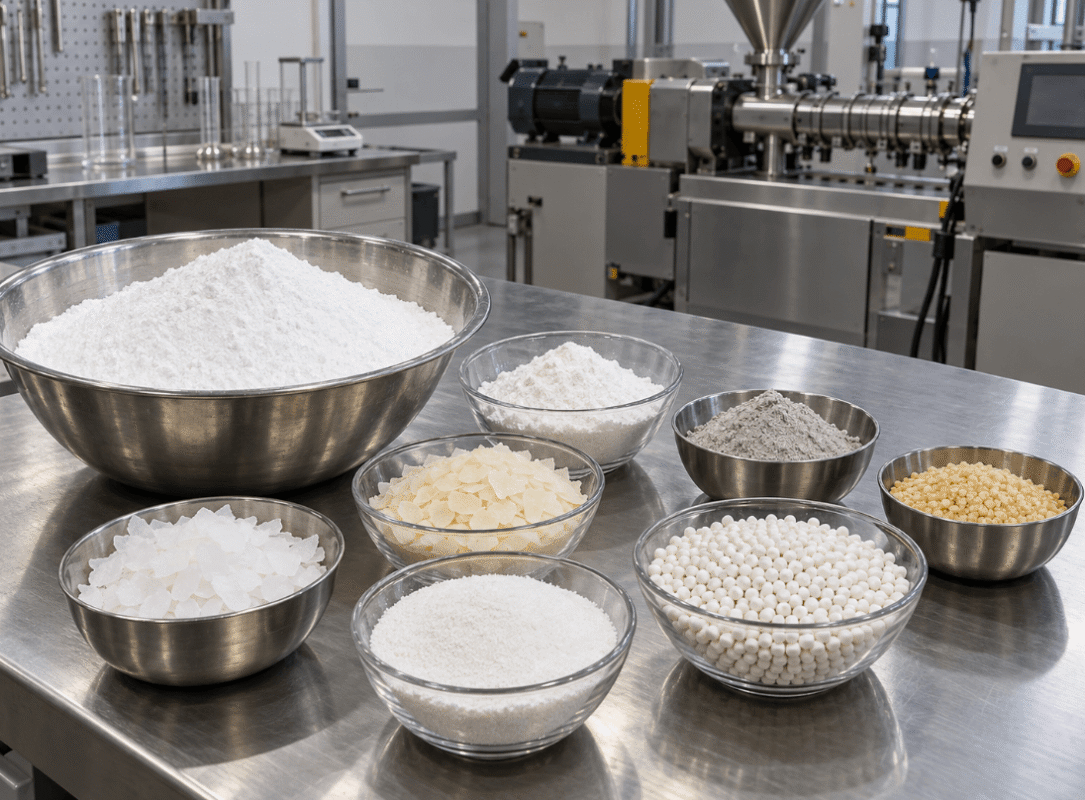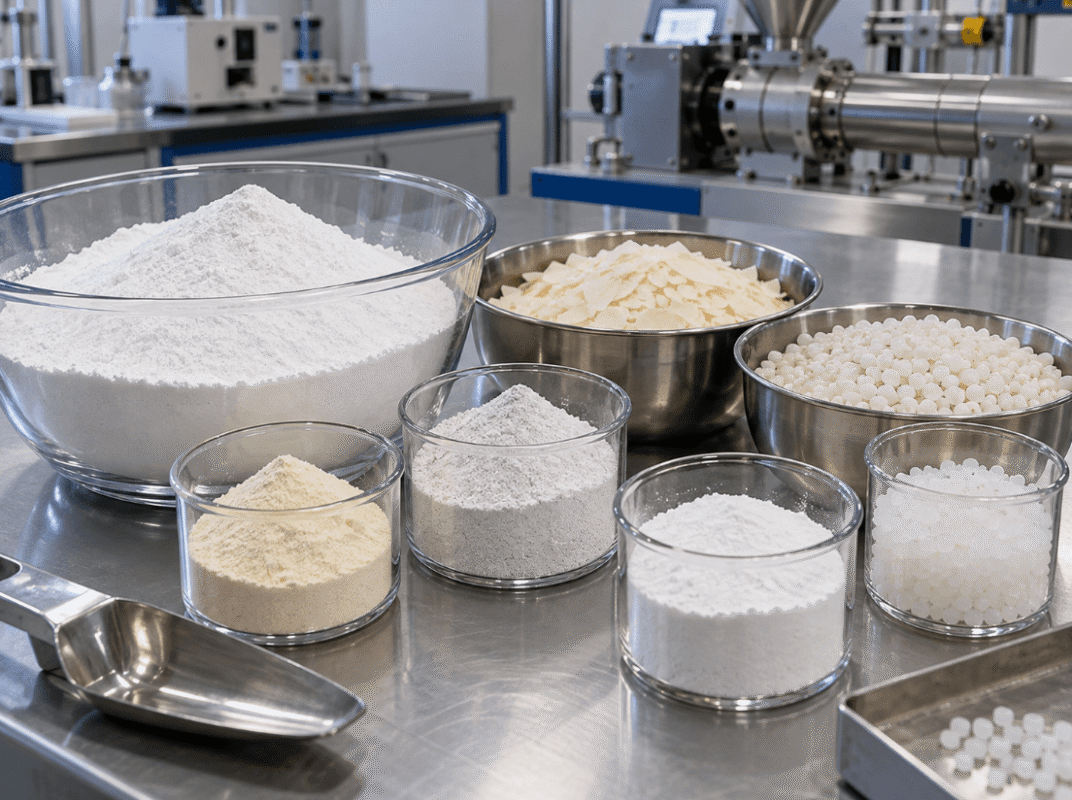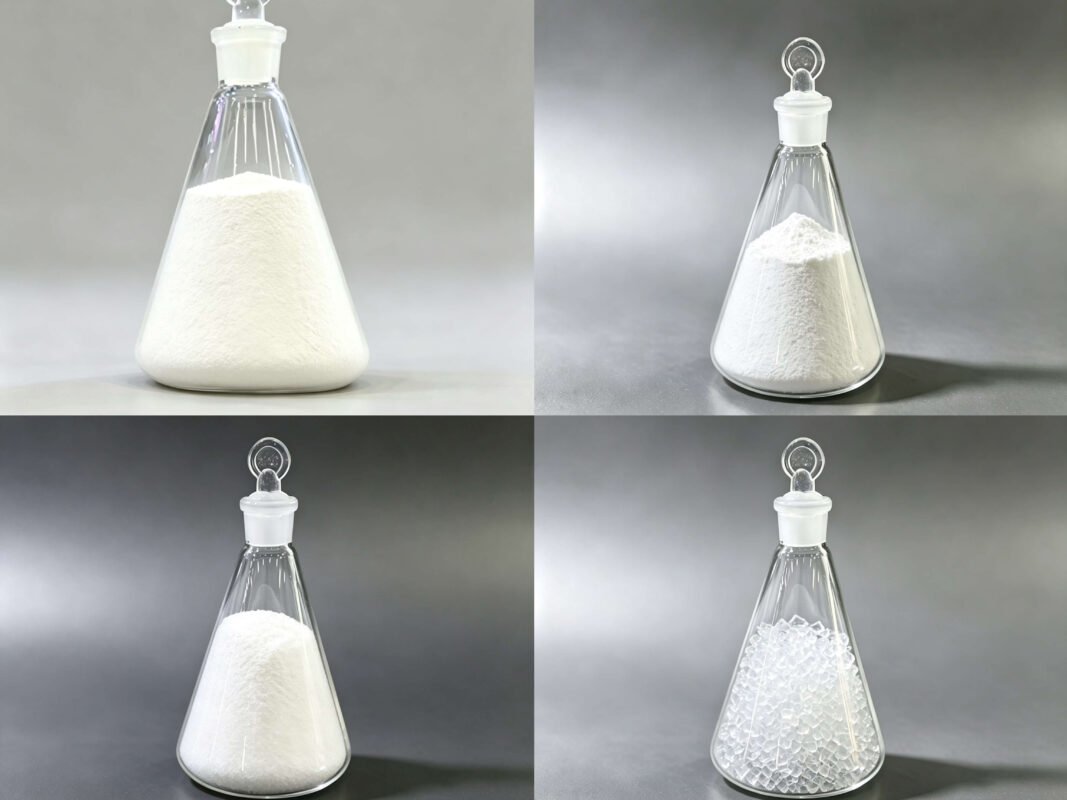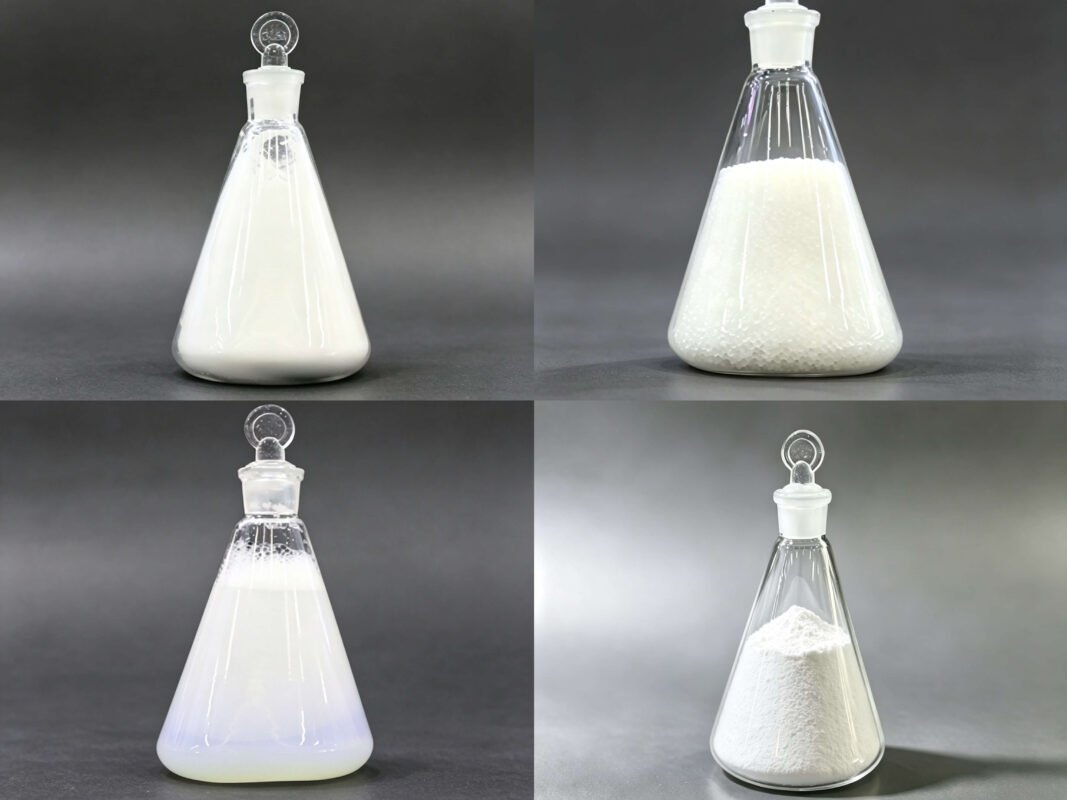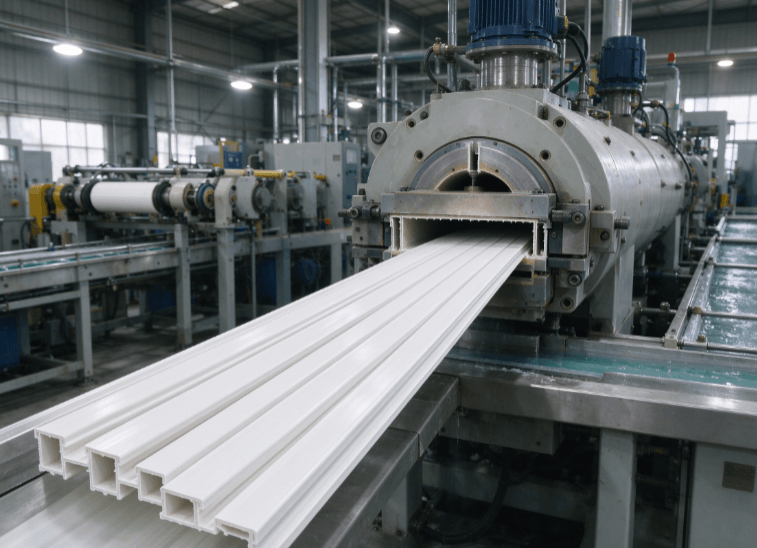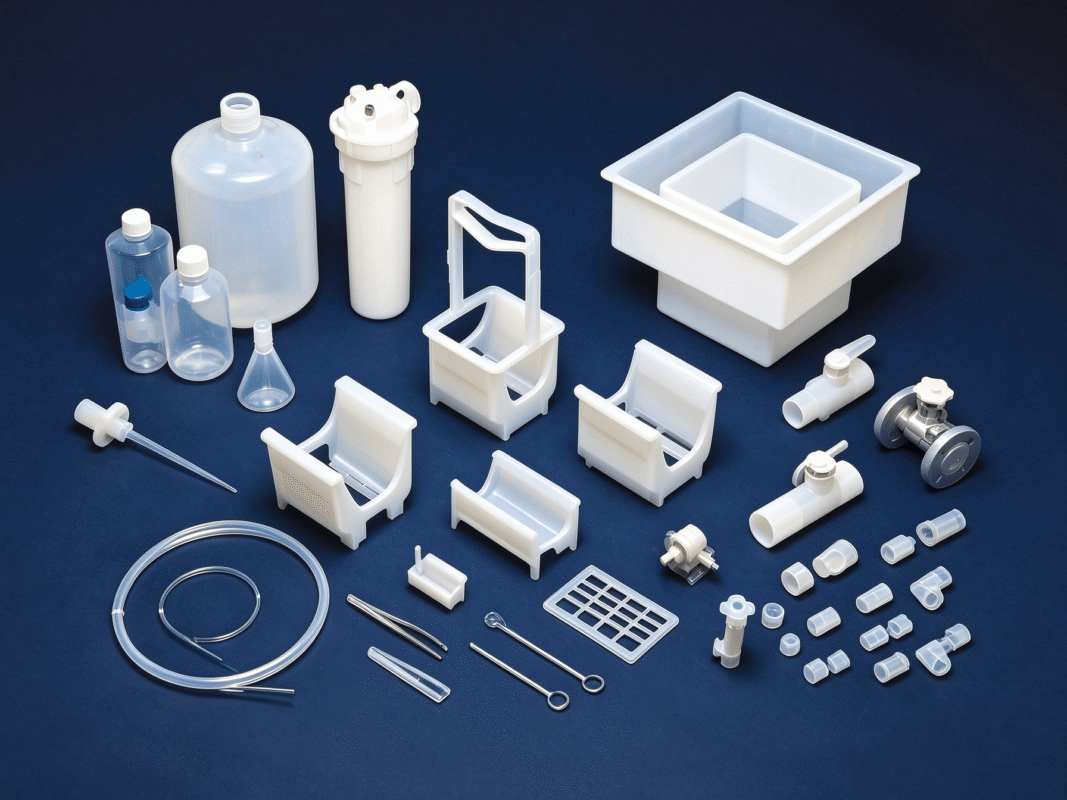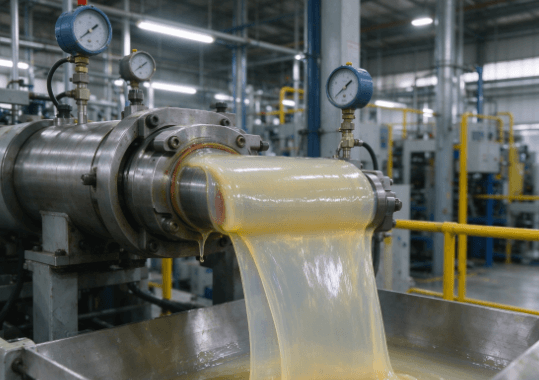

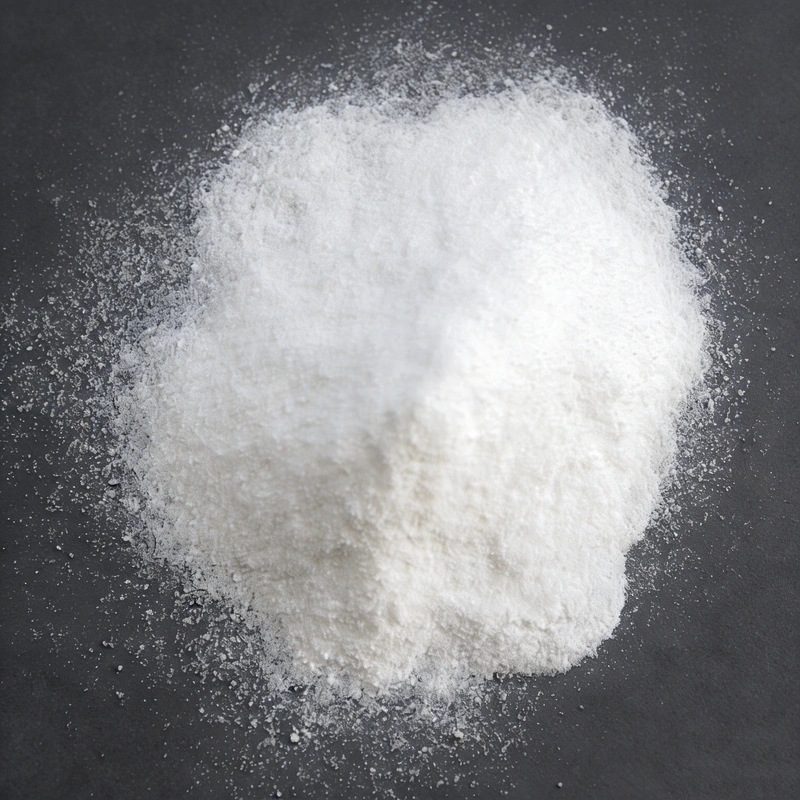
Polyvinyl Chloride (PVC) is a versatile polymer used in construction and medical industries. However, raw PVC resin is thermally unstable and difficult to process. It requires specific additives to flow correctly through extrusion and injection molding equipment. Lubricants are among the most critical additives in any PVC formulation.
Choosing the right internal lubricant pvc additive ensures the material reaches the correct viscosity. Without these additives, the polymer chains would create excessive internal friction. This friction leads to localized overheating and rapid material degradation. Conversely, external lubricants prevent the hot melt from sticking to the metal surfaces of the machinery.
Manufacturers must balance these two types of lubrication to achieve a high-quality finish. A lack of balance causes defects like “plate-out” or surface burning. This guide explains the technical distinctions between internal and external lubricants. We will also explore how to optimize your PVC formulation for maximum efficiency.
What is the Difference Between Internal and External PVC Lubricants?
The primary difference lies in the compatibility of the lubricant with the PVC polymer matrix. Internal lubricant pvc agents are partially compatible with the PVC resin. They contain polar groups that allow them to penetrate between the long polymer chains. Once inside, they act as a molecular “spacer” that reduces inter-molecular friction.
Internal lubricants primarily lower the melt viscosity of the compound. This reduction in viscosity allows the material to flow more easily at lower temperatures. Common examples include fatty acid esters and certain polar waxes. These materials help achieve faster fusion times during the initial heating phase.
In contrast, external lubricants are largely incompatible with the PVC matrix. Because they are non-polar, they migrate to the surface of the melt during processing. This migration creates a thin, slippery film between the polymer and the metal equipment. This film prevents the material from sticking to the screw, barrel, or die surfaces.
| Characteristic | Internal Lubricant | External Lubricant |
| Primary Function | Reduces inter-molecular friction | Reduces melt-to-metal friction |
| Effect on Viscosity | Significantly decreases viscosity | Minimal effect on viscosity |
| Fusion Impact | Promotes and shortens fusion time | Delays fusion time |
| Compatibility | Partially compatible (Polar) | Incompatible (Non-polar) |
| Common Materials | Fatty acid esters, fatty alcohols | Paraffin wax, PE wax, Stearic acid |
How Internal Lubricant PVC Influences Melt Flow and Stability
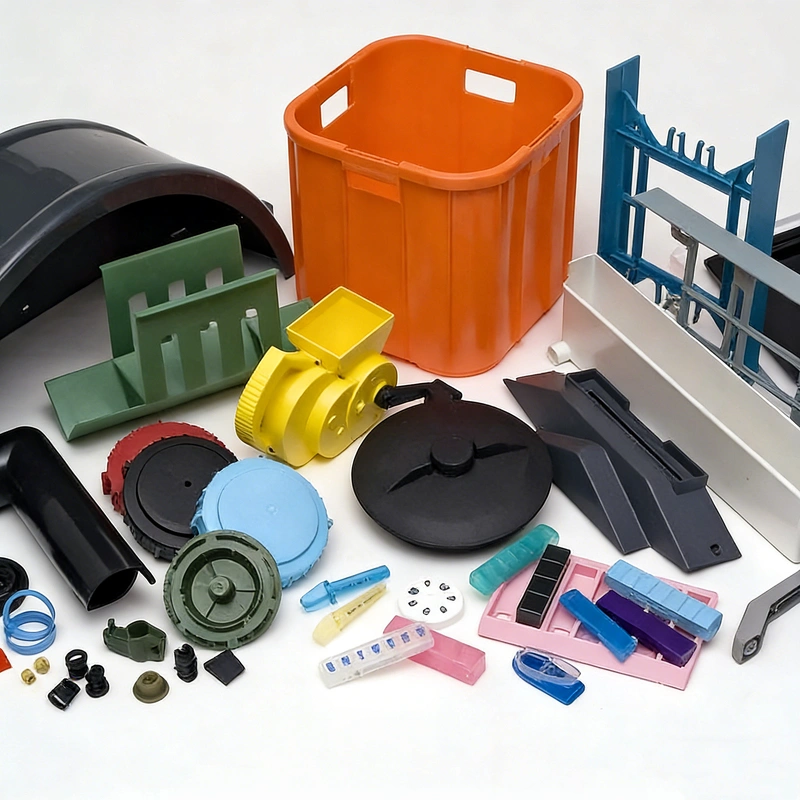
The addition of an internal lubricant pvc component directly affects the torque during extrusion. Scientific studies show that adding 0.5 parts per hundred resin (phr) of an internal lubricant can reduce melt torque by 15-20%. This reduction saves energy and prevents the polymer from shearing too aggressively.
Internal lubricants also influence the thermal stability of the final product. By reducing internal friction, the lubricant minimizes the heat generated by the polymer itself. This “frictional heat” is often higher than the heat provided by the machine heaters. Controlling this heat prevents the early release of hydrochloric acid (HCl) from the PVC.
High-performance internal lubricants must maintain their efficiency across a wide temperature range. Typical PVC processing occurs between 170°C and 200°C. If a lubricant has a low boiling point, it may volatilize, causing bubbles or voids. Therefore, choosing a lubricant with high thermal stability is essential for rigid PVC applications.
The Synergistic Effect of Lubricant Balancing
Achieving the perfect “lubricant balance” is the most challenging task for a PVC formulator. If a formulator uses too much internal lubricant pvc, the melt strength decreases. Low melt strength leads to sagging in large pipe extrusions or poor structural integrity in profiles. It can also cause the material to fuse too early in the barrel.
Excessive external lubrication is equally problematic for the production line. High levels of paraffin or non-polar waxes delay fusion significantly. If the material does not fuse properly before reaching the die, the product will be brittle. Unfused PVC particles act as stress concentrators, reducing the impact strength of the finished part.
Modern formulations often utilize “one-pack” systems or multifunctional lubricants to simplify this balance. These additives contain a blend of both polar and non-polar components. They ensure that the transition from a solid powder to a homogenous melt is smooth. Proper balancing typically targets a fusion time of 60 to 180 seconds in a torque rheometer test.
Choosing High-Performance Lubricants for Demanding Applications
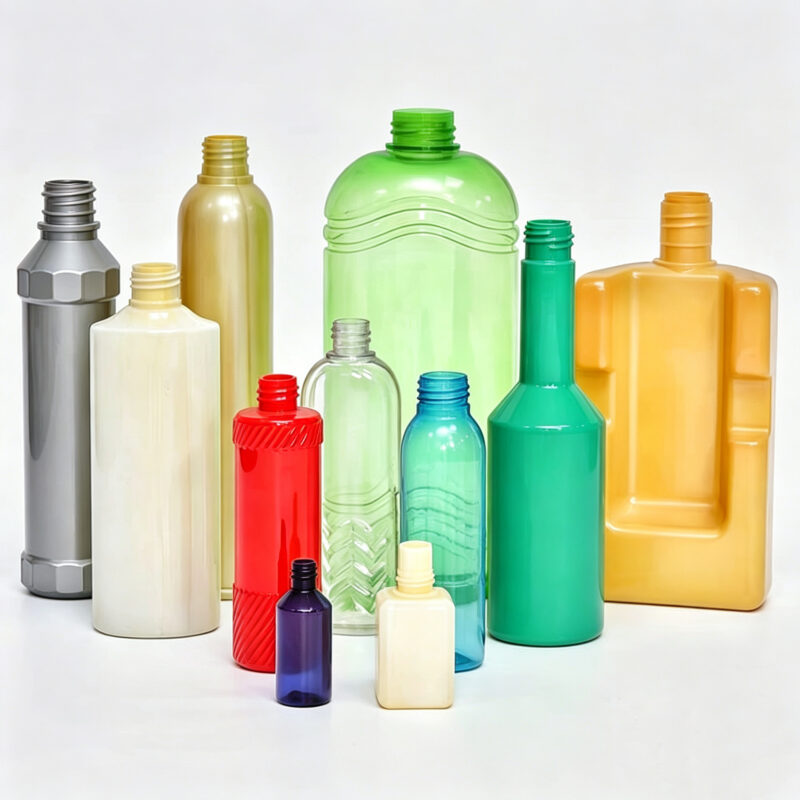
Selecting the right additive requires understanding the specific demands of your processing equipment. For high-speed extrusion, standard waxes may not provide enough metal release. High-density oxidized polymer lubricants are often preferred for these intensive environments. These materials offer a unique combination of external lubrication and improved surface gloss.
When judging whether a lubricant is suitable, consider the softening point and viscosity. A high softening point (above 130°C) ensures the lubricant remains effective at the peak temperatures of the die. Furthermore, check for “plate-out” resistance. Plate-out occurs when additives deposit on the die lip, causing surface streaks and requiring frequent cleaning.
A superior choice for rigid PVC and wood-plastic composites is a high-temperature oxidized polymer lubricant. These products, such as MK-880A, act as efficient metal release agents while improving pigment dispersion. They are particularly effective in formulations that use high filler loadings, such as calcium carbonate. High-density oxidized polyethylene (OPE) wax helps maintain a high output rate without sacrificing the visual quality of the product.
Why MK-880A is a Standard for High-Temperature Processing
High-temperature processing requires additives that do not degrade or lose their functional properties. The MK-880A High Temperature Oxidized Polymer Lubricant is designed for these exact conditions. It serves as a specialized processing aid that enhances the surface finish of PVC sheets and profiles. Because it is an oxidized polymer, it has better compatibility than standard PE wax while still providing excellent metal release.
This product is especially useful in preventing the “sticking” phenomenon in high-torque twin-screw extruders. It helps stabilize the melt flow, which is critical for maintaining consistent wall thickness in pipes. By choosing a high-density OPE wax like MK-880A, manufacturers can reduce downtime caused by equipment cleaning. This leads to higher overall equipment effectiveness (OEE) in the factory.
Summary
The distinction between internal and external lubrication is vital for successful PVC processing. An internal lubricant pvc additive reduces molecular friction to lower viscosity, while external lubricants prevent metal adhesion. Balancing these two ensures optimal fusion, high surface gloss, and mechanical strength. Utilizing high-performance OPE waxes like MK-880A provides the thermal stability needed for modern, high-speed manufacturing.
FAQ
Q:What happens if I use too much internal lubricant in PVC?
Using excessive internal lubricant lowers the melt strength and can cause the PVC to fuse too early in the extruder. This often results in a finished product with poor mechanical properties and structural instability.
Q:Can one additive function as both an internal and external lubricant?
Yes, certain additives like oxidized polyethylene (OPE) wax possess both polar and non-polar characteristics. They primarily act as external lubricants but can also improve dispersion and flow, providing a dual-purpose effect.
Q:How does internal lubricant pvc affect the transparency of clear PVC?
An internal lubricant must be highly compatible with the PVC resin to maintain transparency. If the lubricant is not well-dispersed or has a different refractive index, it may cause haziness or “blushing” in the clear plastic.
Q:What is the typical dosage for lubricants in PVC formulations?
Most PVC formulations use between 0.1 and 1.5 parts per hundred resin (phr) for lubricants. The exact amount depends on whether the application is rigid or flexible and the specific processing method used.
Reference Sources
- Specialchem: “Lubricants for PVC: Internal vs External” – https://polymer-additives.specialchem.com/
- Vinyl Plus (The European PVC Excellence Programme): “Additives in PVC” – https://vinylplus.eu/
- British Plastics Federation (BPF): “Polyvinyl Chloride PVC” – https://www.bpf.co.uk/