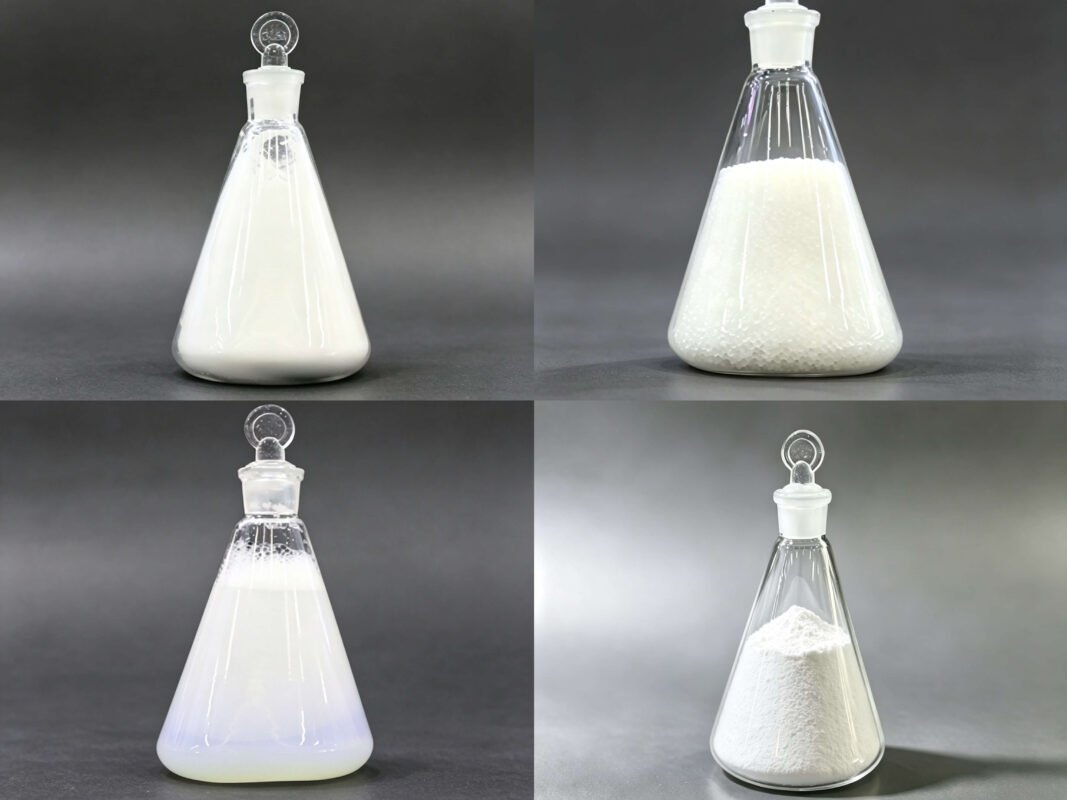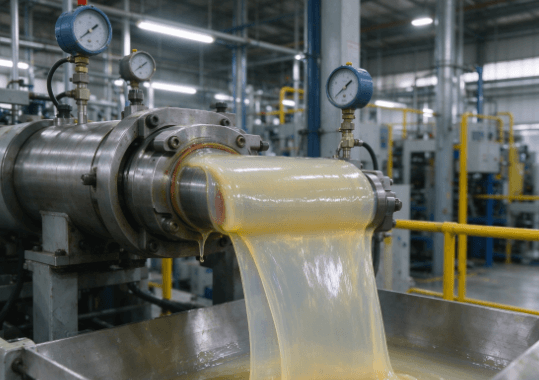

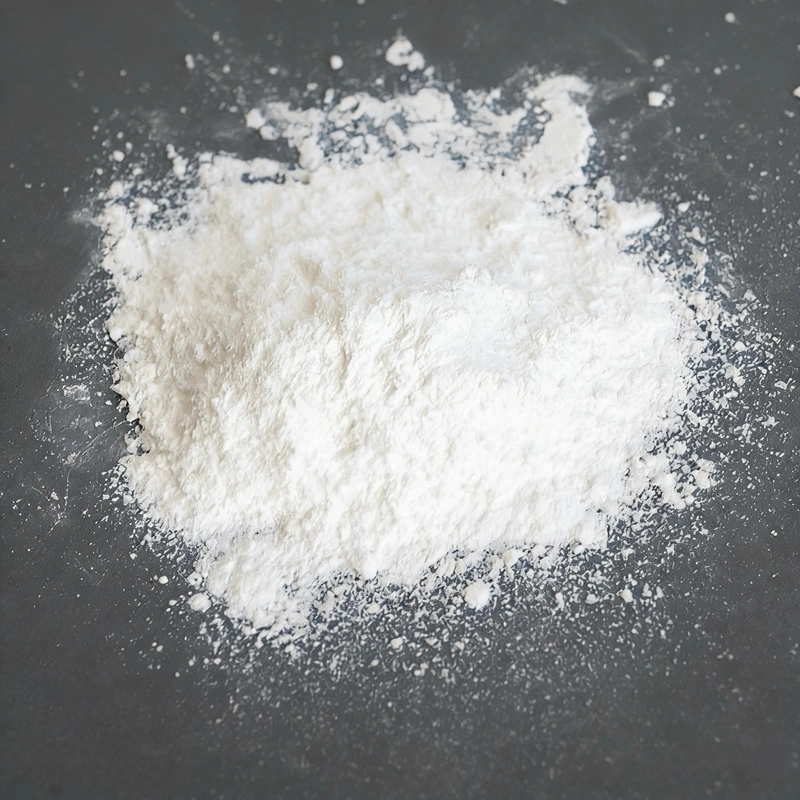
Polyvinyl chloride (PVC) is a widely used plastic known for its versatility and cost-effectiveness. However, due to its inherent instability, PVC is prone to degradation when exposed to heat, light, and other environmental factors. Consequently, stabilizers must be added to enhance PVC’s stability and durability. Among these, lead stabilizers and calcium-zinc stabilizers are the most widely utilized. Historically, lead stabilizers were the most prevalent choice due to their low cost; however, concerns regarding toxicity have led many regions to gradually phase them out. Calcium-zinc stabilizers have since emerged as the leading eco-friendly alternative. In this blog post, we will explore the definitions, properties, and application areas of both lead and calcium-zinc stabilizers, as well as the key differences between them.
Lead Stabilizers
To enhance the performance of PVC and prevent its degradation caused by environmental factors—such as heat and light—a chemical substance known as a lead stabilizer is added to the material, thereby ensuring its integrity and functionality.
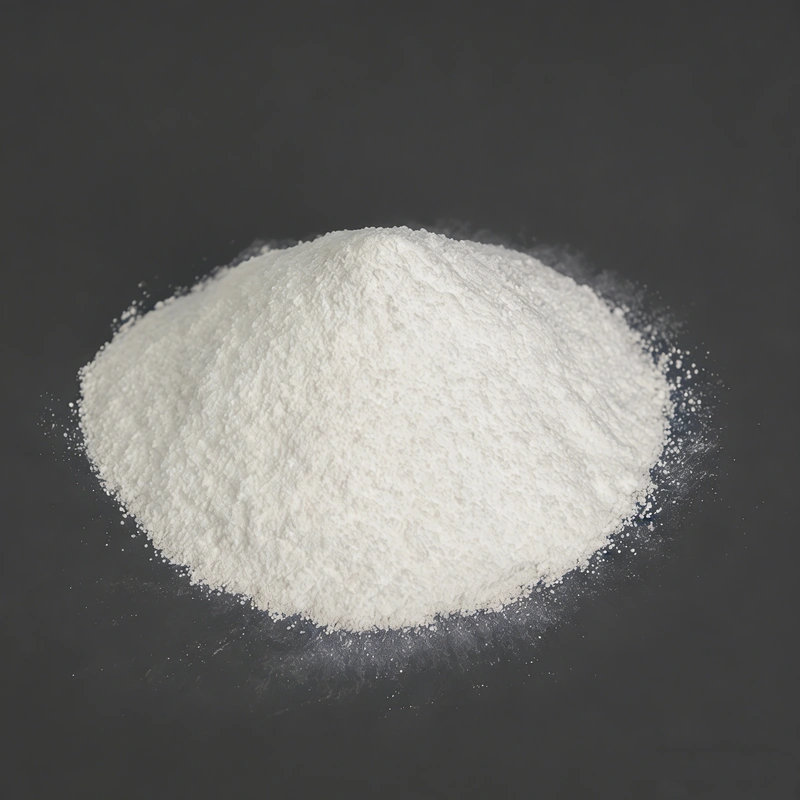
Characteristics of Lead Stabilizers
Thermal Stability: During the manufacturing process, PVC is exposed to high-temperature environments, which can lead to material degradation. Lead stabilizers are capable of absorbing this heat, thereby preventing thermal degradation.
Light Stability: Ultraviolet (UV) radiation from sunlight can cause severe damage to PVC, resulting in embrittlement, discoloration, and a decline in mechanical strength. Lead stabilizers provide light stability by absorbing this harmful UV radiation.
Applications of Lead Stabilizers
Lead stabilizers are widely used in various PVC products due to their effective stabilizing properties. The following are some common applications:
- Pipes and Fittings: Widely utilized in water supply, irrigation, and drainage systems. Lead stabilizers enhance the heat resistance and durability of these products, ensuring that their performance does not degrade under conditions of high temperature and high pressure.
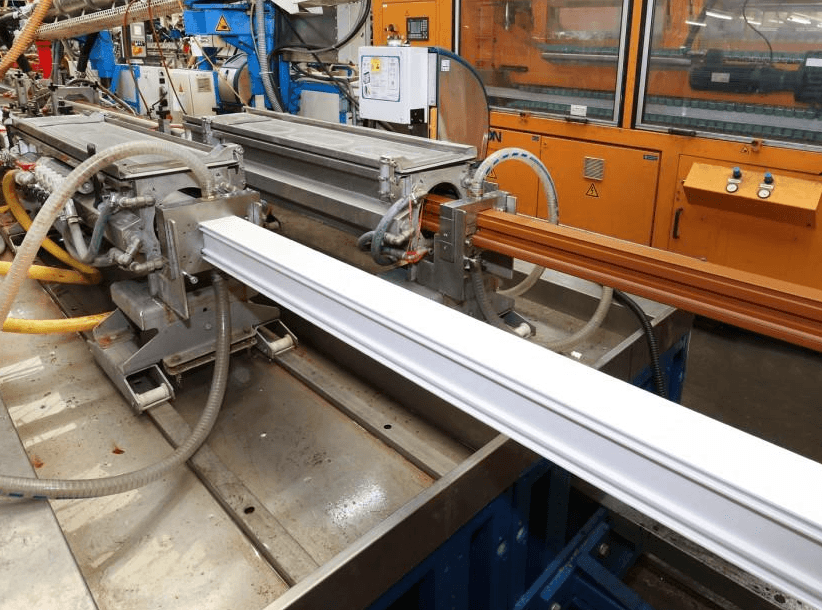
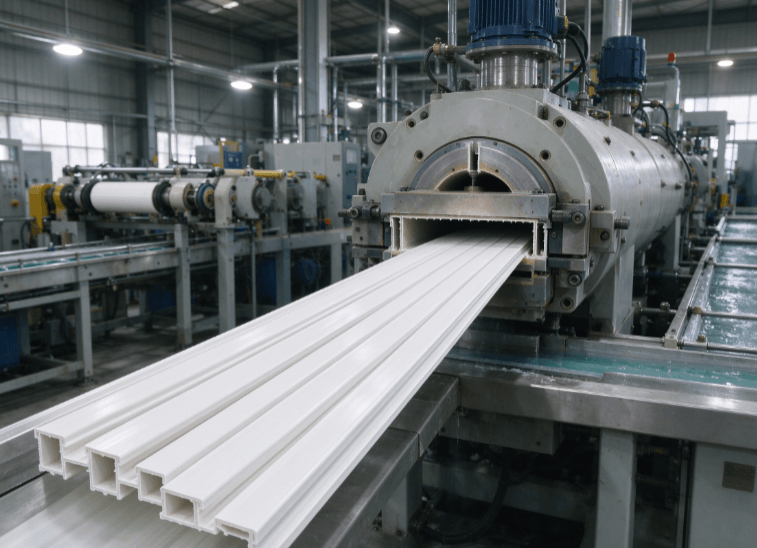
- Door and Window Profiles: In the construction industry, PVC has become a commonly used material for door and window profiles due to its weather resistance and low maintenance costs. Lead stabilizers protect these products from UV radiation, ensuring their durability and helping them retain their vibrant colors over time.
- Cables and Wires: Commonly used for the insulation of cables and wires. Lead stabilizers impart excellent electrical insulation properties, rendering these products safe and reliable for a wide range of electrical applications.
- Flooring and Wall Decoration: PVC flooring and wall coverings are highly favored for their durability and ease of maintenance. Lead stabilizers extend the service life of these products, ensuring they can withstand frequent use and exposure to cleaning agents without sustaining damage.
- Automotive Components: In the automotive industry, they are utilized in the manufacturing of various components, including dashboards, door panels, and trim strips. Lead stabilizers enhance the heat resistance and durability of these parts, ensuring they perform exceptionally well even under the rigorous operating conditions of an automobile.
Depending on specific performance requirements, different applications may necessitate distinct types of lead stabilizers—for instance, to enhance heat resistance, UV protection, or electrical insulation properties. Furthermore, lead stabilizers can be utilized in conjunction with other auxiliary agents; for example, MK-201 is formulated through the compound processing of various functional lead salts and high-efficiency additives, thereby offering a balanced blend of internal and external lubrication properties alongside exceptional thermal stability. Its dispersibility, compatibility, lubricity, and thermal stability within PVC resins all surpass those of traditional powdered monomeric lead salts, and it generates no airborne dust during processing. When used in combination with titanium dioxide (TiO₂), it allows for a reduction in the required dosage of UV absorbers and antioxidants, delivering outstanding overall cost-effectiveness, superior processing performance, and compatibility with a wide range of PVC processing techniques.
Calcium-Zinc Stabilizers
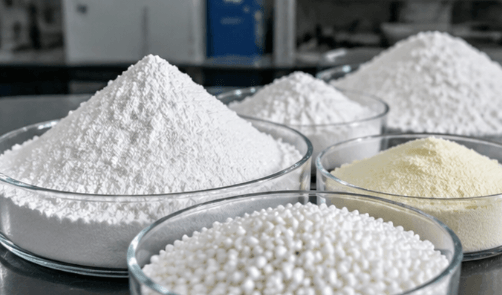
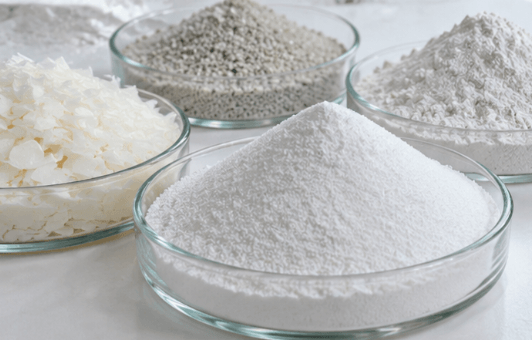
Calcium-zinc stabilizers are mixtures of calcium and zinc used to maintain the stability of PVC and other polymers when subjected to heat. During the manufacturing process, PVC is exposed to heat, which can lead to its degradation and the release of hydrochloric acid; calcium-zinc stabilizers neutralize this acid, thereby preventing the decomposition of the PVC. These stabilizers offer numerous advantages, including being environmentally friendly, non-toxic, and highly effective at stabilization.
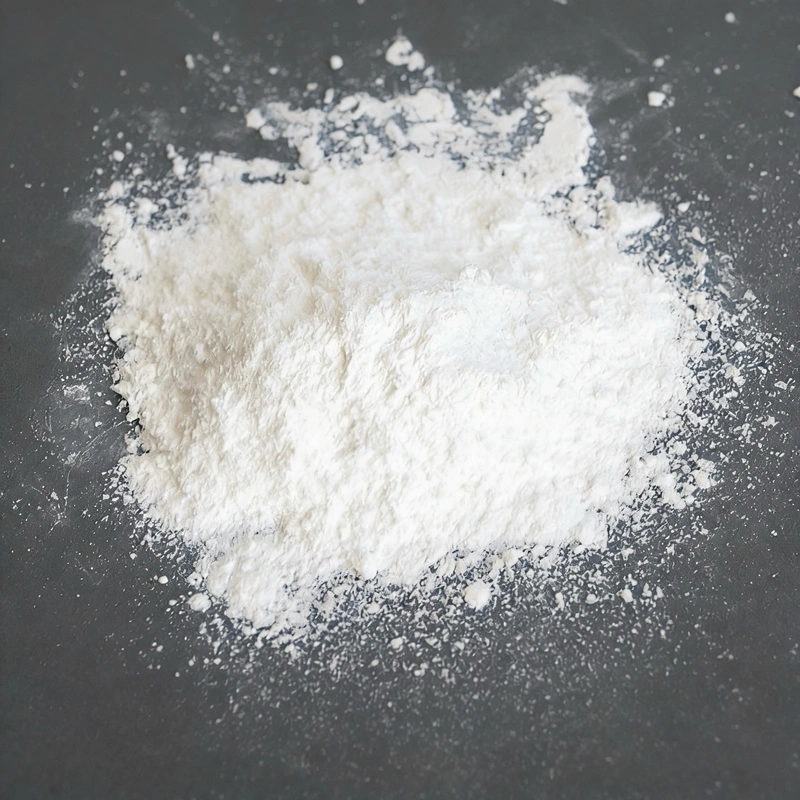
Characteristics of Ca-Zn stabilizers
Thermal Stability: Possessing exceptional thermal stability, these stabilizers enable materials to remain stable at elevated processing temperatures without undergoing significant degradation.
Compatibility: They exhibit excellent compatibility with a wide range of additives and raw materials, allowing for the customization of PVC products to meet specific requirements.
Weather Resistance: Calcium-zinc stabilizers impart superior weather resistance to PVC products, protecting them from degradation caused by ultraviolet radiation, moisture, and other environmental factors.
The Diversified Applications of Ca-Zn stabilizers
Calcium-zinc stabilizers are an indispensable component in the manufacturing process of PVC products; due to their advantages of safety and environmental friendliness, they are widely utilized across various industrial manufacturing and application sectors. The following are some of the most common applications of PVC.
- Pipes and Fittings: One of the primary application areas for calcium-zinc stabilizers is the manufacturing of PVC pipes and fittings. These stabilizers exhibit excellent thermal stability and UV resistance, making them highly suitable for outdoor environments; furthermore, they enhance the mechanical properties of PVC pipes and fittings, rendering them more durable and long-lasting.
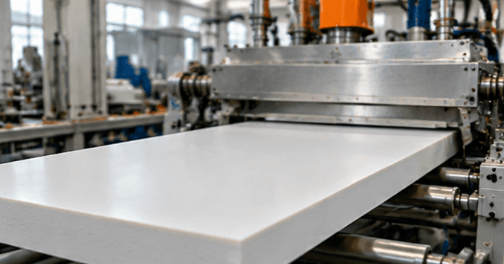
- Profiles and Sheets: Calcium-zinc stabilizers help enhance the durability and impact resistance of PVC, making it suitable for a wide range of outdoor applications—such as PVC profiles and sheets. Furthermore, they impart excellent color retention and stability to the products, ensuring that PVC articles maintain their original appearance even after prolonged use.
- Wires and Cables: Calcium-zinc stabilizers are also utilized in the manufacturing of PVC-insulated wires and cables. They enhance the thermal stability of PVC, thereby meeting the diverse operating temperature requirements inherent in wire and cable applications. Furthermore, they help reduce the emission of smoke and toxic gases in the event of a fire, making them a safe choice for the electrical sector.
- Flooring Materials: During the manufacturing process of PVC flooring products, these stabilizers enhance the material’s mechanical properties, endowing it with superior abrasion resistance and ensuring that the flooring retains its original shape and appearance even after prolonged use. Furthermore, they impart excellent electrical insulation properties to the flooring, making it an ideal choice for commercial and industrial environments.
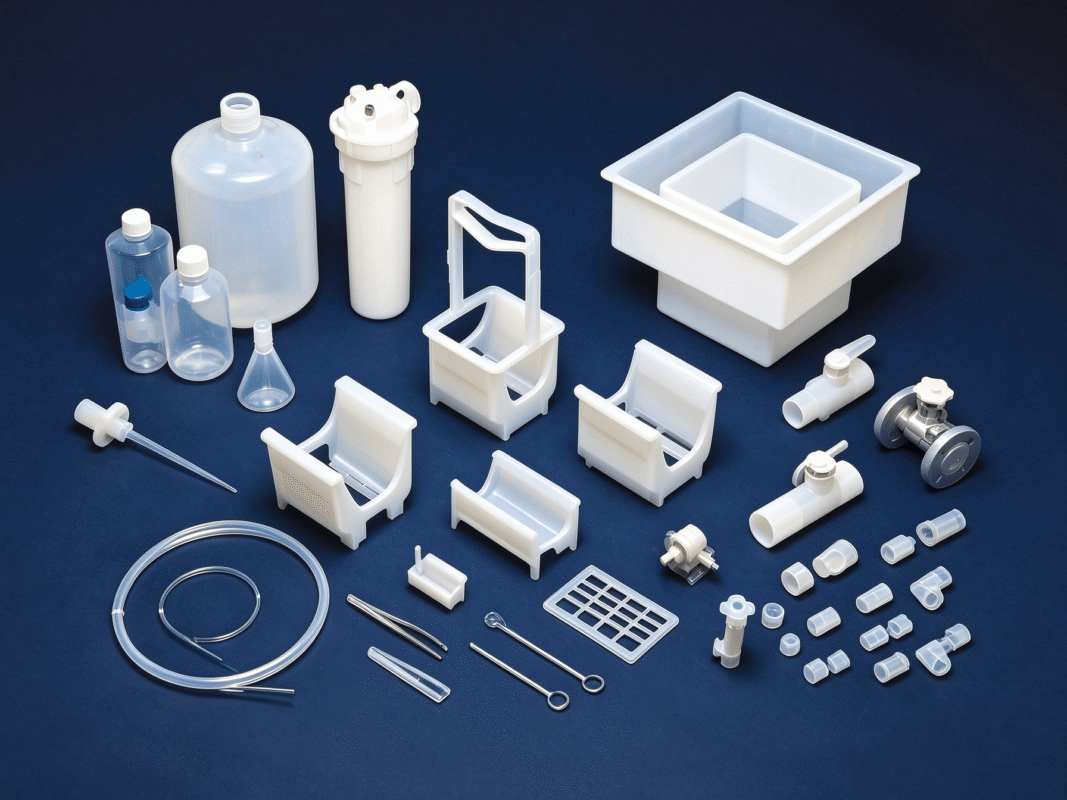
- Medical Devices: Calcium-zinc stabilizers are also suitable for the manufacture of medical devices made from PVC. They exhibit excellent biocompatibility and are free from heavy metals, thereby ensuring safety in use. Their superior thermal stability also effectively extends the service life of the devices. Furthermore, all raw materials utilized in this context are approved for use in medical applications and food-contact environments.
As a critical component in the manufacturing process of PVC products, calcium-zinc stabilizers are frequently used in conjunction with other additives. By utilizing calcium-zinc stabilizers, manufacturers are able to produce high-quality PVC products that are safe, durable, and long-lasting. Depending on specific performance requirements, different applications may necessitate distinct types of calcium-zinc stabilizers—such as those specialized for foaming, high transparency, or cable manufacturing.
Key Differences at a Glance
| Feature | Lead Stabilizers (Pb) | Calcium-Zinc Stabilizers (CaZn) |
| Toxicity | High (Heavy metal; bioaccumulative) | Low (Non-toxic and eco-friendly; safe for food contact) |
| Thermal Stability | Excellent long-term stability | The initial color is good, but its long-term stability is relatively short. |
| Cost | Relatively low | Typically higher |
| Processability | Easy to process; wide processing window | Requires precise control; sensitive to “zinc burn” phenomenon |
| Application Areas | Pipes, cables (usage is on a downward trend) | Children’s toys, medical devices, food packaging, door and window profiles, cables |
| Appearance | Good, but may turn gray over time | Excellent initial whiteness and transparency |
FAQ
Q:Why does PVC contain lead?
PVC itself has poor stability and degrades easily when exposed to heat, light, and other environmental factors. Manufacturers add lead compounds to PVC as stabilizers to enhance its durability and heat resistance, ensure product performance, and extend the product’s service life.
Q:How Did Calcium-Zinc Stabilizers Become So Widely Used?
Calcium-zinc stabilizers were first introduced to the wire and cable industry in the 1970s as an alternative to lead-based stabilizers. However, these early stabilizers were far from perfect, presenting challenges in terms of both color retention and processing efficiency. Through continuous research and technological advancements, these limitations were gradually overcome. Today, modern calcium-zinc stabilizers not only offer excellent color retention and superior processing performance but also possess exceptional thermal stability, making them the preferred choice for PVC applications.
Conclusion
Growing concerns regarding lead toxicity have spurred significant transformations within the industry, driving the development of innovative and safer alternatives to lead-based stabilizers. Calcium-zinc stabilizers—which are free from the health hazards associated with their lead-based counterparts while still offering excellent thermal and light stability—have gained particular popularity. By providing effective stabilization with lower toxicity, they not only deliver superior performance but also embody sustainability and environmental responsibility. The transition from lead-based to calcium-zinc stabilizers serves to enhance product quality while simultaneously helping to safeguard consumer health and mitigate negative environmental impacts. Thanks to their distinct advantages and immense growth potential, calcium-zinc stabilizers are steadily cementing their position within modern industry, promising a bright and expansive future.
Reference Sources
1.British Plastics Federation (BPF):https://www.bpf.co.uk/
2European Stabiliser Producers Association (ESPA):https://www.stabilisers.eu/