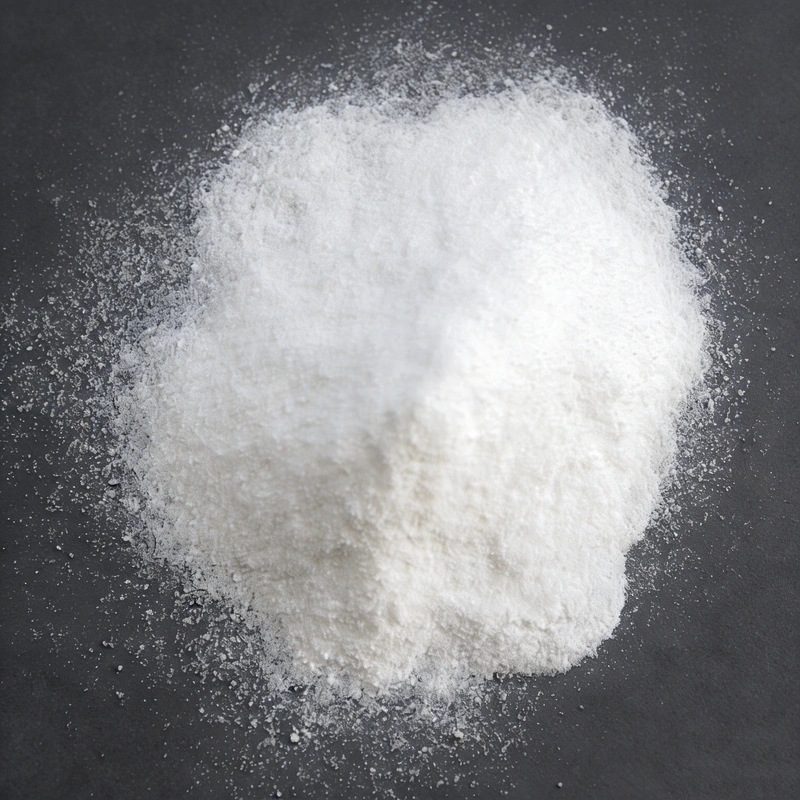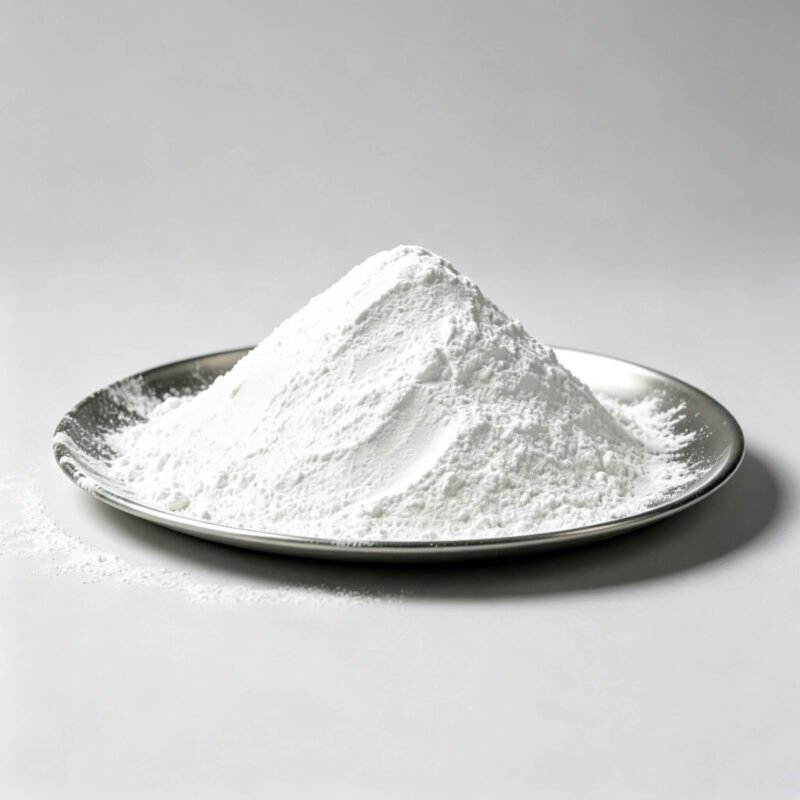

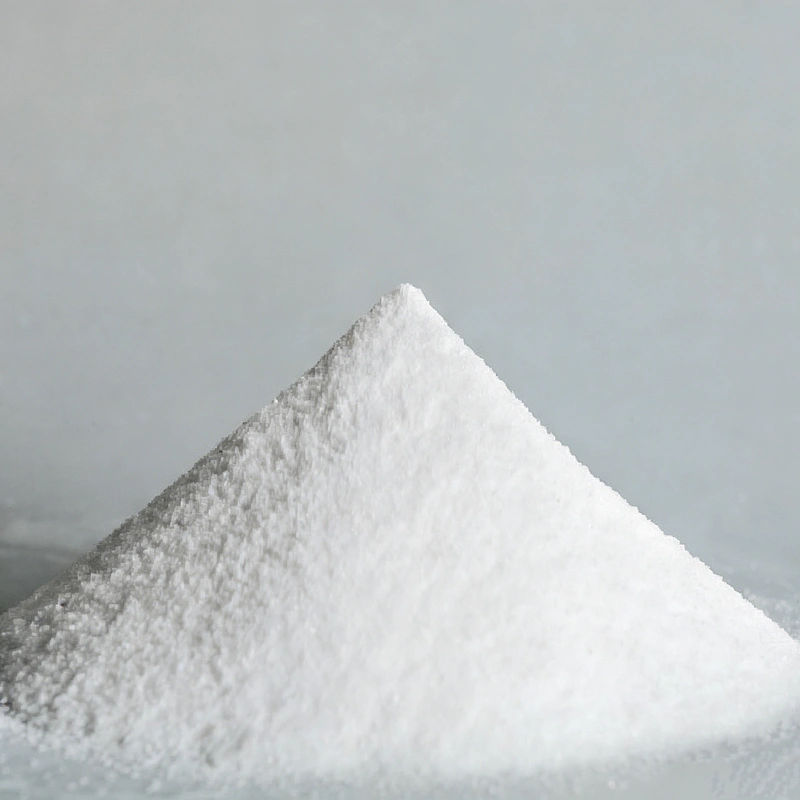
PVC foam boards are essential in modern construction and advertising industries. These boards require a delicate balance of density, strength, and surface finish. Achieving these properties is impossible without a specialized pvc processing aid.
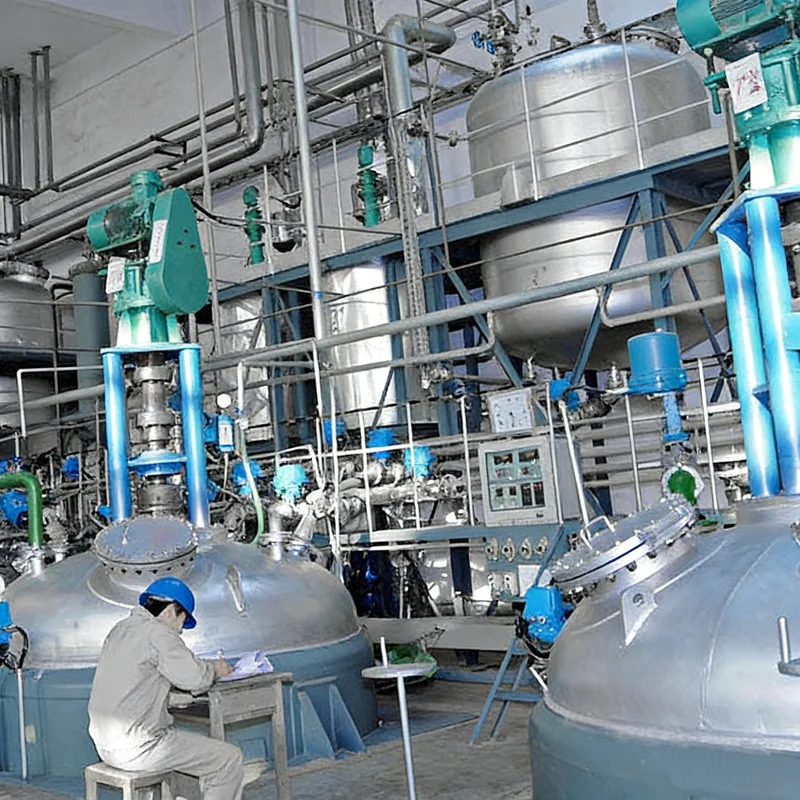
The manufacturing process involves extruding a mixture of PVC resin and chemical additives. During this stage, the material undergoes intense heat and mechanical shear. A high-quality pvc processing aid ensures the polymer melt remains stable.
Without these additives, the gas generated by blowing agents would escape easily. This results in uneven cell structures and poor board density. Using the right chemical solutions helps manufacturers produce lightweight yet durable foam products.
What is the Role of PVC Processing Aid in Foaming?
The primary function of a pvc processing aid is to increase melt strength. High molecular weight acrylic processing aids are specifically designed for foam applications. They create a network within the PVC melt that traps gas bubbles efficiently.
When the blowing agent decomposes, it releases gas into the molten PVC. The pvc processing aid increases the elasticity of the melt. This prevents the small gas cells from merging into larger, irregular voids.
Furthermore, these aids promote faster fusion of the PVC resin particles. Rapid fusion ensures that the melt is homogenous before it reaches the die. A uniform melt translates to a consistent thickness across the entire foam board width.
Key Benefits of Using a PVC Processing Aid
A high-performance pvc processing aid significantly improves the surface quality of foam boards. It eliminates surface defects like sharkskin or ripples caused by melt fracture. This results in a smooth, glossy finish that is ideal for printing or laminating.
Another critical benefit is the reduction of product density. By stabilizing the foaming process, manufacturers can achieve a density reduction of up to 30%. This saves on raw material costs while maintaining the board’s structural integrity.
Additionally, these additives broaden the processing window of the PVC compound. They make the material less sensitive to slight fluctuations in temperature or extruder speed. This stability reduces scrap rates and improves overall production efficiency in the factory.
Technical Specifications and Performance Data
The effectiveness of a pvc processing aid depends largely on its molecular weight. Ultra-high molecular weight acrylics provide the highest melt strength for thick foam boards. Lower molecular weight versions are often used for thin films or specialty profiles.
| Property | Standard Acrylic Aid | High-Molecular Foam Aid | Ultra-High-Molecular Aid |
| Inherent Viscosity | 2.0 – 4.0 | 4.0 – 6.0 | 6.0 – 12.0 |
| Fusion Time (s) | 60 – 80 | 40 – 60 | 30 – 50 |
| Equilibrium Torque | Moderate | High | Very High |
| Cell Uniformity | Low | High | Excellent |
Data suggests that increasing the dosage of pvc processing aid from 4.0 to 10.0 phr can enhance melt pressure significantly. This pressure is vital for pushing the foam through wide-format dies. Consistent pressure prevents the “collapse” of cells near the board edges.
In industrial trials, boards produced with ultra-high molecular weight aids showed a 20% increase in impact strength. This is due to the more uniform distribution of the cellular structure. A fine cell structure absorbs energy better than a coarse one.
How to Choose the Right Processing Aid for Your Project
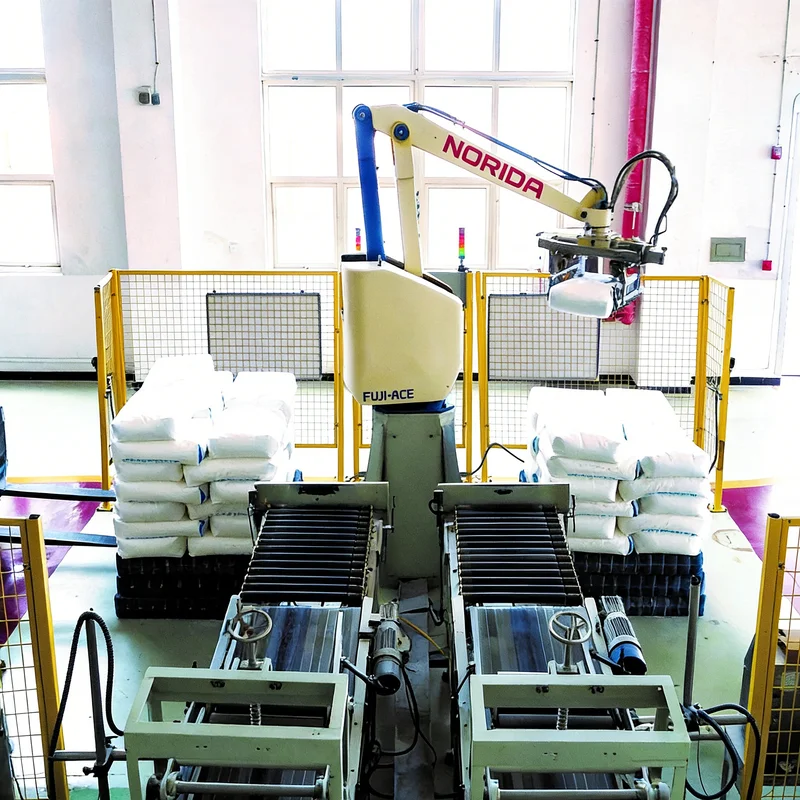
Selecting the correct pvc processing aid depends on your specific board thickness and density targets. For boards thicker than 10mm, a high-viscosity aid is mandatory to support the foam structure. Thinner boards may require a blend of aids to balance surface finish and expansion.
Manufacturers should evaluate the molecular weight and purity of the additive. Impurities can lead to discoloration or “plate-out” on the extruder screws. High-purity acrylics ensure a clean production run and consistent color output.
You must also consider the compatibility of the aid with other additives like lubrications. A well-balanced formulation prevents the melt from sticking to the metal surfaces of the machine. This balance is key to achieving long-term production stability and high output rates.
To find the best match, it is helpful to review specific product categories. High-quality suppliers provide detailed technical sheets for each grade. Exploring a dedicated pvc processing aid catalog helps in comparing viscosity levels and application ranges.
Summary
A pvc processing aid is the most critical additive for controlling foam board quality. It ensures high melt strength, uniform cell distribution, and excellent surface smoothness. By selecting the right grade, manufacturers can reduce density and lower production costs effectively.
FAQ
What is the typical dosage of pvc processing aid in foam boards?
The dosage typically ranges from 5 to 12 parts per hundred resin (phr) depending on the board thickness. Thicker boards generally require higher dosages to maintain melt strength.
Does a pvc processing aid affect the color of the final board?
High-quality acrylic aids are transparent and do not affect the base color of the PVC. They actually improve color consistency by ensuring a more uniform surface reflection.
Can I use a standard processing aid for PVC foam?
Standard aids often lack the molecular weight needed to prevent cell collapse. It is highly recommended to use specialized foaming regulators for high-quality foam board production.
How does molecular weight influence the foaming process?
Higher molecular weight increases melt elasticity and viscosity. This allows the polymer to stretch around gas bubbles without breaking, leading to finer foam cells.
Will these additives help reduce the weight of my PVC boards?
Yes, they allow for higher expansion ratios without sacrificing the structural integrity of the cells. This directly enables the production of lower-density, lighter-weight boards.
Reference Sources
Plastics Technology Magazine – Processing Additives for PVC: https://www.ptonline.com/
British Plastics Federation – PVC Additives Guide: https://www.bpf.co.uk/
SpecialChem – Acrylic Processing Aids for PVC: https://plastics-additives.specialchem.com/
Plastics Engineering – Advances in PVC Foaming Technology: https://www.4spe.org/