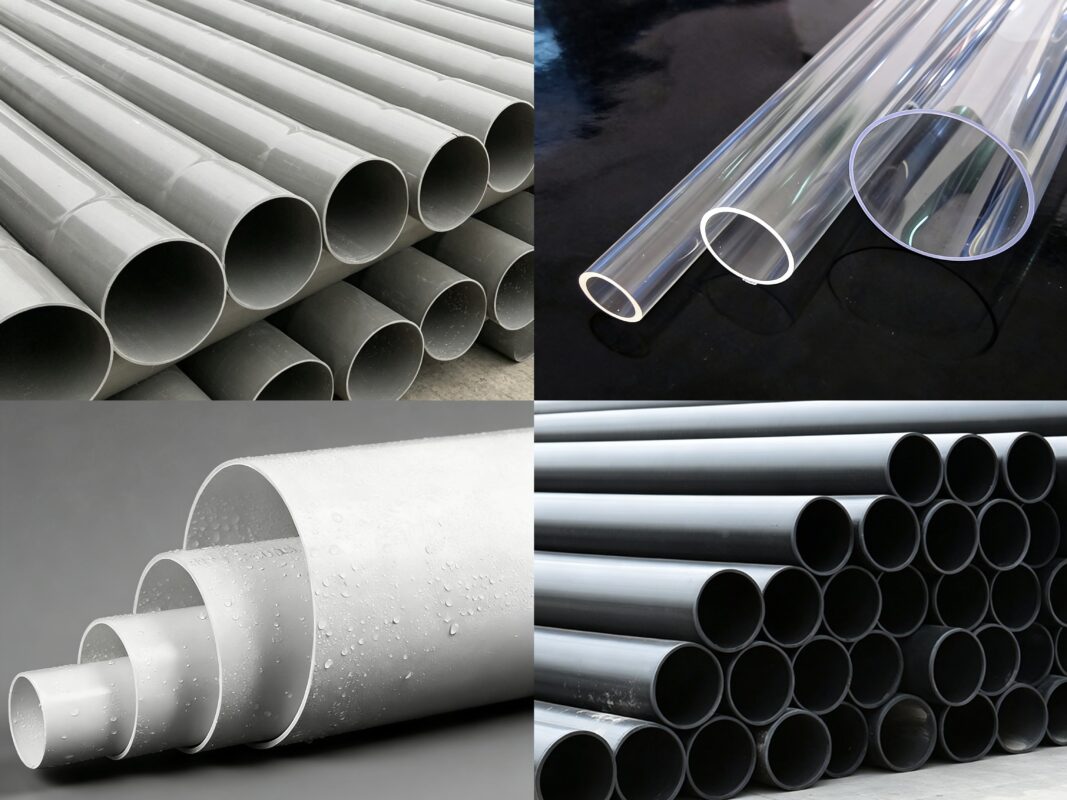

PVC stabilizer for pipes
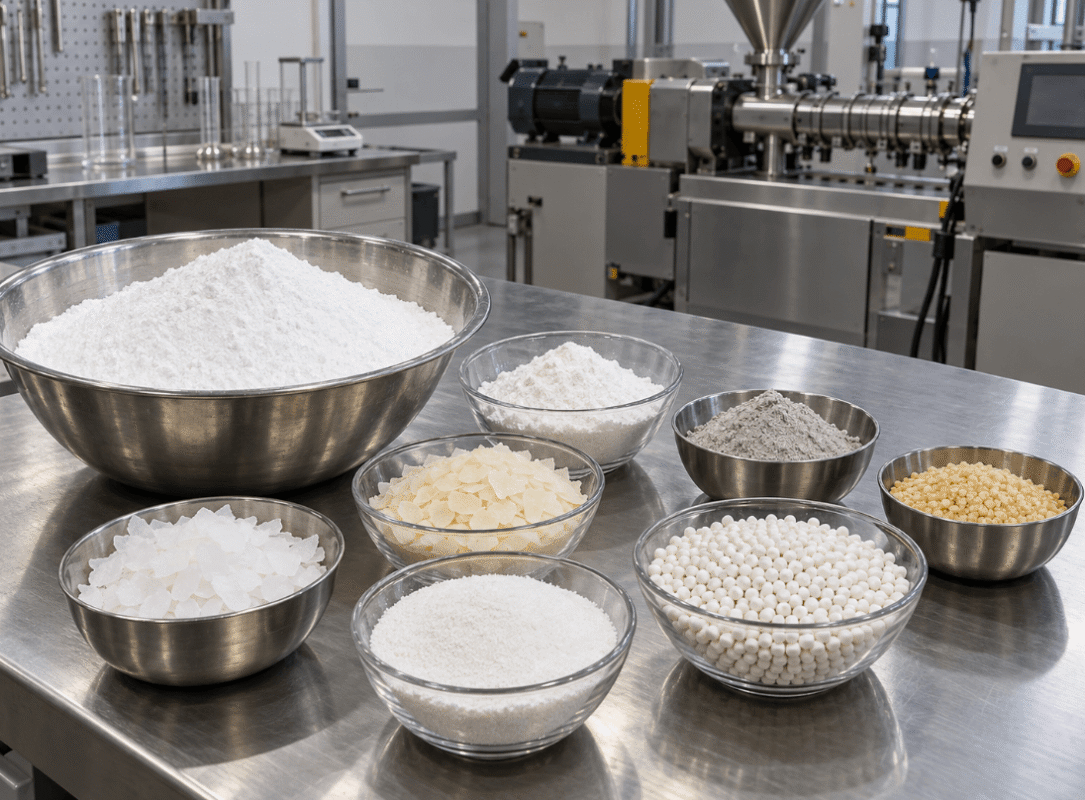
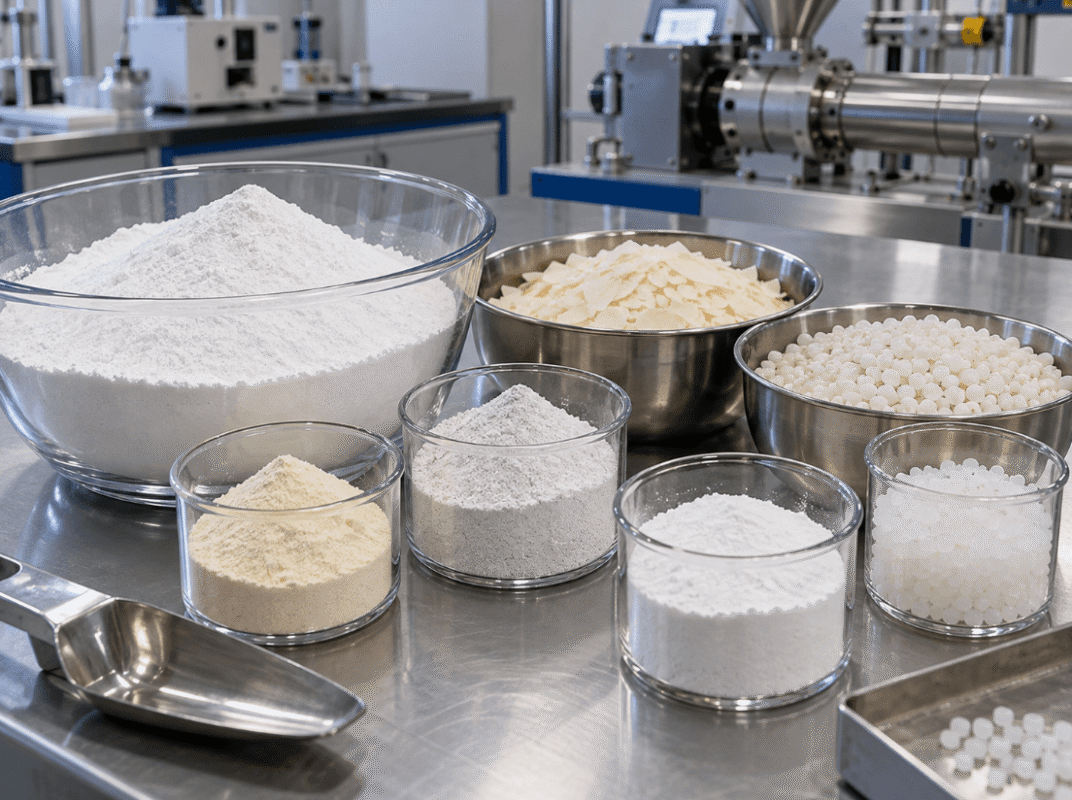
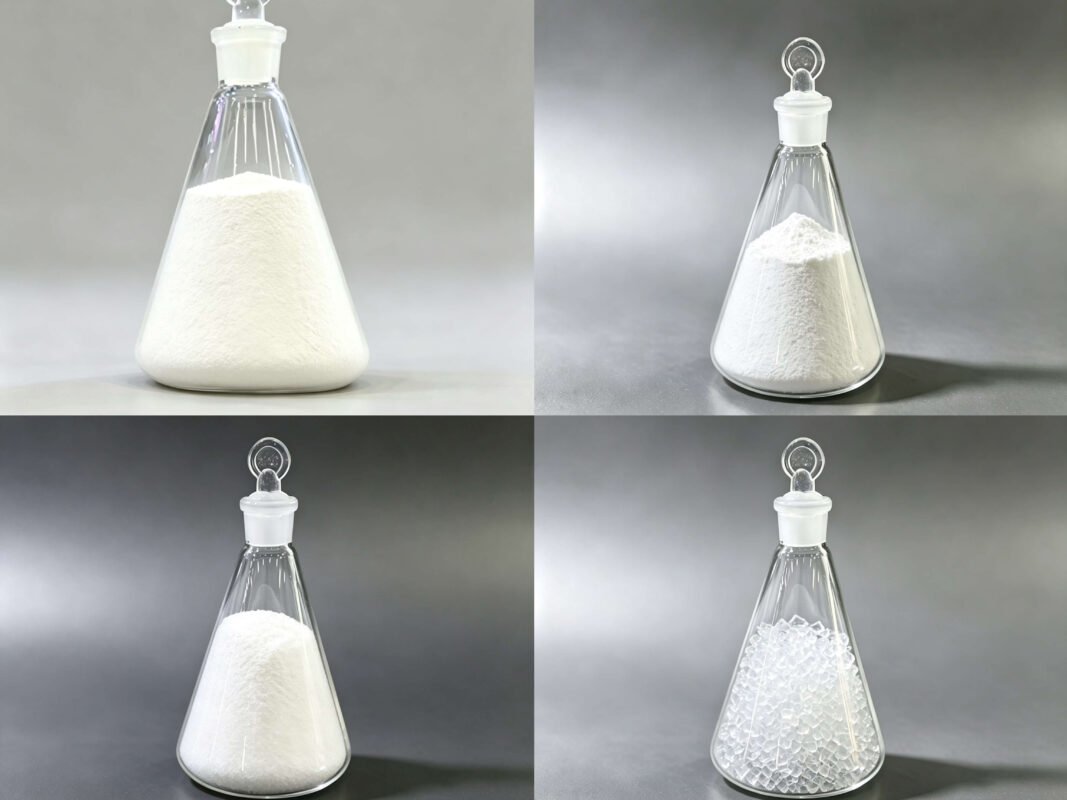
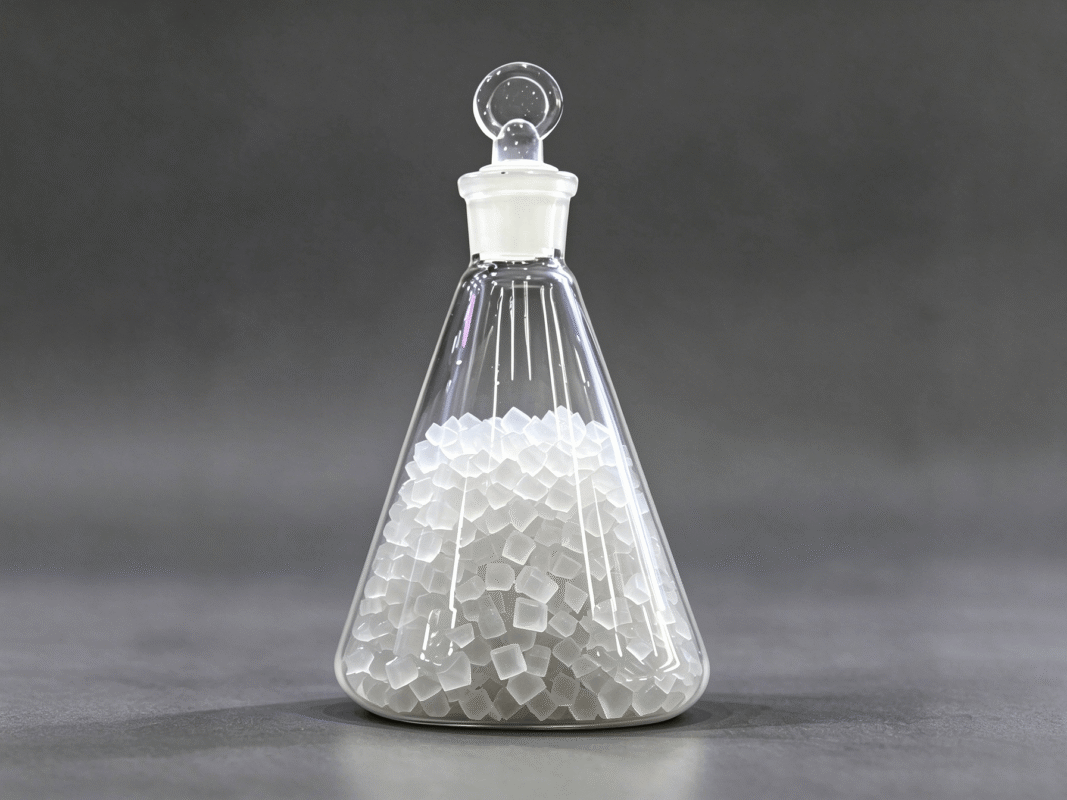
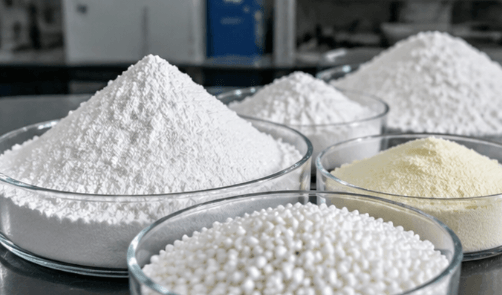
Because polyvinyl chloride (PVC) is heat-sensitive and easily degrades during processing, stabilizers are commonly used additives in PVC production to prevent its decomposition during processing and use, thus ensuring the long-term durability of pipes. This blog post mainly discusses the role and types of PVC stabilizers for pipes , and how to select PVC stabilizers for pipes. Below is a guide to types and selection criteria.
Common types of pipeline stabilizers
PVC stabilizer for pipes largely depends on the medium the pipe will transport and its installation location. Different chemical compositions are suitable for different pipe applications:
| Stabilizer type | Best suited for | Advantage | Shortcoming |
| Calcium and zinc (Ca-Zn) | – Indoor piping- Drinking water pipes- General Purpose PVC Pipes-Environmental projects | – Non-toxic , environmentally friendly , sustainable, odorless , with good heat resistance and UV resistance, and corrosion resistance – Meets drinking water standards | – Thermal stability is slightly lower than tin- Under certain processing conditions, auxiliary stabilizers may need to be added. |
| Lead-based | – Industrial piping (non-potable water) – Electrical conduit (limited applications)- If permitted: Drainage (DWV) / sewage pipes , agricultural pipes. | – Excellent thermal and optical stability, good processing performance and electrical insulation properties – Long history of use, economical and efficient, wide processing range , and very effective in improving thermal stability . | -Not suitable for drinking water -subject to regulatory restrictions- It is toxic and harmful to health, and is therefore being phased out. |
| Tin-based (organotin) | – High-output transparent or rigid pipes – Chemically resistant industrial pipelines- High-performance pipes (CPVC hot water pipes, pressure pipes)- Outdoor Pipes | – Non-toxic, with excellent transparency, strength, and heat resistance.- Long-lasting color retention, maintaining strength at high temperatures- Excellent resistance to ultraviolet radiation and chemical corrosion-Required for pressurized hot water systems | -Expensive -may require careful handling |
| Barium-based | – Special Industrial Applications – Pipelines exposed to high temperatures or chemical environments | – High thermal stability, not easily discolored – Good mechanical properties | -Toxic; use is restricted due to regulations. |
| Organic stabilizers (epoxy oil, phosphite) | – Used in conjunction with metal stabilizers – Outdoor applications – Flexible PVC pipes | – Improves flexibility and long-term weather resistance- Acts as an auxiliary stabilizer – Enhances UV resistance | -Cannot be used alone to improve thermal stability -May be costly. |
| Mixed stabilizers (calcium/zinc + organic matter or tin + organic matter) | – Outdoor pipes and electrical conduits – High-performance industrial PVC – Special applications requiring durability | -Balancing cost, performance, and environmental safety -Good thermal stability. UV stability and good electrical insulation properties , stable during extrusion.- Can meet specific application needs | -The formula is slightly more complex- The cost is higher than that of pure calcium/zinc. |
Pipe manufacturing process
I. Extrusion molding (main process)
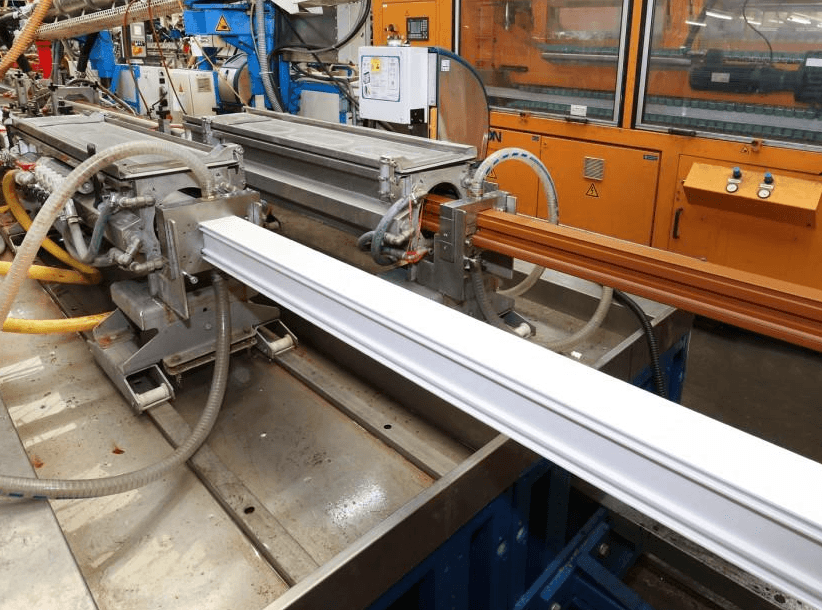
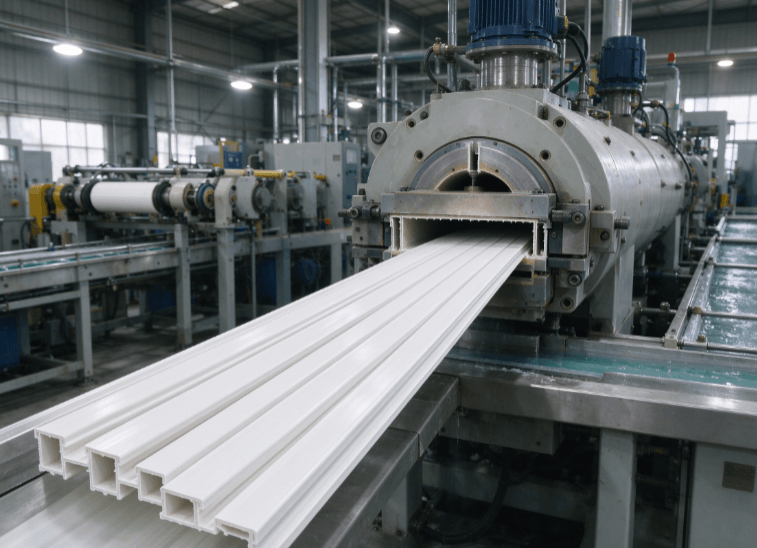
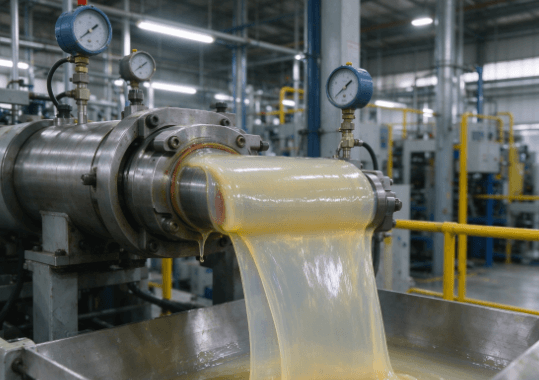
Extrusion molding is the dominant process for producing rigid PVC (uPVC) pipes.
Key features: Enables continuous, large-scale production; suitable for manufacturing pressure pipes, drainage pipes, and electrical conduits; possesses excellent dimensional accuracy control capabilities;
Process variations:
Single-layer extrusion (used for the production of standard pipes).
Multilayer co-extrusion (used to produce pipes with a foamed core layer or a UV-resistant outer layer).
II. Injection molding (for fittings, not pipes)
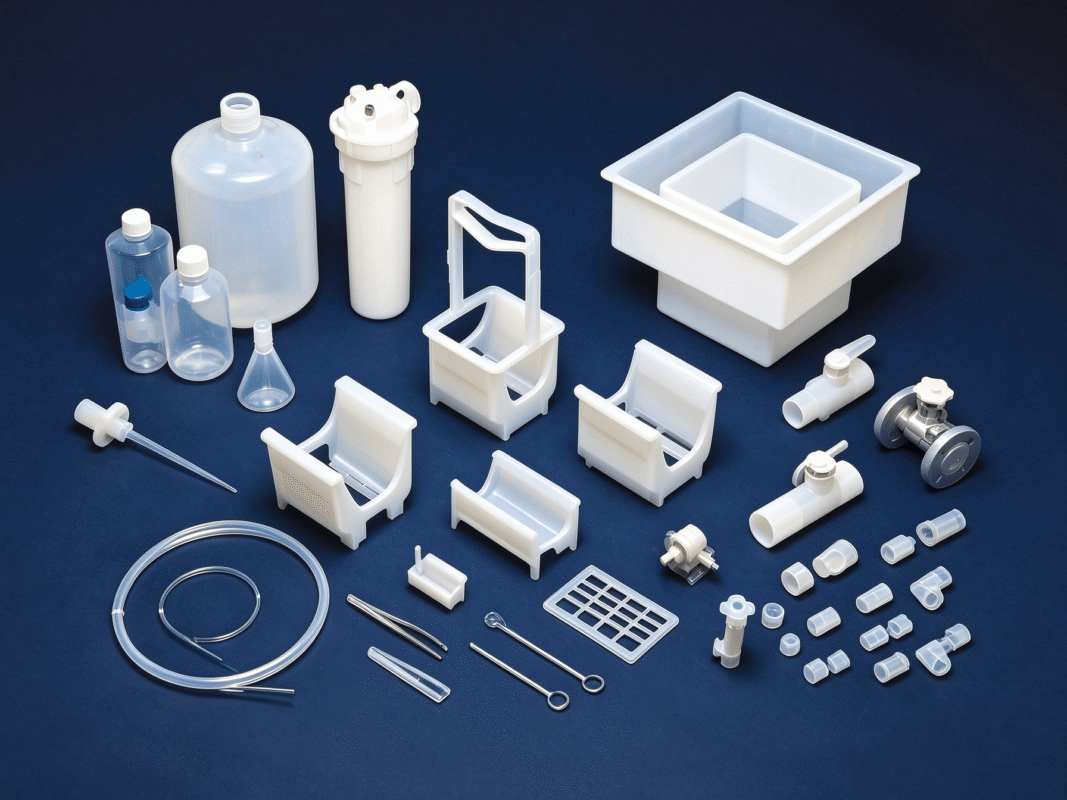
Key features: High precision and repeatability ; capable of achieving complex geometries ; complementary to extrusion production lines.
III.Compression molding (limited applications)
It is mainly used in specific niche areas, and is especially suitable for manufacturing thick-walled or special parts.Key features: Suitable for manufacturing thick-walled components ; lower production efficiency than extrusion molding ; rarely used for manufacturing standard pipes.
IV. Orientation technology (PVC-O pipes)
An advanced process for improving the performance of pipes.Advantages: Significantly improved impact resistance ; enhanced pressure resistance ; reduced material usage (lighter pipes)
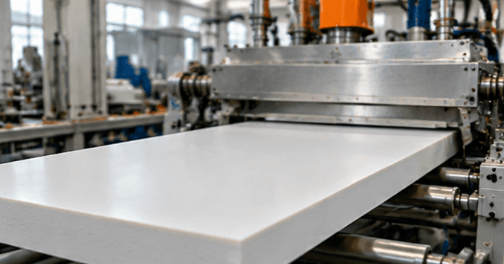
V.Foamed core layer/co-extrusion technology
It is mainly used for non-pressure pipes such as drainage pipes.Advantages: Lightweight ; cost-effective ; provides good rigidity for drainage systems.
PVC pipe types
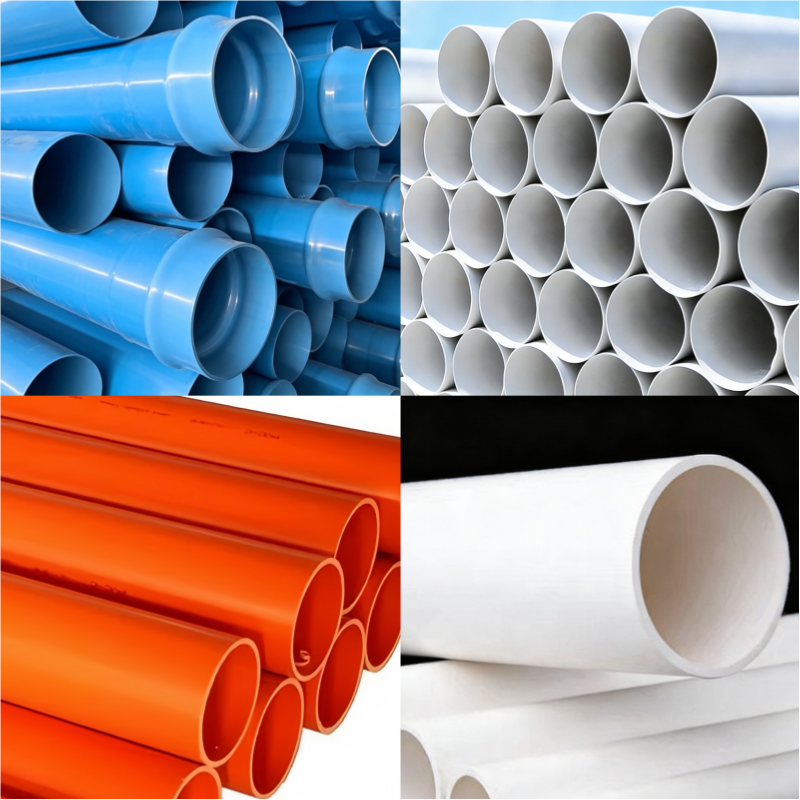
PVC pipes can be classified into several types according to their characteristics, application fields, and manufacturing standards, as follows:
| Type | Advantage | Application areas |
| uPVC pipes (unplasticized PVC) | High rigidity, sturdy and durable (no plasticizer added), chemically resistant, lightweight, and easy to install. | Water supply systems, drainage and sewage, agricultural irrigation |
| PVC pipes (standard/flexible PVC) | Depending on the additives used, it can be rigid or flexible, with a strength lower than uPVC. | Cable insulation, garden hoses, low-pressure water supply systems |
| CPVC pipes (chlorinated polyvinyl chloride) | Chlorination treatment → Improves temperature resistance, suitable for conveying cold/hot water | Residential hot water piping systems, industrial fluid transportation |
| PVC-O pipes (oriented PVC) | The molecular structure has been oriented, resulting in higher strength, making it more robust and lighter than ordinary PVC. | High-pressure water supply system, municipal pipe network |
| PVC-M pipes (modified PVC) | After modification to improve impact resistance and toughness, its flexibility is superior to uPVC. | Underground water supply trunk lines, pressurized applications |
| High-density PVC/foamed core PVC pipe | Multi-layer or foam core design, lightweight and economical | Drainage system, ventilation duct |
Key factors when selecting stabilizers
Choosing the right PVC stabilizer for pipes is not just about price—it directly impacts the pipe’s thermal stability, durability, safety, and long-term performance. Here’s a clear and practical guide :
I.Processing performance
Internal/External Lubrication: Balancing thermal stability and lubrication to resist degradation during extrusion : Providing both internal and external lubrication ensures smooth melt flow . Poor balance can lead to burns, rough surfaces, and brittle pipes.
Electrostatic stability: Prevents yellowing during initial heating.
Dynamic stability: Maintaining the polymer structure under the mechanical shearing action of the extruder screw.
II.Processing conditions
High-temperature processing requires stabilizers with good thermal stability , while low-temperature processing can use calcium-zinc stabilizers.
Methyltin is often used in high-speed production lines because it provides rapid stability.
If the PVC processing speed is slow, a lower-cost stabilizer can be used.
III.Regulatory compliance
Drinking water: If the pipes are used for drinking water, it is preferable to use non-toxic stabilizers such as calcium and zinc to meet local drinking water standards and health and safety standards (such as NSF or equivalent local standards).
Environmental regulations: Many regions (especially the European Union) have banned or are phasing out lead-containing stabilizers.Many countries have restrictions on the use of lead stabilizers , especially in the drinking water sector.
IV.Cost-effectiveness
While lead is the cheapest option, its long-term “costs” include potential legal liabilities and disposal issues. Lead stabilizers are inexpensive but toxic ; tin-based materials offer superior performance but are more expensive.
V.End use/application
- Drinking water pipes: It is best to use tin or calcium-zinc stabilizers .
- Industrial/chemical pipelines: Consider using heat- and chemically resistant stabilizers, such as barium zinc or high-performance tin.
- Outdoor pipes (UV exposure): Choose stabilizers with UV resistance.
- For transparent or high-gloss pipes : organotin stabilizers are most suitable.
- Pressure piping: requires high dynamic stability to ensure that the molecular weight of PVC remains intact, thus providing resistance to burst pressure.
- For wastewater and drainage systems: efficiency is paramount. Rare earth or lead-based “integrated” fillers achieve the optimal balance between structural integrity and cost.
VI.Other reference factors
Compatibility: Ensure the stabilizer is compatible with other PVC additives (such as plasticizers, fillers, and lubricants ) to avoid problems such as poor dispersion or reduced efficiency .Color stability: Tin or calcium-zinc stabilizers work well if pipes need to maintain their color.
Summary
Choosing the right stabilizer for PVC pipes requires balancing the specific application of the pipes, budget, and local regulations. For most PVC pipes used for domestic water supply and drinking water , calcium-zinc stabilizers are the safest, most environmentally friendly, and most economical option. For industrial or high-temperature applications , you may consider using tin or a combination of stabilizers. Always adhere to relevant regulations, standards , and end-use requirements .
More than two decades after the first lead-free stabilizers were introduced, PVC stabilization technology has evolved into a high-tech discipline. Its focus has shifted from simple chemical substitution to a systematic approach integrating materials science, digital control, and sustainable development concepts. Hybrid stabilizers cleverly combine the chemical reactivity of organic substances with the physical toughness of inorganic substances, while the emergence of bio-based stabilizers has further reduced environmental impact.PVC stabilizers and processing techniques enhances the durability, recyclability, and energy efficiency of PVC pipes, thereby contributing to a sustainable future.
FAQ
Q: Why is blow molding not suitable for pipe manufacturing ?
The wall thickness of long cylindrical pipes is difficult to control precisely , making them unsuitable for applications requiring pressure resistance.
Q: Why is PVC water pipe used so much more frequently than other materials, making it one of the most sustainable infrastructure choices today ?
Studies have consistently shown that PVC pipes are one of the most durable, safe, and cost-effective options for modern water supply infrastructure. A 2018 survey found that PVC pipes break less frequently and require less maintenance compared to iron or other materials.
The safety advantages of PVC water pipes are also reflected in their environmental protection. Compared to iron or concrete pipes, their production process requires less energy; at the same time, their lightweight nature effectively reduces fuel consumption during transportation and installation. The environmental benefits of smarter materials: The choice of materials has a direct impact on sustainability. Corroded iron pipes cause water waste due to leaks, and frequent maintenance and replacements lead to increased greenhouse gas emissions. In contrast, PVC water pipes reduce maintenance frequency and extend the lifespan of the water supply system. Communities can effectively reduce waste generation and carbon emissions without affecting water quality.
Q: What are the characteristics and advantages of PVC pipes?
Easy to install, corrosion resistant, safe for drinking water, reliable fittings and connection solutions, lightweight for easy transport and handling, proven by decades of global application practice, demonstrating long-term reliability, and exhibiting sustainability and resilience in built environment infrastructure.
Q: What is the function of PVC stabilizers for pipes ?
thermal degradation during processing (PVC degrades at high temperatures) ; improves mechanical strength and flexibility ; prevents discoloration and embrittlement, thereby extending service life ; enhances UV resistance and chemical corrosion resistance.
Reference Sources
Vinyl Plus (The European PVC Excellence Programme): –https://www.vinylinfo.org/
Society of Plastics Engineers (SPE) – https://www.4spe.org/
Plastic Pipes Institute (PPI) –https://plasticpipe.org/