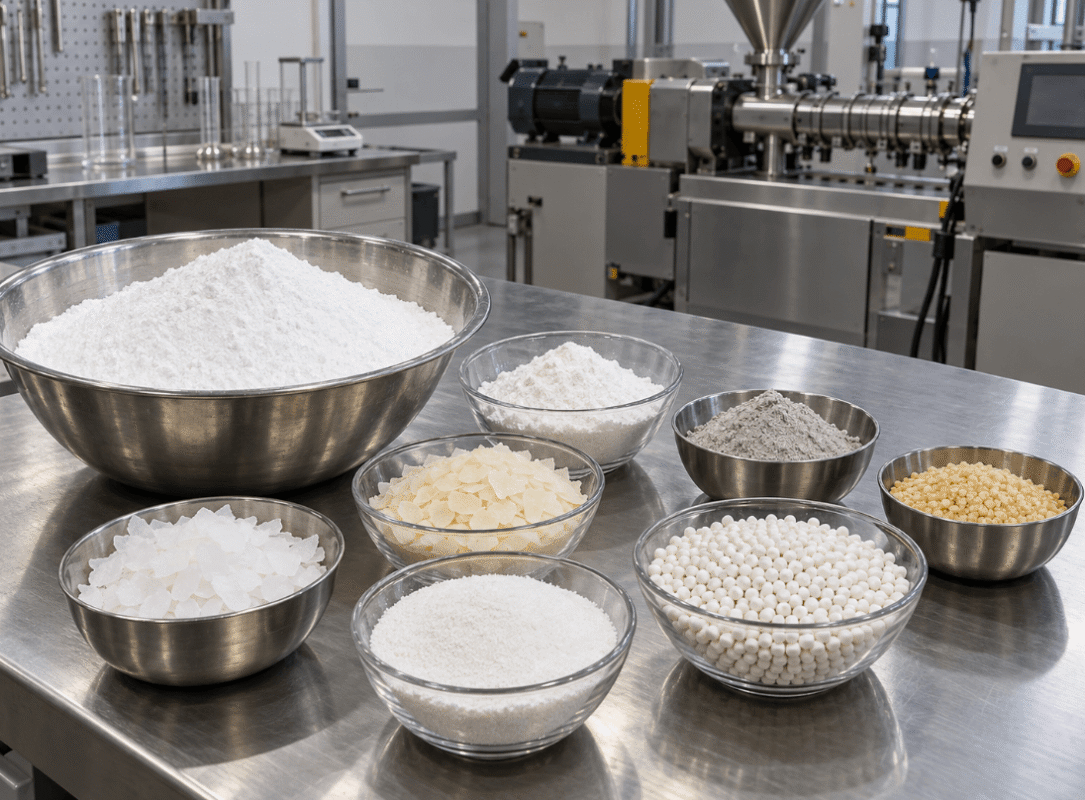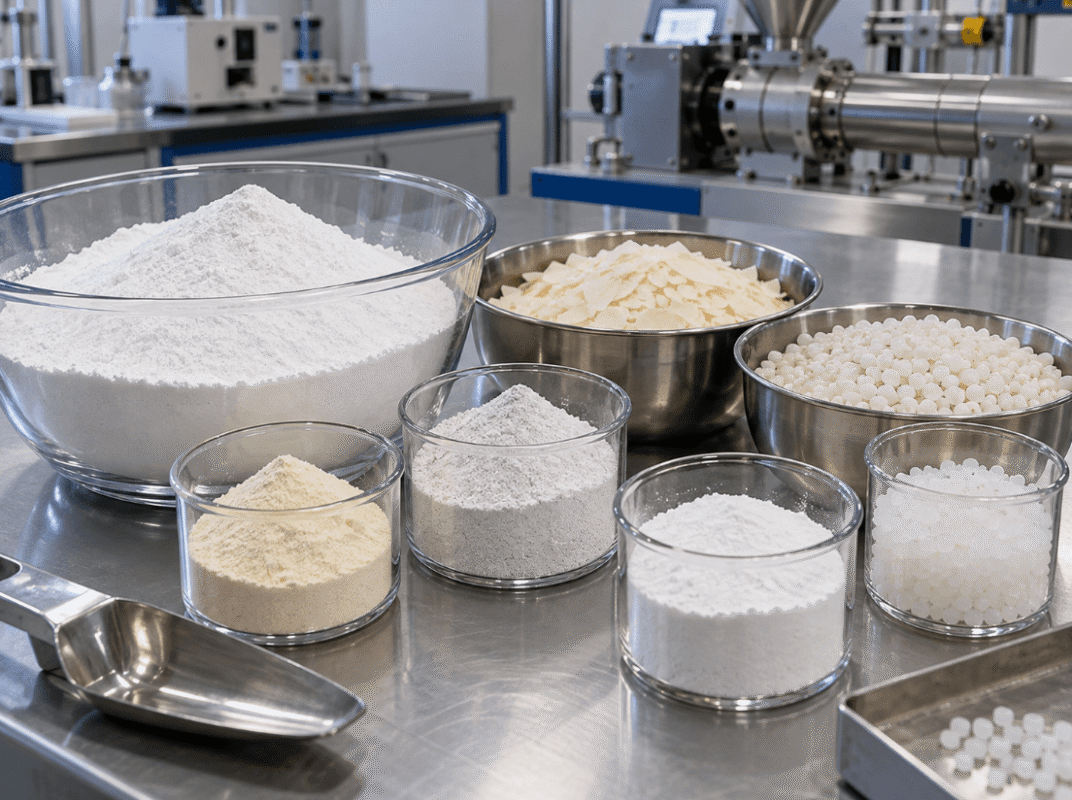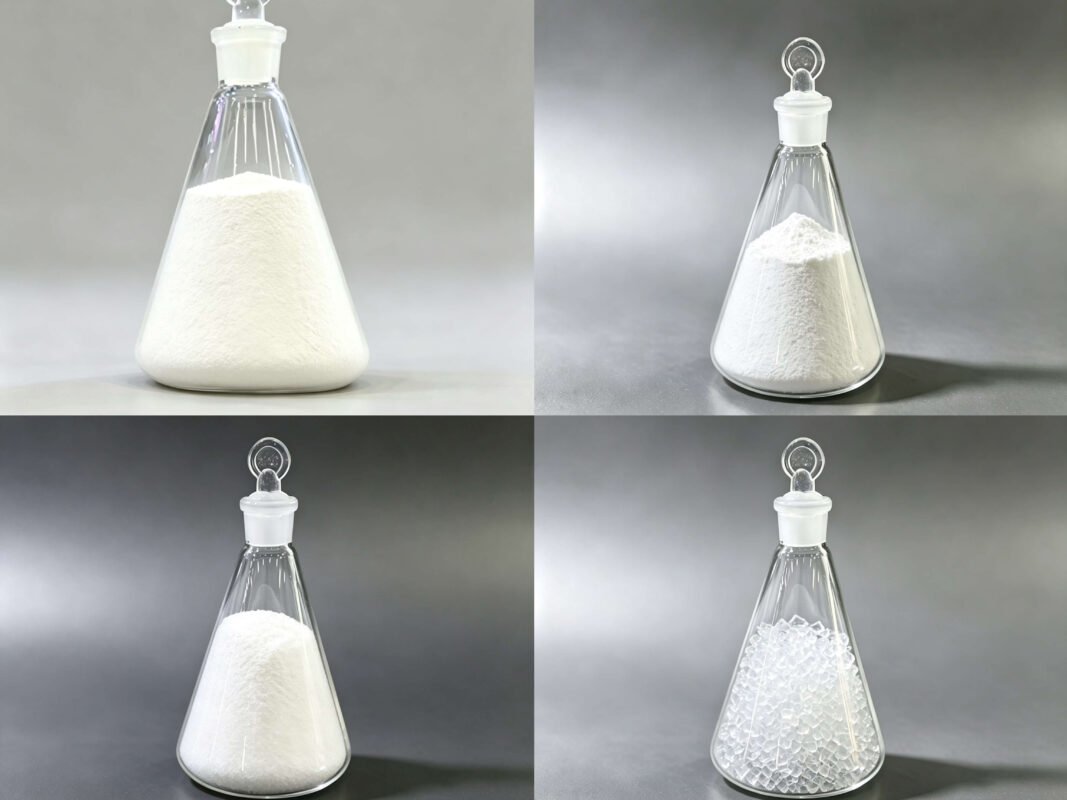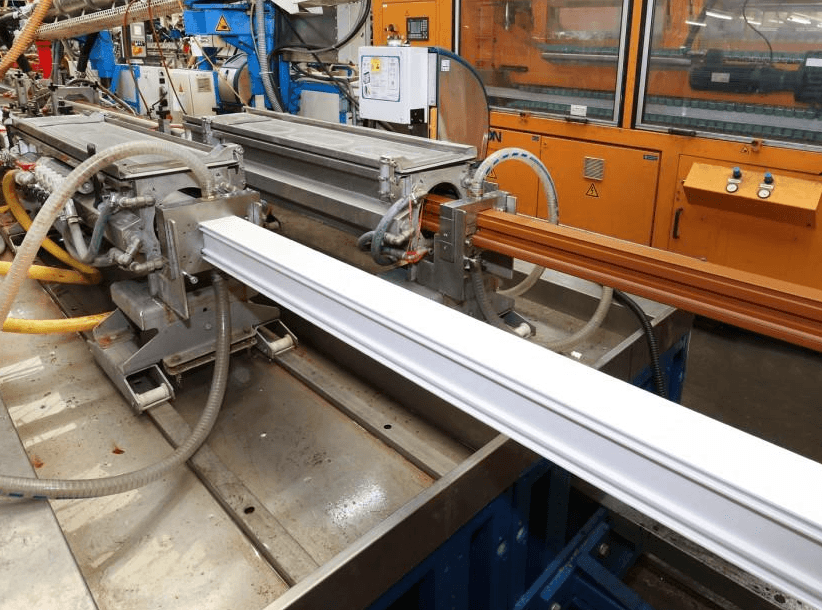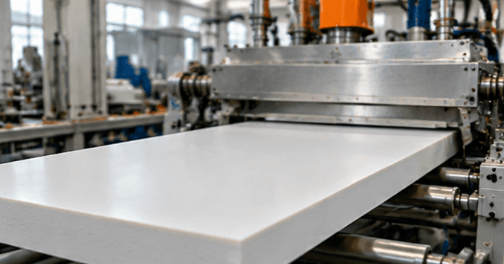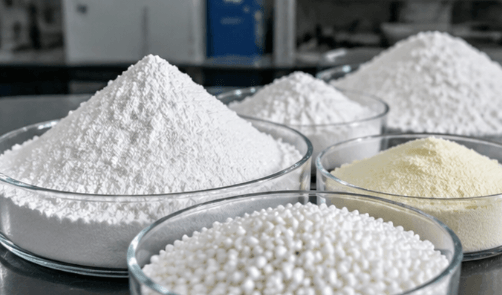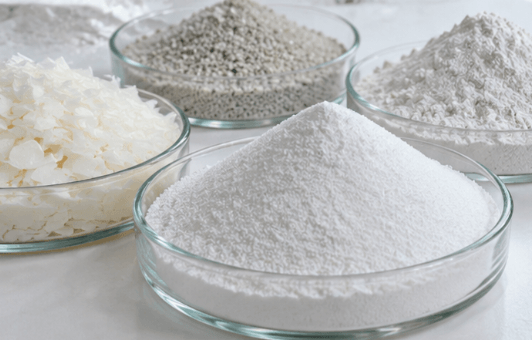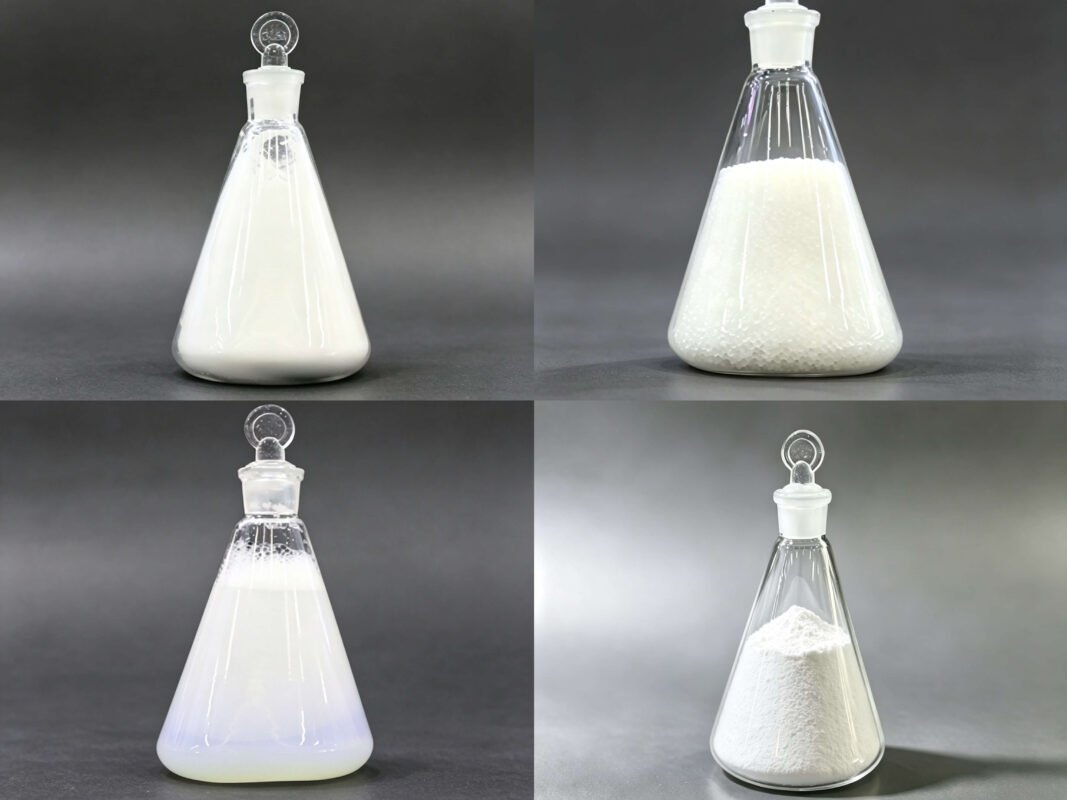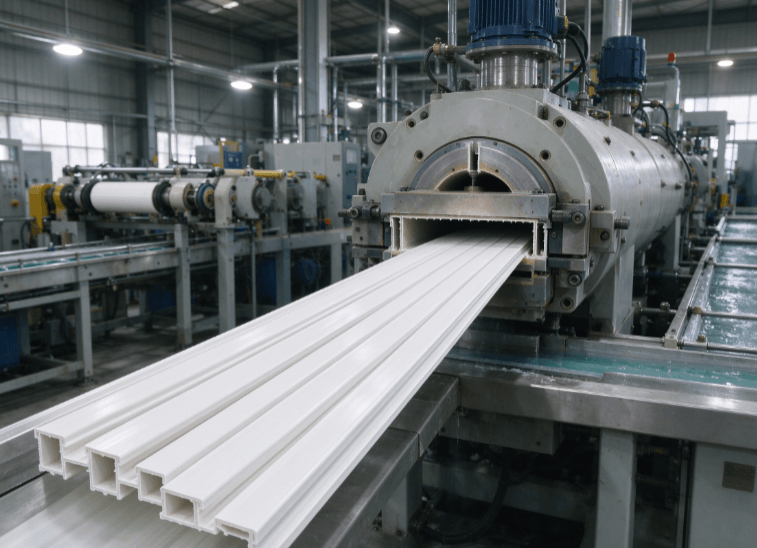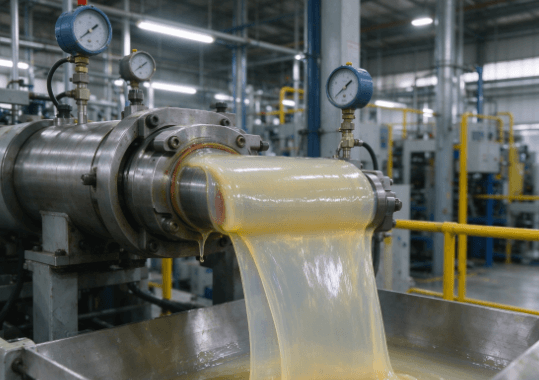

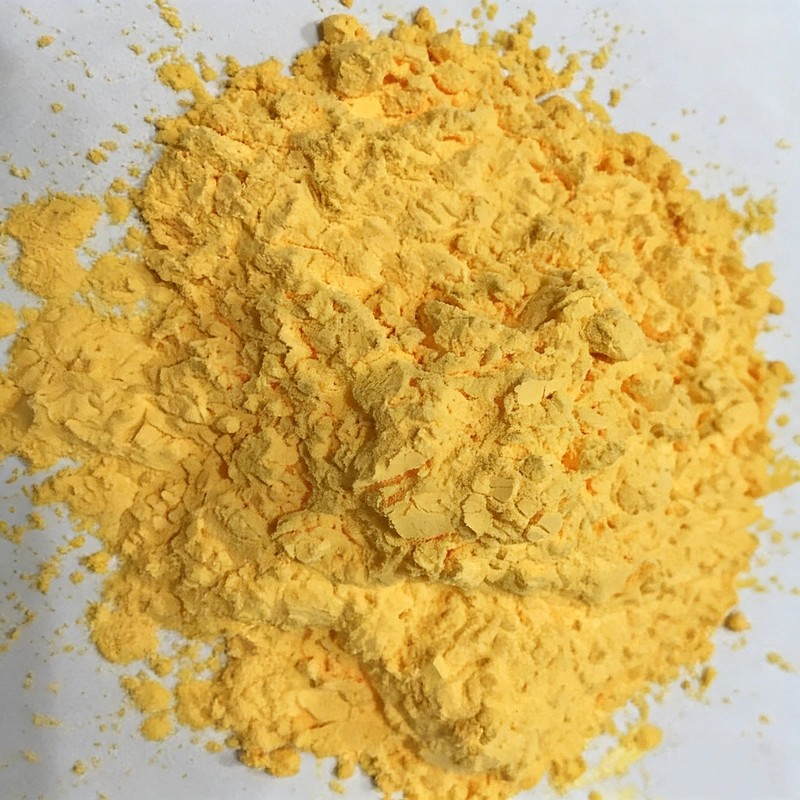
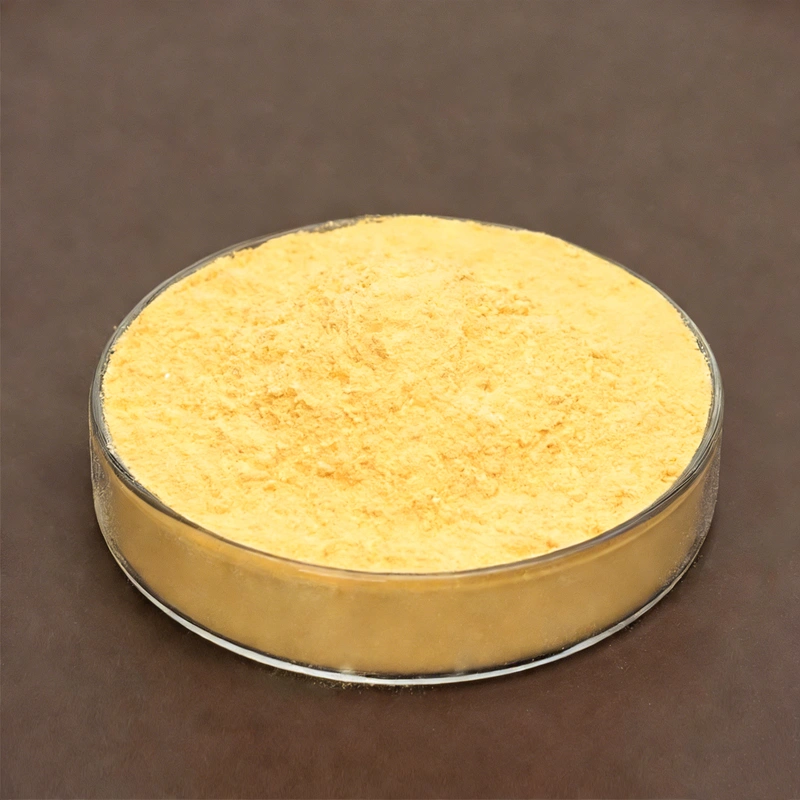
Polyvinyl Chloride (PVC) is a versatile polymer used in countless industries. Manufacturers often need to reduce the weight of PVC products. They achieve this by using a pvc blowing agent to create a cellular structure.
This additive allows for the production of lightweight foam boards and profiles. It functions by releasing gas during the heating process of manufacturing. This gas creates tiny bubbles or “cells” within the plastic matrix.
Using a pvc blowing agent significantly lowers material costs for factories. It also improves properties like thermal insulation and sound dampening. Understanding how these chemicals work is essential for high-quality plastic production.
What is the Role of a PVC Blowing Agent?
A pvc blowing agent is a substance that induces a foaming process. It is added to the PVC resin during the mixing stage. When the mixture reaches a specific temperature, the agent decomposes.
The decomposition process releases gases like nitrogen or carbon dioxide. These gases expand within the molten polymer to form a foam. High gas yield is a critical factor for efficient foaming.
Standard chemical blowing agents provide a gas volume of 140 to 220 ml/g. This expansion reduces the density of the final PVC part. It transforms heavy, solid plastic into a light, functional material.
Comparing Common Types of PVC Blowing Agents
There are two primary categories of chemical blowing agents: exothermic and endothermic. Each type serves different manufacturing needs and temperature requirements. Selecting the correct type is vital for product consistency.
Exothermic agents, such as Azodicarbonamide (AC), release heat during decomposition. They are known for their high gas output and powerful expansion capabilities. These are the most common agents used in rigid PVC foam boards.
Endothermic agents, often referred to as NC agents, absorb heat during the reaction. They typically produce smaller, more uniform cell structures. These are preferred for applications requiring a very smooth surface finish.
| Feature | Exothermic (AC Agent) | Endothermic (NC Agent) | Balanced/Modified Agents |
| Gas Yield (ml/g) | 210 – 220 | 140 – 160 | 180 – 200 |
| Decomposition Temp (°C) | 190 – 210 | 140 – 160 | 165 – 185 |
| Heat Reaction | Releases Heat | Absorbs Heat | Neutral/Controlled |
| Primary Use | Rigid foam boards, pipes | High-end profiles, shoes | Delicate foaming needs |
How Temperature Controls the Foaming Process
The decomposition temperature must match the processing temperature of the PVC. If the agent decomposes too early, gas escapes through the vent. This results in a product with poor density and weak structure.
If it decomposes too late, the gas cannot expand properly. This leads to uneven cell sizes or unreacted chemical residues. Precise temperature control ensures a uniform cell structure throughout the material.
Most PVC processing occurs between 160°C and 200°C. Manufacturers often use activators or “kickers” to lower decomposition temperatures. These additives, like zinc oxide, help synchronize the foaming with the polymer melting.
Industrial Applications of PVC Foaming
The construction industry is the largest consumer of foamed PVC. Foam boards are used for cabinetry, signage, and wall panels. They offer a wood-like appearance but are much lighter and water-resistant.
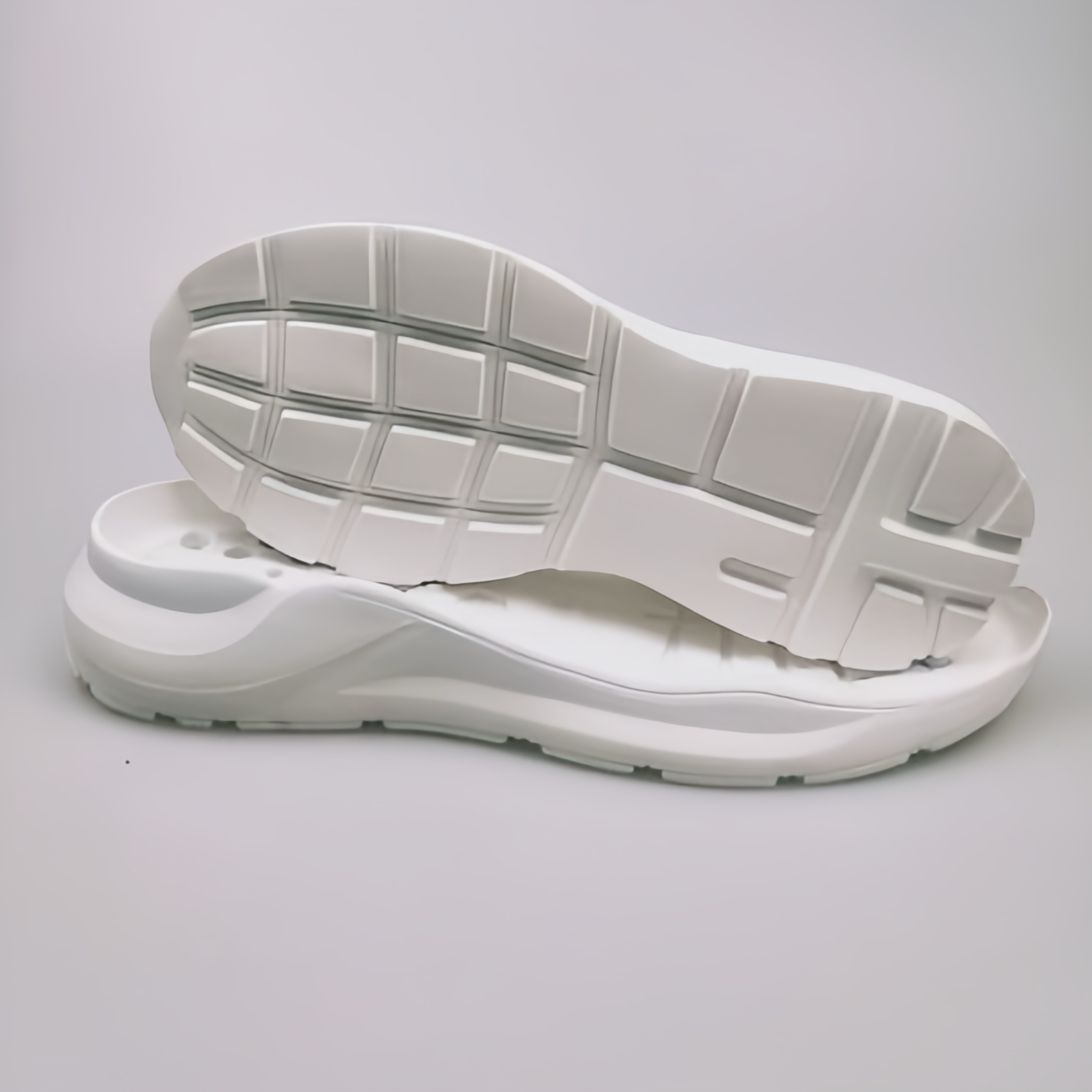
In the footwear industry, a pvc blowing agent creates soft shoe soles. The air-filled cells provide the necessary cushioning and flexibility. This makes the shoes more comfortable for the end consumer.
The automotive sector uses foamed PVC for interior trims and gaskets. These parts help reduce the overall weight of the vehicle. Lower vehicle weight contributes to better fuel efficiency and performance.
Key Considerations for Choosing a PVC Blowing Agent
Choosing the right pvc blowing agent depends on several technical factors. You must first evaluate the desired density of your final product. High-density foams require less gas, while low-density foams need high gas yields.
The particle size of the agent also impacts the surface quality. Finer particles usually produce smaller bubbles and a smoother exterior. This is essential for products that require painting or laminating.
Compatibility with other additives is another crucial judgment standard. Some blowing agents may react negatively with certain stabilizers or lubricants. Always test the interaction between the pvc blowing agent and your specific PVC formulation.
Environmental and safety regulations should also guide your decision. Some markets require lead-free or non-toxic additives for consumer safety. Choosing a high-purity blowing agent ensures compliance with global manufacturing standards.
Summary
A pvc blowing agent is a vital additive that creates lightweight, cost-effective, and insulated plastic products. By releasing gas at specific temperatures, it forms the cellular structure required for foam boards, shoes, and profiles. Understanding the balance between exothermic and endothermic reactions is the key to successful PVC foaming.
FAQ
What is the most common PVC blowing agent?
Azodicarbonamide (AC) is the most widely used agent due to its high gas yield and stability. It is particularly effective for rigid PVC applications like foam boards and pipes.
How does a blowing agent affect PVC density?
A blowing agent reduces density by replacing solid polymer with gas-filled cells. Increasing the dosage of the agent typically leads to a lighter final product.
Why is decomposition temperature important?
The decomposition temperature must align with the melting point of the PVC resin. Proper timing ensures that the gas is trapped effectively within the molten plastic to form bubbles.
Can I mix different types of blowing agents?
Yes, manufacturers often blend exothermic and endothermic agents. This “balanced” approach helps control the heat of the reaction and improves the cell structure.
What happens if I use too much blowing agent?
Excessive blowing agent can cause “over-foaming,” leading to large, irregular holes. This weakens the structural integrity and creates a rough, unattractive surface finish.
Reference Sources
- American Chemistry Council: Polyvinyl Chloride (PVC) Characteristics
https://www.americanchemistry.com/ - Plastic Additives & Compounds – Foaming Agents in Polymer Processing: https://www.sciencedirect.com/