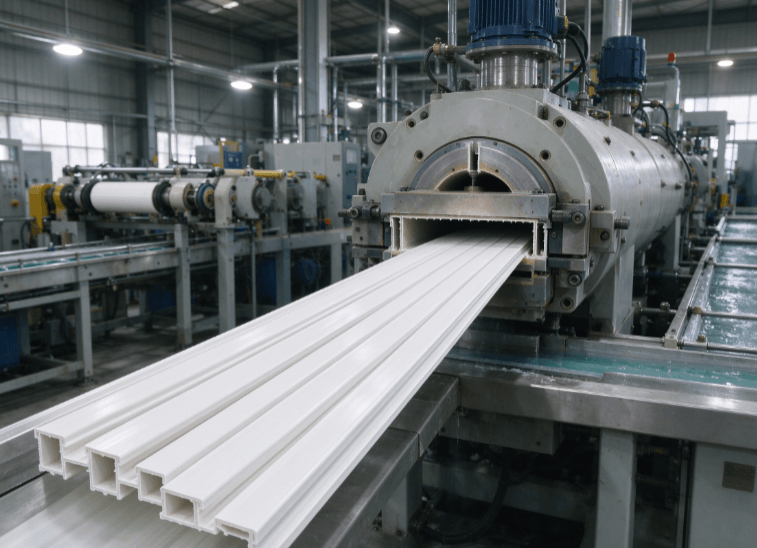

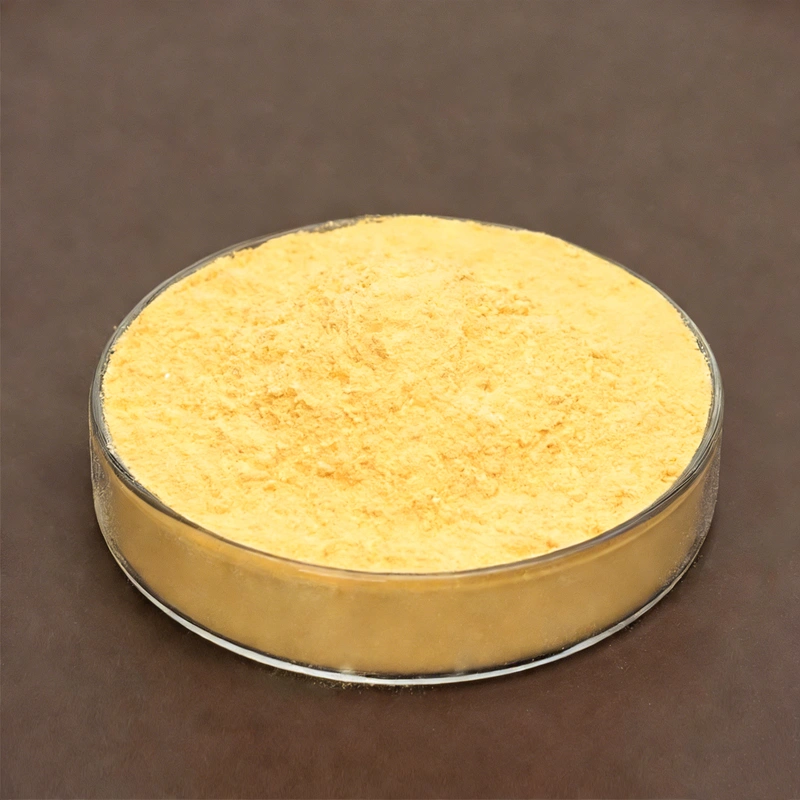
PVC foam boards have revolutionized the construction and advertising industries. These lightweight materials replace traditional wood and metal in various applications. The secret to their unique properties lies in the chemical additives used during extrusion. A high-quality blowing agent for pvc foam board is the most critical component for achieving low density. This additive decomposes under heat to release gas, creating a cellular structure within the polymer matrix.
Manufacturers must balance density reduction with surface smoothness and structural integrity. The process involves complex thermodynamic reactions within the extruder barrel. Modern production lines require specific gas release profiles to match the cooling rate of the PVC melt. This ensures that the foam cells do not collapse before the board solidifies. Selecting the right chemical profile is essential for reducing material costs while maintaining board strength.
What is a Blowing Agent for PVC Foam Board?
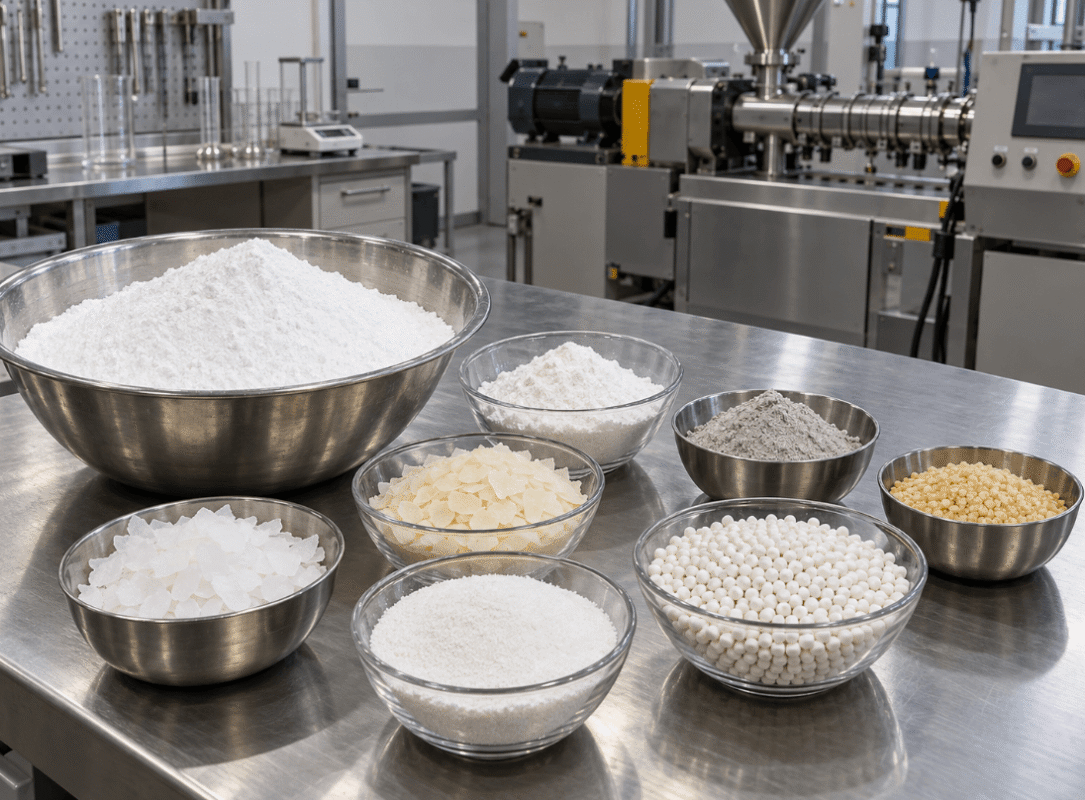
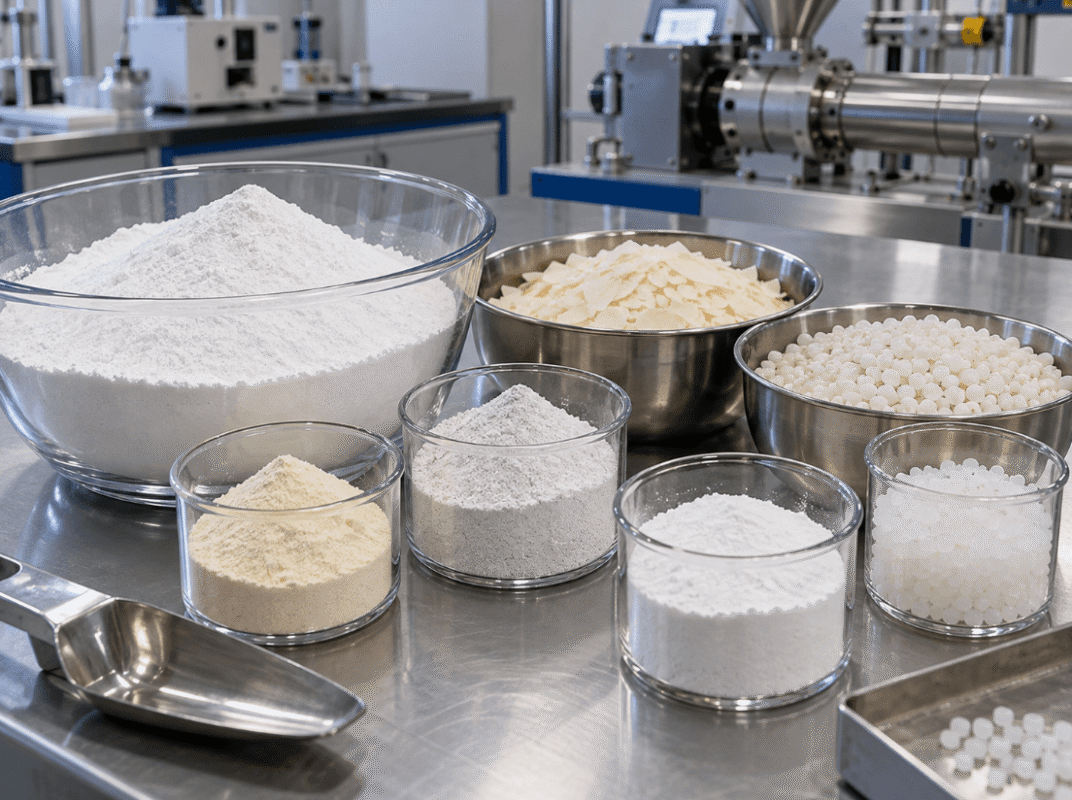
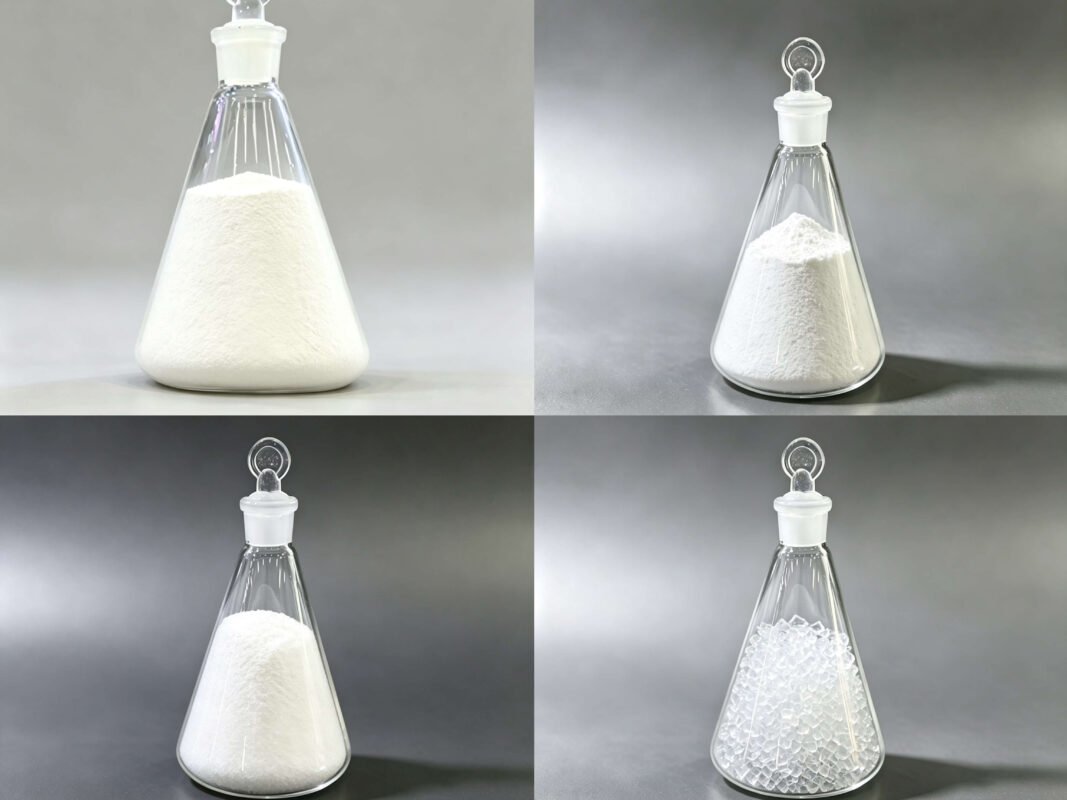
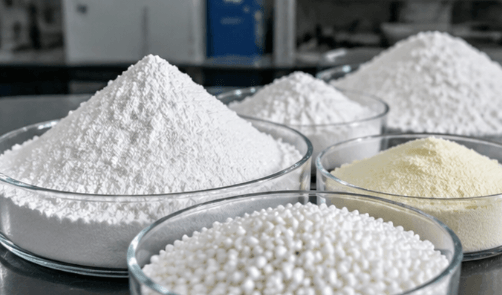
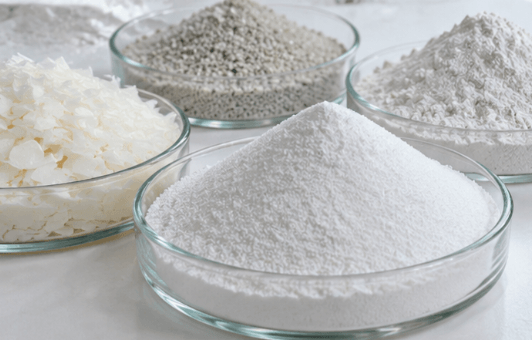
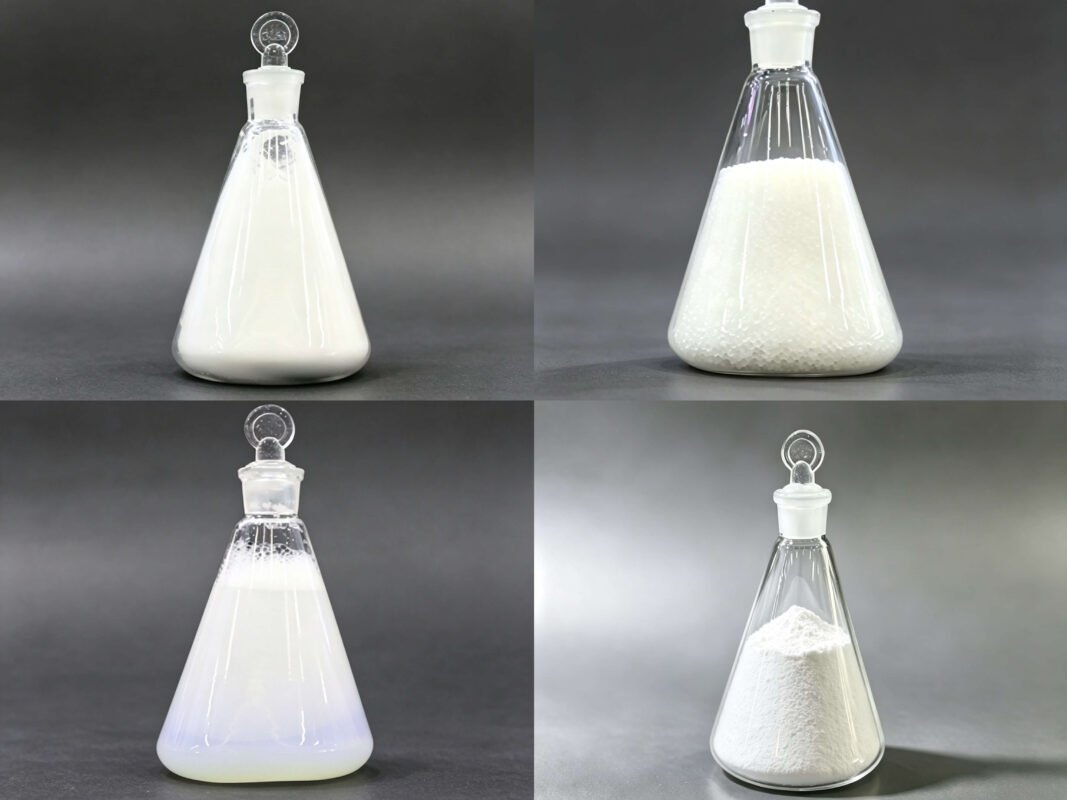
A blowing agent for pvc foam board is a substance capable of producing a cellular structure via a foaming process. These agents are typically divided into two categories: chemical and physical. In PVC board production, chemical blowing agents (CBAs) are the industry standard. They are added in powder or masterbatch form to the dry blend. When the temperature reaches a specific threshold, the agent undergoes a chemical reaction.
This reaction releases gases like nitrogen, carbon dioxide, or carbon monoxide. These gases form tiny bubbles that expand the PVC melt as it exits the die. The efficiency of a blowing agent for pvc foam board is measured by its gas yield. A typical high-efficiency agent can produce 220 to 250 ml of gas per gram. This high gas volume allows manufacturers to achieve density levels as low as 0.40 g/cm³. Understanding the decomposition temperature is vital to prevent premature foaming in the hopper.
Types of Blowing Agents for PVC Board Production
Choosing between different chemical types depends on the desired final properties of the board. Exothermic agents and endothermic agents serve different technical purposes.
Exothermic Blowing Agents (AC Series)
Azodicarbonamide, or AC, is the most common exothermic blowing agent for pvc foam board. It releases energy during decomposition, which can accelerate the foaming process. AC agents provide a high gas yield and are cost-effective for thick boards. However, they can cause yellowing if not managed correctly due to their natural pigment. The decomposition temperature of standard AC is usually between 180°C and 210°C.
Endothermic Blowing Agents (NC Series)
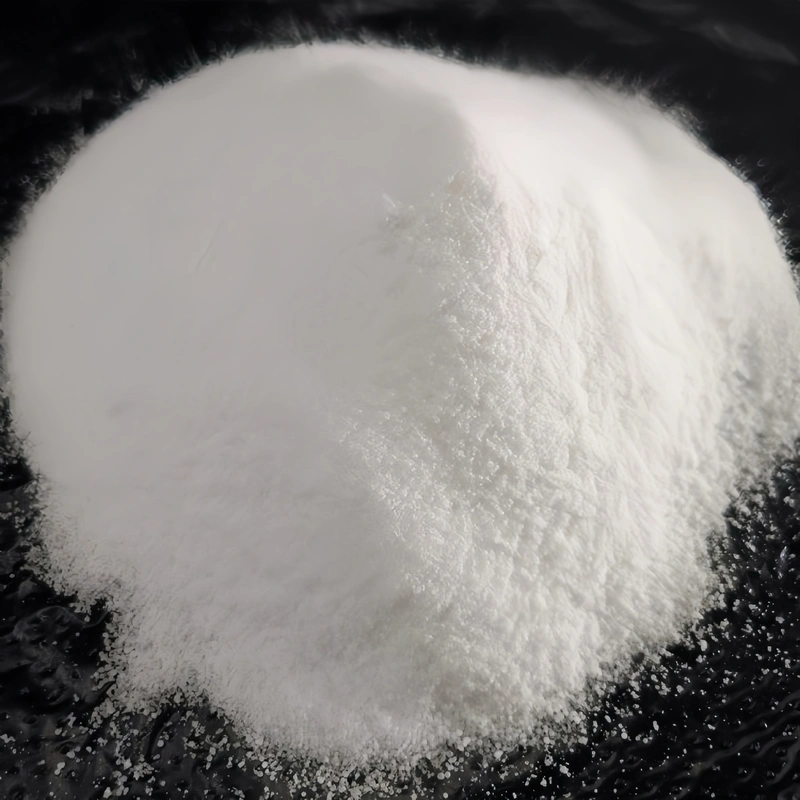
Endothermic agents absorb heat to release gas, typically carbon dioxide. These are often based on sodium bicarbonate or citric acid blends. They produce a finer cell structure and are ideal for white PVC boards. Because they absorb heat, they provide better control over the cooling process. This prevents the “over-foaming” that can lead to large, uneven voids in the material.
Composite Foaming Agents
Many modern factories use a “balanced” blowing agent for pvc foam board. This is a blend of exothermic and endothermic components. These composites offer the high gas volume of AC with the cell-refinement properties of NC. By using a composite, producers can achieve a density reduction of up to 50% compared to unfoamed PVC.
| Property | Exothermic (AC) | Endothermic (NC) | Composite Agent |
| Gas Type | Nitrogen (N2) | Carbon Dioxide (CO2) | N2 + CO2 |
| Gas Yield (ml/g) | 210 – 230 | 110 – 140 | 160 – 190 |
| Reaction Type | Releases Heat | Absorbs Heat | Controlled / Balanced |
| Best Use | Thick Boards / Core | Thin Sheets / Surface | Universal Applications |
Technical Factors Affecting PVC Foam Quality
The performance of a blowing agent for pvc foam board is influenced by the overall formulation. Lubricants, stabilizers, and processing aids all interact with the gas release. For instance, the use of calcium-zinc stabilizers requires a different foaming trigger than lead-based stabilizers. The decomposition rate must match the melt elasticity of the PVC. If the gas releases too fast, the cells will rupture, leading to a “coarse” internal structure.
Internal pressure management is another critical factor for high-quality boards. The pressure inside the extruder must remain high enough to keep the gas dissolved in the melt. Once the melt exits the die, the pressure drops, and the gas expands rapidly. Data shows that maintaining a die pressure between 15 and 25 MPa is optimal for uniform cell growth. If the blowing agent for pvc foam board decomposes too early, the pressure will fluctuate. This causes thickness variations and surface defects on the finished board.
Thermal stability also plays a significant role in long-run production. If an agent has a narrow decomposition window, small temperature shifts can ruin the batch. High-quality agents are designed with a “plateau” decomposition curve. This ensures consistent gas release even if the extruder temperature varies by 3 to 5 degrees Celsius. Consistency in grain size also prevents “streaking” on the board surface.
How to Select the Right Foaming Agent Criteria
Choosing a blowing agent for pvc foam board requires evaluating your specific production environment. The first criterion is the thickness of the board you intend to produce. For boards thicker than 15mm, an exothermic agent is often necessary to provide enough pressure to fill the mold. For thin boards (3mm to 8mm), an endothermic or composite agent is better to avoid burning the core.
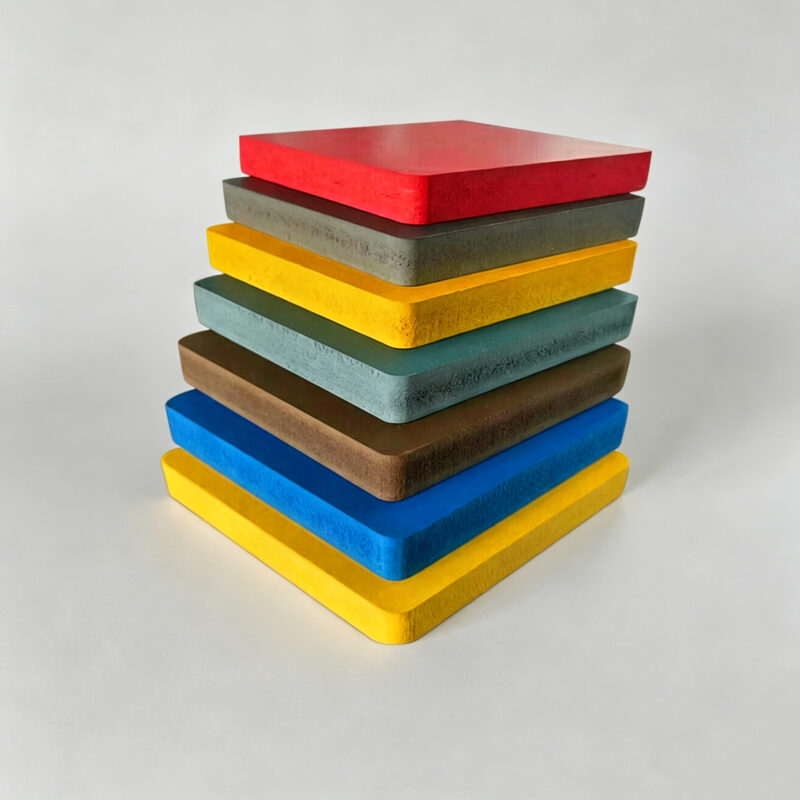
The second criterion is the color and surface requirements of your market. If you are producing premium white cabinets, avoid pure AC agents that may leave a yellowish tint. Look for “white” or “NC-based” agents that preserve the brightness of the PVC resin. You must also consider the compatibility with your “foaming regulator” or processing aid. High-molecular-weight acrylic regulators are needed to hold the gas produced by the agent.
Finally, evaluate the cost-to-performance ratio based on density targets. A cheaper agent might require a higher dosage to reach the same density as a premium agent. Typically, the dosage of a blowing agent for pvc foam board ranges from 0.5% to 3.0% of the total resin weight. Testing different ratios helps determine the “sweet spot” where material savings outweigh the additive cost. Consistency in the chemical purity of the agent ensures that every pallet of boards meets the same weight specifications.
Summary
Selecting the correct blowing agent for pvc foam board determines the success of your manufacturing process. By balancing exothermic and endothermic reactions, you can achieve optimal density and surface finish. High-quality agents ensure uniform cell structures and reduce material waste. Always match the agent’s gas yield and decomposition temperature to your specific machinery and board thickness.
FAQ
What is the ideal dosage for a blowing agent for pvc foam board?
The dosage usually ranges between 0.5% and 3.0% depending on the target density. Lower density boards require a higher percentage of the blowing agent and high-efficiency regulators.
Why does my PVC foam board have large holes inside?
Large holes often indicate that the cells have ruptured due to excessive gas release or low melt strength. This can be fixed by reducing the blowing agent for pvc foam board dosage or increasing the foaming regulator.
Can I mix exothermic and endothermic blowing agents?
Yes, mixing these agents is a common practice to balance the heat of the reaction. Many manufacturers provide pre-mixed composite agents to simplify this process and improve cell uniformity.
How does temperature affect the blowing agent?
Temperature triggers the decomposition of the chemical agent. If the temperature is too low, the agent will not release gas; if it is too high, it may decompose too early in the barrel.
Does the blowing agent affect the color of the PVC board?
Certain exothermic agents like AC can leave a yellow tint. For bright white boards, it is recommended to use an endothermic blowing agent for pvc foam board or a bleached AC variant.
Reference Sources
- Vinyl Institute – Technical Resources for PVC Manufacturing: https://www.vinylinfo.org/
- American Chemistry Council – Plastics Division Reports: https://www.americanchemistry.com/
- Cahiers de l’Industrie du Plastique – Additives for PVC Foam: https://www.plasticseurope.org/