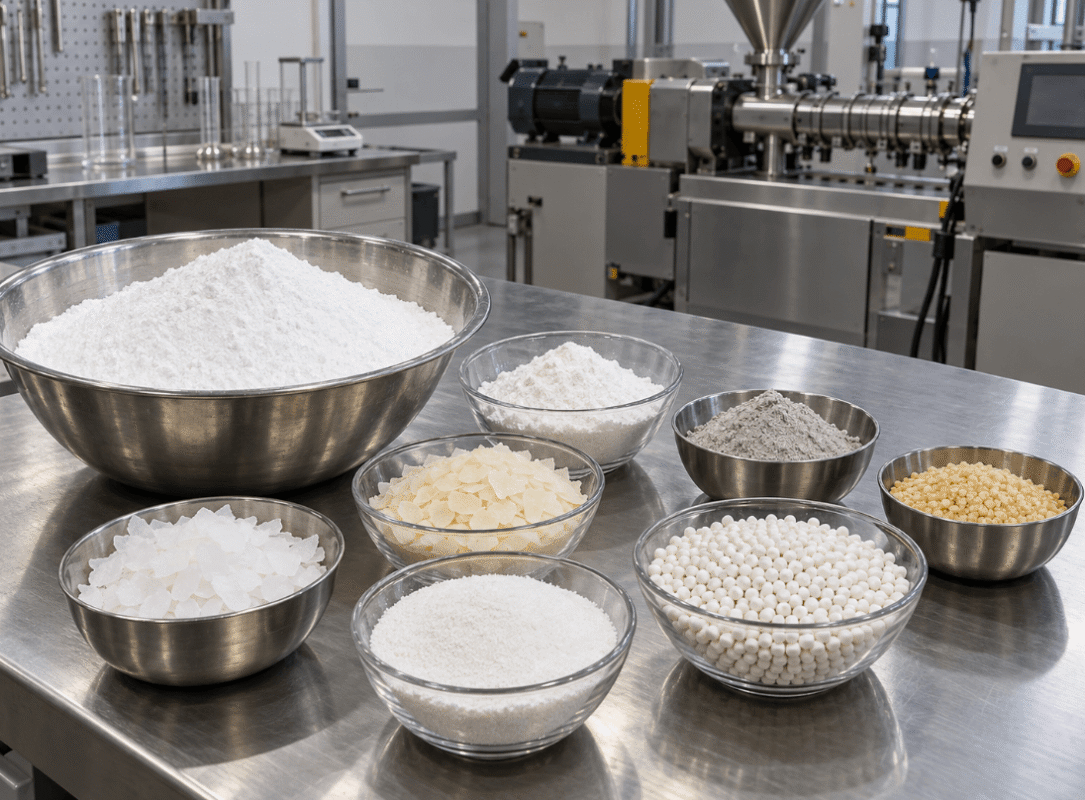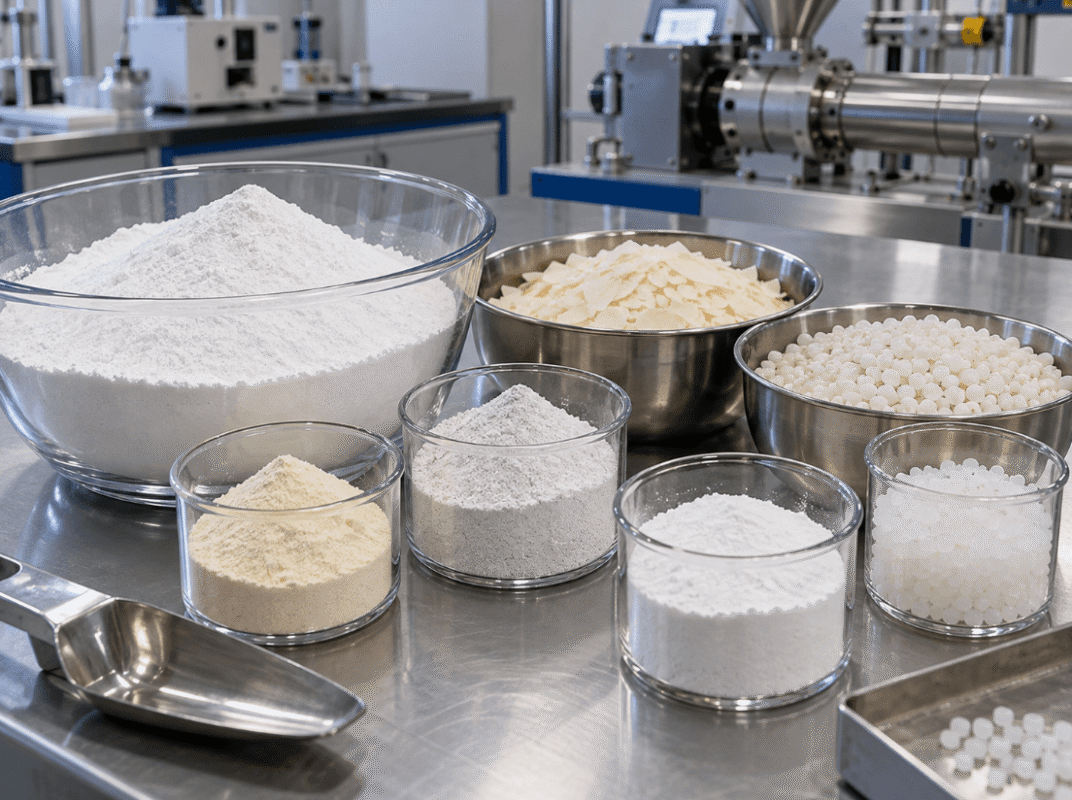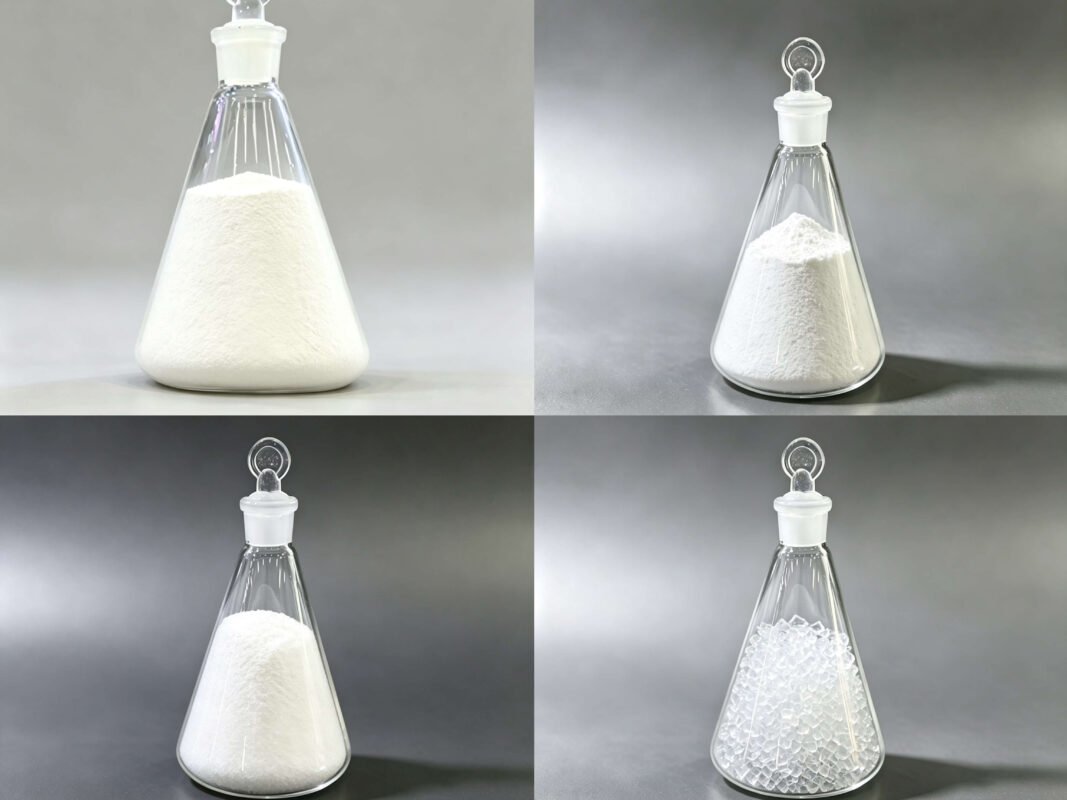

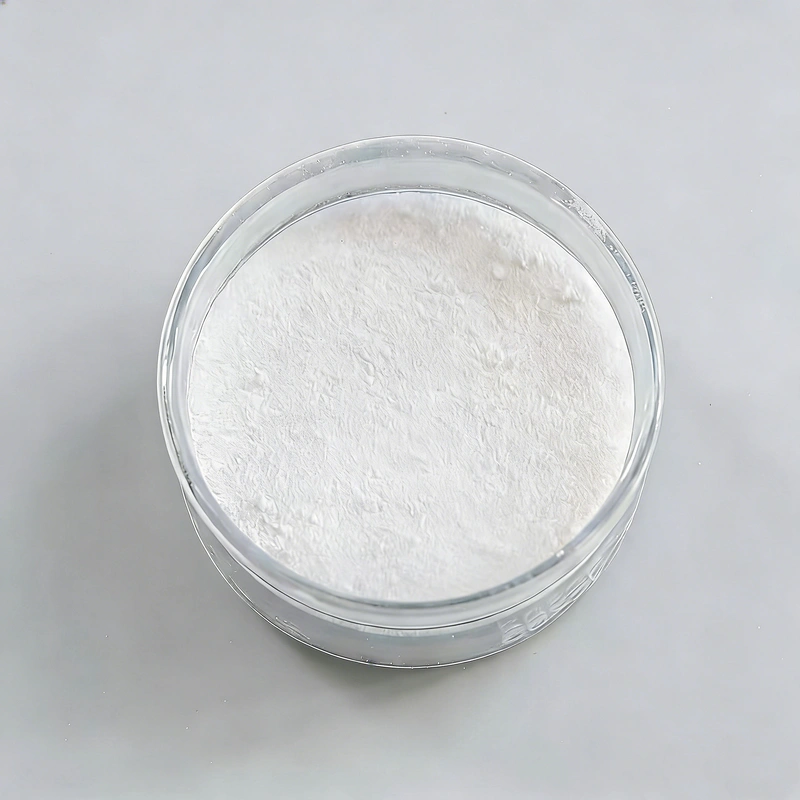
Polyvinyl Chloride (PVC) is a versatile but thermally sensitive plastic. It requires specific additives to flow smoothly during manufacturing. The pvc lubricant is a critical additive used to modify the flow characteristics of PVC during thermal processing. Without these substances, the raw polymer would stick to machinery and degrade under high heat.
The primary role of a pvc lubricant is to reduce friction. This friction occurs between the polymer molecules and between the polymer melt and the metal surfaces of the equipment. Effective lubrication ensures a smooth surface finish and prevents burning. It also helps in controlling the gelation rate of the resin.
Manufacturers must balance different types of lubricants to achieve the best results. Each formulation depends on the specific processing method, such as extrusion or injection molding. Choosing the right pvc lubricant directly impacts the mechanical properties of the final product. This guide explores the mechanics, types, and industrial uses of these essential chemical agents.
Understanding Internal and External PVC Lubricants
The industry categorizes a pvc lubricant based on its compatibility with the PVC resin. There are two functional types: internal and external. While they serve different purposes, most formulations require a synergistic blend of both.
Internal lubricants have high compatibility with PVC molecules. They penetrate the polymer chains and reduce the intermolecular forces. This process lowers the melt viscosity and reduces the heat generated by internal friction. Internal lubricants improve the flowability of the melt without significantly affecting the clarity of the plastic. Common examples include fatty acid esters and certain polar waxes.
External lubricants have low compatibility with the polymer. They migrate to the surface of the melt during processing. This creates a thin, protective film between the hot PVC and the metal parts of the extruder or mold. The main goal of an external pvc lubricant is to prevent the material from sticking to the equipment. If the external lubricant level is too high, it can lead to “plate-out” or poor fusion.
| Feature | Internal Lubricant | External Lubricant |
| Compatibility | High compatibility with PVC | Low compatibility with PVC |
| Main Function | Reduces melt viscosity and friction | Prevents sticking to metal surfaces |
| Effect on Fusion | Promotes faster fusion | Delays fusion time |
| Typical Dosage | 0.2 to 1.0 phr (parts per hundred) | 0.05 to 0.5 phr |
| Common Materials | GMS, Fatty Acid Esters | PE Wax, Paraffin, Stearic Acid |
Key Materials Used as PVC Lubricants
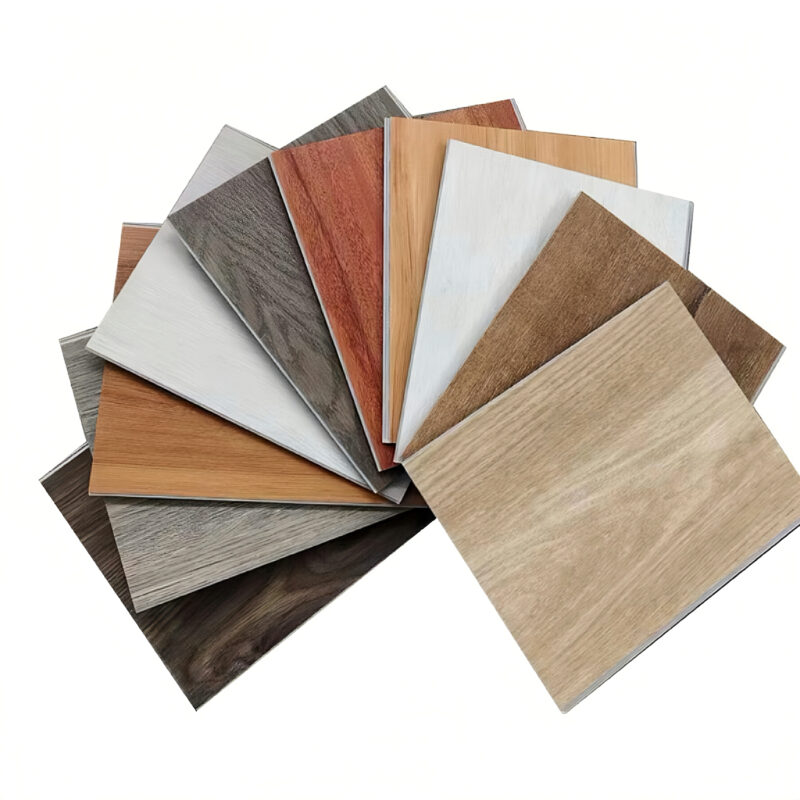
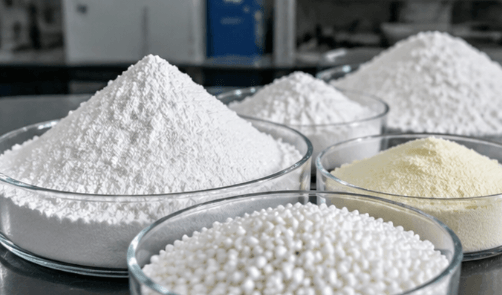
Different chemical structures provide varying levels of lubrication. Selecting a pvc lubricant involves looking at melting points and polarity. These factors determine how the additive behaves inside the extruder.
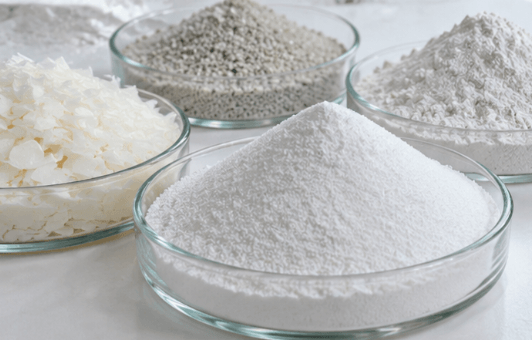
Polyethylene (PE) wax is a widely used external pvc lubricant. It has a high melting point, typically between 100°C and 115°C. PE wax provides excellent metal release properties for high-speed extrusion. It is often used in the production of rigid PVC pipes and profiles to maintain a glossy finish.
Stearic acid is another common choice, acting primarily as an external lubricant. It has a lower melting point, usually around 69°C. Stearic acid is effective at low temperatures but can cause blooming if used excessively. It is frequently paired with calcium stearate to balance the lubrication effect.
Oxidized Polyethylene (OPE) wax serves a dual purpose. Because it contains polar groups, it offers both internal and external lubrication. OPE wax improves the gloss and provides a stable processing window. It is particularly useful in complex PVC formulations where high shear forces are present.
Glycerol Monostearate (GMS) is a classic internal pvc lubricant. It is highly polar and mixes well with the PVC resin. GMS significantly reduces the melt torque during processing. This leads to lower energy consumption and faster production speeds in soft PVC applications.
Common Applications in PVC Manufacturing
The demand for pvc lubricant varies across different industrial sectors. Rigid PVC products require more external lubrication to handle high pressures. Flexible PVC products focus more on internal flow and heat stability.
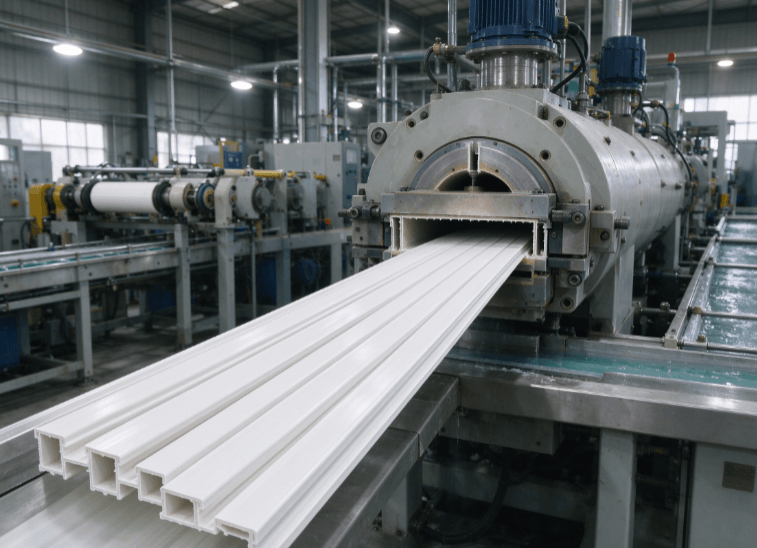
In the production of PVC pipes, lubrication is vital for structural integrity. The pvc lubricant ensures that the thick melt moves through the die without creating weld lines. Proper lubrication in pipe extrusion prevents wall thickness variations and surface defects. Most pipe formulations use a combination of paraffin wax and calcium stearate.
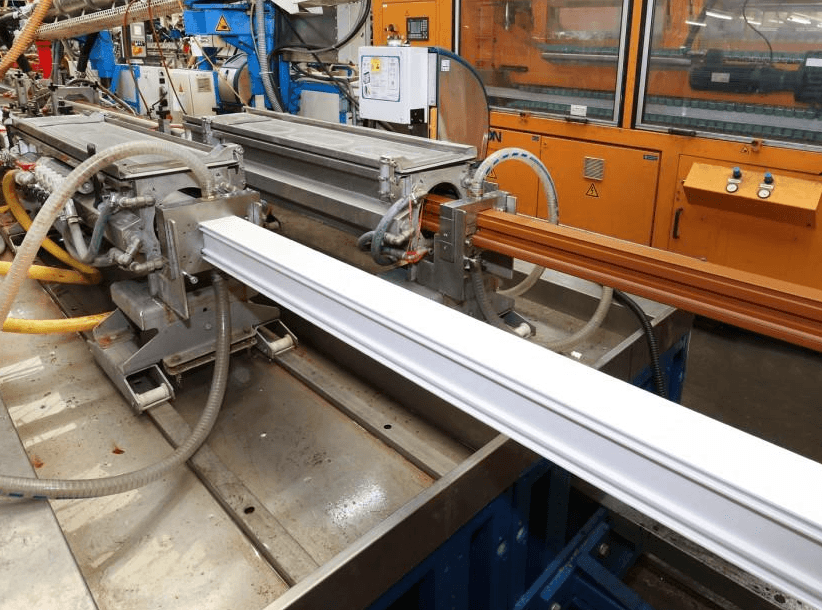
PVC profiles, such as window frames, require high aesthetic quality. Manufacturers use specialized OPE waxes to achieve a smooth, bright surface. A high-quality pvc lubricant prevents the accumulation of material on the die lips. This reduces maintenance downtime and improves the consistency of the profile dimensions.
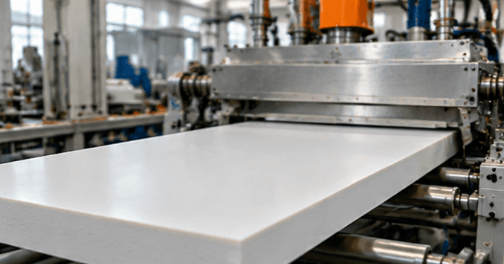
PVC films and sheets also rely on carefully balanced additives. Internal lubricants ensure that the film has high transparency and no internal stress marks. External lubricants prevent the film from sticking to the calender rolls during high-speed production. This is essential for maintaining a uniform thickness across the entire width of the sheet.
Criteria for Selecting the Right PVC Lubricant
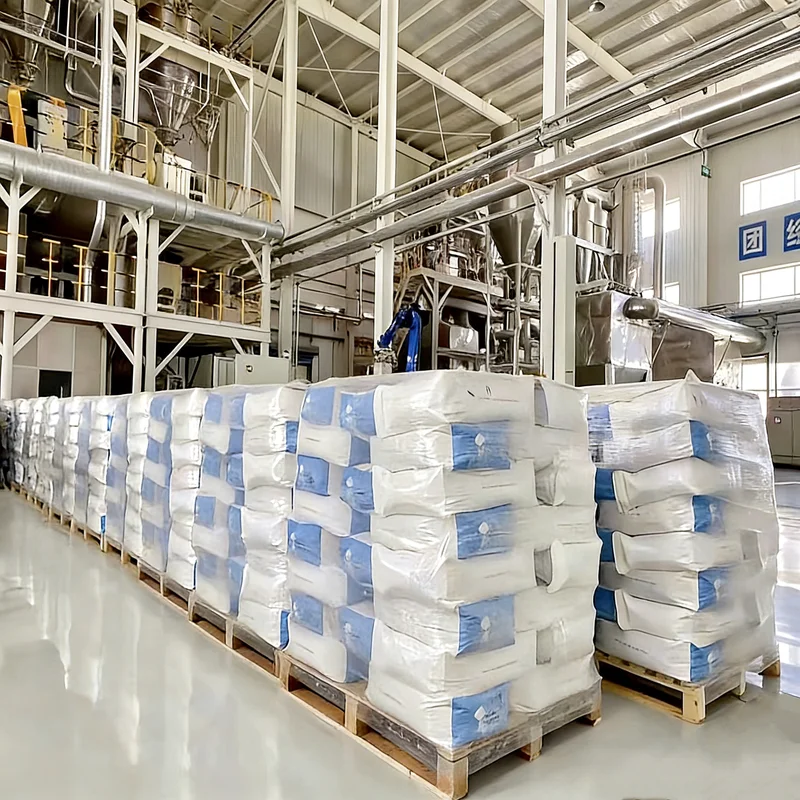
Choosing a pvc lubricant requires a deep understanding of your specific production environment. The processing temperature is the first factor to consider. Lubricants with low melting points may evaporate or degrade if the processing heat is too high. You must match the thermal stability of the lubricant with your machine settings.
Compatibility with other additives is the second crucial factor. PVC formulations contain stabilizers, fillers, and pigments. An incompatible pvc lubricant can react with stabilizers, leading to discoloration or reduced weather resistance. For example, certain waxes might interfere with the efficiency of lead-based or calcium-zinc stabilizers.
The desired fusion time is the third major consideration. If you need faster production, you may require more internal lubrication to speed up the melting process. Excessive external lubrication can delay fusion too much, resulting in poor mechanical strength. Testing the fusion torque using a rheometer is the standard way to verify these levels.
Efficiency and cost-effectiveness also play a role in industrial selection. High-efficiency lubricants, like synthetic Fischer-Tropsch waxes, work at lower dosages. Reducing the total amount of pvc lubricant can lower the overall cost of the formulation. Always look for products that offer a wide processing window to handle slight variations in raw materials. To find the best match for your needs, you can explore specialized categories of high-performance pvc lubricant solutions.
Summary
A pvc lubricant is essential for balancing the complex flow and surface requirements of PVC processing. Internal types reduce viscosity for better flow, while external types prevent sticking to machinery. By selecting the correct material and dosage, manufacturers can ensure product durability and high surface quality. The right lubrication strategy optimizes production efficiency and minimizes material waste.
FAQ
Q:What happens if I use too much external pvc lubricant?
Using too much external lubricant causes a delay in the fusion of the PVC resin. This often leads to poor physical properties and surface defects like “plate-out” on the machinery.
Q:Can one pvc lubricant serve both internal and external functions?
Yes, some additives like Oxidized Polyethylene (OPE) wax have polar and non-polar groups. These materials provide a “balanced” lubrication effect that covers both needs.
Q:How does pvc lubricant affect the transparency of the final product?
Internal lubricants generally maintain high transparency because they are compatible with the resin. External lubricants can cause cloudiness or “haze” if they migrate excessively to the surface.
Q:Is stearic acid an internal or external lubricant?
Stearic acid is primarily considered an external lubricant in PVC. However, at very low concentrations, it can show slight internal lubrication characteristics.
Q:What is the typical dosage of a pvc lubricant in a formulation?
Most formulations use between 0.5 and 1.5 parts per hundred parts of resin (phr) in total. The exact ratio depends on whether the PVC is rigid or flexible.
Reference Sources
SpecialChem – Polymer Additives Database
https://polymer-additives.specialchem.com/
Plastics Technology Online
https://www.ptonline.com/
Journal of Vinyl and Additive Technology (Society of Plastics Engineers)
https://www.4spe.org/
ScienceDirect – Polymer Science Research
https://www.sciencedirect.com/