
What is PE wax
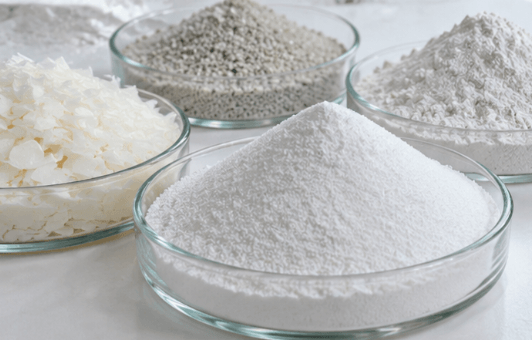
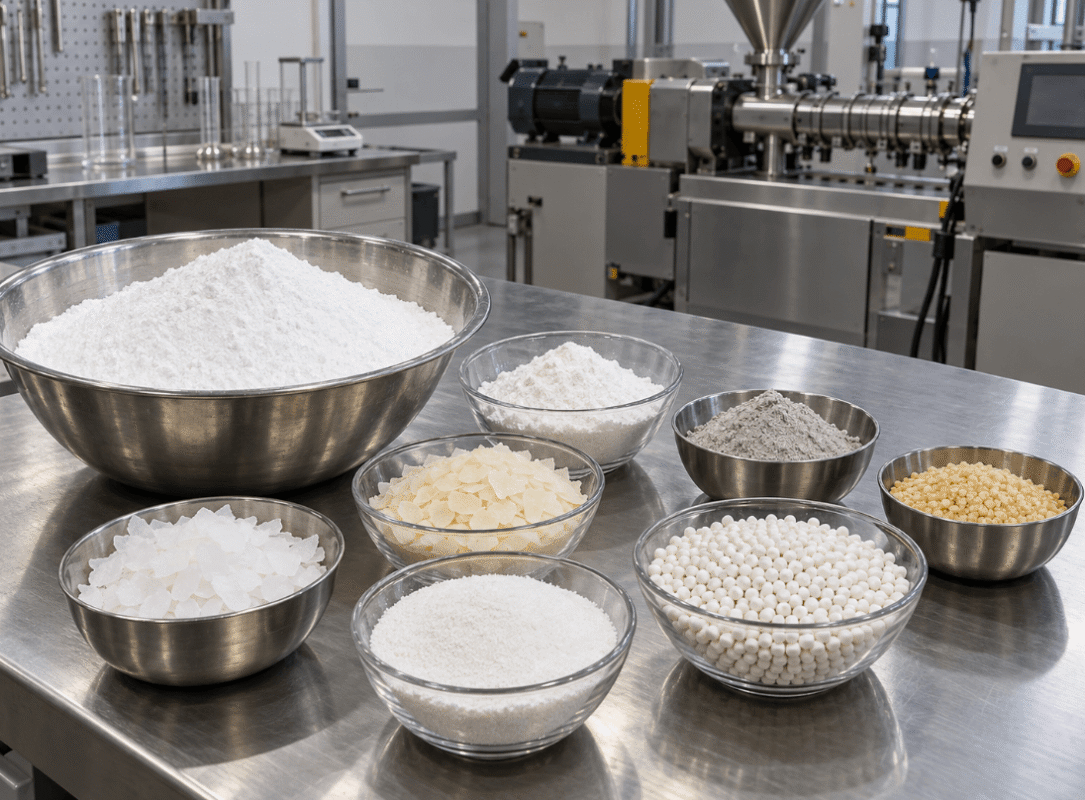
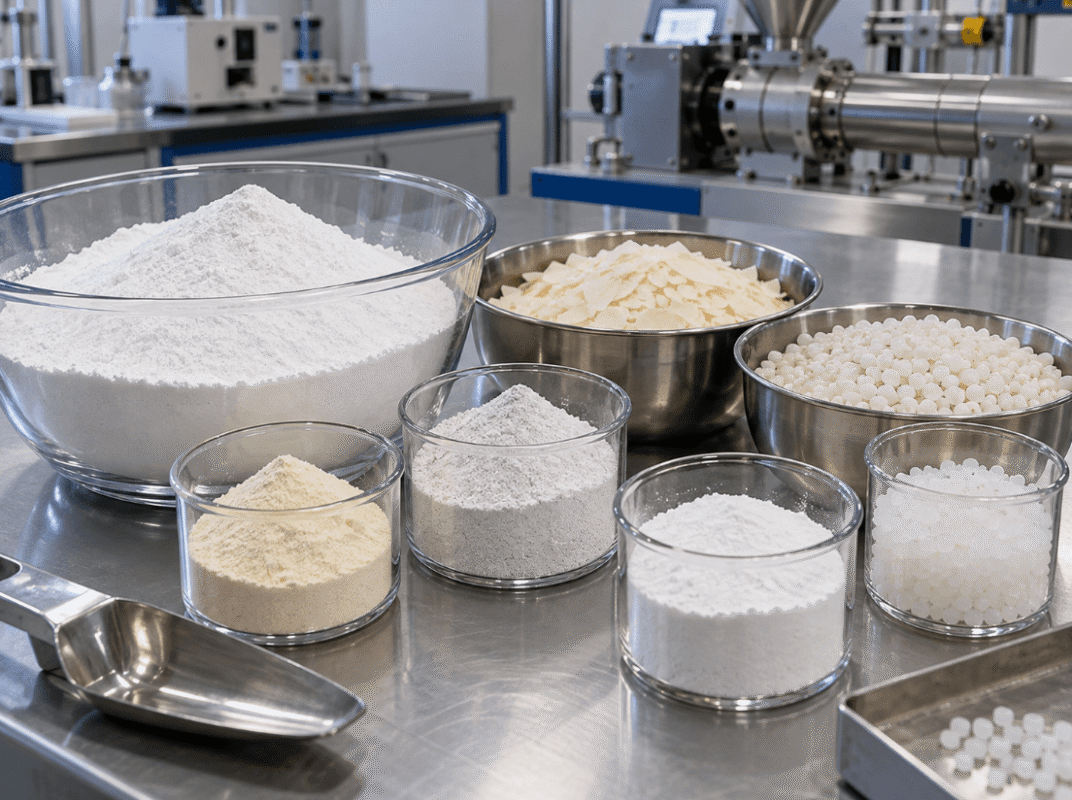
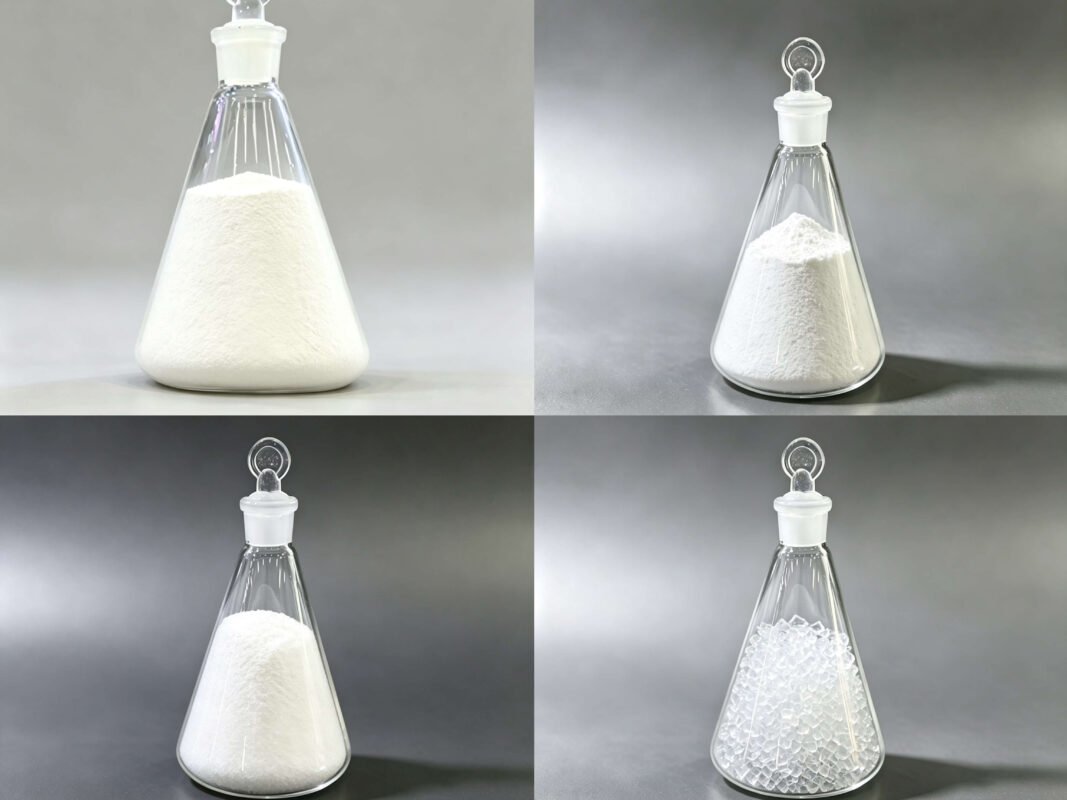
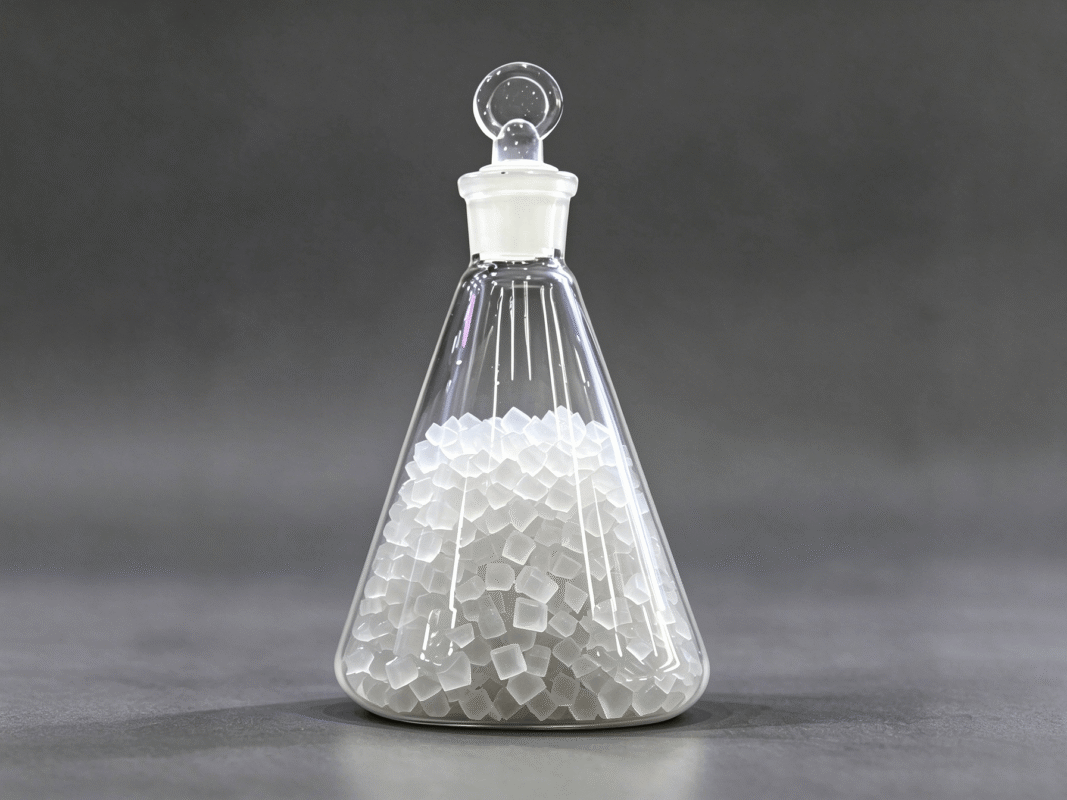
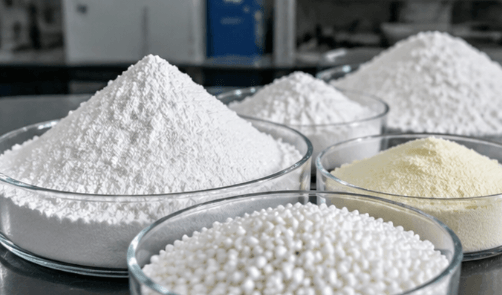
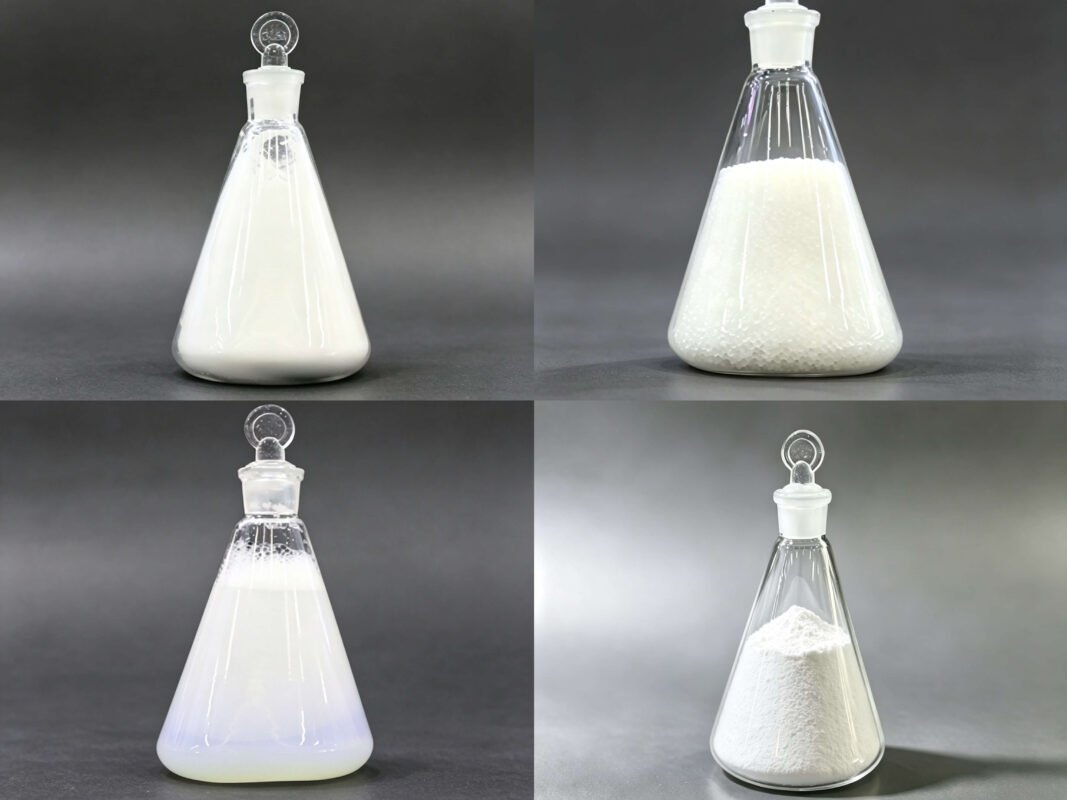
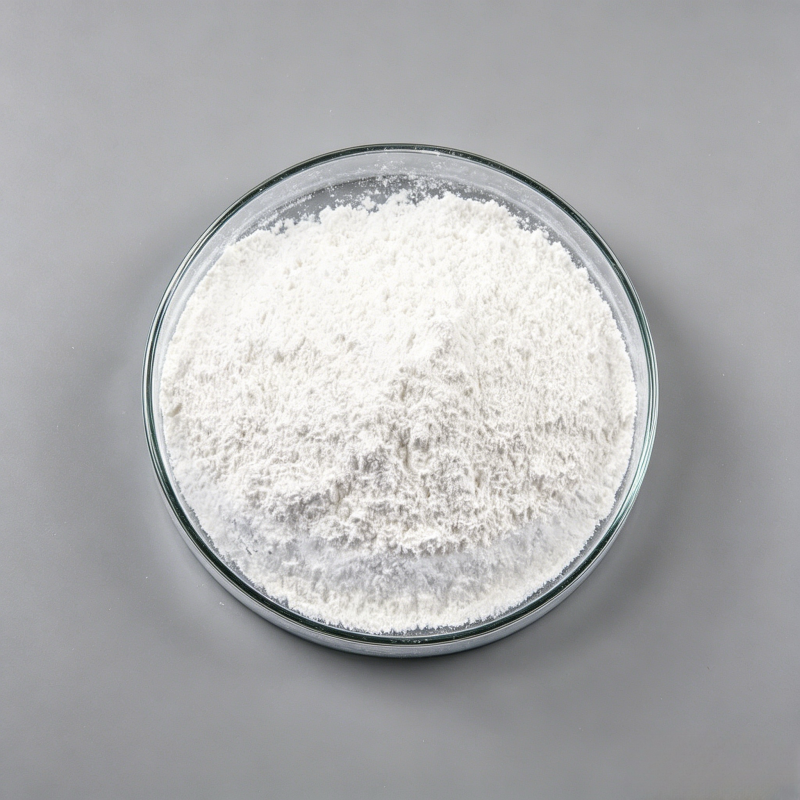
Polyethylene wax (PE wax) is a low-molecular-weight polyethylene polymer that combines the easy processability of wax with the mechanical strength and chemical resistance of plastic. Produced through the polymerization of ethylene, PE wax exists as a solid, wax-like material. Unlike standard polyethylene plastics, which consist of extremely long molecular chains, PE wax features intentionally shortened molecular chains, resulting in characteristic wax-like properties such as low melt viscosity, hardness, and lubricity. This blog post outlines the production processes and types of PE wax, and covers its functions and applications to help you gain a better understanding of the material.
How is PE wax produced
The synthesis method of PE wax determines its molecular weight distribution, branched structure, and purity, which in turn dictate its performance in specific applications. There are three main production routes:
1. Direct Polymerization (Synthesis)
Manufacturers polymerize ethylene gas under controlled conditions—using catalysts, temperature, and pressure—to achieve a specific low molecular weight.
- Product: Wax characterized by high linearity, high crystallinity, a sharp melting point, and excellent hardness.
- Properties: High purity, consistent quality, and a narrow molecular weight distribution.
2. Thermal Pyrolysis (Degradation)
High-molecular-weight polyethylene resin (such as industrial scrap or virgin resin) undergoes controlled thermal degradation (i.e., “cracking”) in an extruder or reactor. The process breaks down long polymer chains into shorter fragments with chain lengths comparable to those of waxes.
- Products: Typically characterized by a broad molecular weight distribution and, depending on the starting resin, may exhibit a slightly branched structure.
- Properties: Cost-effective products widely used in masterbatch and PVC applications. Characteristics can be customized by adjusting the degradation conditions.
3. By-product recovery (from HDPE production)
During the production of high-density polyethylene (HDPE) using slurry or gas phase processes, the reaction naturally generates low molecular weight components. Manufacturers then separate these components from the main polymer stream through a solvent extraction process.
- Product: Usually contains trace amounts of catalyst residues.
- Characteristics: Traditionally a low-cost by-product, but its supply depends on the output of HDPE resin.
Types and Grades of PE Wax
As a highly customizable class of materials, PE waxes are primarily classified as follows:
| Type | Chemical Nature | Key Characteristics | Typical Applications |
| Non-polar (Standard) PE Wax | Pure hydrocarbon (–CH₂–CH₂–); no functional groups | High hardness, sharp melting point, excellent lubricity, chemical inertness, high gloss | Masterbatches, PVC external lubricants, printing inks (scuff resistance), candle bodies |
| Polar (Functionalized) PE Wax | Backbone modified via grafting, copolymerization (e.g., with maleic anhydride), or oxidation | Good adhesion to polar substrates (metal, paper), emulsifiable, compatible with polar resins, good pigment wetting | Water-based emulsions, textile and leather finishing agents, coatings, adhesives, heavy-duty anti-corrosion/anti-rust agents |
Functions and Key Applications
Due to the high degree of customizability of PE wax, it plays a more diverse range of roles:
| Function | Mechanism of Action | End-Use Industry/Application |
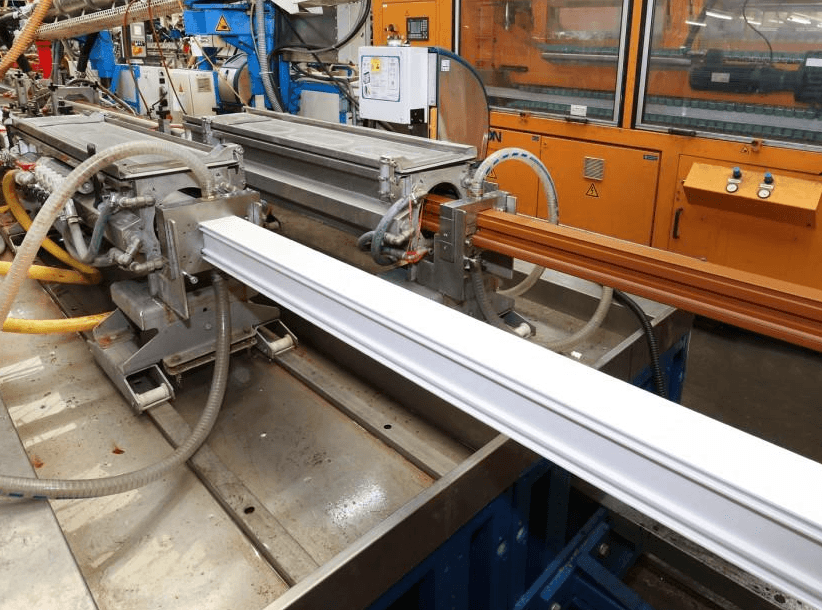
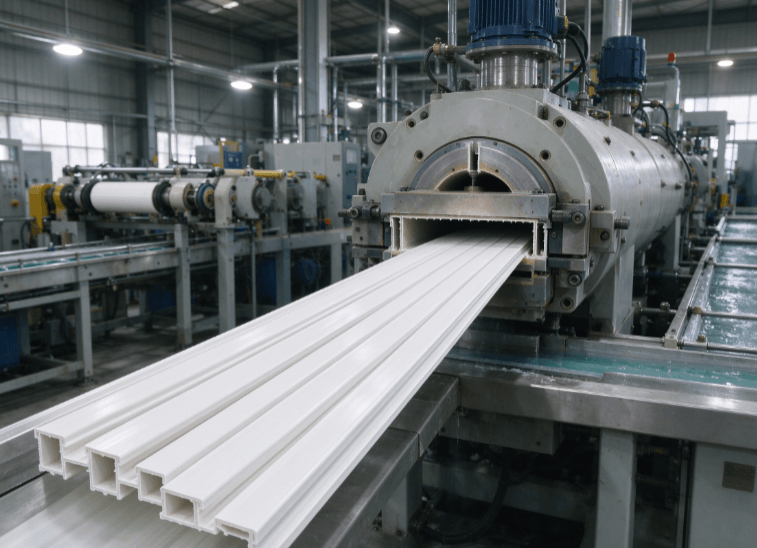
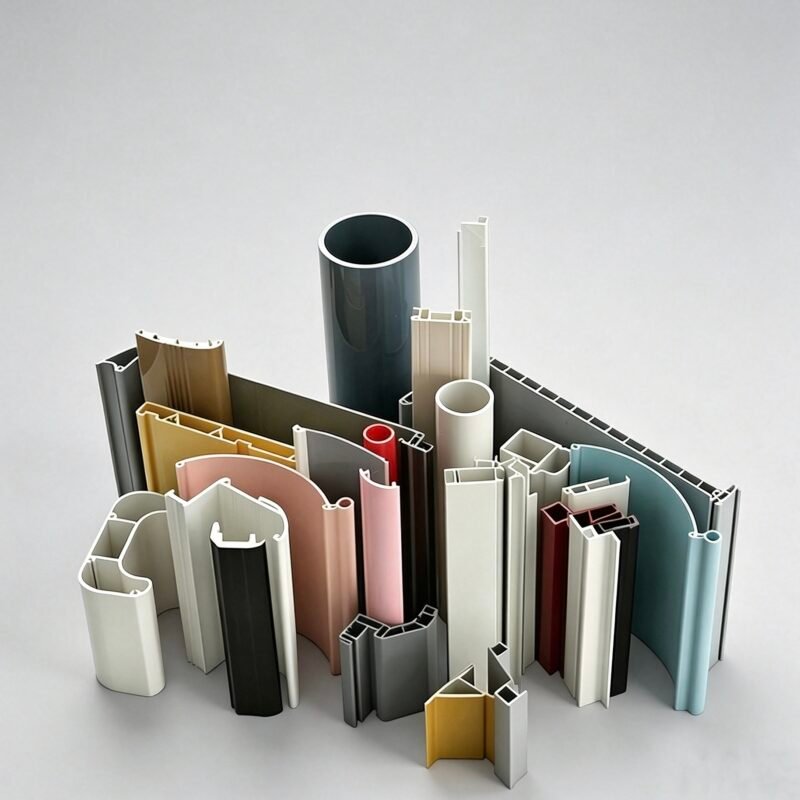
| Internal and external lubricants | It forms a non-stick film between the PVC compound and high-temperature metal surfaces—such as the extruder barrel, screw, and die—thereby reducing melt viscosity and preventing the melt from adhering to the metal; this helps prevent “scorching” (thermal degradation) and increases output. It is often used in conjunction with internal lubricants, such as fatty acid esters. | PVC processing: pipes, profiles, sheets, window frames, films. |
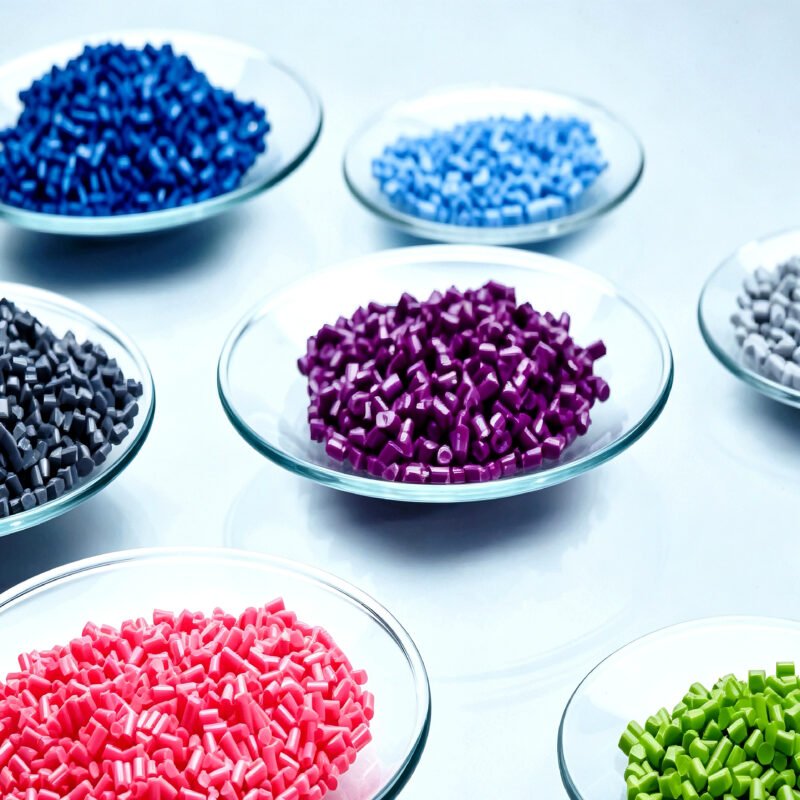
| Dispersants and wetting agents | It matches the base polymer perfectly; during compounding, it encapsulates pigment particles to minimize agglomeration and rapidly wets the pigments. Furthermore, when the masterbatch is diluted and blended with natural resin during final processing, it acts as a lubricant without compromising the mechanical properties of the finished product. | Masterbatches: color masterbatches and functional additive masterbatches (representing the largest single application market for PE wax). |
| Surface protection | It migrates to the surface upon cooling, forming a hard, glossy, and wear-resistant film. | Printing inks: Improve abrasion resistance and slip.Coatings: Wood coatings, coil coatings, can coatings. |
| Slip agents and anti-blocking agents | Forms a microscopically uneven surface, preventing adhesion between layers. | Plastic films: PE blown films (shopping bags, food packaging). |
| Matrix Hardener and Opacifier | Increase the melting point of the wax mixture and improve its crystalline structure. | Candles: Pillar candles, container candles (for use in blends with paraffin wax). |
| Temporary binder | Fibers or powders are bonded together during processing and subsequently removed or infiltrated into the matrix. | Textile: Yarn sizing agents.Powder metallurgy: Binders for metal powder injection molding. |
MK Series Lubricants → MK-103 PE Wax
A classic external lubricant for PVC processing, MK-103 PE wax significantly reduces friction between the melt and metal surfaces, preventing adhesion to rollers and molds. It enhances surface smoothness and gloss, improves demolding efficiency and production stability, and offers excellent chemical stability and heat resistance without compromising the product’s weatherability. With superior dispersion properties, it does not interfere with post-processing operations such as printing, lamination, or hot stamping. It provides a significant cost advantage and is suitable for both high-filler and general-purpose PVC extrusion and injection molding systems.
Application areas and suitable products include:
Pipes and fittings: PVC/UPVC/CPVC pipes, electrical conduits, injection-molded pipe fittings
Flooring: SPC flooring, WPC flooring, LVT flooring substrates
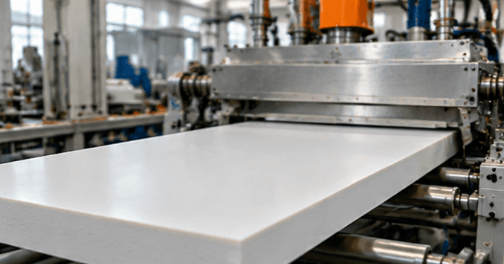
Board series: PVC boards, WPC boards, carbon crystal boards, foam boards, advertising foam boards, co-extruded boards, door panels, home and bathroom panels
Profiles: Edge banding, profiles, shutters, skirting boards, resin tiles
Wires and cables: Cable insulation, cable sheathing materials, color masterbatches
Other products: Foam floor mats, PVC injection/blow-molded shoe soles, foam leather
Overview of Differences Between PE Wax and OPE Wax
Standard polyethylene wax is completely non-polar. To enhance its compatibility with polar systems, the polymer chains can be chemically modified.
| Property | PE Wax | OPE Wax |
| Chemical Structure | Pure non-polar hydrocarbon chain | Contains polar functional groups (-COOH, -OH) |
| Polarity | Completely non-polar | Polar |
| Lubrication Type | Purely external lubrication | Both internal and external lubrication |
| Emulsification | Difficult to emulsify | Easily emulsified in water (suitable for textiles, coatings) |
| PVC Metal Release | Strong metal release; delays plasticization | Promotes PVC plasticization while ensuring metal release |
Summary
Polyethylene wax (PE wax) is a key—albeit often unseen—additive in modern materials science, ensuring vibrant colors, smooth plastic processing, and durable coatings. Thanks to its simple yet highly tunable chemical backbone structure, polyethylene wax exhibits exceptional versatility, guaranteeing its continued importance in future industrial formulations.
FAQ
Q: Can PE wax (polyethylene wax) be used as a substitute for stearic acid?
A: It cannot serve as a complete replacement. Stearic acid provides a specific type of initial external lubrication, whereas PE wax is more effective at higher temperatures. Formulators typically use the two in combination to ensure effective lubrication across the entire temperature gradient of the extruder.
Q: Is PE wax safe?
A: Although PE wax is physiologically inert and regulatory agencies do not classify it as a hazardous substance, authorities approve it for various food-contact applications, such as food packaging; producers can even use specific high-purity grades for direct food contact, such as fruit coatings.
Reference Sources:
Specialchem – “Lubricants for PVC: Internal vs External” :https://polymer-additives.specialchem.com
British Plastics Federation (BPF) – Introduction and Classification of Additives:https://www.bpf.co.uk
European Plastics Converters (EuPC):https://www.plasticsconverters.eu