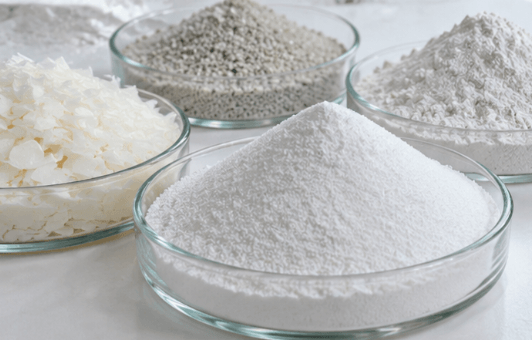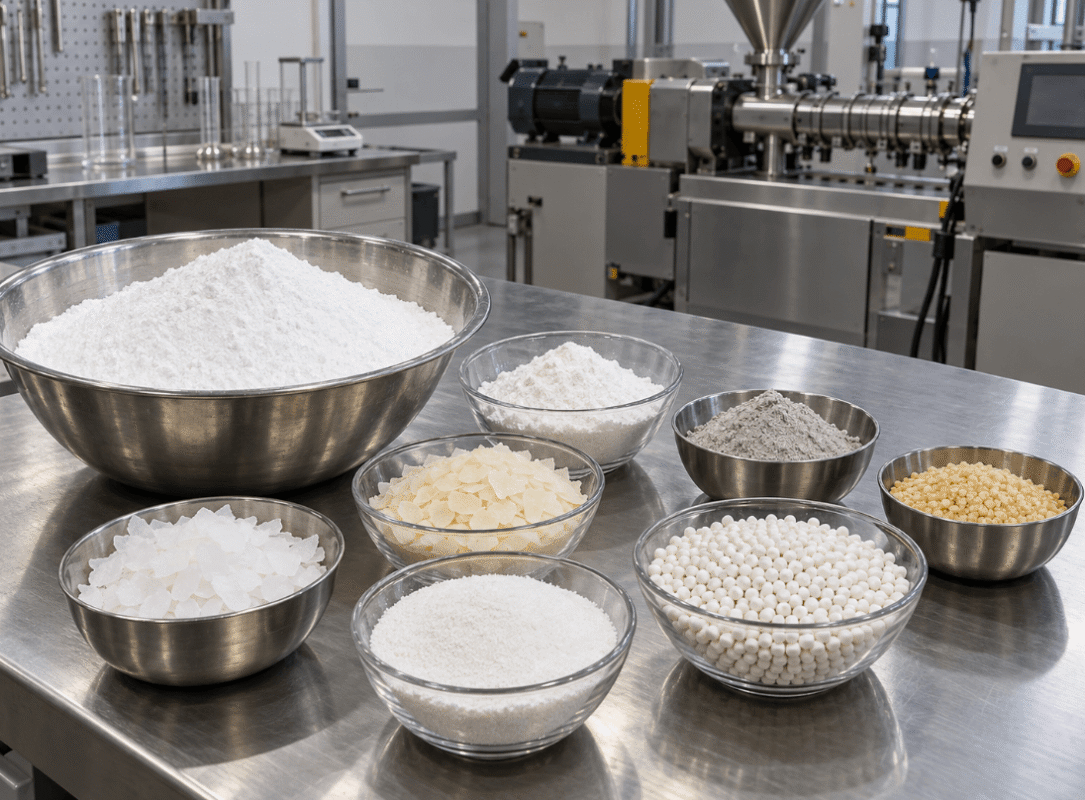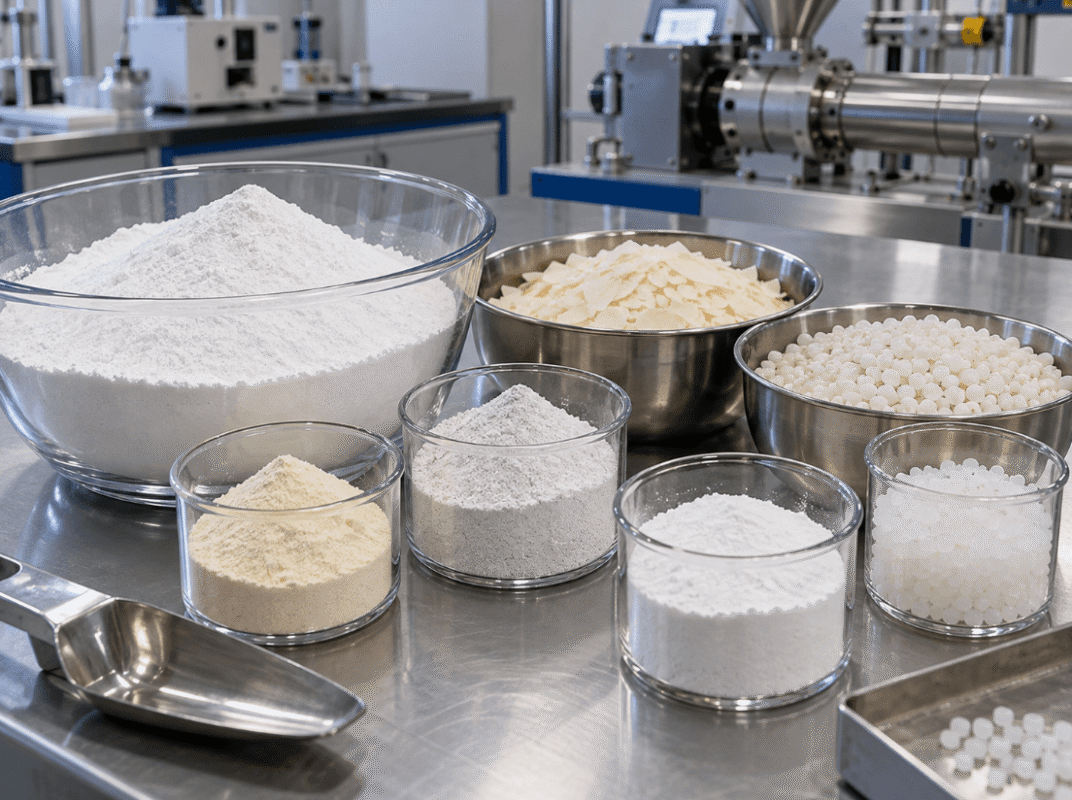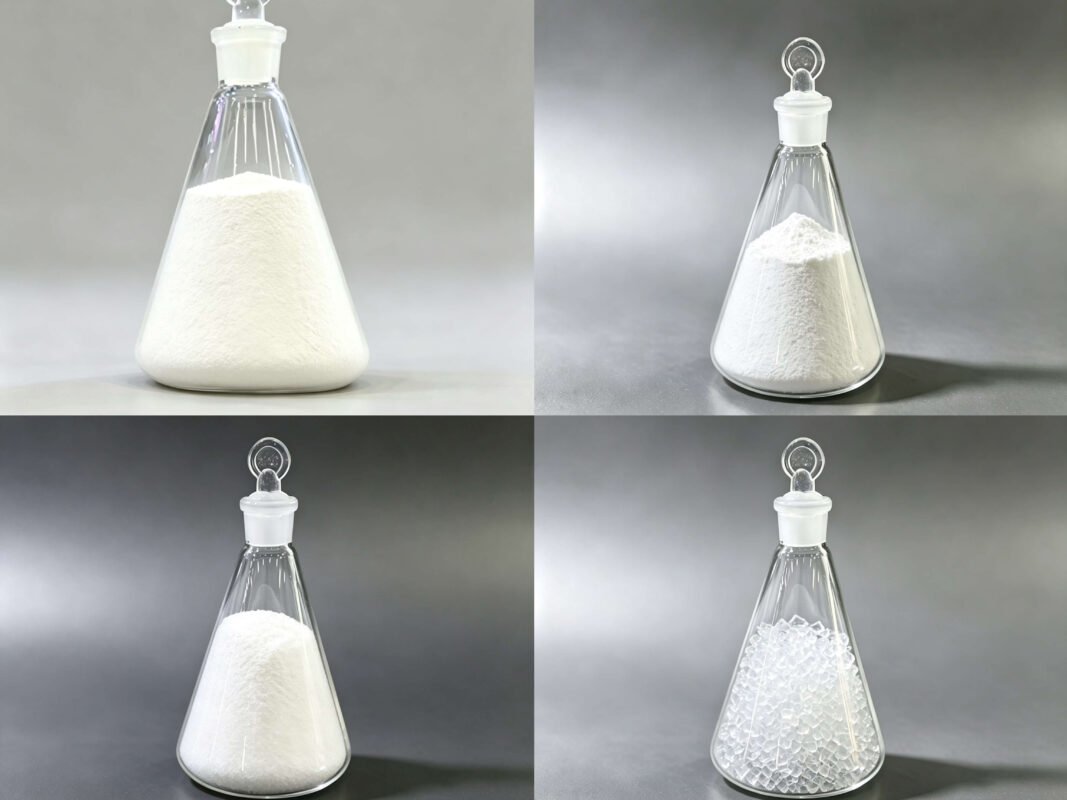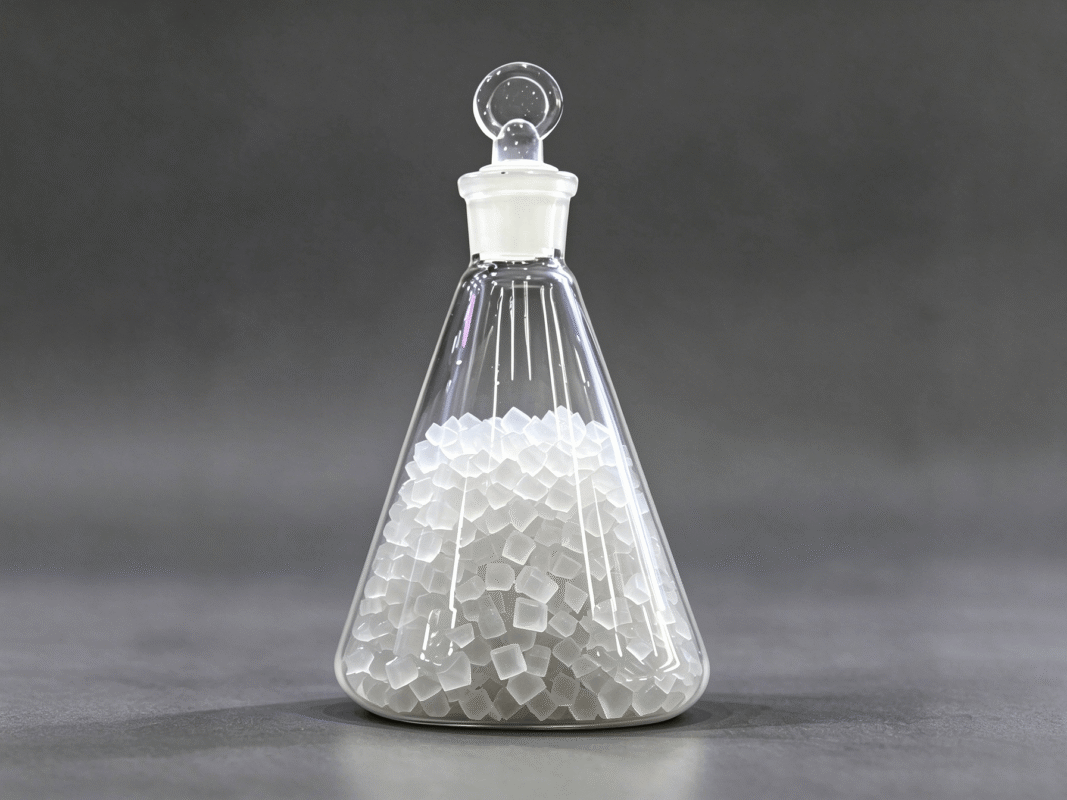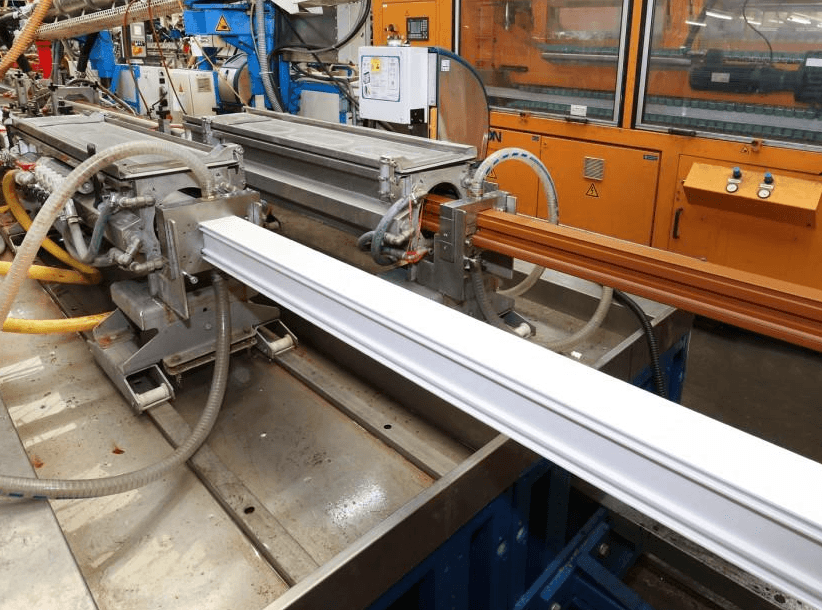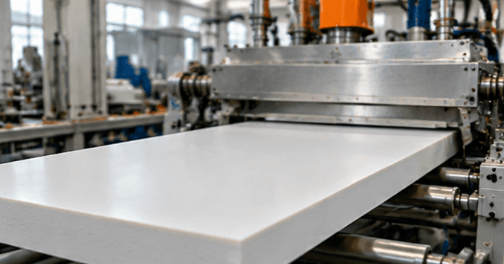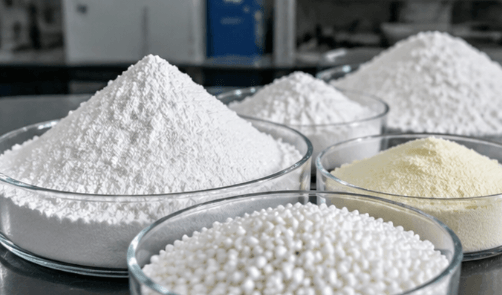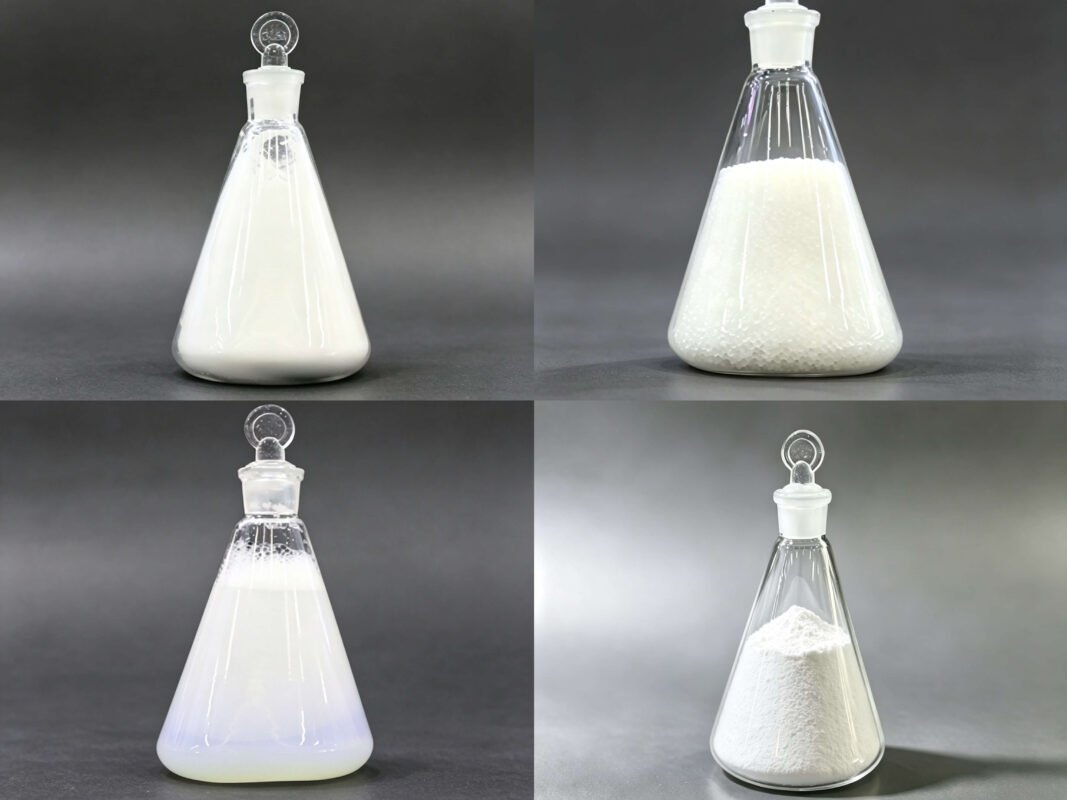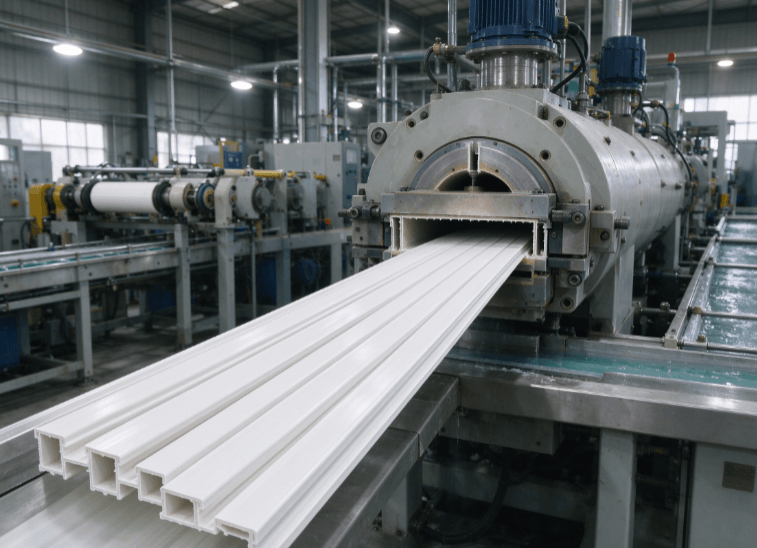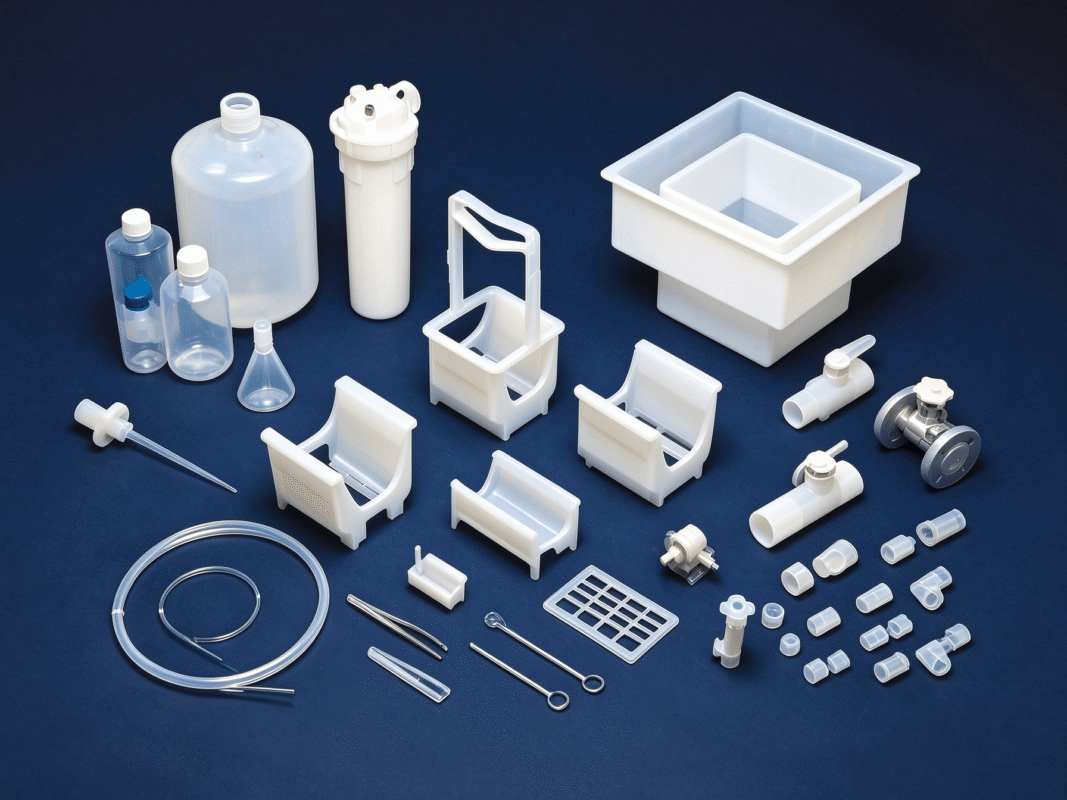

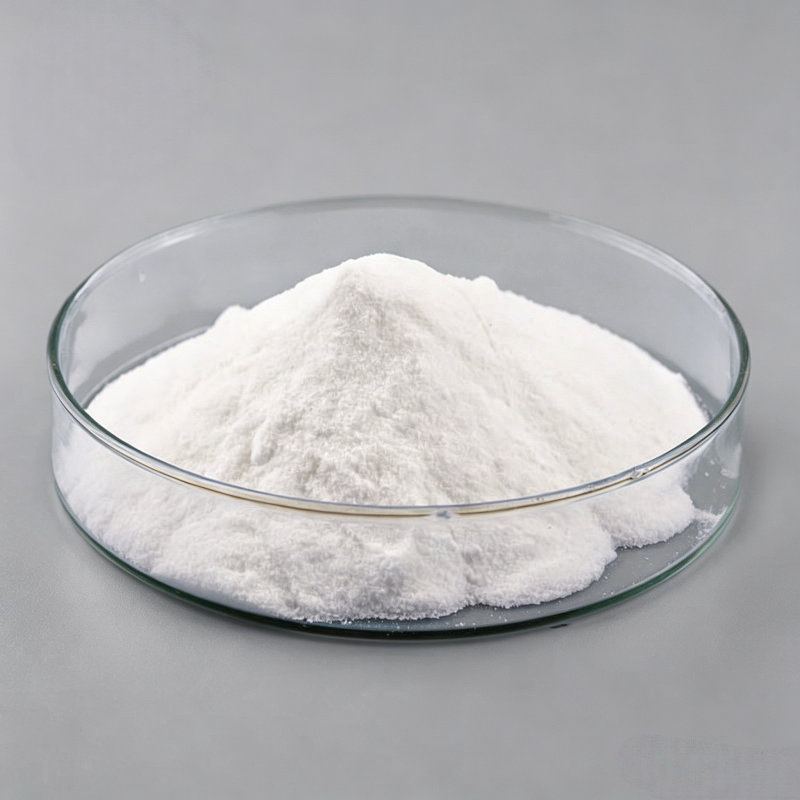
In the competitive landscape of polymer processing, the margin between a high-yield production run and a high-scrap disaster often depends on the efficiency of the additive package. Polyvinyl Chloride (PVC) is notoriously difficult to process due to its high melt viscosity and thermal sensitivity. High-quality PVC processing aids, primarily acrylic-based copolymers (ACR), are engineered to mitigate these inherent challenges.
For plant managers and procurement officers, selecting the right ACR grade is not merely about cost per kilogram; it is about the “total cost of production.” Utilizing premium additives ensures process stability, which directly translates to reduced energy consumption and higher throughput.

The Technical Mechanism: How Processing Aids Transform PVC
To understand the pvc processing aid benefits, one must look at the microscopic interaction between the additive and the PVC resin. PVC particles do not melt in the traditional sense; they fuse under shear and heat.
High-quality processing aids possess a higher molecular weight than the PVC resin. During the extrusion process, these long-chain molecules entangle with the PVC chains, increasing the internal friction (shear). This localized friction accelerates the transition from a dry blend to a homogeneous melt.
1. Accelerated Fusion and Homogenization
In high-speed extrusion lines, time is the enemy. Standard PVC may not fuse completely before exiting the die, leading to “unfused” spots that weaken the final product. High-quality ACR promotes rapid gelation. This ensures that the melt reaches a state of complete homogenization early in the barrel, allowing for higher screw speeds without compromising structural integrity.
2. Enhanced Melt Strength and Extensibility
Melt strength is the resistance of the molten polymer to stretching. This is particularly critical in the manufacturing of PVC foam boards and profiles. Without sufficient melt strength, the gas bubbles in a foaming process will coalesce or collapse, resulting in an uneven cell structure.
- High-Quality Benefit: Premium aids provide the “elasticity” required to hold uniform cell structures.
- Production Impact: Thinner walls in pipes and lower density in foam boards can be achieved without sacrificing mechanical strength.
Performance Evaluation: High-Quality vs. Low-Grade Additives
Choosing a lower-grade processing aid often leads to a “false economy.” While the initial procurement cost is lower, the operational costs typically rise due to instability and surface defects.
| Performance Metric | High-Quality ACR (e.g., MKQCHEM Series) | Low-Grade Substitutes |
| Fusion Time | Consistent and controllable | Erratic; prone to surging |
| Melt Elasticity | High; prevents “die swell” issues | Low; causes wall thickness variance |
| Surface Finish | High gloss; no “plate-out” | Dull finish; frequent die cleaning needed |
| Molecular Weight | Narrow distribution (targeted) | Wide distribution (unpredictable) |
In large-volume production, even a 2% reduction in scrap rates due to better fusion can save a facility tens of thousands of dollars annually. Furthermore, high-quality aids reduce “plate-out”—the accumulation of additives on the die surface—which extends the intervals between maintenance shutdowns.
Application-Specific Advantages in Industrial PVC
The specific pvc processing aid benefits vary depending on the end-use application. Engineering teams must match the ACR grade to the specific manufacturing workflow.
PVC Pipe and Fitting Production
In pipe extrusion, the primary goal is impact strength and surface smoothness. High-quality processing aids ensure that the internal and external surfaces are free from ripples or pits. This is crucial for pressure pipes where surface defects act as stress concentrators, leading to premature failure under hydraulic loads.
PVC Foaming Regulators
For WPC (Wood Plastic Composite) and PVC foam boards, specialized high-molecular-weight processing aids are used as “foaming regulators.” These additives increase the viscosity of the melt to such an extent that it can trap the blowing agent effectively. This results in a fine, closed-cell structure that provides a superior strength-to-weight ratio.
Rigid PVC Profiles and Sheets
In window profiles, UV stability and color retention are paramount. Premium processing aids are designed to work in synergy with Ca-Zn or Tin stabilizers, ensuring that the additive does not degrade the weatherability of the final profile.
Procurement and OEM Logic: Evaluating Suppliers
When sourcing additives, especially from specialized manufacturers like MKQCHEM, B2B buyers should prioritize technical support and batch-to-batch consistency.
The MKQCHEM range covers various grades, including:
- General Purpose ACR: Ideal for balancing fusion speed and cost in rigid PVC.
- High-Molecular-Weight Regulators: Specifically designed for low-density foaming applications.
- Lubricating Processing Aids: These offer a dual function, improving flow while also enhancing fusion.
From a manufacturing consultant’s perspective, the ability to customize the molecular weight and the Tg (glass transition temperature) of the processing aid is a significant advantage. This allows the additive to be fine-tuned to the specific temperature profile of the customer’s extrusion equipment.
Summary of Commercial Impact
Investing in high-quality PVC processing aids is a strategic decision. By optimizing the rheological properties of the PVC melt, manufacturers achieve:
- Lower Energy Costs: Reduced torque required during extrusion.
- Increased Throughput: Faster screw speeds without loss of quality.
- Brand Reputation: Consistent product quality for the end-user.
FAQ: High-Quality PVC Processing Aids
How do I know if my current processing aid is low quality?
If you observe frequent “surging” in the extruder, inconsistent wall thickness, or a rough surface finish (sharkskin), your processing aid likely lacks the necessary molecular weight or fusion-promotion capabilities.
Can I reduce the dosage if I switch to a high-quality ACR?
In many cases, yes. High-quality ACR is more efficient at promoting fusion. While you might use 1.5 phr (parts per hundred resin) of a low-grade aid, you may achieve superior results with 1.0 phr of a premium grade, effectively neutralizing the price difference.
Does ACR affect the transparency of clear PVC?
High-quality acrylic processing aids have a refractive index very close to PVC resin. When properly dispersed, they maintain excellent clarity in transparent films or sheets, whereas lower-quality alternatives may cause “haze.”
What is the shelf life of PVC processing aids?
Most ACR-based aids are stable for at least 12 to 24 months if stored in a cool, dry environment. However, moisture absorption can lead to clumping, which interferes with the automated dosing systems in modern mixing plants.
Reference Sources
- Plastics Engineering Handbook (Society of Plastics Engineers): Comprehensive data on ACR interactions with PVC resin.
- ISO 1133: Standard for testing the melt mass-flow rate (MFR) of thermoplastics, essential for evaluating processing aid efficacy.
- ASTM D2538: Standard Practice for Fusion of Poly(Vinyl Chloride) (PVC) Compounds Using a Torque Rheometer.
- Journal of Vinyl and Additive Technology: Peer-reviewed research on the impact of acrylic copolymers on PVC melt strength and foaming.