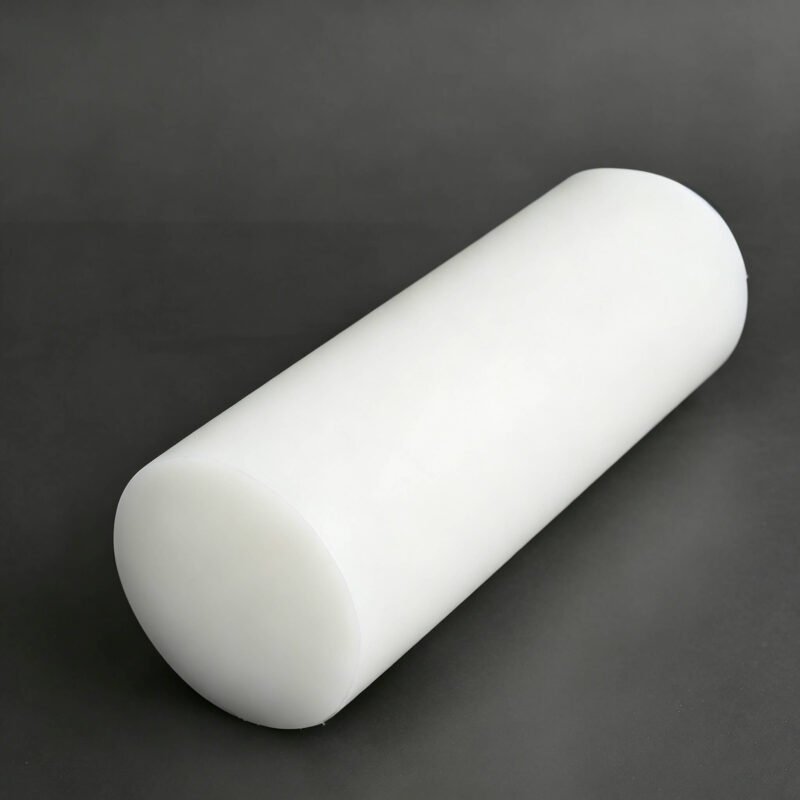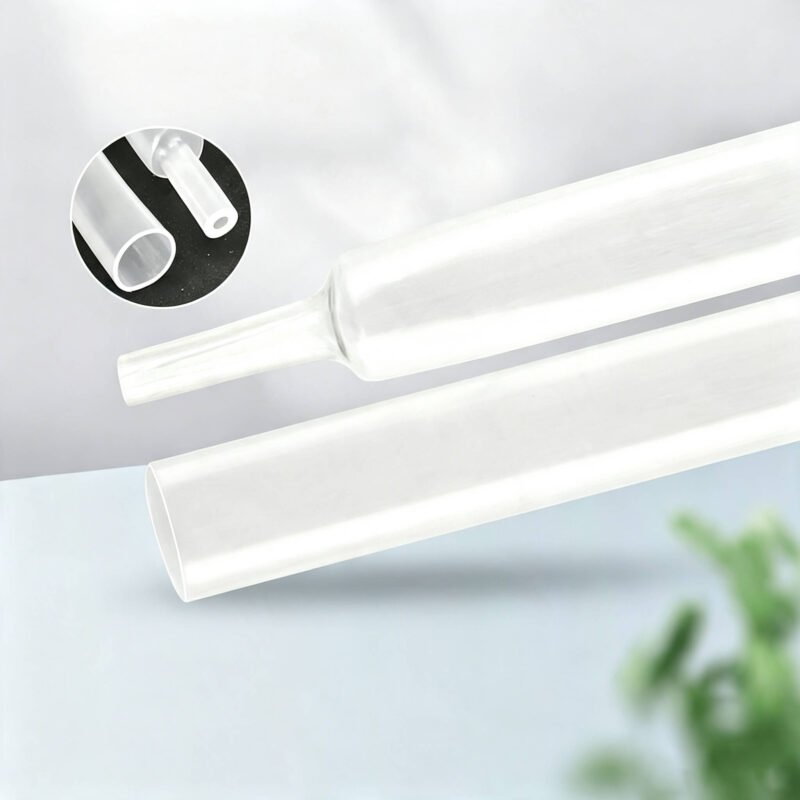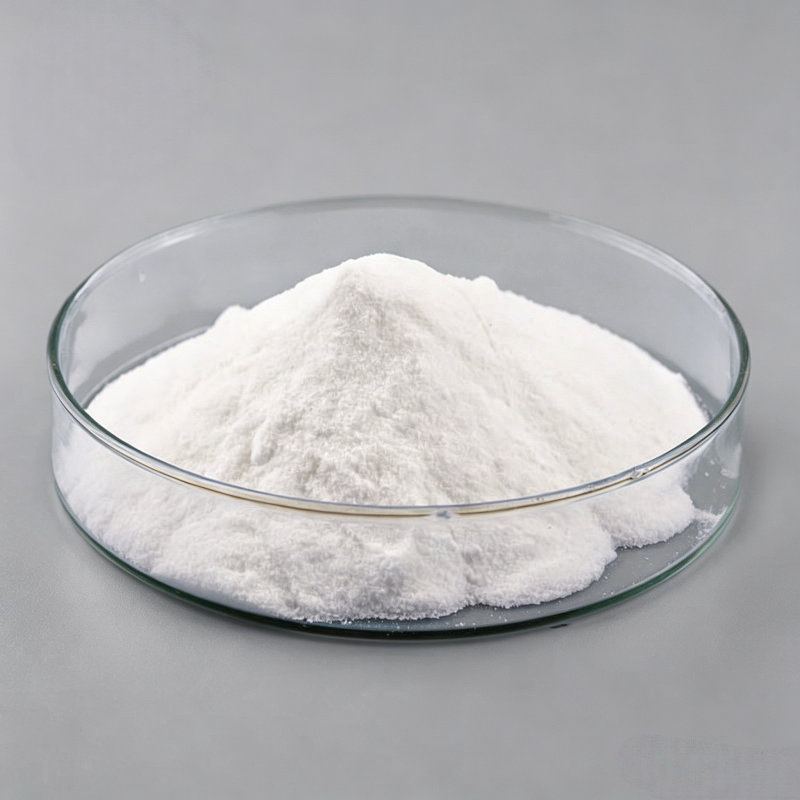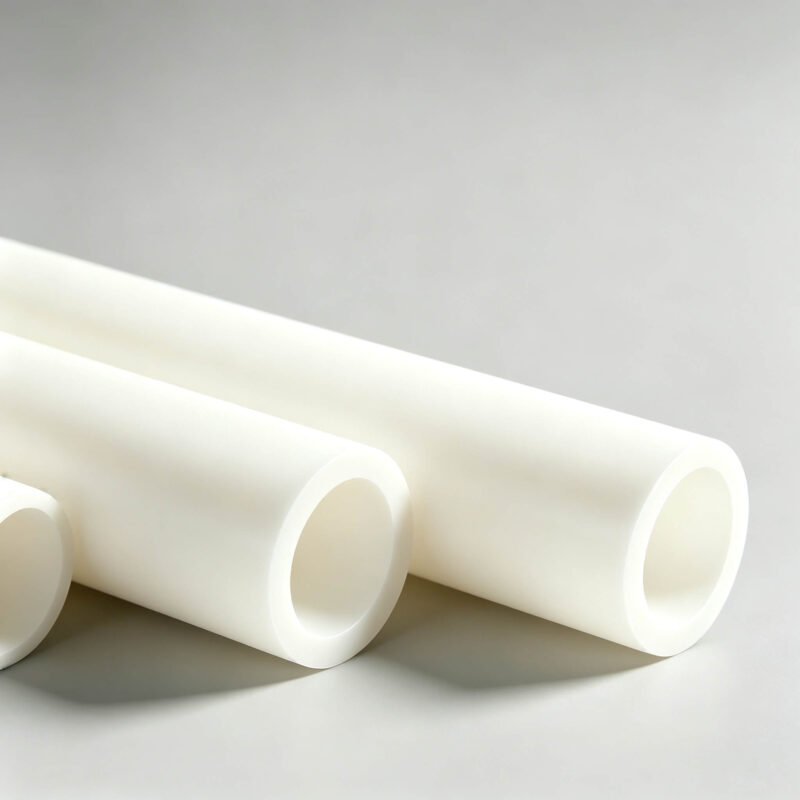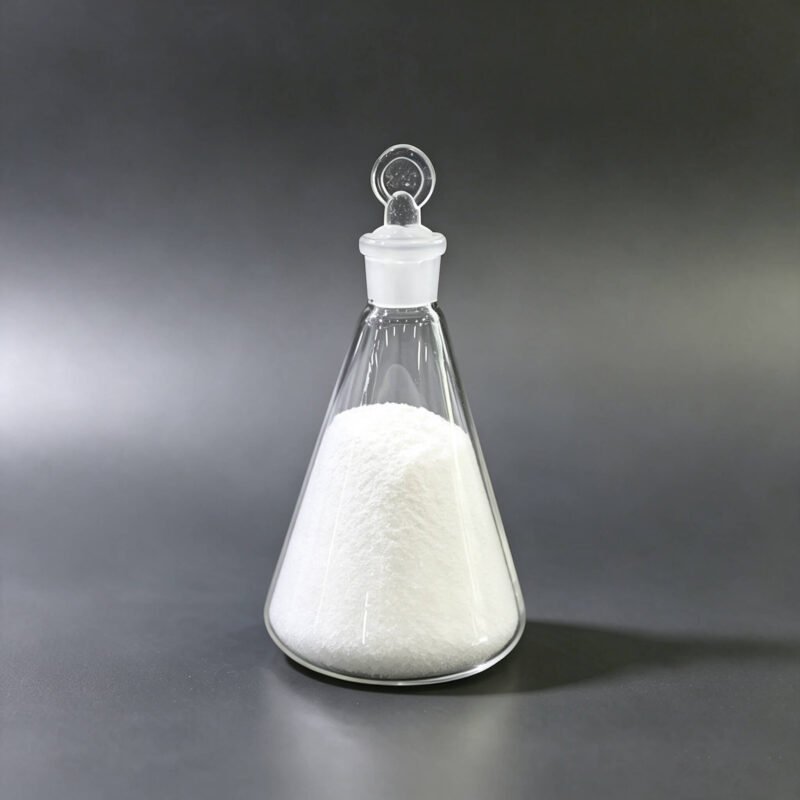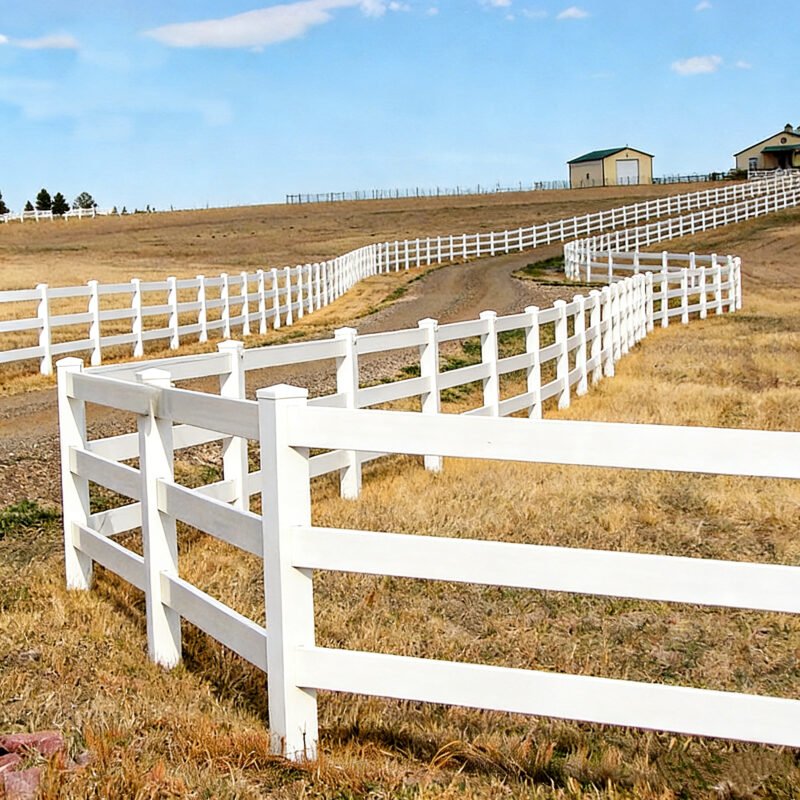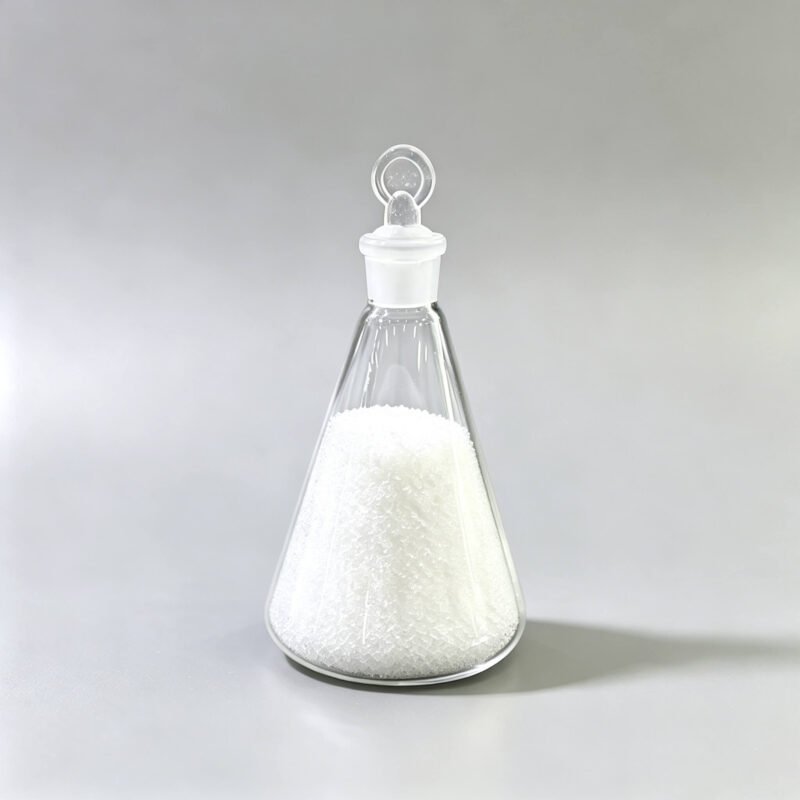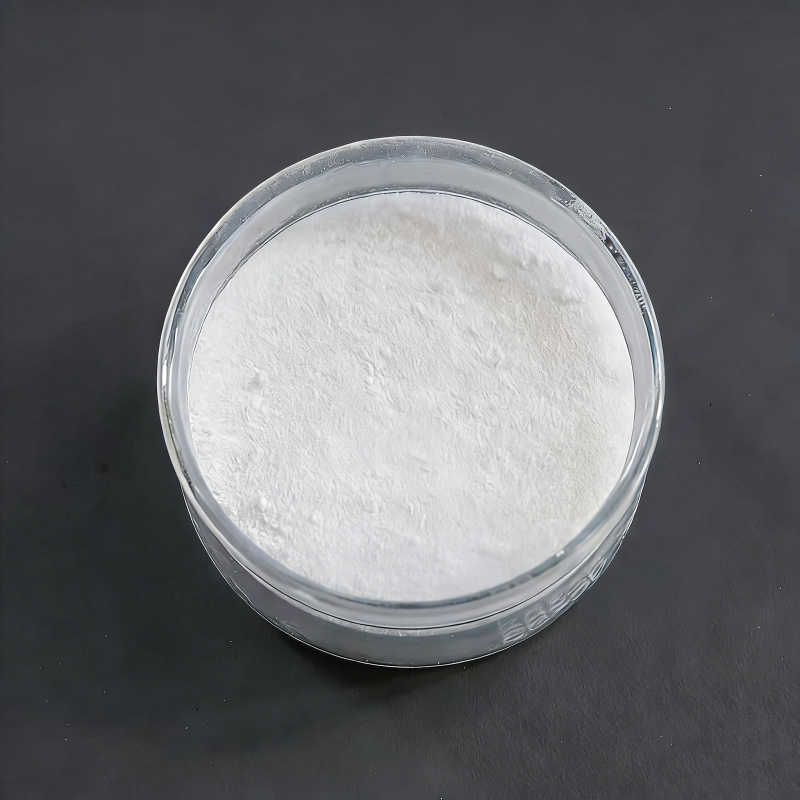

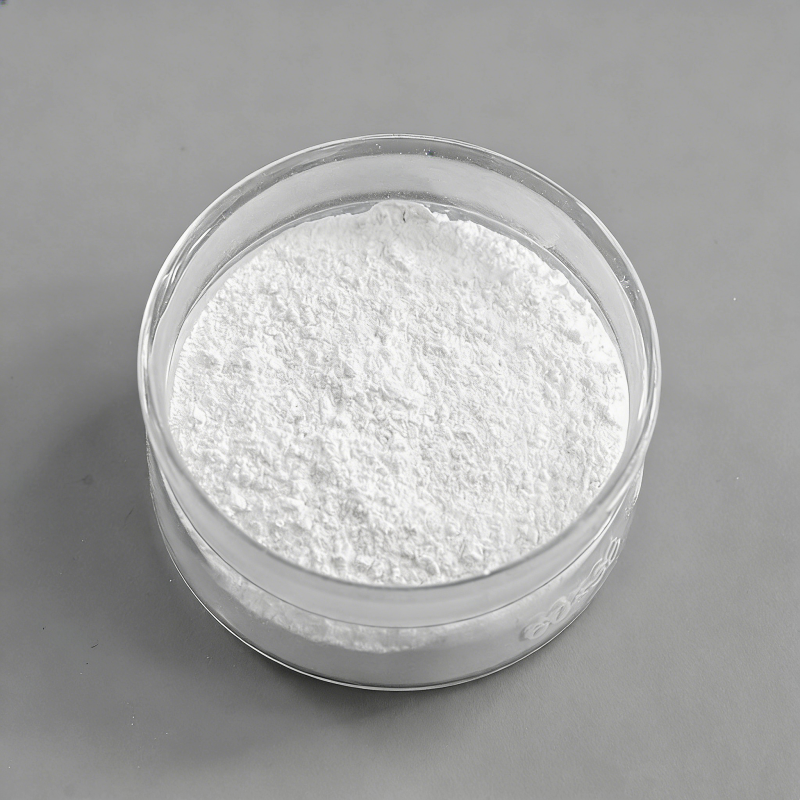
When working with PVC, you must use additives like stearic acid. On its own, raw PVC is super sensitive to heat. It gets really sticky when it melts. This makes it impossible to process without some extra help.Stearic acid functions as both a lubricant and an auxiliary additive. It plays a key role in improving processability, enhancing product quality, and optimizing production efficiency. The following section provides a detailed analysis of its mechanisms of action, its functions and critical applications in the PVC industry, and important dosage considerations.
What is stearic acid made from
Stearic acid is typically obtained through the hydrolysis of animal fats and vegetable oils. It is found in high concentrations in animal fats such as tallow (beef fat) and lard, and is present in vegetable oils, most notably cocoa butter, shea butter, and palm oil.
The Mechanism of Action of Stearic Acid in PVC
Stearic acid functions through its amphiphilic structure, which features a polar carboxyl head and a non-polar, long-chain hydrocarbon tail. This unique combination allows it to interact simultaneously with both polar materials—like PVC sites and metal stabilizers—and non-polar elements, such as polymer chains and processing equipment.Its key mechanisms of action include:
1. Lubrication Mechanism (Internal and External Lubrication)
Although stearic acid is primarily used as an external lubricant, it can perform multiple functions if properly formulated:
- External lubrication: Stearic acid has limited compatibility with PVC.During processing, it migrates to the interface between the hot melt and metal surfaces.Its long hydrocarbon chains form a low-friction, lubricating monolayer. This layer prevents the melt from adhering to metal surfaces. It also reduces shear forces. This improves mold release. Ultimately, it results in a final product with excellent smoothness and a high-gloss finish.
- Internal lubrication: A portion of the stearic acid remains dispersed within the PVC matrix. Its long-chain structure physically separates polymer chains. This action weakens intermolecular forces.Consequently, this lowers melt viscosity and improves melt elasticity. It also promotes uniform material flow. Finally, it prevents excessive thermal degradation caused by shear-induced heat generation.
2. Synergistic stabilization mechanism with heat stabilizers
Stearic acid is not a primary heat stabilizer in itself. However, it significantly enhances the performance of metal soap stabilizers.These include calcium, zinc, barium, and lead stearates. This effect is particularly strong in composite systems like calcium-zinc.
- HCl scavenging: Its acidic carboxyl groups can directly absorb a portion of released hydrogen chloride. This gas comes from the dehydrochlorination of PVC.This reaction forms stearoyl chloride and water. However, this is only a secondary function.
3. Precursors of metal stearates
Stearic acid itself is the raw material for the production of calcium stearate, zinc stearate, barium stearate, lead stearate and other products. These metal soaps are basic additives in PVC processing and have the functions of lubricants and main heat stabilizers.
Applications in the PVC Sector
Stearic acid is widely used across various stages of PVC processing, though its dosage and specific applications vary significantly depending on the product and the stabilizer system employed.
1. Rigid PVC
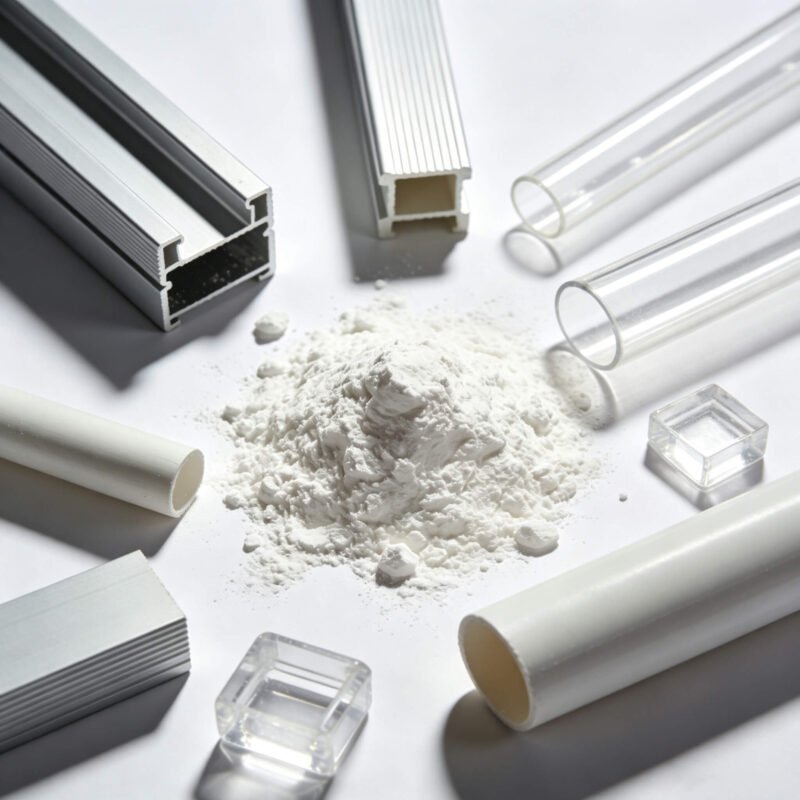
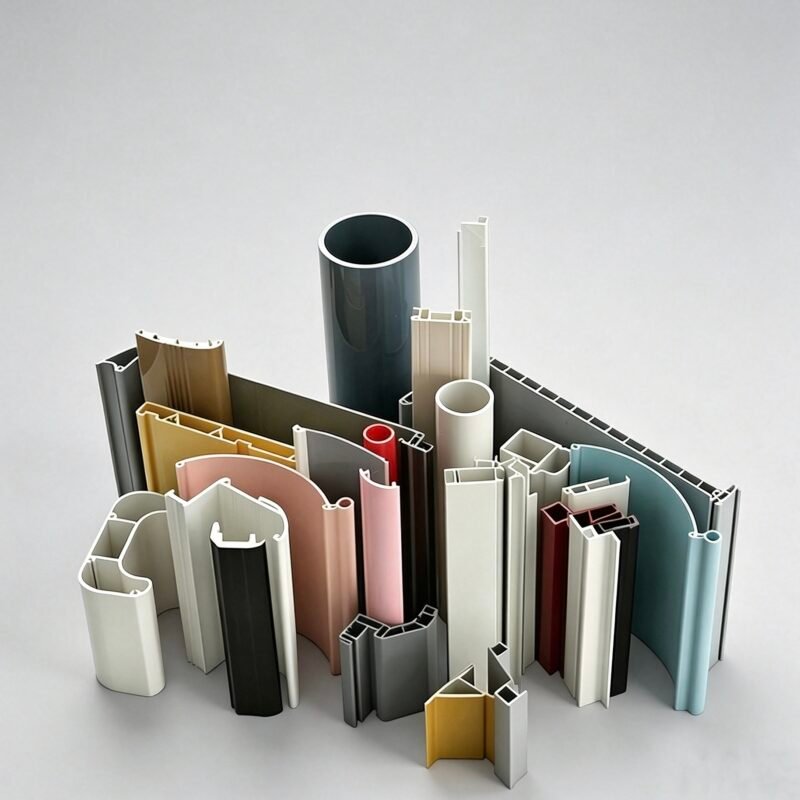
- Pipes and Profiles: Serves as a core component in the calcium-zinc composite stabilizer/lubricant system for pipe extrusion, playing a crucial role in inhibiting “zinc burning” (preventing zinc-induced scorching) and acting as a dispersing agent.
- Rigid Sheets and Calendered Films: Functions as a release agent to prevent material from sticking to calendering rolls (preventing the adhesion of deposits) and imparts a smooth, glossy surface to the finished products.
- Injection-Molded Pipe Fittings: Improves flowability, which is essential for molding complex, thin-walled parts.
2. Flexible PVC
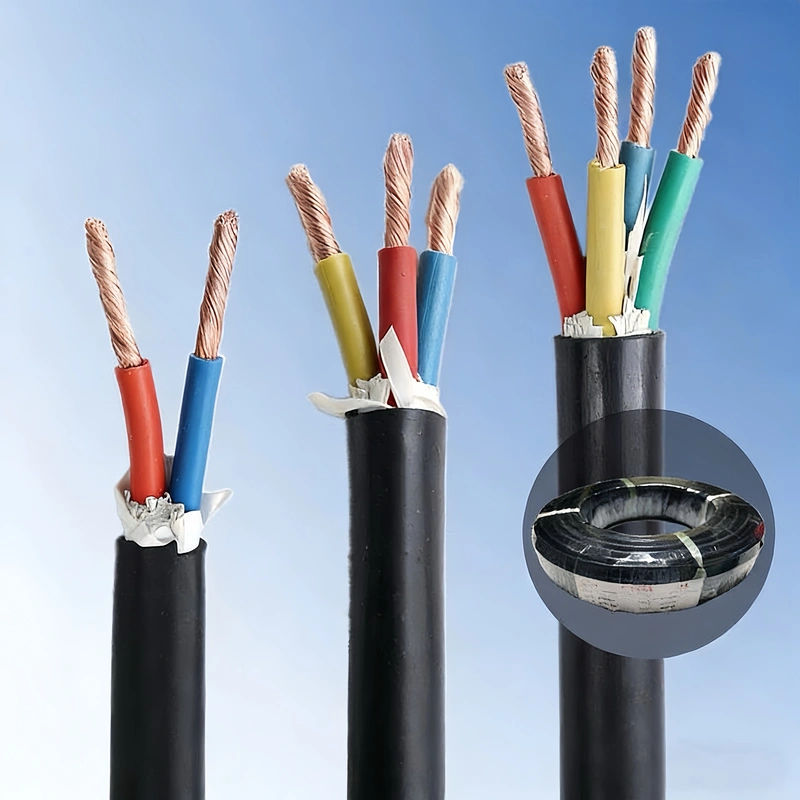
- Cable and wire insulation/sheathing: Facilitates high-speed extrusion, improves filler dispersion, and prevents die-face buildup.·
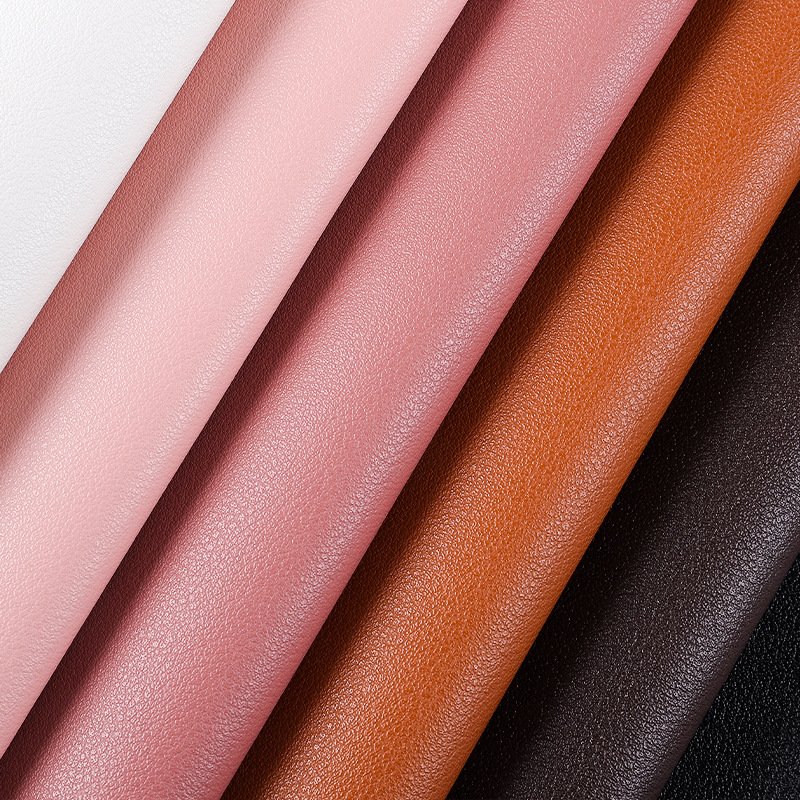
- Calendered flexible films and artificial leather: Ensures smooth release of the film from calendering and embossing rolls; prevents the film from sticking on the take-up roll.
- Extruded hoses and profiles: Improves surface finish and flexibility while aiding the dispersion of plasticizers and fillers.
3. PVC Foam Products
- Used as a co-blowing agent (or activator) for azodicarbonamide (AC) blowing agents: it aligns the gas generation process with the melt viscosity characteristics, thereby producing a finer and more uniform cell structure.
4.High filling content PVC mixture
- Flooring (homogeneous permeable flooring and multi-layer composite flooring): essential for dispersing the extremely high calcium carbonate content in vinyl flooring. It significantly reduces processing viscosity, prevents precipitation, and supports high-speed production.
- Shoe soles and other molded products: Helps with mold filling and improves the surface finish of highly filled products.
5.PVC Plastisol (coating, dip molding, rotational molding)
- As a viscosity reducer and wetting agent: Small additions facilitate the dispersion and incorporation of fillers and pigments into the liquid plastisol while minimizing air entrapment.·
MK Series Lubricants — MK-102 Stearic Acid
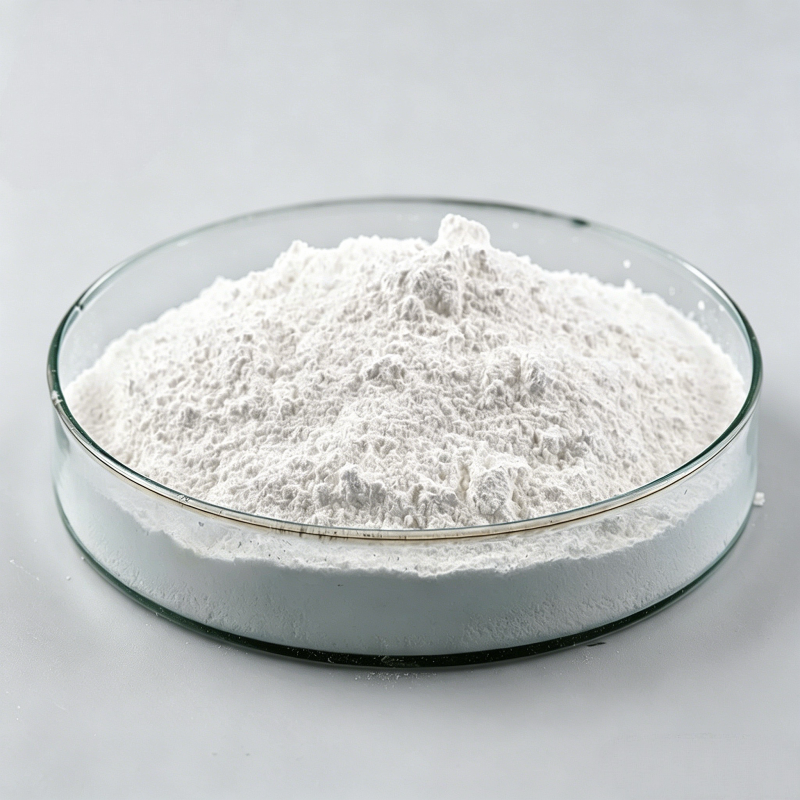
This high-purity, low-impurity product is made from refined vegetable oil fatty acids through hydrogenation, distillation, purification, and flaking or pulverization. It serves as a highly efficient lubricant that lowers melt viscosity, accelerates PVC plasticization, reduces processing energy, and activates inorganic fillers like calcium carbonate to improve dispersion and mechanical properties.Additionally, it works synergistically with stabilizers to prevent “zinc burning” and enhance long-term thermal stability. Because of its minimal odor and clean white profile, it maintains the whiteness and transparency of materials while offering excellent versatility and cost-performance.
Application Areas & Suitable Products:
- Pipes & Fittings: PVC/UPVC/CPVC pipes, power conduits, injection-molded fittings
- Flooring: SPC flooring, WPC flooring, LVT flooring
- Boards & Sheets: PVC sheets, WPC boards, carbon crystal boards, foam boards, advertising foam boards, co-extruded boards, foam wall panels, door panels, home & bathroom panels
- Profiles: Edge banding, profiles, shutters, skirting boards, resin roof tiles
- Transparent Products: Transparent boards, sheets, transparent calendered films, transparent packaging materials
- Wires & Cables: Cable insulation, cable sheathing, home wiring, automotive wiring, flame-retardant cables
- Other Products: Foam floor mats, PVC shoe soles, foam leather, masterbatches.
The Art of Balance: Dosage and Over-lubrication
Stearic acid is highly effective but falls into the category of additives where “less is more.” Typical dosage levels are very low—usually 0.2 to 1.0 parts per hundred parts of resin (with the exact amount depending on the product type, processing method, and other lubricants or stabilizers used). Improper dosage can lead to serious processing issues:
1. Excessive Lubrication (Excess Stearic Acid):
- Delayed Fusion: Excessive stearic acid can significantly delay the melting process, leading to poor PVC plasticization (inadequate fusion) and severely compromising the mechanical strength and impact resistance of the final product.
- Exudation/“Blooming”: Excess stearic acid continues to migrate to the product surface after cooling. This forms a white, waxy film (known as “blooming” or “exudation”), which not only mars the appearance but also interferes with subsequent processes such as printing, lamination, or bonding.
- Screw Slippage: In the extruder, excessive lubrication causes the PVC melt to slip against the screw surface, preventing effective forward conveyance and resulting in reduced output and lower pressure.
2. Insufficient lubrication (insufficient stearic acid dosage):
- High shear heat: Intense friction between the PVC and metal components generates excessive heat, causing the PVC to rapidly yellow or undergo thermal decomposition.
- Rough surface: Due to friction at the mold, the surface of the final product may exhibit “shark-skin” patterns or become rough.
Summary
In summary, stearic acid is a cost-effective, indispensable, and multifunctional additive in PVC processing formulations. Serving as a lubricant, a co-stabilizer, and a dispersing aid, it is a key chemical component; particularly in modern eco-friendly calcium-zinc stabilizer systems, its zinc-buffering effect is crucial for ensuring the material achieves the required long-term thermal stability.
FAQ
Q: Is stearic acid natural?
A: Yes. A variety of fats and oils naturally contain stearic acid. Animal fats boast particularly high amounts (such as tallow and lard, which typically carry a 20%–30% content) alongside vegetable butters like cocoa, shea, and mango butter. Additionally, palm oil, coconut oil, and olive oil contain small, detectable amounts of the acid.
Q: Is stearic acid safe?
A: Yes. Research generally considers stearic acid safe. Unlike many other saturated fats, studies indicate that stearic acid exerts a relatively neutral effect on blood cholesterol levels because the body converts most of it into oleic acid—a heart-healthy monounsaturated fat. Provided the overall formulation complies with relevant regulatory requirements, manufacturers can widely use it in food-contact PVC products, drinking water pipelines, and medical tubing.
Q: Can PE wax be used as a substitute for stearic acid?
A: It cannot completely substitute for PE wax. Stearic acid provides a specific type of initial external lubrication, whereas PE wax performs more effectively at higher temperatures. Typically, manufacturers combine the two to ensure effective lubrication across the entire temperature gradient of the extruder.
Reference Sources:
American Chemistry Council – PVC Properties and Manufacturing Applications:
https://www.americanchemistry.com
European Stabiliser Producers Association (ESPA) – PVC Additives:
https://www.pvc-stabilisers.eu
Specialchem – “Lubricants for PVC: Internal vs External” :