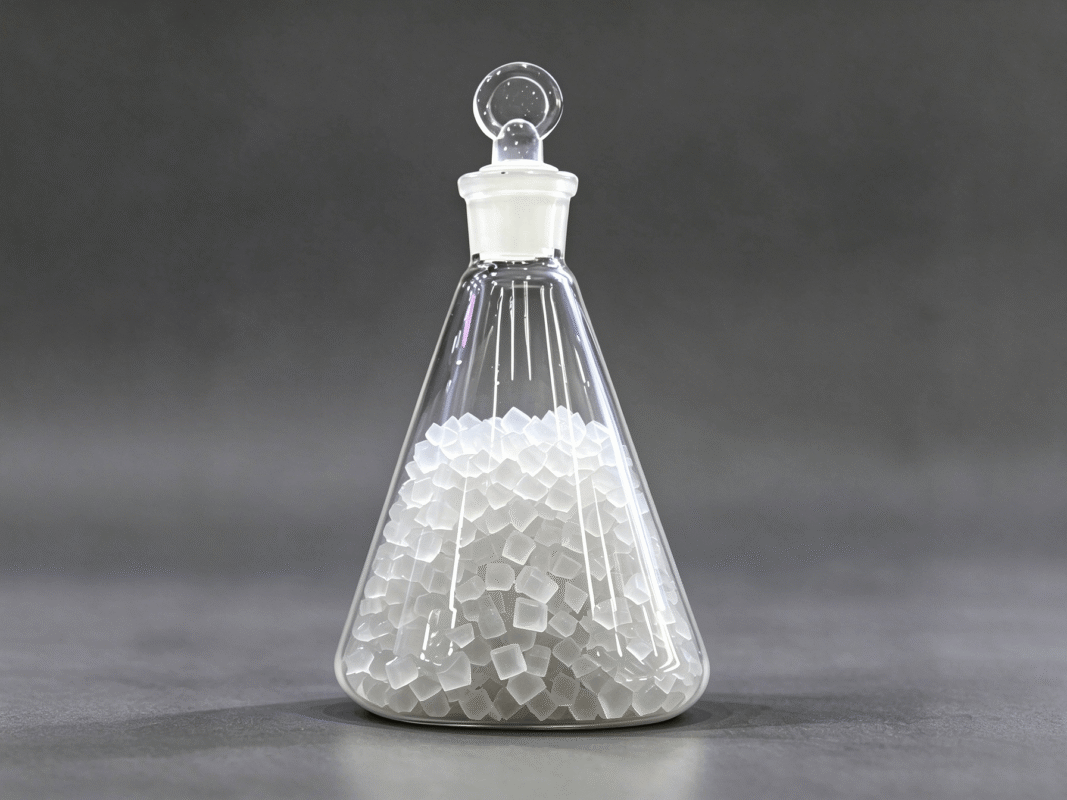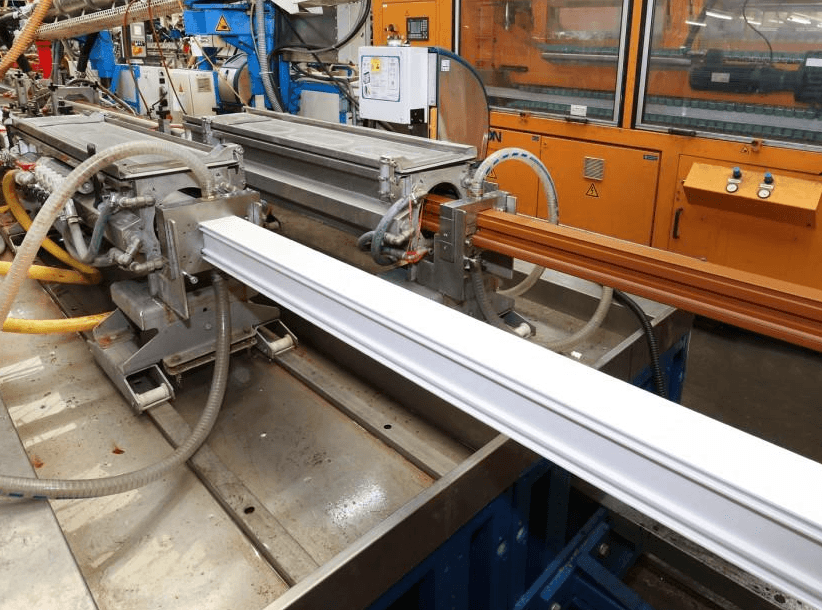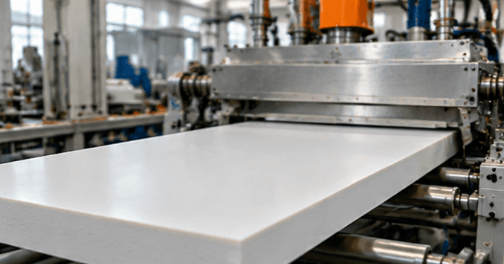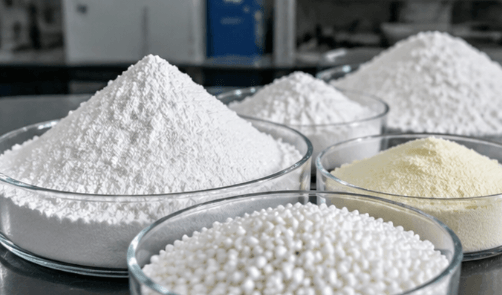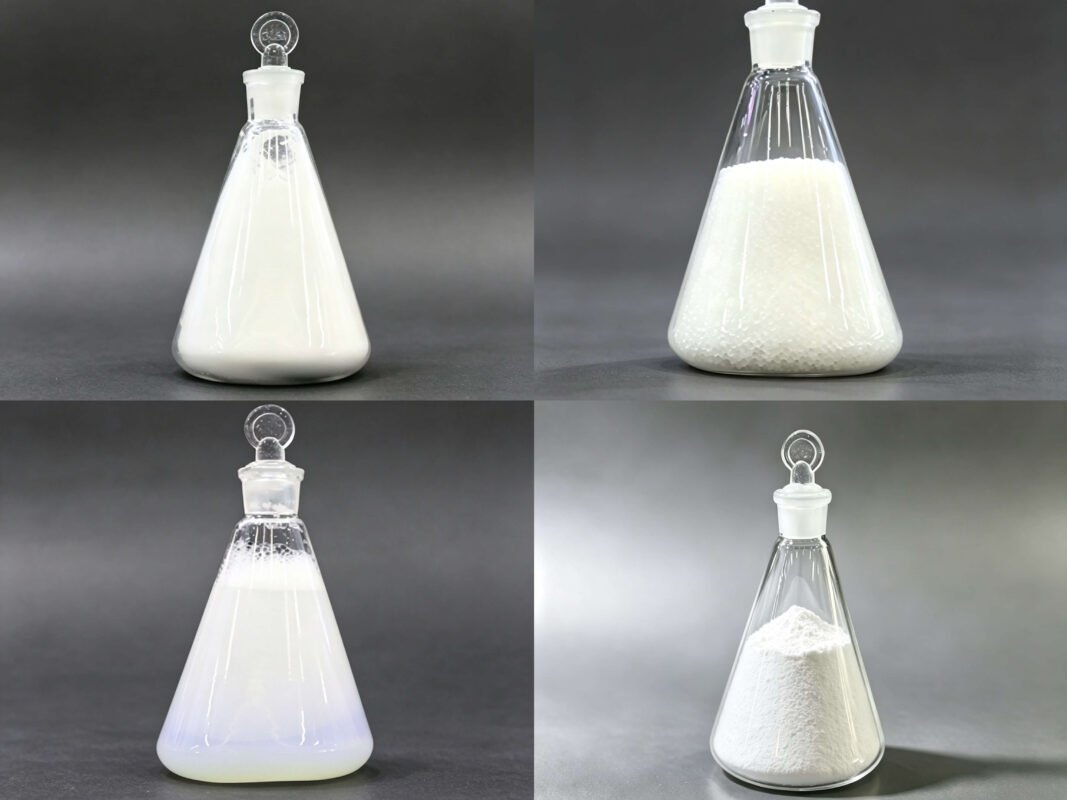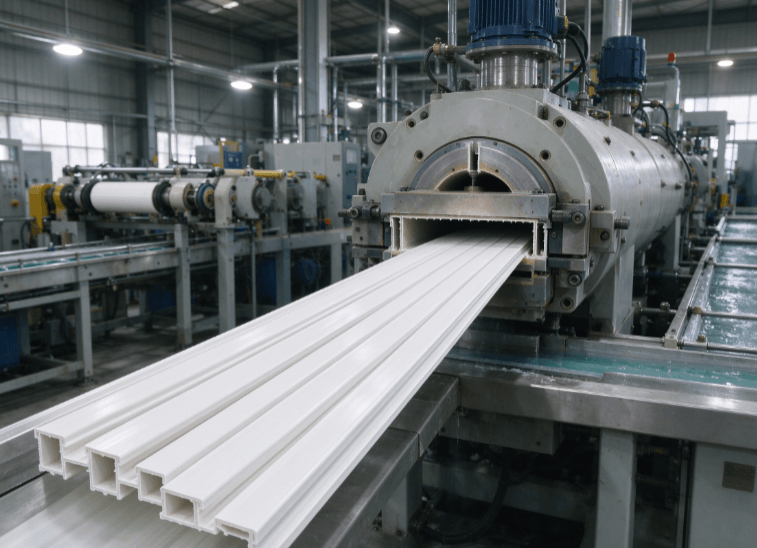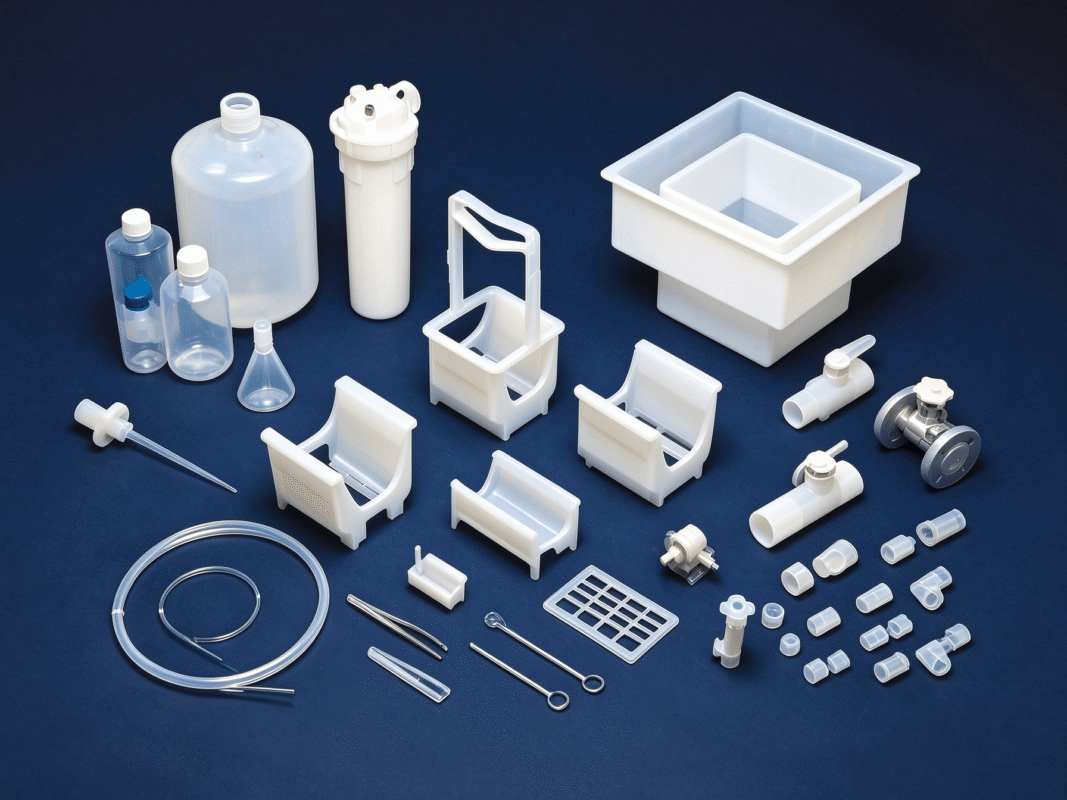

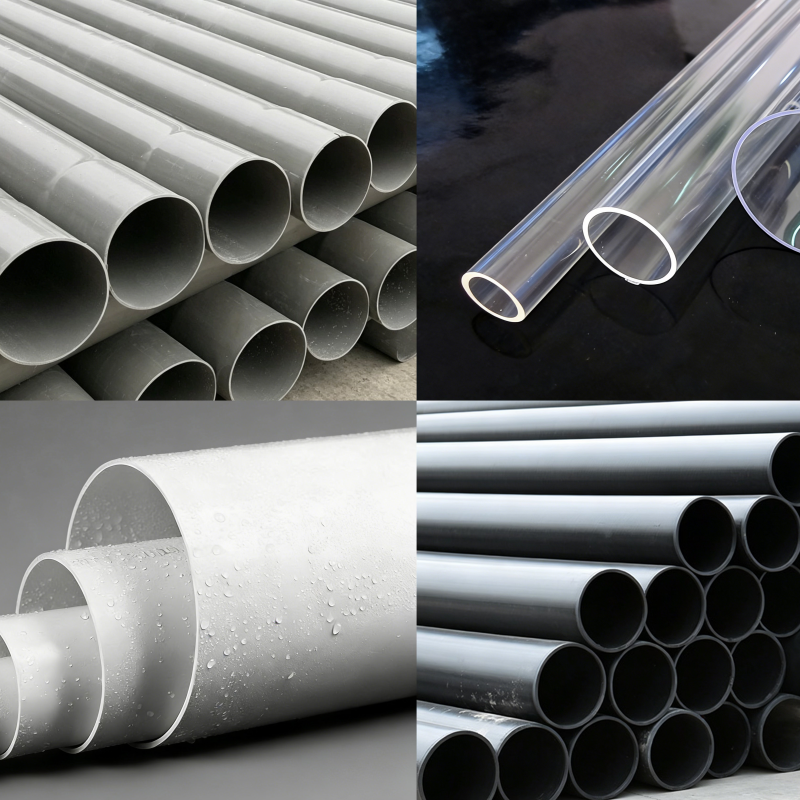
In the global plastics supply chain, the decision to source chemical additives from a direct pvc stabilizer manufacturer or a specialized trader is rarely about price alone. For a plant manager or chemical engineer, the stakes involve batch consistency, rheological performance, and the ability to customize formulations to specific extruder profiles.
A PVC stabilizer is not a “commodity” in the traditional sense; it is a precision-engineered chemical package. Whether you are producing rigid PVC pipes, flexible cables, or SPC flooring, the stabilizer’s interaction with the resin dictates the thermal stability, fusion time, and surface finish of the final product. Understanding the structural differences between manufacturing-direct and trading-sourced procurement is essential for long-term ROI.
Direct Manufacturing: The Engineering Advantage
A primary pvc stabilizer manufacturer operates with a focus on chemical synthesis and R&D. Unlike a trader, who functions as a logistics and sales hub, a manufacturer controls the molecular weight, purity, and synergistic ratios of the additives.
Technical Customization (OEM/ODM)
The most significant benefit of working with a manufacturer is “formula optimization.” PVC production environments vary based on ambient temperature, screw speed, and the grade of PVC resin used. A manufacturer’s engineering team can adjust the ratio of lubricants and antioxidants within a one-pack stabilizer system to match a client’s specific processing window. Traders generally offer off-the-shelf “standard grades” that may not be optimized for high-speed extrusion lines.
Batch Consistency and Traceability
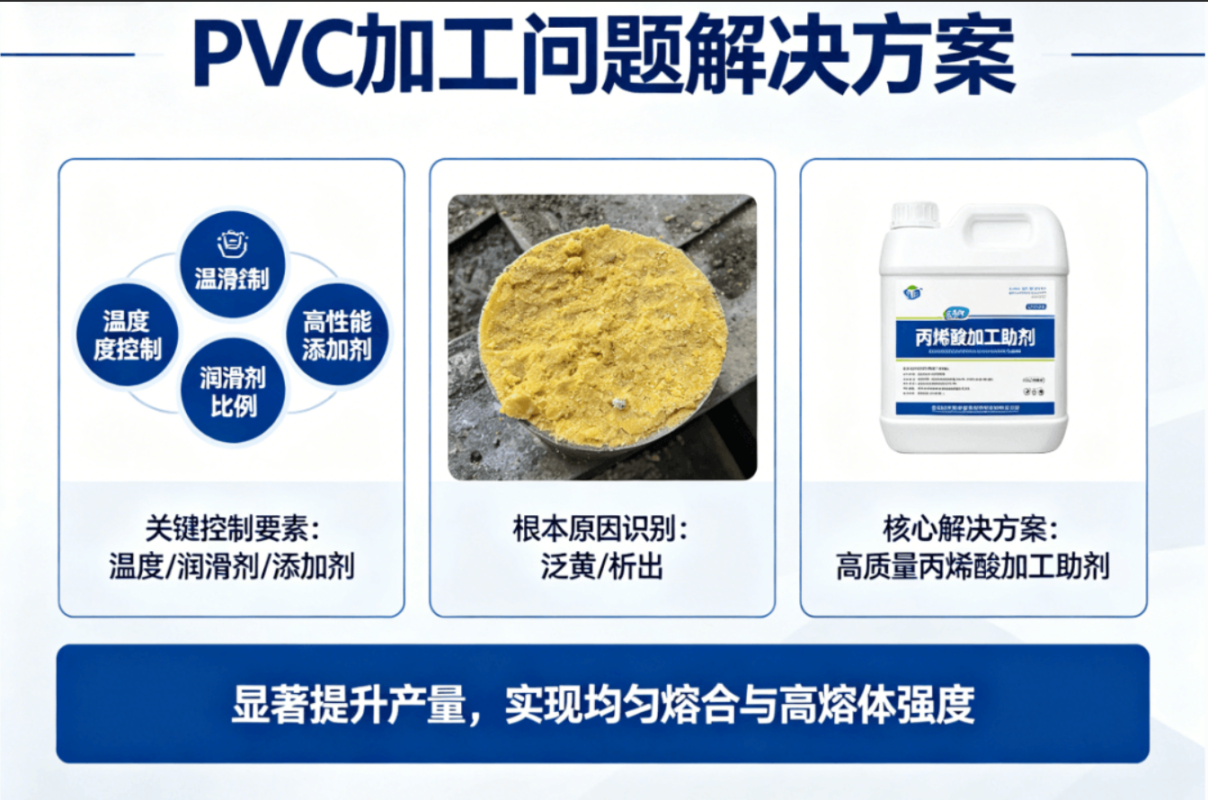
In large-volume production, even a 0.5% variance in chemical composition can lead to “plate-out” on the die or premature thermal degradation (yellowing). Manufacturers implement rigorous Quality Control (QC) protocols, including torque rheometer testing and spectrophotometry, to ensure every batch performs identically to the last. For B2B buyers, this reduces scrap rates and prevents costly downtime during production resets.
Sourcing Through Traders: Flexibility vs. Control
Traders play a vital role in the market, particularly for small-to-medium enterprises (SMEs) or facilities requiring a broad variety of chemical types in low volumes.
- Low MOQs: Traders often buy in bulk and break the lots down, making them suitable for small-scale sampling or testing.
- One-Stop Sourcing: A trader can bundle PVC stabilizers with CPE, ACR, or Titanium Dioxide from different factories into a single shipment.
- Logistic Buffering: Many traders maintain regional warehouses, offering faster delivery for standard products compared to factory lead times.
However, the “middleman” model introduces risks. Traders often switch suppliers to maintain margins, which can lead to subtle shifts in the additive’s performance. Furthermore, they rarely possess the in-house lab equipment needed to troubleshoot complex processing issues on-site.
Technical Comparison: Manufacturer vs. Trader
| Evaluation Factor | PVC Stabilizer Manufacturer | Chemical Trader |
| Technical Support | Engineer-led troubleshooting | Sales-led coordination |
| Formulation Capability | High (Custom synthesis available) | Low (Standard catalog items only) |
| Price Structure | Factory-direct (Lower per-unit cost) | Commission-based (Higher markup) |
| Lead Times | Dependent on production schedule | Usually faster (from local stock) |
| Quality Control | Controlled at the reactor level | Dependent on the underlying factory |
| Documentation | Original COA, MSDS, and ISO data | Secondary or re-branded documents |
Total Cost of Ownership (TCO) in Chemical Procurement
From a manufacturing consultant’s perspective, the “cheaper” unit price from a trader often hides higher “hidden costs.” In industrial PVC fabrication, the cost of the stabilizer is a fraction of the total budget, but its failure can ruin 100% of the output.
When sourcing from a factory like MKQCHEM, the B2B relationship focuses on the Total Cost of Quality.
- Reduced Scrap: Stable Ca-Zn or Lead-based stabilizers prevent charring in the barrel.
- Increased Throughput: Optimized lubrication allows for higher RPMs on the extruder without compromising melt strength.
- Regulatory Compliance: Direct access to REACH, RoHS, and SGS certifications ensures the final product meets international environmental standards.
For facilities maintaining ISO 9001 systems, a direct manufacturer provides the necessary audit trail for raw material origins, which is often obscured in trading transactions.
Choosing the Right Partner for Your Workflow
The decision ultimately depends on your facility’s technical maturity and volume requirements.
Choose a manufacturer if:
- You run high-speed extrusion or injection molding lines with strict yield targets.
- You require a custom “one-pack” system tailored to your resin’s phr (parts per hundred resin) requirements.
- Batch-to-batch consistency is critical to your brand reputation (e.g., medical-grade PVC or pressure pipes).
Choose a trader if:
- You are in the pilot phase and require very low volumes for experimentation.
- You need to consolidate 10+ different types of small-batch chemicals into one container.
- You do not have the internal technical staff to manage factory-direct logistics.
In the current landscape of specialized PVC additives, the trend is shifting toward “Manufacturer-Direct” partnerships. As global competition tightens, the ability to shave 2-3% off scrap rates through better chemical engineering has become a primary competitive advantage.
FAQ: PVC Stabilizer Procurement
How do I verify if a supplier is a real manufacturer?
Ask for their ISO 9001 certification and a video tour of their production reactors or QC lab. Traders often use vague language like “we supply,” whereas manufacturers will use terms like “we produce” or “our factory.”
Can a manufacturer handle logistics as well as a trader?
Yes. Large-scale manufacturers have dedicated export departments and established relationships with global shipping lines, offering CFR or CIF terms similar to trading houses.
Why does “fusion time” matter when choosing a stabilizer?
Fusion time is the point at which the PVC resin transitions to a melt. If a trader provides a stabilizer with the wrong lubricant balance, the resin may fuse too early (causing burning) or too late (causing poor mechanical strength). Manufacturers can adjust the “internal vs. external lubricant” balance to fix this.
Are Ca-Zn stabilizers more difficult to produce than lead-based ones?
Yes. Calcium-Zinc systems require more complex synergistic additives (like co-stabilizers and antioxidants) to match the efficiency of lead. This makes technical expertise even more important when selecting a manufacturer for eco-friendly additives.
Reference Sources
- ISO 9001:2015: Quality management systems for chemical manufacturing.
- SGS/RoHS Documentation: Standards for hazardous substance compliance in PVC additives.
- Plastics Engineering Handbook (SPE): Technical data on the rheological impact of heat stabilizers.
- ASTM D2115: Standard Practice for Volatile Content of Vinyl Chloride Resins (Relevant for stabilizer testing).
- Journal of Vinyl and Additive Technology: Peer-reviewed research on PVC thermal degradation and stabilization kinetics.