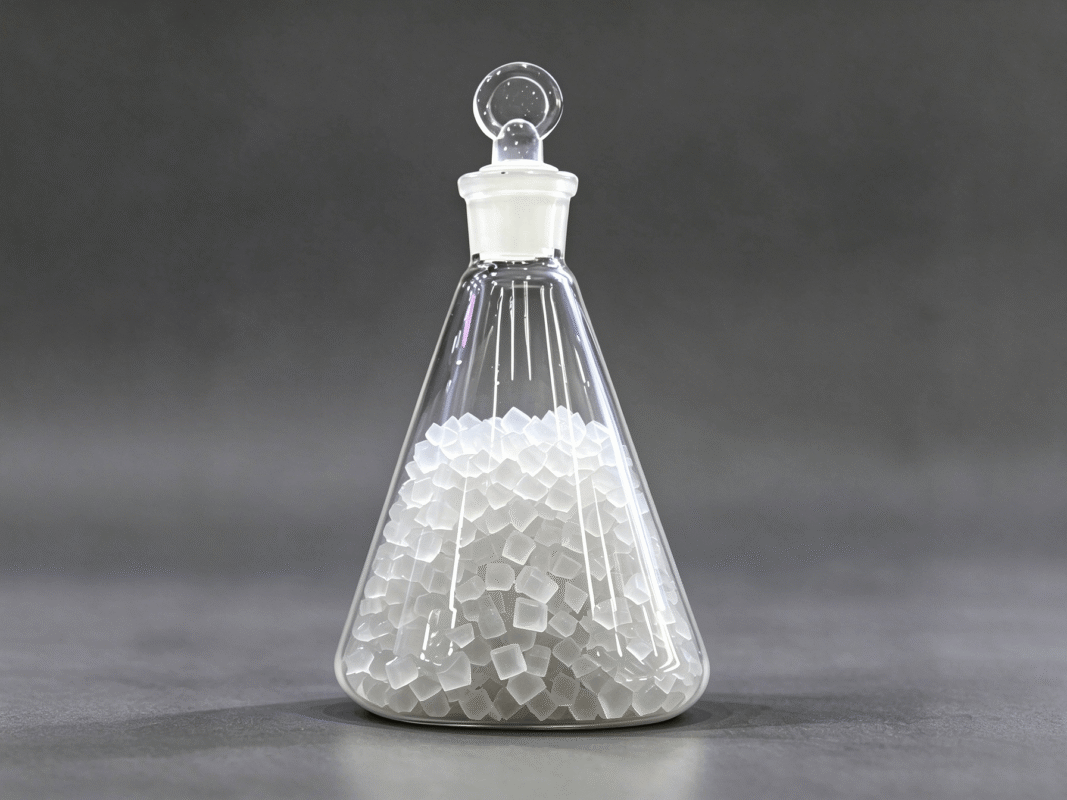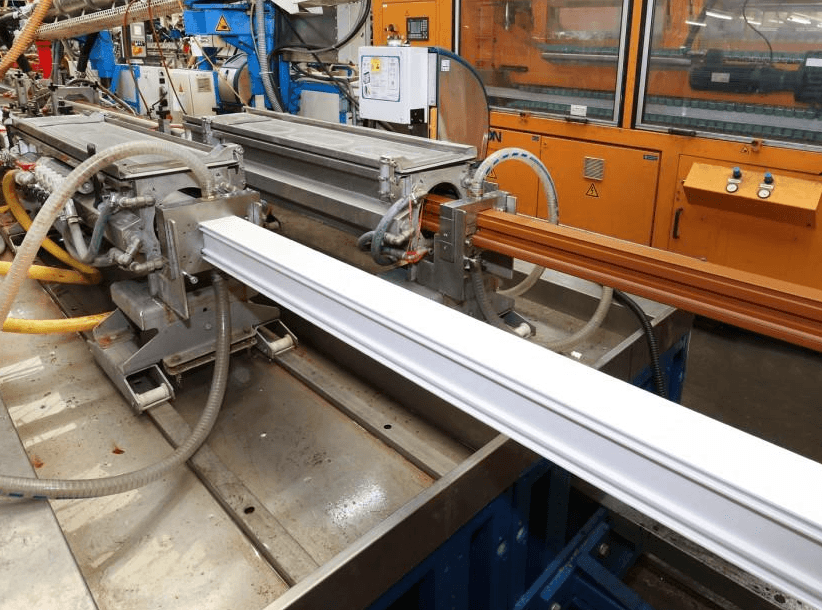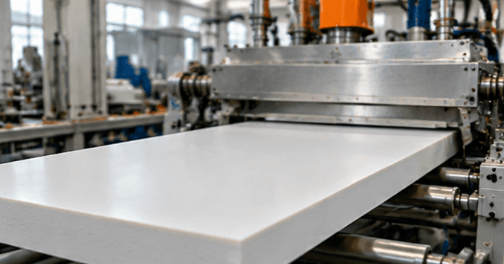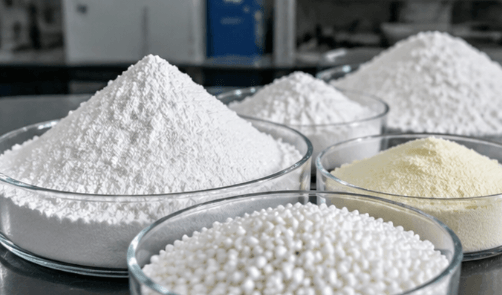

Procuring chemical additives for PVC processing is a high-stakes balancing act between cost-efficiency and technical performance. In a high-volume extrusion or injection molding environment, the “cheapest” additive often results in the highest total cost due to batch inconsistency, equipment wear, or final product rejection. Effective pvc additive quality control begins long before the material reaches the hopper; it starts during the technical evaluation of the supplier’s specifications and trial samples.
As a manufacturing consultant or procurement manager, you must look beyond the price per kilogram. A subtle shift in particle size or a 1% increase in moisture content can lead to thermal degradation, poor surface finish, or catastrophic loss of mechanical properties in your PVC profiles, pipes, or sheets.
Critical Technical Metrics for PVC Additive Evaluation
Evaluating the quality of PVC additives requires a granular look at the Technical Data Sheet (TDS) and the Certificate of Analysis (COA). Quality is not a singular value but a spectrum of chemical and physical properties that must remain stable across every shipment.
1. Particle Size Distribution and Bulk Density
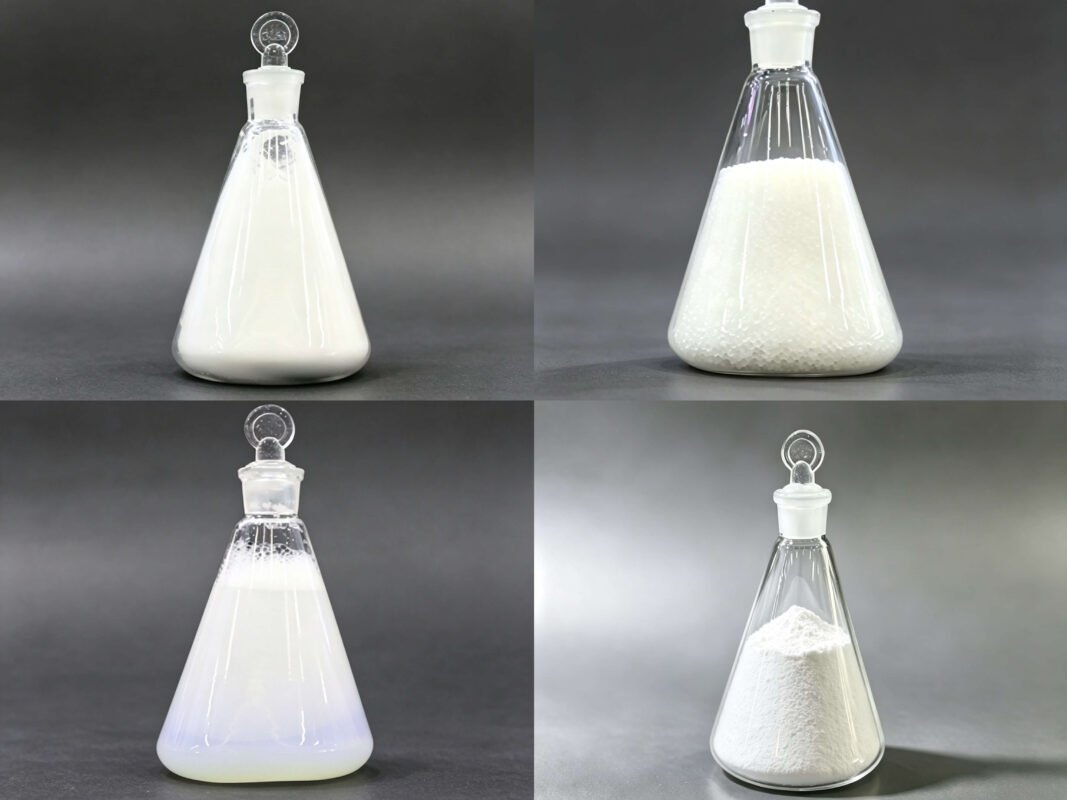
For processing aids like ACR (Acrylic Processing Aids) or impact modifiers like CPE (Chlorinated Polyethylene), the particle size distribution (D50 and D90) is vital. If particles are too coarse, they will not disperse uniformly during the dry-blending stage, leading to “fish-eyes” or localized weak spots. Conversely, overly fine particles can cause “dusting” and feeding issues in the extruder.
2. Thermal Stability and Volatile Content
PVC is inherently heat-sensitive. Additives must not only be stable themselves but also enhance the thermal window of the compound.
- Moisture/Volatiles: High volatile content (typically anything above 0.5%) will cause bubbles or pitting in the extruded product.
- Decomposition Temperature: For heat stabilizers and lubricants, you must verify the temperature at which the additive begins to lose efficacy.
3. Whiteness and Impurity Levels
In the production of white UPVC window profiles or high-clarity films, the whiteness index (L-value) of the additive is non-negotiable. Contaminants or low-grade raw materials in the additive will cause yellowing (de-hydrochlorination) during the high-shear environment of the extruder barrel.
Standardized Testing Protocols in the Industry
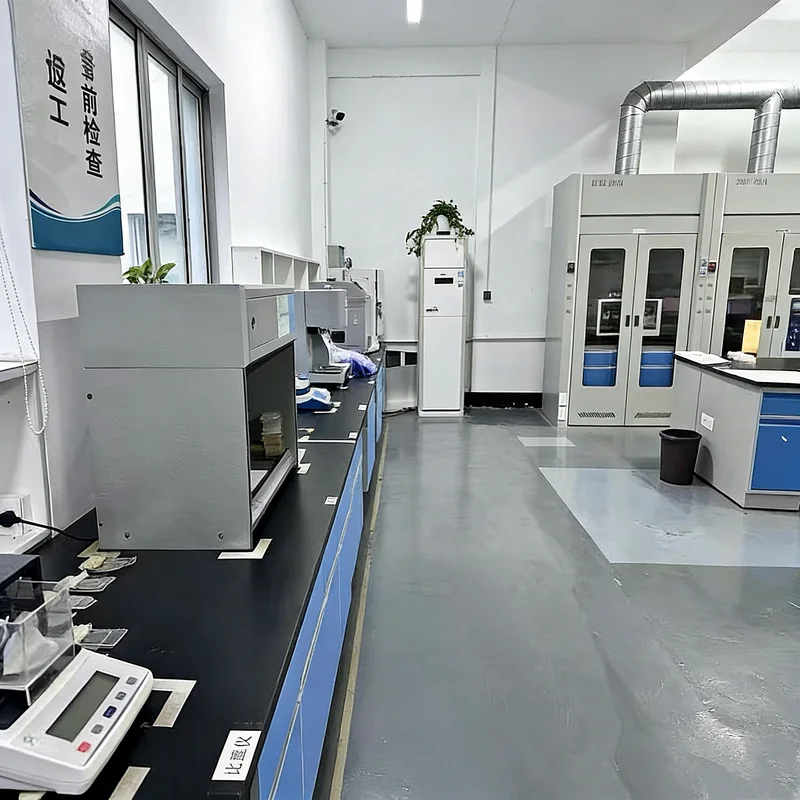
To ensure pvc additive quality control, your lab or the supplier’s quality department should adhere to recognized testing standards. Relying on “in-house” methods without cross-referencing ASTM or ISO standards often leads to communication gaps during quality disputes.
| Test Parameter | Industry Standard | Why it Matters |
| Heat Stability | ASTM D2115 | Determines how long the compound lasts before charring. |
| Bulk Density | ISO 60 | Affects the throughput rate and hopper feed consistency. |
| Sieve Analysis | ASTM D1921 | Ensures uniform blending and prevents melt-flow issues. |
| Whiteness Index | ASTM E313 | Crucial for aesthetic consistency in consumer-facing PVC. |
How to Audit a Supplier’s Quality Control System
Before finalizing a contract, a savvy OEM project manager performs a “technical audit” of the supplier. This goes beyond checking an ISO 9001 certificate. You are looking for proof of process control in a chemical manufacturing environment.
Check for Batch-to-Batch Consistency Data
Ask for a multi-batch comparison report. A quality-focused supplier will show you a “Golden Batch” overlay—a graph showing that the last ten batches have stayed within a 2% variance of the target specification. If the supplier cannot provide this, your production line will eventually suffer from “drift,” where your machine settings must be constantly adjusted to compensate for fluctuating additive quality.
Material Compatibility Verification
PVC additives do not work in isolation. A high-quality impact modifier must be compatible with your specific resin K-value and your lubrication package. In technical evaluations, request a “Fusion Torque” test report. This demonstrates how the additive affects the gelation time and peak torque during processing.
Integrating Quality into Your Procurement Workflow
From a B2B procurement standpoint, the evaluation process should be tiered to mitigate risk:
- TDS/COA Review: Eliminate suppliers whose “typical values” are too broad.
- Lab-Scale Sampling: Test for moisture, particle size, and basic compatibility.
- Pilot Run: Run 500kg to 1000kg through a production extruder. Monitor melt pressure and motor load.
- Long-Term Monitoring: Implement a “skip-lot” testing program once trust is established.
For manufacturers seeking a stable supply of performance-driven chemicals, exploring specialized PVC additives and processing aids is the logical next step. Suppliers in this category typically focus on specific categories such as:
- Impact Modifiers (MBS/CPE): Critical for cold-weather durability.
- Processing Aids (ACR): Necessary for melt strength and surface gloss.
- Lubricants and Stabilizers: Designed to prevent thermal degradation in high-speed lines.
When selecting from a product portfolio, ensure the supplier can provide customized formulations. In high-volume manufacturing, a “one size fits all” additive often leads to over-engineering (wasted cost) or under-performance (rejected parts).
Commercially Realistic Evaluation: The Cost of Quality
It is important to distinguish between “Quality” and “Grade.” A low-grade additive is not necessarily “low quality” if it consistently meets its lower-tier specifications. The danger lies in “Grade Creep,” where a supplier ships a lower-spec material under a higher-spec label.
Strict pvc additive quality control protocols protect your equipment. High-calcium or high-filler impurities in low-quality additives can act as abrasives, prematurely wearing out expensive nitrided screws and barrels. The cost of a new screw set far outweighs the pennies saved per kilogram on a suspect additive package.
FAQ: PVC Additive Quality Control
1. What is the most common sign of poor PVC additive quality during extrusion?
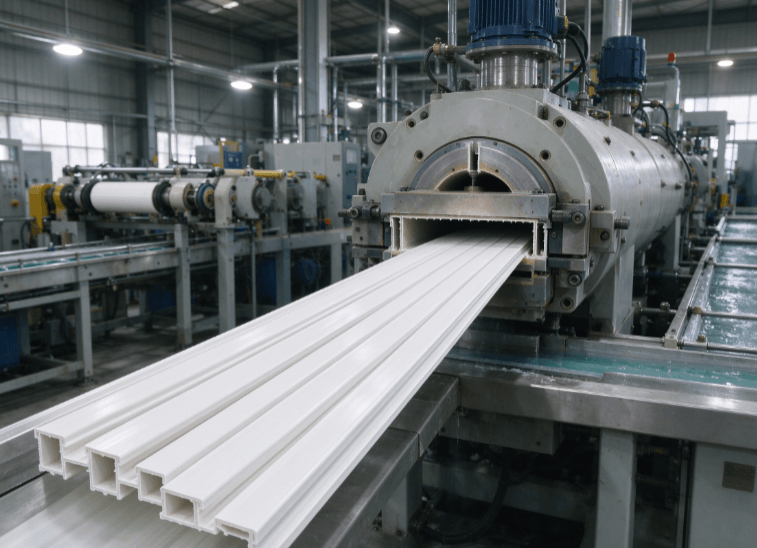
The most immediate sign is fluctuating melt pressure. If the pressure gauges are bouncing while the screw speed is constant, it usually indicates inconsistent particle size or poor dispersion of the processing aid.
2. How do I verify a Certificate of Analysis (COA) is authentic?
Cross-reference the batch number with the production date. Request the specific testing logs for that batch. Reputable chemical manufacturers maintain “retain samples” for 12–24 months; you can ask them to re-test a retain sample to verify your own lab results.
3. Does the color of the additive powder matter?
Yes. While some additives are naturally off-white, any grey or brownish tint in a white-labeled additive suggests either thermal damage during the drying process or high levels of metallic impurities, both of which will degrade your PVC compound.
4. How does moisture in additives affect the final product?
Moisture turns to steam at processing temperatures (170°C–200°C). This creates micro-voids in the melt, leading to “silver streaks” on the surface and significantly reduced impact strength in the finished part.
Reference Sources
- ASTM International: Standard Practice for Heat Stability of Poly(Vinyl Chloride) (PVC) Compositions. ASTM.org
- ISO 60:1977: Plastics — Determination of apparent density of material that can be poured from a specified funnel. ISO.org
- SGS Chemical Testing: Guidelines for Batch Consistency in Polymer Additives.
- Plastics Engineering Handbook: Evaluation of Processing Aids in Rigid PVC Formulations.