
The global PVC additive market is undergoing a structural shift. As regulatory pressures mount and environmental standards like REACH and RoHS become mandatory, manufacturers are moving away from traditional lead and cadmium-based systems. Consequently, the demand for high-performance Calcium Zinc (Ca-Zn) stabilizers has reached an all-time high.
For procurement managers and engineers, selecting a calcium zinc stabilizer supplier is no longer just about meeting environmental quotas. It is about balancing thermal stability, initial coloring, and processing windows in a way that lead systems once did with ease. This guide analyzes the technical and commercial drivers behind the global preference for Ca-Zn technology.
The Technical Synergy: How Ca-Zn Stabilizers Work
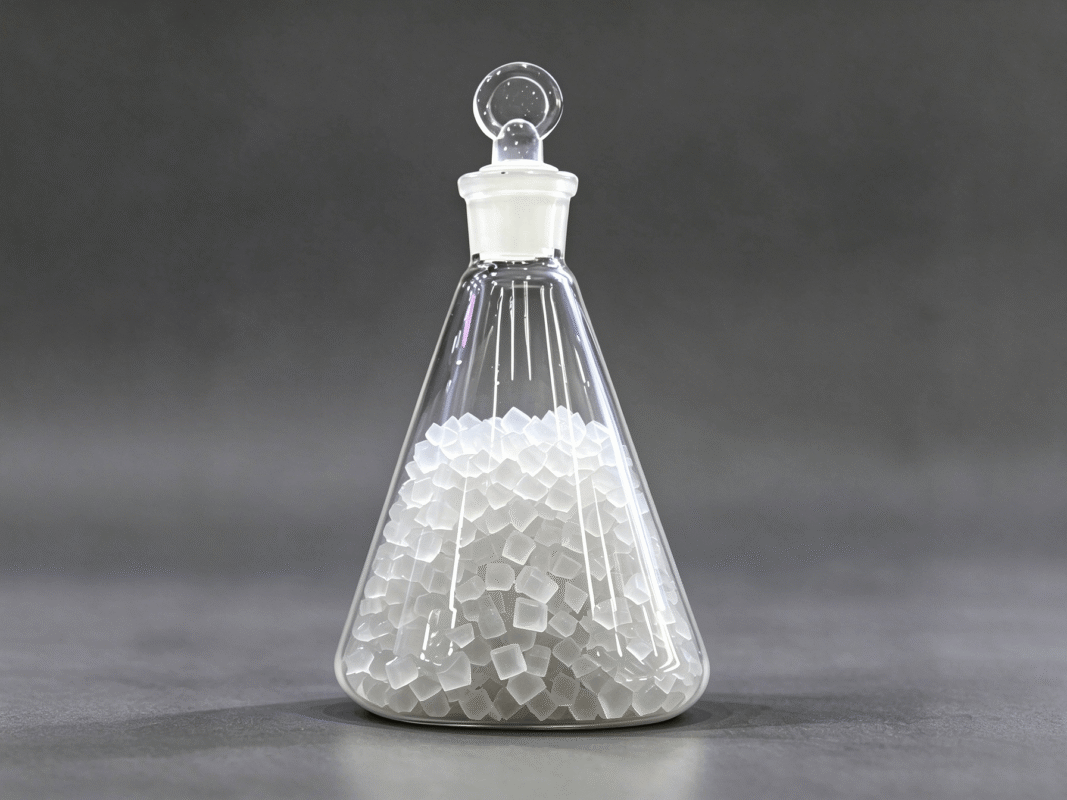
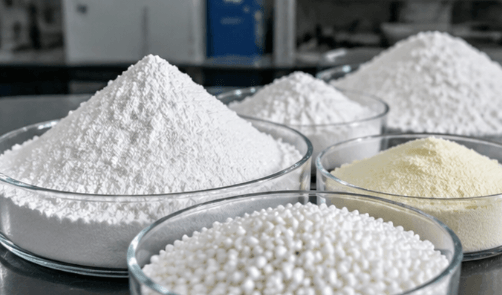
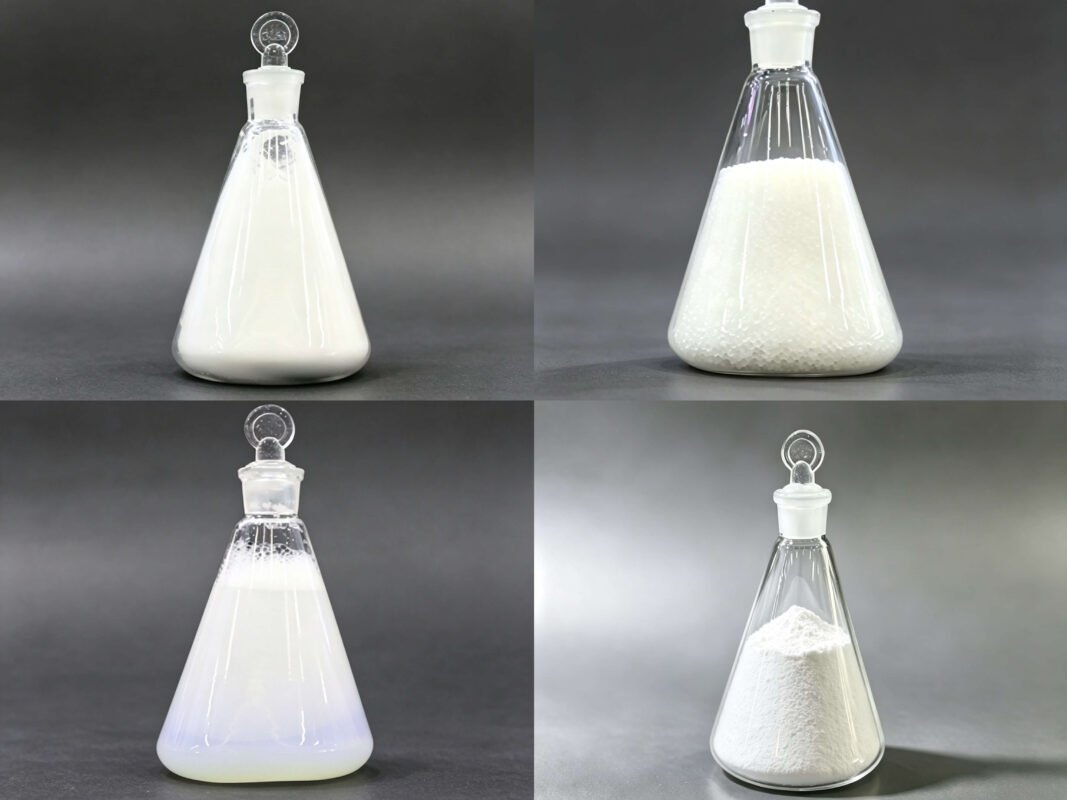
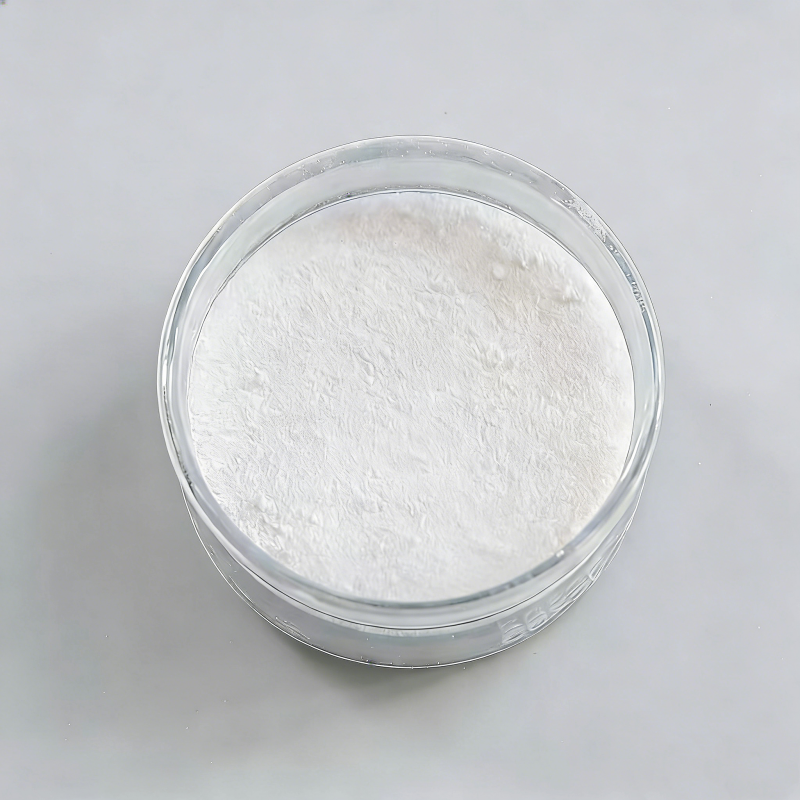
Calcium Zinc stabilizers are complex “one-pack” systems. They are not merely a mixture of two elements; they are engineered formulations involving metal soaps, internal and external lubricants, antioxidants, and co-stabilizers. The synergy between calcium and zinc is what prevents the degradation of PVC during high-temperature extrusion or injection molding.
In these systems, Zinc soaps act as the primary stabilizer. They quickly replace unstable chlorine atoms on the PVC chain, which prevents the initial discoloration of the polymer. However, zinc chloride (a byproduct) can trigger “zinc burning,” a rapid degradation. Calcium soaps act as a secondary stabilizer by neutralizing the hydrochloric acid (HCl) produced, effectively regenerating the zinc stabilizer and extending the material’s heat stability.
Why Manufacturers Are Transitioning to Ca-Zn Systems
The preference for Calcium Zinc technology is driven by a combination of performance improvements and strict global compliance requirements. Unlike older technologies, modern Ca-Zn stabilizers offer a unique set of industrial advantages.
1. Environmental and Regulatory Compliance
The most immediate driver is the “Lead-Free” mandate. Global buyers, especially those exporting to Europe or North America, must comply with REACH (Registration, Evaluation, Authorisation, and Restriction of Chemicals). Ca-Zn stabilizers are non-toxic, making them the standard for medical-grade PVC, food packaging, and drinking water pipes.
2. Enhanced Weathering and UV Resistance
Ca-Zn systems generally offer better weatherability compared to lead-based alternatives. In outdoor applications such as window profiles and siding, Ca-Zn stabilizers prevent “chalking” and maintain color integrity longer. This increases the lifespan of the end product in high-UV environments.
3. Superior Transparency and Surface Gloss
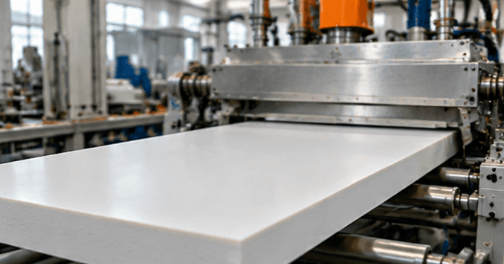
For the production of transparent PVC sheets or high-end flooring, Ca-Zn is the preferred choice. It provides excellent initial color control and results in a high-gloss surface finish. This aesthetic advantage is critical for consumer-facing products where visual quality dictates market value.
Comparing Ca-Zn vs. Lead-Based Stabilizers
When evaluating a transition, engineers must compare the processing characteristics. While lead stabilizers are known for their wide processing window, modern Ca-Zn formulations have largely closed the performance gap.
| Performance Metric | Lead-Based Stabilizers | Calcium Zinc Stabilizers |
| Environmental Impact | High Toxicity | Non-Toxic / Eco-Friendly |
| Initial Coloring | Moderate | Excellent |
| Long-term Stability | Very High | High (with proper co-stabilizers) |
| Lubrication Balance | Easy to manage | Requires precise formulation |
| Global Export Potential | Restricted | Unlimited |
| Cost Efficiency | High (Initial cost) | High (Total Lifecycle/Regulatory) |
Application Suitability: From Pipes to Cables
The versatility of Ca-Zn stabilizers allows them to be used across diverse PVC processing methods. Different applications require specific adjustments in the lubrication balance and metal ratio.
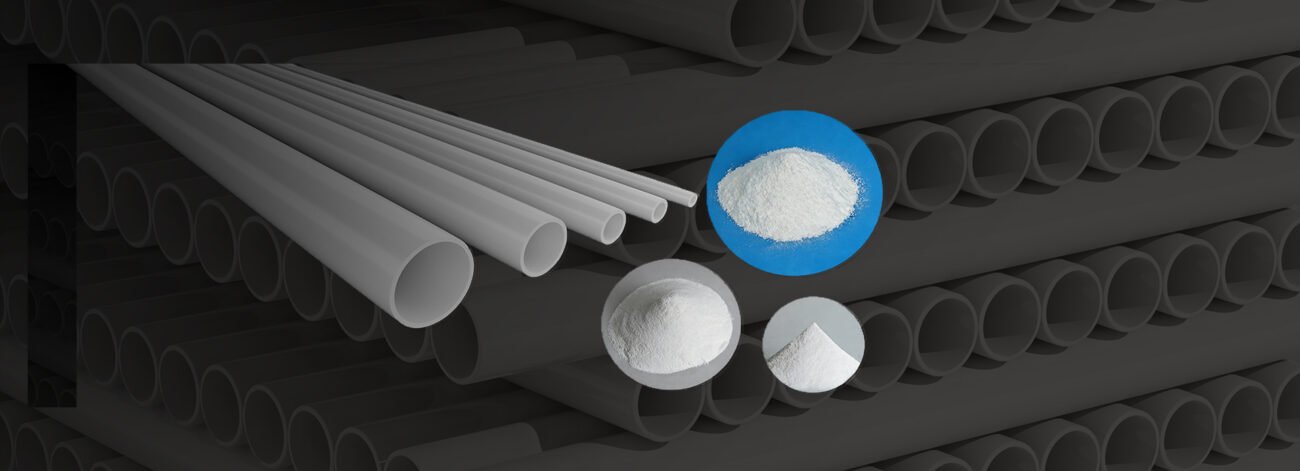
- PVC Pipes and Fittings: In large-volume production, Ca-Zn stabilizers must provide high HCl absorption to withstand long extrusion cycles. They are essential for potable water systems to avoid heavy metal leaching.
- Wires and Cables: In the electronics industry, electrical insulation properties are paramount. Specialized Ca-Zn formulations ensure that the PVC sheath maintains its dielectric strength while remaining flexible.
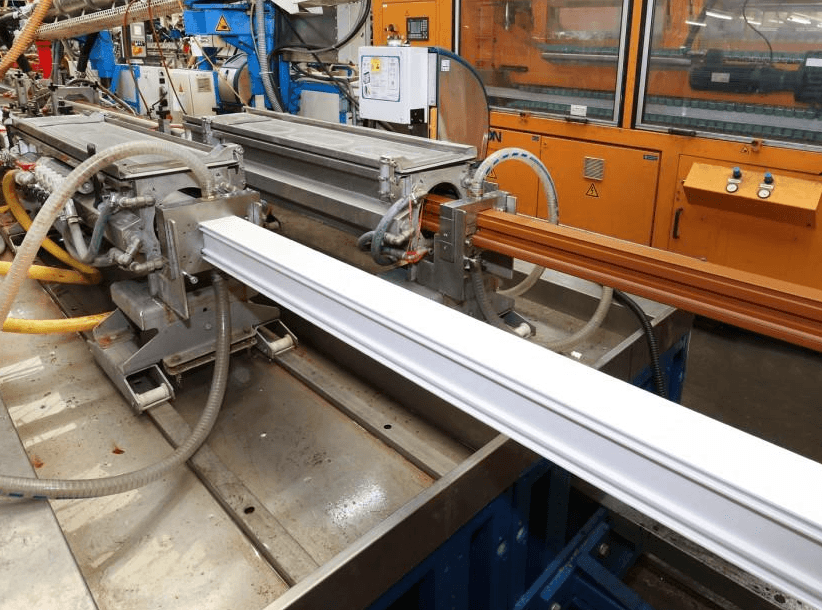
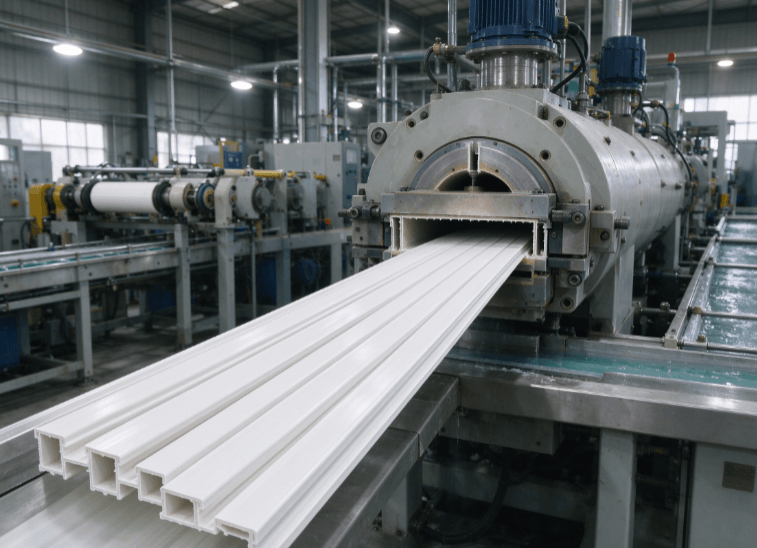
- PVC Profiles and Panels: For construction materials, the focus is on thermal stability and impact resistance. Global buyers prioritize suppliers who can offer “one-pack” solutions that integrate lubricants and impact modifiers.
For companies seeking a comprehensive range of these additives, manufacturers like MKQ Chem provide a diversified portfolio of PVC stabilizers tailored for various industrial requirements, including high-efficiency one-pack systems.
Key Criteria for Evaluating a Calcium Zinc Stabilizer Supplier
Because Ca-Zn stabilizers are highly sensitive to formulation changes, selecting the right partner is critical for production consistency. A reliable calcium zinc stabilizer supplier should offer more than just a raw material; they should provide technical consulting.
R&D and Customization Capability
Standard “off-the-shelf” stabilizers rarely work perfectly for every machine. A high-tier supplier must have the capacity to adjust the lubrication balance (stearic acid, paraffin wax, etc.) based on your specific extrusion speed and screw geometry.
Consistency of Raw Materials
In large-scale chemical manufacturing, the purity of the calcium and zinc soaps can vary. Inconsistent batches lead to “plate-out” on the molds or unexpected color shifts. Ensure your supplier adheres to ISO 9001 standards and provides a Certificate of Analysis (COA) for every shipment.
Technical Support for Trialing
The transition from lead to Ca-Zn often requires adjusting the temperature profile of the extruder. A value-added supplier will assist in the initial trials to ensure that the “Congo Red” test results (a measure of thermal stability) meet your internal quality benchmarks.
The Future of PVC Stabilization
The industry is currently moving toward “Bio-based” co-stabilizers and even higher-efficiency liquid Ca-Zn systems for flexible PVC applications. As sustainability becomes a core pillar of corporate social responsibility (CSR), the role of the calcium zinc stabilizer supplier will expand into the circular economy, helping manufacturers incorporate more recycled PVC content without sacrificing stability.
FAQ
Are Calcium Zinc stabilizers more expensive than Lead ones?
On a per-kilogram basis, Ca-Zn can be more expensive. However, when considering the costs of hazardous waste disposal, compliance risks, and the ability to export to premium markets, the total cost of ownership is often lower.
Does the dosage of Ca-Zn differ from Lead stabilizers?
Yes. Generally, the dosage of a Ca-Zn one-pack system may need to be adjusted (often slightly higher) compared to lead. This depends on the filler content (calcium carbonate) and the specific PVC resin used.
Can I use the same extruder for both Lead and Ca-Zn?
Yes, but thorough cleaning is required. Cross-contamination between lead and sulfur-containing stabilizers (if used) can cause “sulfur staining,” resulting in black spots on the PVC product.
What is “Zinc Burning” in PVC processing?
Zinc burning occurs when the zinc chloride byproduct reaches a critical concentration, causing the PVC to degrade and turn black almost instantly. This is prevented by high-quality co-stabilizers found in professional-grade Ca-Zn packs.
Are there liquid Calcium Zinc stabilizers?
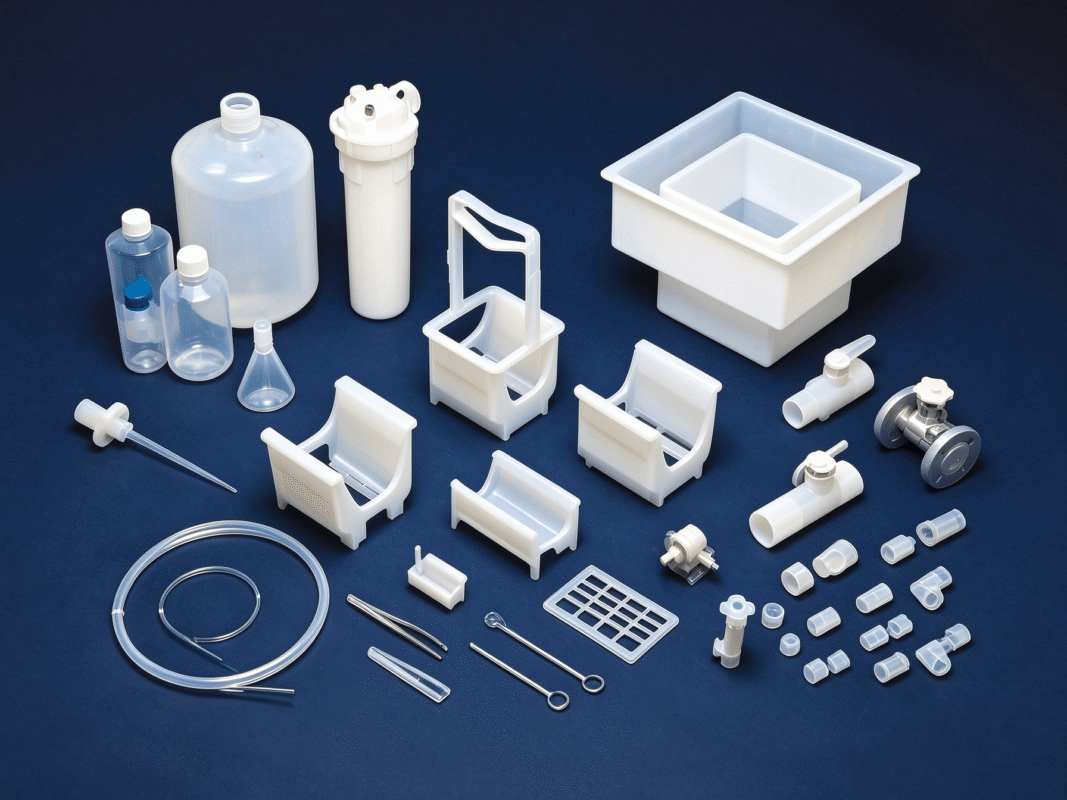
Yes. Liquid Ca-Zn stabilizers are primarily used in flexible PVC applications like artificial leather, toys, and medical tubing, where high transparency and low odor are required.
Reference Sources
- REACH Regulation (EC 1907/2006): The primary framework for chemical safety in the EU. ECHA.europa.eu
- RoHS Directive: Restriction of Hazardous Substances in electrical and electronic equipment. RoHS Guide
- ASTM D2115: Standard Practice for Oven Heat Stability of Poly(Vinyl Chloride) Compositions. ASTM International
- ISO 9001:2015: Quality management systems requirements for chemical manufacturing. ISO.org
- The Vinyl Council: Technical whitepapers on the transition to non-heavy metal stabilizers in the plastics industry.