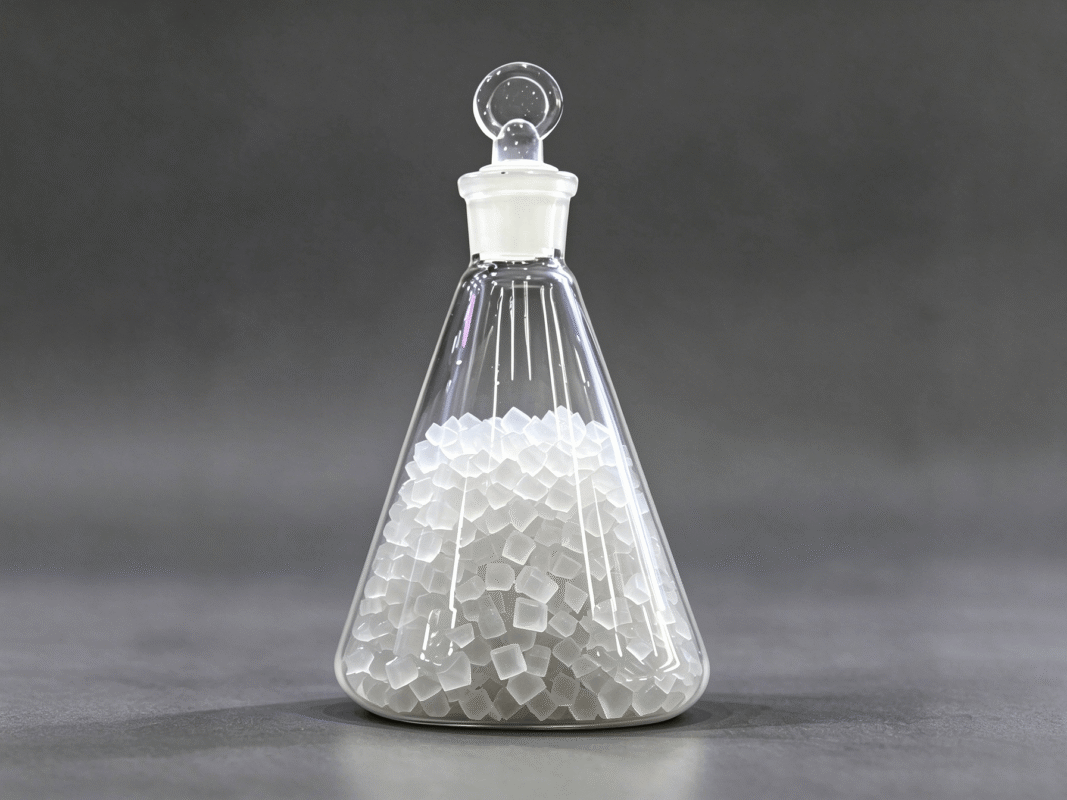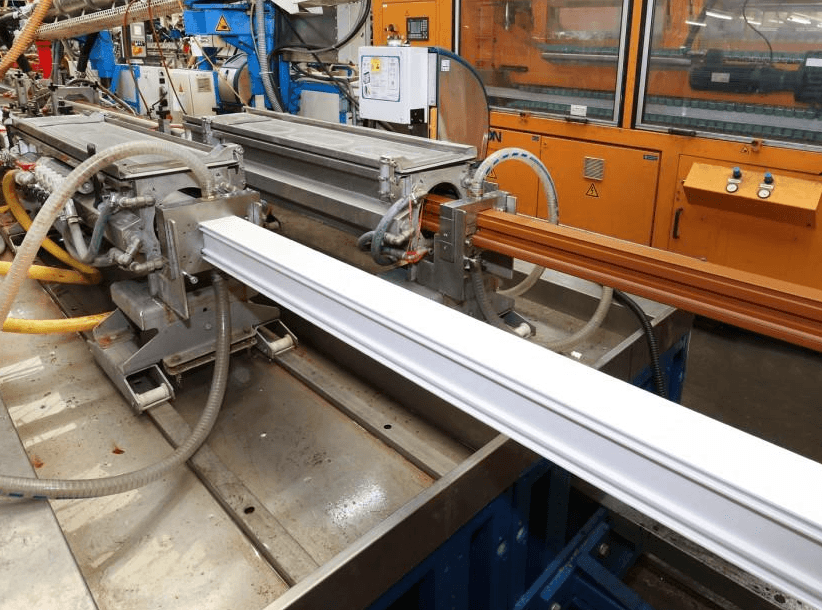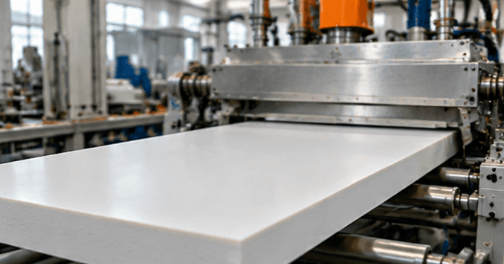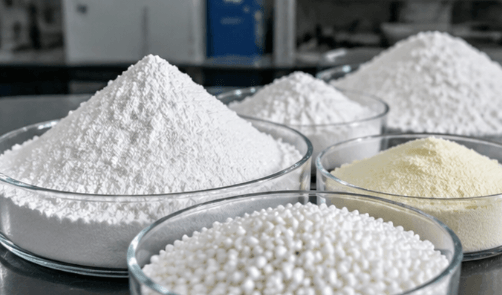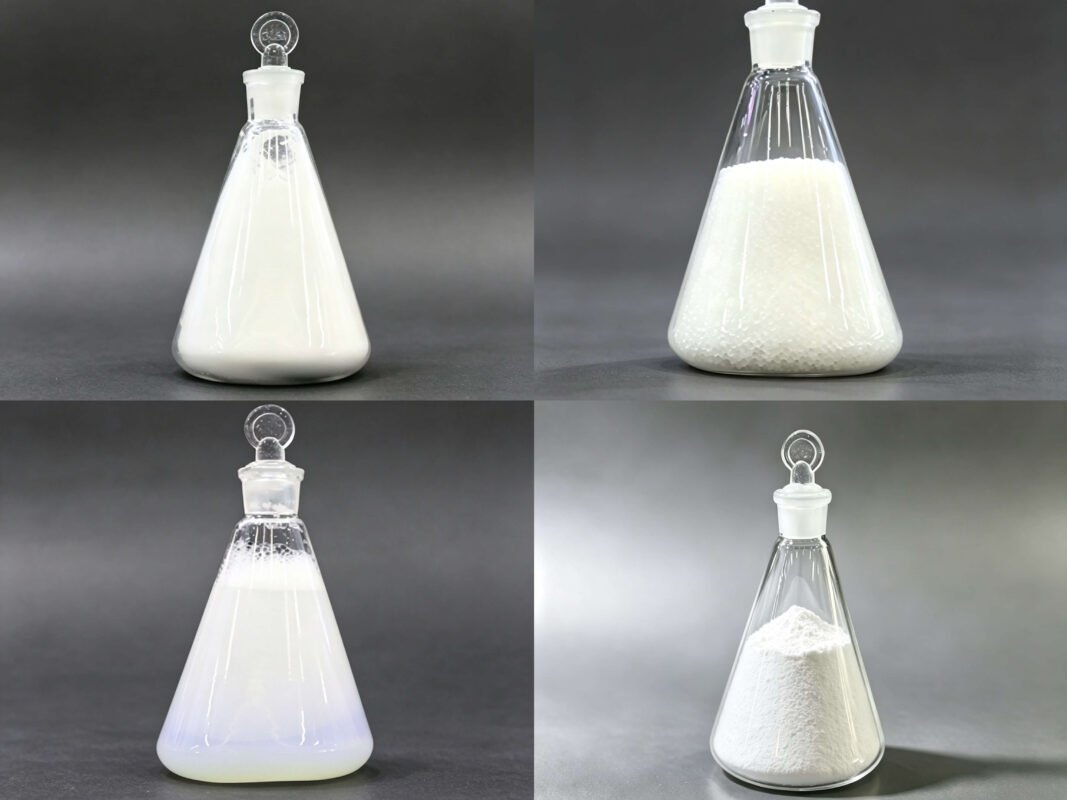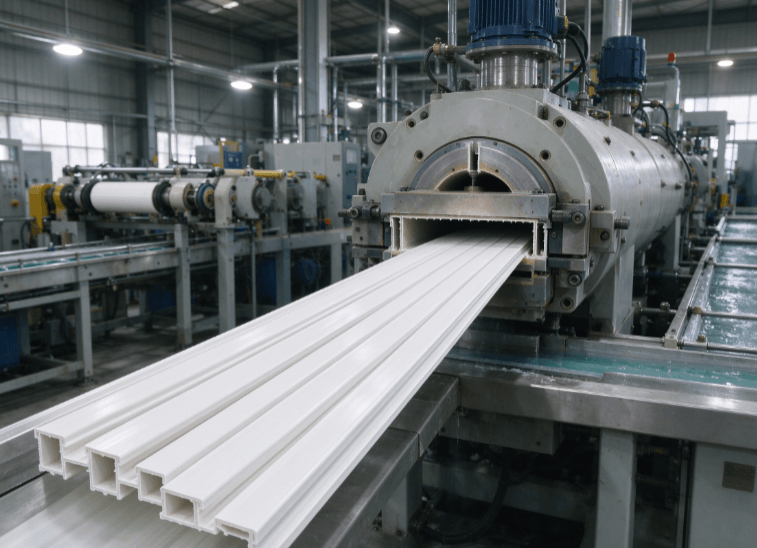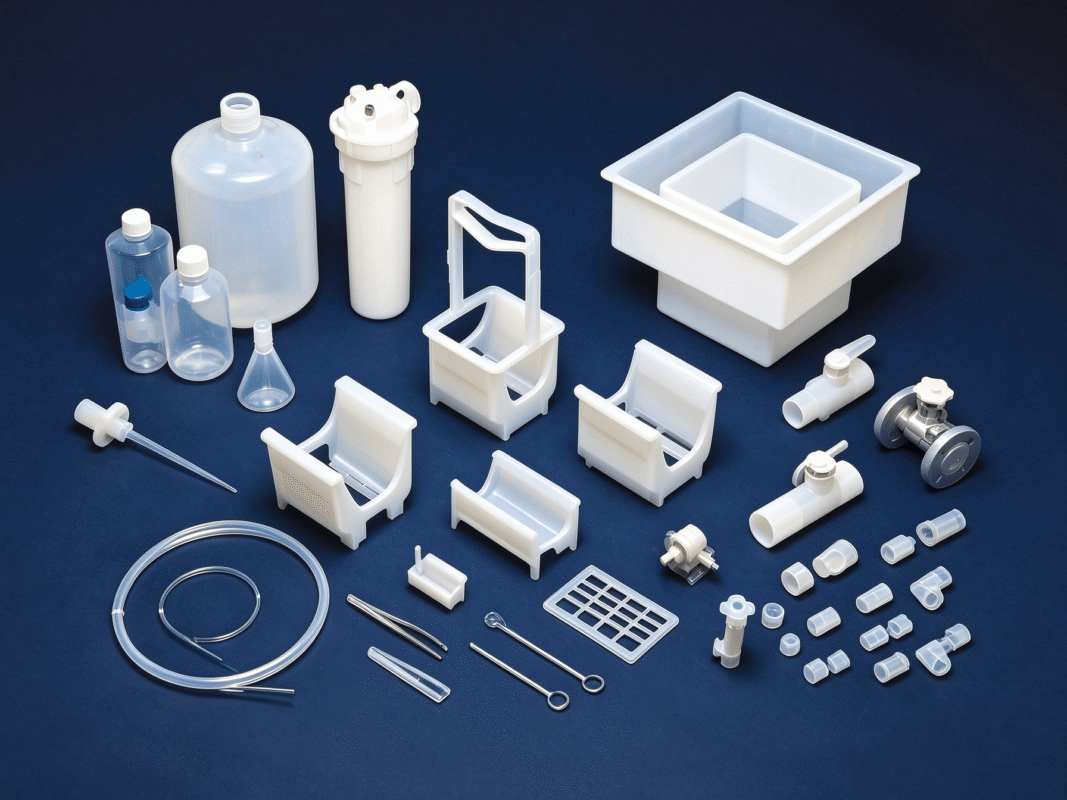

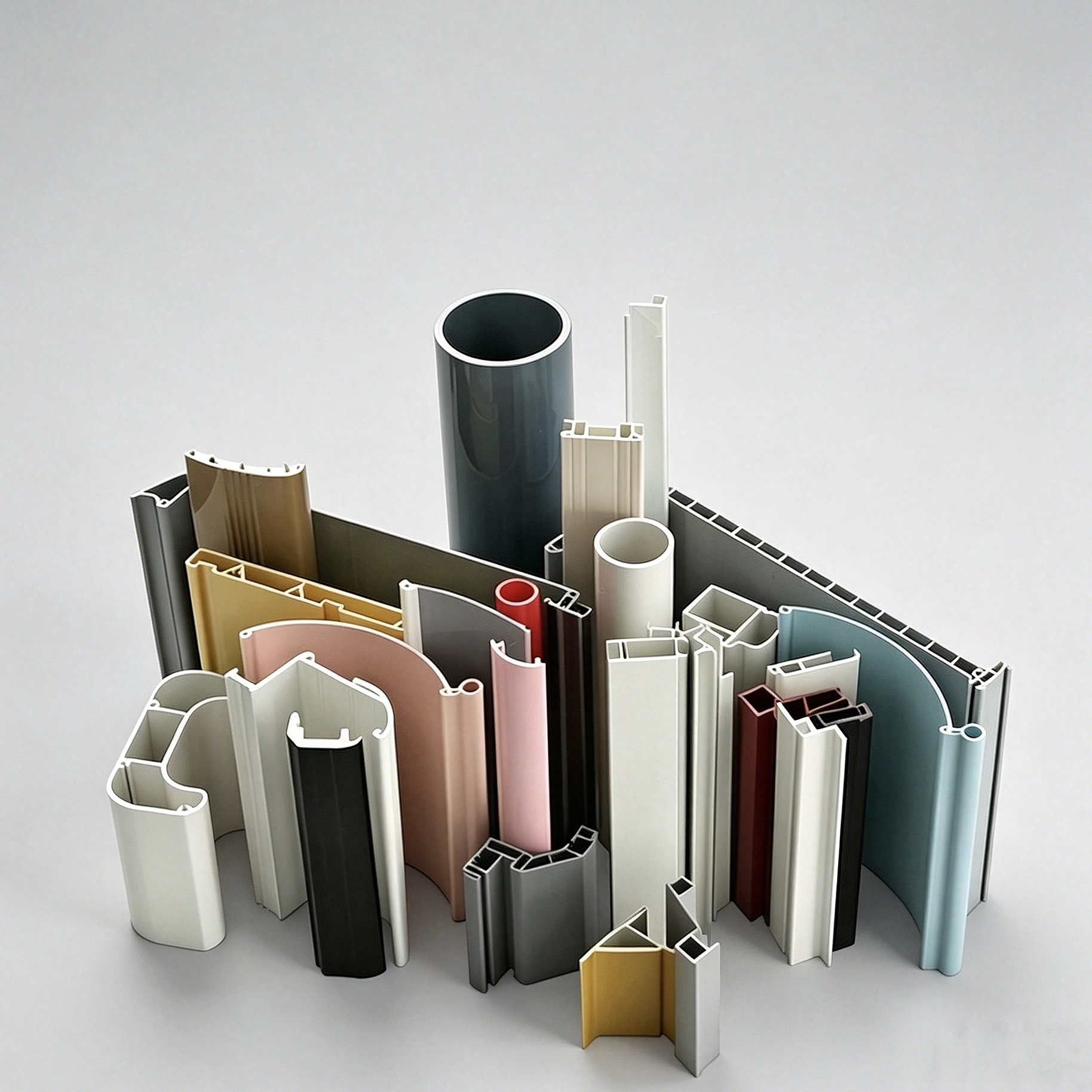
In the field of plastics processing—particularly in PVC manufacturing—both PE wax (polyethylene wax) and OPE wax (oxidized polyethylene wax) serve as critical lubricants. This post outlines the differences between OPE wax and PE wax; for detailed information regarding their functional properties and applications, please visit the News Center of MKQ Chem.
OPE wax is a chemically modified derivative of PE wax. The fundamental difference lies in the introduction of polar groups onto the OPE wax molecular chain, creating application scenarios that complement those of PE wax. However, the differences in their chemical structures result in distinct performance characteristics during extrusion and molding processes. Their primary differences are as follows:
Overview of Differences Between OPE Wax and PE Wax
| Property | PE Wax (Polyethylene Wax) | OPE Wax (Oxidized Polyethylene Wax) |
| Chemical Nature | Non-polar; a low-molecular-weight polymer formed by the polymerization of ethylene. | Polar; derived from PE wax via oxidation to introduce polar groups such as carboxyl and hydroxyl groups. |
| Melting Point Range | Higher, typically 100–120°C. | Slightly lower, typically 90–110°C. |
| Primary Function | Acts as an external lubricant; primarily reduces friction between the melt and metal equipment surfaces, improving mold release and surface gloss. | Balances internal and external lubrication; offers excellent dispersion and coupling properties, effectively wetting and dispersing pigments and fillers. |
| Compatibility | Good compatibility with non-polar materials (e.g., PE, PP). | Significantly improved compatibility with polar materials (e.g., PVC, coatings, inks). |
| Effect on Plasticization | Delays PVC plasticization/gelation. | Accelerates and optimizes PVC plasticization. |
| Effect on Fusion Time | Delays fusion (prolongs fusion time). | Accelerates fusion (shortens fusion time). |
| Effect on Fusion Torque | Reduces torque. | Increases/stabilizes processing torque. |
Synergistic Balance: In actual compounding processes, OPE wax is rarely used alone. It is typically combined with standard PE wax and internal lubricants (such as stearic acid or glyceryl monostearate/GMS) to establish a balanced lubrication system.
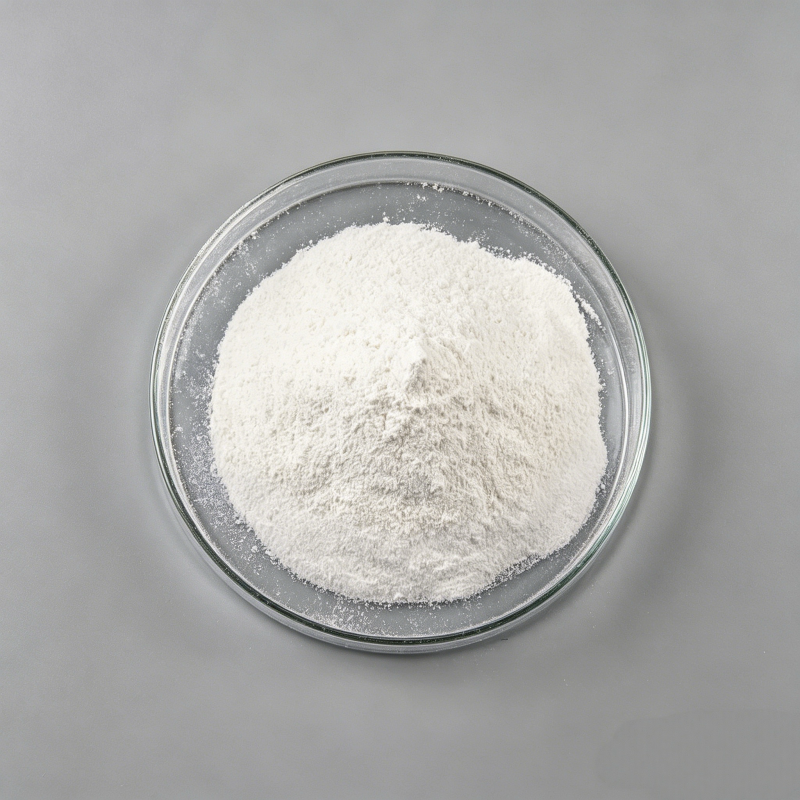
Maikaiqi Series Lubricants → MK-2021 OPE Wax (Oxidized Polyethylene Wax)
- Raw Materials and Manufacturing Process: Produced using high-density polyethylene (HDPE) as the base material through a high-temperature catalytic oxidation process that introduces polar groups—such as hydroxyl and carboxyl groups—followed by refining steps including rectification, pelletizing, pulverizing, and screening. The product features moderate polarity, a uniform molecular weight distribution, and excellent compatibility with PVC. MK-2021 OPE wax functions as a combined internal and external lubricant, offering superior lubricating performance while simultaneously facilitating both plasticization and mold release.
2. Application Areas & Suitable Products
- Flooring: SPC flooring, WPC flooring, and LVT flooring (substrates and wear layers)
- Board Products: Rigid PVC boards, WPC boards, carbon crystal boards, co-extruded boards, advertising foam boards, foam wall panels, door panels, and boards for home/bathroom furnishings
- Profiles: Edge banding, shutter components, skirting boards, resin roofing tiles, and various extruded profiles
- Other Products: Foam floor mats, PVC injection-molded/blow-molded shoe soles, foam leather, cable insulation layers, cable sheathing materials, and masterbatches.
3. Product Features and Advantages: Balances internal and external lubrication; improves melt flowability and promotes uniform plasticization, especially in highly filled systems; offers excellent dispersion with PVC and fillers; resistant to blooming and exudation; reduces extrusion torque and increases production speed; enhances surface smoothness and printability/laminating performance; improves product appearance and mechanical stability; extends mold service life; and is compatible with eco-friendly Calcium-Zinc stabilizer systems.
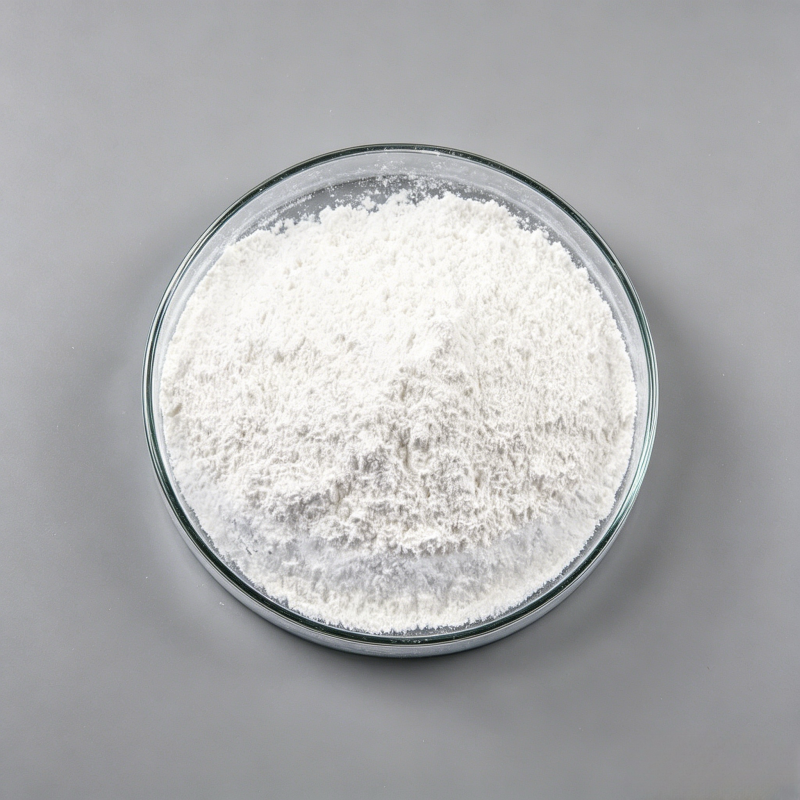
Maikaiqi Series Lubricants → MK-103 PE Wax (Polyethylene Wax)
- Raw Materials and Manufacturing Process: Produced from high-quality ethylene polymerization by-products or low-molecular-weight polyethylene through cracking, refining, decolorization, filtration, condensation, and ultra-fine pulverization. It features moderate molecular weight, strong lubricity, and excellent mold-release performance. As a typical external lubricant, MK-103 PE wax excels in mold release, anti-blocking, and surface slip properties.
2. Application Areas & Suitable Products
- Pipes and Fittings: PVC/UPVC/CPVC pipes, power conduits, injection-molded fittings
- Flooring: SPC flooring, WPC flooring, LVT flooring substrates
- Sheet Products: PVC sheets, WPC sheets, carbon crystal sheets, foam boards, advertising foam boards, co-extruded sheets, door panels, home and bathroom panels
- Profiles: Edge banding, profiles, shutter components, skirting boards, resin roof tiles
- Wires and Cables: Cable insulation materials, cable sheathing materials, color masterbatches
- Other Products: Foam floor mats, PVC injection/blow-molded shoe soles, foam leather
3. Product Features and Advantages: Provides strong external lubrication, significantly reducing friction between the melt and metal surfaces; prevents sticking to rollers and molds; enhances surface smoothness and gloss; improves demolding efficiency and production stability; offers excellent chemical stability and heat resistance without compromising the product’s weatherability; ensures superior dispersion; does not interfere with post-processing operations such as printing, lamination, or hot stamping; offers significant cost advantages; and is compatible with both high-filler and general-purpose PVC extrusion and injection molding systems.
Formulation Selection Guide
The fundamental reason for the difference between the two lies in polarity. PE wax is non-polar, whereas OPE wax is polar due to the presence of polar groups. This distinction directly determines the choice of application for each:
1. Scenarios for selecting PE wax: It is primarily used in non-polar systems as an external lubricant and mold release agent. Applications include the processing of polyolefin plastics (such as PP and PE) and use as a modifier for products like candles and cable fillers.
2. Scenarios for selecting OPE wax: Suitable for polar systems requiring high-quality surface finishes, or applications demanding excellent plasticization and dispersion. Examples include:
- PVC processing: Provides balanced internal and external lubrication, improves flowability, and prevents plate-out.
- Masterbatches, coatings, and inks: Significantly enhances the dispersion of pigments and fillers.
- High-filler systems: Such as PVC foam boards and wood-plastic composites (WPC); improves filler dispersion and reduces plate-out.
In short, if the application relies primarily on lubrication and mold release and the system is non-polar, PE wax is the standard choice; however, if the system contains polar resins, pigments, or high levels of fillers—requiring superior compatibility and dispersion—then OPE wax is the better solution.
In summary
With its unique combination of lubricating, dispersing, and compatibilizing properties, OPE wax has become an indispensable additive in modern PVC processing. Compared to traditional PE wax, its enhanced polarity delivers superior performance, making it widely applicable to most PVC products. By optimizing processing efficiency and product quality, OPE wax enables manufacturers to boost productivity while reducing overall production costs.
FAQ
1. Can OPE wax and PE wax be used interchangeably during PVC processing?
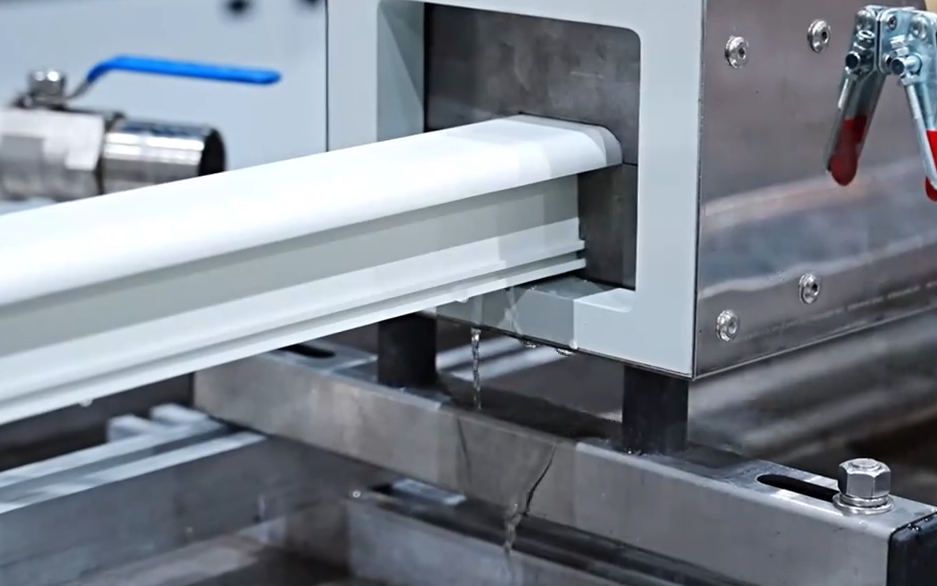
No; manufacturers typically use them in combination during processing. If only PE wax is used, the plasticization (melting) process is excessively delayed, resulting in under-plasticized PVC melt upon exiting the die, which leads to a rough surface and poor mechanical properties. If only OPE wax is used, the material gels prematurely in the transition zone; this causes a sharp, dangerous rise in torque and uncontrolled shear heat generation, ultimately compromising the quality of the finished PVC product.
2. Can an increased amount of OPE wax be added during production to improve the quality of the finished PVC product?
No. Adding excessive OPE wax may overly delay material plasticization (melting), resulting in poor plasticization and reduced mechanical properties of the finished product.
3. Is OPE wax required for all PVC products?
The use of OPE wax is strongly recommended for PVC products requiring high-speed extrusion or featuring complex cross-sections. While standard PE wax may suffice for simple, thick-walled PVC products, OPE wax offers a wider processing window.
Reference Sources:
American Chemistry Council – PVC Properties and Manufacturing Applications:
https://www.americanchemistry.com
Specialchem – “Lubricants for PVC: Internal vs External” :
https://polymer-additives.specialchem.com
Journal of Vinyl and Additive Technology: Research on the synergistic effects of waxes in PVC formulations.