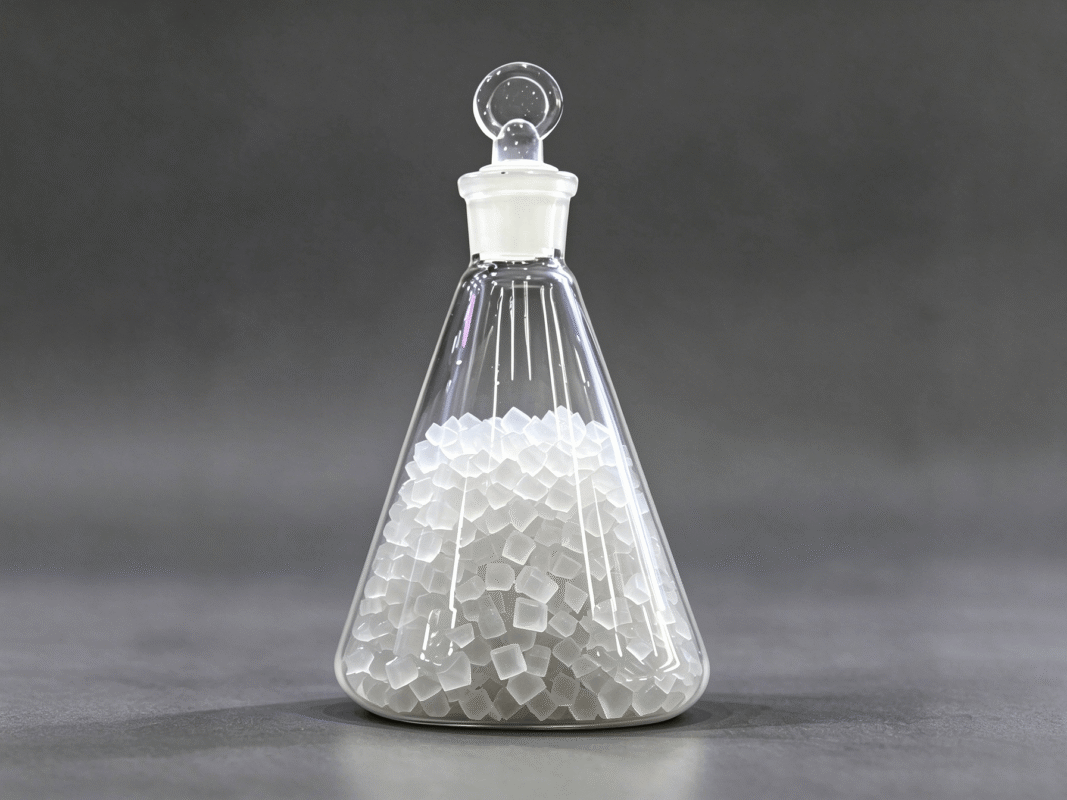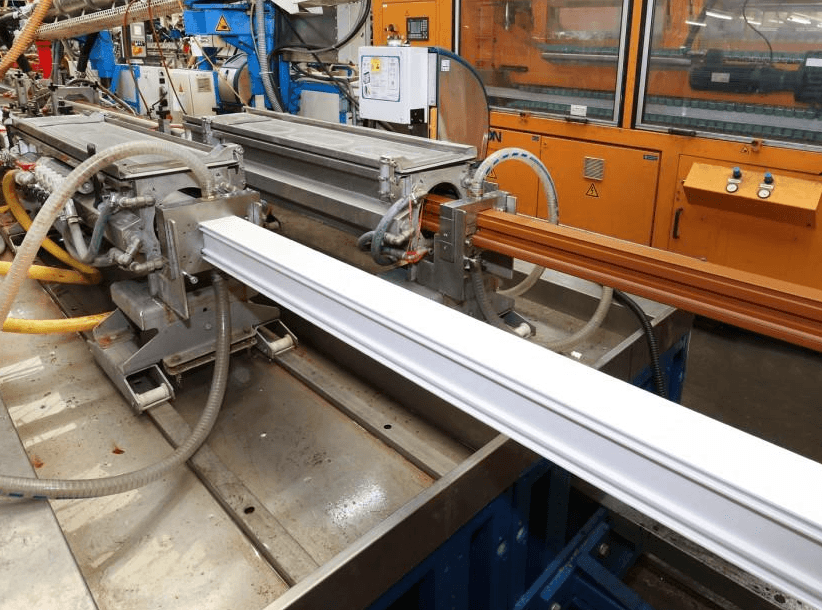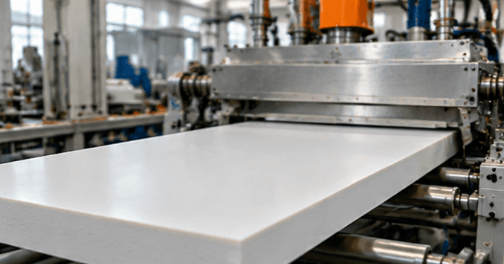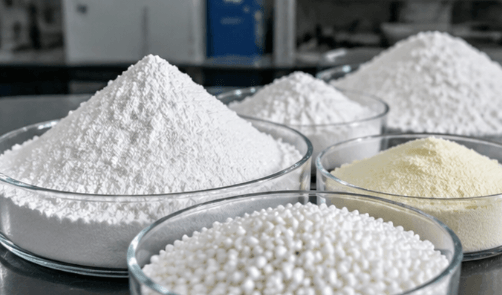

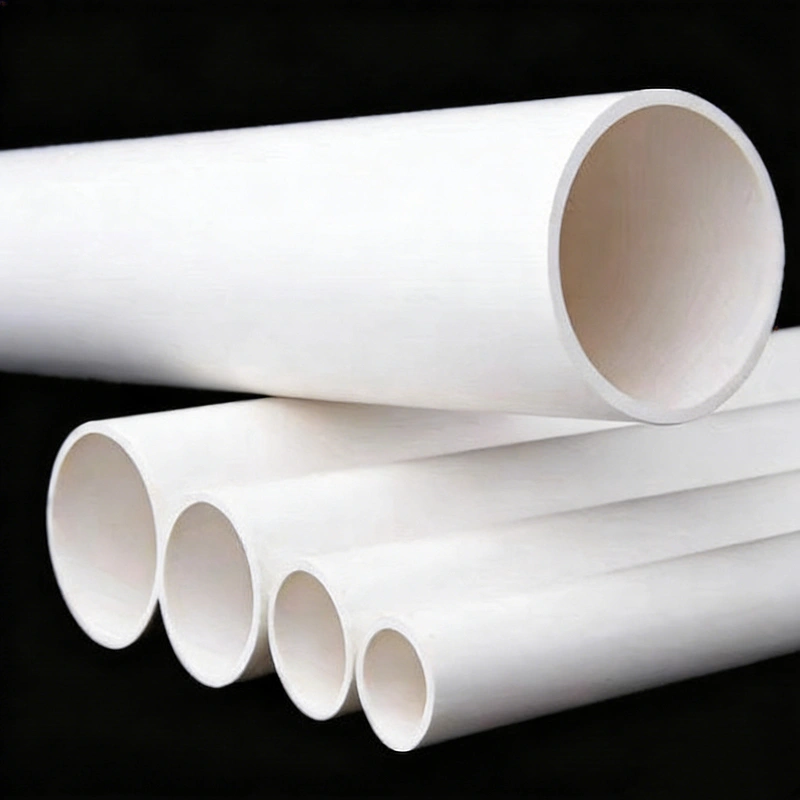
In high-volume plastic extrusion, maintaining consistent quality is a balance of thermodynamics, rheology, and chemical formulation. PVC pipe production problems can lead to significant material waste and operational downtime if the root causes are not identified early. For engineers and facility managers, understanding the interplay between machine settings and raw material behavior is essential for optimizing the production window.
PVC (Polyvinyl Chloride) is thermally sensitive. Achieving a perfect extrudate requires precise control over the melt temperature and pressure within the barrel. When these variables fluctuate, the physical and aesthetic properties of the pipe degrade.
Identifying Surface Defects in PVC Extrusion
Surface quality is the first indicator of a stable extrusion process. Roughness or discoloration often signals an imbalance in the chemical formulation or improper heat management.
- Scorching (Thermal Degradation): This appears as yellow or brown streaks on the pipe surface. It occurs when the PVC melt stays in the barrel too long or the temperature exceeds the stabilizer’s capacity.
- Rough Internal or External Walls: Often caused by “melt fracture” or improper lubrication. If the external lubricant level is too low, the friction between the melt and the die wall increases, creating a “sharkskin” effect.
- Bubbles or Pitting: These are typically caused by moisture in the raw material or volatile gasses that failed to escape through the vacuum venting system.
Dimensional and Structural Inconsistencies
Dimensional stability ensures that pipes meet strict industrial tolerances for pressure and fitment. Structural failures, on the other hand, compromise the safety of the installation.
| Issue | Technical Root Cause | Engineering Solution |
| Wall Thickness Eccentricity | Misaligned die head or uneven heating | Calibrate die bolts and check heater band functionality |
| Pipe Warpage (Bending) | Uneven cooling in the water tank | Adjust spray nozzles to ensure uniform cooling around the circumference |
| Dimensional Shrinkage | High internal stress from rapid cooling | Increase the temperature of the cooling water gradually |
| Brittleness | Poor gelation or lack of impact modifiers | Optimize screw speed and check impact modifier dosage |
In large-volume production, eccentricity is a frequent challenge. It is often caused by a slight temperature deviation in one segment of the die head, which causes the melt to flow faster in that area, resulting in uneven wall thickness.
The Role of Additives in Problem Prevention
The stability of PVC extrusion depends heavily on the “One-Pack” stabilizer and lubricant system. Many production issues are not mechanical but chemical. For instance, if a pipe fails an impact test (brittleness), the problem often lies in the gelation degree. Gelation refers to the fusion of PVC particles; if the temperature is too low, the particles do not fuse, leading to a weak molecular structure.
Different industry applications—such as electrical conduits, high-pressure water pipes, or agricultural drainage—require specific additive ratios. For example, UV stabilizers are critical for outdoor applications to prevent “chalking” and discoloration over time. Using the wrong lubricant balance can cause “plate-out,” where additives deposit on the die surface, eventually breaking off and causing surface defects.
Mechanical Troubleshooting and Workflow
When a production problem arises, a systematic troubleshooting workflow prevents “over-adjusting” the machinery, which can introduce new errors.
- Check Raw Material Moisture: Ensure the PVC resin and additives have been stored in a dry environment.
- Verify Temperature Profiles: Compare the actual melt temperature against the set points. Thermal drift in a single heater band can ruin an entire batch.
- Inspect Vacuum Venting: Ensure the vacuum pump is pulling sufficient pressure to remove volatiles from the barrel.
- Evaluate Tooling Wear: A worn screw or barrel increases backflow (leakage flow), which leads to inconsistent pressure and surging at the die.
By maintaining a rigorous maintenance schedule and understanding the rheological properties of the PVC compound, manufacturers can significantly reduce the frequency of production failures.
FAQ
What causes yellowing in PVC pipe production?
Yellowing is a sign of thermal degradation. It usually indicates that the melt temperature is too high, the residence time in the barrel is too long, or the heat stabilizer dosage is insufficient for the processing conditions.
How can I stop the PVC melt from surging?
Surging is often caused by inconsistent feeding or a worn screw. Ensure the feeding throat is cooled properly to prevent “bridging” and check the screw-to-barrel clearance. surging can also result from improper moisture levels in the compound.
Why are my PVC pipes failing the impact test?
Brittleness is usually caused by low gelation or an inadequate amount of impact modifiers (like CPE or Acrylic). If the fusion level is below 60%, the pipe will lack the structural integrity to withstand mechanical stress.
What is “Plate-out” in PVC extrusion?
Plate-out occurs when additives (usually lubricants or pigments) become incompatible with the PVC melt and deposit on the die or calibrator. This buildup eventually causes scratches or lumps on the pipe surface and requires the line to be stopped for cleaning.
Reference Sources
- ISO 1452: Plastics piping systems for water supply and for buried and above-ground drainage and sewerage under pressure — Unplasticized poly(vinyl chloride) (PVC-U). ISO.org
- ASTM D1785: Standard Specification for Poly(Vinyl Chloride) (PVC) Plastic Pipe, Schedules 40, 80, and 120. ASTM.org
- PPI (Plastics Pipe Institute): Technical reports on PVC extrusion and troubleshooting. plasticpipe.org
- SPE (Society of Plastics Engineers): Professional resources on rheology and polymer processing. 4spe.org