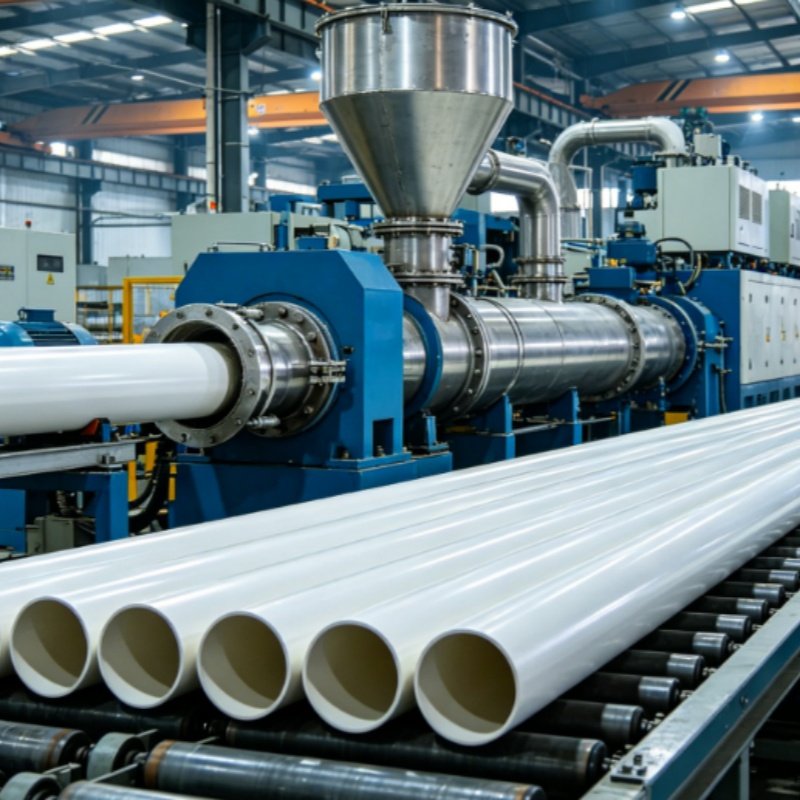

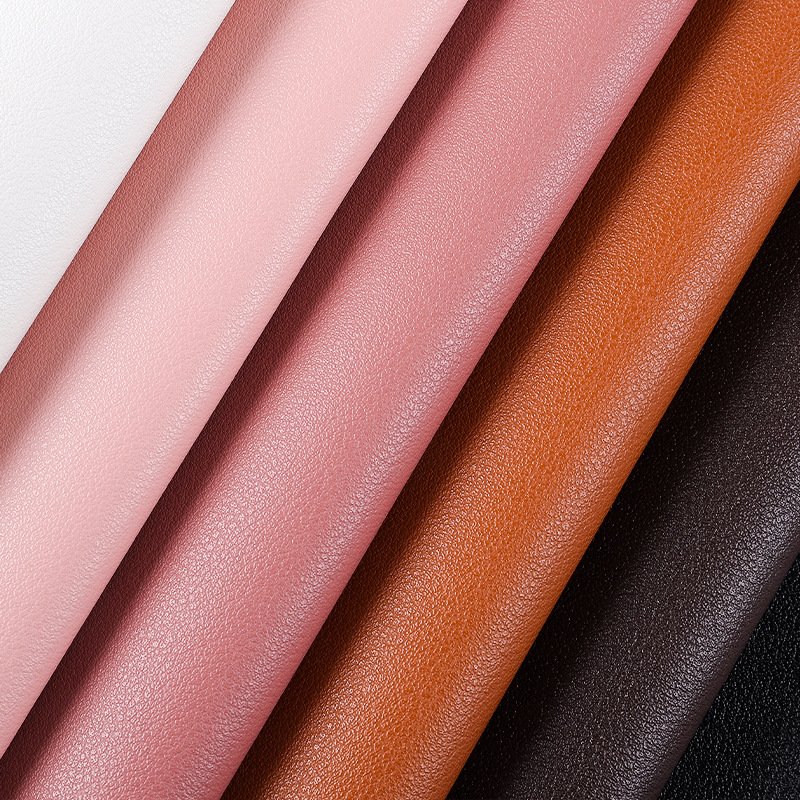
PVC lubricant selection is the technical process of balancing internal and external chemical agents to manage the rheology of Polyvinyl Chloride during extrusion. In industrial manufacturing, this balance is critical because PVC is thermally sensitive and has high melt viscosity. Proper selection ensures optimal fusion, prevents thermal degradation, and reduces energy consumption by managing extruder torque.
From a manufacturing standpoint, lubrication is not a “one-size-fits-all” solution. It requires a deep understanding of the synergy between different chemical additives. Engineers must evaluate the specific extrusion line speed, die geometry, and final product requirements (such as pipe wall thickness or window profile complexity) before finalizing a lubricant package.
Internal vs. External Lubricants: The Balancing Act
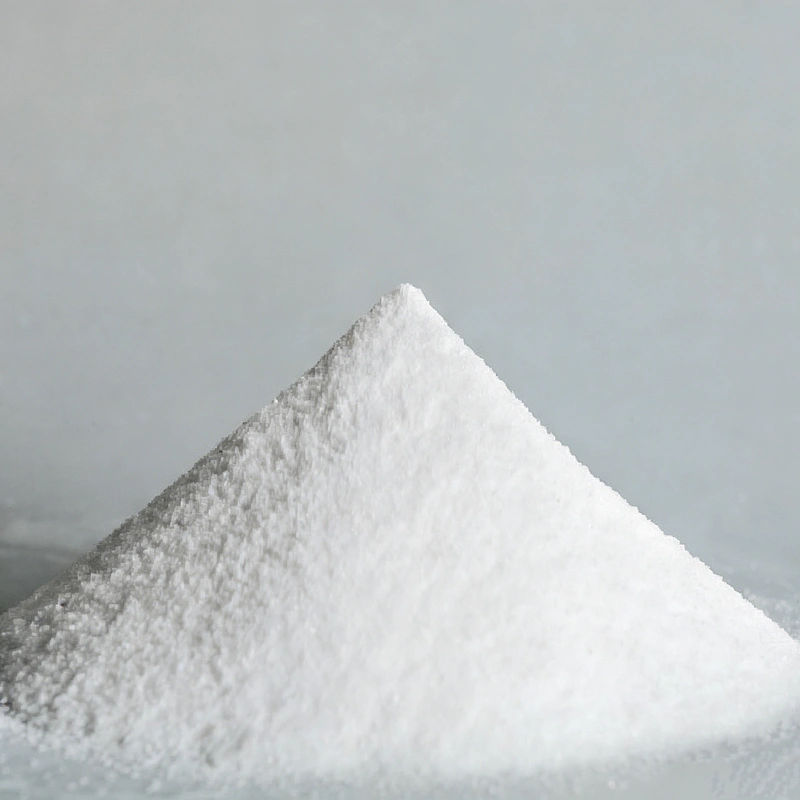
The core of PVC lubricant selection lies in the distinction between internal and external agents. While both influence the processing window, they affect the polymer melt in fundamentally different ways.
- Internal Lubricants: These chemicals, such as fatty acid esters or polar waxes, reduce the friction between PVC molecular chains. They promote gelation (fusion) and reduce the melt viscosity, which effectively lowers the torque required by the extruder motor.
- External Lubricants: These agents, typically paraffin waxes or oxidized polyethylene (OPE) waxes, have low compatibility with the PVC melt. They migrate to the interface between the polymer and the metal surfaces of the barrel and die, creating a slip layer that prevents sticking and improves surface gloss.
| Lubricant Type | Common Chemicals | Primary Function | Impact on Fusion |
| Internal | Stearic Acid, GMS | Reduces intermolecular friction | Accelerates Fusion |
| External | PE Wax, Paraffin Wax | Reduces melt-to-metal friction | Delays Fusion |
| Balanced (One-Pack) | Tailored Blends | Manages torque and surface finish | Controlled Fusion |
Technical Constraints in Large-Volume Production
In high-speed extrusion lines, excessive lubrication can be as detrimental as insufficient lubrication. Over-lubrication, particularly with external agents, leads to “slippage” where the screw loses its ability to convey the material forward. This results in pressure fluctuations and inconsistent wall thickness.
Furthermore, improper PVC lubricant selection often leads to plate-out. This occurs when additives migrate too aggressively and deposit on the die or calibrator surfaces. In automotive or medical applications, plate-out causes surface defects that lead to immediate batch rejection. Selecting lubricants with a high “holding capacity” within the PVC matrix is essential to prevent these deposits during long production runs.
Factors Influencing the Selection Process
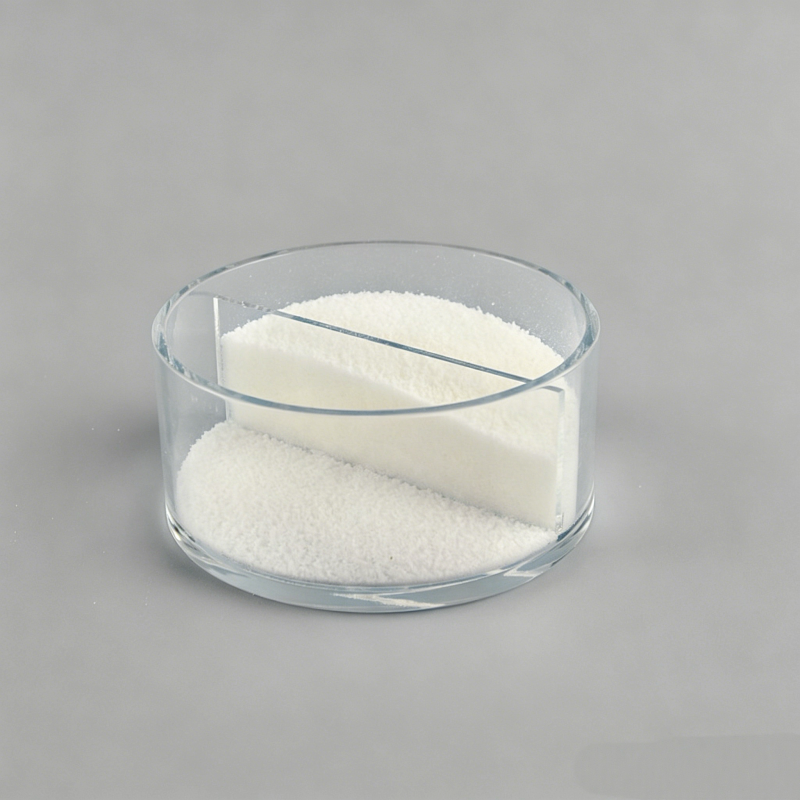
When a manufacturing consultant or project manager evaluates a lubrication system, they typically prioritize the following technical parameters:
- Gelation Degree: Rigid PVC applications like pipes require a gelation level of 60%–70%. Internal lubricants must be adjusted to ensure the material reaches this state within the barrel length.
- Melt Strength: For complex profiles, the melt must maintain structural integrity as it exits the die. Excessive internal lubrication can lower melt strength too far, causing the profile to collapse.
- Temperature Resistance: Lubricants must remain stable at processing temperatures (170°C–200°C). If a lubricant degrades, it acts as a pro-oxidant, accelerating the “zipper” degradation of the PVC chain.
For specialized industrial needs, sourcing from a professional PVC lubricant supplier allows for the selection of specific grades, such as high-density oxidized polyethylene waxes or specialty esters, which are designed for high-performance applications where standard paraffin waxes fail.
Real-World Selection Logic for OEM Projects
In B2B procurement, the cost-to-performance ratio is the ultimate metric. While Stearic Acid is a cost-effective internal lubricant, it may not provide the thermal stability required for high-output lines. In such cases, switching to a more expensive ester-based lubricant often yields a better ROI by reducing downtime and scrap rates.
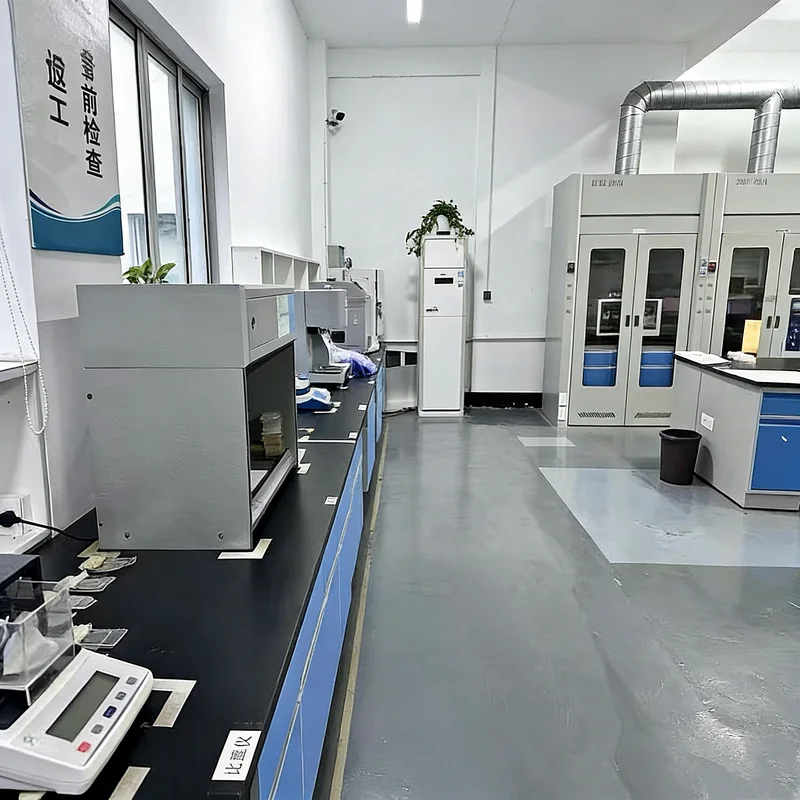
Testing standards, such as ASTM D2538 (Fusion of Poly(Vinyl Chloride) Compounds Using a Torque Rheometer), are vital for verifying a selection. By analyzing fusion time and peak torque in a lab environment, engineers can predict how a specific lubricant blend will behave on the factory floor. This proactive approach prevents costly trial-and-error periods on production-scale extruders.
FAQ
What is the difference between PE wax and OPE wax in PVC lubrication?
PE wax acts primarily as an external lubricant due to its non-polar nature, providing excellent metal release. OPE (Oxidized Polyethylene) wax has polar groups, giving it a “balanced” characteristic that provides some internal lubrication while still acting as a strong die-release agent.
How does PVC lubricant selection affect surface gloss?
Surface gloss is primarily controlled by external lubricants. They ensure a smooth transition of the melt through the die. However, if the lubricant is incompatible or used in excess, it can cause “blooming,” which results in a dull or hazy surface finish over time.
Can I use a single lubricant for both rigid and flexible PVC?
Generally, no. Rigid PVC requires a higher concentration of lubricants to manage its high viscosity and heat sensitivity. Flexible PVC, which contains plasticizers, already has reduced intermolecular friction, meaning it requires significantly less internal lubrication.
What are the signs of insufficient lubrication?
Insufficient lubrication typically manifests as high motor torque, rising melt temperatures (due to shear heat), and localized “scorching” or yellowing of the PVC extrudate.
Reference Sources
- ASTM D2538: Standard Practice for Fusion of Poly(Vinyl Chloride) (PVC) Compounds Using a Torque Rheometer.
- ISO 1163: Plastics — Unplasticized poly(vinyl chloride) (PVC-U) moulding and extrusion materials.
- SPE (Society of Plastics Engineers): Technical papers on PVC processing additives and rheology.
- PVC4Pipes: Industry documentation regarding the long-term performance of lubricated PVC systems in infrastructure.
- Official Manufacturer Documentation: Technical data sheets for polyethylene waxes and stearic acid grades.