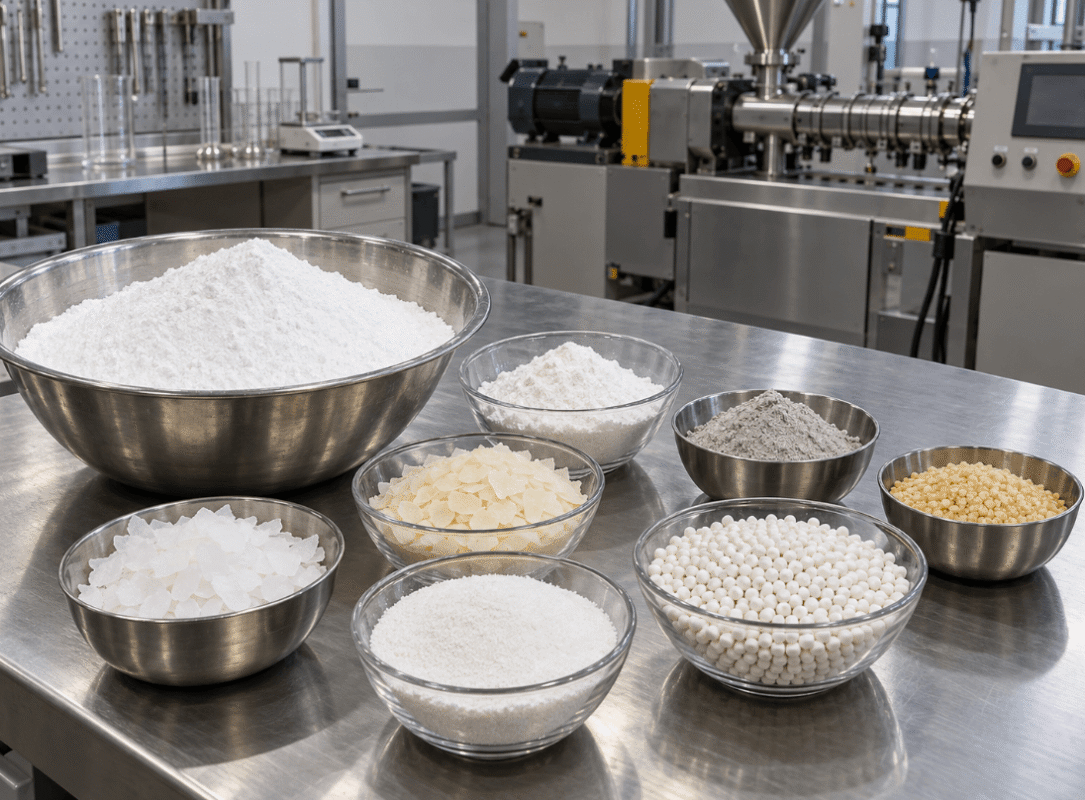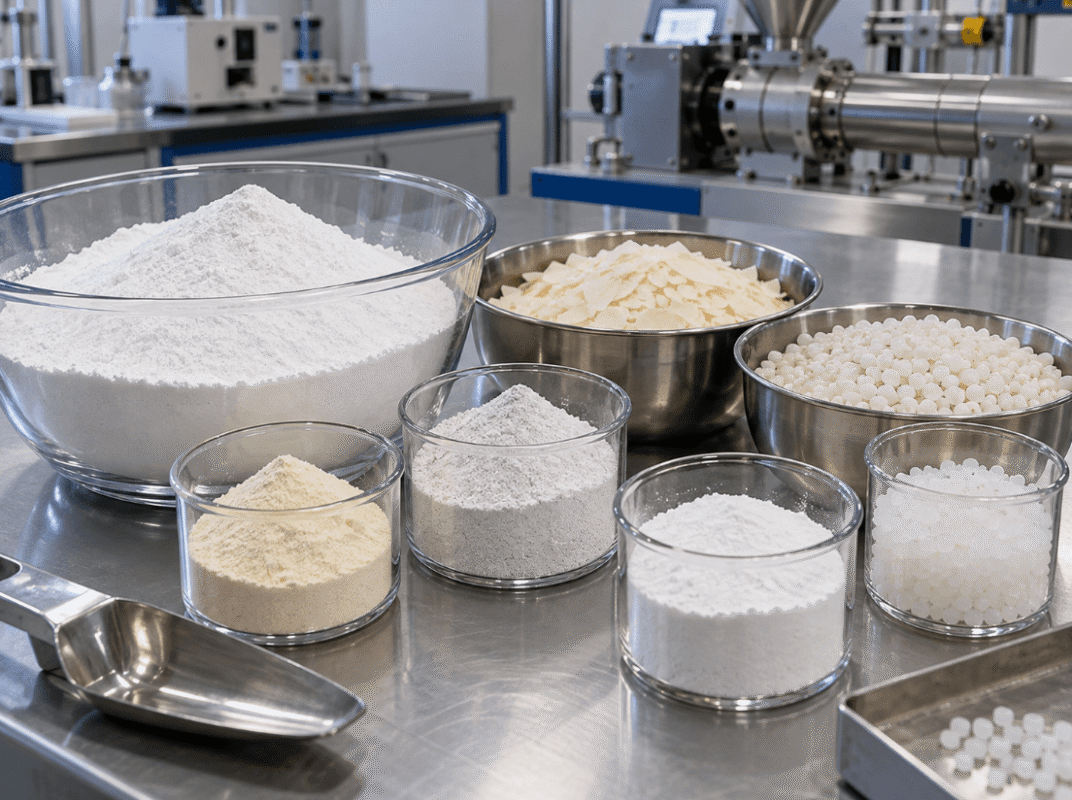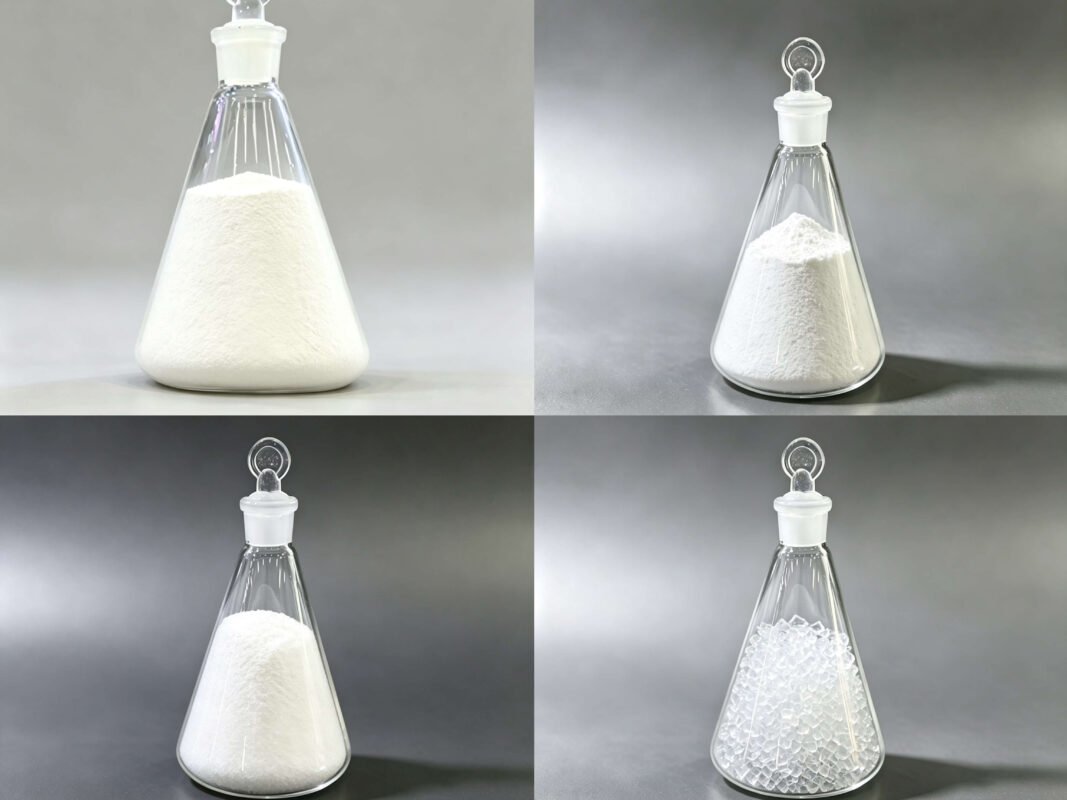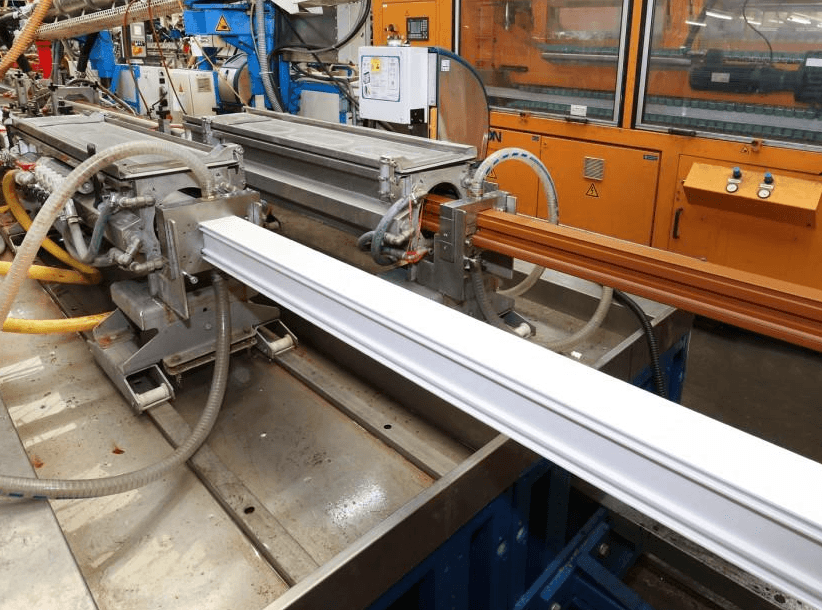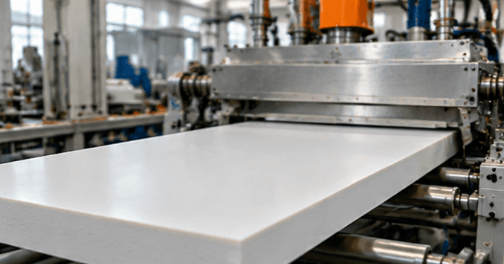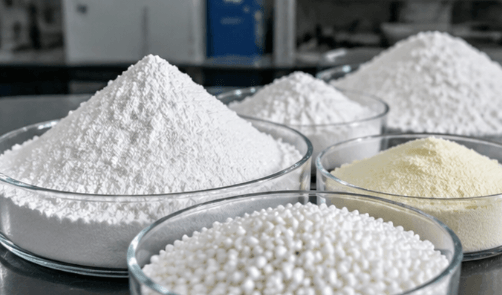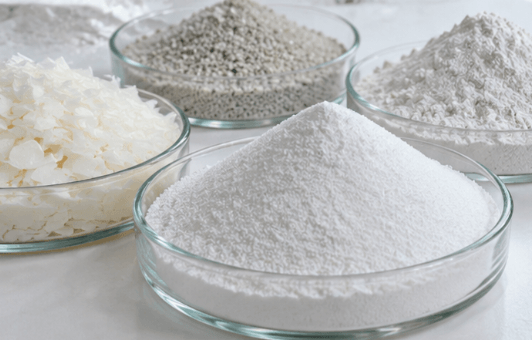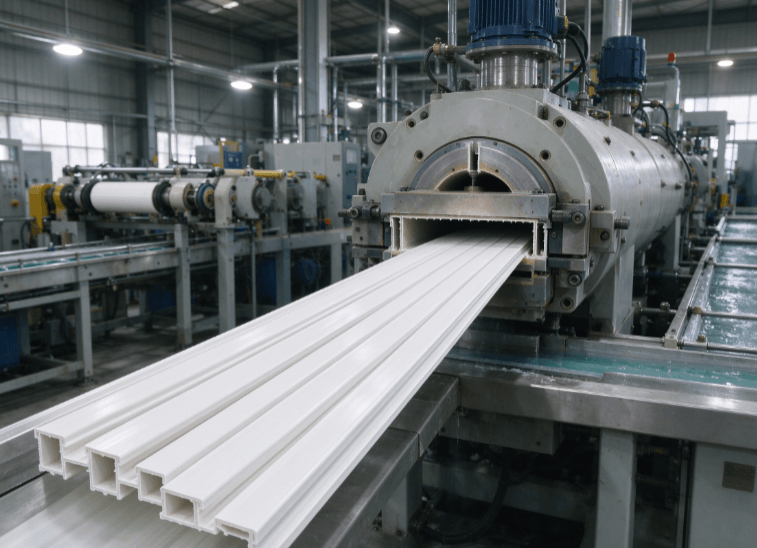


The surface quality of a PVC foam board is the primary differentiator in B2B markets, particularly for high-end signage, construction panels, and furniture applications. Achieving a smooth, high-gloss finish without pits or “cell rupture” is a complex rheological challenge. The critical factor in solving these aesthetic and structural issues is the strategic selection of a PVC processing aid for foam board.
In industrial extrusion, Polyvinyl Chloride (PVC) lacks sufficient melt strength on its own to sustain the pressure of blowing agents. Without a high-performance processing aid, the gas bubbles generated during the foaming process will coalesce and rupture. This leads to a rough surface, uneven thickness, and poor mechanical properties.
The Mechanism: How ACR Aids Control Melt Elasticity
Most processing aids used for foam boards are high molecular weight Acrylic (ACR) copolymers. These additives function by intertwining with the PVC molecular chains, significantly increasing the viscoelasticity of the melt.
High molecular weight aids are essential because they:
- Promote Fusion: They accelerate the gelation of the PVC compound, ensuring a homogenous melt before it reaches the die.
- Enhance Melt Strength: By increasing the “webbing” between polymer chains, they allow the melt to expand without tearing.
- Stabilize Cell Structure: They prevent the gas bubbles from expanding too quickly or merging, which results in a fine, uniform cellular structure.
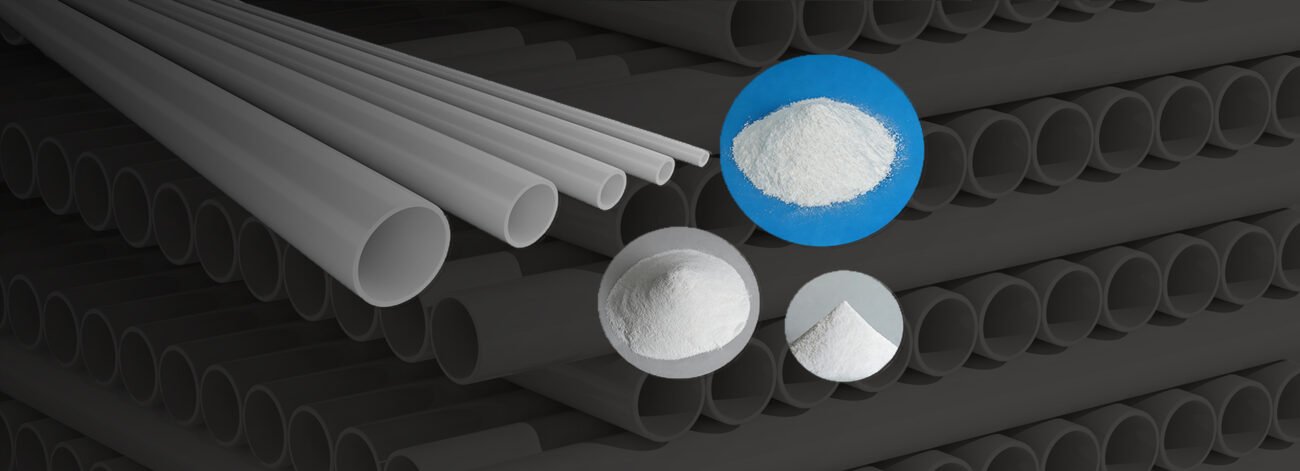
Technical Comparison: Standard vs. High Molecular Weight Aids
In large-volume production, choosing the correct molecular weight is the difference between a premium Celuka board and a low-grade free-foam sheet.
| Performance Metric | Standard Processing Aid | High Molecular Weight Foam Aid |
| Melt Viscosity | Moderate | Very High |
| Cell Uniformity | Basic | Exceptional |
| Surface Hardness | Standard | Enhanced |
| Thickness Control | High Variance | Precision Control |
| Common Application | Thin Pipes / Fittings | Thick Foam Boards / WPC Profiles |
When evaluating a pvc processing aid for foam board, engineers typically look at the “intrinsic viscosity” as a proxy for molecular weight. For high-density boards, a molecular weight in the range of 5.0 to 6.0 is often required. For ultra-thick boards or low-density variations, even higher molecular weights are necessary to maintain surface integrity.
Impact on Surface Finish and Hardness
The surface of a foam board must be dense and hard to resist scratching and allow for clean digital printing. High-performance processing aids ensure that the outer “skin” of the board is rapidly cooled and compacted against the calibrator surface.
A high-quality aid facilitates:
- Reduced Surface Pitting: By ensuring gas stays trapped in small, uniform bubbles, it prevents the “crater” effect seen in poorly formulated boards.
- Gloss Enhancement: Improved fusion leads to a more uniform light-reflective surface, which is critical for architectural displays.
- Better Lamination Adhesion: A smoother surface provides higher contact area for adhesives when applying veneers or films.
Manufacturers seeking consistent results often utilize specialized PVC processing aids tailored to specific extrusion line speeds. These formulations allow for a wider processing window, reducing the sensitivity of the melt to minor temperature fluctuations.
Manufacturing EEAT: Practical Limitations and Logistics
In real-world manufacturing, adding more processing aid is not always the solution. Over-lubrication or excessive ACR dosage can lead to “plate-out” on the die, where additive residue builds up and causes scratches on the board.
Industry experts recommend a balanced approach:
- Dosage Precision: Typically, 8-12 parts per hundred resin (phr) are used for foam boards, depending on density targets.
- Temperature Resistance: Ensure the aid does not degrade at the high shear temperatures of a twin-screw extruder.
- Compatibility: The aid must work in synergy with the lubricant system (PE Wax / Stearic Acid) to prevent surging.
Sampling delays may occur when transitioning to high-molecular-weight aids, as the extruder torque will increase. OEM project managers should monitor motor load during trials to ensure the machinery can handle the increased melt viscosity.
How to Choose the Right PVC Processing Aid for Foam Board Production
Selecting the right PVC processing aid for foam board is essential for achieving stable extrusion, uniform foam structure, and excellent surface quality. Different formulations, production processes, and product specifications require different types of processing aids. Instead of using a one-size-fits-all solution, manufacturers should evaluate their production requirements before selecting an ACR processing aid.
Choose Based on Foam Board Type
Different foam board products require different melt strength and fusion characteristics. The following table provides general recommendations for selecting a processing aid based on the application.
| Foam Board Type | Recommended Processing Aid | Main Benefit |
|---|---|---|
| Free Foam Board | High melt strength ACR | Improves cell stability and prevents collapse |
| Celuka Foam Board | Balanced processing aid | Enhances surface smoothness and dimensional stability |
| Thick Foam Board | Ultra-high molecular weight ACR | Provides stronger melt strength for thicker products |
| Low-Density Foam Board | High elasticity processing aid | Supports uniform cell formation and lightweight structures |
The appropriate processing aid should always be selected together with the foaming agent, stabilizer, lubricant, and filler system to achieve the best overall processing performance.
Choose Based on Surface Quality Requirements
For manufacturers producing decorative PVC foam boards, furniture panels, advertising boards, or laminated products, surface quality is often one of the most important performance indicators.
If your production targets include:
- Smooth and uniform surfaces
- High surface gloss
- Better printability
- Improved lamination performance
- Fewer flow marks and surface defects
a higher-performance ACR processing aid with enhanced melt strength is generally recommended.
Improved melt strength helps maintain a stable polymer melt during foaming, allowing cells to expand uniformly while producing a smoother finished surface.
Choose Based on Extrusion Conditions
Production equipment and processing conditions also influence the selection of a PVC processing aid.
Manufacturers should consider the following factors:
- Extruder type: Twin-screw extruders typically require processing aids with balanced fusion performance to ensure stable plasticization.
- Extrusion output: High-output production lines often benefit from processing aids that maintain melt stability at higher throughput rates.
- Temperature profile: Different processing aids perform differently under various barrel and die temperatures, making compatibility with the extrusion process essential.
- Filler loading: Formulations with high calcium carbonate content generally require stronger processing aids to maintain sufficient melt strength and prevent cell collapse.
Choosing a processing aid that matches the production process can improve processing stability, reduce scrap rates, and enhance overall manufacturing efficiency.
Recommended Dosage of PVC Processing Aid for Foam Board
The dosage of PVC processing aid depends on foam density, board thickness, filler content, extrusion conditions and required surface quality.
| Application | Typical Range |
|---|---|
| Standard foam board | Lower dosage |
| Thick foam board | Higher dosage |
| High filler formulation | Adjust according to melt strength requirements |
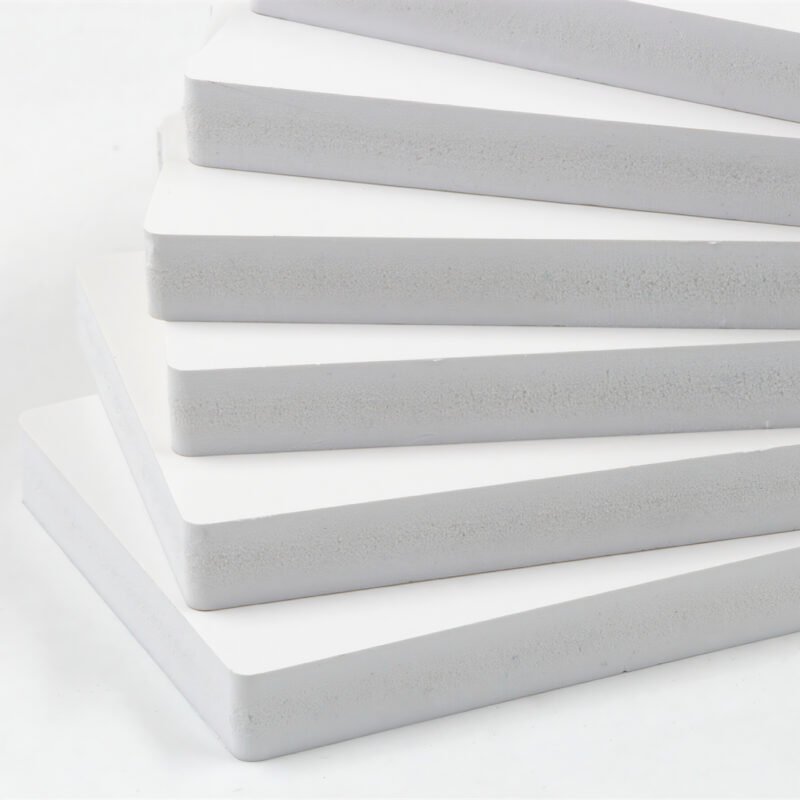
Selection Tips for Manufacturers
When evaluating a PVC processing aid supplier, manufacturers should look beyond price and consider overall processing performance. Important evaluation factors include:
- Consistent molecular weight and product quality
- Compatibility with PVC resin and other additives
- Stable fusion performance
- High melt strength for foam applications
- Technical support for formulation optimization
- Reliable batch-to-batch consistency
Working with an experienced supplier can help optimize formulations, shorten development time, and improve the overall quality of PVC foam board production.
FAQ
What is the recommended dosage for PVC processing aid in foam boards?
For standard Celuka foam boards (0.5–0.6 density), the dosage usually ranges from 10 to 12 phr. For free-foam boards with higher density, the dosage may be reduced to 6-8 phr.
Can I use the same processing aid for WPC and PVC foam boards?
While many ACR-based aids are compatible with both, Wood Plastic Composites (WPC) often require specialized lubricants in addition to high-melt-strength aids to manage the high friction caused by wood fibers.
How do I prevent yellowing in foam board production?
Yellowing is usually a sign of thermal degradation. While the processing aid helps, you should check your heat stabilizer levels (Lead-free or Ca-Zn) and ensure the processing aid has sufficient thermal stability for your specific heat profile.
Does molecular weight affect the board density?
Yes. Higher molecular weight allows for a stronger melt that can hold more gas without rupturing. This generally allows for lower densities without sacrificing surface hardness or structural integrity.
What is the shelf life of ACR processing aids?
If stored in a cool, dry environment, most ACR processing aids have a shelf life of 12 to 24 months. Humidity is the primary enemy, as it can cause clumping and feeding issues in the hopper.
Reference Sources
- ASTM D1784: Standard Specification for Rigid Poly(Vinyl Chloride) (PVC) Compounds. astm.org
- ISO 1163: Plastics — Unplasticized poly(vinyl chloride) (PVC-U) moulding and extrusion materials. iso.org
- Society of Plastics Engineers (SPE): Technical journals on PVC rheology and foaming mechanisms.
- BCC Research: Global market and technology reports on plastics additives and processing aids.
- UL Prospector: Technical data sheets on acrylic processing aids for foam applications.