
Polyvinyl Chloride (PVC) remains the most widely utilized polymer in the global wire and cable industry due to its inherent flame retardancy, chemical resistance, and cost-efficiency. However, virgin PVC resin is a rigid, thermally sensitive material that is impossible to process without chemical modification. To transform this brittle resin into flexible, durable, and heat-resistant cable insulation, manufacturers rely on a precise cocktail of functional additives.
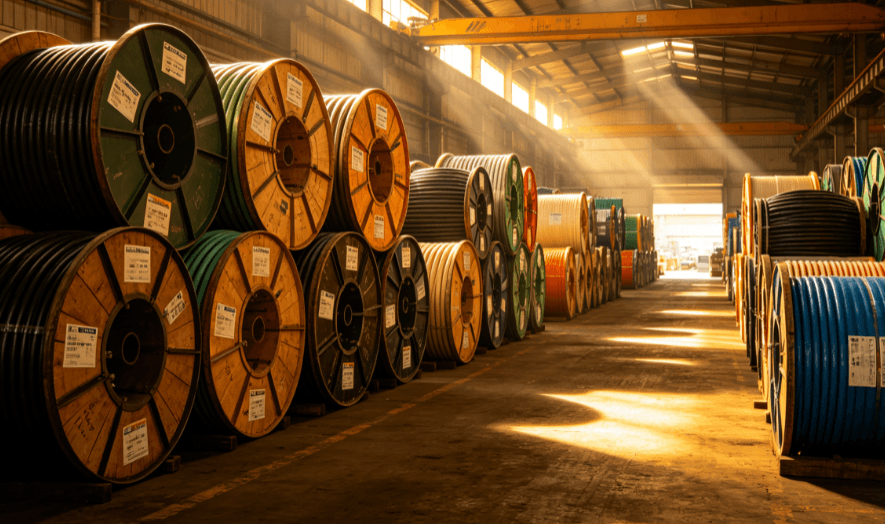
The performance of a finished cable—whether it is used in high-voltage power transmission, automotive wiring harnesses, or sensitive data centers—is dictated by its compounding chemistry. This guide examines the essential categories of PVC cable additives and their roles in modern manufacturing workflows.

Why Are Additives Essential in PVC Cable Compounding?
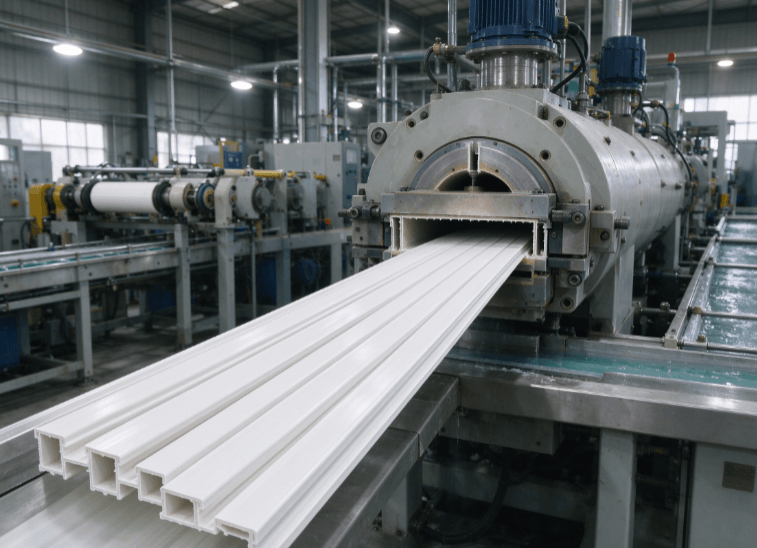
At a molecular level, PVC is susceptible to dehydrochlorination when exposed to heat during extrusion. Without the intervention of specific additives, the polymer chain breaks down, releasing hydrochloric acid (HCl), which leads to discoloration, brittleness, and eventual mechanical failure.
Furthermore, the “glass transition temperature” of pure PVC is approximately 80°C. For cables to remain flexible at room temperature or even sub-zero Arctic conditions, the molecular structure must be modified. Additives essentially act as the bridge between the raw chemical properties of the resin and the physical requirements of the final electrical application.
Key Classifications of PVC Cable Additives
Manufacturing high-quality cable compounds requires a balanced formulation. Each additive must be compatible with the base resin to prevent “migration” or “spew,” where chemicals leach to the surface over time.
- Heat Stabilizers: These are the most critical components for processing. They neutralize the HCl released during heating and prevent the polymer from charring in the extruder.
- Plasticizers: These chemicals increase the flexibility and workability of the PVC. In the cable industry, the choice of plasticizer determines the temperature rating (e.g., 60°C vs. 105°C).
- Fillers: Often based on Calcium Carbonate (
CaCO3CaCO3), fillers reduce the overall cost of the compound while improving electrical insulation properties and dimensional stability. - Flame Retardants and Smoke Suppressants: While PVC is naturally fire-resistant, cable standards often require the addition of Antimony Trioxide (ATO) or Alumina Trihydrate (ATH) to meet strict UL or IEC safety ratings.
- Lubricants: These reduce friction between the polymer melt and the metal surfaces of the processing equipment (external lubricants) and between the polymer chains themselves (internal lubricants).
The Critical Role of PVC Stabilizers in Extrusion
In B2B cable manufacturing, the stabilizer system is often considered the “intellectual property” of the formulation. The industry has shifted from traditional lead-based stabilizers toward eco-friendly alternatives to comply with REACH and RoHS regulations.
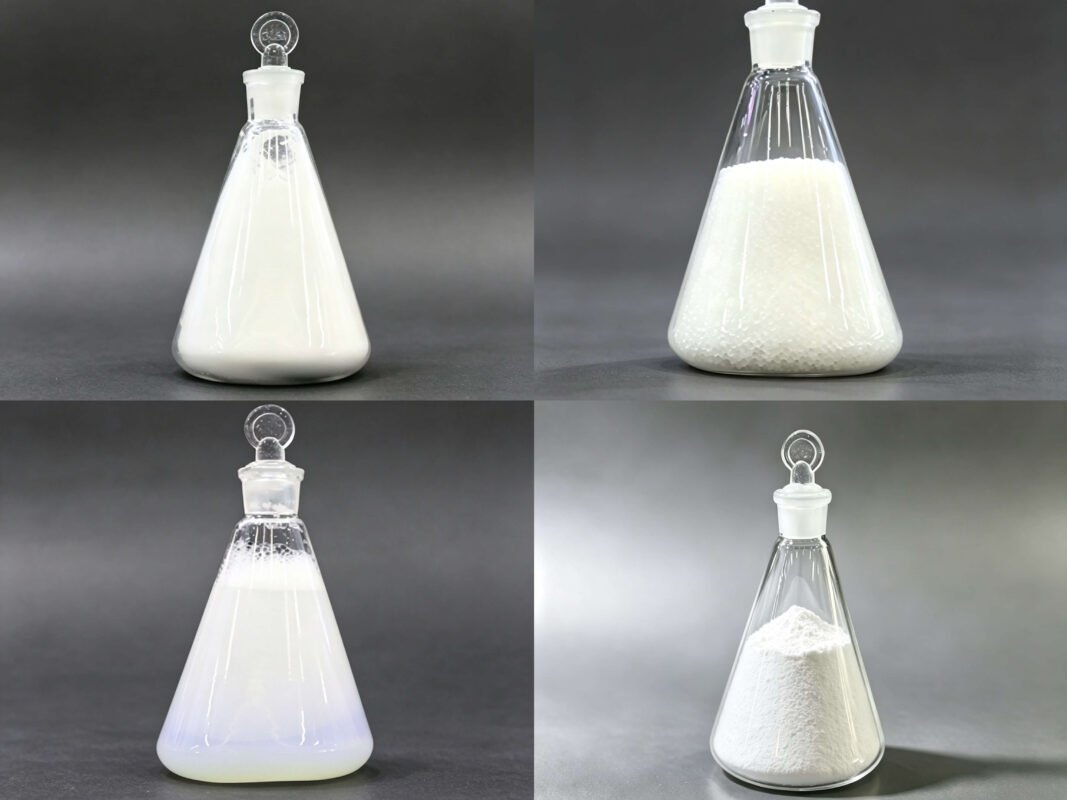
Modern manufacturers often utilize “One-Pack” systems. These are pre-dispersed blends of stabilizers, lubricants, and antioxidants that simplify the compounding process. For instance, advanced PVC Stabilizer solutions typically include Calcium-Zinc (Ca-Zn) or Barium-Zinc (Ba-Zn) complexes. These systems provide excellent initial color hold and long-term thermal stability during high-speed extrusion, ensuring the insulation layer remains uniform without degradation.
Technical selection of a stabilizer depends on the specific cable type. A thin-walled automotive wire requires high-efficiency stabilization to handle intense shear heat during extrusion, whereas a heavy-duty power cable prioritizes long-term aging resistance.
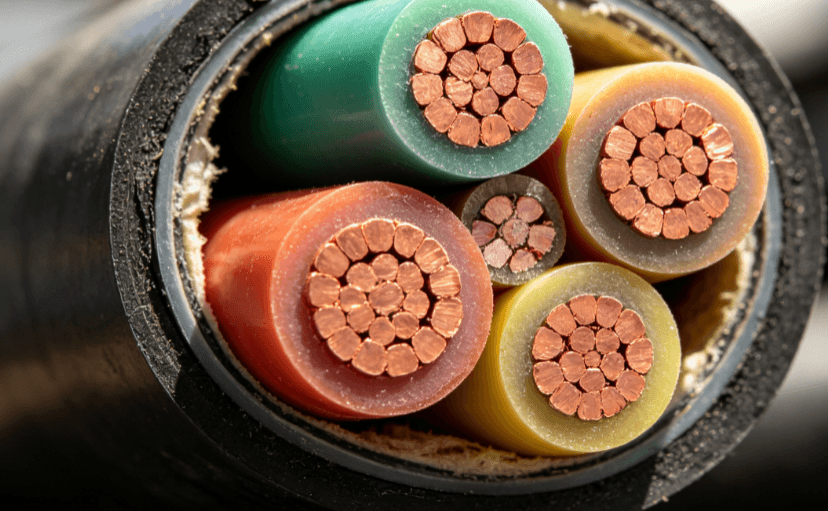
Functional Fillers and Flame Retardancy Standards
In the industrial manufacturing sector, the dielectric strength of a cable is paramount. Fillers like calcined clay are often used in high-voltage applications to enhance electrical resistivity. However, excessive filler loading can negatively impact tensile strength and elongation.
Flame retardancy is another area where additives define the end-use suitability. For Low Smoke Zero Halogen (LSZH) cables, the chemistry shifts away from PVC, but for “FR-PVC” (Flame Retardant PVC), the synergy between the chlorine in the PVC and added ATO creates a vapor-phase flame quenching effect. This is vital for cables installed in public buildings or transit tunnels where fire spread must be minimized.
Manufacturing Logic: Dispersion and Compatibility
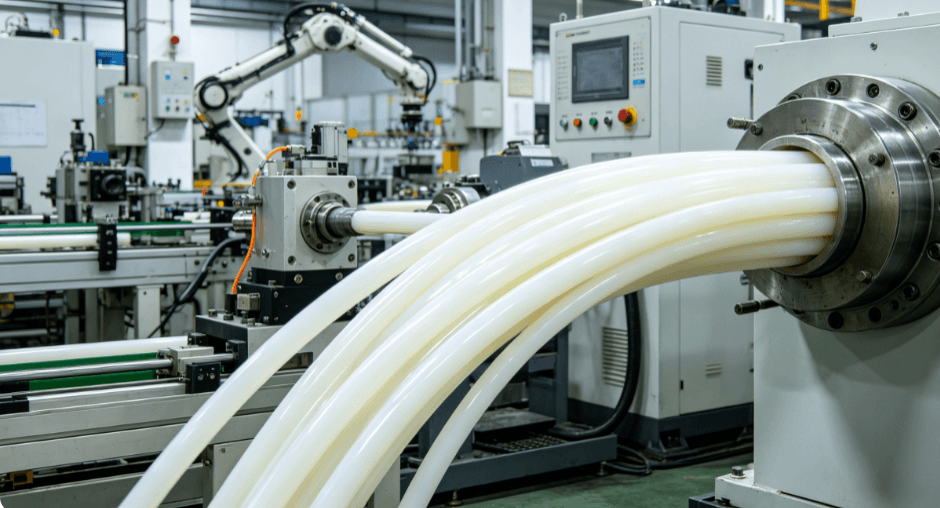
Successful compounding is not just about the recipe; it is about dispersion. If additives are not thoroughly mixed at the microscopic level, the cable will exhibit “weak spots.” These spots can lead to electrical breakdown or premature cracking under environmental stress.
Project managers and engineers must also account for “plasticizer migration.” If a cable is in contact with other plastics or paints, certain additives might move from the cable into the adjacent material. Selecting high-molecular-weight plasticizers or specialized stabilizers helps mitigate this risk in complex OEM assemblies
FAQ
What is the difference between internal and external lubricants in cable making?
Internal lubricants reduce the viscosity of the PVC melt by decreasing friction between molecular chains, aiding flow. External lubricants prevent the melt from sticking to the hot metal surfaces of the extruder screw and die.
How do stabilizers help in meeting RoHS compliance?
Traditional stabilizers used lead (Pb) or cadmium (Cd), which are now restricted. Modern PVC cable additives use Calcium-Zinc (Ca-Zn) chemistry to provide thermal protection without violating environmental safety standards.
Why is Calcium Carbonate added to PVC cables?
Calcium Carbonate CaCO3CaCO3 acts as a functional filler. It lowers production costs, improves heat dissipation during processing, and can enhance the electrical insulation properties of the final jacket.
Can additives improve the UV resistance of outdoor cables?
Yes. UV stabilizers and carbon black pigments are added to PVC formulations to absorb or reflect ultraviolet radiation, preventing the polymer from becoming brittle when exposed to sunlight.
What determines the temperature rating of a PVC cable?
The temperature rating (typically 70°C, 90°C, or 105°C) is primarily determined by the type of plasticizer and the efficiency of the heat stabilizer system used in the compound
Reference Sources
- ISO 6722: Road vehicles — 60 V and 600 V single-core cables — Dimensions, test methods and requirements.
- ASTM D2124: Standard Test Method for Analysis of Components in Poly(Vinyl Chloride) Compounds.
- UL 1581: Reference Standard for Electrical Wires, Cables, and Flexible Cords.
- MKQ Chem Technical Archive: Overview of PVC Stabilizer Categories and Applications.
- SGS REACH/RoHS Certification Guidelines: Chemical compliance for polymer additives in electronics.