
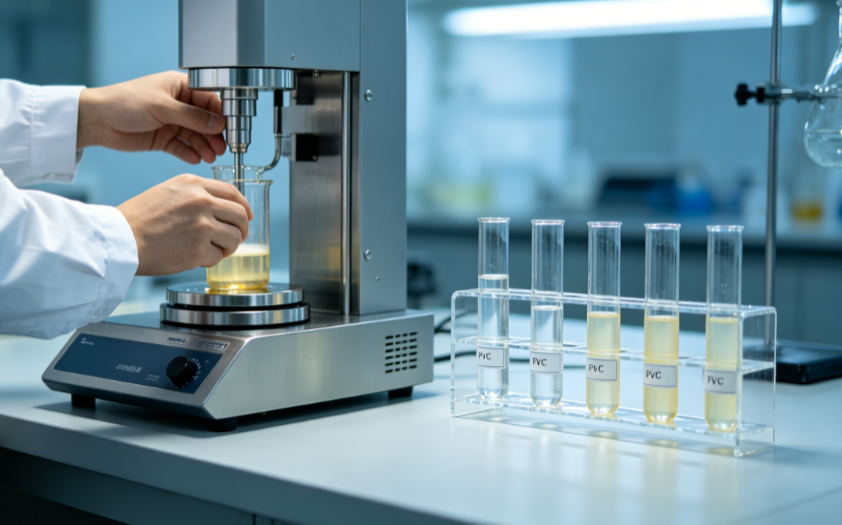
In the PVC processing industry, the stabilizer is often less than 5% of the total formulation by weight, yet it dictates 100% of the processing success. Selecting a reliable PVC stabilizer supplier is not merely a procurement task; it is a strategic decision that affects thermal stability, initial coloring, and the mechanical integrity of the final product.
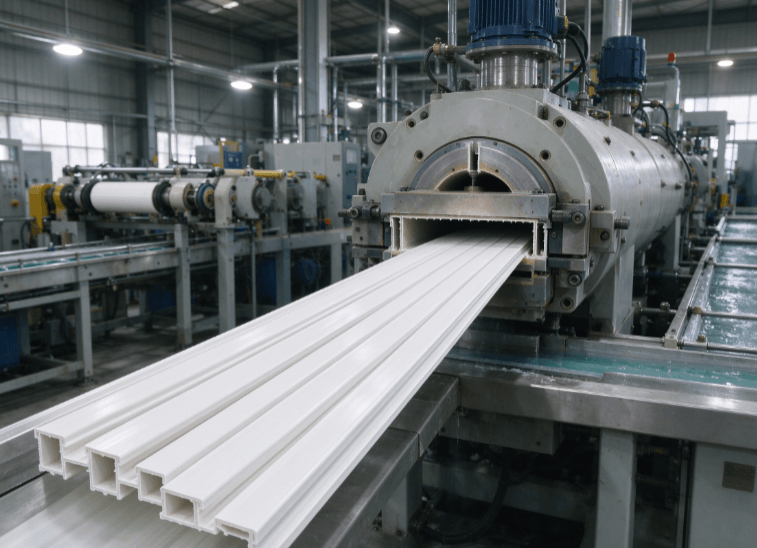
Whether you are manufacturing rigid pipes, flexible cables, or complex profiles, the thermal degradation of Polyvinyl Chloride is an ever-present risk. A professional supplier must provide more than just a chemical—they must provide a stable processing window and technical expertise to navigate fluctuating raw material costs and evolving environmental regulations.
Key Technical Criteria for Evaluating PVC Stabilizer Quality
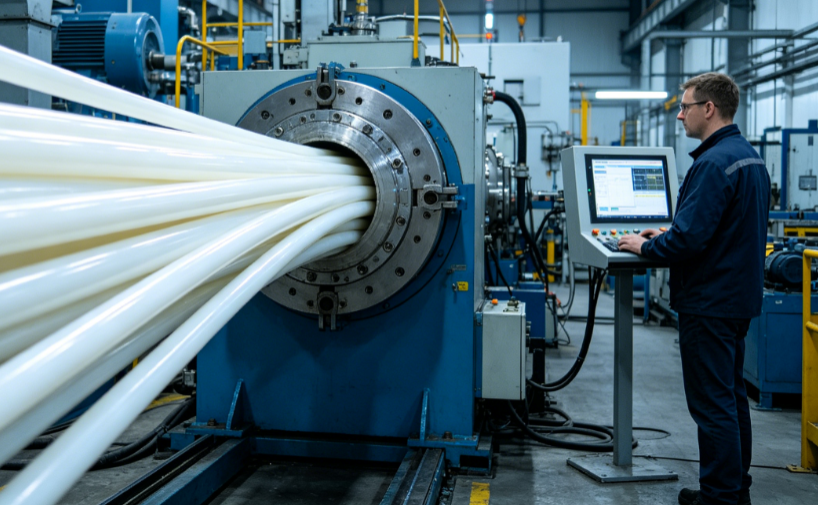
When assessing a PVC stabilizer supplier, the first filter should always be chemical consistency. In large-scale extrusion or injection molding, even a minor variance in the concentration of metal soaps or synergistic antioxidants can lead to “yellowing” or “plate-out” on the screw and die.
A reliable partner should provide detailed specifications for the following:
- Metal Content Purity: Whether it is Lead-based (One-Pack) or eco-friendly Calcium-Zinc (Ca-Zn) systems, the precision of metal content determines the induction time for dehydrochlorination.
- Lubricant Balance: A high-tier stabilizer often comes as a “one-pack” system. The ratio of internal to external lubricants must be perfectly balanced to manage shear heat without compromising fusion speed.
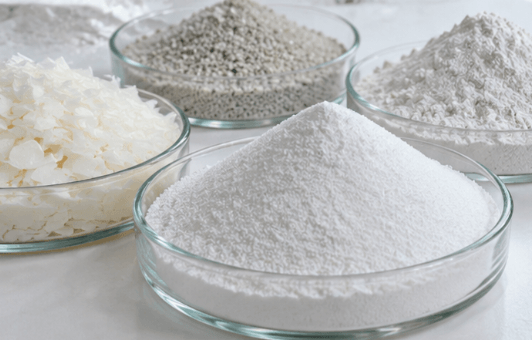
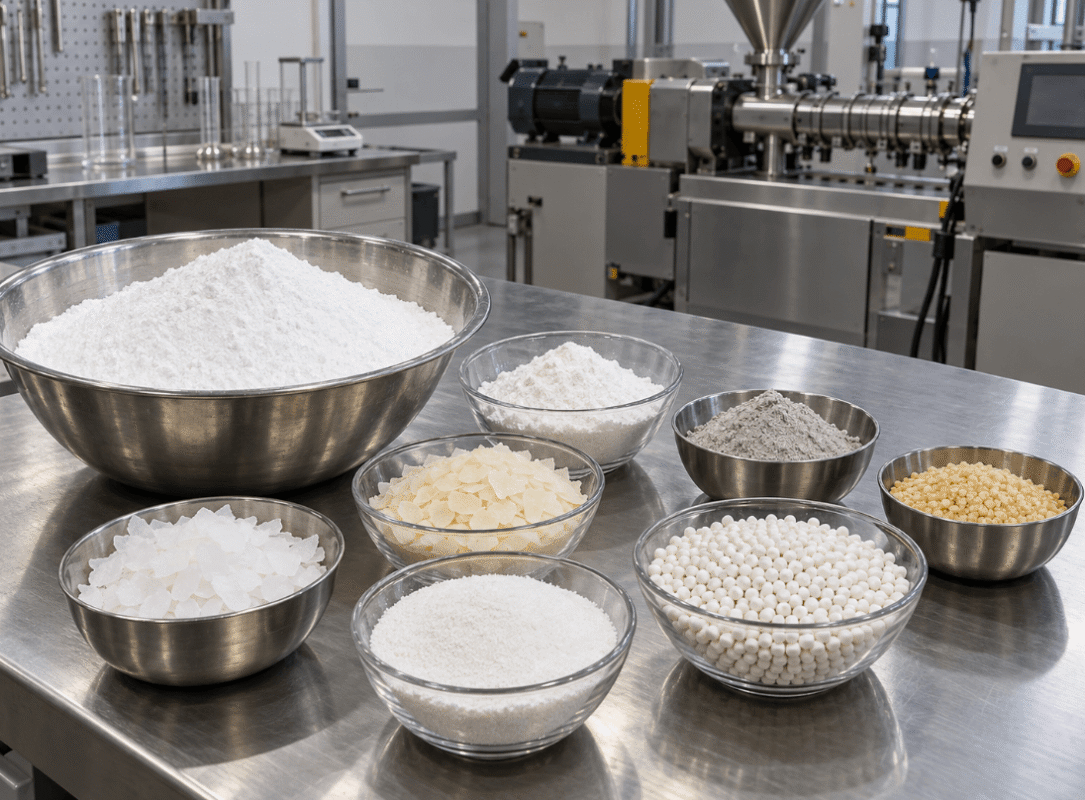
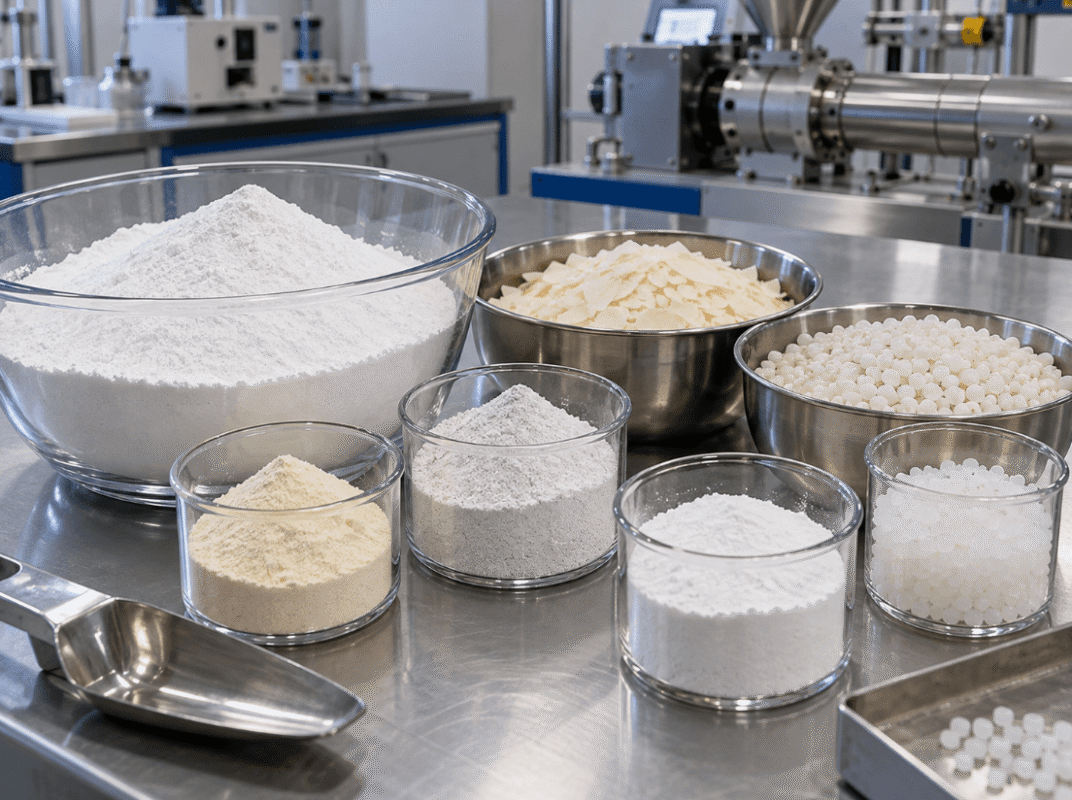
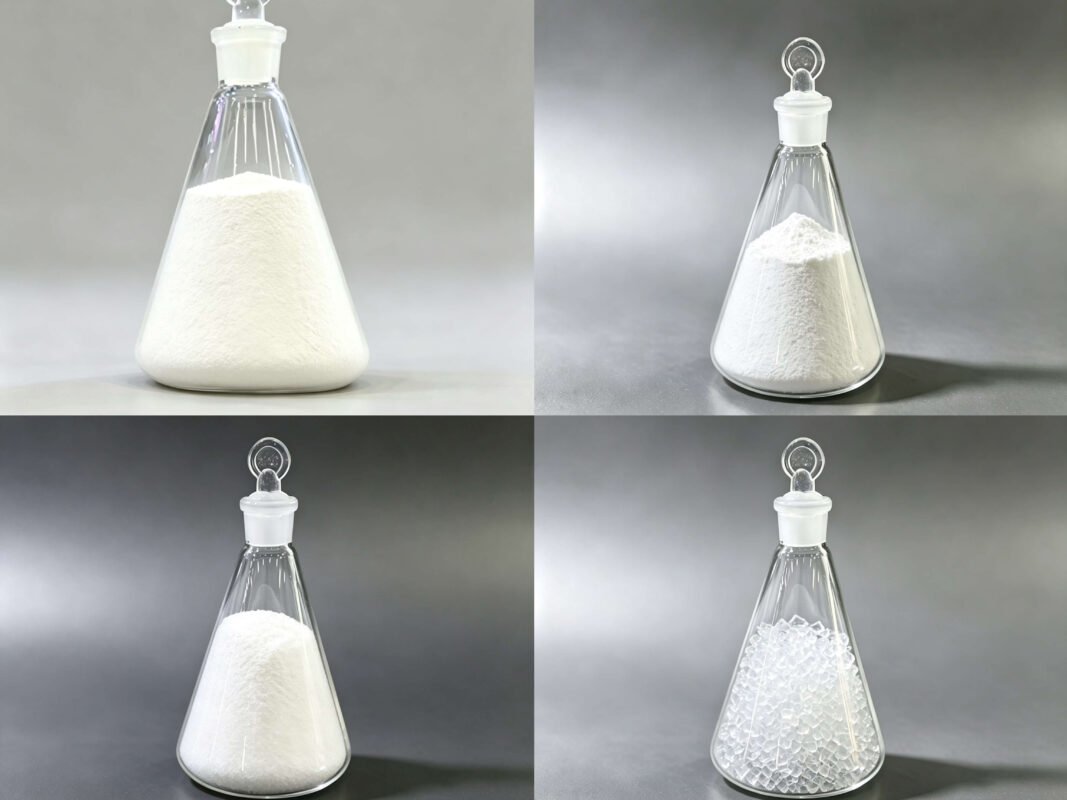
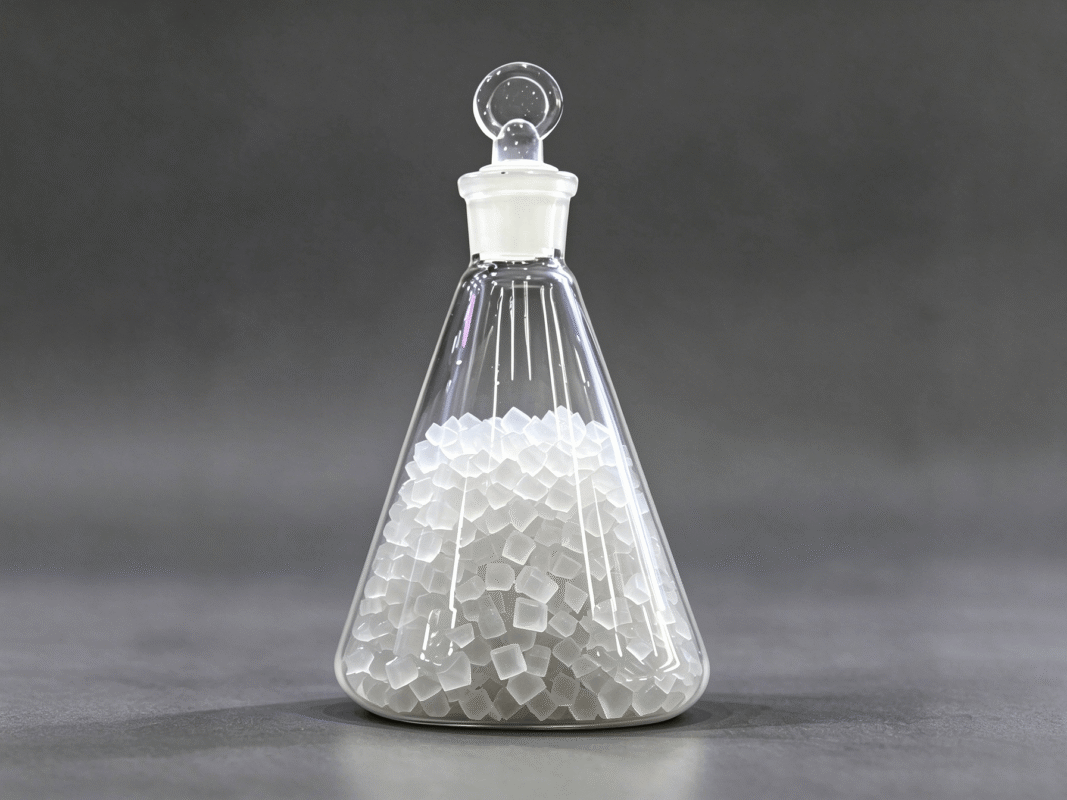
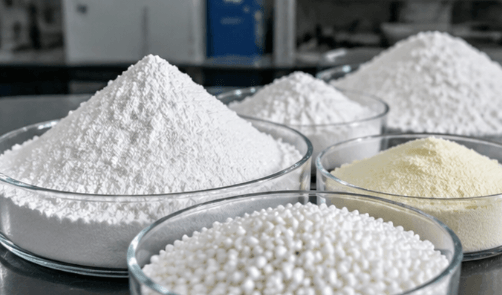
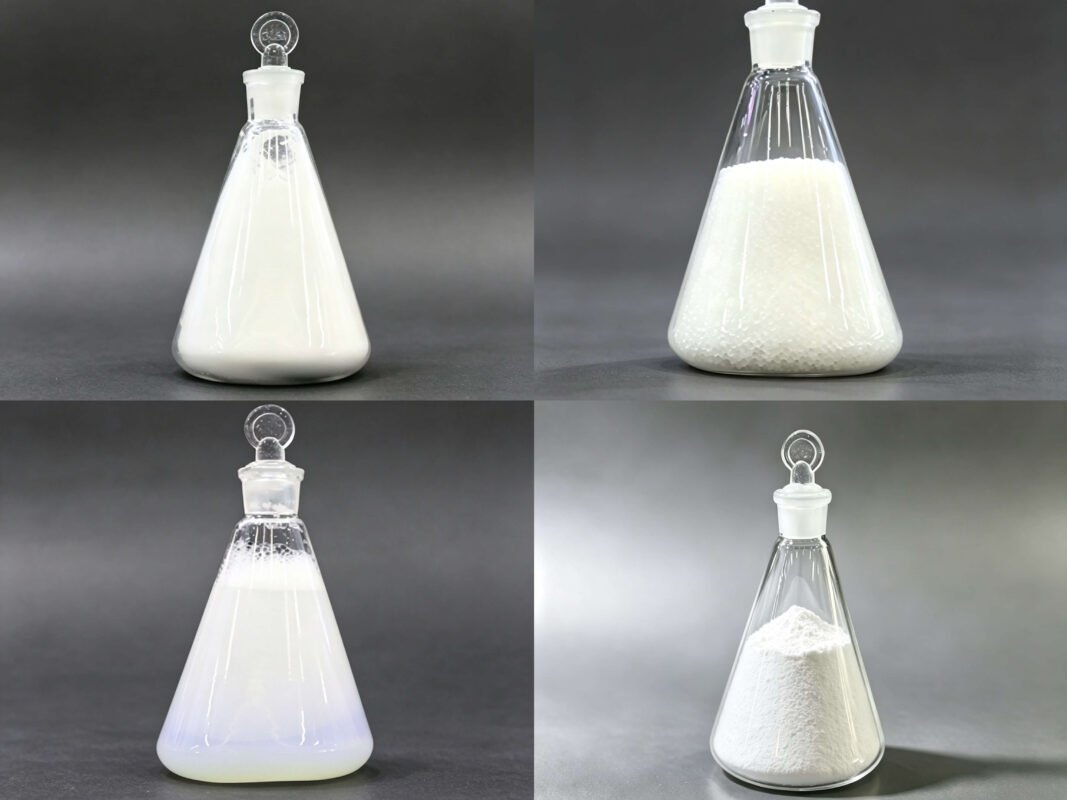
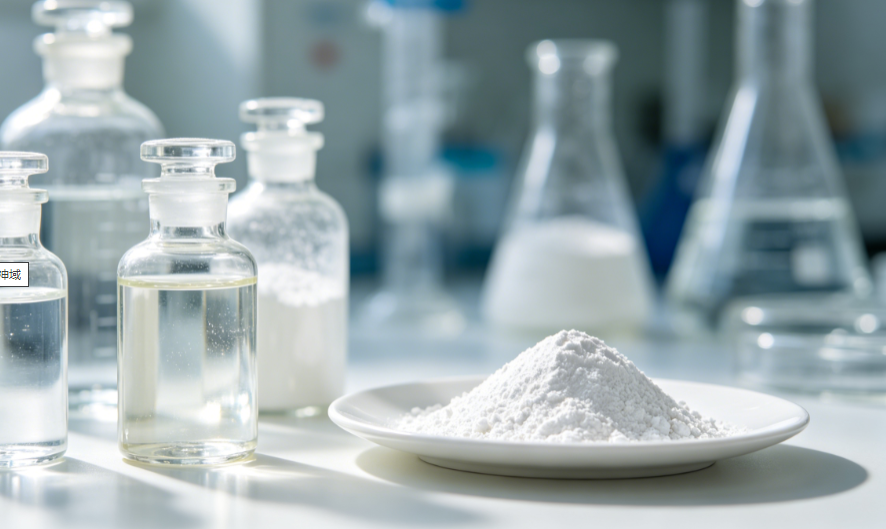
- Physical Form Stability: Powder stabilizers must have consistent particle size to prevent segregation in high-speed mixers, while liquid stabilizers must remain clear without precipitation during storage.
The Importance of Technical Support and Formula Optimization
The PVC industry is highly sensitive to the synergistic effects between resin, fillers (like CaCO3), and plasticizers. A trader can sell you a bag of stabilizer; a true PVC stabilizer supplier acts as a manufacturing consultant.
Processing environments vary. For instance, an outdoor application requires a stabilizer system with superior UV resistance, while medical-grade applications demand non-toxic, odor-free Calcium-Zinc complexes. A reliable supplier should offer:
- Formula Customization: The ability to adjust the stabilizer package based on your specific extrusion speed and machine torque.
- Lab Testing Support: Providing Congo Red test data and torque rheometer curves to simulate how the stabilizer performs under your specific heat and shear conditions.
- Troubleshooting Capability: If discoloration occurs during a production run, the supplier’s engineers should be able to identify if the issue stems from the stabilizer, the lubricant balance, or the processing temperature.
Manufacturers like Maikaiqi Chem (MKQ) emphasize this consultative approach, offering a wide array of stabilizer solutions that include everything from Lead-based packs to advanced liquid Ba-Zn systems, specifically tailored to diverse industrial requirements.
Compliance: Navigating RoHS, REACH, and Lead-Free Transitions
In the current global market, environmental compliance is a major commercial driver. Many regions have moved or are moving away from lead-based stabilizers due to toxicity concerns. Choosing a supplier who is proficient in the transition to “green” stabilizers is vital for long-term supply chain security.
Verify that the supplier maintains:
- RoHS & REACH Certification: Essential for any products intended for the European or North American markets.
- SGS Testing Reports: Periodic independent testing for heavy metal content.
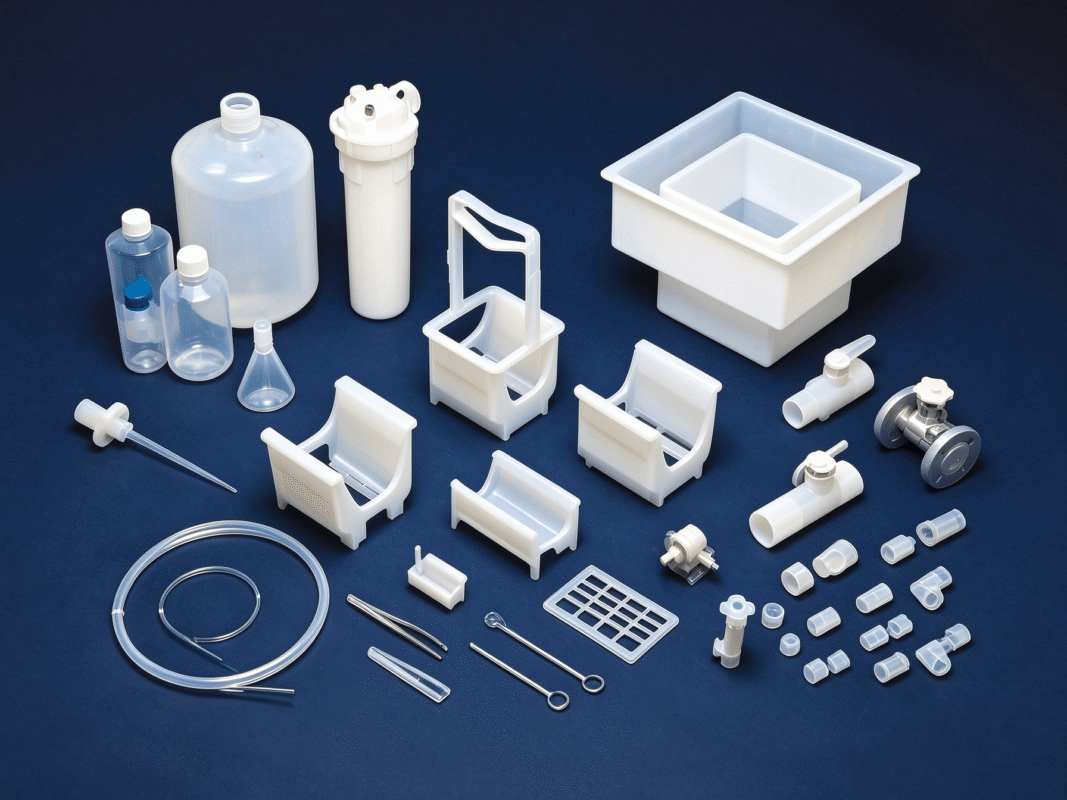
- Non-Toxic Grades: Availability of stabilizers suitable for children’s toys, food packaging, or medical tubing.
Supplier Evaluation Matrix: Manufacturer vs. Distributor
For B2B procurement managers, the choice often boils down to buying direct from the factory or through a local distributor. Both have their merits depending on your production scale.
| Feature | Direct Manufacturer | Local Distributor |
| Pricing | Lower (Factory Direct) | Higher (Includes Margin) |
| Customization | High (R&D Department Access) | Low (Fixed Product Range) |
| Inventory | Subject to Production Cycles | Local Stock (Faster Delivery) |
| Technical Depth | High (Engineers on Staff) | Variable (Generalist Support) |
| MOQ | Higher | Lower |
If your operation involves large-volume production, partnering directly with a manufacturer is generally the only way to ensure the long-term formula stability and cost-efficiency required for competitive bidding.

FAQ
What is the standard lead time for bulk PVC stabilizer orders?
For standard formulations, lead times typically range from 7 to 15 days. However, custom one-pack systems that require specific lubricant ratios may take 21 to 30 days depending on the raw material availability and testing requirements.
Can I get samples for trial production?
Yes. Most reputable suppliers provide 1–5kg samples for lab-scale torque rheometer tests and initial extrusion trials. It is critical to test the sample in your exact production compound before committing to a bulk purchase.
What are the MOQ requirements for custom stabilizers?
Minimum Order Quantities (MOQ) for standard powder stabilizers usually start at 1 metric ton. Custom liquid or specialized eco-friendly packs may have higher MOQs depending on the chemical processing setup required.
How do I ensure the stabilizer won’t cause “plate-out”?
Plate-out is often caused by an excess of external lubricants or poor compatibility of the stabilizer components. A reliable supplier will analyze your formula and adjust the stabilizer’s lubricant package to match your die temperature and cooling speed.
Does Maikaiqi Chem provide certificates of analysis (COA) with each batch?
Professional manufacturers like MKQ Chem provide a COA for every shipment, documenting specific gravity, metal content, and melting point to ensure batch-to-batch consistency.
Reference Sources
- ISO 9001:2015: Quality management systems for chemical manufacturing.
- ASTM D2124: Standard Test Method for Analysis of Components in Poly(Vinyl Chloride) Compounds Using an Infrared Spectrophotometric Technique.
- SGS Global: Environmental compliance standards for polymer additives (RoHS/REACH).
- Maikaiqi Chem Technical Center: PVC Stabilizer Selection Guide.
- Vinyl Institute: Industry reports on the transition from Lead to Ca-Zn stabilizers.