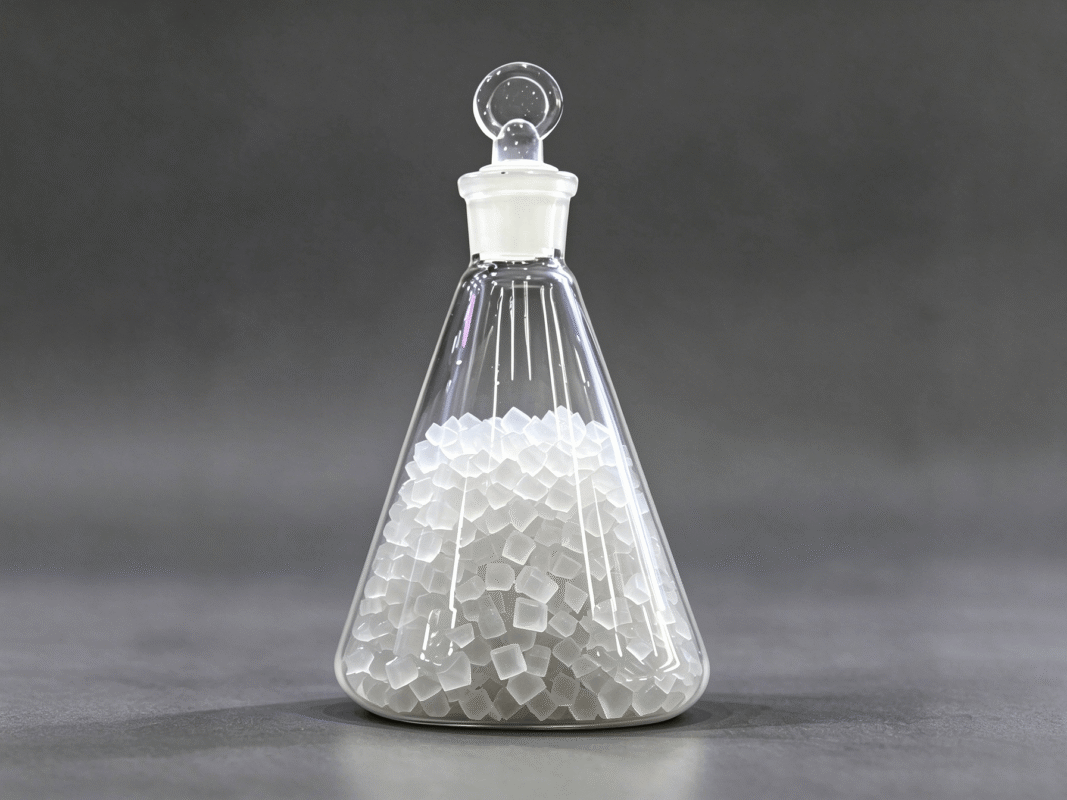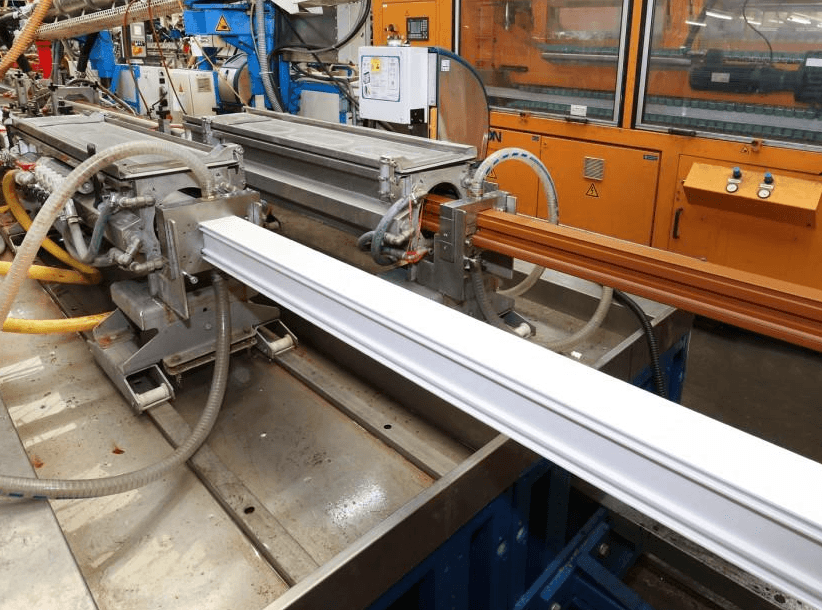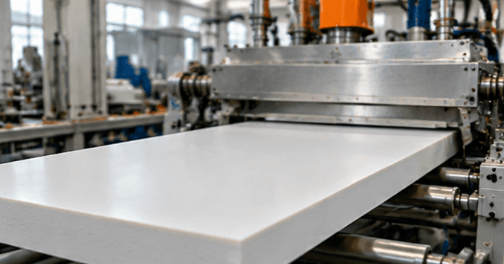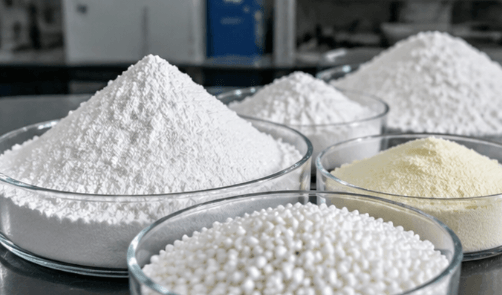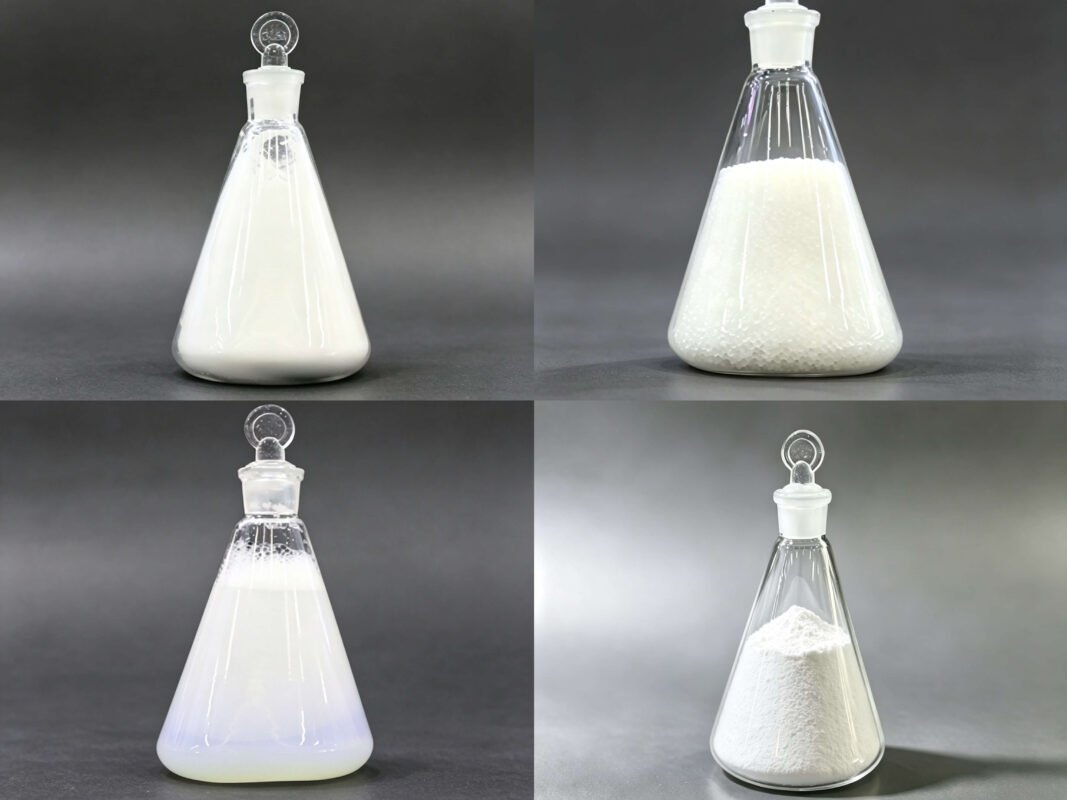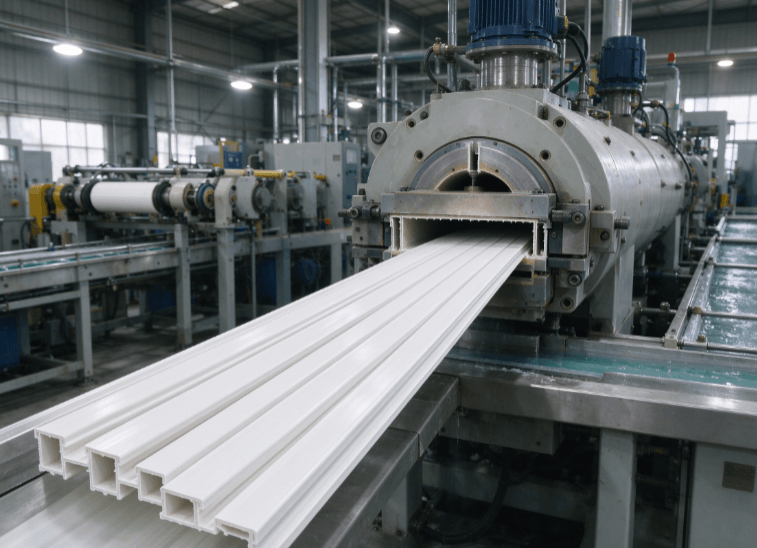

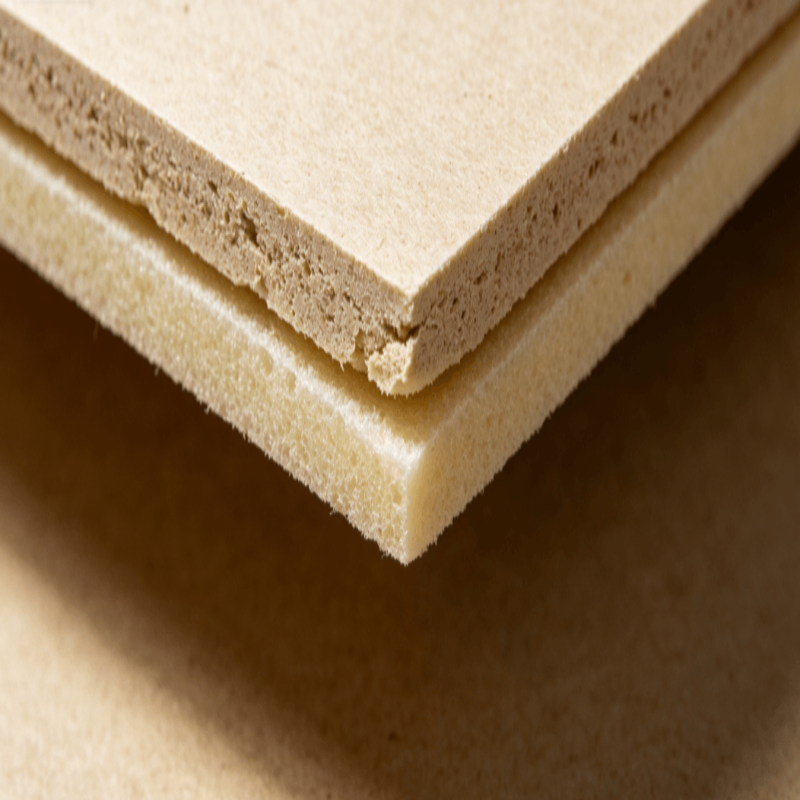
In high-volume PVC foam board extrusion, the margin between a premium architectural-grade board and industrial scrap is remarkably thin. Manufacturers often face a recurring set of bottlenecks: erratic density, rough surface finishes, or a “coarse” cell structure that compromises mechanical strength.
From a manufacturing consultancy perspective, these are rarely mechanical failures of the extruder. Instead, they are usually rheological failures—imbalances in the chemical interaction between the PVC resin and its additive package. Addressing these requires a strategic deployment of pvc foam board additive solutions to stabilize the melt and control gas release.
Identifying Root Causes: Common Production Bottlenecks
Troubleshooting begins with identifying the specific symptom of the production failure. In the industry, we typically categorize these into three critical areas:
- Cell Coalescence and Large Voids: If the melt strength of the PVC is too low, the gas bubbles generated by the foaming agent will merge into large, uneven voids. This results in a board that is structurally weak and aesthetically unacceptable.
- Surface Yellowing or Scorching: This is a thermal degradation issue. It suggests that either the heat stabilizer is insufficient or the internal lubricant is causing excessive frictional heat.
- Density Fluctuations: When the board density exceeds the target, the manufacturer loses profit through material waste. This often points to a mismatch between the decomposition temperature of the foaming agent and the actual melt temperature.
Technical PVC Foam Board Additive Solutions
Solving these issues requires a multi-layered additive strategy. It is not enough to simply “add more” of one component; the synergy between the foaming agent, the regulator, and the lubricant must be calibrated.
1. Foaming Regulators (ACR) for Melt Strength
The most critical additive for preventing cell collapse is the foaming regulator, typically a high-molecular-weight Acrylic (ACR).
- Mechanism: ACR promotes the gelation of PVC and creates a “viscoelastic” web.
- Solution: By increasing the molecular weight of the ACR, you enhance the “stretchability” of the PVC melt, allowing it to hold the gas bubbles under pressure without bursting.
2. Balancing Foaming Agents (Exothermic vs. Endothermic)
The choice of PVC foaming agents dictates the foam’s internal pressure.
- Exothermic Agents (AC): Provide high gas volume but generate heat, which can lead to “over-foaming” or yellowing.
- Endothermic Agents: Absorb heat and provide a finer, more uniform cell structure.
- Optimized Solution: High-quality manufacturers often use a “blended” agent strategy to balance gas yield with thermal control, ensuring the board density remains consistent throughout the run.
3. Lubricant Systems (Internal vs. External)
The lubricant balance affects the “fusion time” of the PVC.
- External Lubricants: Prevent the melt from sticking to the metal walls of the die, ensuring a smooth surface finish.
- Internal Lubricants: Reduce the friction between PVC molecules, preventing localized hotspots that cause degradation.
Comparative Analysis: Production Issues vs. Solutions
| Production Symptom | Likely Cause | Recommended Additive Solution |
| Large, Uneven Cells | Low melt strength | Increase High-Molecular Weight ACR Dosage |
| High Board Density | Premature gas release | Adjust Foaming Agent / Lower Die Temperature |
| Surface “Sharkskin” | Poor external lubrication | Increase PE Wax or Stearic Acid |
| Yellowing of the Core | Thermal degradation | Audit Heat Stabilizer / Reduce Internal Lubricant |
Commercial Considerations for Procurement Managers
When evaluating pvc foam board additive solutions, B2B buyers must look beyond the price per kilogram. The “Total Cost of Quality” (TCQ) is the primary driver of profitability in this sector.
- Consistency: Minor batch-to-batch variations in ACR molecular weight or foaming agent purity can shut down a production line for hours. OEM partners like MKQCHEM emphasize the importance of narrow-tolerance specifications to ensure that once a “formula” is set, it remains stable for months of continuous production.
- Customization: Not all foam board lines are equal. A 3mm thin board requires a significantly different additive package than a 20mm thick construction board. A reliable supplier should offer technical consultation to match the additive’s decomposition curve to the specific screw speed and temperature profile of the facility.
- Compliance: For boards exported to international markets, ensuring additives are REACH or RoHS compliant is a non-negotiable prerequisite for market entry.
Optimizing the Extrusion Workflow
Successful production is achieved when the “decomposition peak” of the foaming agent aligns perfectly with the “pressure peak” at the die. If the gas is released too early (in the barrel), it vents back through the hopper. If it is released too late, the board will continue to “grow” after it leaves the calibrator, causing dimensional instability.
Experienced engineers use torque rheometers to test the additive package’s influence on fusion time. By fine-tuning the pvc foam board additive solutions, a manufacturer can increase screw speeds by 10-15% without sacrificing board quality, directly impacting the bottom line.
FAQ: Troubleshooting PVC Foaming
Why is my PVC foam board core yellowing even with enough stabilizer?
This is often caused by an “exothermic peak.” Exothermic foaming agents (like AC) release heat when they decompose. If the internal lubricant is also low, the friction combined with the AC reaction can exceed the PVC’s thermal limit. Try a “modified” foaming agent with an endothermic component.
How does ACR molecular weight affect the final density?
Higher molecular weight ACR increases the melt’s ability to trap gas. If the ACR is too weak, the gas escapes to the surface or merges into large holes, causing the density to rise because there aren’t enough small, trapped bubbles to displace the mass.
What is “Plate-out” and how do I stop it?
Plate-out is the accumulation of additives on the die surface, causing streaks on the board. It is usually caused by an oversupply of lubricants or stabilizers that are incompatible with the PVC matrix. Re-balancing the external lubricant (PE Wax) often solves this.
Can I use the same additives for WPC (Wood Plastic Composite) foam boards?
The logic is similar, but WPC requires even higher melt strength because the wood fiber increases the viscosity. You will likely need a higher dosage of foaming regulator to achieve the same density in WPC as in pure PVC boards.
Reference Sources
- ISO 1183: Methods for determining the density of non-cellular plastics (applicable to foam board baseline).
- ASTM D638: Standard Test Method for Tensile Properties of Plastics (crucial for foam board strength).
- Journal of Vinyl and Additive Technology: Peer-reviewed research on the synergy between ACR and AC foaming agents.
- MKQCHEM Technical Documentation: Specifications for professional-grade PVC foaming agents and regulators.