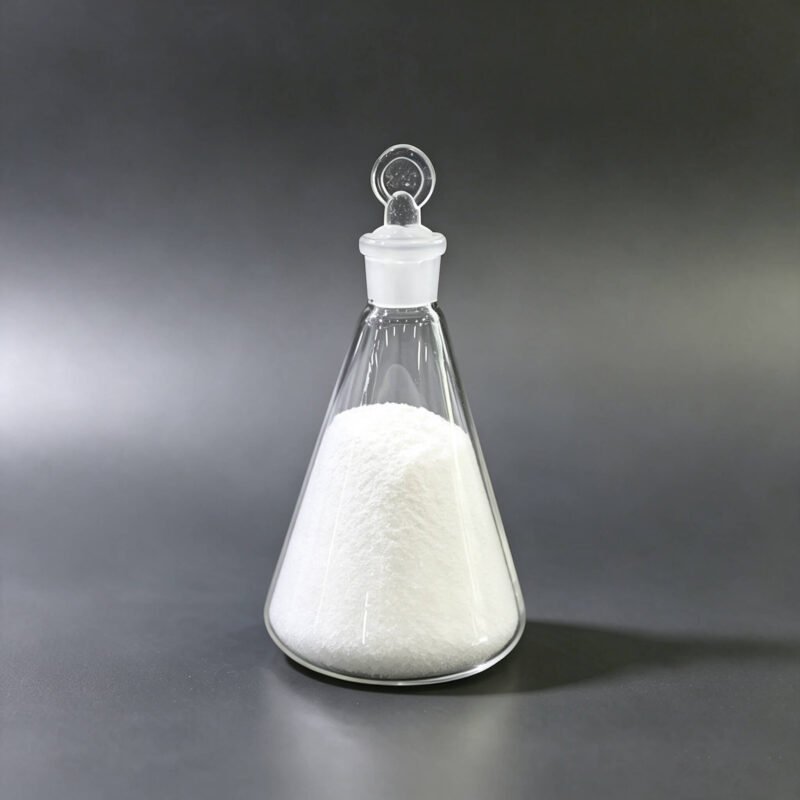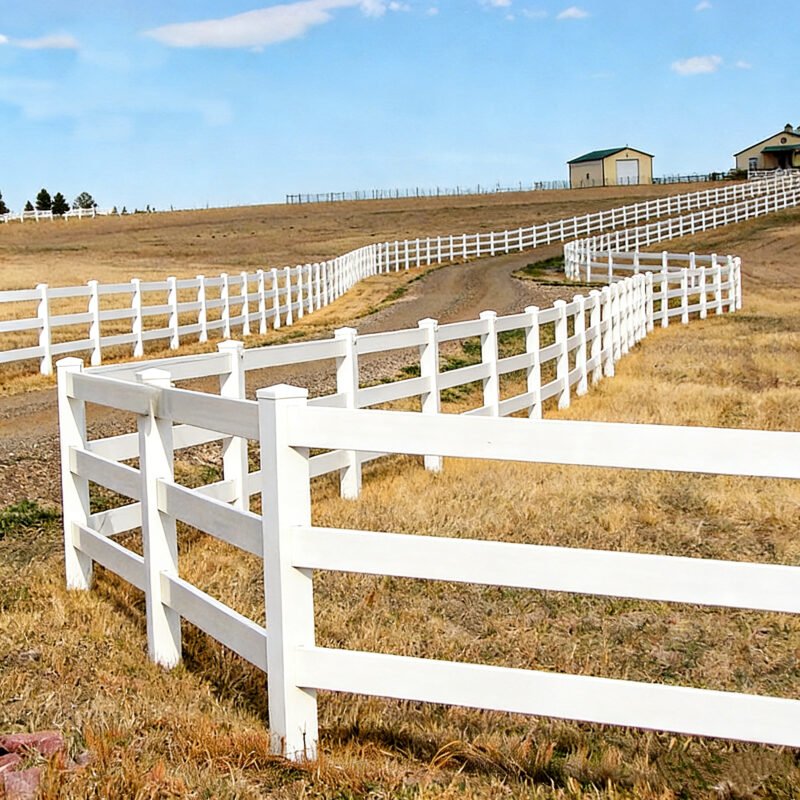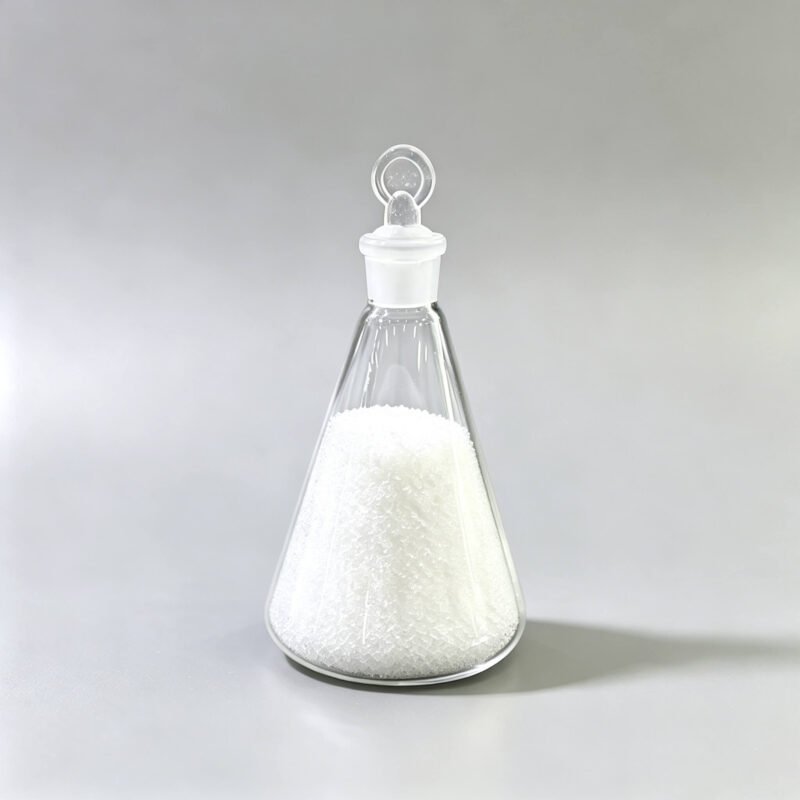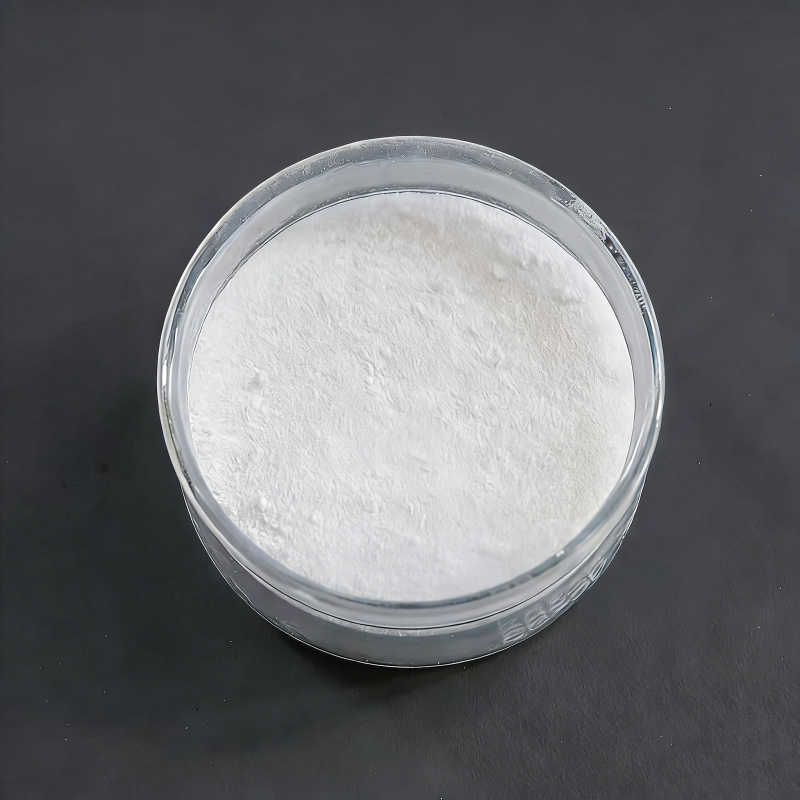

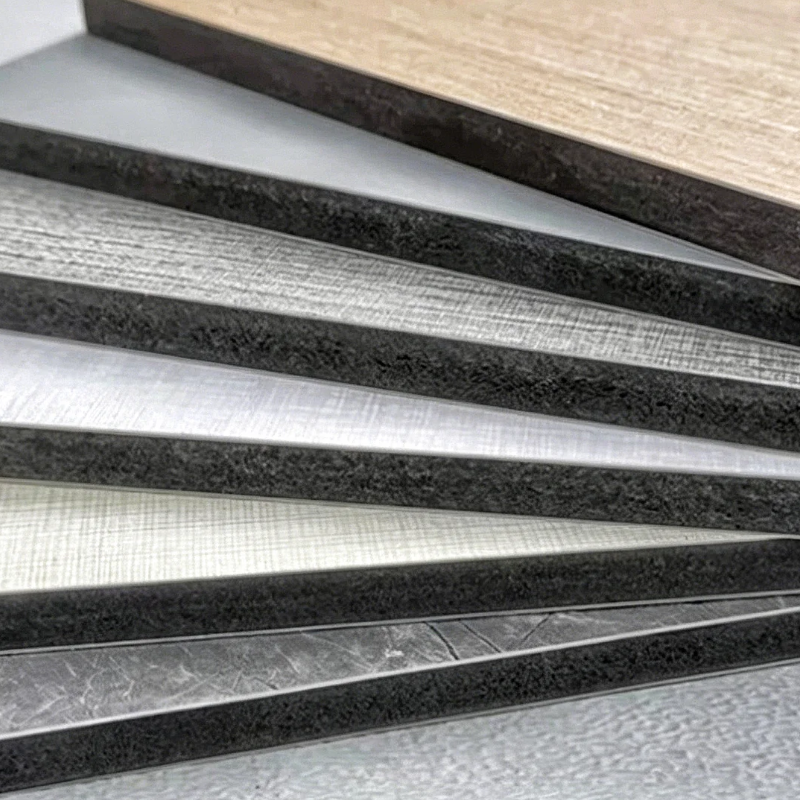
The production of Stone Plastic Composite (SPC) flooring relies on a high-filler polymer matrix. Unlike traditional PVC products, SPC contains up to 70% calcium carbonate (CaCO3). This high filler loading creates extreme mechanical stress and thermal challenges during extrusion.
Achieving a high-yield production line requires a precise chemical balance. The right pvc additives for spc flooring do more than just facilitate processing; they define the final board’s dimensional stability, impact resistance, and surface finish. For facility managers and engineers, selecting these components is a strategic decision that impacts the total cost of quality.

Core Additives for High-Filler SPC Extrusion
The “additive package” for SPC flooring is a complex synergy of several functional chemicals. Each component must be calibrated to the specific filler-to-resin ratio used in your facility.
1. Ca-Zn Heat Stabilizers
Calcium-Zinc (Ca-Zn) stabilizers have replaced lead-based systems as the industry standard due to environmental regulations. In SPC production, the stabilizer must provide excellent thermal stability to prevent the PVC from degrading under the high shear of the extruder. High-quality Ca-Zn stabilizers also enhance the initial color and long-term weatherability of the flooring.
2. Processing Aids (ACR)
Acrylic processing aids (ACR) are essential for promoting fusion. Because SPC has a low resin content, the ACR must be highly efficient at creating a homogeneous melt. It increases melt strength and prevents “plate-out” on the die, ensuring the boards have a consistent thickness and smooth edges.
3. Lubricant Systems (Internal and External)
Lubrication is arguably the most difficult aspect to balance in SPC manufacturing. Internal lubricants reduce the friction between polymer chains, while external lubricants (like PE Wax or Stearic Acid) prevent the melt from sticking to the metal surfaces of the extruder barrel and die. An imbalance here can lead to surging, burning, or poor surface gloss.
Technical Performance Comparison Table
Selecting the best pvc additives for spc flooring requires understanding how each functional group impacts the final product. The following table summarizes the primary additives used in modern OEM manufacturing.
| Additive Category | Primary Function | Impact on SPC Flooring |
| Ca-Zn Stabilizer | Thermal protection | Prevents yellowing and degradation during high-heat extrusion. |
| ACR Processing Aid | Fusion promotion | Improves melt elasticity and surface finish of the core board. |
| Internal Lubricant | Friction reduction | Lowers melt viscosity and prevents localized overheating. |
| CPE Impact Modifier | Toughening | Enhances the “click-lock” strength and drop-impact resistance. |
| PE Wax | External lubrication | Optimizes output speed and prevents die buildup (plate-out). |
Addressing Dimensional Stability and Shrinkage
Dimensional stability is the “make or break” metric for SPC flooring. If the additive package is poorly formulated, the boards will shrink or warp after installation. This often occurs when the internal stresses are not properly managed during the cooling phase of extrusion.
Using a high-performance ACR helps create a more uniform cell structure and relieves these internal stresses. Furthermore, the choice of lubricant affects the “fusion time” in the barrel. If the material fuses too early or too late, the physical properties of the board will vary across the width of the sheet, leading to inconsistent performance.
In large-volume production, manufacturers must also consider the purity of the additives. Contaminants in low-grade PE wax or stabilizers can lead to “black spots” or streaks, which are unacceptable in premium flooring markets.
Environmental Compliance and B2B Procurement
For manufacturers targeting the North American or European markets, compliance is a non-negotiable requirement. Additives must meet REACH and RoHS standards to ensure the flooring is safe for indoor air quality.
When evaluating a supplier, industrial consultants look for “one-pack” vs. “individual” component capabilities. A “one-pack” stabilizer often includes pre-balanced lubricants and processing aids, which can simplify production for newer facilities. However, experienced manufacturers often prefer individual components to fine-tune the formulation based on the specific grade of calcium carbonate and PVC resin being used.
As highlighted in MKQCHEM’s industry applications, the integration of these additives is critical for specialized sectors like construction and home improvement. The focus must remain on batch-to-batch consistency to avoid costly downtime in high-speed extrusion lines.
Maximizing ROI through Chemical Synergy
The “best” additives are not necessarily the most expensive but the ones that provide the widest processing window. A wider processing window allows the production line to handle minor fluctuations in power, temperature, or raw material quality without producing scrap.
- Reduce Scrap Rates: Better fusion reduces “edge cracking.”
- Increase Line Speed: Optimized lubrication allows for higher RPMs.
- Lower Maintenance: Proper external lubrication reduces die-cleaning intervals.
For procurement managers, the goal is to find a partner who provides technical support alongside the chemical product. Real-world manufacturing environments typically require on-site adjustments to the lubricant balance during the initial setup of a new production line.
FAQ: SPC Flooring Additive Optimization
What is the most common cause of brittle SPC boards?
Brittleness is usually caused by insufficient fusion or an under-dosage of impact modifiers like CPE. It can also occur if the filler loading (CaCO3) is too high for the amount of processing aid (ACR) in the formulation.
Why is lead-free stabilization important for SPC?
Most global building codes now prohibit lead in indoor materials due to toxicity. Ca-Zn stabilizers are the primary eco-friendly alternative, providing comparable stability without the environmental liability.
Does PE Wax affect the printing layer adhesion?
Excessive external lubrication (PE Wax) can migrate to the surface of the core board. This “plate-out” can interfere with the bonding of the decorative film and the wear layer, leading to delamination over time.
How does filler moisture affect additive performance?
If the calcium carbonate has high moisture content, it can interfere with the heat stabilizer, leading to “venting” issues or surface pits. Always ensure the CaCO3 is properly dried or pre-treated with a coupling agent.
Reference Sources
- ISO 10582: Resilient floor coverings — Heterogeneous poly(vinyl chloride) floor coverings — Specifications.
- ASTM F3261: Standard Specification for Resilient Flooring in Modular Format with Rigid Polymeric Core.
- SGS REACH/RoHS Certification: Standards for hazardous substance compliance in PVC additives.
- Journal of Vinyl and Additive Technology: Technical research on high-filler PVC composites.
- MKQCHEM Technical Data Sheets: Professional specifications for PVC flooring additives.