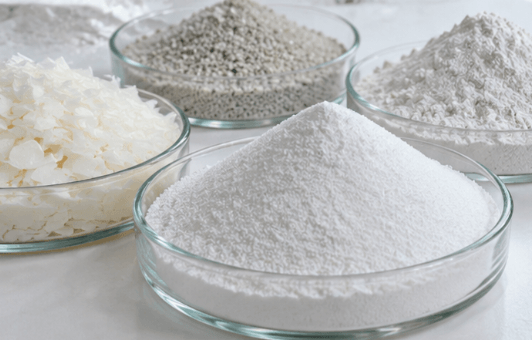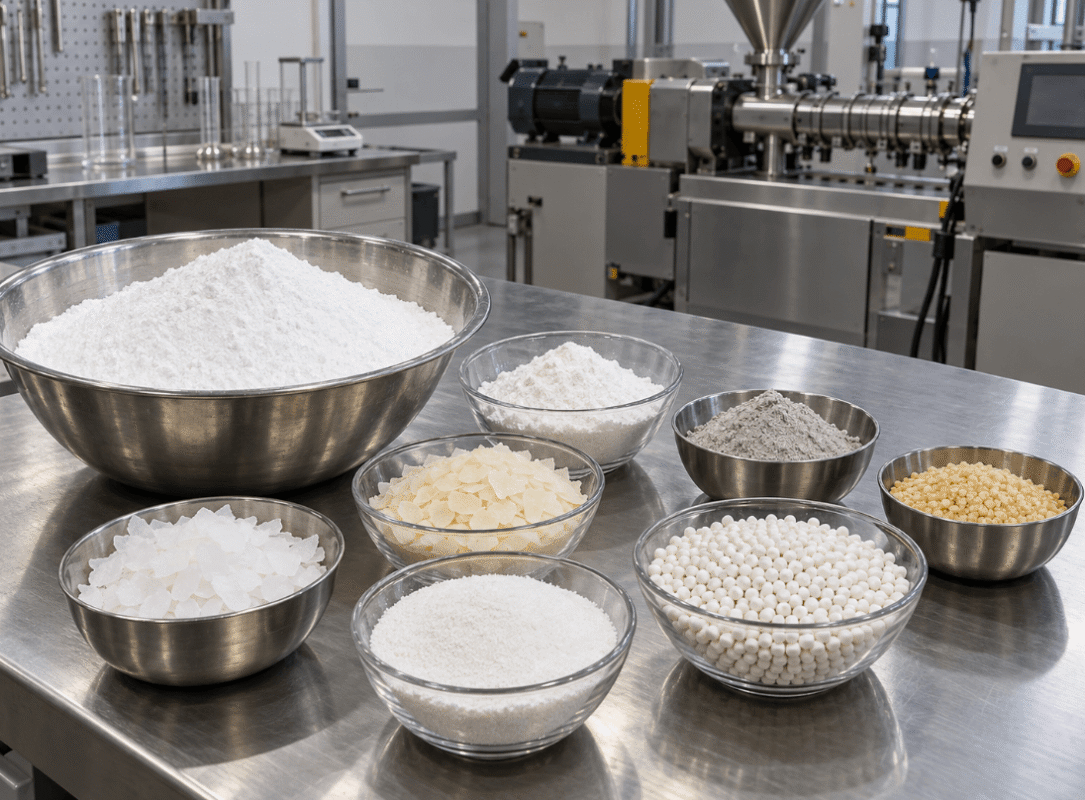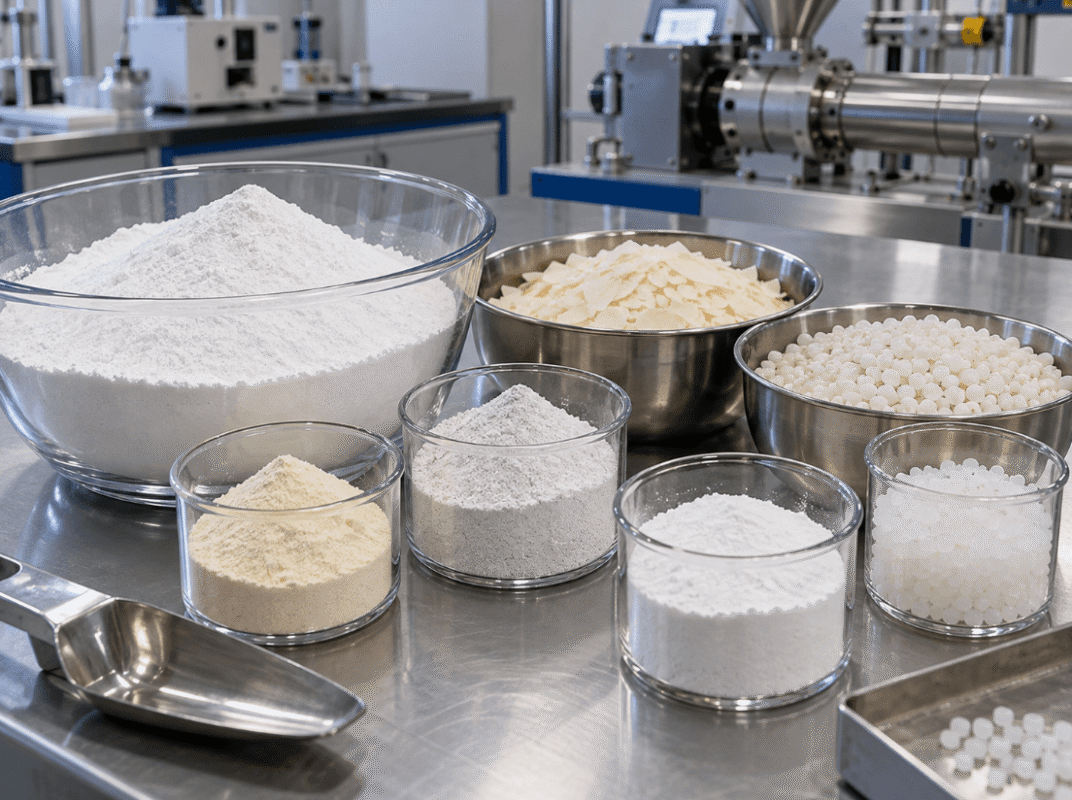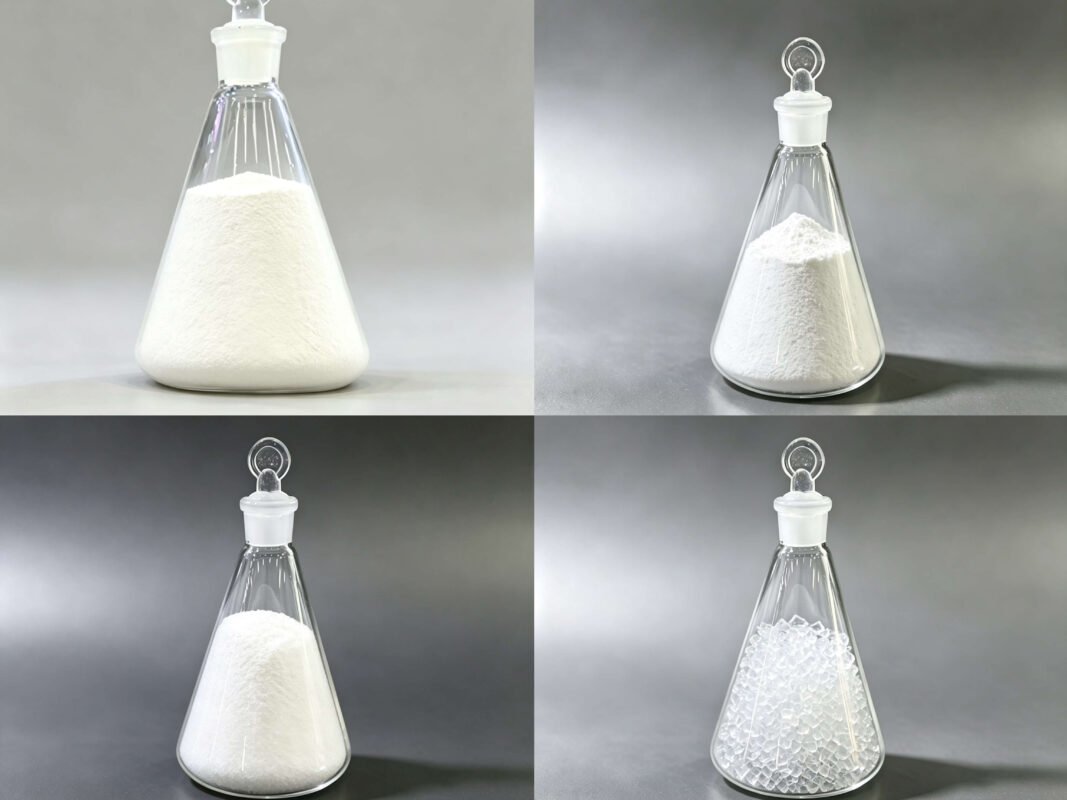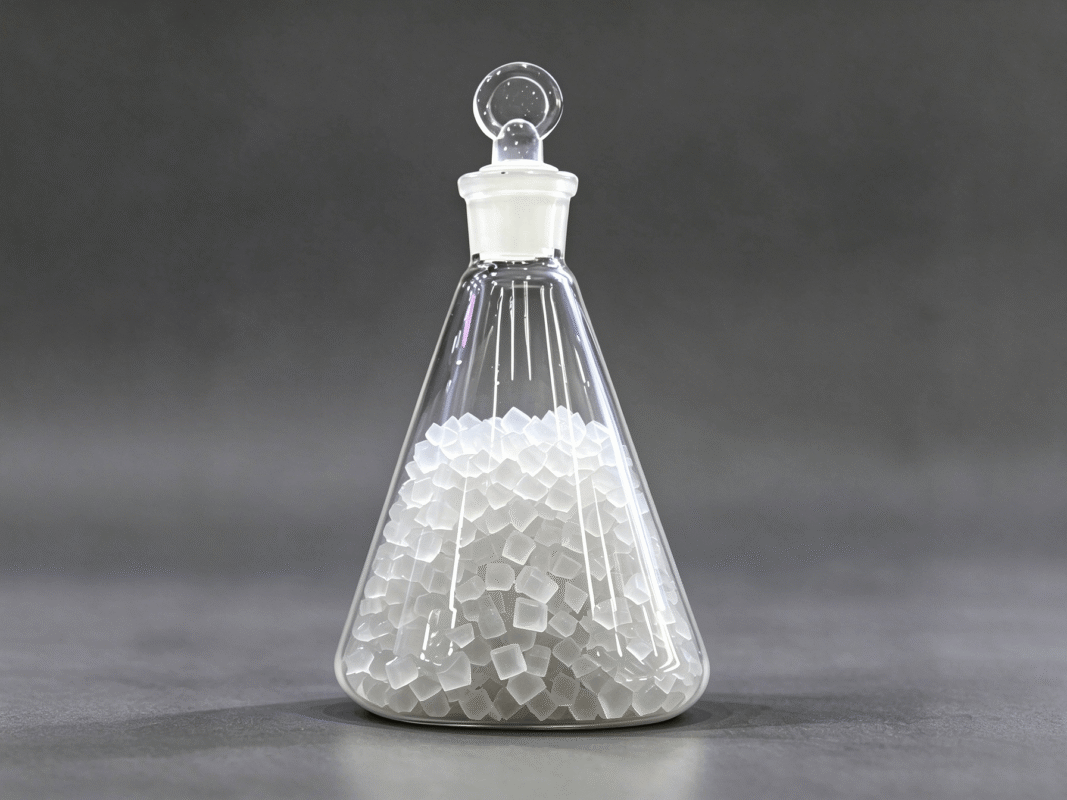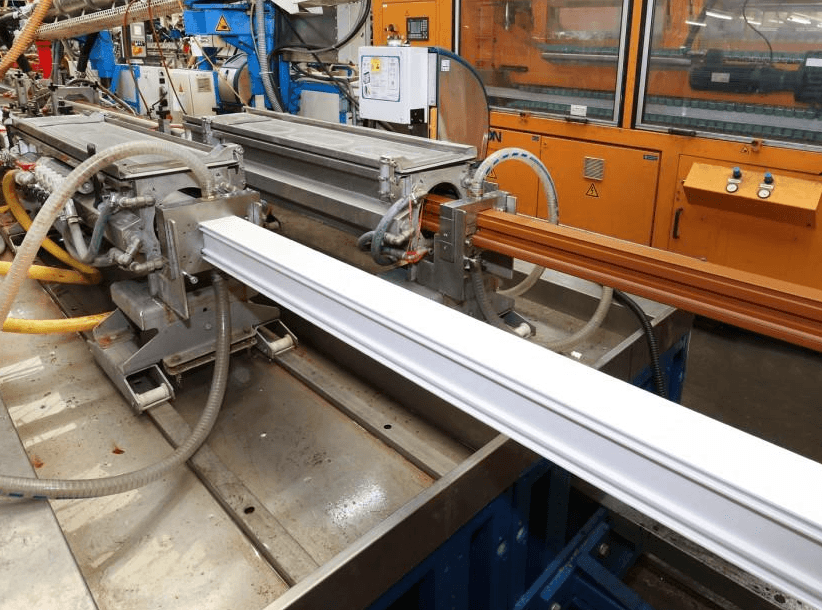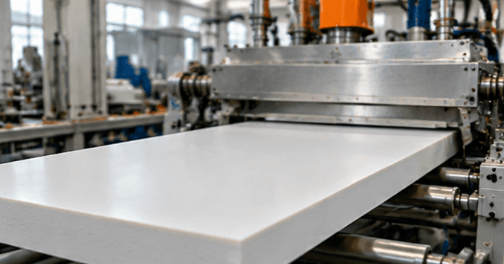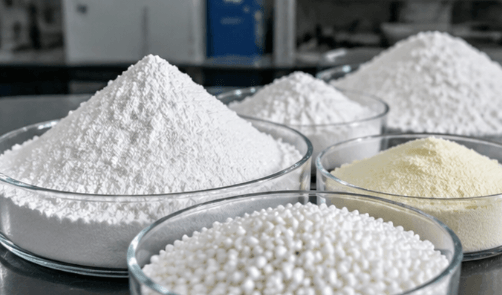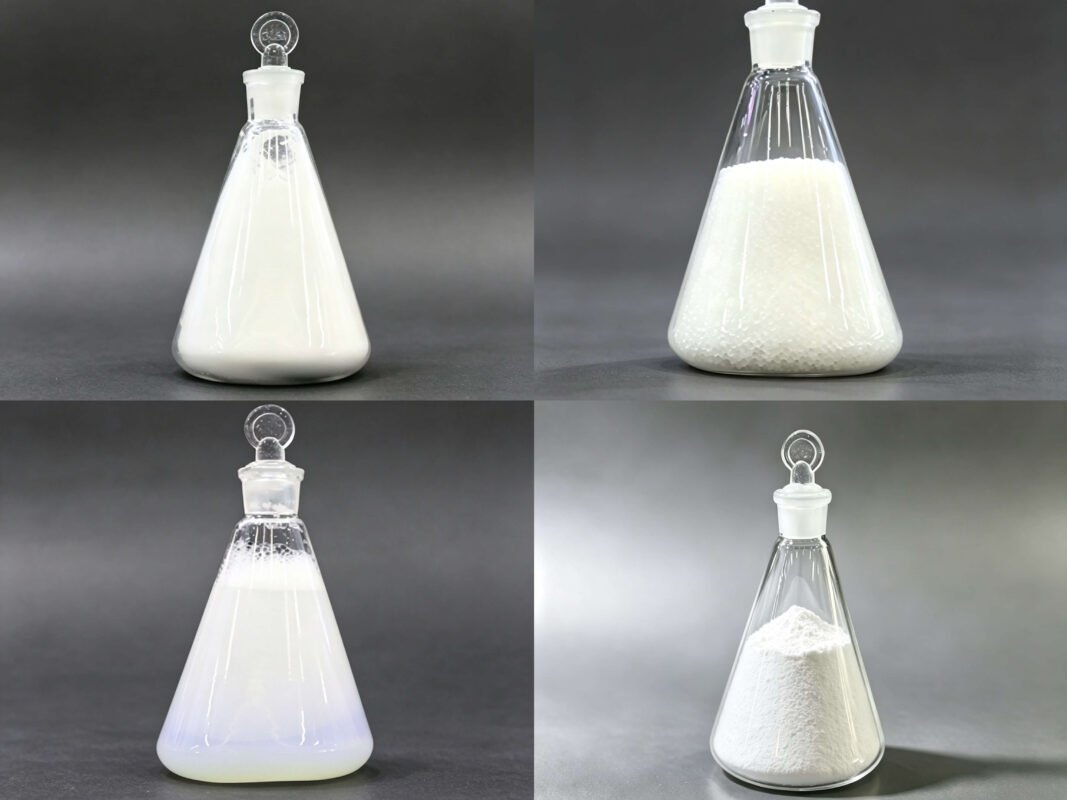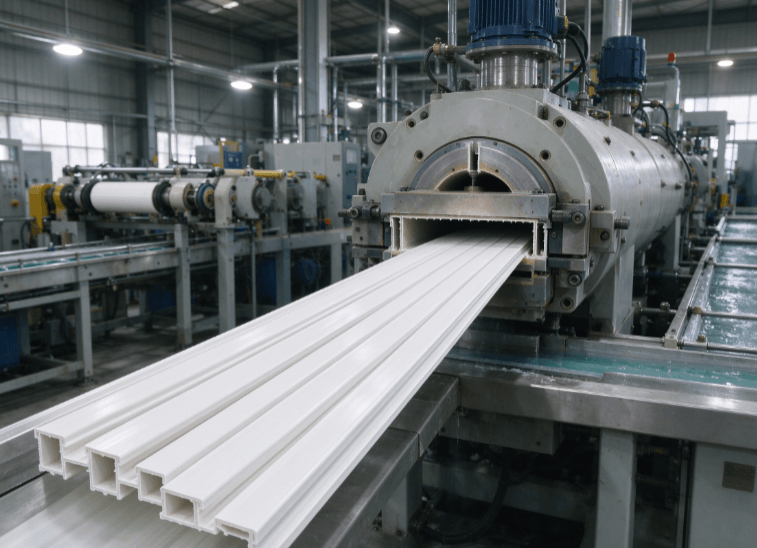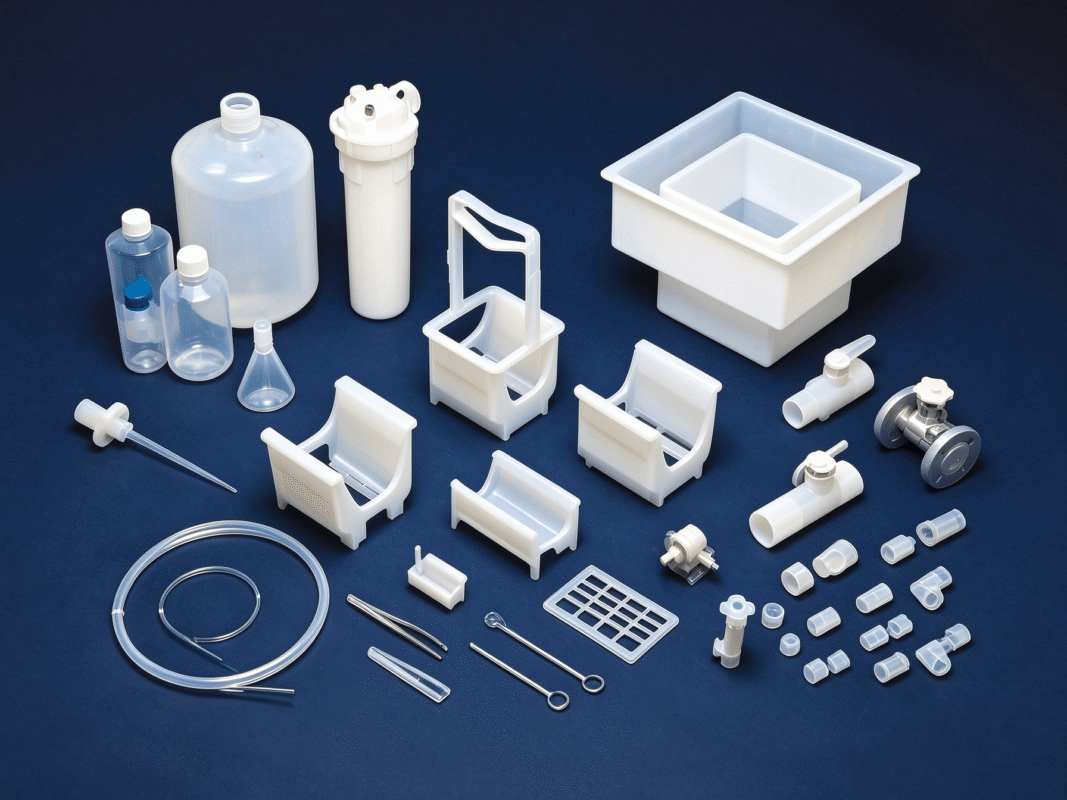

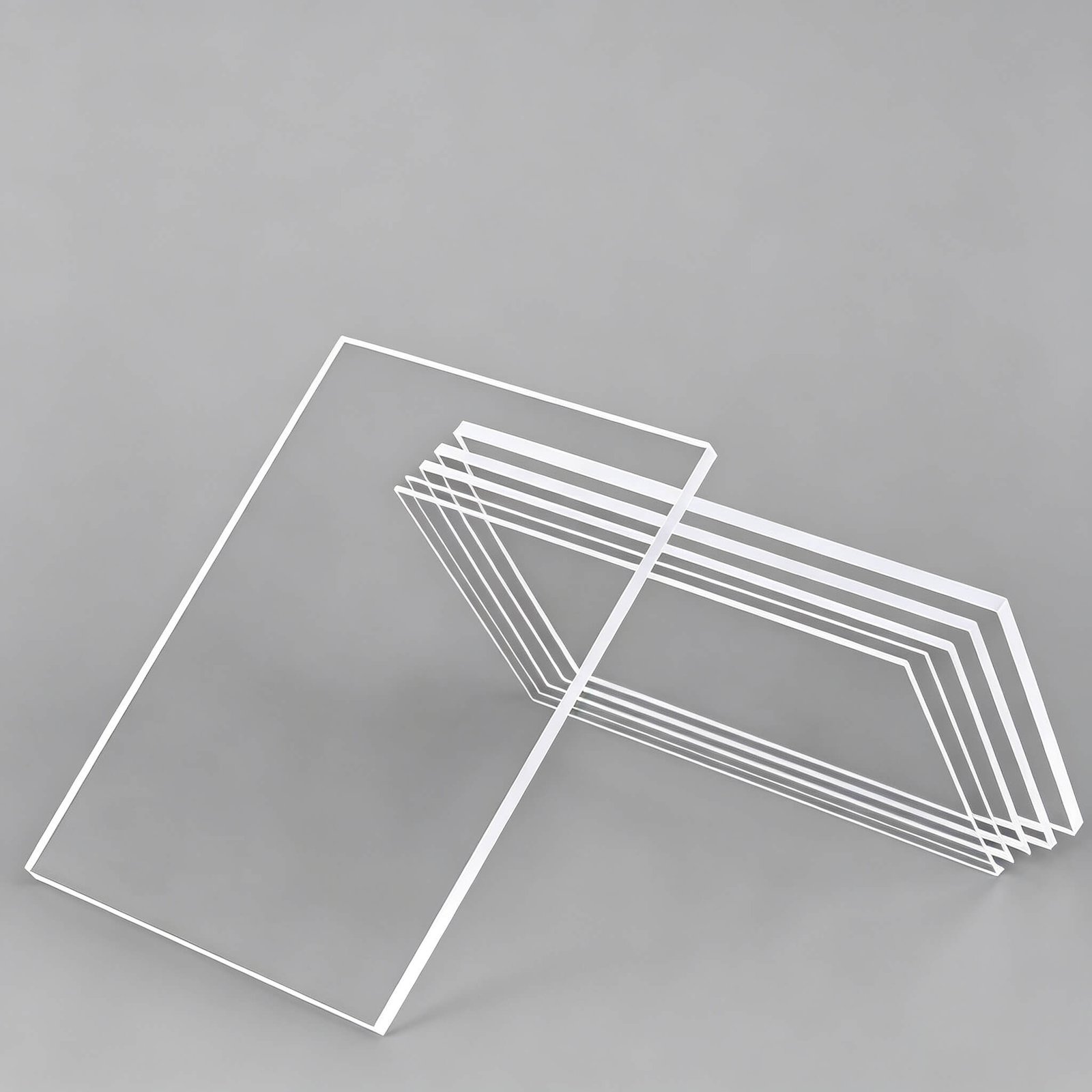
Acrylic processing aids are high-molecular-weight acrylic polymers designed to enhance the processing performance of PVC. The acrylic processing aid for transparent products must exhibit high compatibility with the PVC matrix; they help improve melt fusion, melt strength, and processing stability without compromising transparency or causing haze. This blog post explains what acrylic processing aid for transparent products are, as well as their working principles and functional advantages, to help you better understand this class of processing aids specialized for transparent applications.
Why do transparent PVC products require processing aids?
Transparent PVC formulations require:
- Excellent transparency
- A smooth surface
- Low haze
- Minimal defects, such as fish-eyes, flow marks, or air bubbles
- Stable extrusion or injection molding performance
- Consistent product thickness
Due to the relatively poor melt strength and narrow processing window of rigid PVC, acrylic processing aids are typically added to transparent PVC products to improve their processability.
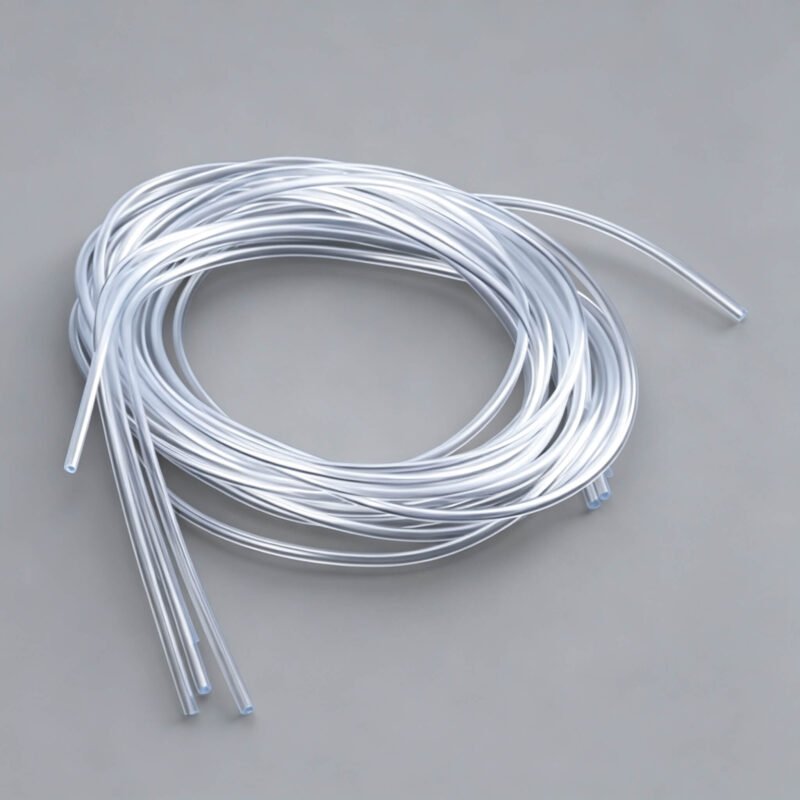
How Acrylic Processing Aids Enhance the Transparency of Transparent PVC Products
Even with perfect refractive index matching, transparent processing aids can enhance optical quality by improving fusion:
- Rapid and uniform gelation eliminates residual PVC grain boundaries (primary particles) that would otherwise scatter light.。
- A more uniform melt reduces micro-voids and gel particles, thereby increasing transparency and minimizing “whitening” in thicker sections.
- Excellent surface replication against polishing rolls or molds reduces surface roughness, a primary source of haze (particularly in films and sheets).
MK Series Processing Aids → MK-880 Processing Aid for Transparent Products
MK-880 is specifically developed for transparent PVC applications, offering high transparency, low haze, and stable color performance. It does not interfere with the effectiveness of optical brighteners and ensures processing stability as well as consistent product quality.
| MK Series Processing Aids | Product Features and Advantages | Application Areas |
| MK-880 Processing Aid for Transparent Products | 1. High transparency and clarity: Maintains excellent light transmission and a crystal-like appearance. 2. Superior yellowing resistance: Resists discoloration or graying during high-temperature processing and long-term use. 3. Good pigment compatibility: Does not interfere with whitening agents or masterbatches, ensuring stable coloration. 4. Stable plasticization: No migration or exudation; avoids excessive lubrication, ensuring stable continuous production. 5. Certified by SGS: Free from heavy metals and toxic plasticizers; compliant with EU RoHS and REACH environmental standards; suitable for applications involving contact with food and daily-use products. | Highly transparent pipes, sheets, and extruded profiles; medical tubing; transparent films, door curtains, crystal sheets, and calendered films; transparent packaging films, boxes, stationery, and toys; food-contact grade transparent PVC products; injection-molded transparent components. |
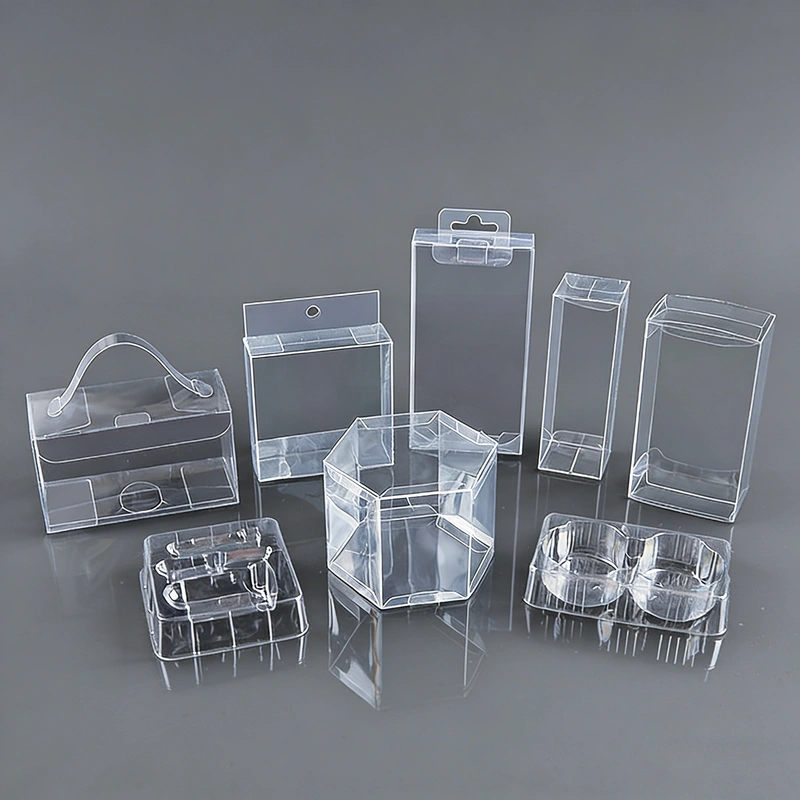
Main functions of acrylic processing aids
1. Promotes rapid PVC fusion
Processing aids facilitate the faster and more uniform melting of PVC powder during compounding or extrusion, resulting in accelerated plasticization, reduced fusion time, higher production efficiency, and more stable processing performance.
2. Enhancing Melt Strength
High melt strength is particularly critical for processes such as transparent sheet extrusion, calendering, blow molding, and thermoforming. Processing aids enhance melt strength and melt elasticity, preventing melt fracture while improving surface gloss and smoothness.
3. Improving Surface Gloss
Acrylic processing aids used in transparent PVC products enable a mirror-like surface finish, superior light transmission, and reduced surface defects. They maintain the excellent clarity of transparent PVC products without compromising optical properties—factors that are crucial for a wide range of transparent PVC applications.
4. Reduction of processing defects
Helps eliminate phenomena such as flow marks, sharkskin, melt fracture, jagged defects, die build-up, and surface roughness, resulting in a final product with superior clarity and aesthetics.
5. Enhanced production stability
Delivers stable melt pressure, uniform extrusion, improved dimensional consistency, and a wider processing window; this reduces downtime and material waste, boosts production efficiency, and ensures a smoother process with higher output.
Selection Factors
When selecting acrylic processing aids for transparent PVC products, consider the following factors:
- High transparency: Avoid grades that increase haze or reduce light transmission.
- Balanced fusion: Excessively rapid fusion can degrade PVC performance, while overly slow fusion reduces production efficiency.
- High thermal stability: Crucial for long-term, continuous production.
- Good compatibility: Prevents surface defects and gel formation.
- Low volatility: Minimizes plate-out and mold deposits.
- Consistent quality: Ensures stable processing performance across batches.
Inferior processing aids can lead to: haziness, reduced light transmission, color shift, gel particles, and surface defects.
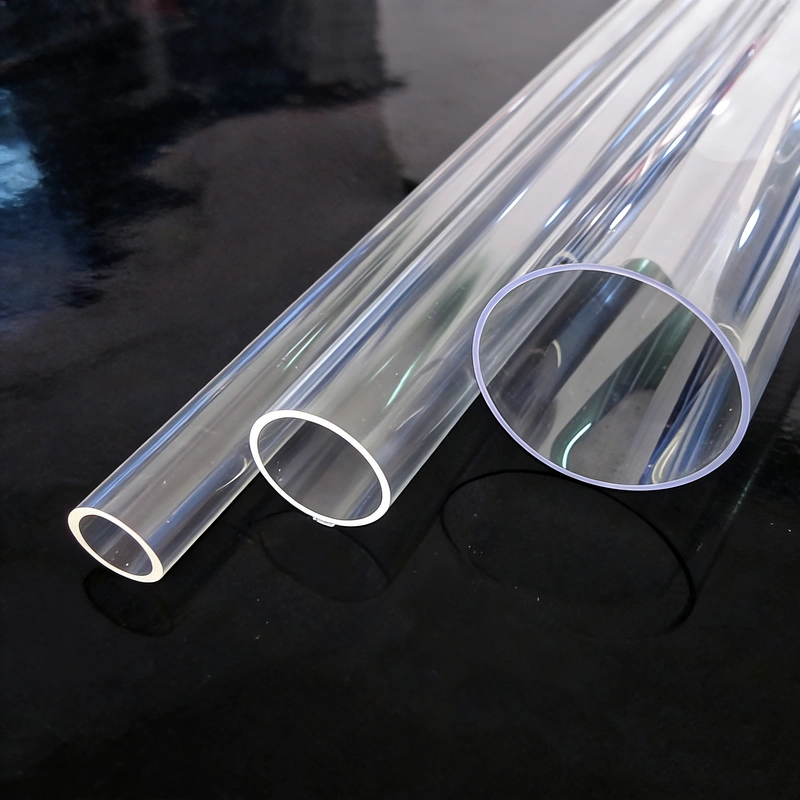
In summary
Acrylic processing aids are essential for the production of high-quality transparent PVC products. By enhancing melt properties, melt strength, processing stability, and surface quality—while maintaining optical clarity—they enable manufacturers to achieve high transparency, excellent gloss, and efficient production. For transparent PVC products, selecting the appropriate processing aid and dosage helps maximize clarity, minimize defects such as haze, flow marks, and surface blemishes, and ensure a consistently transparent finished product.
FAQ
Q: Why do standard processing aids often cause haziness?
During processing, acrylic processing aids exist as discrete domains within the PVC matrix. If the refractive index (RI) of these domains differs from that of the PVC, light scatters at the phase interfaces, resulting in visible haze.
Q: What is the difference between processing aids and lubricants?
Lubricants (such as stearic acid and PE wax) prevent thermal decomposition by reducing friction—both between the PVC and processing equipment and among the PVC molecules themselves—acting primarily at surfaces or interfaces. In contrast, processing aids promote melting and enhance melt strength by increasing internal frictional heat generation and promoting chain entanglement.
Q: How can I determine if the processing aid I am currently using is of poor quality?
If you observe frequent fluctuations within the extruder, uneven wall thickness in the finished product, or a rough surface (such as the “sharkskin” phenomenon), it indicates that the processing aid likely lacks the necessary molecular weight or the ability to promote plasticization (melting).

Reference Sources:
SpecialChem – Acrylic Processing Aids for PVC:https://plastics-additives.specialchem.com
Plastics Technology Magazine – Processing Additives for PVC:https://www.ptonline.com
MDPI – Polymers Journal – Effects of Acrylic Processing Aids:https://www.mdpi.com/journal/polymers
Journal of Vinyl and Additive Technology – Rheological studies on PVC melt fracture and surface finish.