
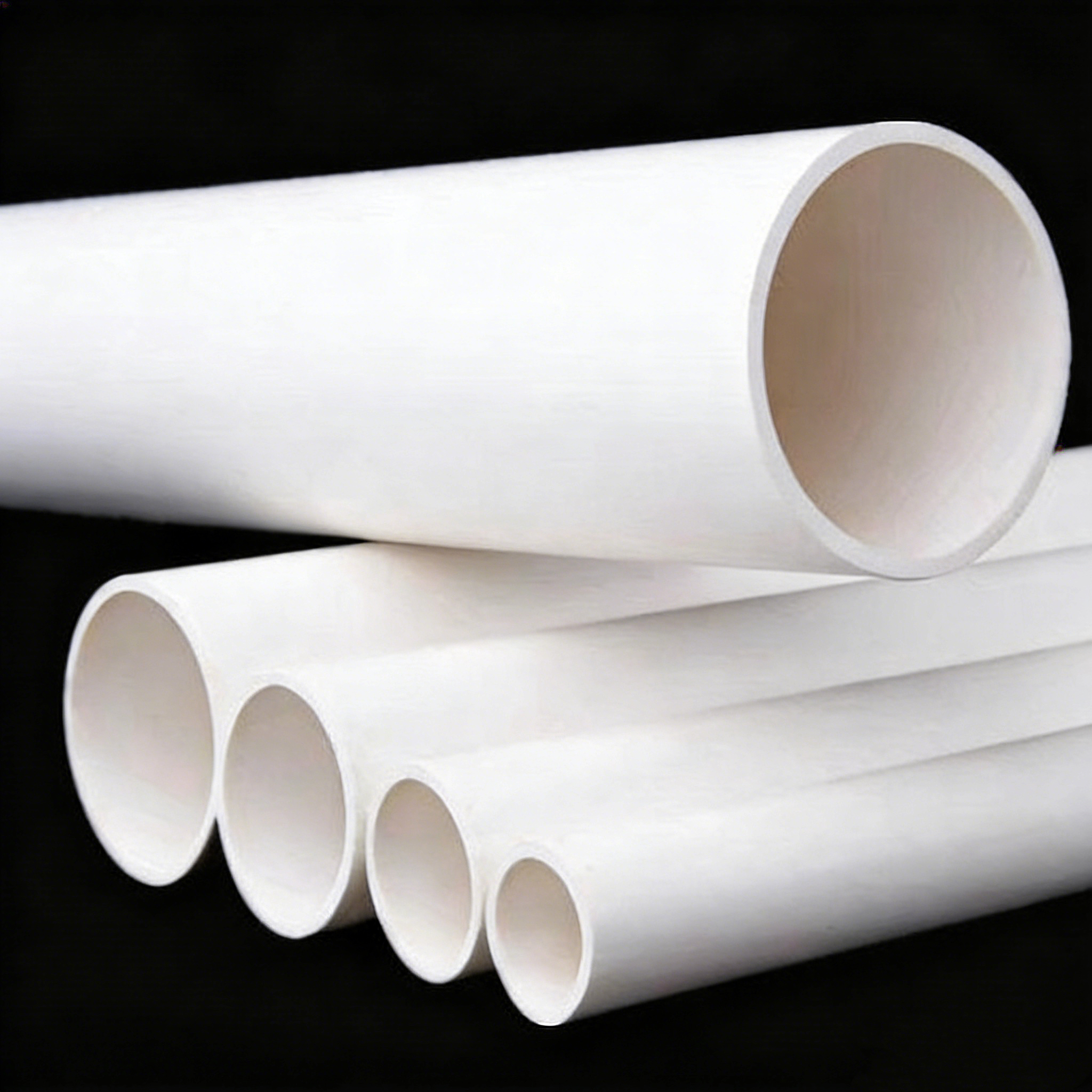
Maintaining high pvc pipe quality is essential for modern infrastructure projects. Manufacturers face constant challenges with material brittleness and surface defects. This guide explains how to optimize your production line for better results.
Standardized production ensures that pipes withstand high pressure and environmental stress. Technical precision during the extrusion process directly impacts the final product’s durability. You can achieve better efficiency by focusing on chemical stability and mechanical settings.
Superior pvc pipe quality starts with understanding the interaction between heat and additives. Minor adjustments in the formula can lead to significant improvements in strength. Consistent monitoring is the key to reducing waste and increasing profitability.
Optimizing Raw Material Selection for PVC Pipe Quality
The foundation of any high-quality pipe is the PVC resin and its K-value. For pressure pipes, a K-value between 65 and 68 is typically required. Using low-quality resin leads to poor thermal stability and structural weaknesses.
Stabilizers play a critical role in preventing material degradation during high-temperature processing. Lead-based or Calcium-Zinc stabilizers must be measured with extreme precision. Research shows that proper stabilizer ratios can increase thermal stability time by over 20%.
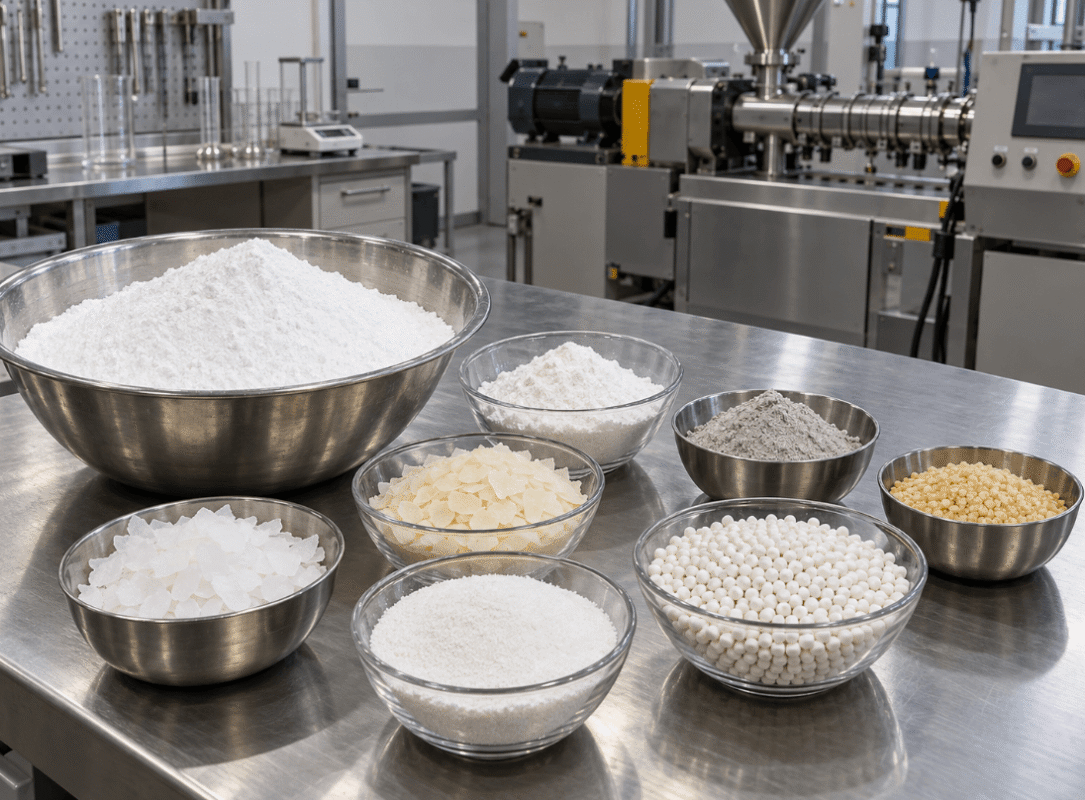
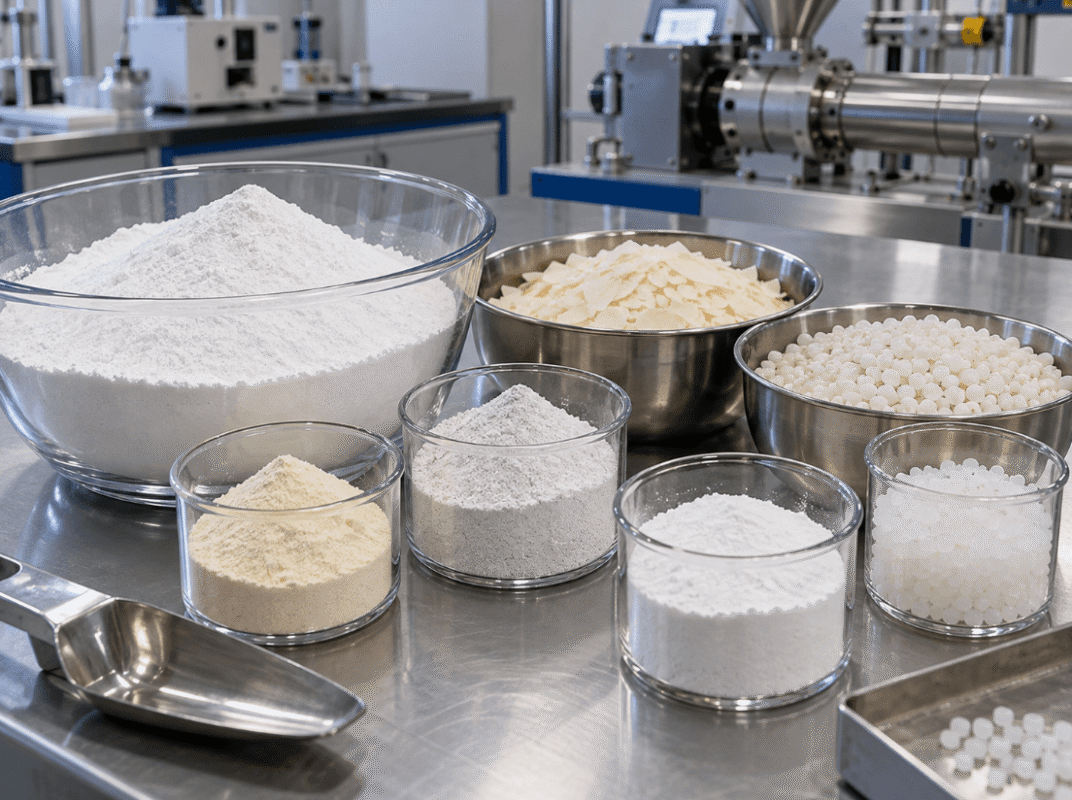
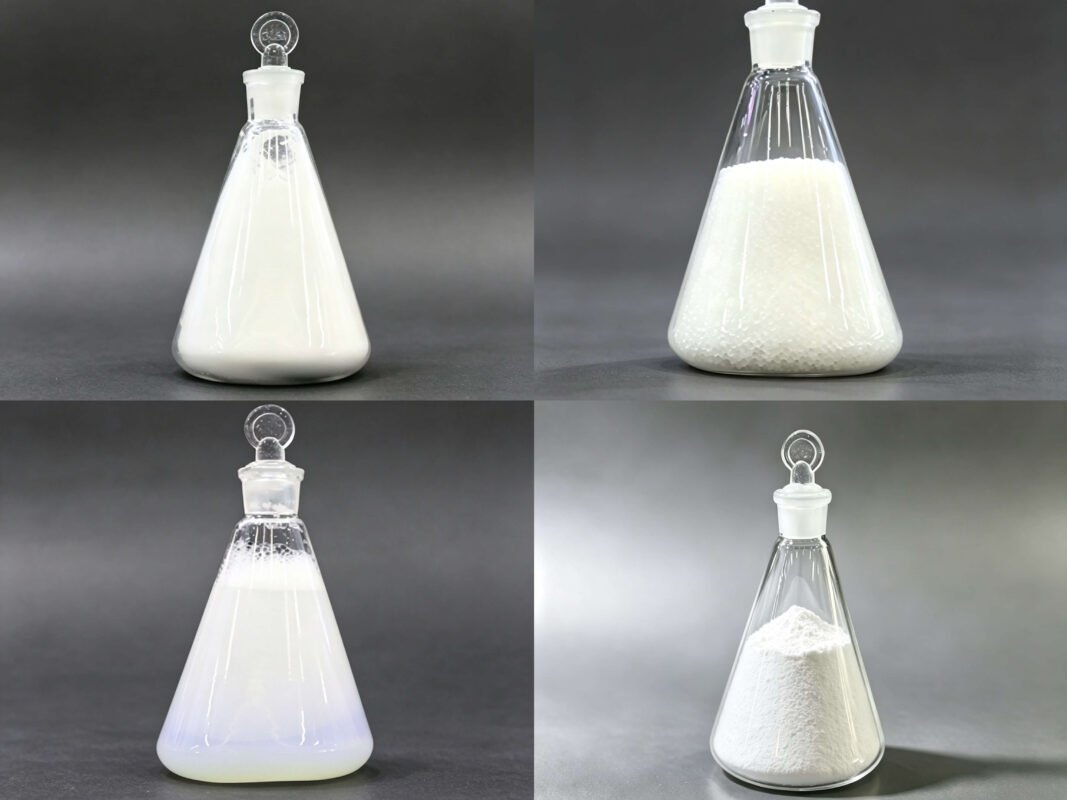
Impact modifiers like CPE (Chlorinated Polyethylene) are vital for durability. These additives absorb energy and prevent cracks under physical stress. High-quality pvc pipe quality relies on achieving a uniform dispersion of these modifiers within the resin matrix.
How Do Processing Aids Enhance PVC Pipe Quality?
Processing aids like ACR (Acrylic Processing Aid) improve the melt strength of the PVC compound. They promote faster fusion and a more homogenous melt during extrusion. This results in a smoother interior surface and better wall thickness consistency.
Lubricants are equally important for managing internal and external friction. Internal lubricants reduce the viscosity of the melt for easier flow. External lubricants prevent the hot plastic from sticking to the metal surfaces of the extruder.
A balanced lubrication system prevents “plate-out” issues on the die. This ensures that the pipe maintains a glossy finish and accurate dimensions. Optimized lubrication can reduce energy consumption during extrusion by up to 15%.
| Additive Type | Function in Production | Impact on Quality |
| CPE (Impact Modifier) | Increases toughness | Prevents brittleness and cracking |
| Stabilizer | Prevents thermal decay | Enhances heat resistance and longevity |
| ACR (Processing Aid) | Improves melt strength | Ensures uniform wall thickness |
| TiO2 (Pigment) | Provides UV protection | Prevents color fading and aging |
| Stearic Acid | External lubricant | Creates a smooth surface finish |
Controlling Extrusion Parameters for Better Results
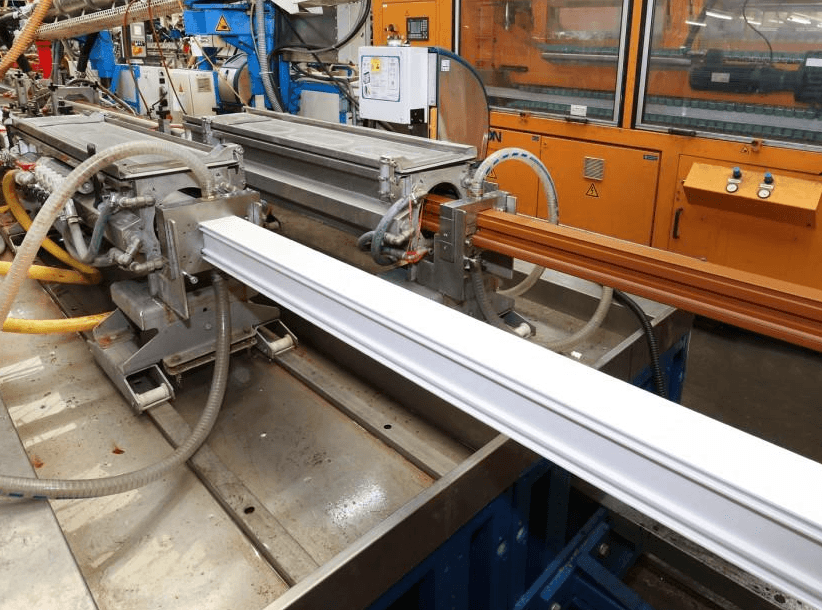
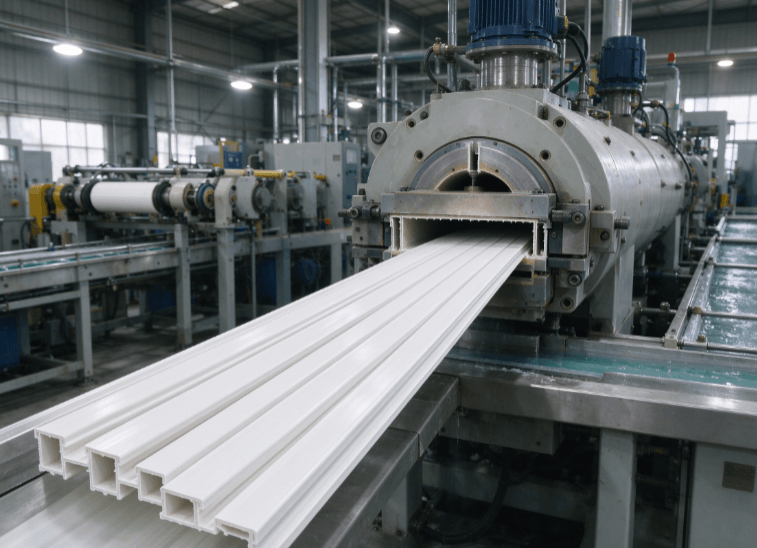
Temperature control is the most critical factor in the extrusion workshop. The temperature profile should gradually increase from the feeding zone to the die. If the temperature is too low, the material will not fuse properly.
Conversely, excessive heat causes the PVC to decompose and release corrosive gases. This degradation destroys the mechanical properties of the pipe. Maintaining a temperature tolerance within ±2°C is essential for consistent pvc pipe quality.
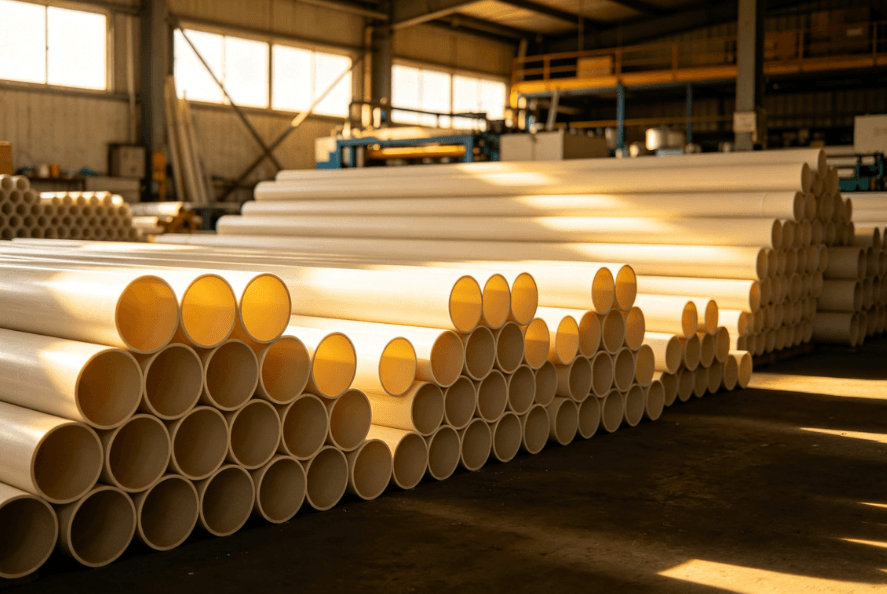
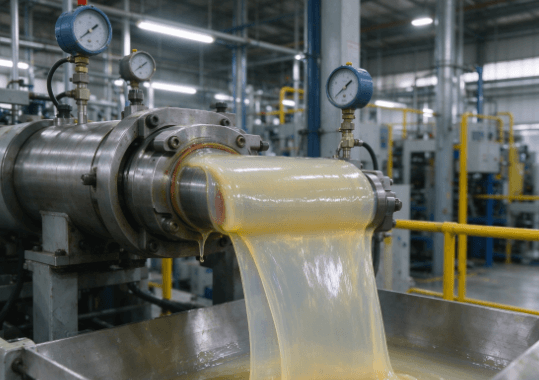
Screw speed and head pressure must also be synchronized for steady output. High backpressure helps in densifying the melt and removing air bubbles. Proper cooling in the vacuum tank ensures that the pipe retains its shape without internal stress.
How to Choose High-Performance Additives for Your Factory
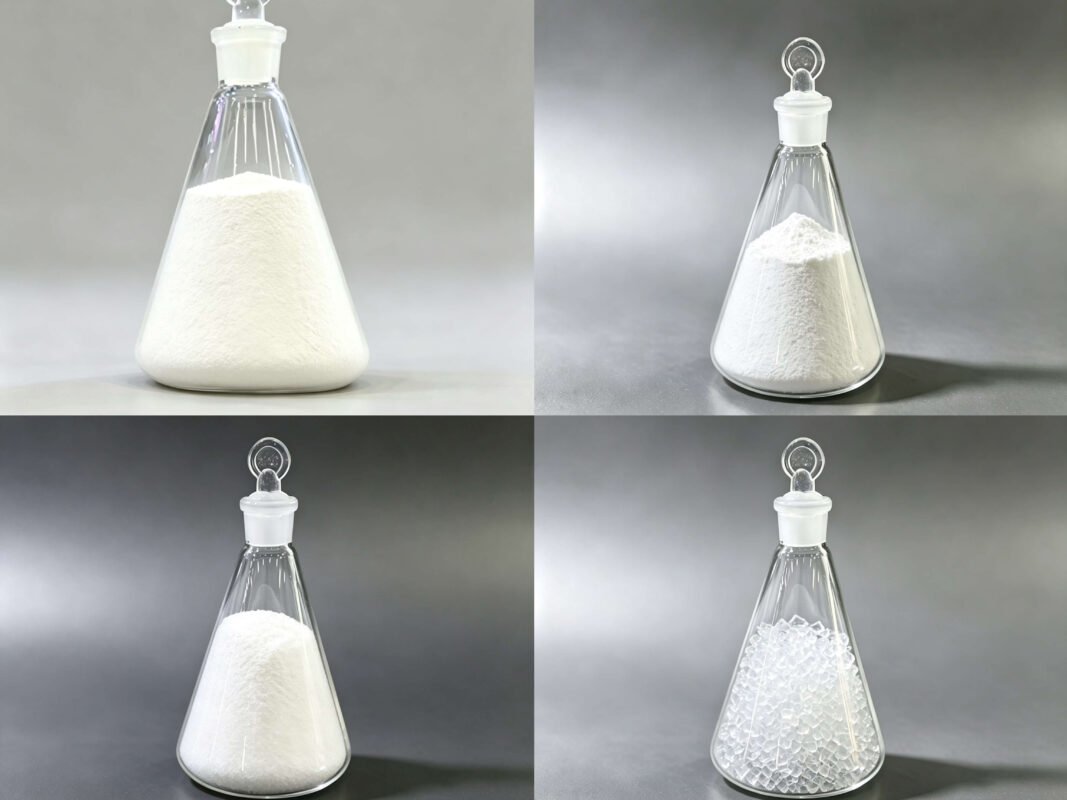
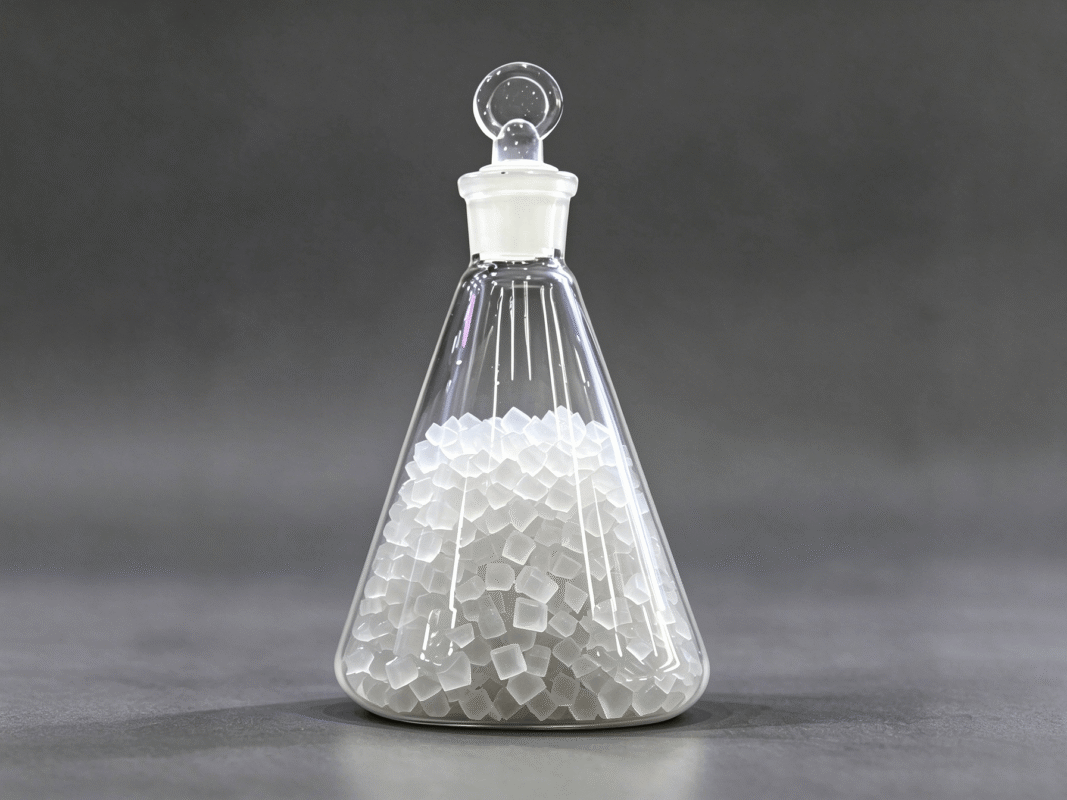
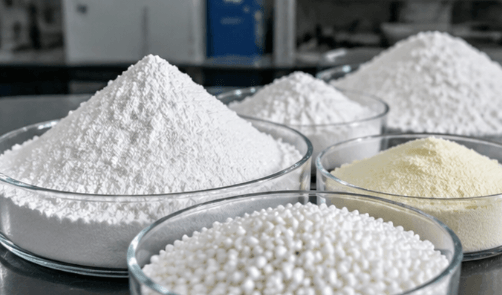
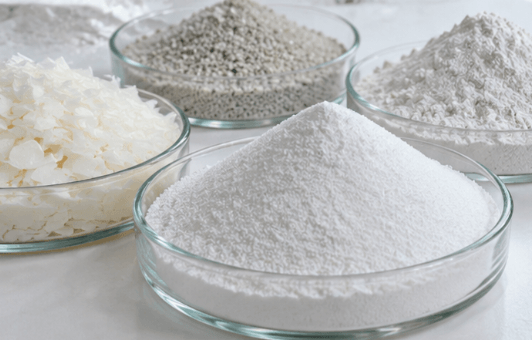
Selecting the right chemical additives requires a deep understanding of your production goals. You must evaluate the purity and particle size of every component in your formulation. High-purity chemicals ensure that the chemical reactions occur predictably every time.
Testing the compatibility of lubricants and stabilizers is a necessary step for quality control. Inconsistent batches of raw materials often lead to unexpected production downtime. You should look for suppliers who provide detailed technical specifications and batch consistency.
Reliable additives prevent common defects like “fish eyes” or surface streaks. The right combination of processing aids can also widen your processing window. This flexibility allows for better management of minor temperature fluctuations during long production runs.
To find professional-grade additives that meet these standards, you can explore specialized product lines. These solutions are designed to optimize the mechanical properties of PVC. For more information on high-quality chemical components, visit MKQ Chem Products.
Summary
Improving pvc pipe quality requires a balance of high-grade raw materials and precise process control. By optimizing your stabilizer ratios and monitoring extrusion temperatures, you can produce durable, high-strength pipes. Consistent additive quality remains the most effective way to reduce defects and ensure long-term performance.
FAQ
How does temperature affect pvc pipe quality?
Temperature determines the fusion level and structural integrity of the PVC melt. Precise heat management prevents material degradation and ensures the pipe meets pressure standards. Maintaining stable temperatures across all zones is vital for consistency.
Which additives are best for improving impact resistance?
CPE (Chlorinated Polyethylene) is the most common additive for enhancing impact strength. It forms a networked structure within the PVC that absorbs mechanical energy. Using high-quality CPE significantly reduces the risk of pipe breakage during installation.
Why is lubrication important in PVC extrusion?
Lubrication controls the friction between the polymer and the machine parts. Proper internal and external lubrication ensures a smooth surface and prevents material burning. It also helps in maintaining a steady output rate and reducing equipment wear.
How can I prevent surface defects on PVC pipes?
Surface defects are often caused by poor lubrication or moisture in the raw materials. Ensure that all additives are dry and that the ACR dosage is sufficient for melt elasticity. Regular cleaning of the extrusion die also prevents unwanted streaks.
What is the role of TiO2 in PVC pipe production?
Titanium Dioxide acts as a powerful UV stabilizer and whitener. It protects the pipe from solar radiation which can cause brittleness over time. This is especially important for pipes used in outdoor or exposed applications.
Reference Sources:
Plastic Pipe Institute (PPI)
https://plasticpipe.org/
Journal of Vinyl and Additive Technology
https://www.wiley.com/
American Chemical Society (ACS)
https://www.acs.org/