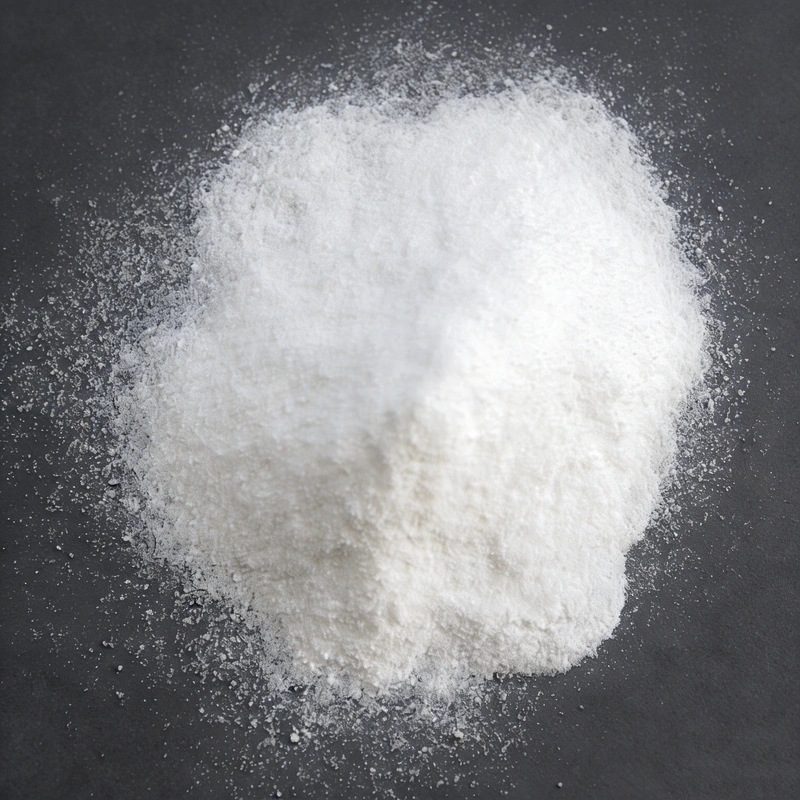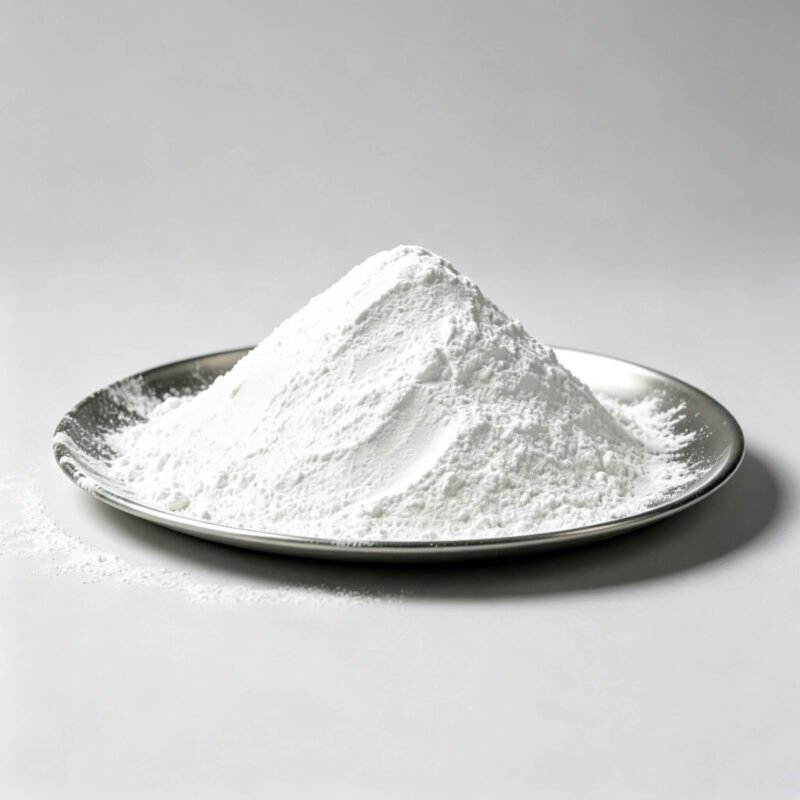

Polyvinyl chloride (PVC) is a widely used thermoplastic known for its versatility. However, raw PVC resin is inherently difficult to process due to its high melt viscosity. It often requires specific additives to improve its thermal stability and flow behavior. One of the most critical additives in this industry is the acr processing aid. This acrylic-based copolymer acts as a bridge between the resin particles and the processing equipment.
Without these aids, PVC products may suffer from uneven surfaces or structural weaknesses. The primary function of an acr processing aid is to promote faster fusion of the PVC compound. This occurs through increased friction between the resin molecules during the extrusion or molding process. As a result, the final product achieves better mechanical properties and a superior aesthetic finish.
Modern manufacturing demands high efficiency and consistent quality across all production batches. Using a high-quality acr processing aid allows for lower processing temperatures and shorter cycle times. These improvements directly contribute to energy savings and reduced material waste in industrial settings.
What is the Primary Role of ACR Processing Aid in PVC?
The primary role of an acr processing aid is to accelerate the gelation or fusion of PVC resin. During processing, the additive forms a network with the PVC molecules. This interaction increases the friction between the particles under heat and shear forces. Consequently, the resin melts more uniformly, ensuring a homogenous compound.
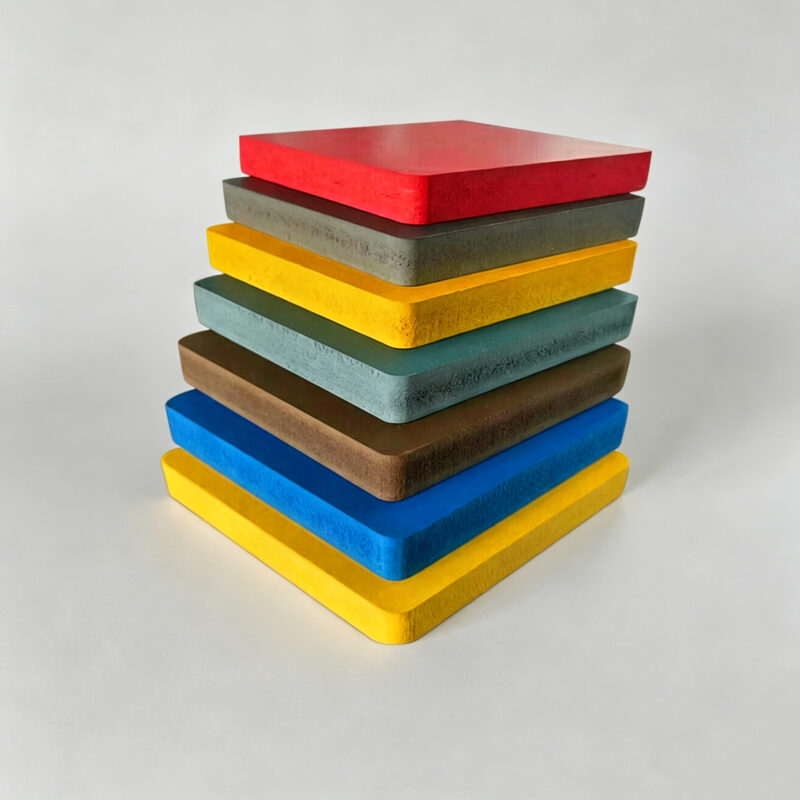
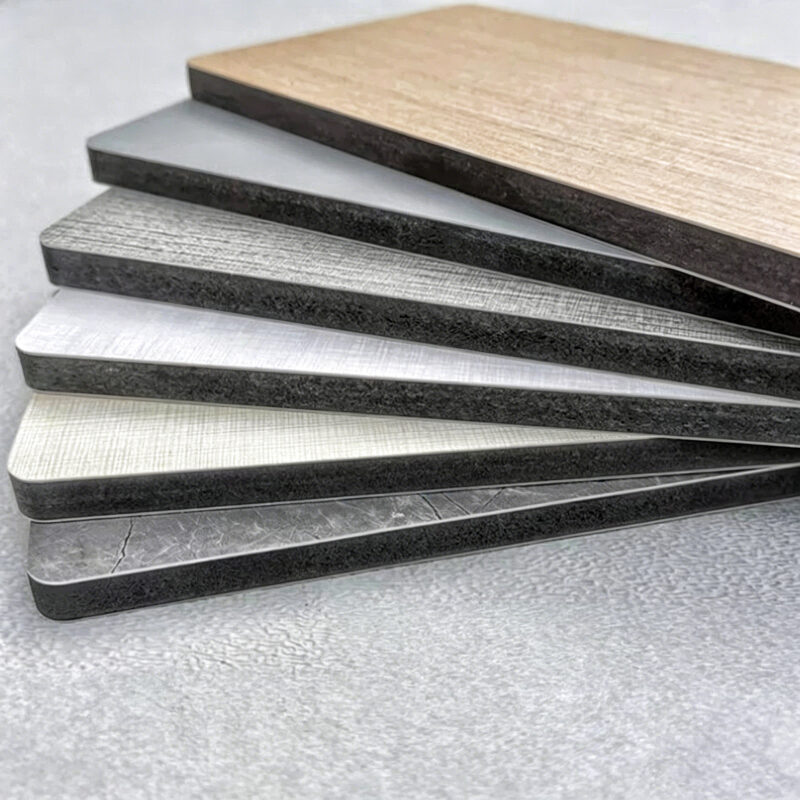
acr processing aid also plays a vital role in enhancing the melt strength of the polymer. Melt strength is crucial for applications where the plastic must maintain its shape before cooling. For example, in foam board production, high melt strength prevents the gas bubbles from collapsing. This ensures a uniform cellular structure and a lower overall density of the finished board.
Furthermore, these aids improve the surface gloss and smoothness of extruded products. By reducing melt fracture and “sharkskin” effects, the acr processing aid ensures a professional finish. It also helps in preventing plate-out, which is the accumulation of additives on the die surface. This reduces maintenance downtime and extends the life of the processing equipment.
Key Technical Benefits of Using ACR Processing Aid
The chemical structure of an acr processing aid typically involves methyl methacrylate and other acrylic monomers. This structure provides excellent compatibility with the PVC matrix. When added to the mix, it significantly improves the ductility of the melt. This allows for thinner walls in pipes and more complex geometries in window profiles.
Data indicates that adding just 1.5 to 2.5 phr (parts per hundred resin) can reduce fusion time by up to 25%. This efficiency gain allows manufacturers to increase extruder screw speeds without sacrificing product quality. In rigid PVC applications, the use of acr processing aid also enhances impact resistance slightly. This is due to the more uniform distribution of ingredients within the polymer matrix.
| Property Category | Standard PVC Compound | Compound with acr processing aid | Improvement |
| Fusion Time (seconds) | 120 – 150 | 80 – 100 | ~30% Reduction |
| Melt Torque (Nm) | 35 | 42 | Higher Shear |
| Surface Roughness (µm) | 2.5 | 0.8 | 68% Smoother |
| Elongation at Break (%) | 100 | 140 | Better Flexibility |
Thermal stability is another area where these aids provide a secondary benefit. By promoting faster fusion, the resin spends less time in the high-heat zones of the extruder. This reduces the risk of thermal degradation or yellowing of the PVC material. Therefore, an acr processing aid is essential for maintaining the pristine white color of window frames.
Common Grades and Selection for Industrial Use
Selecting the correct acr processing aid depends heavily on the specific end-product being manufactured. General-purpose grades are usually medium molecular weight copolymers. These are ideal for rigid PVC pipes and standard injection-molded fittings. They provide a balanced mix of fusion promotion and flow enhancement.
For foamed products, a high molecular weight acr processing aid is required. These specialized grades, often called foaming regulators, have molecular weights exceeding 5 million g/mol . This extreme weight is necessary to create enough melt elasticity to hold the foaming gases. Without this specific aid, the foam would be coarse and brittle.
| Application | Recommended acr processing aid Type | Molecular Weight Range ( g/mol ) |
| Rigid Pipes | General Purpose / Low Viscosity | 1.0M – 2.5M |
| Window Profiles | Medium to High Viscosity | 2.0M – 4.0M |
| PVC Foam Boards | Ultra-High Viscosity Regulators | 5.0M – 10.0M |
| Transparent Sheets | Specialized Clarity Grades | 1.5M – 3.0M |
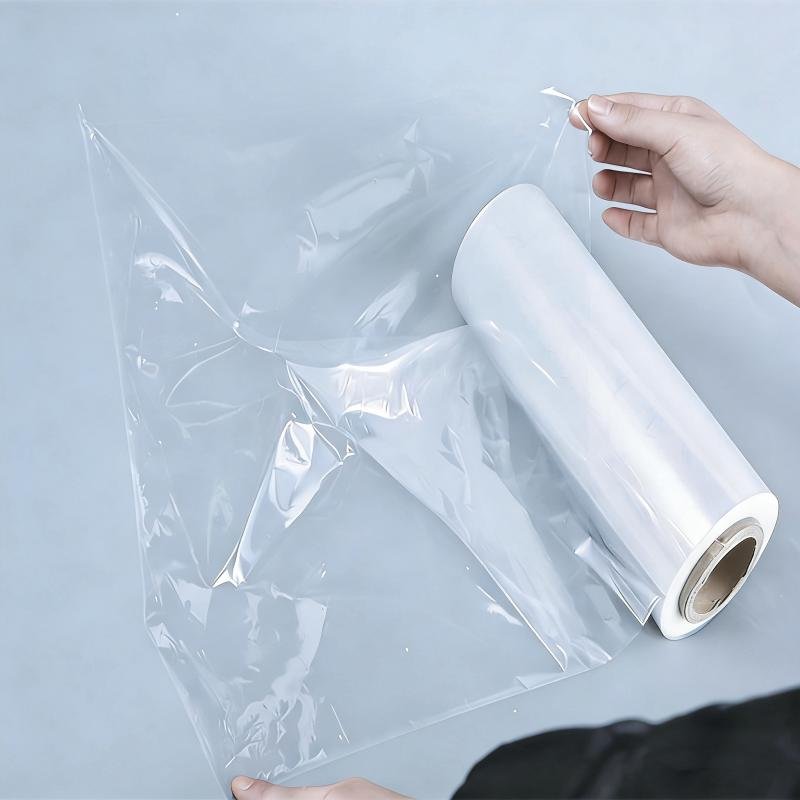
Lubricating processing aids are a third category used for specific surface requirements. These have a lower molecular weight and contain functional groups that reduce adhesion to metal. Using this type of acr processing aid prevents the PVC from sticking to the hot metal surfaces of the extruder. This is particularly useful for producing high-quality PVC films and sheets.
How to Determine the Best ACR Processing Aid for Your Project
Choosing the right additive requires a deep understanding of your processing equipment and resin type. The K-value of your PVC resin is a primary factor in this decision. For instance, low K-value resins used in injection molding require a more efficient acr processing aid. This compensates for the lower inherent melt strength of the short-chain polymer.
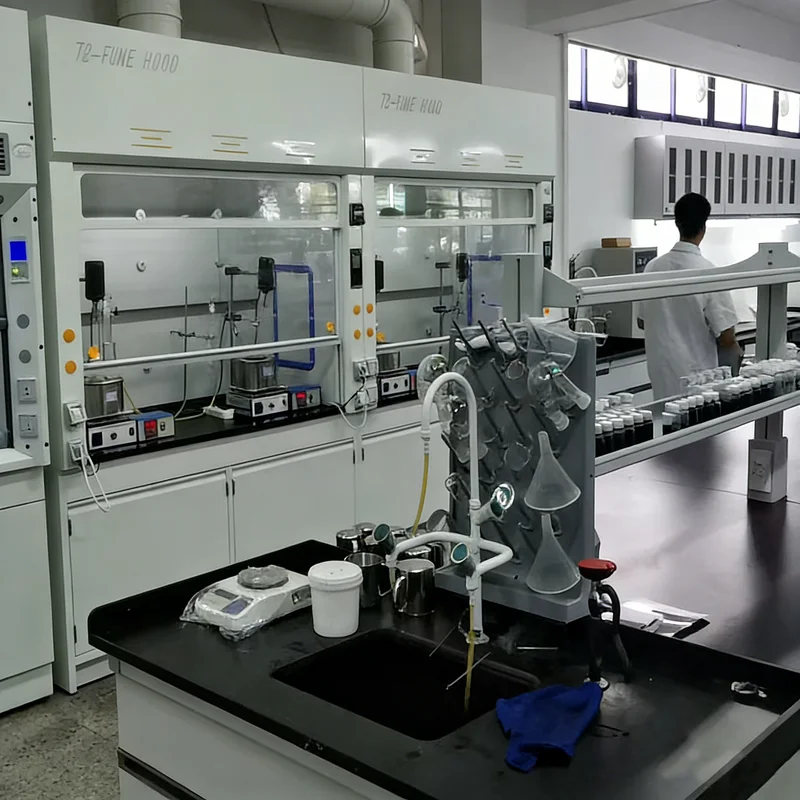
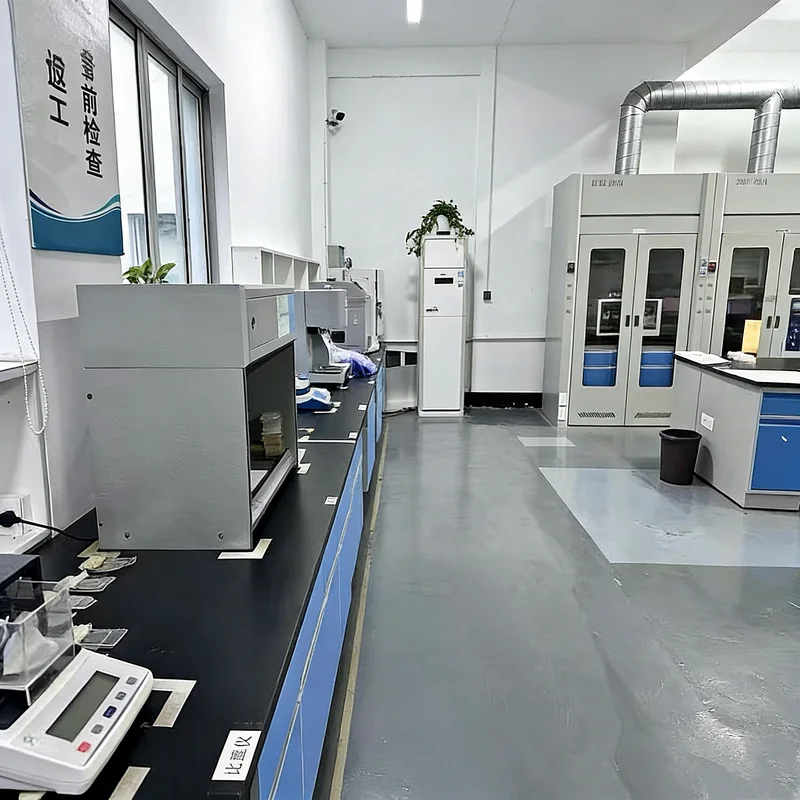
Testing the fusion torque in a laboratory setting is a reliable way to judge performance. A high-quality acr processing aid should show a clear “fusion peak” on the torque curve. This indicates that the material has transitioned from a dry powder to a cohesive melt. Consistency in this transition is key to avoiding production rejects.
Another factor is the desired surface finish of the final product. If the goal is a high-gloss finish, a grade with excellent dispersion properties is necessary. Poorly dispersed particles can cause “fisheyes” or small bumps on the surface of thin films. Partnering with a supplier that provides detailed technical data sheets is the best way to ensure compatibility. You can find specialized grades for various needs by visiting the PVC processing aid category.
Summary
The use of acr processing aid is indispensable for modern PVC manufacturing. It solves the inherent processing challenges of the resin by improving fusion speed, melt strength, and surface quality. By selecting the appropriate grade based on molecular weight and viscosity, producers can achieve high efficiency and superior product durability.
FAQ
What is the typical dosage for acr processing aid in rigid PVC?
The typical dosage ranges from 1.0 to 3.0 parts per hundred resin (phr). For foam products, this can increase to 6.0–12.0 phr.
Can acr processing aid replace lubricants?
No, it cannot replace lubricants entirely. While some grades have lubricating properties, they are primarily used to promote fusion, whereas lubricants manage metal release.
Does using acr processing aid affect the transparency of PVC?
Specific grades are designed for transparent applications. High-clarity acr processing aid will not negatively impact the light transmission of clear PVC sheets or bottles.
How does molecular weight influence the performance of the aid?
Higher molecular weight increases melt strength and elasticity. Lower molecular weight focus more on improving the flow and fusion speed of the compound.
Reference Sources
American Chemistry Council – Polyvinyl Chloride (PVC) Properties
https://www.americanchemistry.com
European Plastics Converters (EuPC) – Additives in PVC Processing
https://www.plasticsconverters.eu
Society of Plastics Engineers (SPE) – Vinyl Plastics Division
https://www.4spe.org