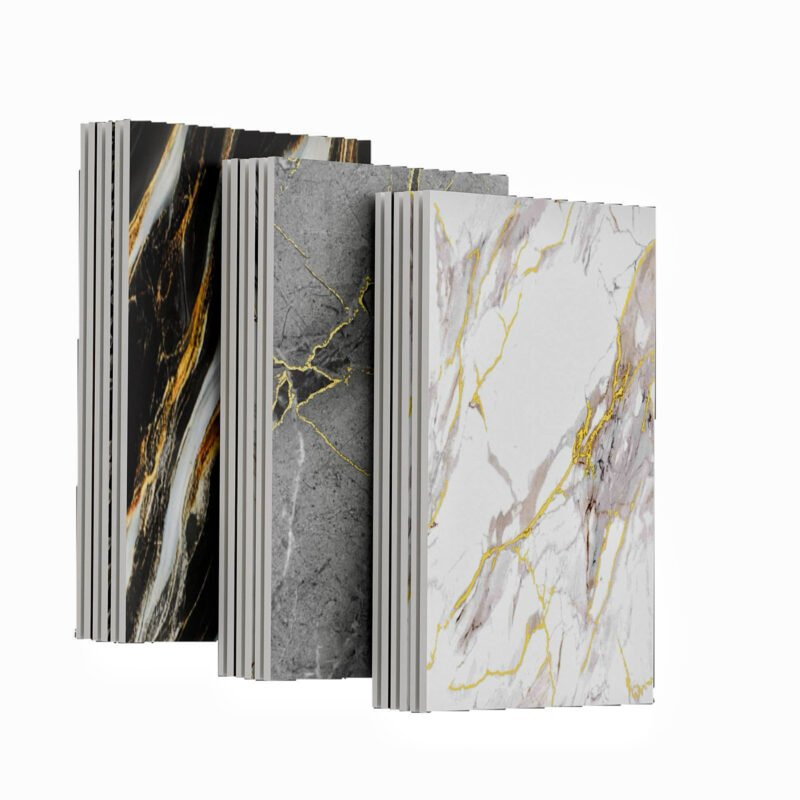

Improving the quality of pvc foam board is essential for manufacturers seeking durability and aesthetic appeal. This material is widely used in construction, signage, and furniture due to its lightweight nature. High-quality boards must exhibit a uniform cell structure and a smooth surface finish.
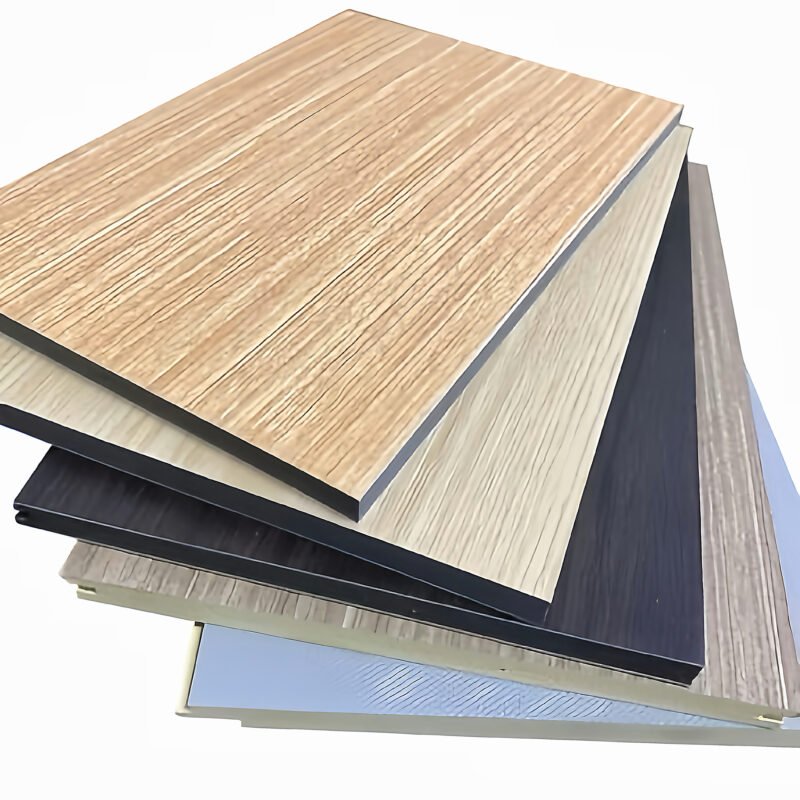
To achieve these results, you must balance the chemical formulation with precise processing parameters. Even minor errors in temperature or additive ratios can lead to structural defects. This guide explores the scientific methods to enhance the physical properties of your pvc foam board.
The Role of Chemical Additives in PVC Foam Board Quality
The most effective way to improve pvc foam board is through the strategic use of chemical additives. Processing aids, specifically high-molecular-weight ACR, are vital for increasing melt strength. Melt strength is essential to prevent the collapse of gas bubbles during expansion.
Without sufficient melt strength, the cells within the board will merge and create large voids. This leads to a brittle product with poor mechanical strength. Adding ACR processing aids improves the homogeneity of the PVC melt.
Foaming regulators also dictate the density and surface hardness of the pvc foam board. These regulators control the decomposition rate of the foaming agent to match the melting point of the resin. Proper synchronization between gas release and melt viscosity ensures a fine cellular structure.
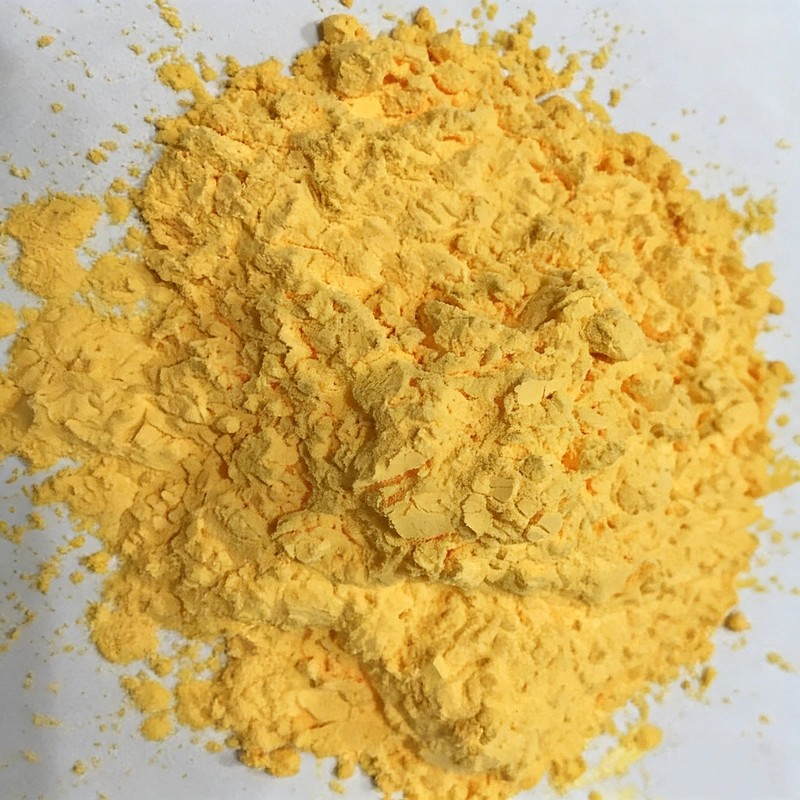
| Additive Type | Primary Function | Impact on Quality |
| ACR Processing Aid | Increases melt strength | Prevents cell rupture and large voids |
| Foaming Agent (AC) | Releases nitrogen gas | Determines board density and expansion |
| Internal Lubricant | Reduces molecular friction | Improves flow and prevents overheating |
| External Lubricant | Prevents sticking to metal | Enhances surface smoothness and gloss |
| Impact Modifier | Absorbs energy | Increases toughness and crack resistance |
Optimizing Processing Temperatures for Better Cell Structure
Temperature control is perhaps the most critical factor in the production of pvc foam board. The extrusion process involves multiple heating zones that must be calibrated carefully. Incorrect temperatures often result in uneven density and yellowing of the board.
In the feeding zone, the temperature must stay low enough to prevent premature decomposition of the foaming agent. If the gas releases too early, it escapes through the hopper rather than forming cells. Maintaining a temperature gradient is necessary for stable production.
In the die zone, the temperature must be high enough to allow the melt to flow smoothly. However, excessive heat will degrade the PVC polymer chains. Precise thermal management ensures the pvc foam board achieves its target thickness and weight.
Enhancing Surface Hardness and Aesthetic Finish
A high-quality pvc foam board must have a hard, scratch-resistant surface. This is achieved by controlling the cooling rate and the lubricant balance in the formulation. External lubricants like PE wax provide a protective layer during the extrusion process.
If the lubricant levels are too high, the board may suffer from “plate-out” issues. This causes residue to build up on the die, leading to surface streaks. Optimal lubrication improves the visual quality and reduces post-production waste.
Furthermore, the cooling system at the calibration unit must be consistent. Rapid or uneven cooling can cause internal stresses, leading to warping or bending. Controlled cooling stabilizes the dimensions of the pvc foam board for easier cutting and fabrication.
Key Technical Indicators of High-Quality PVC Foam Board
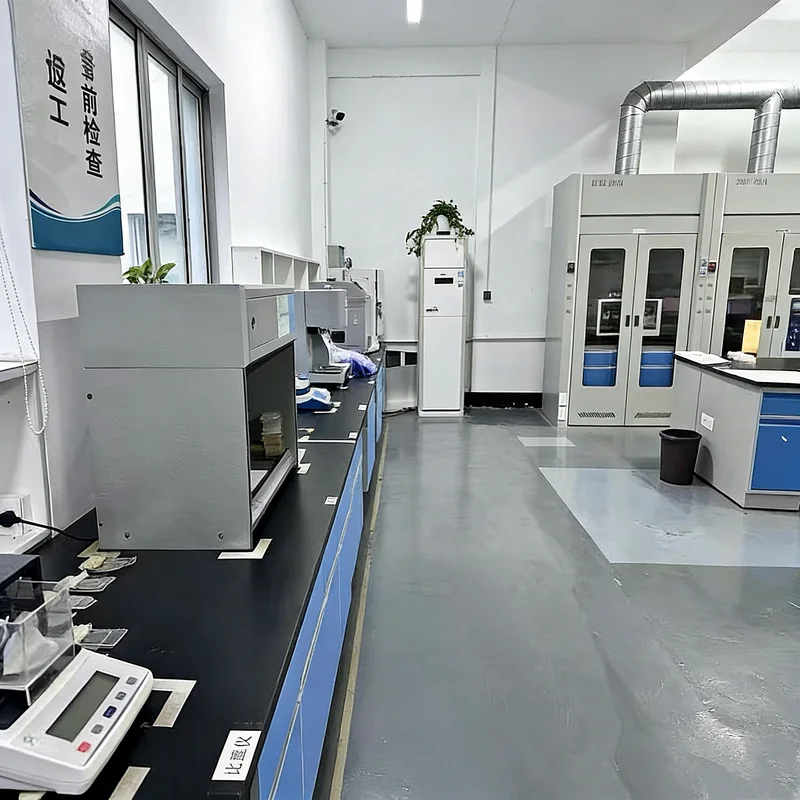
Manufacturers must monitor specific data points to verify the quality of their pvc foam board. Scientific testing ensures that the product meets international standards for construction and industrial use. Density is the primary indicator of material efficiency and cost-effectiveness.
The standard density for high-quality boards usually ranges between 0.45 g/cm³ and 0.60 g/cm³ for structural applications. If the density is too low, the screw-holding capacity of the board decreases significantly. Impact strength should ideally exceed 15 kJ/m² to prevent cracking during installation.
| Quality Metric | Target Range | Importance |
| Density | 0.40 – 0.70 g/cm³ | Affects weight, cost, and screw-holding |
| Shore Hardness | 45 – 70 D | Determines scratch resistance and durability |
| Tensile Strength | 12 – 20 MPa | Indicates the board’s structural integrity |
| Water Absorption | < 1.0% | Ensures longevity in humid environments |
How to Select the Right Additives for Your Production
Choosing the correct chemical components is the first step in solving production issues. You should evaluate additives based on their compatibility with your specific PVC resin grade. High-purity foaming agents provide more predictable expansion rates during high-speed extrusion.
Consider the melting point of your lubricants to ensure they activate at the right stage. Using a combination of internal and external lubricants creates a “synergistic effect.” This synergy reduces energy consumption while improving the surface gloss of the pvc foam board.
Reliable suppliers provide technical data sheets that outline the molecular weight and purity of their products. This transparency allows you to adjust your formulation with scientific precision. Testing small batches is the best way to verify if an additive improves your board quality.
For those looking to optimize their manufacturing process, selecting high-performance chemicals is a necessity. You can explore a professional range of specialized additives by visiting the MKQ Chemical Product Page. Evaluating these options helps you find the specific modifiers needed for your unique production environment.
Summary
Improving pvc foam board quality requires a combination of high-melt-strength additives and precise temperature management. By optimizing the ACR dosage and lubrication balance, manufacturers can achieve a fine cell structure and high surface hardness. These technical adjustments lead to a more durable, marketable, and cost-effective product.
FAQ
How does ACR improve pvc foam board quality?
ACR increases the melt strength of the PVC, which prevents gas bubbles from merging into large voids. This results in a much finer and more uniform internal cell structure.
What causes yellowing in a pvc foam board?
Yellowing is typically caused by thermal degradation due to excessive heat or insufficient heat stabilizers. Lowering the processing temperature or increasing the stabilizer dosage can solve this.
Why is my pvc foam board too heavy?
A board that is too heavy usually indicates insufficient foaming or a gas escape issue. Check the decomposition temperature of your foaming agent and ensure the melt strength is high enough to trap the gas.
Does lubrication affect the strength of the board?
Yes, excessive lubrication can interfere with the fusion of the PVC particles, leading to poor mechanical strength. It is vital to balance lubricants to maintain both flow and structural integrity.
How can I increase the surface hardness of the board?
Surface hardness can be increased by using a dedicated foaming regulator and ensuring the cooling water in the calibrator is at the correct temperature.
Reference Sources
British Plastics Federation: PVC Applications and Properties – https://www.bpf.co.uk/
Plastics Technology Magazine: Optimizing PVC Extrusion – https://www.ptonline.com/
Journal of Cellular Plastics: Research on Polymer Foaming – https://journals.sagepub.com/home/cel