
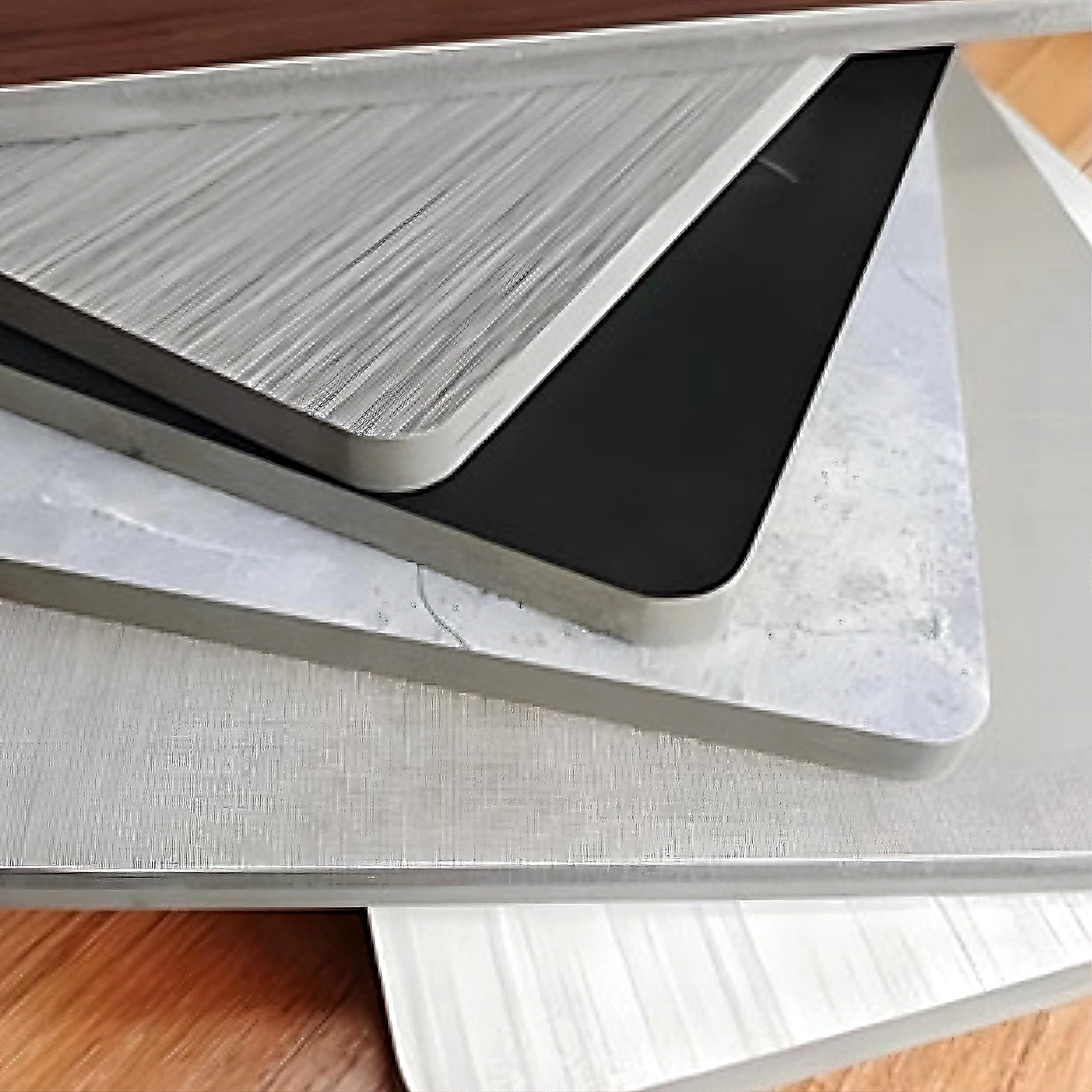
PVC foam boards are essential materials in modern construction and advertising. These lightweight yet rigid sheets offer excellent resistance to moisture and chemicals. Understanding the pvc foam board manufacturing process helps manufacturers optimize quality and reduce waste. A professional pvc foam board production line integrates several mechanical and chemical stages. This guide explores the technical details of how these boards are created.
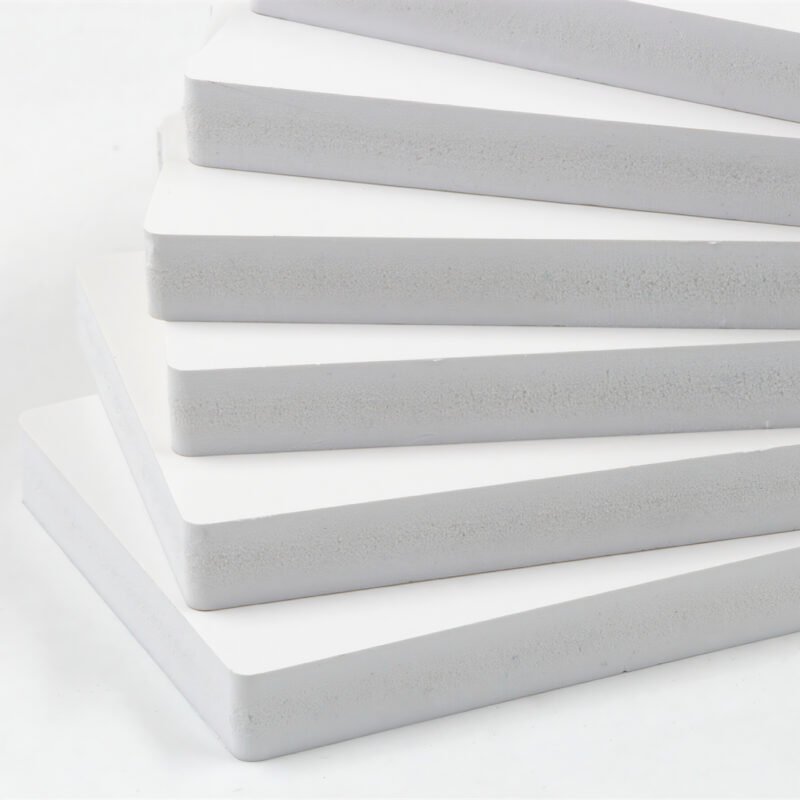
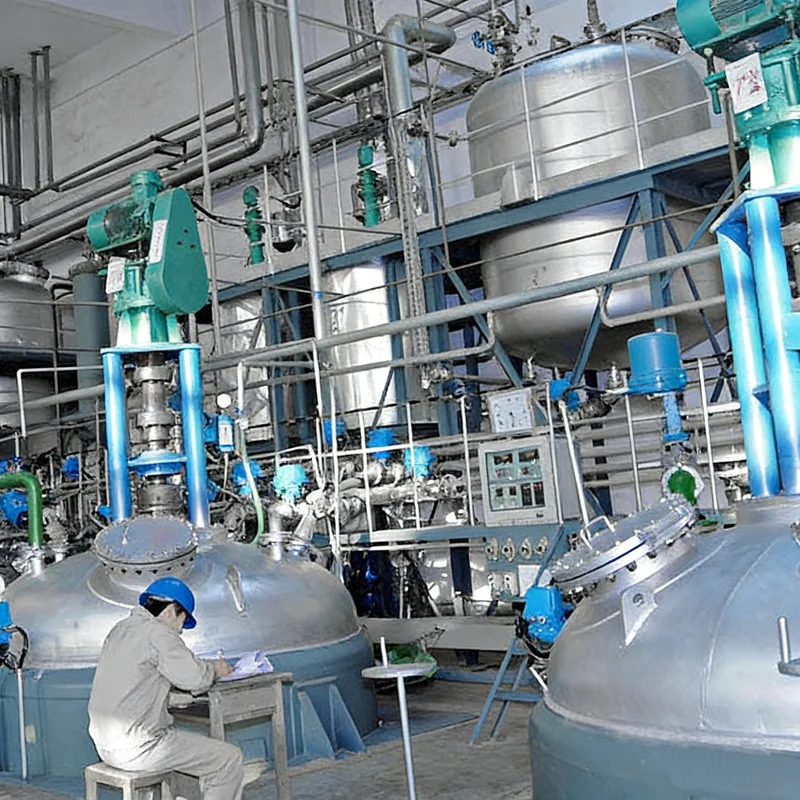
The core of the operation is the pvc foam board production line. This automated system transforms raw polymer resin into flat, usable sheets. Each stage requires precise temperature and pressure controls. Without these controls, the final product may suffer from uneven thickness or structural weaknesses. Consistency remains the primary goal for high-volume manufacturing facilities.
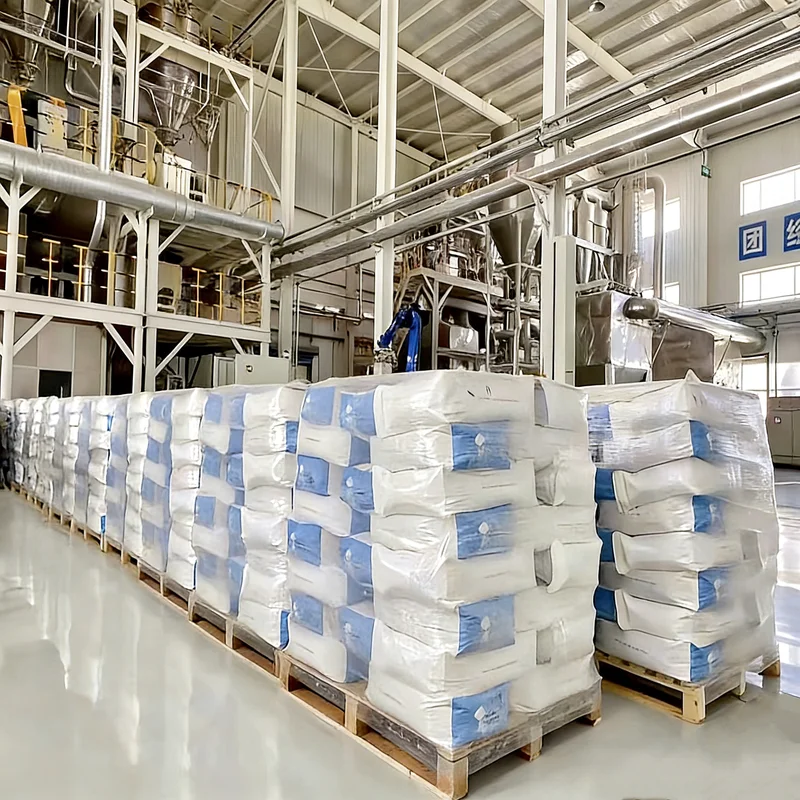
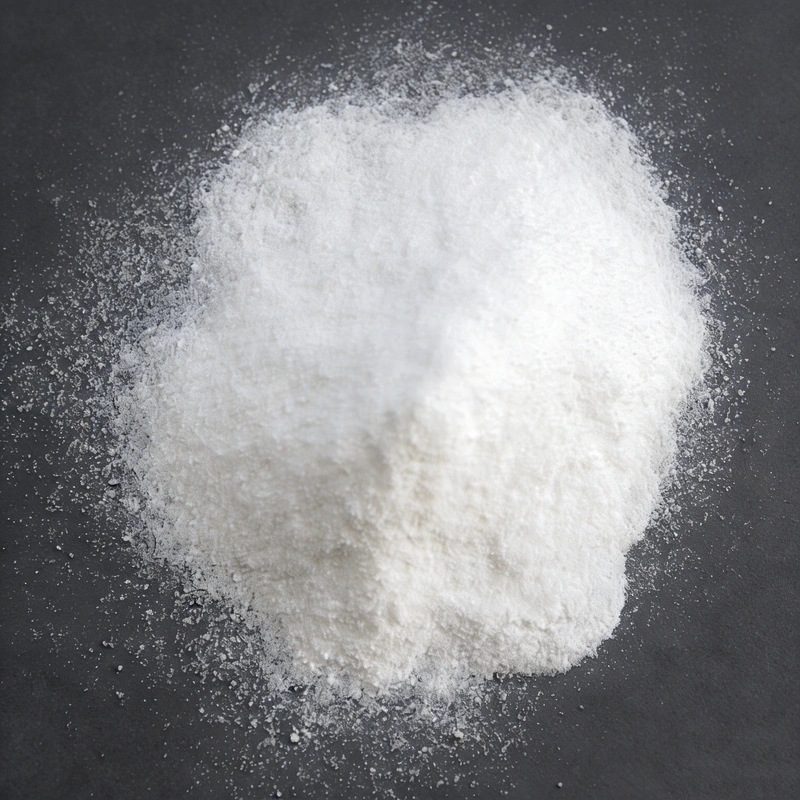
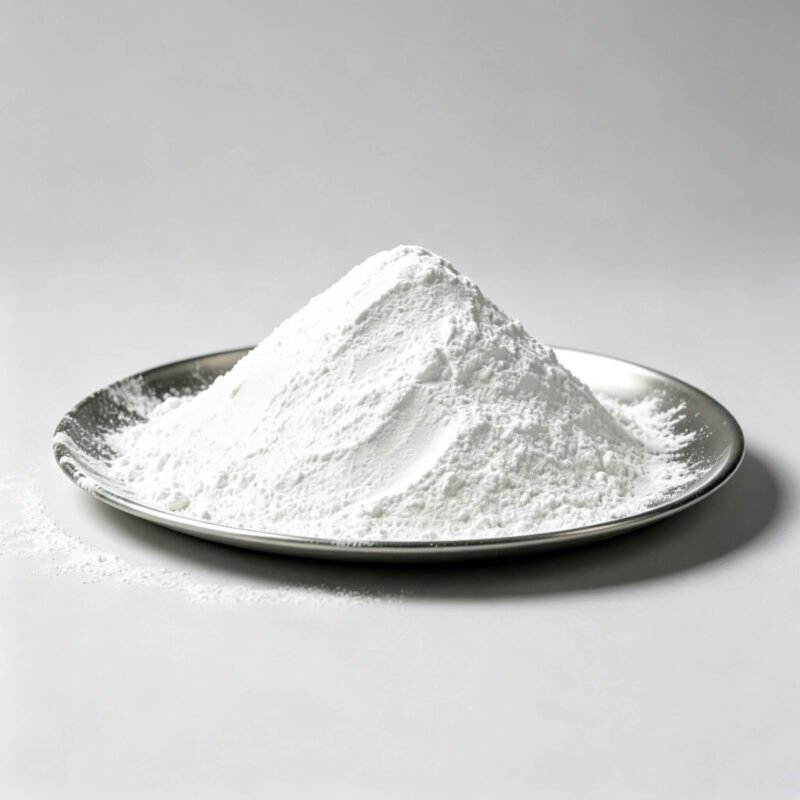
To begin the process, manufacturers must prepare a specific blend of raw materials. The primary ingredient is PVC resin, which provides the structural foundation. Additives like stabilizers, lubricants, and foaming agents are then added to the mix. These chemicals determine the density, color, and fire resistance of the board.
| Raw Material Component | Typical Percentage (%) | Primary Function |
| PVC Resin (K-value 57-65) | 70% – 85% | Base polymer for structural integrity |
| Calcium Carbonate (CaCO3) | 5% – 15% | Filler to reduce cost and increase rigidity |
| Chemical Foaming Agent | 0.5% – 2.5% | Creates the cellular internal structure |
| Stabilizers (Lead or Ca-Zn) | 2% – 4% | Prevents thermal degradation during heating |
| Internal/External Lubricants | 1% – 2% | Improves flow and prevents sticking to molds |
How Does a PVC Foam Board Production Line Work?
The pvc foam board manufacturing process starts with the preparation of the dry blend. A high-speed mixer combines the PVC resin with various chemical additives. The mixing process generates heat through friction, reaching temperatures around 120°C. This ensures that the stabilizers and lubricants coat the resin particles evenly. Once mixed, the material is cooled to roughly 40°C before entering the extruder.
The pvc foam board production line utilizes a conical twin-screw extruder for the melting phase. As the material moves through the heated barrels, the screws compress and shear the blend. The internal temperature must be carefully managed between 160°C and 190°C. At this stage, the chemical foaming agent begins to decompose. This decomposition releases gases, typically nitrogen or carbon dioxide, within the molten plastic.
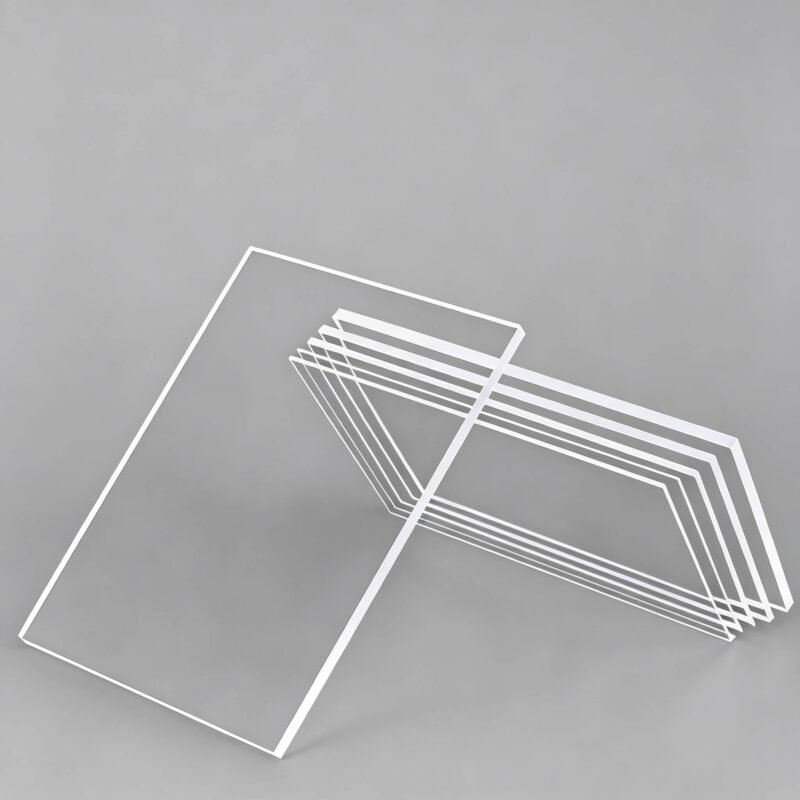
The molten PVC then passes through a T-die, which shapes it into a flat sheet. As the material exits the die, it undergoes controlled expansion. This is the “foaming” part of the pvc foam board manufacturing process. A vacuum calibration unit immediately grips the sheet. This unit uses cold water and vacuum pressure to fix the board’s dimensions and surface smoothness.
Key Technical Factors for High-Quality Production
Density control is the most critical metric in a pvc foam board production line. Standard foam boards usually have a density between 0.40 g/cm³ and 0.80 g/cm³. Achieving a lower density requires a higher volume of foaming gas. However, if the gas cells grow too large, the board becomes brittle. Precise chemical dosing is the only way to maintain cell uniformity.
Temperature stability across the T-die is another vital factor. A variation of even 5°C can cause the board to warp. Modern production lines use multi-zone heating systems to prevent this issue. Furthermore, the cooling rate in the calibration unit must match the extrusion speed. If the board cools too slowly, the internal cells may collapse under their own heat.
Surface hardness is often determined by the cooling process. Rapid cooling of the outer layers creates a “skin” effect. This skin makes the board resistant to scratches and impact. The skin thickness typically ranges from 0.1mm to 0.5mm depending on the application. Manufacturers must balance this skin thickness with the overall weight of the board.
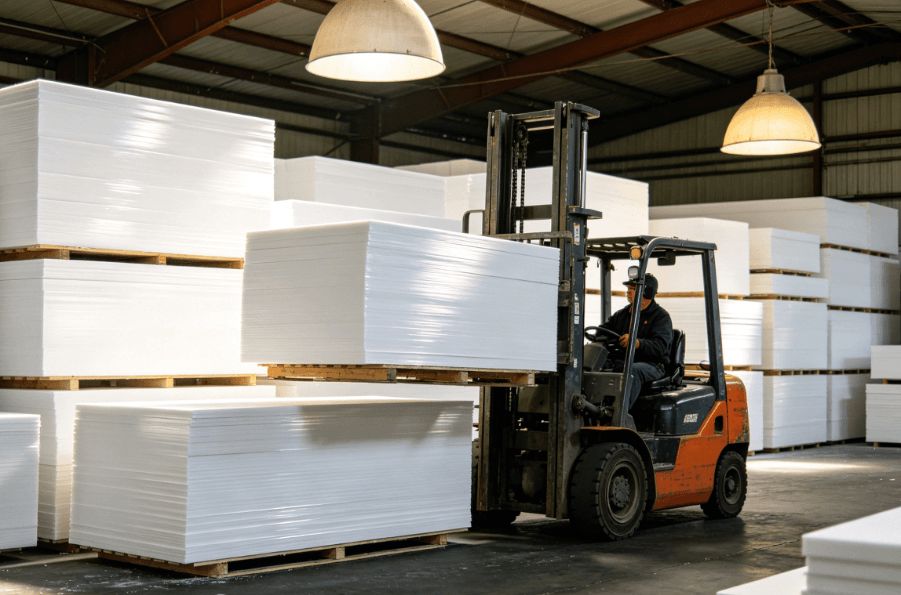
Optimizing the Process with Chemical Selection
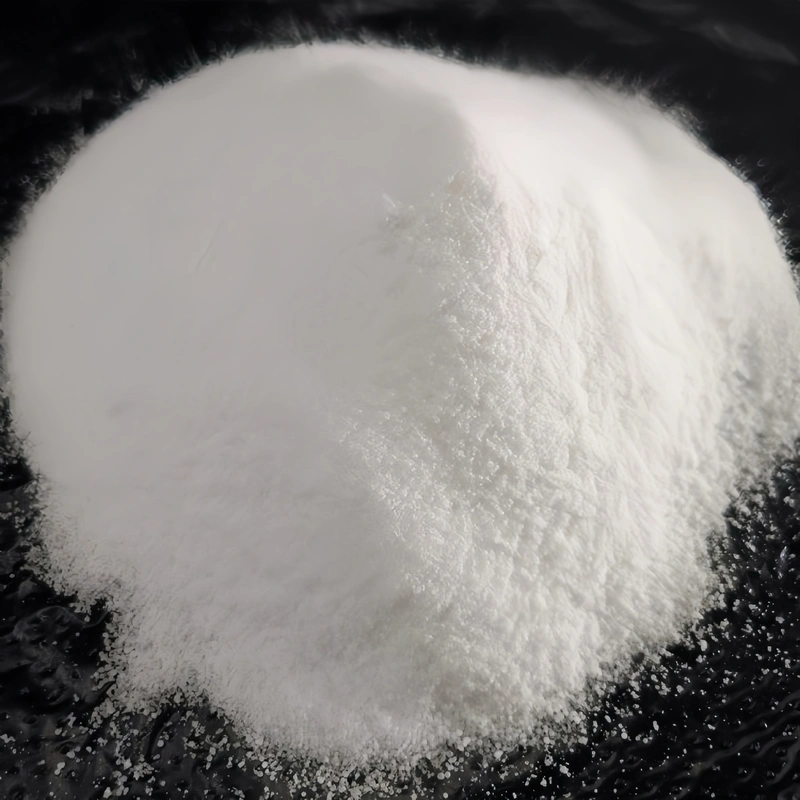
Choosing the right additives is vital for a successful pvc foam board manufacturing process. The interaction between the PVC resin and the foaming agent determines the board’s final texture. If the agent decomposes too early, the gas escapes before the sheet is formed. If it decomposes too late, the board will not expand properly. Therefore, matching the decomposition temperature to the extruder’s heat profile is essential.
Understanding the balance between exothermic and endothermic agents is key for operators. Exothermic agents release significant heat, which can speed up production but might cause yellowing. Endothermic agents absorb heat, offering better control over the cell structure. Most modern pvc foam board production line operations use a blend of both. This hybrid approach ensures a fine cell structure and a bright white finish.
When evaluating your chemical needs, consider the stability of the blowing agent. A stable agent ensures that every batch of board meets the same density specifications. Consistency reduces the amount of scrap material produced during startups. High-quality additives directly impact the long-term profitability of the manufacturing facility. Reliable chemical suppliers provide the technical data needed to fine-tune these formulas.
Summary
The pvc foam board manufacturing process is a delicate balance of mechanical precision and chemical reactions. From initial mixing to final cutting, every step must be synchronized. By using a high-quality pvc foam board production line and the correct chemical agents, manufacturers produce durable sheets. These boards serve diverse industries, providing a sustainable alternative to traditional wood products.
FAQ
What is the standard thickness produced by a pvc foam board production line?
Most standard lines produce boards ranging from 1mm to 30mm in thickness. Specialized heavy-duty lines can reach up to 50mm for specific industrial applications.
Why does my PVC foam board have uneven surfaces?
Uneven surfaces usually result from inconsistent temperature control in the T-die or improper vacuum pressure. Adjusting the lubricant balance can also help the material flow more smoothly through the mold.
Can recycled PVC be used in the manufacturing process?
Yes, many manufacturers incorporate up to 20% recycled PVC into the middle layer of the board. However, this requires careful filtering to prevent impurities from damaging the pvc foam board production line components.
How does the foaming agent affect the board’s color?
Overheated foaming agents can cause the PVC to degrade slightly, leading to a yellowish tint. Using high-purity agents with the correct decomposition temperature prevents this discoloration.
Reference Sources
American Chemistry Council – PVC Properties and Manufacturing Applications.
https://www.americanchemistry.com/
National Environmental Balancing Bureau (NEBB) – Standards for Industrial Process Control.
https://www.nebb.org/
ASTM International – Standard Specification for Rigid PVC Sheets.
https://www.astm.org/