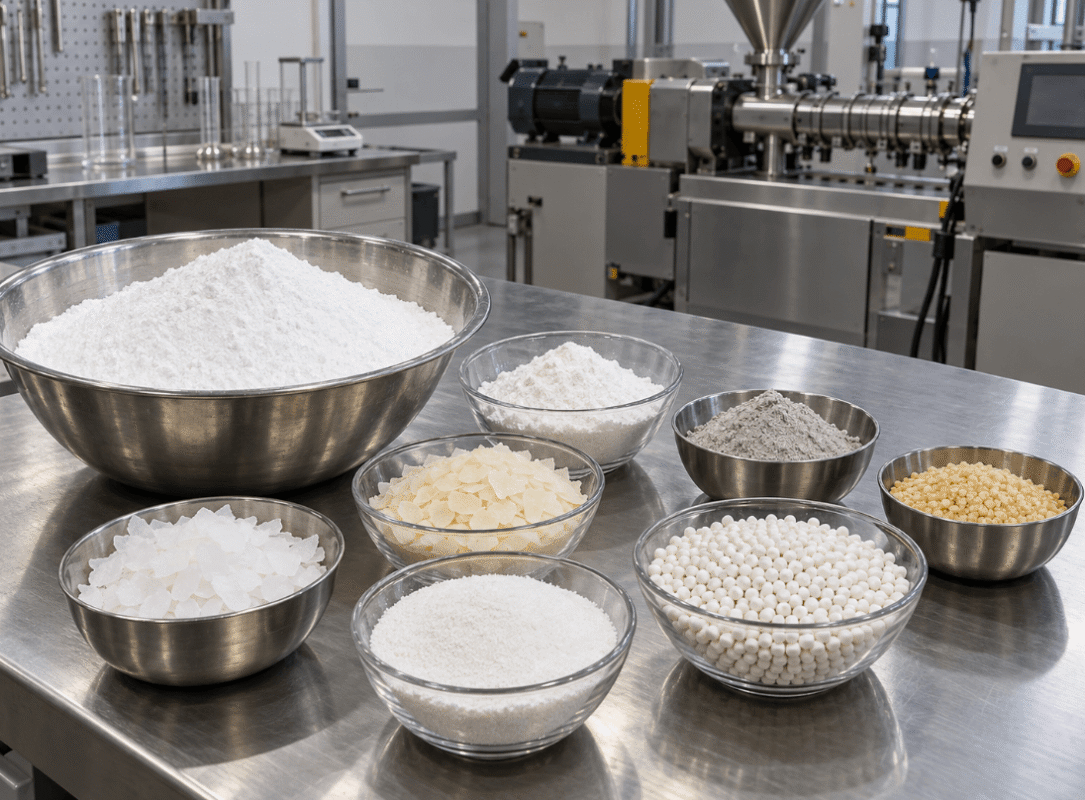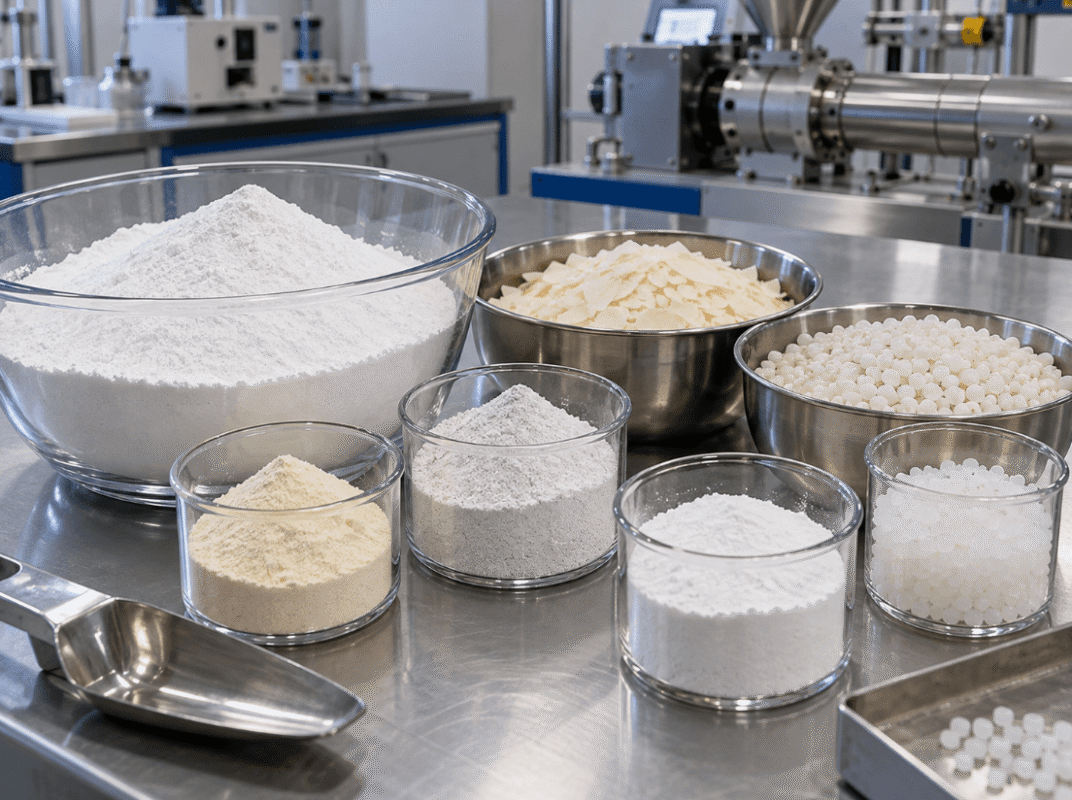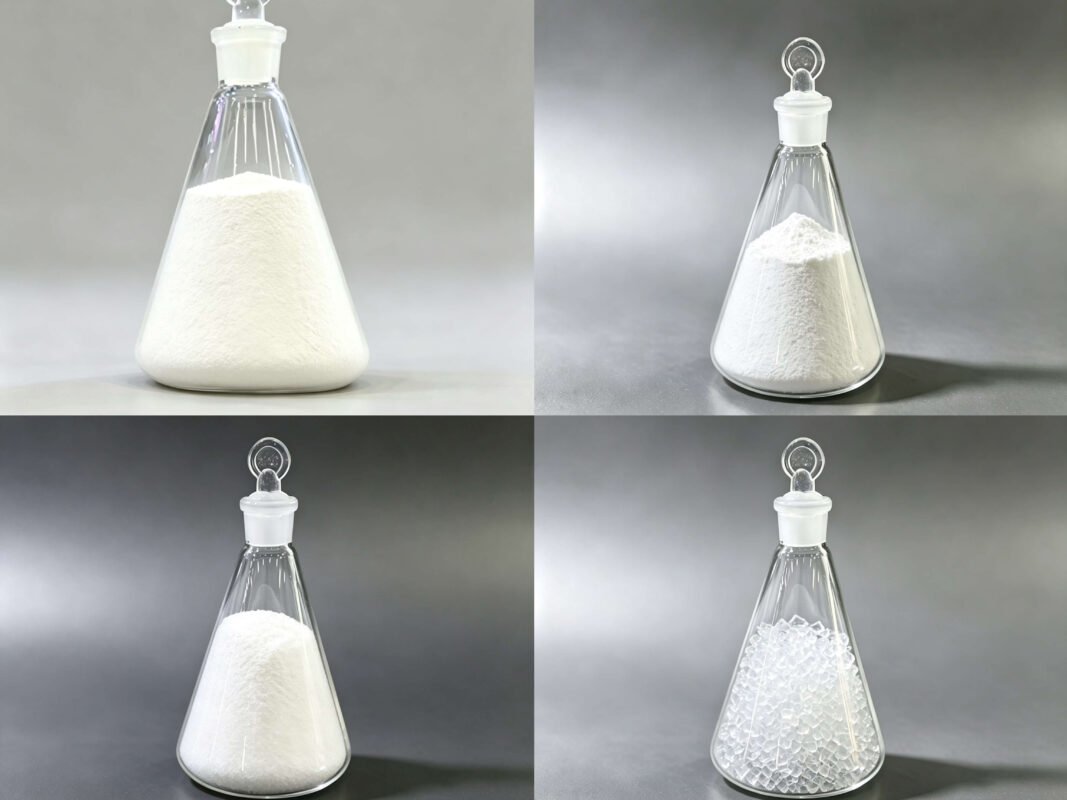

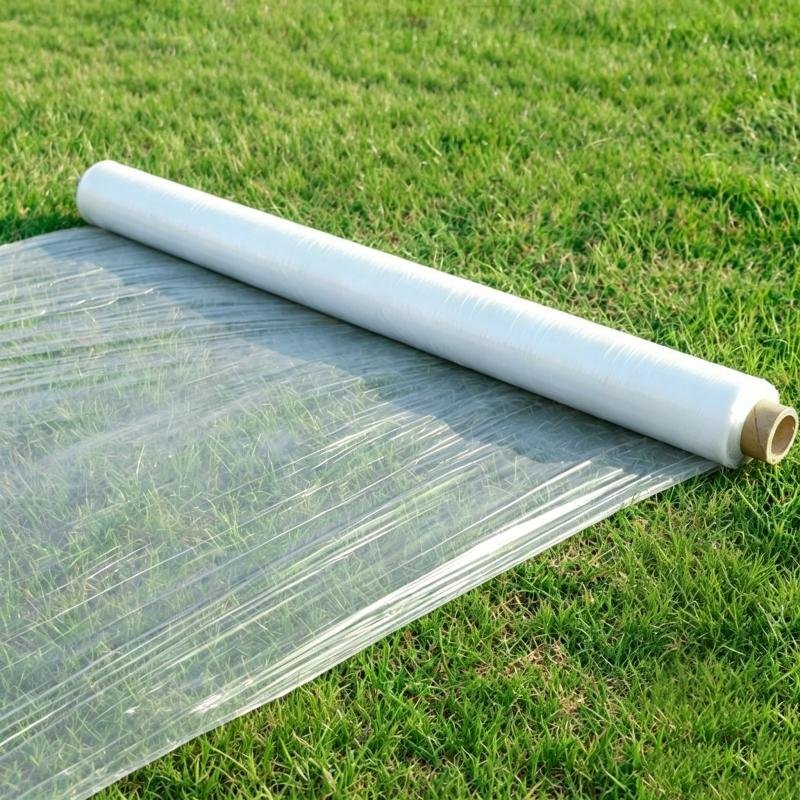
Understanding Environmental Stressors on PVC Performance
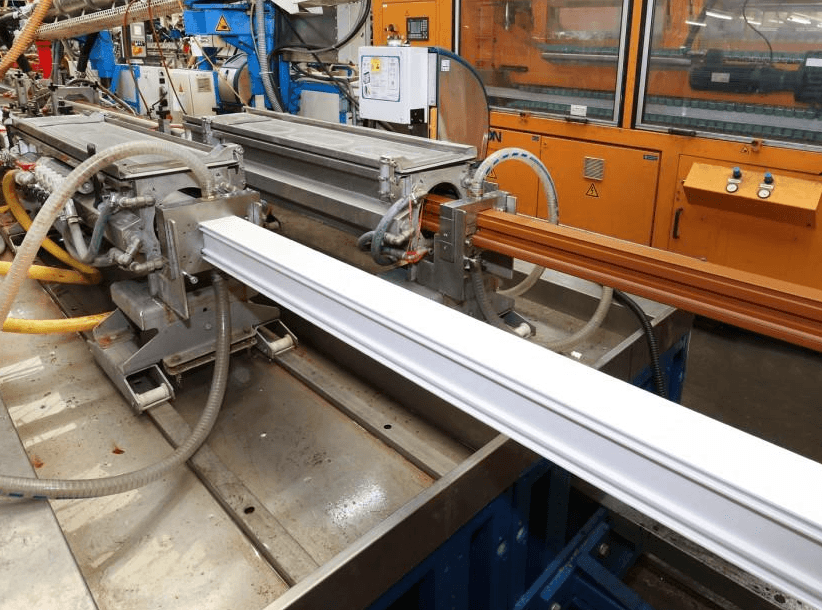
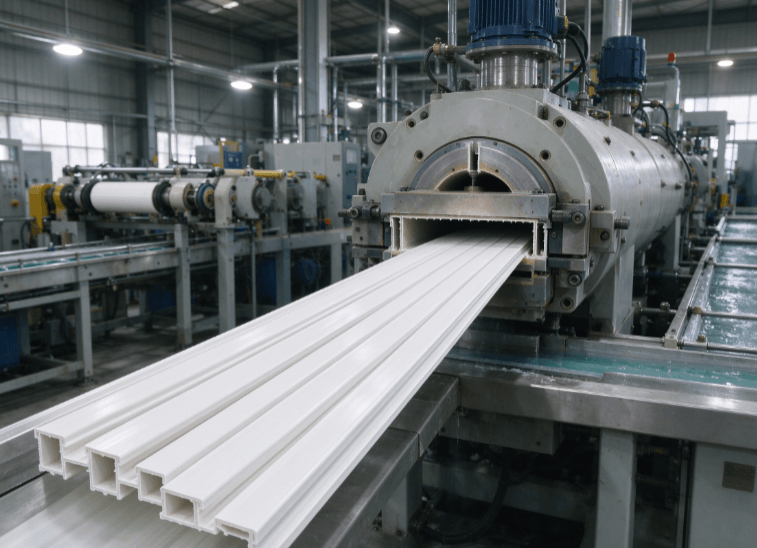
In the industrial manufacturing of window profiles, siding, and irrigation pipes, the longevity of the polymer is strictly dictated by its chemical formulation. Standard PVC is inherently sensitive to environmental exposure. Without the strategic use of pvc additives for outdoor applications, finished products will inevitably suffer from “chalking,” discoloration, and mechanical failure within 12 to 24 months.
For OEM project managers and B2B procurement consultants, selecting an additive package is a balancing act between initial raw material costs and the warranty-backed lifespan of the product. The engineering logic shifts significantly depending on whether the application is intended for high-heat tropical zones or sub-zero arctic environments.
The Physics of Outdoor Degradation
Outdoor PVC degradation is primarily driven by three factors: Ultraviolet (UV) radiation, thermal oxidative aging, and mechanical fatigue from thermal cycling.
- UV Radiation: Photons from the sun break the chemical bonds in the PVC chain, leading to the formation of polyene structures that cause yellowing.
- Heat Aging: Continuous exposure to high temperatures accelerates the “unzipping” of the polymer, releasing hydrochloric acid (HCl) and making the material brittle.
- Thermal Cycling: In temperate climates, the constant expansion and contraction of PVC can lead to micro-cracking if the impact modifier load is insufficient.
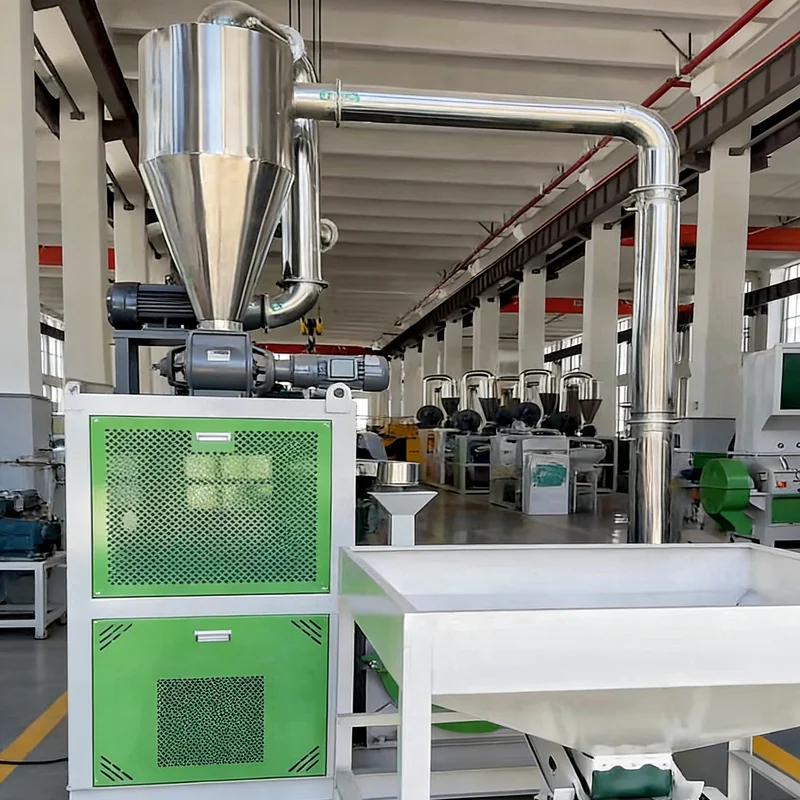
Technical Comparison: Additive Packages by Climate Zone
To ensure Topical Authority in your manufacturing workflow, the formulation must be tailored to the geographical market. A “one-size-fits-all” additive approach often leads to over-formulation in mild climates or catastrophic failure in extreme ones.
| Additive Type | Tropical / High-UV Focus | Arctic / Low-Temp Focus |
| Heat Stabilizer | High-dosage Ca-Zn (Thermal Stability) | Standard Ca-Zn or Methyl Tin |
| UV Absorbers | Benzotriazoles / HALS | Standard TiO2 |
| Impact Modifiers | Acrylic (Weatherable) | CPE (Low-temperature toughness) |
| Titanium Dioxide | High Loading (Rutile Grade) | Moderate Loading |
| Lubricants | Low-volatility Ester Waxes | Standard PE Waxes |
In high-volume production, the selection of rutile-grade Titanium Dioxide (TiO2) is critical. It acts as both a pigment and a primary UV screener. In tropical applications, rutile TiO2 reflects radiation, preventing the core of the PVC profile from reaching its glass transition temperature.
Managing Impact Resistance in Variable Climates
In cold-weather applications, rigid PVC becomes increasingly glass-like and prone to shattering. For construction materials in northern regions, Chlorinated Polyethylene (CPE) is the industry standard. It creates a network within the PVC matrix that absorbs energy during a physical strike.
However, for premium outdoor applications where color retention is the primary KPI, Acrylic Impact Modifiers (AIM) are often preferred. Unlike CPE, AIM does not possess double bonds that can oxidize under UV exposure, making it the superior choice for high-end window frames. For procurement teams evaluating these options, MKQ Chem’s range of performance additives offers specific grades of ACR and modifiers designed to stabilize these complex mechanical requirements.
Manufacturing Efficiency and Processing Logic
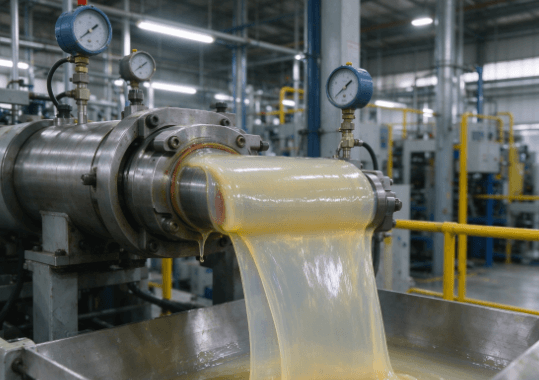
From an engineer’s perspective, outdoor additives must not interfere with the gelation process. High loads of TiO2 and impact modifiers can increase melt viscosity, leading to higher extruder torque and potential scorching.
To mitigate this, manufacturing consultants recommend:
- Balanced Lubrication: Using a combination of internal and external lubricants to manage shear heat.
- ACR Processing Aids: Utilizing high-molecular-weight ACR to improve melt strength, ensuring that the finish of the outdoor profile is smooth and free of surface defects.
- Thermal Stability Time: Ensuring the “dynamic stability time” of the Ca-Zn package exceeds the residence time in the barrel by at least 25% to account for emergency line stoppages.
In large-volume production, even a minor deviation in the pvc additives for outdoor applications can result in massive scrap rates. Real-world manufacturing logic dictates that trial samples must undergo accelerated weathering testing (ASTM G154) to validate the formulation before full-scale deployment.
PVC Additive Selection Based on Climate Conditions
| Climate | Main Challenge | Recommended Additives |
|---|---|---|
| Hot & Sunny Climate | UV degradation, discoloration | UV stabilizer, TiO₂, Ca-Zn stabilizer |
| Cold Climate | Brittleness, impact failure | Impact modifier, CPE, acrylic modifier |
| Humid Climate | Moisture and aging | Weather-resistant stabilizer |
| Coastal Climate | Salt and corrosion | Enhanced weather-resistant additives |
Compliance and Environmental Standards
Modern B2B procurement is increasingly driven by regulatory frameworks like REACH and RoHS. Traditional lead-based stabilizers are being phased out globally in favor of non-toxic Calcium-Zinc (Ca-Zn) systems. While Ca-Zn systems are more complex to formulate, they provide excellent initial coloring and weatherability, making them the preferred choice for sustainable brands.
When evaluating a supplier, verify their ISO 9001 certifications and request a Certificate of Analysis (COA) for every batch. Consistency in the particle size of pigments and the purity of stabilizers is what ensures that the tenth container of PVC profiles performs identically to the first.
Why Choose MKQ PVC Additives?
MKQ Chemical provides professional PVC additive solutions designed for manufacturers requiring stable performance, consistent quality, and customized formulations for different application environments.
Professional PVC Additive Manufacturer
With extensive experience in PVC additive development and production, MKQ Chemical provides reliable solutions for various PVC applications, including pipes, profiles, cables, and outdoor products.
Customized Formulation Solutions
Different climates and applications require different additive combinations. MKQ offers customized formulation support based on product requirements, processing conditions, and performance targets.
Stable Production Capacity
MKQ focuses on consistent product quality and reliable supply capability, helping customers maintain stable production processes and meet market demands.
Technical Support
Beyond supplying additives, MKQ provides technical assistance to help customers optimize formulations, improve processing performance, and achieve better product durability.
Multiple PVC Application Experience
MKQ PVC additives are developed for a wide range of applications, including outdoor PVC products that require improved weather resistance, UV protection, and long-term performance.
Looking for reliable PVC additives for outdoor applications? Contact MKQ Chemical for customized PVC formulation solutions.
FAQ
Why does outdoor PVC turn yellow over time?
Yellowing is caused by the formation of polyenes in the PVC chain due to UV exposure and heat. This is prevented by using high-quality heat stabilizers and UV absorbers that neutralize free radicals and screen radiation.
What is the role of Titanium Dioxide in outdoor PVC?
TiO2 acts as a powerful white pigment and a UV shield. Rutile-grade TiO2 is preferred for outdoor use because it has a high refractive index and provides superior protection against chalking compared to anatase grades.
Can I use the same additives for indoor and outdoor PVC?
Generally, no. Indoor PVC formulations lack the high-dosage UV stabilizers and weatherable impact modifiers required to survive environmental exposure. Using an indoor grade outdoors will lead to rapid brittleness and failure.
How does climate affect the dosage of impact modifiers?
In colder climates, the dosage of impact modifiers (like CPE) must be increased to maintain the material’s toughness at sub-zero temperatures. In tropical climates, the focus shifts toward UV stabilizers and heat stability.
Is Calcium-Zinc (Ca-Zn) stabilizer as effective as lead for outdoor use?
Yes. Modern Ca-Zn one-pack stabilizers are engineered to match or exceed the performance of lead. They offer excellent weatherability and are the standard for eco-friendly and compliant manufacturing.
What additives are needed for outdoor PVC products?
Outdoor PVC products usually require heat stabilizers, UV stabilizers, impact modifiers, and processing aids.
Which PVC additives are best for hot climates?
Hot climates usually require strong UV protection and heat stabilization systems, such as calcium zinc stabilizers and UV-resistant additives.
How can PVC products improve weather resistance?
Using proper stabilizers, UV protection additives, and impact modifiers can improve outdoor durability.
Reference Sources
- ASTM D4216: Standard Specification for Rigid Poly(Vinyl Chloride) (PVC) and Related PVC Compounds.
- ISO 4892-2: Plastics — Methods of exposure to laboratory light sources. ISO.org
- Vinyl Institute: Technical reports on the weathering of vinyl building products.
- Journal of Vinyl and Additive Technology: Peer-reviewed research on polymer stabilization.
- ECHA (European Chemicals Agency): Guidelines on REACH compliance for plastic additives. echa.europa.eu
Summary:
Select pvc additives for outdoor applications based on regional UV and temperature profiles. High-purity TiO2 and weatherable impact modifiers are essential for preventing chalking and ensuring B2B manufacturing ROI.