
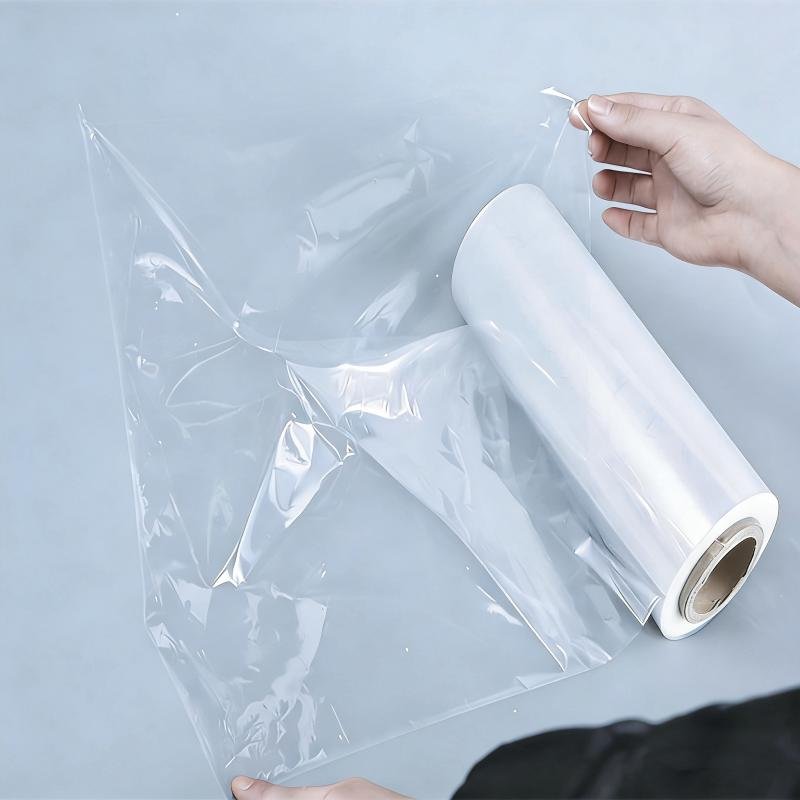
The Strategic Importance of Additive Procurement in PVC Manufacturing
For modern PVC manufacturers, procurement is no longer a simple exercise in purchasing raw materials at the lowest price per kilogram. It is a technical negotiation that determines the Overall Equipment Effectiveness (OEE) of the entire production line. Polyvinyl Chloride (PVC) is a unique polymer; it is thermally unstable and possesses high melt viscosity. The chemical matrix of additives—stabilizers, lubricants, and processing aids—is what transforms raw resin into a functional, marketable product.
A robust pvc additives procurement guide focuses on the “Total Cost of Ownership” (TCO). In high-volume production, a low-cost stabilizer that causes frequent “plate-out” or scorching actually increases the cost per unit through excessive downtime and scrap rates. Strategic procurement requires an understanding of rheology, thermal stability times, and the synergy between diverse chemical agents.
The PVC Additives Matrix: Technical Selection Criteria
When auditing a formulation, procurement managers must evaluate four primary additive categories. Each serves a distinct mechanical or thermal function.
| Additive Category | Primary Industrial Function | Technical Benchmark | Impact on ROI |
| Heat Stabilizers | Prevents “unzipping” degradation | Congo Red Stability Time | Reduces scrap and yellowing. |
| Lubricants (Int/Ext) | Manages torque and metal release | Fusion Torque (Nm) | Lowers energy use; prevents sticking. |
| Processing Aids | Enhances melt strength/elasticity | Gelation Rate | Improves surface finish and speed. |
| Impact Modifiers | Increases structural toughness | Izod Impact Strength | Prevents brittle failure in field use. |
In large-volume production, selecting a “One-Pack” system is often the most commercially realistic choice. These pre-blended systems reduce weighing errors in the mixing room and ensure a more homogenous melt, which is critical for maintaining wall thickness consistency in pipes and profiles.
Step-by-Step Procurement Workflow for OEM Projects
A successful procurement cycle follows a structured technical validation process. This minimizes the risk of introducing incompatible chemistries into your extrusion lines.
Phase 1: Defining the Application Environment
Procurement begins with the end-use environment. Outdoor building materials require high loads of Titanium Dioxide (TiO2) and UV absorbers to prevent chalking. Conversely, medical-grade PVC requires non-phthalate plasticizers and non-toxic Calcium-Zinc (Ca-Zn) stabilizers that meet REACH and RoHS compliance.
Phase 2: Technical Data Sheet (TDS) Audit
Before requesting samples, interrogate the supplier’s TDS. Focus on the “Dynamic Heat Stability” and “Lubrication Balance.” If the internal-to-external lubricant ratio is not aligned with your screw geometry, the material will suffer from “surging,” leading to inconsistent throughput.
Phase 3: The Sampling and Trial Protocol
Sampling delays often occurs when manufacturers fail to provide the supplier with their specific filler (CaCO3) loading and resin K-value. For high-performance results, identifying a supplier with a specialized performance chemical range allows you to match the additive package to your specific machinery speeds and cooling capacities.
Supplier Vetting: Beyond the Chemical Formulation
Trustworthiness in the chemical sector is built on verifiable quality management systems. When evaluating a new pvc additives procurement guide partner, B2B buyers should focus on three operational pillars.
1. Consistency of Raw Materials
In large-scale manufacturing, “batch-to-batch” consistency is paramount. Ask the supplier for their particle size distribution data and purity levels for metallic soaps. A slight deviation in the moisture content of an additive can cause bubbles (pitting) on the surface of the extrudate.
2. R&D and Customization Capability
Standard “off-the-shelf” additives rarely provide the competitive edge required for thin-wall or high-speed extrusion. A Tier-1 supplier acts as a manufacturing consultant, capable of adjusting the gelation time of a processing aid to prevent the “melt fracture” common in high-output lines.
3. Global Compliance and ESG
Sustainability is a structural requirement. Procurement teams must ensure their stabilizer packages are transitioning from lead to Calcium-Zinc or organic-based systems to maintain access to European and North American markets. Verify that the supplier provides a Certificate of Analysis (COA) for every shipment.
Total Cost Analysis: Cost-per-Kg vs. Cost-per-Unit
The most common mistake in PVC procurement is prioritizing the unit price of the additive. Real-world manufacturing logic dictates that performance additives are an investment in efficiency.
- Torque Reduction: A high-quality internal lubricant can reduce motor torque by 5–10%, leading to significant annual electrical energy savings.
- Filler Loading Efficiency: Advanced processing aids allow for higher
CaCO3CaCO3loading while maintaining surface gloss, which lowers the overall cost of the dry blend. - Scrap Reduction: Stabilizers with a longer “Static Stability Time” protect the melt during unscheduled line stoppages, preventing the need to purge and waste material.
For facilities exploring specialized PVC product solutions, it is recommended to conduct a “Fusion Test” using a torque rheometer before finalizing a bulk purchase. This data provides the definitive evidence needed to justify the ROI of a higher-purity additive package.
FAQ (Procurement Focus)
Why is the “K-Value” of resin important for additive selection?
The K-value indicates the molecular weight of the PVC resin. High K-value resins (K67-K70) have higher viscosity and require more intensive lubrication and processing aids compared to low K-value resins (K57-K58) used in injection molding.
How do I avoid “Plate-out” during long production runs?
Plate-out is often caused by an over-saturation of external lubricants or incompatible additives migrating to the die surface. You should ask your supplier for a “low-plate-out” additive formulation specifically designed for 24/7 continuous duty cycles.
What is the standard lead time for customized PVC one-packs?
For standard formulations, lead times are typically 7–14 days. For customized additive packages involving specific UV or impact requirements, expect 21–30 days to account for lab validation and blending setup.
Does Calcium-Zinc (Ca-Zn) cost more than Lead?
On a per-kg basis, yes. However, when you factor in the hazardous waste disposal fees associated with lead and the expanded market access for non-toxic products, the TCO for Ca-Zn is often lower.
What documentation is required for international B2B orders?
At a minimum, you must require a TDS, MSDS (Material Safety Data Sheet), COA (Certificate of Analysis), and a compliance statement regarding REACH/RoHS or food-contact safety where applicable.
Reference Sources
- ISO 9001:2015: Quality management systems — Requirements for chemical manufacturing. ISO.org
- ASTM D1784: Standard Specification for Rigid Poly(Vinyl Chloride) (PVC) Compounds. ASTM.org
- REACH Regulation (EC 1907/2006): Guidance on the procurement and handling of hazardous chemical substances.
- Vinyl Institute: Industry technical reports on the sustainability and performance of PVC additives. Vinylinfo.org
- SGS/Intertek: Reports on third-party verification and chemical purity testing.
Summary:
Select PVC additives based on TCO and application stressors rather than unit price. This pvc additives procurement guide prioritizes thermal stability, lubrication balance, and global compliance to ensure maximum industrial ROI.