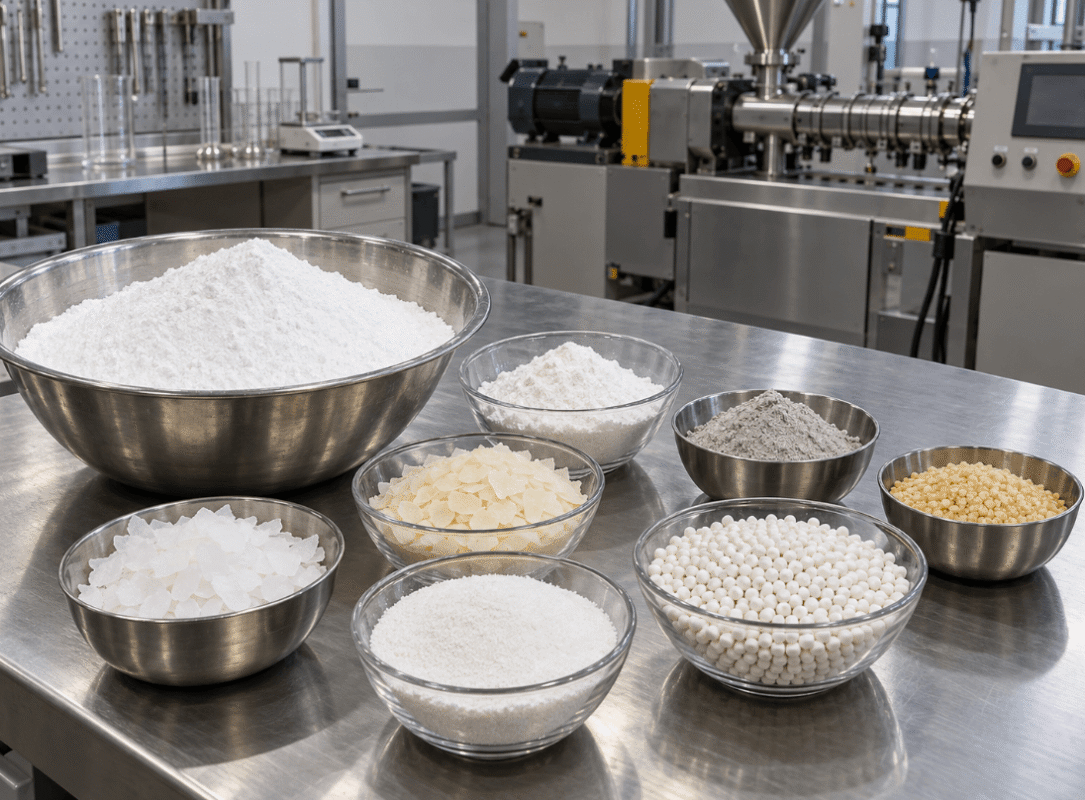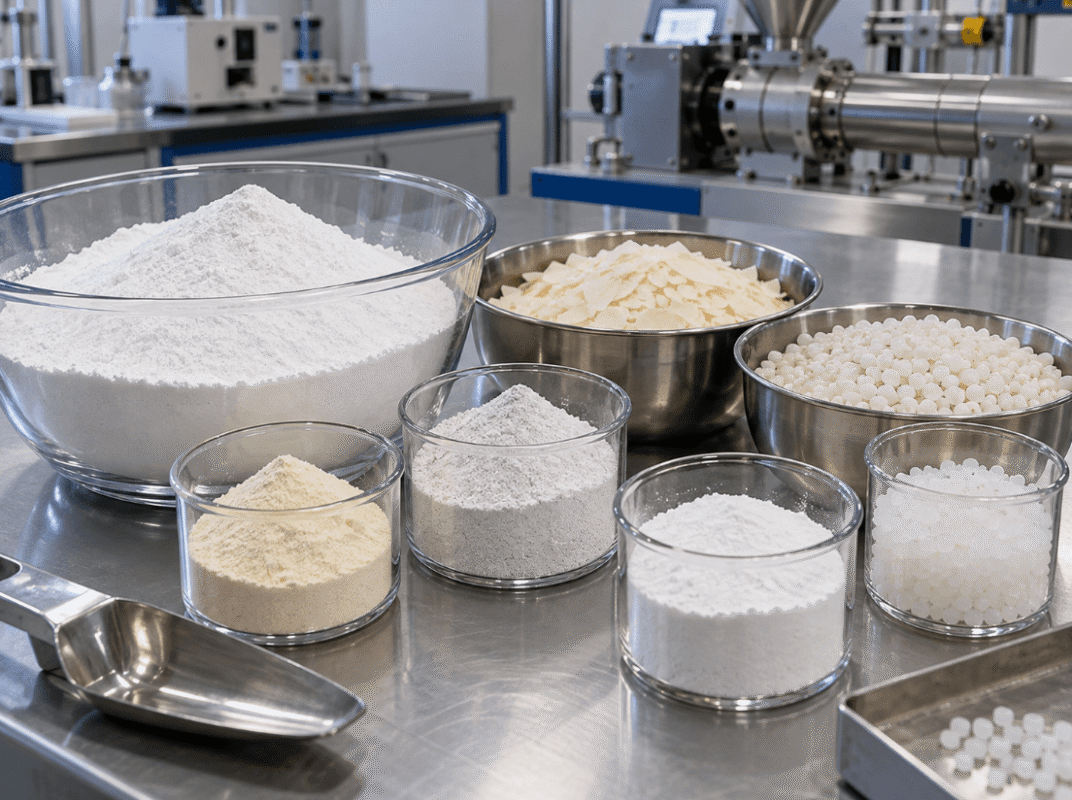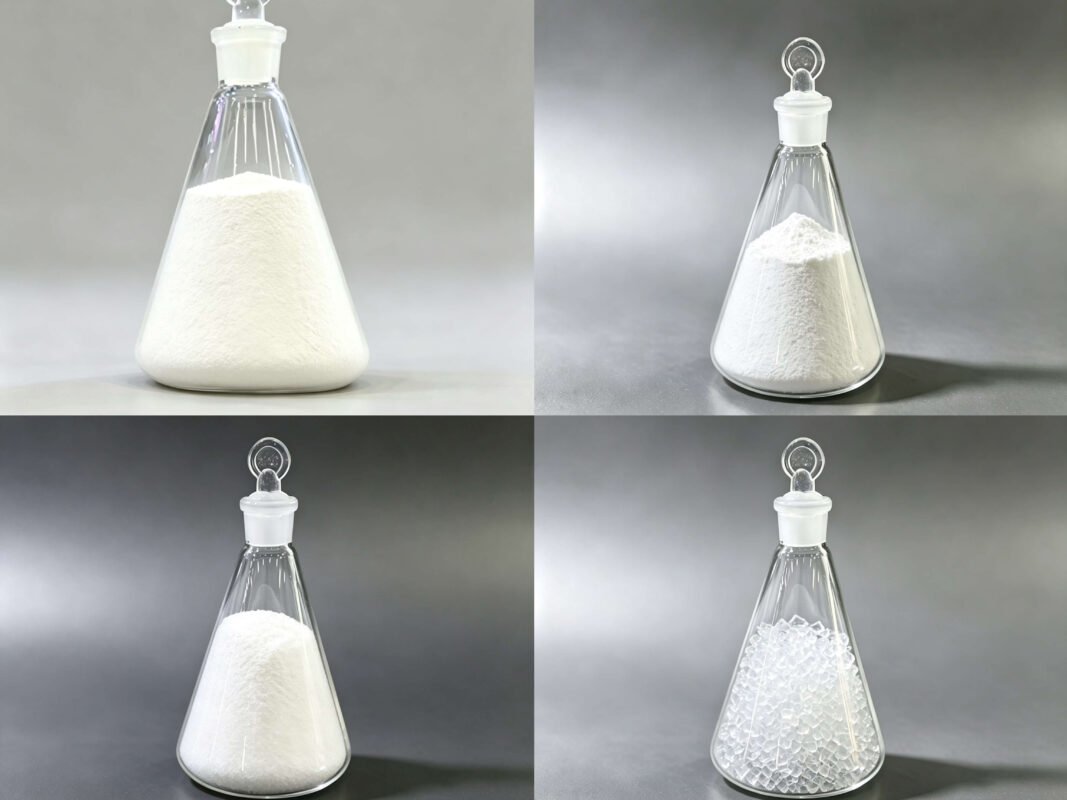

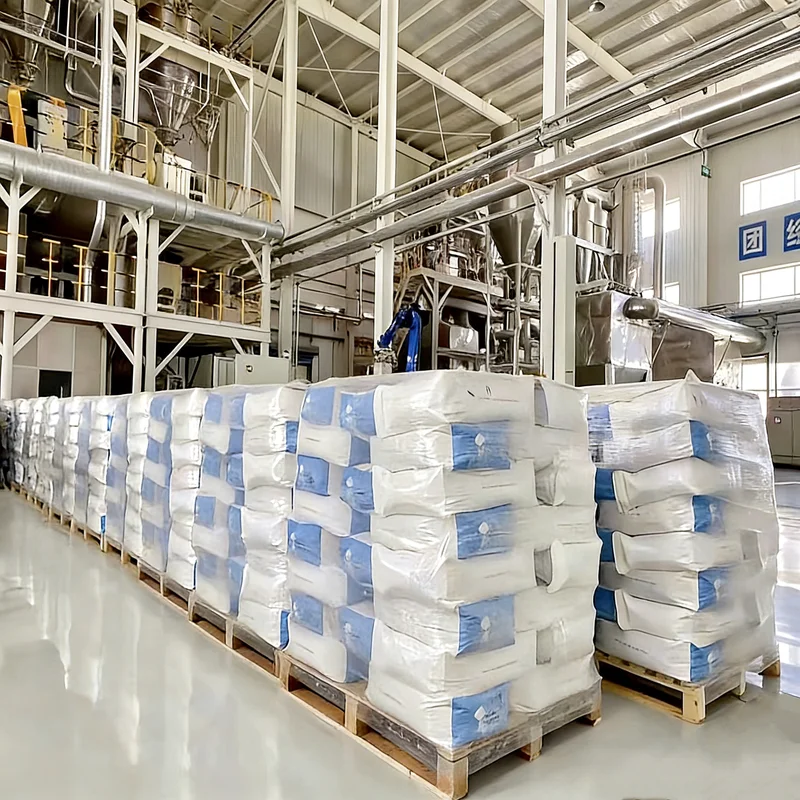
In high-volume polymer processing, the choice of a stabilizer package is the primary determinant of both product quality and operational profitability. Polyvinyl Chloride (PVC) is inherently heat-sensitive; without the correct chemical intervention, the resin undergoes rapid thermal degradation during extrusion or injection molding. When you prepare to buy pvc stabilizer, you are not simply purchasing a raw material—you are investing in a technical solution that dictates your “processing window,” scrap rate, and global market access.
For procurement managers and OEM project managers, a transactional decision must be backed by a rigorous technical audit. This guide outlines the essential questions you should ask a supplier to ensure chemical compatibility, regulatory compliance, and maximum ROI on your manufacturing line.
What is the Base Chemistry and Regulatory Compliance?
The global shift toward sustainability has created a bifurcated market. You must determine if your application requires a traditional Lead-based system or a modern, non-toxic alternative.
- Lead-Based Stabilizers: Historically favored for their wide processing window and cost-efficiency in regions with fewer environmental restrictions.
- Calcium-Zinc (Ca-Zn) Stabilizers: The gold standard for “Lead-Free” requirements. These are mandatory for products exported to the EU or North America under REACH and RoHS regulations.
If you are manufacturing potable water pipes, medical tubing, or toys, verify that the stabilizer is certified for food-contact or medical-grade use. Ordering the wrong chemistry can lead to catastrophic legal liabilities and rejected shipments at international borders.
How Does the Stabilizer Perform in Congo Red and Static Stability Tests?
Thermal stability is measured in minutes. You need to know exactly how long the additive can protect the PVC melt at your specific processing temperature (e.g., 180°C to 200°C).
Ask the supplier for data on:
- Static Stability: How long before the material discolors when heated without shear?
- Dynamic Stability (Torque Rheometer): How does the stabilizer handle the mechanical stress and high shear of a twin-screw extruder?
A high-performance PVC stabilizer from MKQ Chem will typically offer a synergistic “One-Pack” formulation that balances heat scavenging with initial color hold, ensuring the finished product maintains its aesthetic integrity.
Is it a One-Pack System or Individual Component?
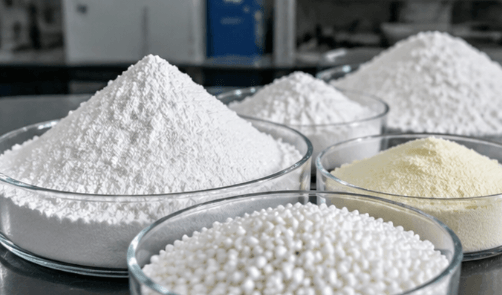
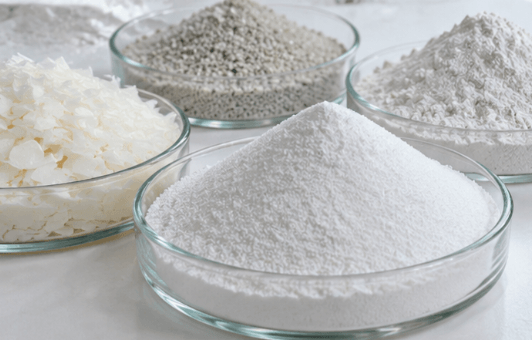
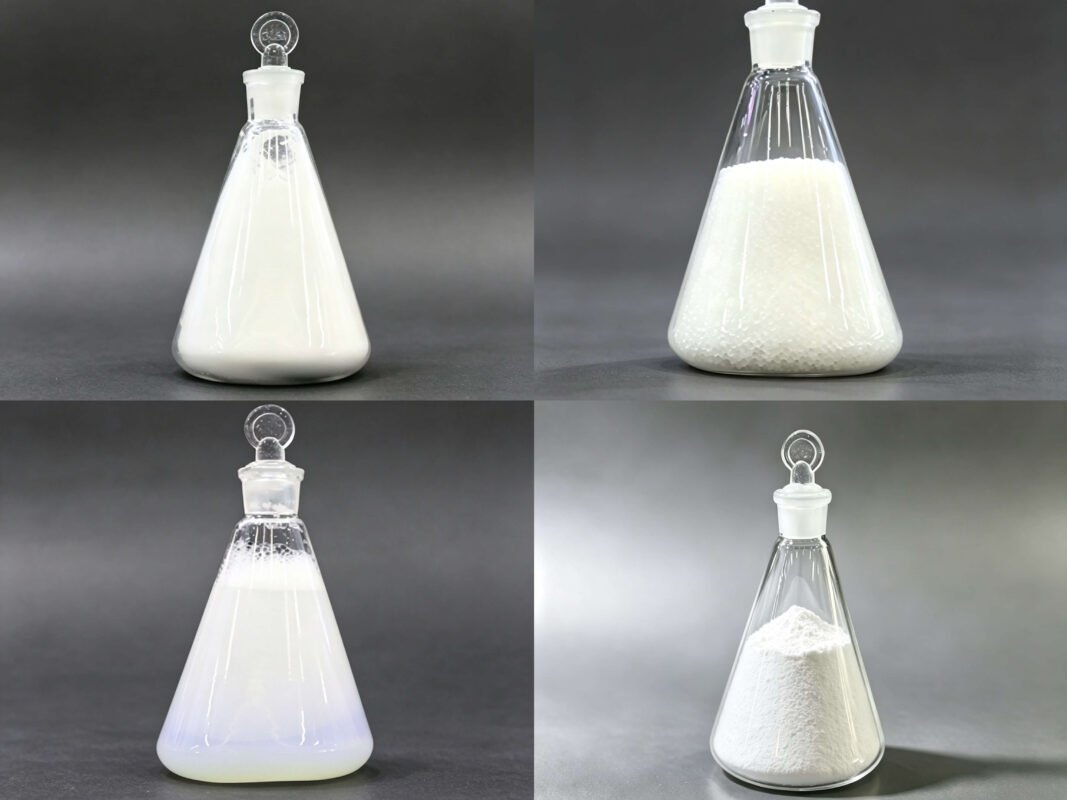
For large-scale production, “One-Pack” systems are the industry standard. These pre-blended granules or flakes include the stabilizer, internal lubricants, external lubricants, and often antioxidants or UV stabilizers.
Comparison: One-Pack vs. Individual Components
| Feature | One-Pack System | Individual Components |
| Dosing Accuracy | High (Single weighing) | Lower (Risk of human error) |
| Inventory Management | 1 SKU to manage | Multiple SKUs required |
| Processing Speed | Optimized for faster gelation | Requires manual balancing |
| Total Cost | Lower labor/scrap costs | Lower raw material price |
In large-volume production, the reduction in weighing errors and dust contamination makes the One-Pack system the more commercially realistic choice.
What is the Lubrication Balance (Internal vs. External)?
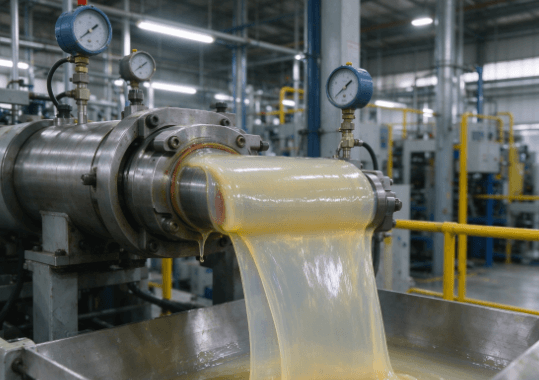
A stabilizer package that lacks proper lubrication balance will cause “surging” in the extruder or localized “scorching.” You must ask the supplier about the ratio of internal to external lubricants within the pack.
- Internal Lubricants: Reduce the friction between PVC molecular chains, promoting gelation and reducing melt viscosity (managing motor torque).
- External Lubricants: Prevent the PVC melt from sticking to the hot metal surfaces of the screw and die, improving surface gloss.
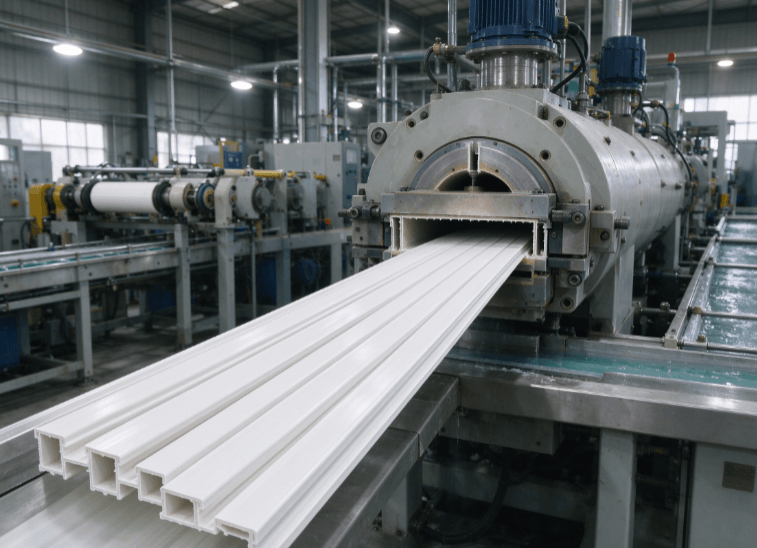
If your machinery has worn screws or a specific die geometry, the supplier may need to provide a customized formulation to prevent “plate-out”—the accumulation of additives on the die surface that causes surface scratches.
What is the Recommended Dosage (PHR)?
When you buy pvc stabilizer, the price per kilogram is a secondary metric. The real cost is the Cost per PHR (parts per hundred resin).
A stabilizer that costs 10% more but requires 20% less dosage per ton of resin is technically the cheaper and more efficient option. Typical dosage for rigid PVC pipes ranges from 2.5 to 4.5 PHR, depending on the filler loading (Calcium Carbonate). Ask for a technical data sheet (TDS) that specifies the optimal loading for your specific filler-to-resin ratio.
How Does the Stabilizer Affect Physical Properties?
Beyond preventing degradation, stabilizers interact with impact modifiers and fillers. Ask if the stabilizer has been tested for its impact on:
- Vicat Softening Temperature: Ensuring the product maintains its shape under heat.
- Impact Strength: Verifying that the chemical balance doesn’t make the PVC brittle.
- Weatherability: Critical for outdoor applications like window profiles and siding.
What are the Logistics and Customization Capabilities?
In the B2B sector, supply chain reliability is paramount. Before ordering, clarify the operational constraints:
- MOQ and Scalability: Can they support a 1-ton trial before moving to 20-ton containers?
- Lead Times: What is the gap between the Purchase Order (PO) and the port of loading?
- Formulation Tailoring: If your production environment is unique (e.g., extreme humidity or specific regrind usage), can they adjust the stabilizer’s chemistry?
Summary of Procurement Workflow
When evaluating PVC stabilizer solutions, follow this logic:
- Define Compliance: Lead vs. Ca-Zn.
- Request Samples: Validate with a trial run.
- Analyze PHR: Calculate the actual cost of production.
- Audit Stability: Verify Congo Red test results.
FAQ
What is the “Congo Red” test for PVC stabilizers?
It is an industry-standard test (ISO 182-1) that measures the time it takes for a PVC compound to release HCl gas under heat. The longer the time, the better the thermal stability provided by the stabilizer.
Can I switch from Lead to Calcium-Zinc without changing my machine settings?
Generally, switching to Ca-Zn requires minor adjustments to the temperature profile and screw speed. Ca-Zn systems are more sensitive to shear heat, so a “re-balancing” of the lubrication system is often necessary.
What causes “plate-out” on the extruder die?
Plate-out is usually caused by an over-saturation of external lubricants or incompatible additives migrating to the surface. Asking your supplier for a “low-plate-out” grade is essential for long production runs.
What is the shelf life of a PVC stabilizer?
Most One-Pack stabilizers have a shelf life of 12 to 24 months, provided they are stored in a cool, dry environment. Humidity is the primary enemy, as it can cause caking in powder-based systems.
What is the standard MOQ for industrial stabilizers?
Most B2B manufacturers require a Minimum Order Quantity of 500kg to 1,000kg for standard grades. For customized formulations, the MOQ may increase to 3–5 tons to account for the chemical setup of the blending line.
What should I consider when choosing a PVC stabilizer supplier?
Choose a supplier based on product quality, manufacturing capability, technical support, certifications, and industry experience. A reliable PVC stabilizer supplier should provide stable products and solutions for different PVC applications.
How do I know if a PVC stabilizer manufacturer is reliable?
Check the manufacturer’s production capacity, quality control system, product documents, and customer experience. Reliable manufacturers can provide consistent quality and technical support for long-term cooperation.
What documents should a PVC stabilizer supplier provide?
A professional supplier should provide documents such as COA, SDS, product specifications, and test reports to help buyers evaluate product quality and compliance.
Reference Sources
- ISO 182-1: Determination of the tendency of compounds and products based on vinyl chloride homopolymers and copolymers to evolve hydrogen chloride. iso.org
- ASTM D2115: Standard Practice for Oven Heat Stability of Poly(Vinyl Chloride) Compositions. astm.org
- REACH Regulation: European Chemicals Agency (ECHA) guidelines on lead-free transitions. echa.europa.eu
- Vinyl Institute: Technical reports on PVC additive performance and sustainability.
- SGS Certification: Material safety and compliance testing for chemical additives.
Summary:
Before you buy pvc stabilizer, interrogate the supplier on PHR dosage, Congo Red stability times, and REACH/RoHS compliance to ensure industrial reliability and B2B ROI.