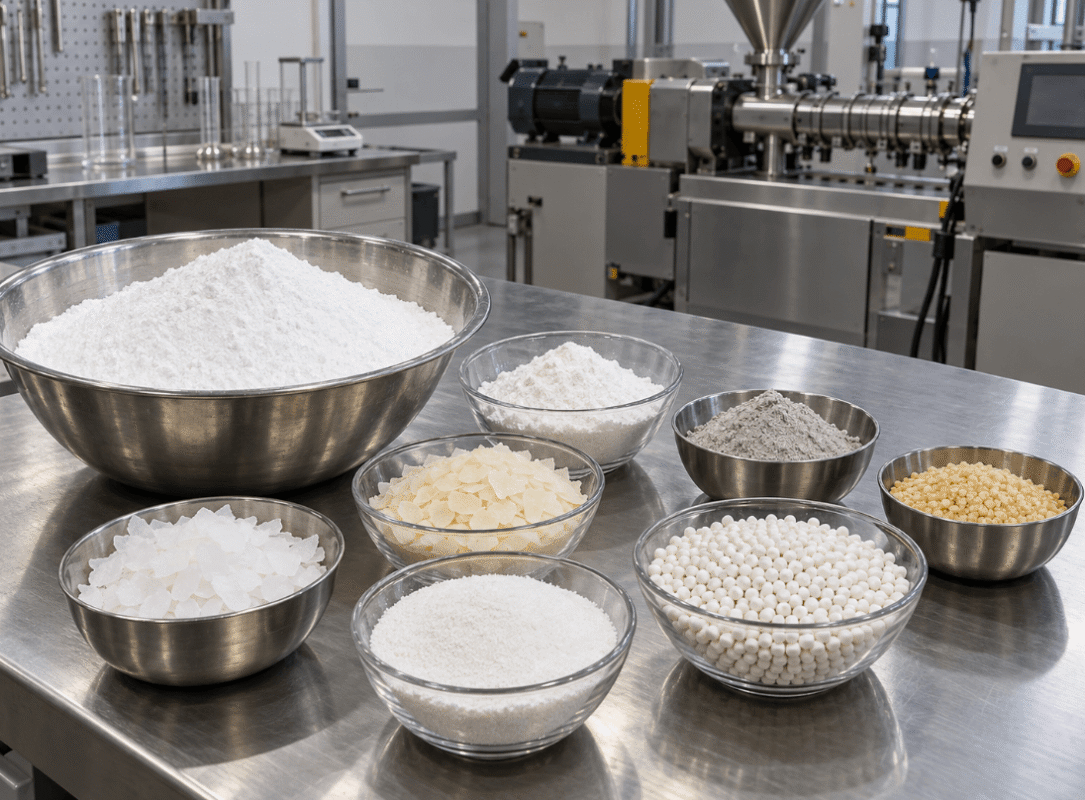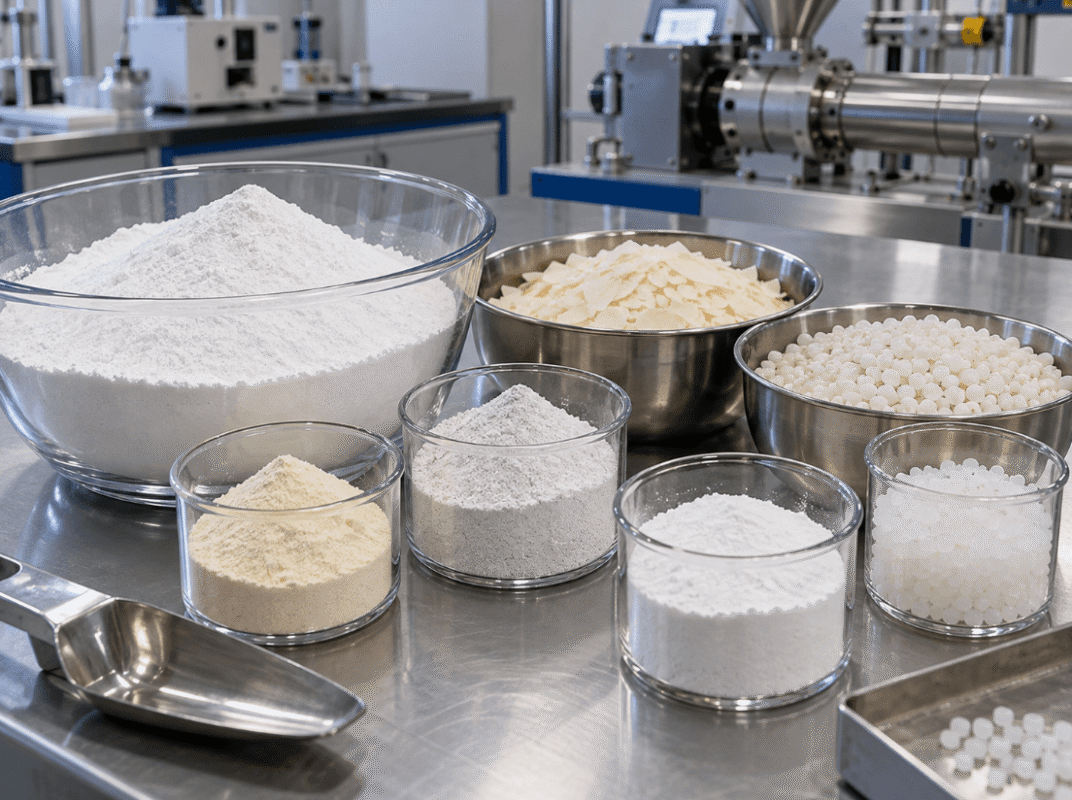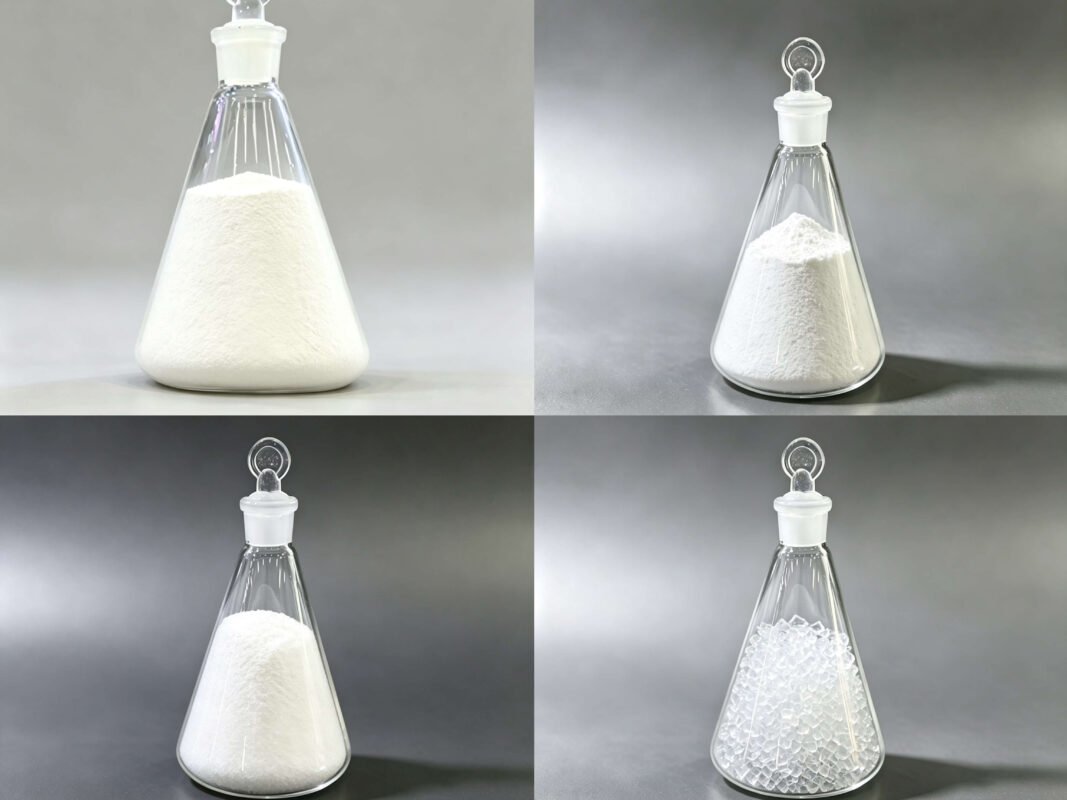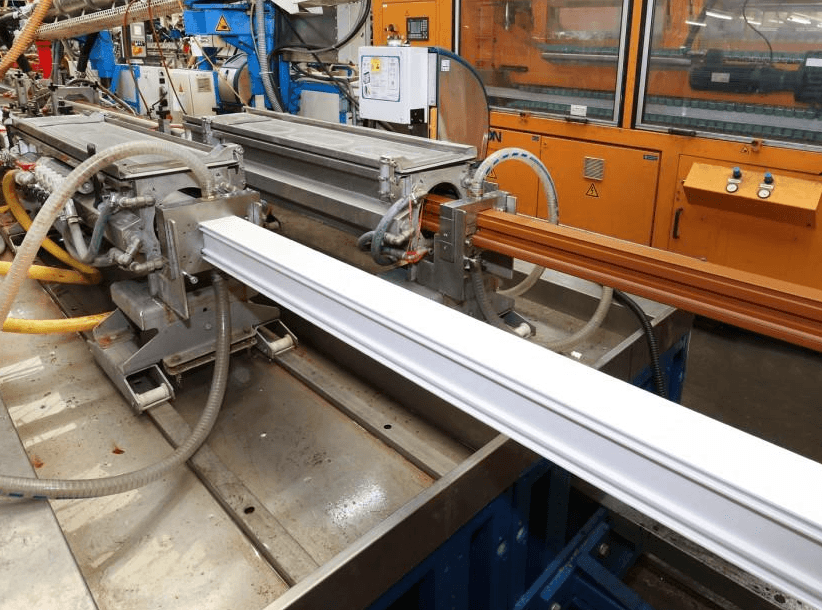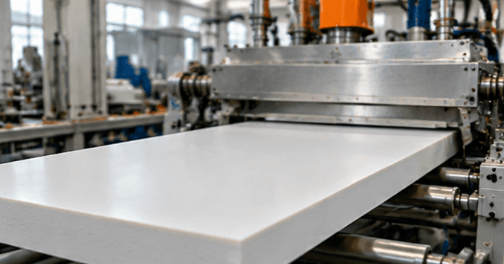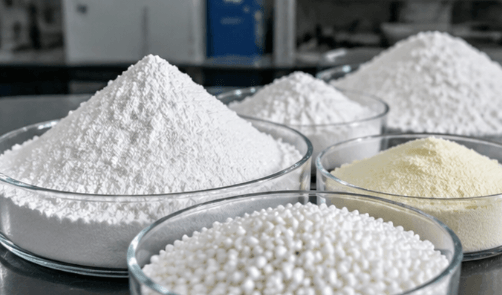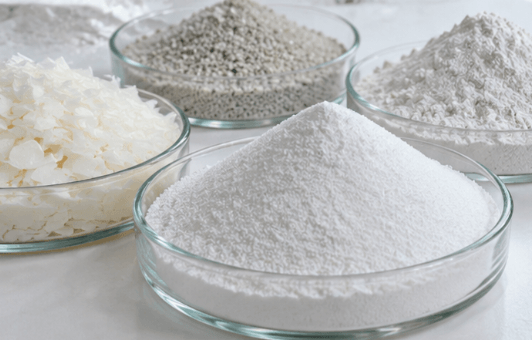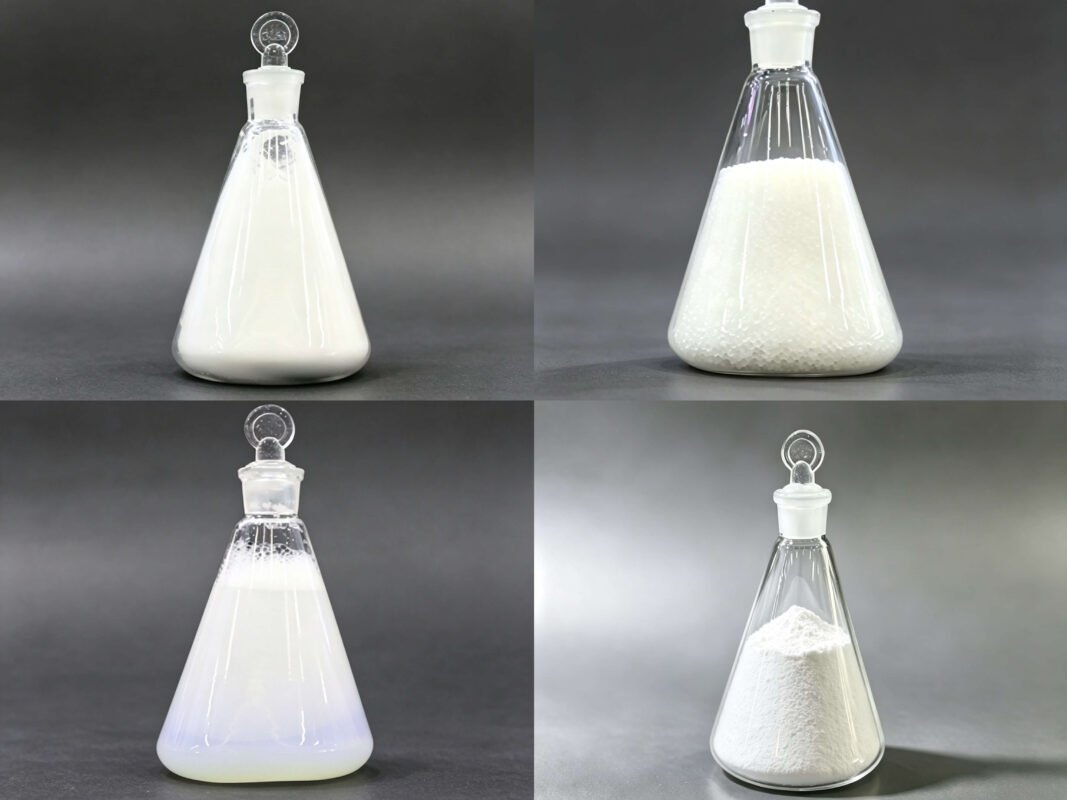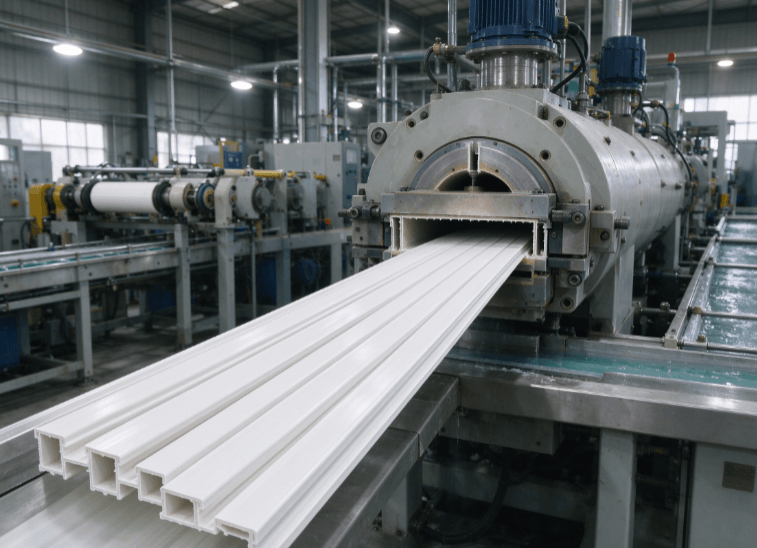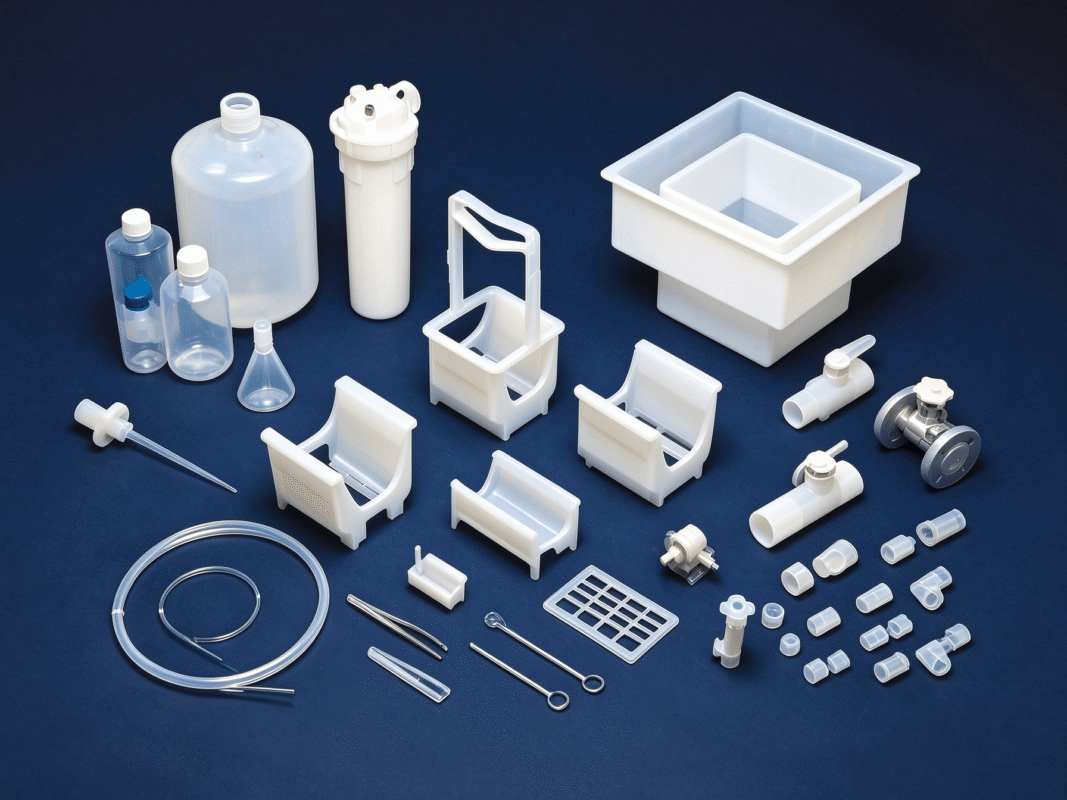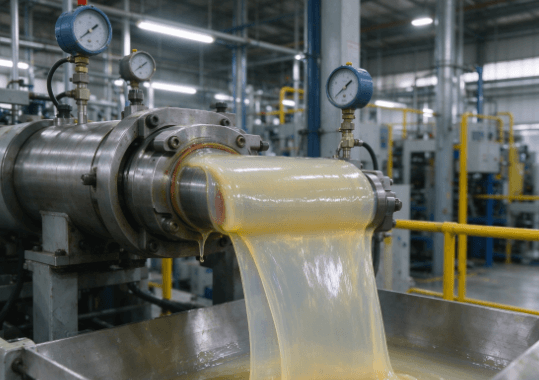

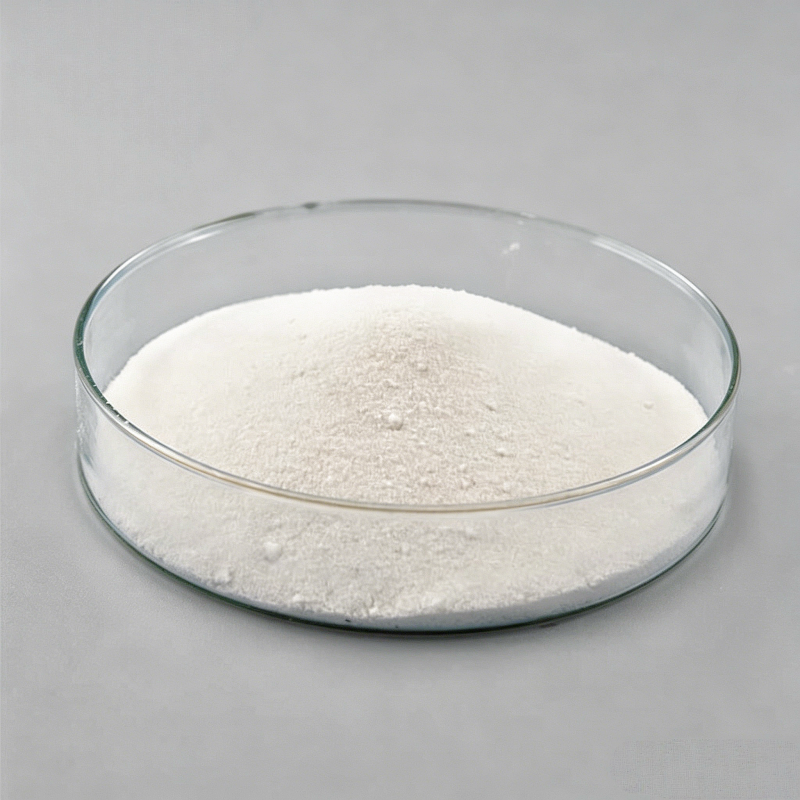
PVC (Polyvinyl Chloride) is inherently unstable when exposed to the high temperatures required for extrusion. Without the addition of a high-quality PVC stabilizer for profiles, the polymer chain undergoes rapid dehydrochlorination. This process leads to severe discoloration, mechanical failure, and brittle final products. Selecting the correct additive package ensures that your window frames, siding, and technical profiles maintain their structural integrity throughout their service life.
In modern manufacturing, the selection of a stabilizer is no longer just about heat resistance. It involves balancing processing speed, surface gloss, and environmental compliance. We see many manufacturers struggling with “plate-out” or inconsistent lubrication, which are often symptoms of an incompatible stabilizer system. Understanding the synergy between the resin and the additive is the first step toward high-efficiency production.
Why is a technical PVC stabilizer for profiles essential for extrusion?
The primary role of a stabilizer is to neutralize the hydrochloric acid (HCl) released during processing. If this acid is not captured, it catalyzes further degradation, turning the white PVC yellow, then brown, and finally black. For profile extrusion, the stabilizer must also provide adequate internal and external lubrication to ensure smooth flow through the die.
At MKQ Chem, we engineer our stabilizers to extend the “induction period” of the PVC resin. This allows for longer production runs without the need for frequent shutdowns to clean the screws or dies. High-performance stabilizers also protect the polymer from UV radiation, which is critical for outdoor construction materials. A failure in stabilization often results in “chalking” or cracking after only a few years of outdoor exposure.
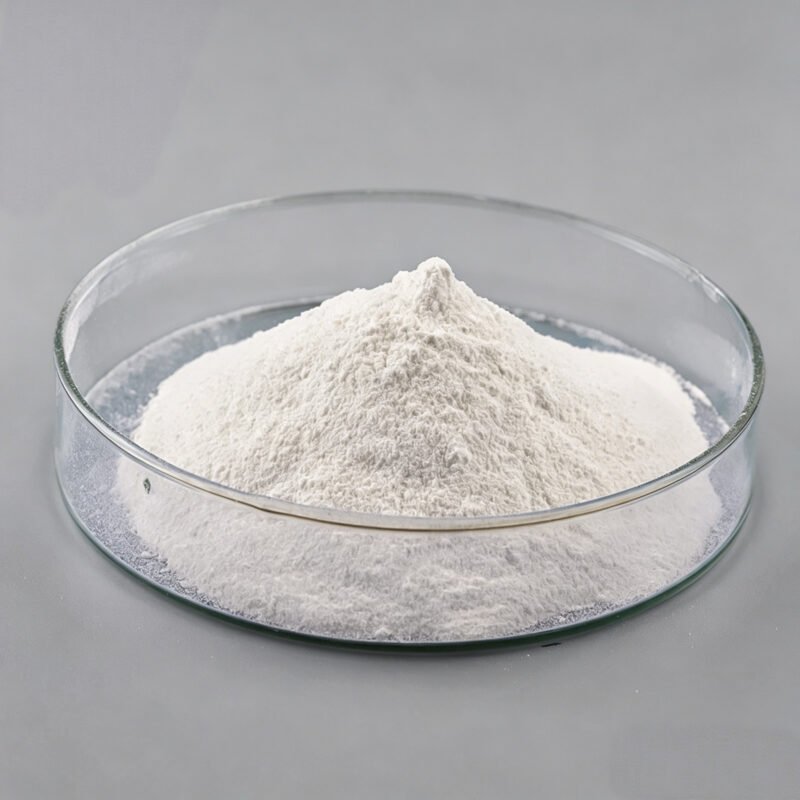
Beyond thermal protection, the right stabilizer package influences the fusion rate of the dry blend. Proper gelation is necessary to achieve the desired impact strength and dimensional stability in complex profile geometries. If the stabilizer is too powerful or improperly balanced with lubricants, the PVC may not fuse correctly, leading to weak weld lines.
Comparing Calcium-Zinc vs. Lead-based PVC stabilizers
The industry is rapidly shifting from traditional lead-based systems to environmentally friendly Calcium-Zinc (Ca-Zn) alternatives. Lead stabilizers offer excellent heat stability and a wide processing window, making them historically popular for complex profiles. However, regulatory pressures and the global push for sustainability have made Ca-Zn the preferred choice for modern facilities.
Calcium-Zinc stabilizers are more sensitive to processing conditions but offer superior initial color and transparency. We have developed advanced Ca-Zn formulations that match the efficiency of lead while providing better resistance to sulfur staining. The table below compares the performance characteristics of these two primary stabilizer types in profile applications.
| Feature | Lead-Based Stabilizer | Calcium-Zinc (Ca-Zn) Stabilizer |
| Thermal Stability | Excellent (Long-term) | Very Good (Balanced) |
| Initial Color | Good | Excellent |
| Weatherability | Moderate | High (with UV additives) |
| Ecological Impact | High (Toxic) | Low (Eco-friendly) |
| Processing Window | Very Wide | Moderate to Wide |
| Cost | Generally Lower | Moderate |
When transitioning to Ca-Zn systems, manufacturers must often recalibrate their temperature profiles and screw speeds. Our technical team frequently assists clients in this transition to ensure that output rates remain high without compromising product quality. It is important to note that Ca-Zn stabilizers often require specific “co-stabilizers” like epoxidized soybean oil or beta-diketones to reach peak performance.
How do application environments dictate stabilizer selection?
Outdoor profiles, such as window frames and fence posts, require a PVC stabilizer for profiles with high UV resistance and oxidative stability. These environments expose the polymer to intense sunlight and fluctuating temperatures, which can break down the molecular chain. In these cases, we recommend complex stabilizers that include high concentrations of antioxidants and light stabilizers.
Indoor applications, such as decorative trim or electrical trunking, prioritize different characteristics like low odor and high gloss. These profiles do not face the same UV stress but may require superior fire retardancy or specific electrical insulation properties. The stabilizer must not interfere with these secondary additives.
- UV Resistance: Essential for color retention in white and dark-colored outdoor profiles.
- Lubrication Balance: Prevents surface defects like “shark skin” or die lines in high-speed extrusion.
- Plate-out Resistance: Reduces the accumulation of additives on the die surface, extending run times.
- Mechanical Strength: Ensures the profile can pass standardized impact tests (e.g., Charpy or Izod).
We categorize our product range based on these specific end-use requirements. For heavy-duty industrial profiles, we emphasize long-term heat stability to handle regrind material. For high-end aesthetic profiles, we focus on formulations that provide a mirror-like surface finish. You can explore our specific stabilizer product categories to find the exact match for your machinery and resin type.
How to evaluate stabilizer efficiency for high-volume production?
For a B2B procurement manager or an OEM engineer, the cheapest stabilizer per kilogram is rarely the most cost-effective. The “true cost” includes the dosage level, the scrap rate, and the frequency of machine maintenance. A high-efficiency PVC stabilizer for profiles allows for a lower loading parts-per-hundred (phr) while maintaining superior protection.
In our laboratory testing, we utilize Congo Red tests and Torque Rheometry to measure the stability time and fusion behavior of different batches. A stable torque curve indicates that the stabilizer is effectively managing the viscosity of the melt. Fluctuations in torque often suggest that the lubrication balance is incorrect, which can lead to overheating and degradation.
When evaluating a supplier, you should look for consistency in particle size and chemical composition. Inconsistent stabilizers lead to “surging” in the extruder, resulting in wall thickness variations in the profile. We maintain strict quality control standards to ensure that every shipment performs identically to the last, reducing the need for constant operator adjustments.
Compliance and testing standards for PVC profile additives?
Global markets require adherence to strict chemical safety standards to ensure that finished profiles are safe for consumers and the environment. In the construction industry, stabilizers must not contain restricted heavy metals if the product is destined for European or North American markets. Compliance with REACH and RoHS is often a mandatory requirement for international trade.
Beyond chemical safety, the stabilized profile must meet mechanical performance standards set by organizations like ASTM or ISO. For instance, window profiles often must pass heat reversion tests, where the profile is heated to ensure it does not shrink or deform excessively. The stabilizer plays a vital role in maintaining the molecular “memory” of the PVC during these tests.
- REACH/RoHS: Ensuring the absence of lead, cadmium, and certain phthalates.
- ASTM D4216: Standard specification for rigid PVC building products.
- ISO 1163: Classification system for unplasticized PVC materials.
- AAMA Certification: Specifically for vinyl window and door profiles.
As a manufacturer, we provide comprehensive technical data sheets and compliance certifications for our entire range. We understand that our customers need more than just a chemical; they need a partner who can support their quality assurance processes. By selecting a high-grade PVC stabilizer for profiles, you are investing in the long-term reputation of your brand.
FAQ
Q: What is the typical dosage of PVC stabilizer for profiles in a standard formulation?
A: Most rigid profile formulations require between 2.0 to 4.5 parts per hundred resin (phr), depending on the stabilizer efficiency and the complexity of the profile shape.
Q: Can I mix different brands of stabilizers in one production run?
A: We strongly advise against mixing different stabilizer systems, as the chemical components may react negatively, leading to “cross-contamination” and immediate polymer degradation.
Q: Why is my white PVC profile turning pink or gray during extrusion?
A: This usually indicates “over-processing” or a lack of early-stage color hold in your stabilizer. It can also be caused by sulfur cross-staining if lead stabilizers are present in the same facility.
Q: How does a stabilizer affect the weldability of a window profile?
A: If a stabilizer contains excessive external lubricants, it can migrate to the surface and prevent a strong molecular bond during the heat-welding process, leading to corner failures.
Q: Does MKQ Chem provide customized stabilizer blends for specific screw configurations?
A: Yes, we frequently adjust the lubrication balance and stabilizer concentration to match the shear heat generated by specific twin-screw or single-screw extrusion setups.
Reference Sources
- ASTM International – Standards for Rigid PVC Building Products
https://www.astm.org/ - European Stabiliser Producers Association (ESPA) – PVC Additives
https://www.pvc-stabilisers.eu/ - Plastic Industry Association – Material Selection Guidelines
https://www.plasticsindustry.org/ - SGS Chemical Testing – REACH and RoHS Compliance Services
https://www.sgs.com/en/service-groups/chemical-testing - Journal of Vinyl and Additive Technology – Technical Research
https://onlinelibrary.wiley.com/journal/15480585