
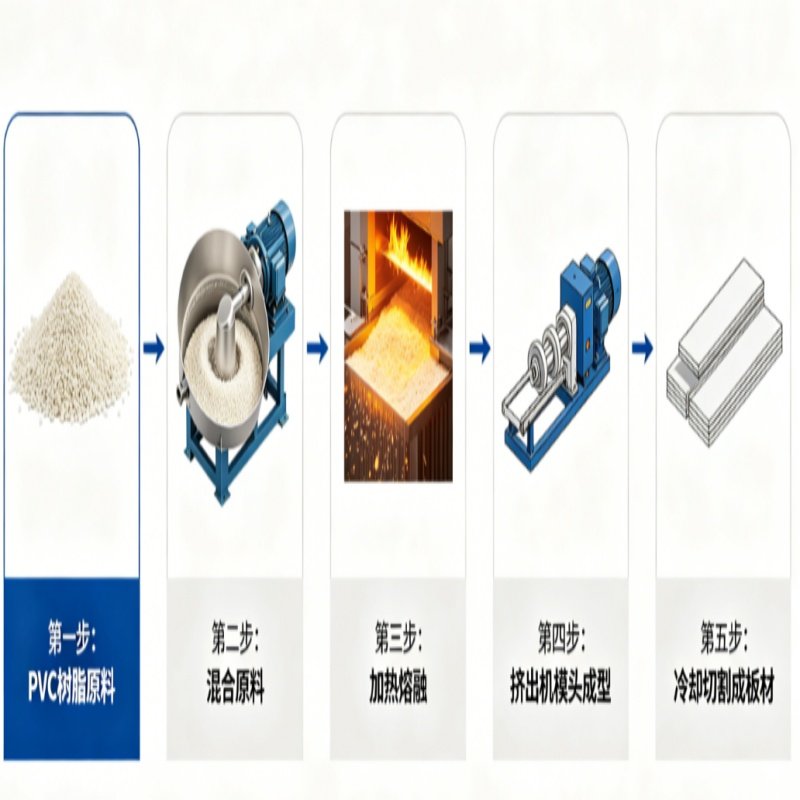
PVC foam board is a versatile material used across construction, signage, and furniture industries. Understanding the manufacturing process requires a deep dive into polymer science and mechanical engineering. This guide breaks down how raw PVC resin transforms into a lightweight, durable sheet through controlled extrusion.
At MKQ Chem, we specialize in the additives that make these processes possible. Our technical team works closely with factory engineers to optimize melt strength and cell structure. This expertise allows us to provide a comprehensive look at the industrial workflow.
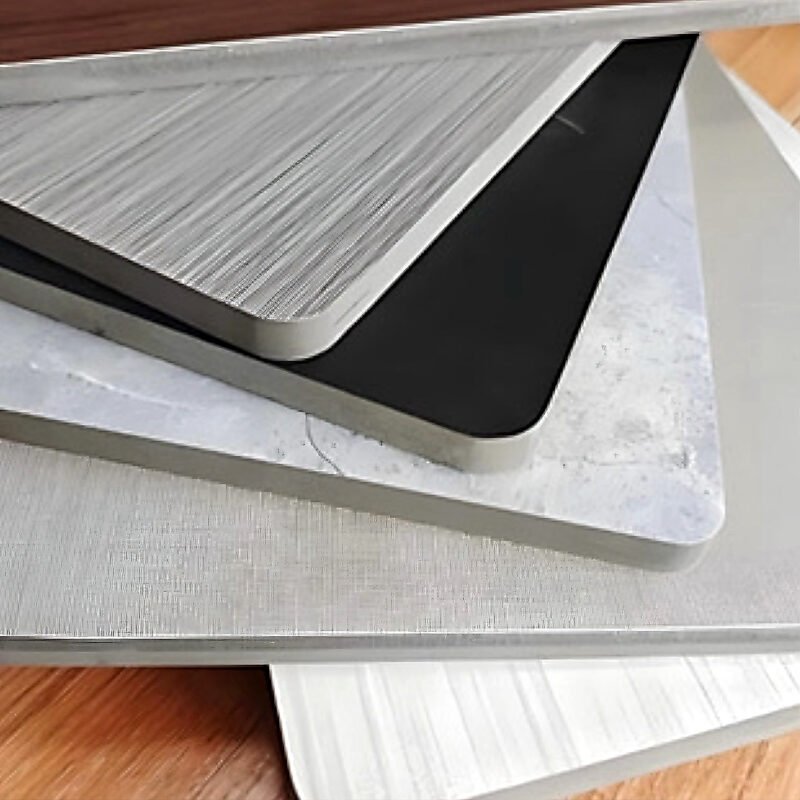
How Does the PVC Foam Board Manufacturing Process Work?
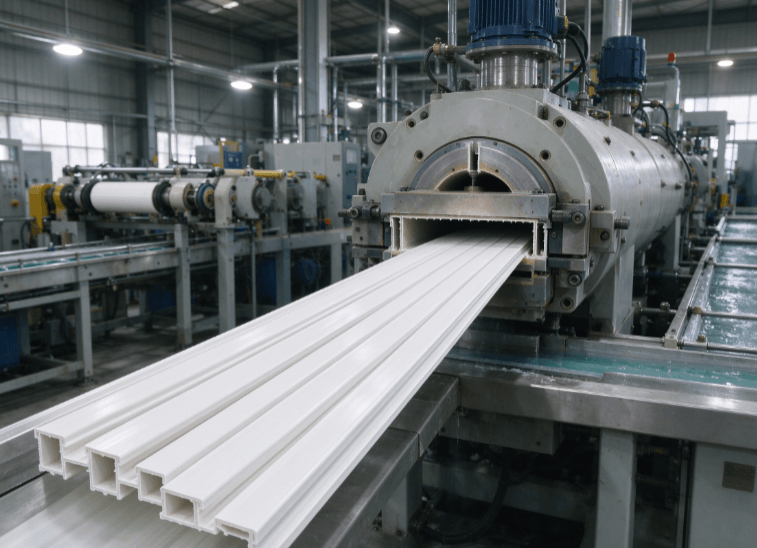
The manufacturing of PVC foam boards relies on a process called extrusion. This involves forcing a heated mixture through a specific die to create a continuous shape. The complexity lies in managing the expansion of gas within the molten plastic.
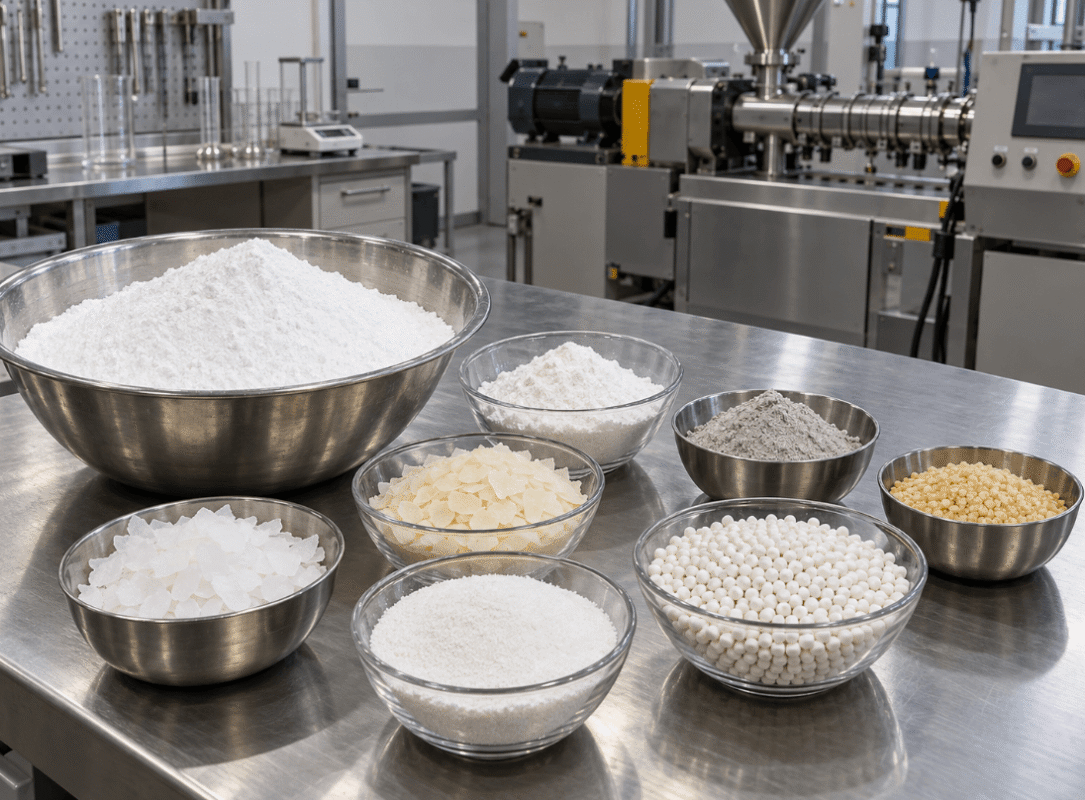
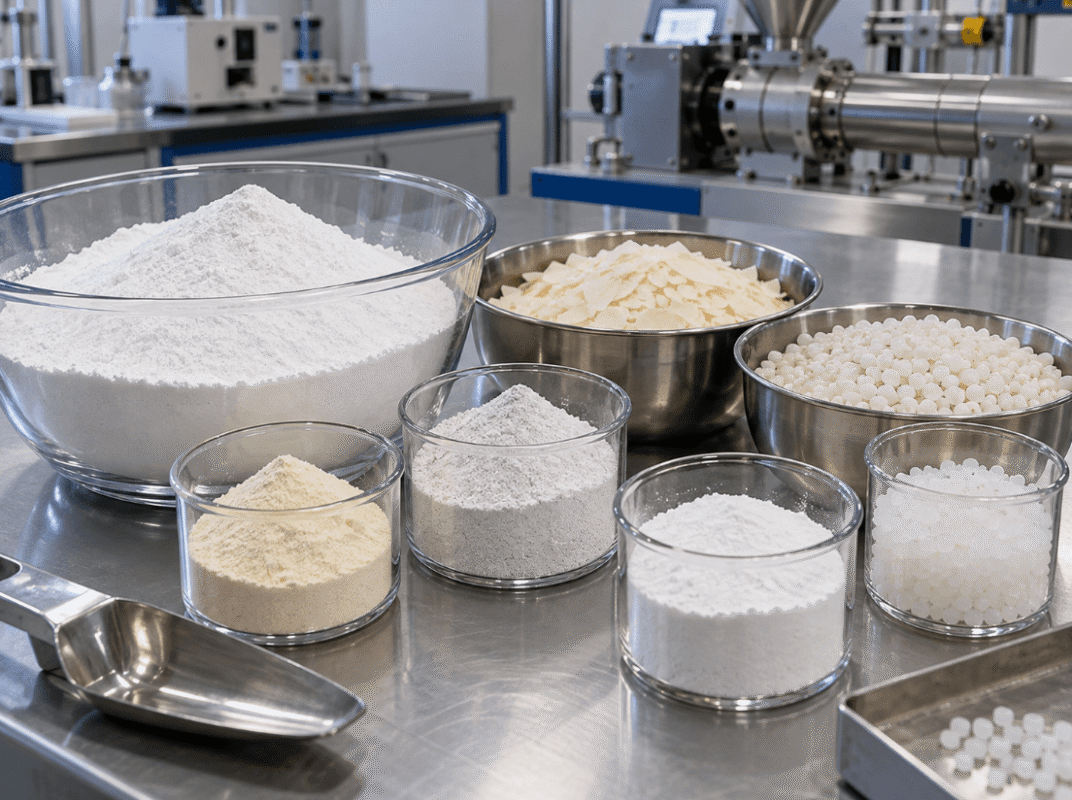
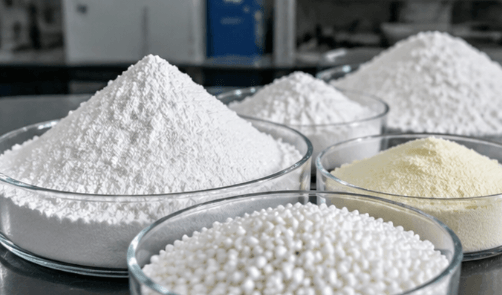
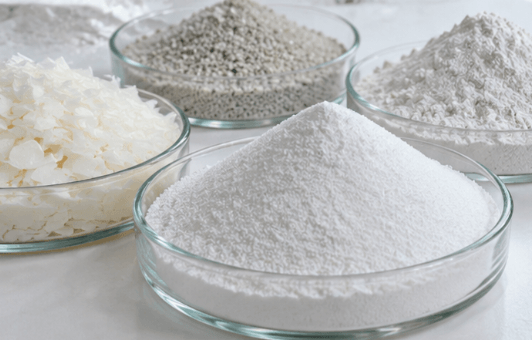
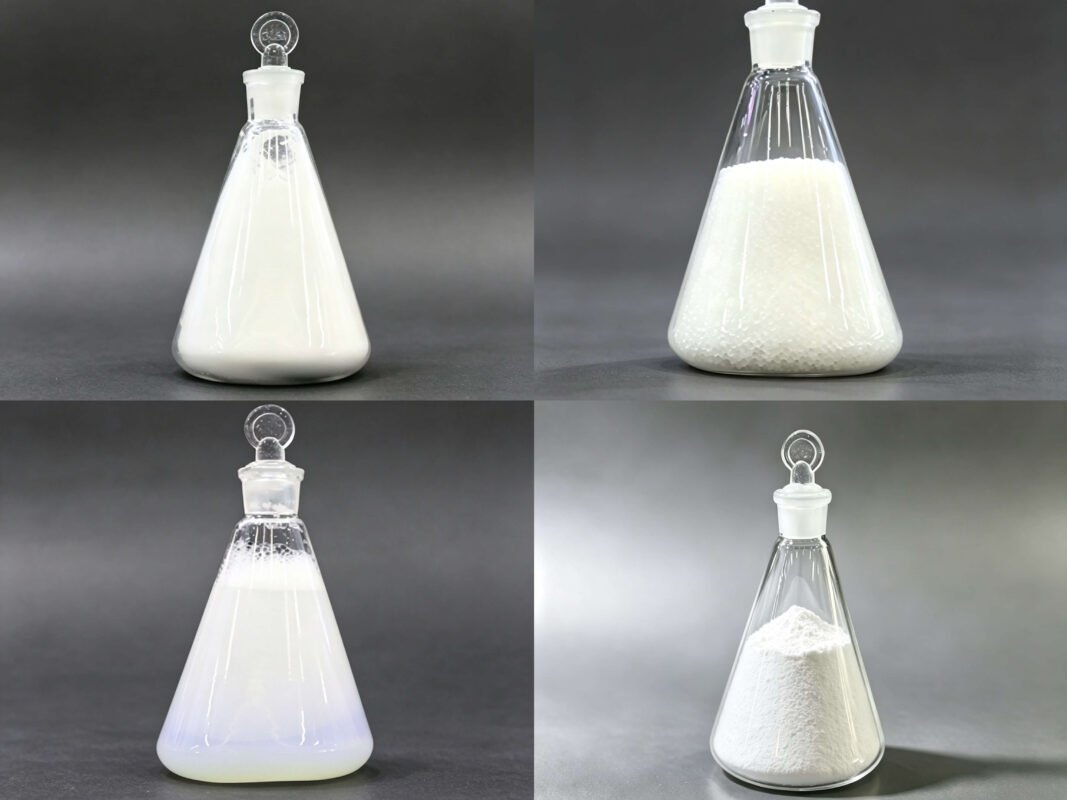
The process begins with the preparation of the dry blend. High-quality resin is mixed with stabilizers, lubricants, and foaming agents. These components must be perfectly balanced to ensure the final product meets density requirements.
During extrusion, the internal temperature must be monitored constantly. If the heat is too high, the foam cells will collapse. If it is too low, the board will not achieve the desired thickness or weight. We provide specialized additives that maintain thermal stability during these critical temperature shifts.
Understanding Celuka vs. Free Foam Extrusion
There are two primary methods used in the industry to produce these boards. Each method serves a different application based on the surface finish and density needed. The choice of method dictates the cooling and calibration equipment required on the production line.
| Feature | Celuka Method (Crust Foam) | Free Foam Method |
| Surface Hardness | Very high, smooth crust | Soft, matte finish |
| Cell Structure | Dense outer skin, porous core | Uniform density throughout |
| Production Speed | Slower due to cooling | Faster extrusion rates |
| Primary Use | Furniture, cabinets, construction | Signage, printing, advertising |
The Celuka process uses a specialized cooling mandrel. This “freezes” the surface of the board immediately as it exits the die. This creates a hard, durable outer shell that is resistant to scratches.
In contrast, the free foam method allows the material to expand naturally after exiting the die. This results in a more consistent density across the entire cross-section. We often recommend this method for projects where weight reduction is the primary goal.
Step-by-Step PVC Foam Board Production Workflow
A professional production line consists of several synchronized machines. Each stage must be calibrated to prevent defects like warping or uneven thickness.
- Material Batching: Raw PVC resin, calcium carbonate, and chemical additives are mixed in a high-speed blender.
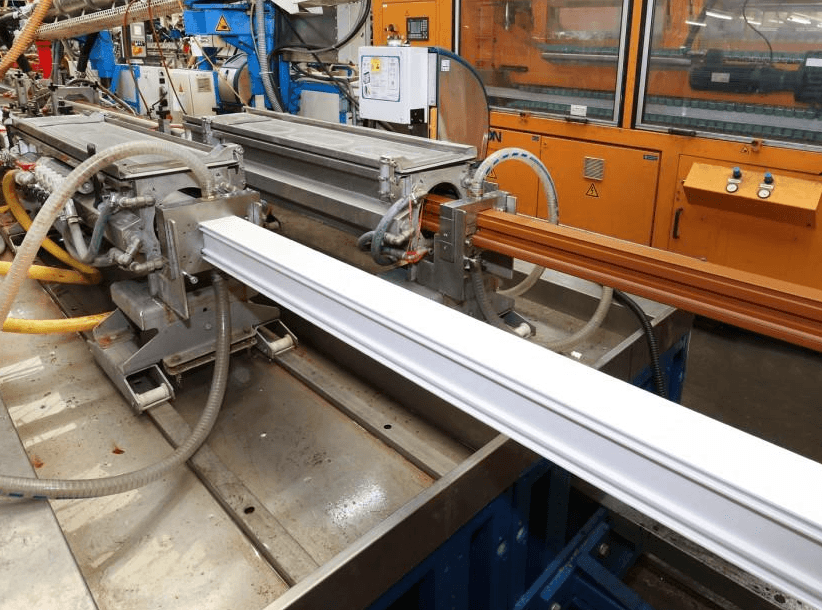
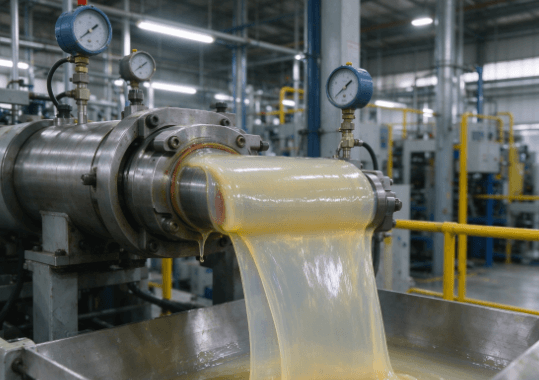
- Extrusion: The blend enters a twin-screw extruder. The screws shear and heat the material into a viscous melt.
- Foaming: Chemical blowing agents release gas within the extruder. This creates the internal cellular structure.
- Calibration: The melt enters the die and then the calibrator. Here, the board’s dimensions and surface finish are set.
- Cooling: Water-cooled plates or rollers lower the temperature of the board to lock in its shape.
- Haul-off: A series of rollers pulls the board at a constant speed to prevent stretching.
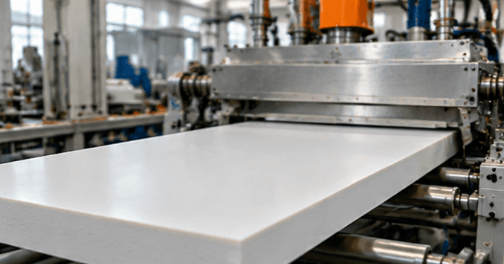
- Cutting: An automated saw cuts the continuous board into standard sheet sizes, typically 4×8 feet.
We emphasize the importance of our additives for PVC foam boards during the extrusion stage. Our foaming regulators improve melt elasticity, ensuring the gas bubbles do not merge. This leads to a finer, more uniform cell structure in the final sheet.
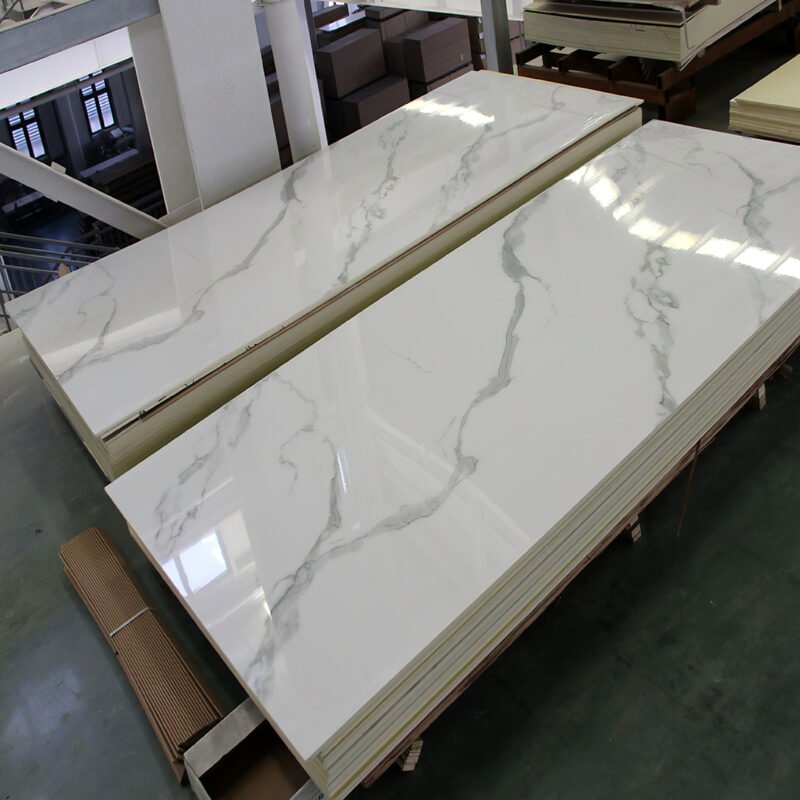
What Factors Influence Foam Board Quality?
Achieving a high-quality finish requires precise control over chemical and mechanical variables. Even minor fluctuations in the cooling water temperature can cause the board to bow.
Density control is the most significant challenge for manufacturers. If the foaming regulator is insufficient, the board will be heavy and brittle. Our products are engineered to help manufacturers achieve lower densities without sacrificing structural integrity.
Material composition is another vital factor. The ratio of recycled material to virgin resin must be managed carefully. Excessive recycled content can introduce impurities that cause “pinholes” on the surface. We help our partners optimize these formulations to maintain a balance between cost and performance.
| Parameter | Impact on Quality |
| Screw Speed | Affects output and shear heat |
| Die Pressure | Influences surface smoothness |
| Cooling Rate | Determines board flatness |
| Additive Load | Controls cell size and density |
Common Applications for Extruded PVC Boards
The manufacturing process can be adjusted to produce boards for specific environments. By changing the die or the cooling speed, we can create products ranging from 1mm to 35mm in thickness.
In the construction sector, Celuka boards are used for kitchen cabinets and bathroom vanities. Their waterproof nature makes them superior to traditional MDF or particle board. The hard surface can be painted, laminated, or film-coated easily.
For the advertising industry, lightweight free-foam boards are preferred. These are easy to cut and provide a perfect surface for digital UV printing. Because they are chemically stable, they do not yellow over time when exposed to indoor lighting.
Why Technical Precision Matters in Production
The PVC foam board industry is moving toward high-speed, low-density production. This shift requires advanced chemical knowledge and robust machinery. Manufacturers must focus on reducing waste by minimizing “edge-trim” and startup scrap.
At MKQ Chem, we view the production process as a synergy between chemistry and hardware. We provide the chemical “intelligence” that allows extruders to run at peak efficiency. Our stabilizers and lubricants are designed to prevent plate-out, which reduces the need for frequent cleaning and downtime.
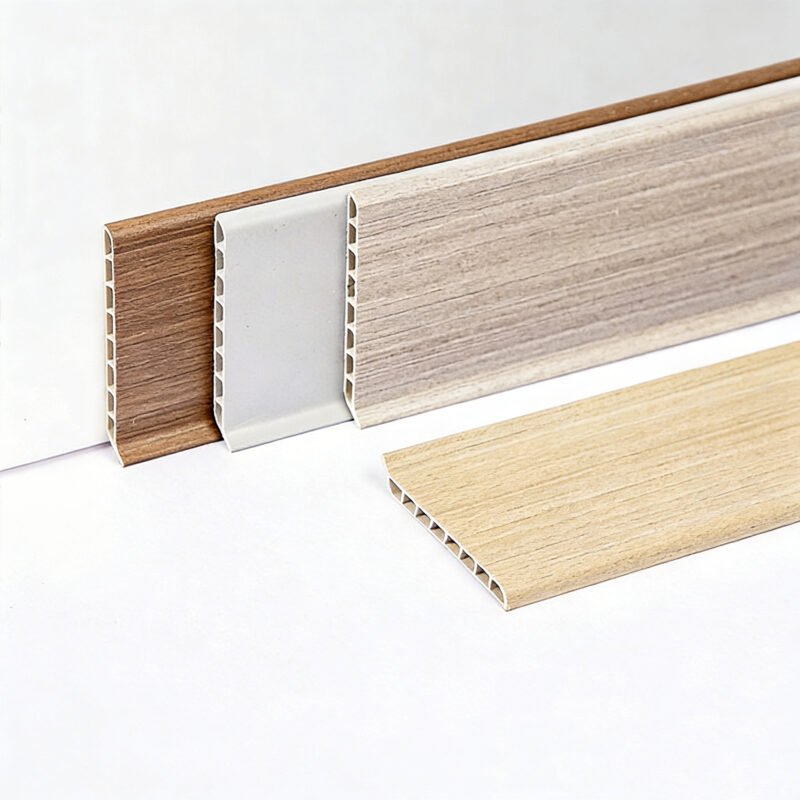
If you are looking to improve your board’s surface hardness or reduce its weight, the solution often lies in the formulation. We provide technical support to ensure your production line achieves consistent results shift after shift.
FAQ
Q: What is the main difference between PVC foam board and rigid PVC?
A: PVC foam board contains a cellular core created by blowing agents, making it significantly lighter than solid, rigid PVC sheets.
Q: Can PVC foam boards be recycled after production?
A: Yes, factory offcuts and used boards can be ground down and reused in the core layer of new boards to reduce material costs.
Q: Why does my foam board have a rough surface finish?
A: This is often caused by improper cooling temperatures or insufficient lubrication in the chemical blend during the extrusion stage.
Q: How does the thickness of the board affect the cooling process?
A: Thicker boards require longer cooling times and slower haul-off speeds to ensure the core heat does not cause post-extrusion warping.
Q: What role do foaming regulators play in the process?
A: Regulators increase melt strength, which prevents the gas bubbles from collapsing or merging before the plastic cools and hardens.
Reference Sources
- ASTM D6662 – Standard Specification for Polyolefin-Based Plastic Lumber
https://www.astm.org/d6662-22.html - ISO 1183-1:2019 — Density Determination of Non-Cellular Plastics (Immersion, Liquid Pycnometer and Titration Methods)
https://www.iso.org/standard/83904.html - PVC Foam Board Technical Properties and Standards
https://www.sciencedirect.com/ - SGS Polymer Testing Services and Standards
https://www.sgs.com/en