
The Hidden Value of PVC Additive Technical Support
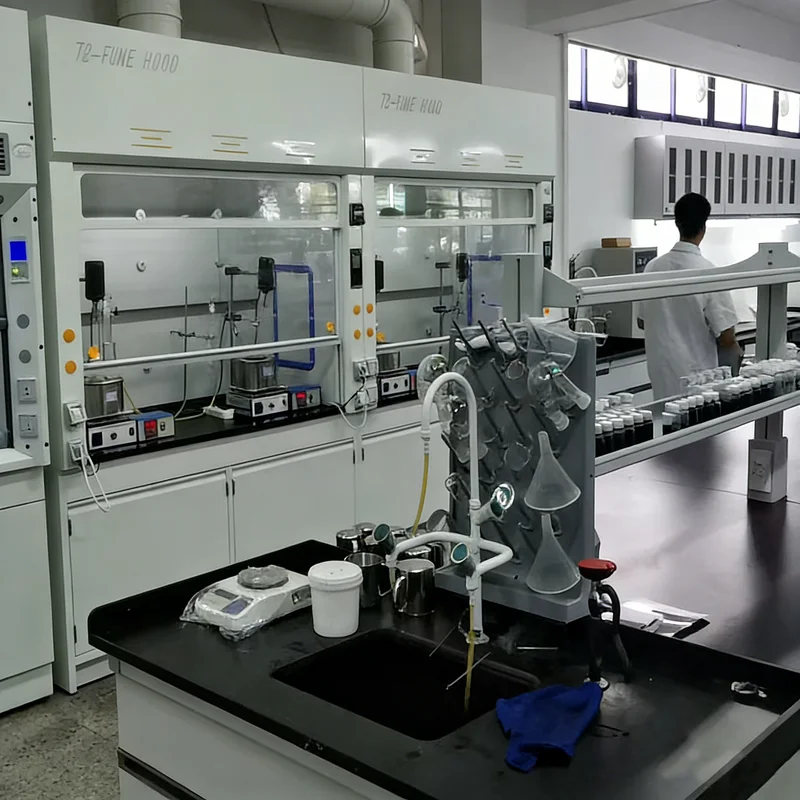
In the global polymer industry, purchasing chemicals is often viewed as a transactional cost. However, for high-volume PVC manufacturing, the raw material is only half of the equation. Professional PVC additive technical support serves as the bridge between a chemical product and an efficient, high-yield production line. PVC is a thermally sensitive polymer with a narrow processing window; a minor imbalance in stabilizers or lubricants can result in localized scorching, plate-out, or catastrophic batch failure.
For facility managers and OEM project managers, technical support is a risk-mitigation strategy. Choosing a supplier that offers deep engineering expertise allows factories to optimize formulations for specific machinery speeds, reducing energy consumption and scrap rates. In the current “Industry 4.0” landscape, the most successful manufacturers prioritize suppliers who act as process consultants rather than mere commodity vendors.
The Engineering Complexity of PVC Rheology
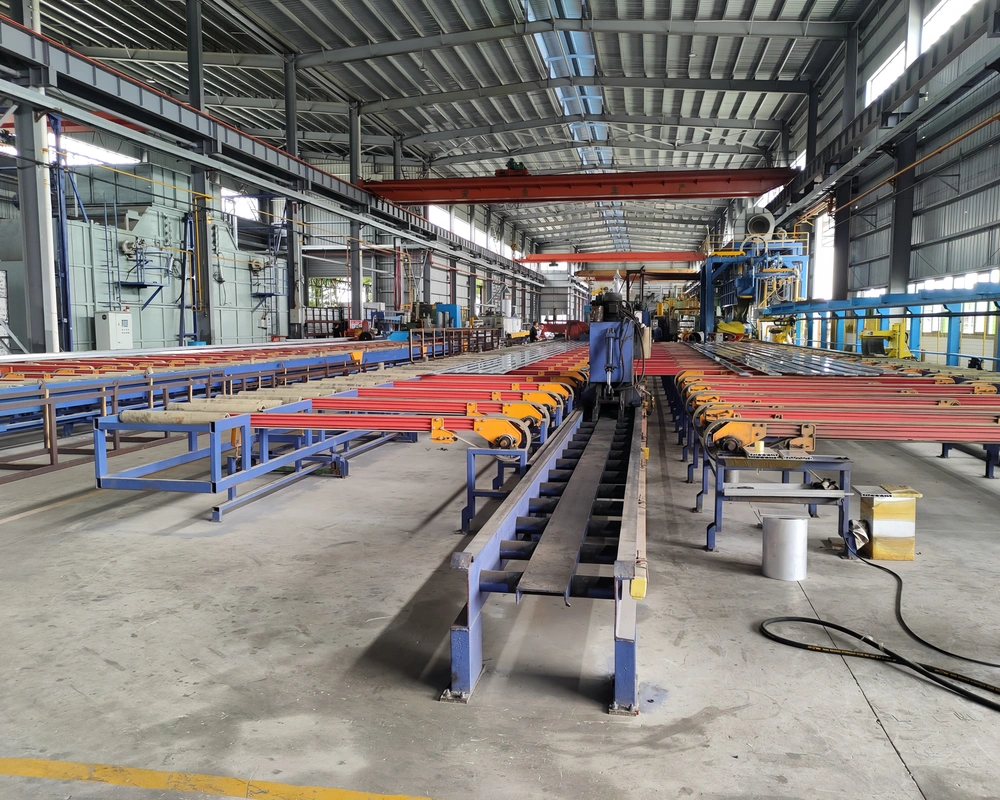
To understand why support matters, one must look at the mechanical behavior of the PVC melt. Unlike simpler polymers, PVC requires a complex matrix of additives—stabilizers, lubricants, processing aids, and impact modifiers—to achieve gelation without degrading.
Professional technical support provides the following engineering advantages:
- Fusion Optimization: Adjusting the “One-Pack” stabilizer to ensure the melt reaches its peak torque at the correct position in the barrel.
- Torque Management: Utilizing internal lubricants to lower motor load, which directly reduces kilowatt-hour (kWh) consumption per ton of output.
- Plate-out Prevention: Correcting the external lubricant ratio to stop the accumulation of additive residue on the die and calibrator surfaces.
How Technical Guidance Dictates Manufacturing ROI
The internal rate of return (ROI) on a chemical purchase is frequently dictated by the supplier’s ability to troubleshoot on-site or via lab simulation. In large-volume production, even a 2% reduction in scrap leads to significant annual savings.
| Service Level | Price-Focused Supplier | Support-Focused Supplier |
| Formulation Audit | Not Provided | Tailored to K-value and filler loading |
| Troubleshooting | Slow / Email only | Rapid On-site or Video Consulting |
| Compliance | Basic Data Sheets | REACH/RoHS/ISO Documentation |
| Testing Standards | Minimal | ASTM/ISO Lab Verification |
| Economic Impact | High Scrap Risk | Optimized OEE (Efficiency) |
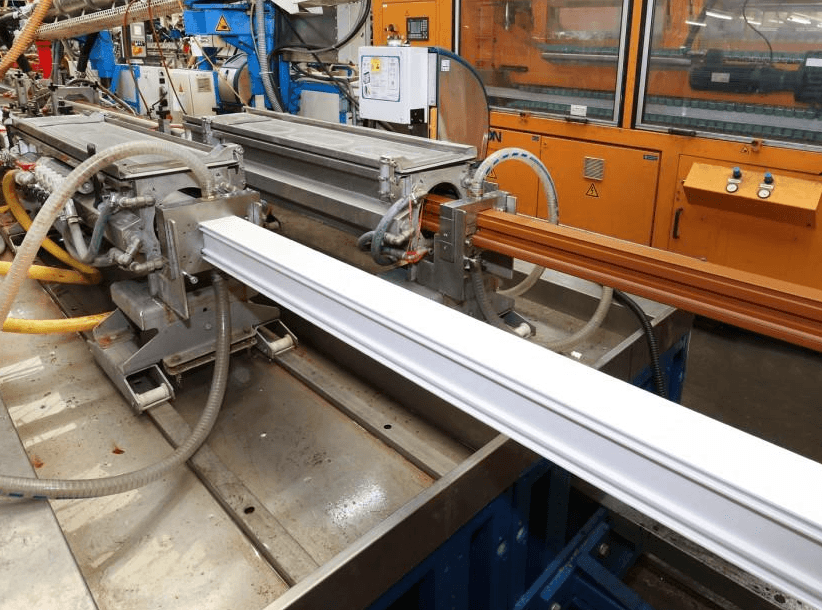
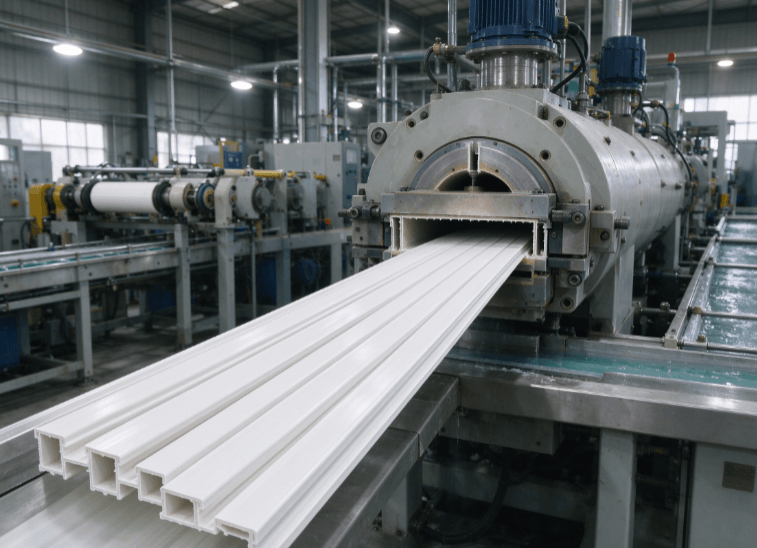
Manufacturers exploring diverse industry applications must ensure their supplier understands the specific stressors of each sector. For example, the additive requirements for high-pressure water pipes differ fundamentally from the UV-stability needs of outdoor window profiles. Expert support ensures the chemistry matches the climate and mechanical load of the end product.
Navigating Global Compliance and Regulatory Frameworks
The modern procurement cycle is heavily influenced by environmental standards. Transitioning from traditional lead-based stabilizers to non-toxic Calcium-Zinc (Ca-Zn) or organic-based systems is a technical hurdle.
A supplier with robust PVC additive technical support assists in this transition by:
- Recalibrating Temperature Profiles: Ca-Zn systems often require different heat settings than lead to prevent premature yellowing.
- Validating Export Safety: Ensuring the product meets REACH and RoHS standards for entry into European and North American markets.
- Certification Transparency: Providing verified Certificates of Analysis (COA) for every batch, which is essential for B2B trustworthiness.
Strategic Sourcing: Beyond the Unit Price
From a B2B procurement consultant’s perspective, the “cheapest” additive package often carries the highest total cost of ownership (TCO). Sampling delays may occur when testing new formulations, but a supplier with a strong technical team can shorten the R&D cycle through predictive lab testing.
In automotive environments, where low-VOC (Volatile Organic Compound) emissions are mandatory, technical support helps engineers select the right molecular weight for plasticizers and lubricants. This prevents “windshield fogging” and ensures long-term part integrity. High-tier suppliers utilize torque rheometers and accelerated weathering testers (ASTM G154) to provide data-backed recommendations before the first container is even shipped.
Ultimately, the commercial depth of a partnership is tested when the production line stops. A reliable supplier provides the expertise to identify if an issue is mechanical (worn screw) or chemical (incorrect internal lubrication). This diagnostic capability is the ultimate value-add in industrial manufacturing.
How to Choose a PVC Additive Supplier with Strong Technical Support?
Choosing a PVC additive supplier is not only about product quality and price. A reliable supplier should provide technical expertise, application support, and long-term solutions to help manufacturers improve production performance and reduce operational risks.
Industry Experience
A professional PVC additive supplier should have extensive knowledge of PVC applications and production processes. Suppliers with industry experience can better understand different manufacturing challenges and recommend suitable additive solutions based on specific requirements.
Testing and Technical Capability
Strong technical capability is an important factor when selecting a supplier. A reliable supplier should provide support such as:
- Product performance testing
- Application evaluation
- Formula optimization suggestions
- Production problem analysis
This helps manufacturers achieve more stable processing performance and consistent product quality.
Customization Ability
Different PVC products require different additive combinations. A capable supplier should provide customized solutions based on:
- PVC pipe production
- PVC profiles
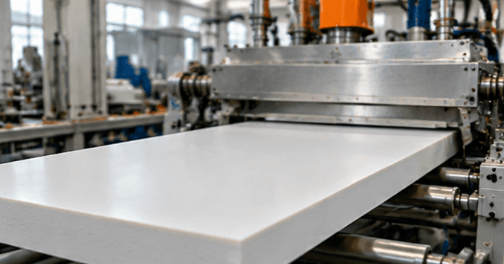
- PVC foam boards
- PVC cables
- Other specialty applications
Customized additive solutions can help manufacturers improve product performance while optimizing production costs.
Product Quality and Consistency
Stable product quality is essential for continuous manufacturing. Buyers should evaluate whether the supplier has:
- Strict quality control procedures
- Consistent raw material management
- Reliable production processes
- Complete technical documentation
Consistent additive performance helps reduce production fluctuations and improve manufacturing efficiency.
Long-Term Technical Support
A reliable PVC additive supplier should provide continuous support beyond product delivery. This includes:
- Application guidance
- Processing recommendations
- Problem-solving support
- Product improvement suggestions
By choosing a supplier with strong technical support capabilities, PVC manufacturers can build a long-term partnership that improves production stability, reduces costs, and supports business growth.
FAQ
What is the difference between a TDS and technical support?
A Technical Data Sheet (TDS) provides the basic properties of a chemical. PVC additive technical support provides the “application logic”—the specific dosage and temperature settings required to make that chemical work in your unique extruder setup.
How can technical support reduce my fuel or energy costs?
By optimizing the lubrication balance in your PVC compound, technical experts can reduce the friction between the polymer and the metal. This lowers the motor’s amperage draw, leading to direct energy savings in 24/7 manufacturing operations.
Can technical support help with using recycled PVC?
Yes. Recycled PVC (regrind) has a shorter thermal history. Technical support can help you “over-stabilize” the formulation or adjust processing aids to maintain the melt strength needed to handle inconsistent recycled feedstocks.
How do I evaluate a supplier’s technical capability?
Ask for case studies or trial protocols. A high-quality supplier will provide a “Trial Report” that includes fusion times, peak torque data, and physical property testing of the final extrudate.
Is technical support included in the product price?
For Tier-1 suppliers, technical consulting is a standard value-add. While the unit price per kilogram might be slightly higher than a generic broker, the savings gained through optimized OEE and reduced scrap usually result in a lower total cost per unit produced.
How can technical support reduce production costs?
Proper additive selection can reduce waste, improve processing efficiency, and optimize additive dosage.
What support should a PVC additive supplier provide?
A professional supplier should provide product recommendations, formulation assistance, testing support, and production troubleshooting.
Why choose a PVC additive manufacturer instead of a trader?
Manufacturers usually provide better technical knowledge, customization capability, and long-term application support.
Reference Sources
- ISO 9001:2015: Quality management systems — Requirements for industrial manufacturing. ISO.org
- ASTM D2538: Standard Practice for Fusion of Poly(Vinyl Chloride) (PVC) Compounds Using a Torque Rheometer. ASTM.org
- REACH Regulation: European Chemicals Agency (ECHA) guidelines on chemical safety and compliance. ECHA.europa.eu
- Society of Plastics Engineers (SPE): Technical journals on PVC processing and additive synergy.
- SGS Global: Standards for chemical purity and material safety testing.
Summary:
Select PVC additives with technical support to ensure your formulation matches your machinery’s unique rheology. Expert guidance reduces scrap, ensures REACH compliance, and provides the necessary data to maximize B2B manufacturing ROI.