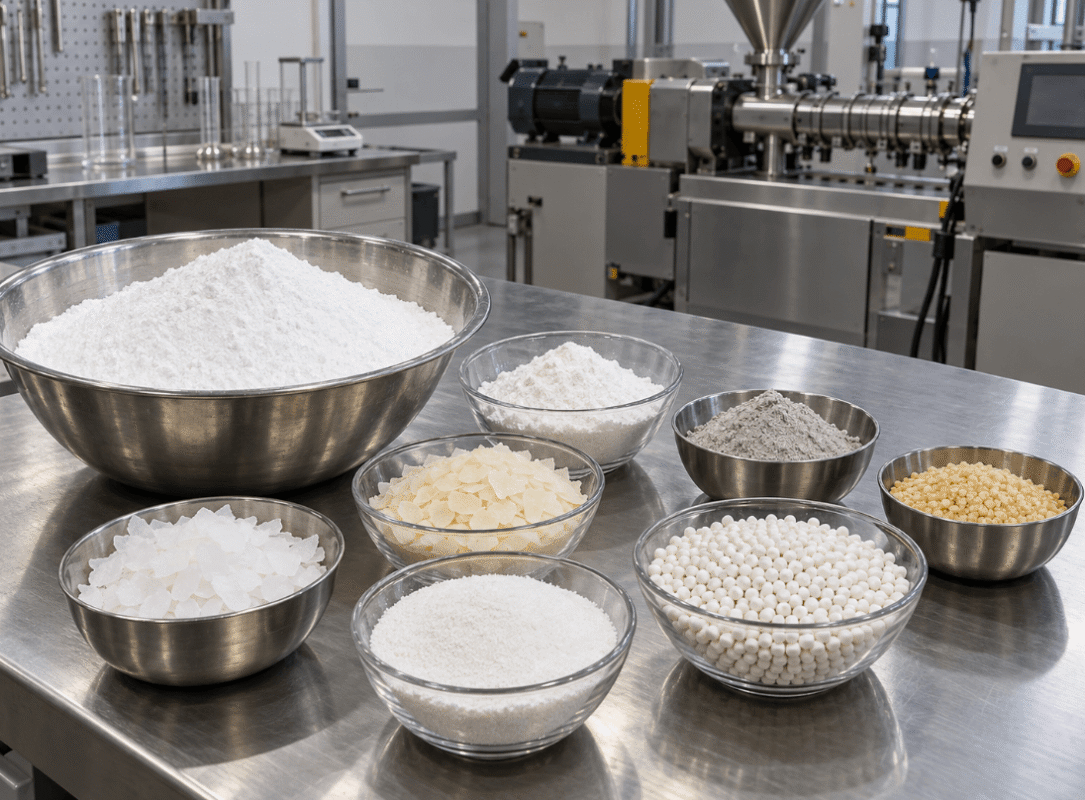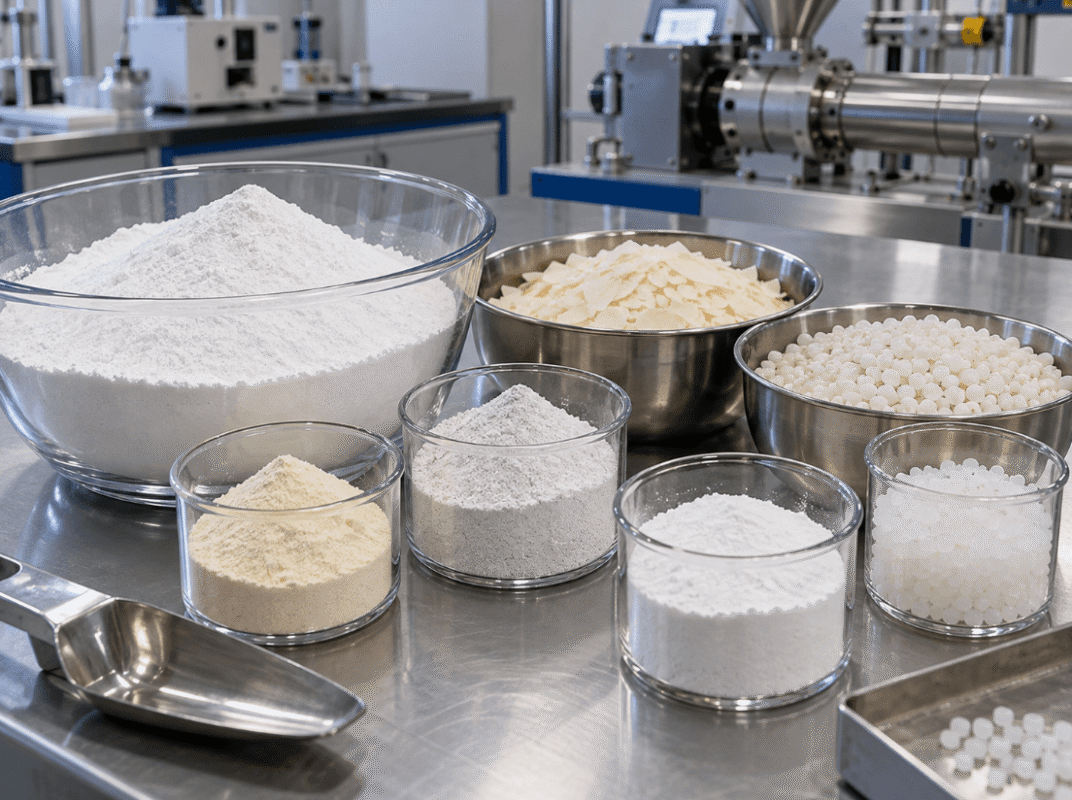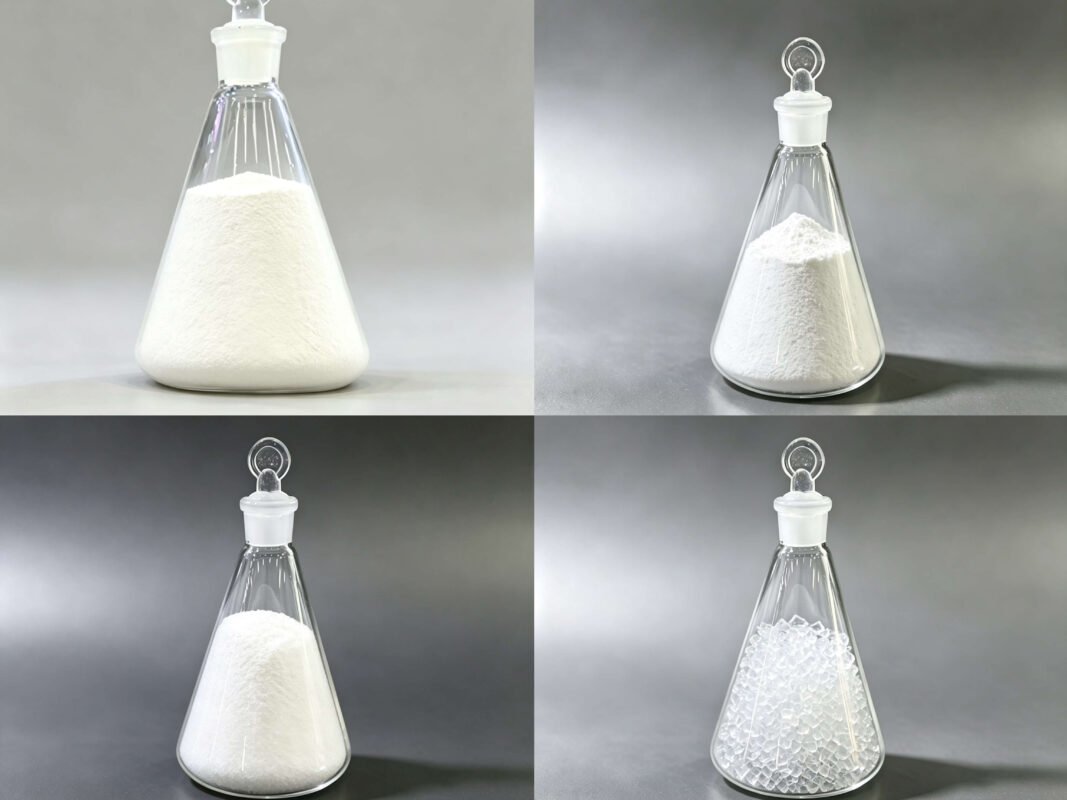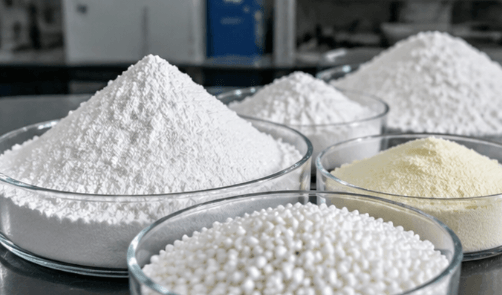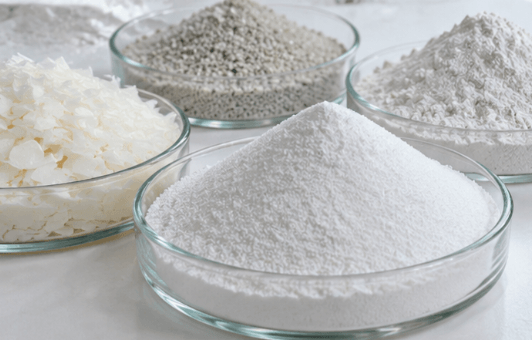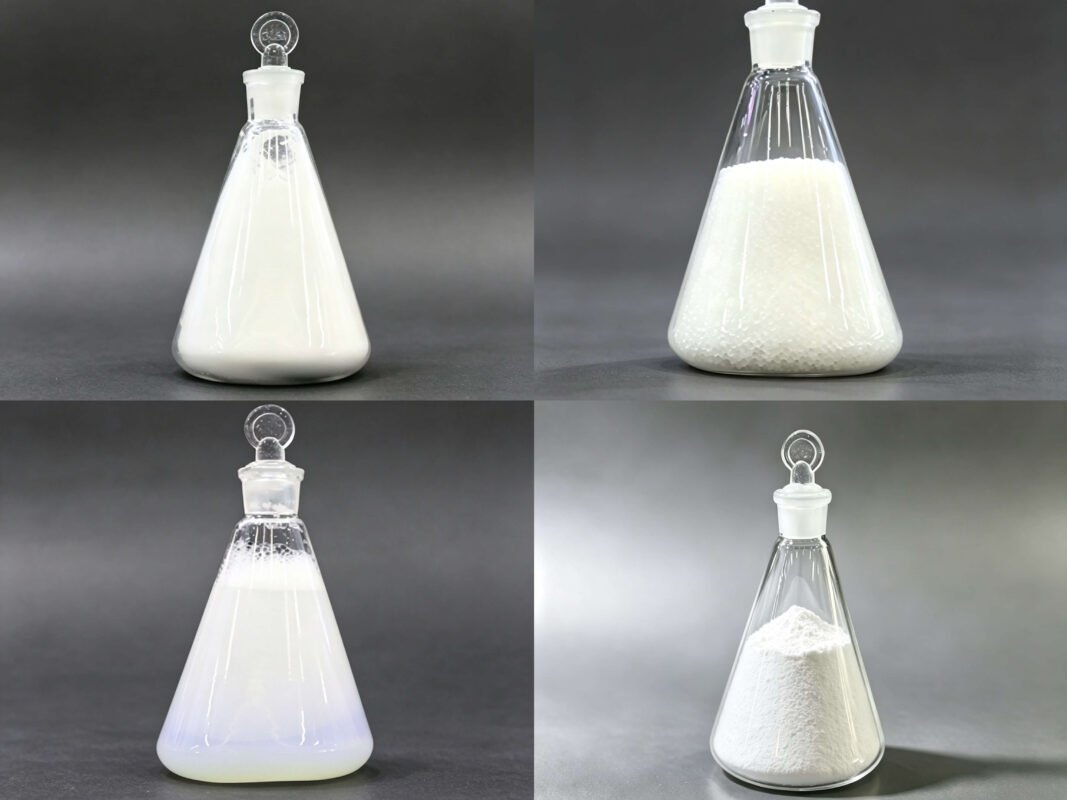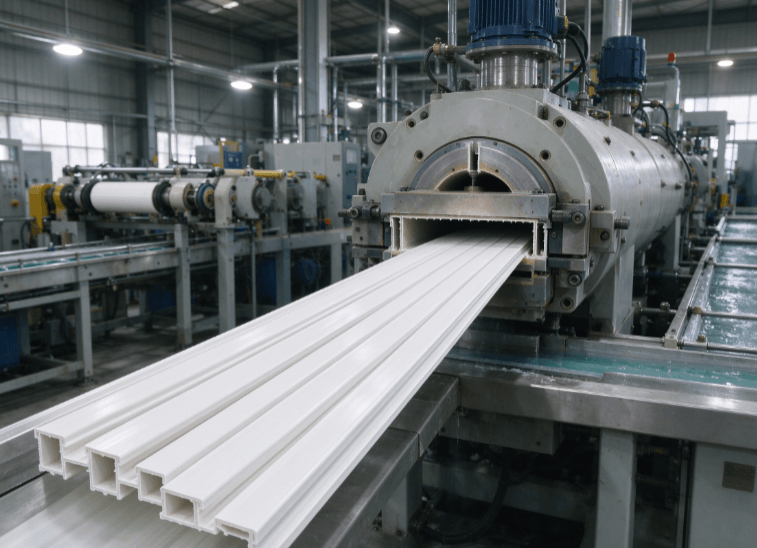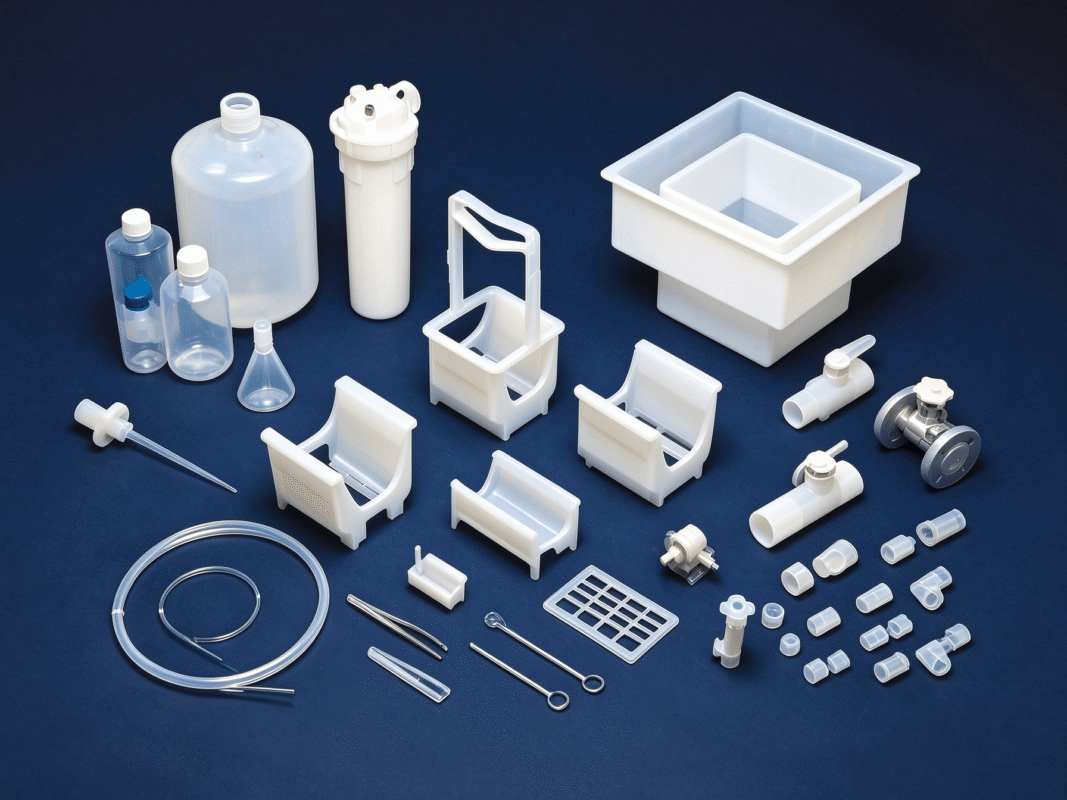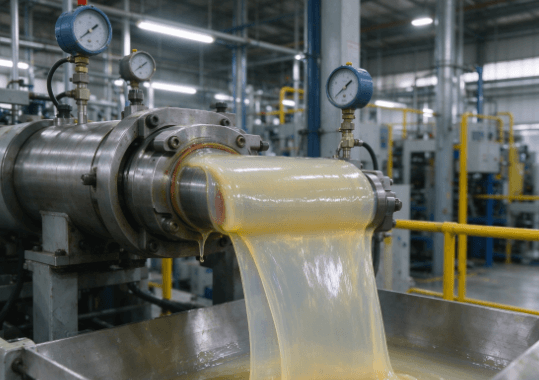

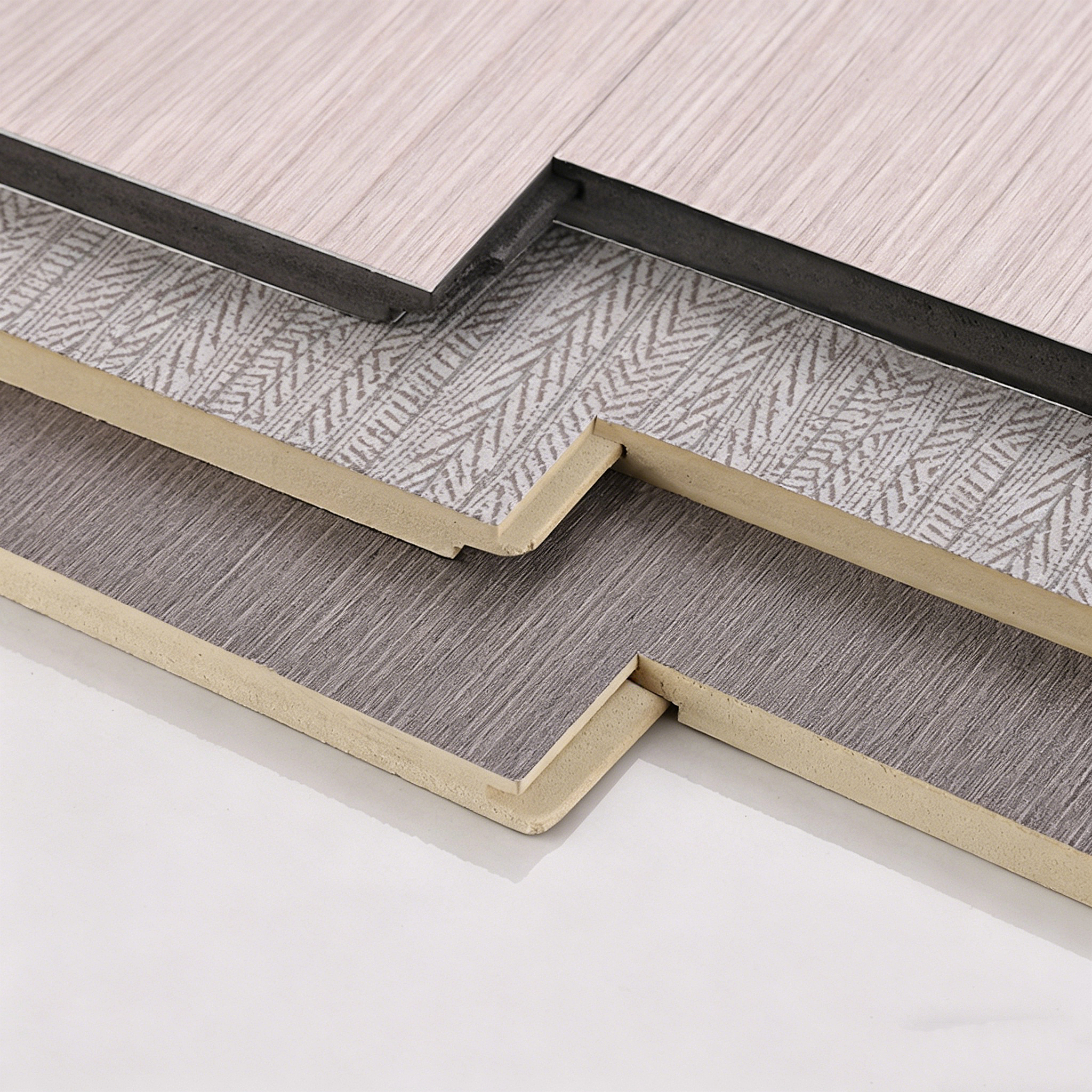
Polyvinyl Chloride (PVC) is a versatile polymer used in countless industries worldwide. However, pure PVC resin is naturally brittle and sensitive to high heat. To make it functional, manufacturers must incorporate specific chemical components known as pvc additives.
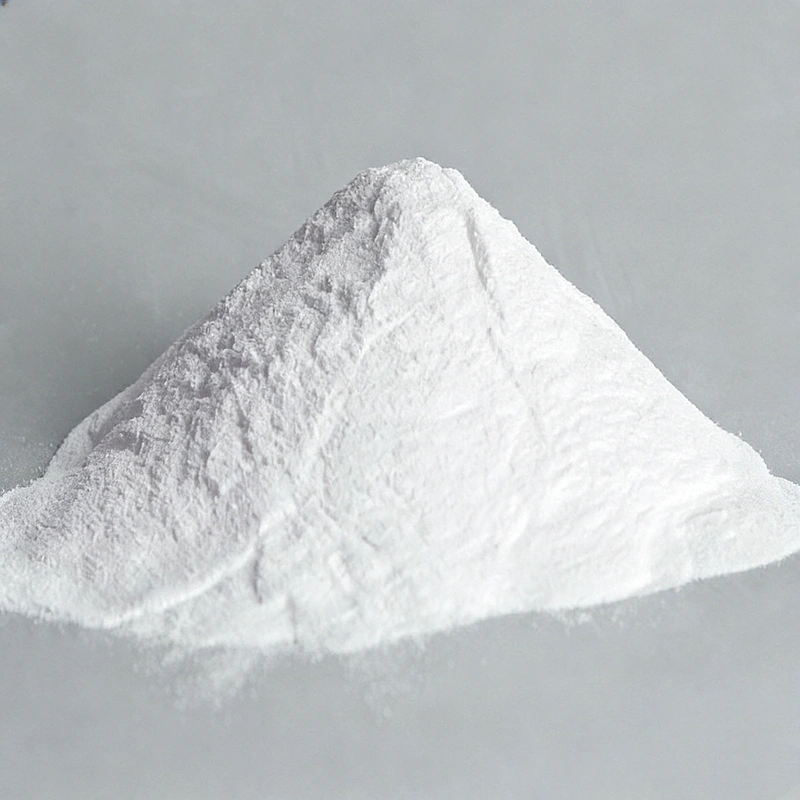
These additives modify the physical and chemical properties of the base resin. They allow the material to withstand the rigors of extrusion and injection molding. Without these essential ingredients, PVC would decompose before it could be shaped into a finished product.
Understanding the balance of these chemicals is crucial for any manufacturing process. Correctly formulated pvc additives ensure durability, flexibility, and longevity in the final application. This guide explores the essential categories of additives that drive the PVC industry forward.
What Are the Different Types of PVC Additives?
The formulation of PVC requires a blend of several functional agents to achieve specific goals. Each type of additive addresses a particular weakness of the raw polymer. The synergy between these components determines the quality of the end product.
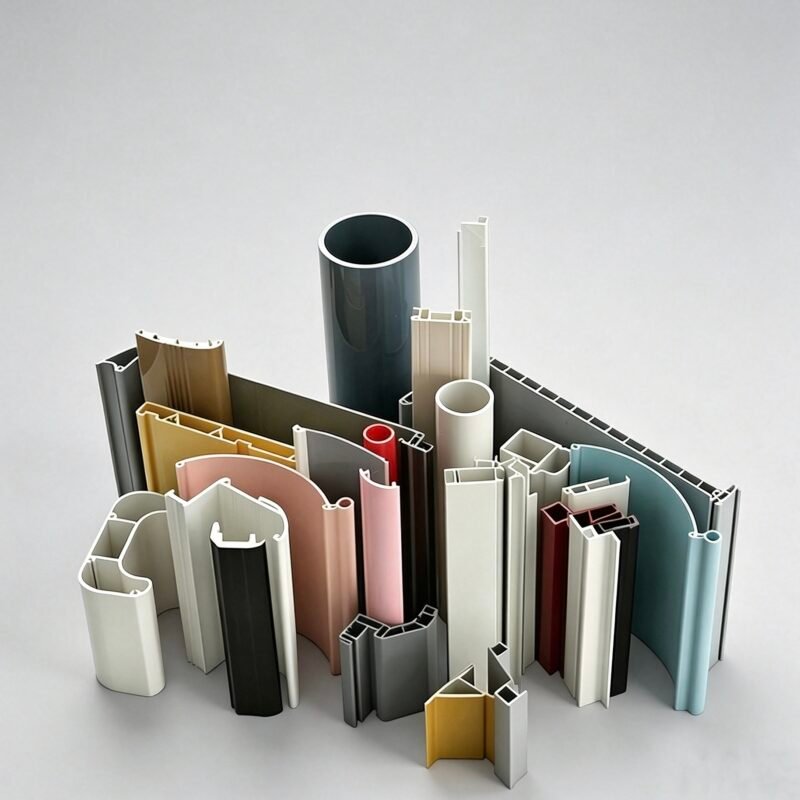
Heat stabilizers are perhaps the most critical component in any PVC blend. PVC begins to release hydrochloric acid at temperatures above 160°C, leading to rapid degradation. Heat stabilizers prevent this chemical breakdown during high-temperature processing. Common stabilizers include calcium-zinc and lead-based compounds, which absorb released acids.
Impact modifiers are another vital category used to enhance structural integrity. Rigid PVC is naturally prone to cracking under physical stress or cold temperatures. Adding impact modifiers like CPE or MBS increases the toughness of the material significantly. These agents allow PVC pipes and window profiles to resist high-impact forces without shattering.
| Additive Category | Primary Function | Typical Dosage (phr) |
| Heat Stabilizers | Prevents thermal degradation and yellowing | 2.0 – 5.0 |
| Lubricants | Reduces friction between polymer and machinery | 0.5 – 1.5 |
| Processing Aids | Enhances melt strength and surface finish | 1.0 – 6.0 |
| Impact Modifiers | Improves resistance to mechanical shocks | 4.0 – 12.0 |
| Plasticizers | Increases flexibility and softness | 20.0 – 60.0 |
How PVC Additives Enhance Material Performance
The primary goal of using pvc additives is to broaden the functional range of the polymer. By adjusting the formulation, manufacturers can create products ranging from rigid pipes to flexible medical tubing. The right additive package optimizes both the processing phase and the end-use performance.
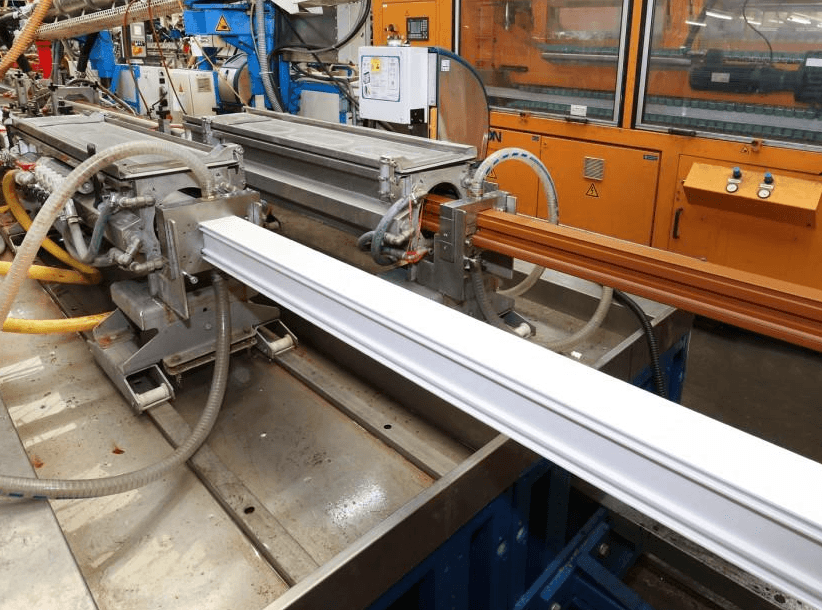
Processing aids, particularly those based on acrylics, play a major role in melt management. They promote faster fusion of the PVC powder into a homogenous melt. High-quality processing aids improve melt elasticity, which prevents tearing during the extrusion of complex shapes. This leads to a smoother surface finish and better dimensional stability.
Lubricants are essential for managing the flow behavior of the PVC compound. Internal lubricants reduce the friction between individual polymer chains to lower melt viscosity. External lubricants prevent the hot plastic from sticking to the metal surfaces of the extruder. This dual action ensures a steady production rate and reduces energy consumption by up to 15%.
The Role of Acrylic Processing Aids in PVC
Acrylic processing aids are specialized pvc additives designed to solve specific manufacturing challenges. They are typically high molecular weight polymers that are compatible with the PVC matrix. These aids are indispensable for producing high-quality rigid PVC profiles and sheets.
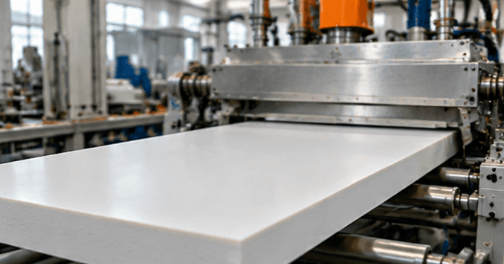
In foaming applications, acrylic aids are used to control the expansion of gases. They increase the melt strength of the PVC to trap blowing agent bubbles effectively. This results in a uniform cellular structure and a lower overall density for foamed products. Without these aids, the bubbles would collapse, leading to a heavy and inconsistent material.
Acrylic aids also contribute to the aesthetic quality of the finished part. They help eliminate surface defects such as “shark skin” or dull spots. By ensuring a uniform melt flow, these additives provide a high-gloss or matte finish as required. This is particularly important for consumer-facing products like window frames and decorative panels.
Factors to Consider When Choosing PVC Additives
Selecting the right pvc additives requires a deep understanding of the intended application. Not all additives are compatible with every manufacturing method or regulatory requirement. The choice of additives directly impacts the cost-efficiency and safety of the production line.
Compatibility with the base resin is the first technical hurdle to clear. If an additive does not disperse evenly, it can create “fish eyes” or weak spots in the material. Advanced acrylic processing aids are engineered for rapid dispersion to ensure a consistent output. Manufacturers must also consider the environmental impact and toxicity of certain stabilizers.
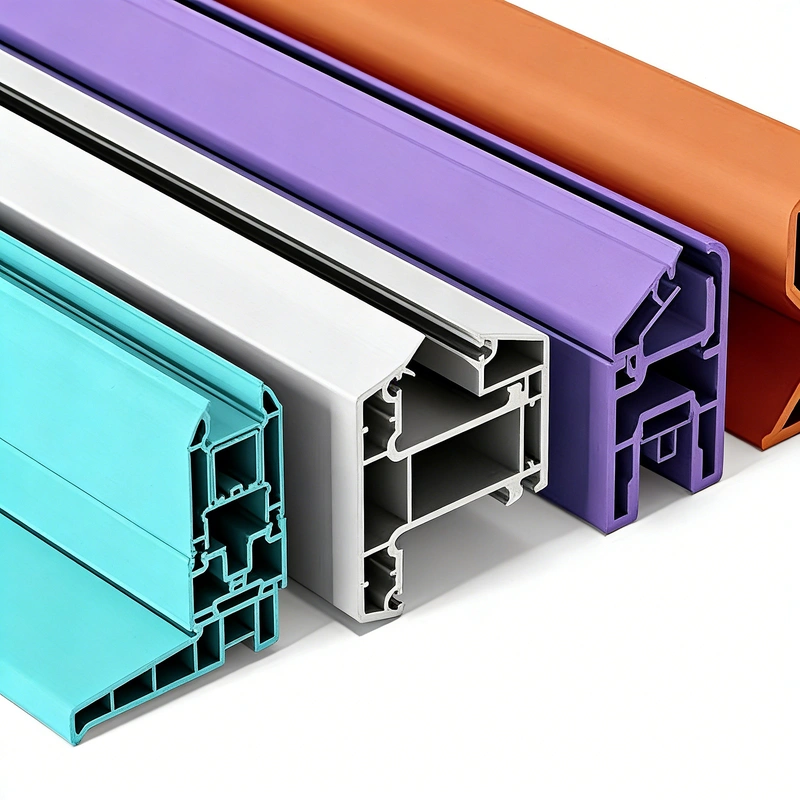
The processing temperature of the machinery must match the activation point of the additives. Some lubricants might migrate to the surface too quickly if the temperature is not controlled. Balancing the ratio of internal and external lubricants is a delicate science in PVC formulation. This balance prevents plate-out, which is the buildup of residue on the molding equipment.
Selecting the Right Processing Aid for Your Project
When evaluating pvc additives, the choice often comes down to the specific viscosity and molecular weight needed for your equipment. For instance, high-viscosity acrylic aids are better suited for thick-walled pipes. Lower viscosity options are generally preferred for thin films to maintain clarity and flow.
You should determine if your process requires a specialized foaming regulator or a general-purpose fusion promoter. Highly specialized acrylic aids can significantly reduce the reject rate in complex extrusion processes. Evaluating the melt flow index of your compound with and without the additive will provide clear evidence of performance gains.
For professional guidance on selecting specific formulations like the LP series or specialized lubricants, visiting a technical resource is beneficial. Expert providers offer data sheets that detail the molecular weight and recommended phr (parts per hundred resin). Utilizing these technical benchmarks ensures that your PVC products meet international quality standards. For a comprehensive range of these materials, you can explore specialized PVC processing aids to find the exact match for your manufacturing needs.
Summary
In conclusion, pvc additives are the essential building blocks that make PVC a viable industrial material. By combining stabilizers, lubricants, and acrylic processing aids, manufacturers can achieve the perfect balance of durability and processability. These chemicals protect the resin from heat, improve its strength, and ensure a flawless surface finish for every application.
FAQ
What is the most common additive in PVC?
Plasticizers and heat stabilizers are the most common additives used in PVC. Plasticizers make the PVC flexible, while heat stabilizers prevent the material from burning during the manufacturing process.
Why are processing aids used in PVC?
Processing aids are used to improve the melt properties of PVC. They speed up the fusion process, increase melt strength, and help create a smoother surface on the finished product.
Are PVC additives safe for the environment?
Modern PVC additives are increasingly focused on sustainability and safety. Many manufacturers have shifted from lead-based stabilizers to calcium-zinc alternatives to meet environmental regulations and safety standards.
How do impact modifiers work in PVC?
Impact modifiers work by creating a toughened phase within the brittle PVC matrix. These particles absorb and dissipate energy during a physical strike, preventing the material from cracking or breaking.
What happens if you don’t use lubricants in PVC?
Without lubricants, the PVC melt would stick to the metal walls of the processing machinery. This causes the polymer to overheat, degrade, and eventually clog the extruder or mold.
Reference Sources
The Vinyl Institute: PVC Additives and Formulation https://www.vinylinfo.org/
ASTM International: Standards for PVC Materials https://www.astm.org/